

ProductPRODUCT
Featured products



Contact Us
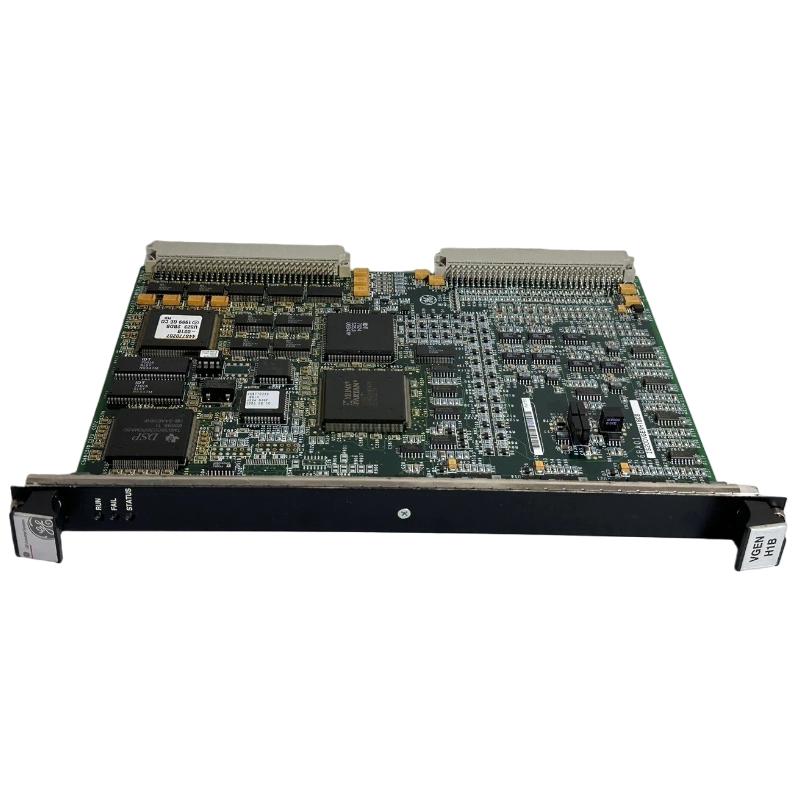
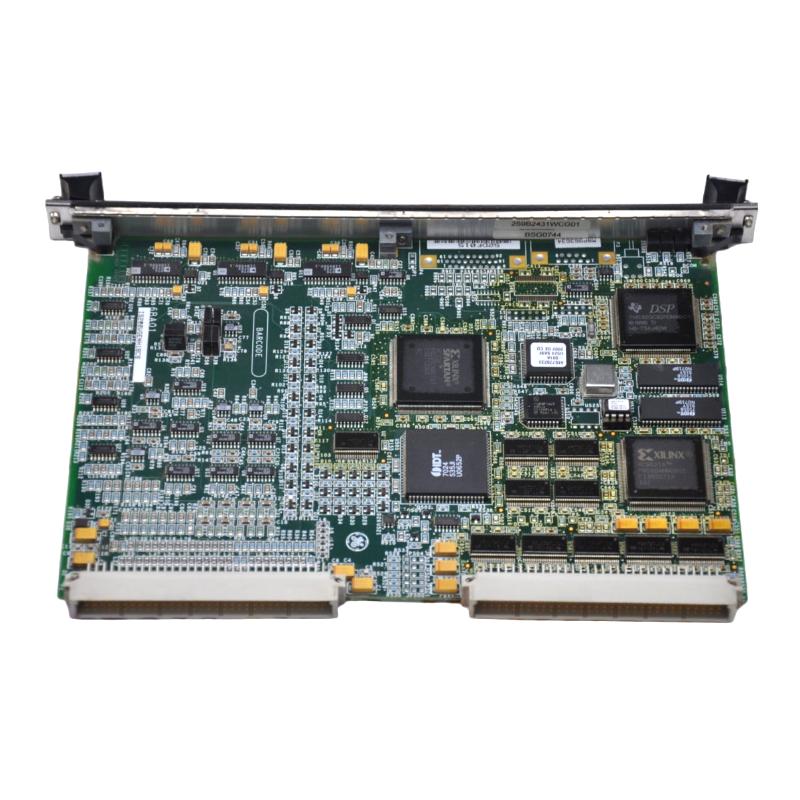
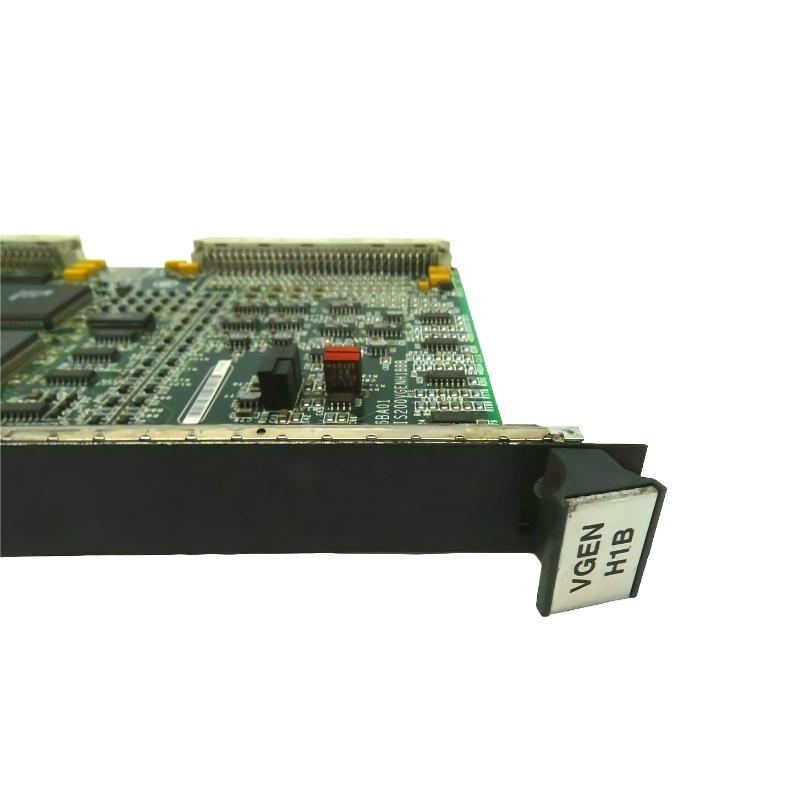
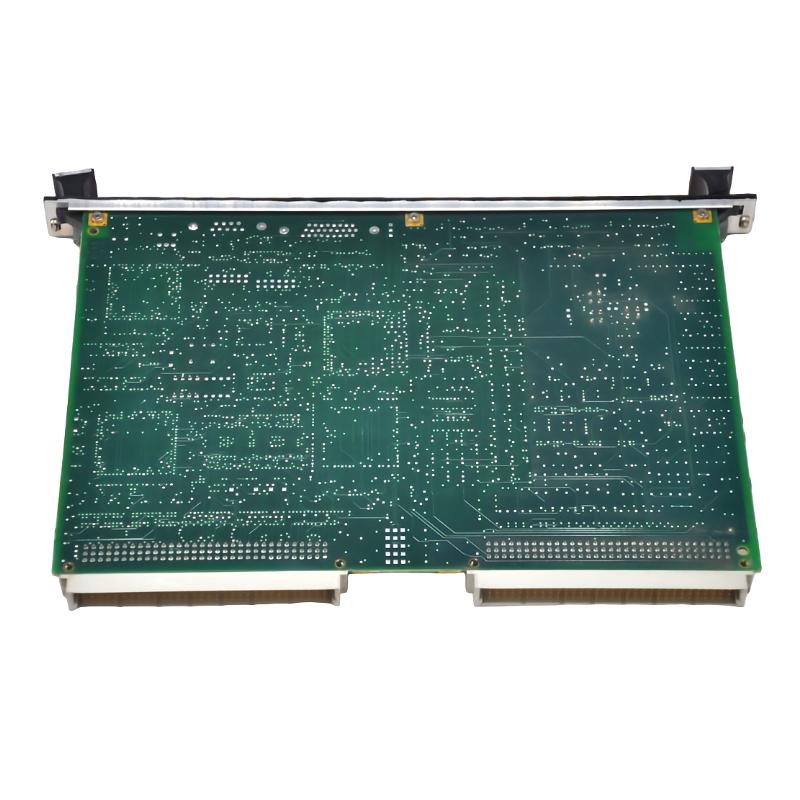
- GE
- IS200VGENH1B
- Generator Monitor and Trip Panel
- USA
- 280 x 33 x 220 mm
- 0.5 kg
- Xiamen, China
- New & In Stock
- T/T, PayPal, Western Union
- 1 Year
- 1-3 Working Days
- DHL, UPS, TNT, FedEx and EMS.
- 24-Hour Service
- COO
- 47
Our advantage

Global Logistics
We have a 10-year logistics and express cooperation agreement, so our products can be shipped to any place in the world.

Brand new and original
Our products are imported in bulk from the place of origin. Because of the cooperative relationship, our products are all original and 100% new.

24-hour service
We provide 7*24 hours service to our customers. We will be there whenever you need us.

Price advantage
All our products are priced very favorably because we have our own warehouse and supply.
| Company Information | |||
| [email protected] | |||
| Mobile | +8615980777398 | ||
| +8615980777398 | |||
| 15980777398 |
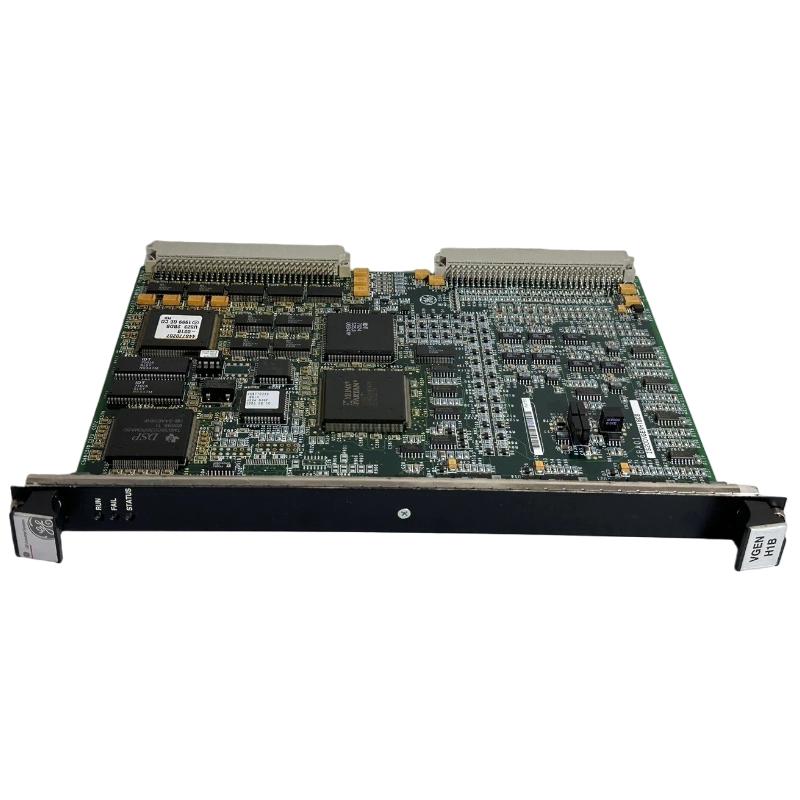
Product Overview
The GE IS200VGENH1B Generator Monitor and Trip Panel is a specialized industrial control and protection interface designed for generator monitoring and trip-related functions within compatible GE control architectures. As part of the GE IS200 family, the IS200VGENH1B is intended to support the monitoring of generator operating conditions and the interface of protective or shutdown-related signals with the broader control system.
Generator control systems depend on continuous monitoring of electrical and operating conditions. Abnormal conditions may require an alarm, a control response, or a trip command to protect the generator and associated equipment. A dedicated generator monitoring and trip interface provides an important connection between measurement and protection functions and the plant control architecture.
The IS200VGENH1B has supplied dimensions of 280 × 33 × 220 mm and a weight of approximately 0.5 kg. Its panel-style construction is intended for installation within compatible GE industrial control equipment.
Because generator protection is a system-level function, the board should not be treated as an independent protection device without considering the complete host-system architecture. Exact monitoring channels, trip logic, electrical ratings, connector assignments, and protection functions should be verified against the applicable hardware revision and system configuration.
Technical Specifications
| Parameter | Specification |
|---|---|
| Manufacturer | General Electric (GE) |
| Model | IS200VGENH1B |
| Product Type | Generator Monitor and Trip Panel |
| Product Family | GE IS200 Series |
| Primary Function | Generator monitoring and trip interface |
| Application | Generator control, monitoring, and protection |
| System Role | Monitoring / protection interface |
| Signal Type | Generator status, monitoring, and trip-related signals |
| Installation | Compatible GE industrial control equipment |
| Dimensions | 280 × 33 × 220 mm |
| Weight | 0.5 kg |
| Typical Use | Generator condition monitoring and protective control integration |
| Replacement | Verify complete part number and revision before installation |
Exact monitored parameters, trip inputs/outputs, electrical ratings, protection thresholds, terminal assignments, and system logic should be confirmed from the applicable IS200VGENH1B documentation and host-system configuration.
What Is the GE IS200VGENH1B?
The GE IS200VGENH1B is a Generator Monitor and Trip Panel designed to participate in generator monitoring and protection-related functions within a compatible GE control system.
Generators operate under changing electrical and mechanical conditions. Control systems therefore need reliable information about generator status and operating conditions.
A monitoring and trip interface can form part of the path between generator-related signals and the control or protection architecture.
A simplified system arrangement can be represented as:
Generator → Sensors / Protective Signals → IS200VGENH1B → Control / Protection Logic → Alarm or Trip Response
The exact signal architecture depends on the generator control system in which the panel is installed.
Generator Monitoring and Protection
Generator protection systems are designed around the principle of detecting abnormal operating conditions and initiating an appropriate response.
Depending on the overall system design, monitored conditions can include electrical, mechanical, thermal, or equipment-status information.
Examples of generator-related information may include:
- Generator operating status
- Voltage-related conditions
- Current-related conditions
- Frequency-related conditions
- Excitation status
- Breaker status
- Protection status
- Equipment permissives
- Alarm conditions
- Trip indications
The exact parameters associated with the IS200VGENH1B must be determined from the host system and applicable board configuration.
Function and Working Principle
Generator Status Monitoring
The panel can form part of a system used to monitor generator-related operating states.
Status information allows the control system to determine whether equipment is:
- Running
- Stopped
- Available
- Unavailable
- Normal
- In alarm
- Tripped
- Ready for operation
This information can be incorporated into generator control sequences and supervisory monitoring.
Protection Signal Interface
Generator protection systems use signals to identify abnormal operating conditions.
A monitoring and trip interface can provide an electronic connection between these signals and the associated control architecture.
The signal may then be evaluated by the system’s configured protection or control logic.
Trip Function
A generator trip is a protective action intended to remove the generator from operation when a defined abnormal condition requires shutdown.
The IS200VGENH1B is associated with generator monitoring and trip-panel functionality, but the exact trip logic depends on the host-system design.
A simplified concept is:
Abnormal Condition → Monitoring Signal → Protection Logic → Trip Command → Generator Shutdown
The specific implementation must be verified for the installed system.
Role in Generator Control Systems
The IS200VGENH1B can form part of a layered generator control architecture.
Measurement Layer
Sensors and electrical measurement equipment provide information about generator conditions.
Interface Layer
Monitoring and interface hardware receives relevant signals.
Control Layer
The control processor evaluates conditions according to configured application logic.
Protection Layer
Protective logic determines whether an abnormal condition requires an alarm, control response, or trip.
Supervisory Layer
HMI and SCADA systems provide operators with status, alarms, events, and diagnostic information.
The generator monitor and trip panel contributes to the interface between these functional layers.
Generator Monitoring Architecture
A representative generator monitoring arrangement can be illustrated as:
Generator
↓
Electrical / Mechanical Sensors
↓
Signal Interface
↓
IS200VGENH1B
↓
Control / Protection Processor
↓
Trip / Alarm Logic
↓
Generator Control Equipment
↓
HMI / SCADA
This architecture illustrates the relationship between field measurements and system-level decision making.
The actual system may contain additional boards, terminal interfaces, processors, relays, measurement devices, and communication equipment.
Industrial Applications
Power Generation Plants
Generator monitoring and protection are fundamental functions in power-generation facilities.
The control architecture must coordinate generator operation with excitation, turbine systems, electrical distribution equipment, and plant protection functions.
Gas Turbine Generator Systems
Gas turbine generator packages use multiple monitoring and control functions to coordinate the turbine, generator, excitation system, and electrical output.
Steam Turbine Generator Systems
Steam turbine generator installations similarly require monitoring of generator operating conditions and integration with turbine and plant protection systems.
Industrial Generator Sets
Industrial facilities using large generator sets can require monitoring and trip interfaces as part of their equipment control architecture.
Utility Power Systems
Utility installations depend on reliable generator status and protection information for safe operation and coordinated electrical control.
Generator Trip Logic
A trip system is designed to respond to defined abnormal conditions.
A simplified trip architecture can be represented as:
Condition Detection → Signal Validation → Protection Logic → Trip Decision → Output Action
The system may also distinguish between:
- Warning
- Alarm
- Shutdown permissive
- Protective trip
- Reset condition
The exact thresholds and decision logic should always be taken from the applicable generator protection design.
A monitoring panel should therefore be considered part of a complete protection system rather than as the sole source of protection.
System Integration
The IS200VGENH1B can be integrated with various categories of GE control-system hardware.
| System Component | General Function |
|---|---|
| Generator Sensors | Detect operating conditions |
| Voltage / Current Measurement | Provides electrical information |
| Terminal Interface | Connects field signals |
| IS200VGENH1B | Generator monitoring and trip interface |
| Control Processor | Executes control logic |
| Protection Logic | Evaluates abnormal conditions |
| Excitation System | Controls generator excitation |
| Turbine Control | Controls prime mover operation |
| Communication Interface | Transfers system information |
| HMI | Displays generator status |
| SCADA | Provides supervisory monitoring |
The exact system architecture depends on the host GE equipment.
Installation Guidelines
Confirm Board Identification
Before installing or replacing the IS200VGENH1B, technicians should verify:
- Complete part number
- Revision designation
- Board markings
- Panel or rack position
- Connector arrangement
- Associated terminal boards
- Host generator-control equipment
- Existing wiring
- System configuration
Electrical Isolation
Generator control systems can involve multiple power sources and external circuits.
The equipment should be properly isolated before accessing the board, and applicable electrical safety procedures should be followed.
ESD Protection
Appropriate electrostatic-discharge precautions should be used when handling the circuit board.
Avoid unnecessary contact with connector contacts and exposed electronic components.
Mechanical Installation
The board should be installed in the correct system location and secured appropriately.
Improper seating can cause intermittent signals or prevent the system from operating correctly.
Wiring and Signal Integrity
Generator monitoring systems can contain both sensitive measurement signals and control/protection circuits.
Correct wiring is therefore essential.
Before commissioning, inspect:
- Field cables
- Terminal connections
- Board connectors
- Protective signal wiring
- Grounding
- Cable identification
- Connector seating
Potential wiring problems include:
- Open circuits
- Short circuits
- Loose terminals
- Incorrect connections
- Damaged insulation
- Grounding faults
Any wiring modification should be documented carefully because incorrect trip-related wiring can affect equipment protection behavior.
Grounding and Electrical Noise
Generator plants contain significant electrical equipment, including generators, transformers, switchgear, motors, excitation systems, and power converters.
These systems can create electrical noise and transient conditions.
Appropriate installation practices include:
- Proper grounding
- Suitable cable routing
- Separation of sensitive signals from high-power conductors
- Secure terminal connections
- Appropriate shielding where required
- Good cabinet organization
Electrical interference should be considered when monitoring signals appear unstable or intermittent.
Commissioning Procedure
Commissioning of generator monitoring and trip-related hardware should be performed under controlled conditions.
Step 1: Verify Hardware
Confirm the IS200VGENH1B part number, revision, and installation position.
Step 2: Inspect Connections
Check all connectors, terminal interfaces, and field wiring.
Step 3: Verify Configuration
Confirm that the control and protection system configuration corresponds to the installed hardware.
Step 4: Verify Monitoring Signals
Check that generator status and applicable monitoring signals are being detected correctly.
Step 5: Verify Alarm Functions
Confirm that configured abnormal conditions produce the expected alarm indications.
Step 6: Verify Trip Logic
Trip-related testing should be performed according to the approved commissioning and protection-test procedure.
Step 7: Confirm Reset Functions
Verify that applicable reset and recovery functions operate correctly.
Step 8: Monitor Normal Operation
Return the system to normal operating conditions and monitor for unexpected alarms, communication faults, or intermittent signals.
Troubleshooting the GE IS200VGENH1B
Generator monitoring faults should be diagnosed systematically because the same symptom can originate from sensors, wiring, control logic, or electronic hardware.
Generator Status Is Incorrect
If the system displays an incorrect generator state, inspect:
- Status contacts
- Field wiring
- Terminal interfaces
- Board connectors
- Control configuration
- Associated input circuits
Monitoring Signal Is Missing
Possible causes include:
- Sensor fault
- Wiring problem
- Terminal connection issue
- Board connector problem
- Power issue
- Configuration problem
- Input-interface fault
The field signal should be verified independently where practical.
False Alarm
A false alarm can result from:
- Unstable field signal
- Electrical interference
- Incorrect threshold configuration
- Wiring problems
- Sensor problems
- Control-system logic
- Interface hardware issues
The alarm event should be correlated with actual generator conditions before replacing hardware.
Unexpected Trip Signal
An unexpected trip indication requires careful investigation.
Potential causes can include:
- Genuine abnormal operating condition
- Faulty field signal
- Wiring problem
- Incorrect configuration
- Protection logic condition
- Interface hardware fault
- Communication issue
Trip-related circuits should be handled according to the site’s approved protection and safety procedures.
Intermittent Monitoring
Intermittent behavior can be associated with:
- Loose connectors
- Vibration
- Damaged wiring
- Temperature changes
- Electrical noise
- Power instability
- Board-level problems
Monitoring diagnostic information while inspecting the physical installation can help isolate the problem.
Preventive Maintenance
Inspect Connections
Regularly inspect board connectors and terminal interfaces for looseness, contamination, corrosion, or mechanical damage.
Inspect Field Wiring
Check cables for:
- Abrasion
- Broken conductors
- Loose terminals
- Moisture
- Insulation damage
- Incorrect routing
Review Alarm History
Historical alarm and trip information can help identify recurring problems.
Monitor Generator Trends
Where the control system provides suitable trend information, monitor generator operating variables for unusual changes.
Maintain Cabinet Conditions
Keep the control cabinet clean and maintain appropriate temperature and ventilation.
Maintain Spare Hardware
For critical generator systems, an identified spare IS200VGENH1B can help reduce restoration time during maintenance.
Replacement Considerations
When replacing the GE IS200VGENH1B Generator Monitor and Trip Panel, exact identification is essential.
Technicians should verify:
- Full model number
- Revision
- Board markings
- Rack or panel position
- Connector arrangement
- Associated terminal boards
- Host generator-control system
- Existing configuration
- Protection-system requirements
A visually similar GE IS200 board should not be considered a substitute without confirming its electrical and functional compatibility.
This is particularly important for generator protection applications, where incorrect hardware can affect monitoring and trip-related functions.
Physical Dimensions and Weight
The supplied physical specifications are:
| Physical Parameter | Value |
|---|---|
| Length / Height | 280 mm |
| Width | 33 mm |
| Depth | 220 mm |
| Weight | 0.5 kg |
These specifications are useful for:
- Cabinet planning
- Rack installation
- Maintenance access
- Spare-parts storage
- Shipping preparation
- Replacement logistics
The supplied 280 × 33 × 220 mm dimensions should be treated as mechanical reference information and should not be used alone to determine electrical compatibility.
Compatible System Components
A generator monitoring and trip architecture may include:
| Component | General Function |
|---|---|
| Generator | Electrical power production |
| Generator Sensors | Condition measurement |
| Voltage / Current Interfaces | Electrical monitoring |
| Terminal Boards | Field signal termination |
| IS200VGENH1B | Generator monitoring and trip interface |
| Control Processor | Executes control functions |
| Protection System | Evaluates abnormal conditions |
| Excitation Controller | Regulates generator excitation |
| Turbine Controller | Controls the prime mover |
| Communication Modules | System data exchange |
| HMI / SCADA | Operator monitoring |
Actual compatibility depends on the specific GE system design.
Recommended Related GE Models
| GE Model | Product Type | General Role |
|---|---|---|
| IS200VAICH1DAA | VME Analog Input Board | Analog measurement acquisition |
| IS200VCMIH2BEE | VME Bus Master Controller Board | System bus and communication control |
| IS200VCRCH1BBC | Discrete Input/Output Board | Discrete field signal interface |
| IS200DSPXH1CAA | Digital Signal Processor Control Board | Digital control processing |
| IS200DSPXH2CAA | Digital Signal Processor Control Board | Control and communication processing |
| IS200EACFG1B | Exciter AC Feedback Board | Excitation feedback |
| IS200EDCFG1BAA | Exciter DC Feedback Board | DC feedback interface |
| IS200ERIOH1AAA | Excitation Regulator I/O Board | Excitation I/O interface |
These are related GE industrial control assemblies that may appear within broader control, excitation, measurement, and communication architectures. They should not be treated as direct replacements for the IS200VGENH1B without verifying the host-system configuration.
Engineering Best Practices
Verify the Complete System
Generator monitoring and trip functions should always be evaluated as part of the complete protection and control architecture.
Document Existing Wiring
Before replacing the board, record connector positions, field wiring, board revision, and system configuration.
Separate Monitoring from Diagnosis
A generator alarm or trip indication does not automatically mean that the monitoring board has failed. The actual generator condition and field signal should be investigated first.
Test Protection Functions Carefully
Trip-related testing should be performed under an approved commissioning or maintenance procedure because incorrect testing can affect generator operation.
Inspect Common Causes
When multiple signals fail, investigate common power, wiring, terminal, backplane, or configuration issues before replacing the board.
Maintain Spare-Part Records
Record the complete IS200VGENH1B identification and revision in the maintenance inventory.
Key Advantages
Dedicated Generator Monitoring Interface
The IS200VGENH1B provides a dedicated interface for generator monitoring and trip-related functions within a compatible GE control architecture.
Supports Protection-System Integration
The board can form part of the signal path between generator operating conditions and system-level protection or control logic.
Supports Equipment Status Monitoring
Generator status and related discrete information can be incorporated into control and supervisory systems.
Suitable for Industrial Generator Systems
The board can be integrated into appropriate generator and power-generation control architectures.
Compact Mechanical Format
The supplied dimensions of 280 × 33 × 220 mm allow the board to fit into appropriately designed GE control equipment.
Lightweight Construction
With a supplied weight of 0.5 kg, the panel can be handled relatively easily during maintenance and replacement.
Technical FAQs
What is the GE IS200VGENH1B?
The GE IS200VGENH1B is a Generator Monitor and Trip Panel associated with generator monitoring and trip-related interface functions within compatible GE industrial control systems.
What is the purpose of a generator monitoring system?
Generator monitoring systems provide information about generator operating conditions and status so that control, alarm, supervisory, and protection functions can respond appropriately.
What is a generator trip?
A generator trip is a protective action intended to remove the generator from operation when a defined abnormal condition requires shutdown.
What types of signals can be associated with generator monitoring?
Depending on the system architecture, generator monitoring may involve status, electrical, mechanical, thermal, alarm, permissive, and protection-related signals.
What are the dimensions of the IS200VGENH1B?
The supplied dimensions are 280 × 33 × 220 mm.
What is the weight of the IS200VGENH1B?
The supplied weight is approximately 0.5 kg.
Is the IS200VGENH1B a standalone generator protection relay?
It should not automatically be treated as a standalone protection relay. It is a generator monitor and trip panel intended to function within a compatible GE control and protection architecture.
What can cause a false generator alarm?
Possible causes include genuine process conditions, faulty sensors, wiring problems, electrical interference, incorrect configuration, control-logic conditions, or interface hardware problems.
What can cause an unexpected trip indication?
Possible causes include a genuine abnormal generator condition, faulty field signals, wiring problems, protection logic conditions, configuration errors, or hardware faults.
Can another GE IS200 board replace the IS200VGENH1B?
A different IS200 board should not be assumed to be interchangeable. The complete part number, revision, electrical function, connector configuration, and host-system requirements must be verified.
How should the IS200VGENH1B be maintained?
Maintenance should include inspection of connectors, field wiring, terminal interfaces, cabinet conditions, system diagnostics, and relevant generator monitoring information.
What should be checked before replacing the board?
Check the actual generator condition, sensors, field wiring, terminal interfaces, system power, control configuration, protection logic, and associated equipment before concluding that the board itself has failed.
Conclusion
The GE IS200VGENH1B Generator Monitor and Trip Panel is a specialized industrial control component associated with generator monitoring and trip-related functions within compatible GE control architectures. It can provide an important interface between generator operating information, protective signals, control logic, and supervisory systems.
With supplied dimensions of 280 × 33 × 220 mm and a weight of 0.5 kg, the IS200VGENH1B offers a compact form factor for appropriate GE control equipment and provides useful mechanical reference information for cabinet planning, spare-parts management, and maintenance operations.
Reliable generator monitoring depends on the complete system rather than the panel alone. Sensors, wiring, terminal interfaces, control processors, protection logic, system power, and configuration can all influence the final monitoring or trip response.
For replacement and maintenance, the complete IS200VGENH1B model designation and applicable revision should be verified against the host generator control system. Proper board identification, controlled installation, careful wiring inspection, systematic commissioning, and complete signal-path troubleshooting are essential for maintaining dependable generator monitoring and protection-related operation.