

ProductPRODUCT
Featured products



Contact Us
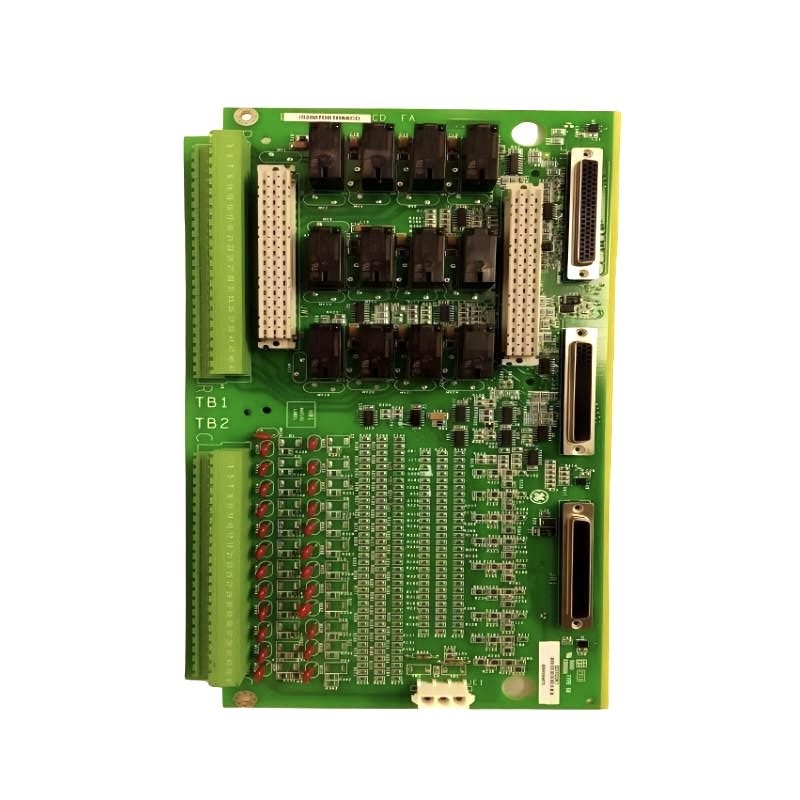
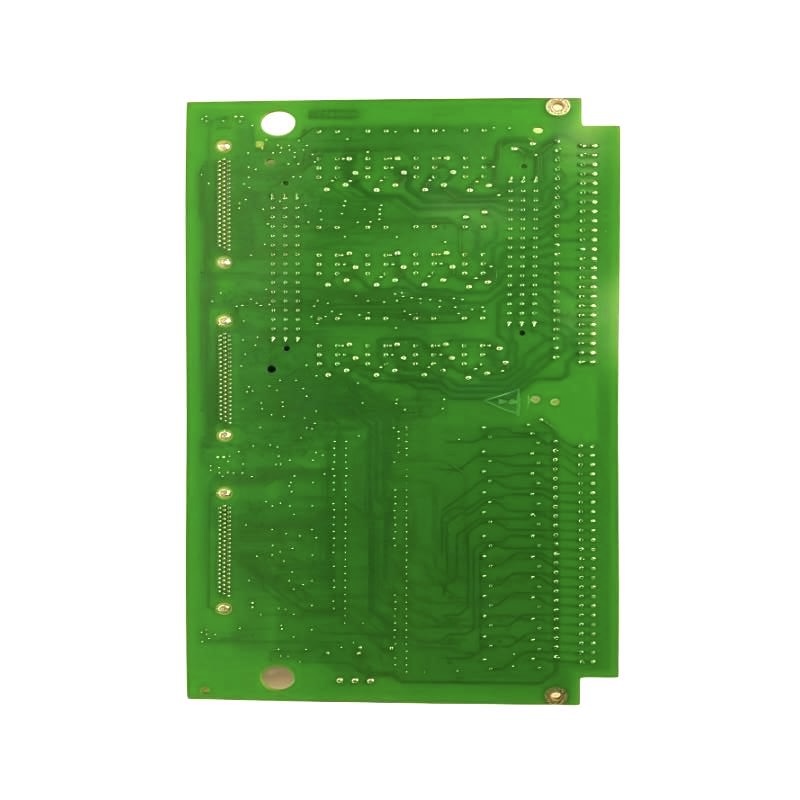
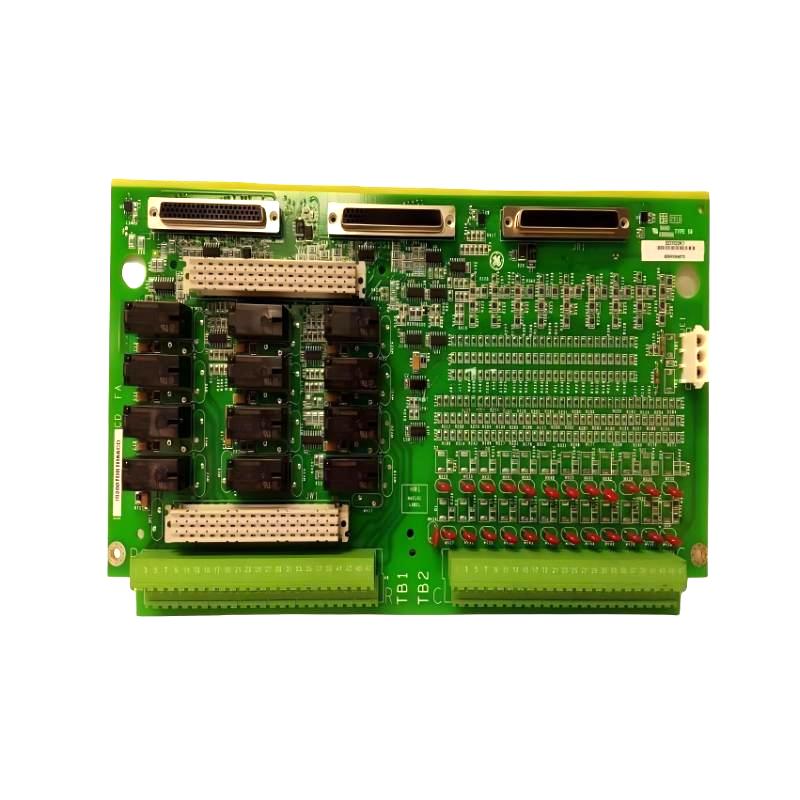
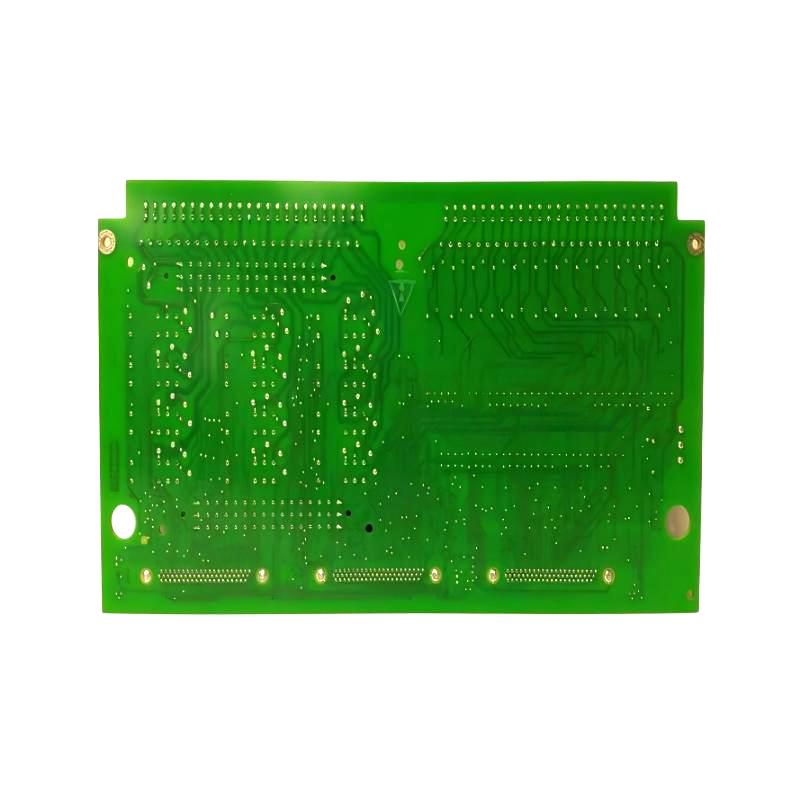
- GE
- IS200TDBTH6ACD
- Discrete Terminal Block
- USA
- 180 x 100 x 25 mm
- 0.6 kg
- Xiamen, China
- New & In Stock
- T/T, PayPal, Western Union
- 1 Year
- 1-3 Working Days
- DHL, UPS, TNT, FedEx and EMS.
- 24-Hour Service
- COO
- 35
Our advantage

Global Logistics
We have a 10-year logistics and express cooperation agreement, so our products can be shipped to any place in the world.

Brand new and original
Our products are imported in bulk from the place of origin. Because of the cooperative relationship, our products are all original and 100% new.

24-hour service
We provide 7*24 hours service to our customers. We will be there whenever you need us.

Price advantage
All our products are priced very favorably because we have our own warehouse and supply.
| Company Information | |||
| [email protected] | |||
| Mobile | +8615980777398 | ||
| +8615980777398 | |||
| 15980777398 |
Product Overview
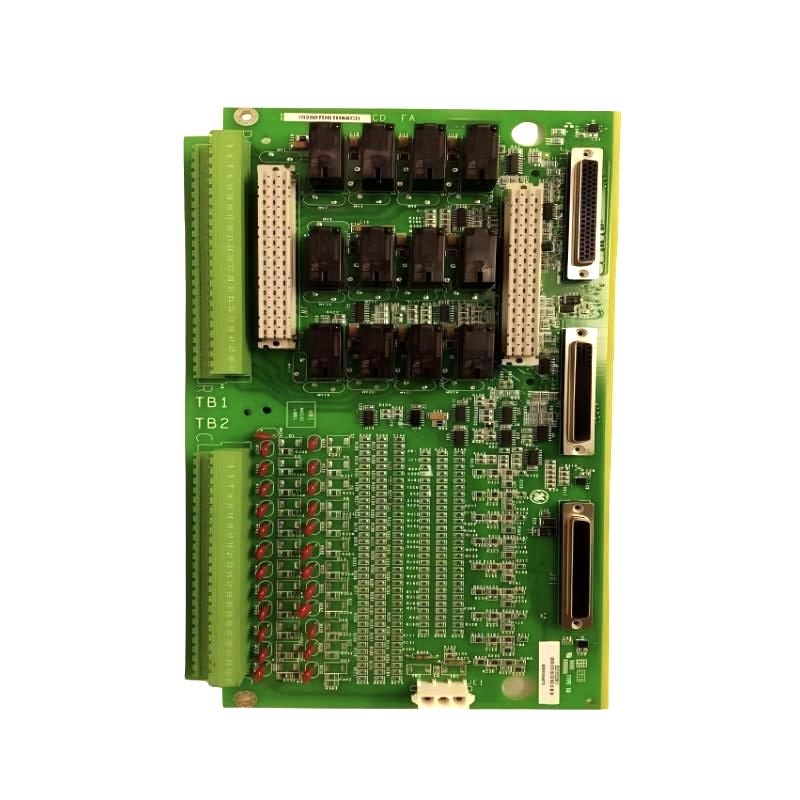
The GE IS200TDBTH6ACD Discrete Terminal Block is an industrial interface component designed to provide organized field wiring and discrete signal connectivity within compatible GE industrial control systems. As part of the GE IS200 family of electronic and terminal assemblies, the IS200TDBTH6ACD can serve as an important connection point between field devices and the control-system I/O architecture.
Discrete terminal blocks are commonly used in industrial automation to manage binary field signals such as contact status, limit switches, relay feedback, alarms, interlocks, and other ON/OFF process information. By providing a structured termination point, the terminal block helps simplify field wiring, improve cabinet organization, and facilitate maintenance and troubleshooting.
The GE IS200TDBTH6ACD has listed dimensions of 180 × 100 × 25 mm and a weight of approximately 0.6 kg. Its compact construction allows it to be incorporated into industrial control cabinets and equipment where multiple field connections must be routed efficiently between external devices and the control system.
The terminal block should be installed only in a compatible GE control architecture. Exact electrical characteristics, terminal assignments, and system compatibility should always be confirmed against the applicable equipment documentation and the revision of the installed hardware.
Technical Specifications
| Parameter | Specification |
|---|---|
| Manufacturer | General Electric (GE) |
| Model | IS200TDBTH6ACD |
| Product Family | GE IS200 Series |
| Product Type | Discrete Terminal Block |
| Primary Function | Discrete field signal termination and interface |
| Signal Type | Discrete / Binary Signals |
| Application | Industrial Control and Automation |
| Interface Role | Field Device-to-Control-System Connection |
| Installation | Industrial Control Cabinet / Compatible GE Equipment |
| Dimensions | 180 × 100 × 25 mm |
| Weight | 0.6 kg |
| Mounting | System-dependent |
| Typical Applications | Discrete I/O wiring, field signal distribution, alarms, interlocks, industrial monitoring |
What Is the GE IS200TDBTH6ACD?
The IS200TDBTH6ACD is a GE Discrete Terminal Block used as part of an industrial control-system wiring architecture.
Unlike a processor or controller, the terminal block does not normally execute control logic. Its primary role is to provide an organized electrical interface between field wiring and the associated control-system hardware.
A typical industrial signal path can be represented as:
Field Device → Field Wiring → IS200TDBTH6ACD → I/O Interface → Control Processor → HMI / SCADA
Field devices may include switches, contacts, relay outputs, permissive signals, alarm contacts, or equipment status indications.
The terminal block provides a structured location where these signals can be terminated and routed into the appropriate control-system interface.
Understanding Discrete Terminal Interfaces
Discrete signals are generally used to represent two basic states, such as:
- ON / OFF
- Open / Closed
- Running / Stopped
- Healthy / Fault
- Enabled / Disabled
- Normal / Alarm
- Permissive / Not Permissive
Industrial control systems rely heavily on these signals because many machine and process conditions can be represented using binary status information.
For example, a motor starter may provide a running-status contact to the control system. A pressure switch may indicate a high-pressure condition. A limit switch may indicate that a mechanical component has reached a defined position.
The IS200TDBTH6ACD provides a physical termination and routing point for this type of field-level information when used within a compatible system.
Function and Working Principle
Field Signal Termination
The first function of a discrete terminal block is to provide an organized termination point for field conductors.
Instead of connecting numerous external field cables directly to different control assemblies, field wiring can be arranged through an appropriate terminal interface.
This improves cabinet organization and makes individual circuits easier to identify.
Signal Routing
After field wiring is terminated, the associated signals can be routed toward the appropriate control-system I/O circuitry.
The terminal block therefore forms part of the electrical path between the process and the control electronics.
Discrete Status Transmission
The connected field device determines the electrical state of the signal.
For example:
Switch Open → Discrete Input State
or:
Switch Closed → Discrete Input State
The control system interprets the resulting electrical condition and uses it within programmed control logic.
Alarm and Interlock Signals
Discrete connections are frequently used for alarms and interlocks.
A field contact may indicate:
- Equipment fault
- Emergency condition
- Door open
- Motor overload
- Low level
- High pressure
- Valve position
- System permissive
These signals can then be processed by the control system to initiate alarms, protective actions, or operating sequences.
Role in Industrial Automation
The GE IS200TDBTH6ACD can form part of the field-interface layer of a larger industrial automation architecture.
A simplified system can be divided into several levels:
Field Level → Terminal Interface → I/O Level → Controller → Supervisory Level
At the field level, sensors, switches, relays, and other devices provide physical process information.
The terminal interface organizes these connections.
The I/O system receives the electrical signals and transfers them to the controller.
The controller executes programmed logic and determines the appropriate response.
Finally, HMI or SCADA equipment can present status information to operators.
This layered architecture makes discrete terminal interfaces important for maintaining a structured connection between field equipment and automation hardware.
Industrial Applications
Turbine and Generator Control
GE industrial control platforms can contain large numbers of discrete signals associated with turbine and generator equipment.
Typical signals may include:
- Equipment status
- Protective relay contacts
- Auxiliary-system status
- Valve position
- Alarm contacts
- Interlock conditions
- Breaker status
A terminal interface helps organize these field connections within the control cabinet.
Industrial Machinery
Manufacturing machinery frequently uses discrete signals to indicate machine states.
Examples include:
- Start commands
- Stop commands
- Safety contacts
- Limit switches
- Motor feedback
- Machine-ready signals
- Fault indications
The terminal block can provide an organized interface between these field circuits and the control system.
Process Automation
Process plants use discrete signals alongside analog measurements.
Discrete information can represent the status of:
- Pumps
- Motors
- Valves
- Switches
- Relays
- Protective devices
- Process alarms
The IS200TDBTH6ACD can therefore contribute to the field wiring architecture of a process control installation.
Utility Systems
Industrial utility systems often contain numerous status and alarm contacts. Terminal interfaces simplify the organization of these circuits and make troubleshooting more systematic.
Monitoring and Protection Systems
Discrete contacts can also be used to transmit equipment protection and monitoring information to a control system.
System Integration
The IS200TDBTH6ACD should be considered as one component within a complete control-system architecture rather than as an independent controller.
A typical integration arrangement may include:
| System Layer | Typical Component | Function |
|---|---|---|
| Field Device | Switch / Relay / Contact | Generates discrete status |
| Field Wiring | Control Cable | Transfers electrical signal |
| Terminal Interface | IS200TDBTH6ACD | Provides organized termination |
| I/O Hardware | Compatible GE I/O Assembly | Receives field signal |
| Control Processor | GE Control Processor | Executes control logic |
| HMI | Operator Interface | Displays system status |
| SCADA | Supervisory System | Monitoring and historical analysis |
The exact architecture depends on the host GE control platform and application.
Installation Guidelines
Correct installation is important for maintaining signal integrity and system reliability.
Verify the Part Number
Before installation, verify:
- IS200TDBTH6ACD part number
- Board or terminal-block revision
- Existing installation location
- Connector configuration
- Associated I/O hardware
- Field wiring arrangement
A visually similar IS200 component should not automatically be considered interchangeable.
Inspect the Terminal Assembly
Before installation, inspect the terminal block for:
- Damaged connectors
- Cracked insulation
- Bent pins
- Loose hardware
- Contamination
- Signs of overheating
- Mechanical damage
Any abnormal condition should be investigated before energizing the system.
Verify Field Wiring
Field conductors should be identified before disconnection or replacement.
Technicians should document:
- Wire numbers
- Terminal positions
- Signal names
- Device references
- Cable identification
- Associated I/O channels
Proper labeling significantly reduces the possibility of wiring errors during maintenance.
Cabinet Wiring and Cable Management
Good cabinet wiring practices are particularly important when terminal blocks handle a large number of field circuits.
Field cables should be routed in an orderly manner and separated appropriately from high-energy power conductors.
Recommended practices include:
- Use consistent wire identification.
- Maintain clear terminal labeling.
- Avoid excessive cable bending.
- Secure wiring against vibration.
- Separate signal wiring from high-power cables where appropriate.
- Maintain adequate access around terminal connections.
- Inspect cable insulation during maintenance.
Good cable management improves both reliability and serviceability.
Grounding and Electrical Noise Considerations
Industrial control cabinets can contain significant sources of electrical interference, including:
- Variable frequency drives
- Contactors
- Motors
- Transformers
- Switching power supplies
- High-current conductors
Discrete signal wiring can be affected by poor routing or grounding practices.
Appropriate grounding and cabinet wiring methods should therefore be used according to the requirements of the complete GE control system.
Where shielded or specially routed cables are required, the applicable system installation instructions should be followed.
PLC and Control-System Integration
Although the IS200TDBTH6ACD is not itself a PLC CPU, it can form part of the signal interface surrounding a control processor.
A controller may receive information such as:
Motor Running → ON
Motor Stopped → OFF
Valve Open → ON
Valve Closed → OFF
Alarm Contact → Active
The control program can then use these conditions to execute sequences, generate alarms, or initiate protective actions.
This makes reliable terminal wiring essential to the overall operation of the automation system.
HMI and SCADA Integration
Discrete signals connected through the terminal interface can ultimately become operator information.
For example, a field contact can produce the following information chain:
Field Switch → Terminal Block → I/O → Controller → HMI
The HMI may then display:
- Equipment Running
- Equipment Stopped
- Valve Open
- Valve Closed
- Alarm Active
- Interlock Active
- System Ready
In a larger SCADA environment, these signals may also be logged for historical analysis or used in alarm-management functions.
Commissioning Procedure
After installation, commissioning should be performed systematically.
Step 1: Verify Mechanical Installation
Confirm that the IS200TDBTH6ACD is securely installed in its intended position.
Step 2: Check Wiring
Compare the installed wiring with the approved cabinet drawings or maintenance documentation.
Step 3: Verify Connections
Inspect terminal connections and associated connectors for secure engagement.
Step 4: Confirm Signal Identification
Verify that field device references correspond with the expected control-system signals.
Step 5: Perform Point-to-Point Testing
Where appropriate, test individual field circuits to verify that the expected discrete state reaches the correct control-system input.
Step 6: Verify Controller Indication
Confirm that the control system correctly recognizes the field state.
Step 7: Verify HMI Indication
Check that the corresponding equipment status or alarm is correctly represented on the operator interface.
Step 8: Complete Functional Testing
Test relevant interlocks, permissives, alarms, and operating sequences before returning the equipment to normal service.
Troubleshooting the GE IS200TDBTH6ACD
When a discrete signal is missing or incorrect, troubleshooting should begin with the complete signal path rather than immediately replacing the terminal block.
No Signal
If the controller does not detect a field signal, inspect:
- Field device
- Field wiring
- Terminal connections
- Associated connectors
- I/O hardware
- Controller diagnostics
- Power or reference circuits where applicable
A missing signal does not necessarily indicate a defective terminal block.
Intermittent Signal
An intermittent discrete signal may result from:
- Loose wiring
- Damaged cable
- Poor terminal contact
- Connector problems
- Vibration
- Corrosion
- Field-device failure
Physical inspection and point-to-point testing can help isolate the problem.
Incorrect Signal State
If the control system reports the opposite state from the field device, verify:
- Field-device operation
- Wiring arrangement
- Contact configuration
- Terminal identification
- I/O configuration
- Control-system logic
The problem may originate anywhere in the signal chain.
Multiple Signals Affected
If several signals fail simultaneously, inspect common connections, interface hardware, power arrangements, and associated I/O equipment before replacing individual components.
Multiple simultaneous failures can indicate a common upstream or interface issue.
Preventive Maintenance
Preventive maintenance can help reduce unexpected control-system failures.
Recommended checks include:
Terminal Inspection
Inspect terminals and connectors for looseness, contamination, oxidation, or physical damage.
Wiring Inspection
Check field cables for:
- Insulation damage
- Mechanical stress
- Loose connections
- Moisture exposure
- Excessive bending
Cabinet Inspection
Maintain a clean and controlled control-cabinet environment.
Avoid excessive:
- Dust
- Moisture
- Heat
- Vibration
- Electrical contamination
Signal Verification
Periodically verify important discrete signals against known equipment states.
Documentation Review
Keep wiring diagrams, terminal schedules, and equipment identification records current.
Replacement and Spare-Part Planning
When replacing a GE IS200TDBTH6ACD Discrete Terminal Block, the complete part number should be verified before installation.
Important identification information includes:
- Full model number
- Revision designation
- Terminal arrangement
- Connector configuration
- Associated I/O assembly
- Host control platform
- Existing cabinet position
The listed physical dimensions are 180 × 100 × 25 mm, and the listed weight is 0.6 kg.
These dimensions can also be useful for spare-parts storage and cabinet-layout planning.
Because GE IS200 assemblies may have similar physical characteristics while serving different electrical functions, physical appearance alone should never be used as the basis for interchangeability.
Physical Dimensions and Weight
The GE IS200TDBTH6ACD has the following listed physical characteristics:
- Height / Length: 180 mm
- Width: 100 mm
- Depth: 25 mm
- Weight: 0.6 kg
Its relatively compact form factor allows it to be incorporated into industrial control cabinets without requiring the space associated with larger control assemblies.
For replacement planning, the physical dimensions should be considered together with connector clearance, wiring space, cabinet ventilation, and accessibility.
Compatible System Components
Depending on the host architecture, a discrete terminal interface may be integrated with several categories of GE control equipment.
Potential system components include:
- GE Mark-series control equipment
- Compatible GE I/O assemblies
- Control processors
- Terminal boards
- Field interface modules
- Relay interfaces
- Discrete input circuits
- Discrete output circuits
- Operator interface equipment
- Engineering and diagnostic tools
- Industrial communication equipment
Exact compatibility must be confirmed for the specific host system and hardware revision.
Recommended Related GE Models
| GE Model | Product Description | General Role |
|---|---|---|
| IS200TDBSH2AAA | Discrete Single-Card Terminal Board | Discrete field interface |
| IS200TDBSH6ABC | Discrete Simplex Card | Discrete signal interface |
| IS200TBCIH1BBC | Contact Input Terminal Block | Contact input termination |
| IS200TBC1H1BCE | Mark VI Contact Terminal Block | Contact signal interface |
| IS200STAIH2ACB | Analog I/O Terminal Block | Analog signal interface |
| IS200SSCAH2AGD | Serial Communication I/O Terminal Board | Communication and I/O interface |
| IS200DRLYH1BBB | Positive Logic Output Module | Discrete output function |
These assemblies may perform different functions and should not be treated as direct substitutes for the IS200TDBTH6ACD without verifying system compatibility.
Engineering Best Practices
For reliable operation of a discrete terminal interface, several engineering practices should be followed.
Maintain Accurate Documentation
Every field connection should be documented using consistent wire numbers, device tags, and terminal references.
Avoid Unverified Modifications
Changes to field wiring should be performed only after confirming their effect on the associated control logic.
Preserve Signal Separation
Signal wiring should be routed appropriately relative to high-voltage and high-current circuits.
Verify Before Energization
All replacement and wiring work should be checked before power is restored.
Test Critical Interlocks
Safety-related and process-protection circuits should receive appropriate functional verification after maintenance.
Maintain Spare Identification
Spare terminal assemblies should be clearly labeled with the complete part number and applicable revision information.
Key Advantages
Organized Field Wiring
The IS200TDBTH6ACD provides a structured interface for discrete field connections.
Compact Physical Design
With listed dimensions of 180 × 100 × 25 mm, the terminal block can fit within space-constrained industrial control installations.
Simplified Maintenance
Organized termination makes field circuits easier to identify, inspect, and troubleshoot.
Discrete Signal Integration
The terminal interface can connect binary field information with the appropriate control-system I/O architecture.
Industrial Automation Compatibility
When correctly matched with the host GE system, the terminal block can support industrial monitoring, control, alarm, and interlock applications.
Efficient Replacement Planning
The clearly identified model number, dimensions, and weight simplify spare-parts management and maintenance planning.
Technical FAQs
What is the GE IS200TDBTH6ACD?
The GE IS200TDBTH6ACD is a Discrete Terminal Block designed to provide an organized interface for discrete field wiring within compatible GE industrial control systems.
What type of signals does it handle?
It is associated with discrete or binary signals, such as ON/OFF states, contact conditions, equipment status, alarms, and interlocks.
Is the IS200TDBTH6ACD a PLC?
No. It is a terminal interface component rather than a PLC processor. Its function is associated with field wiring and signal interfacing within the larger control architecture.
What are the dimensions of the IS200TDBTH6ACD?
The listed dimensions are 180 × 100 × 25 mm.
How much does the IS200TDBTH6ACD weigh?
The listed weight is approximately 0.6 kg.
Where is the IS200TDBTH6ACD installed?
It is intended for installation within compatible GE industrial control equipment. The exact mounting location depends on the host control-system architecture.
What can cause a discrete signal failure?
Possible causes include field-device problems, damaged wiring, loose terminals, connector faults, I/O problems, configuration errors, or issues elsewhere in the signal path.
Can another IS200 terminal board replace the IS200TDBTH6ACD?
Not automatically. Similar physical dimensions do not guarantee electrical or functional compatibility. The complete part number, revision, terminal arrangement, and host-system requirements should be verified.
How can the terminal block be maintained?
Maintenance should include inspection of terminals, connectors, field wiring, cabinet conditions, and associated I/O equipment. Important discrete signals should also be functionally tested when appropriate.
Conclusion
The GE IS200TDBTH6ACD Discrete Terminal Block is a compact industrial interface component designed to organize and connect discrete field signals within a compatible GE control-system architecture. By providing a structured termination point between field wiring and control-system I/O, it can contribute to reliable equipment-status monitoring, alarm handling, interlock processing, and industrial automation.
With listed dimensions of 180 × 100 × 25 mm and a weight of 0.6 kg, the