

ProductPRODUCT
Featured products



Contact Us
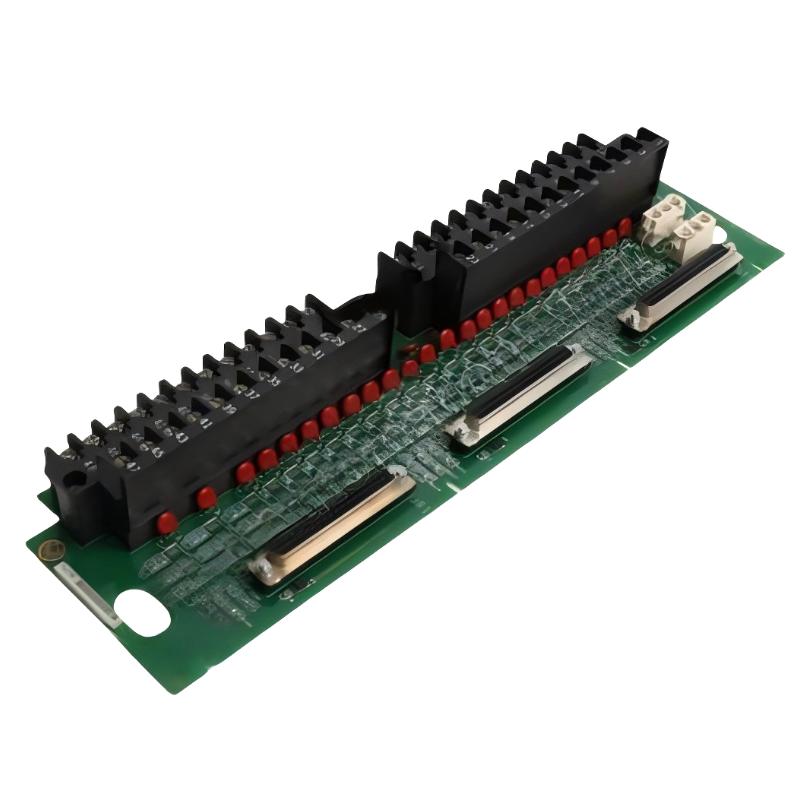
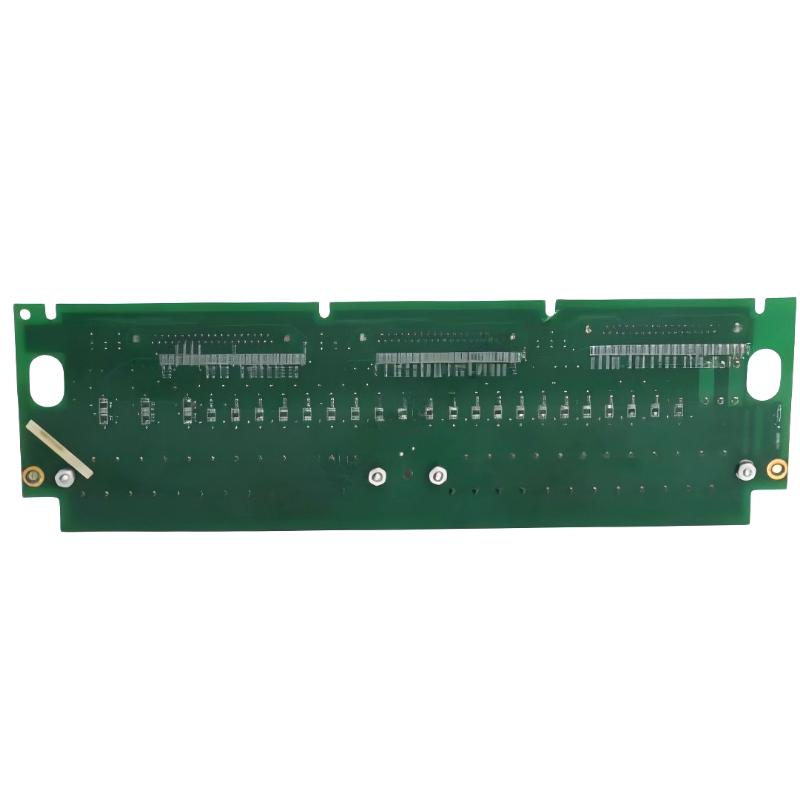
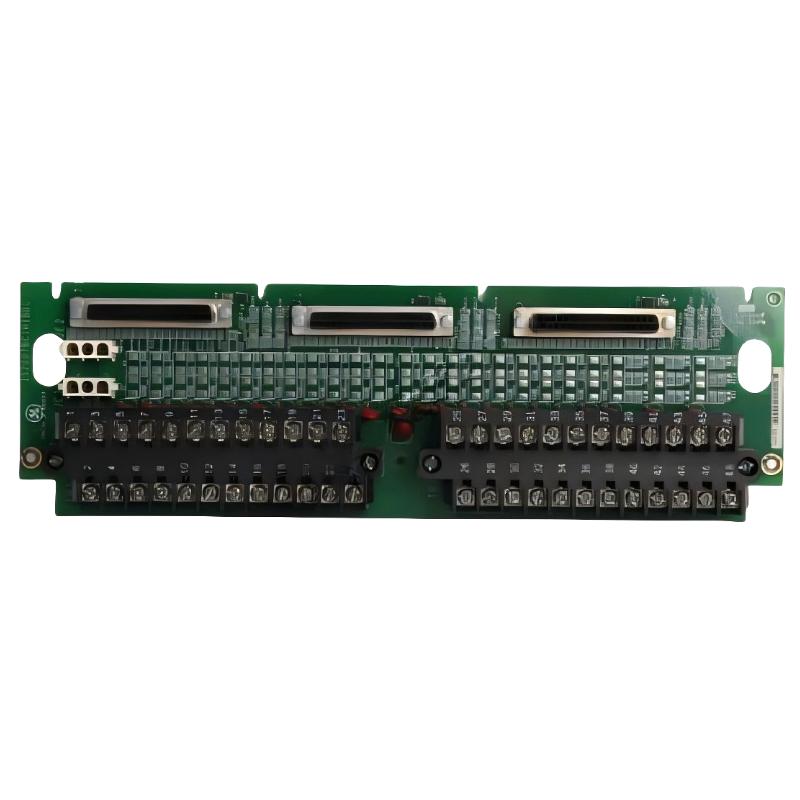
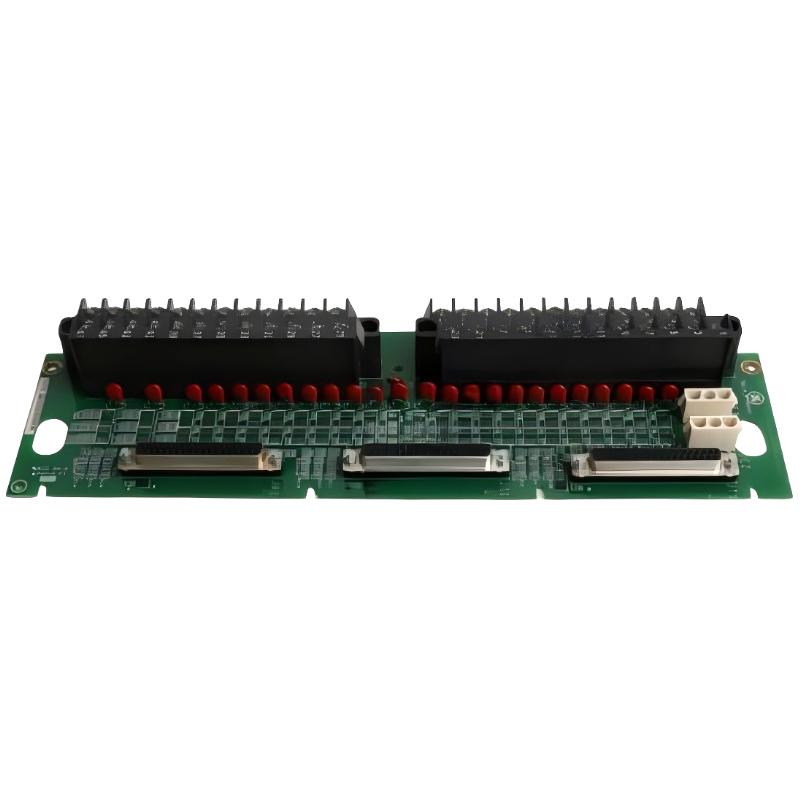
- GE
- IS200TBCIH1BBC
- Contact Input Terminal Block
- USA
- 330.2 x 20 x 101.6 mm
- 0.35 kg
- Xiamen, China
- New & In Stock
- T/T, PayPal, Western Union
- 1 Year
- 1-3 Working Days
- DHL, UPS, TNT, FedEx and EMS.
- 24-Hour Service
- COO
- 30
Our advantage

Global Logistics
We have a 10-year logistics and express cooperation agreement, so our products can be shipped to any place in the world.

Brand new and original
Our products are imported in bulk from the place of origin. Because of the cooperative relationship, our products are all original and 100% new.

24-hour service
We provide 7*24 hours service to our customers. We will be there whenever you need us.

Price advantage
All our products are priced very favorably because we have our own warehouse and supply.
| Company Information | |||
| [email protected] | |||
| Mobile | +8615980777398 | ||
| +8615980777398 | |||
| 15980777398 |
Product Overview
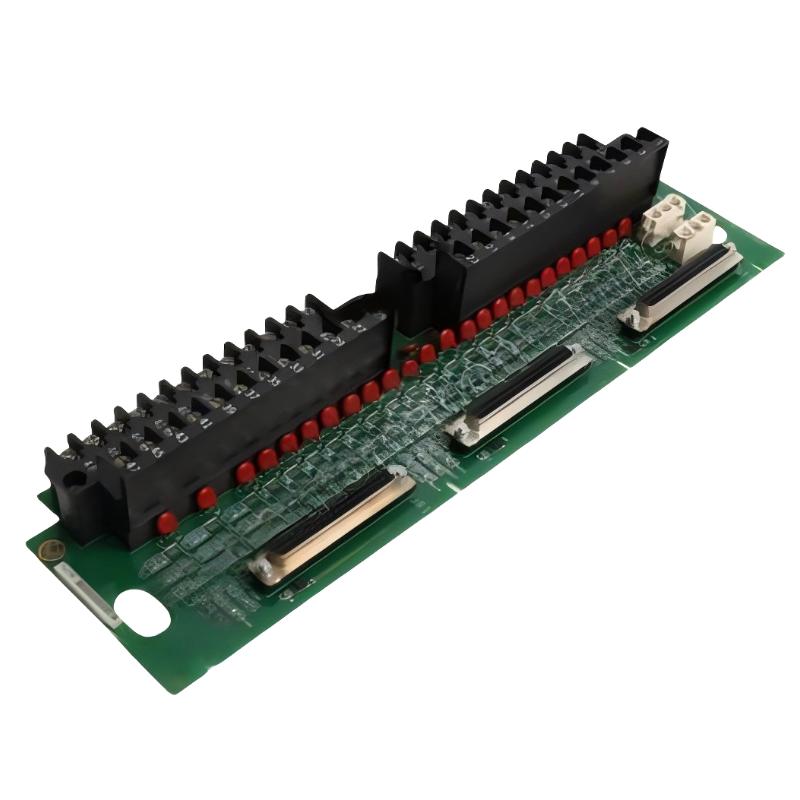
The GE IS200TBCIH1BBC Contact Input Terminal Block is an industrial control interface component designed to provide a structured connection between external contact signals and compatible GE control-system electronics. As part of the GE IS200 family, the terminal block can serve as an important field-interface element in industrial automation architectures where equipment status, switching conditions, interlocks, and other discrete signals must be transferred reliably into the control system.
Contact input interfaces are commonly used to monitor the operating state of industrial equipment. Devices such as limit switches, auxiliary contacts, pressure switches, relay contacts, circuit-breaker status contacts, and equipment permissive signals can provide discrete information to a controller. The terminal interface organizes these field connections and provides a practical wiring point between the field devices and the associated control electronics.
The GE IS200TBCIH1BBC has listed dimensions of 330.2 × 20 × 101.6 mm and a weight of approximately 0.35 kg. Its elongated and relatively narrow construction is suitable for integration into industrial control cabinets and equipment assemblies where organized field termination is required.
For replacement applications, the complete part number and applicable system configuration should always be verified. Similar-looking GE IS200 terminal assemblies may perform different functions, and physical dimensions alone should not be used to determine compatibility.
Technical Specifications
| Parameter | Specification |
|---|---|
| Manufacturer | General Electric (GE) |
| Model | IS200TBCIH1BBC |
| Product Family | GE IS200 Series |
| Control Platform | Compatible GE industrial control architecture |
| Product Type | Contact Input Terminal Block |
| Primary Function | Contact input field termination and interface |
| Signal Type | Discrete / contact input signals |
| Application | Industrial Control and Automation |
| Interface Role | Field-device-to-control-system connection |
| Dimensions | 330.2 × 20 × 101.6 mm |
| Weight | 0.35 kg |
| Installation | Compatible industrial control cabinet/equipment |
| Typical Applications | Equipment status, interlocks, switches, auxiliary contacts, monitoring circuits |
What Is the GE IS200TBCIH1BBC?
The IS200TBCIH1BBC is a Contact Input Terminal Block designed to organize and interface contact-type field signals within a compatible GE industrial control system.
A contact input is generally associated with a discrete condition rather than a continuously varying process value. For example, a switch can indicate whether a valve is open or closed, while an auxiliary contact can indicate whether a motor or breaker is operating.
The terminal interface provides a physical connection between these field devices and the control-system input circuitry.
A simplified signal path can be represented as:
Field Contact → Field Wiring → IS200TBCIH1BBC → Input Interface → Control Processor
The controller can then use the received status information as part of monitoring, sequencing, permissive logic, alarm generation, or equipment protection.
The exact terminal assignment and signal architecture depend on the host system and should be confirmed using the applicable system documentation.
Contact Input Working Principle
Discrete Signal Detection
A contact input typically represents one of two primary conditions, such as an open or closed state.
Examples include:
- Equipment running / stopped
- Valve open / closed
- Breaker open / closed
- Pressure switch normal / activated
- Limit switch released / actuated
- Auxiliary relay contact normal / active
The IS200TBCIH1BBC provides a structured termination point through which these field signals can be connected to the appropriate control-system input circuitry.
Field Signal Transfer
When a field contact changes state, the corresponding electrical condition is transferred through the field wiring to the terminal interface.
The associated control electronics can then recognize the change and update the corresponding input status.
Control-System Response
Once the controller recognizes a contact-state change, programmed logic can determine the appropriate response.
Depending on the application, the signal may be used for:
- Equipment sequencing
- Alarm generation
- Interlock logic
- Permissive control
- Status monitoring
- Shutdown logic
- Operator indication
The terminal block itself does not normally perform the higher-level control logic. Instead, it supports the physical signal path required by the control system.
Role in Industrial Automation
Industrial automation systems rely on both analog and discrete information.
Analog signals can represent continuously changing process variables such as temperature, pressure, flow, or level. Contact inputs, by contrast, provide discrete information about equipment states and switching conditions.
The IS200TBCIH1BBC Contact Input Terminal Block belongs to this discrete signal infrastructure.
A typical architecture may be represented as:
Industrial Equipment
↓
Switch / Auxiliary Contact / Relay Contact
↓
Field Wiring
↓
IS200TBCIH1BBC
↓
Control-System Input Electronics
↓
Controller Logic
↓
HMI / Alarm / Process Response
This arrangement provides a practical way to integrate equipment status information into a larger automation system.
Why Contact Inputs Are Important
Discrete contact signals are fundamental to industrial control because many important operating conditions are represented by simple state changes.
A control system may need to know whether:
- A motor is running
- A pump is available
- A valve has reached its position
- A circuit breaker is closed
- A safety switch has been activated
- A process limit has been reached
- An auxiliary relay has changed state
- An interlock condition is satisfied
A reliable terminal interface helps maintain the physical connection between these field devices and the control system.
Even a relatively simple contact circuit can become difficult to troubleshoot when hundreds of field conductors are installed throughout a plant. Proper terminal organization therefore contributes significantly to maintainability.
Industrial Applications
Turbine and Generator Systems
GE control architectures are widely associated with complex turbine and generator control applications. Discrete contact signals can be used to monitor equipment states, auxiliary systems, permissive conditions, and other operating information.
A contact input terminal interface can form part of the field wiring infrastructure used by such systems.
Power Generation
Power plants contain numerous circuit breakers, contactors, switches, relays, and equipment-status devices.
Contact input signals can provide the control system with information about the operating condition of this equipment.
Industrial Machinery
Industrial machines frequently use limit switches, proximity devices with discrete outputs, auxiliary contacts, and relay circuits to communicate machine status.
A structured terminal interface simplifies the connection of these signals to control electronics.
Process Automation
Process plants often require discrete feedback from pumps, valves, motors, actuators, and protective devices.
The resulting contact signals can be incorporated into sequencing, interlocking, and alarm functions.
Equipment Protection
Status contacts may be associated with protective equipment and monitoring devices. Reliable signal transmission is important when these signals form part of equipment-protection or permissive logic.
Installation and System Integration
Proper installation of the GE IS200TBCIH1BBC requires attention to both mechanical mounting and field wiring.
Verify Part Number
Before installation, confirm:
- Complete part number
- Revision designation
- Board identification
- Installation position
- Connector configuration
- Field wiring arrangement
- Associated control-system hardware
The full IS200TBCIH1BBC designation should be used for identification.
Document Existing Wiring
When replacing an existing terminal block, document the wiring before disconnecting it.
Useful information includes:
- Wire numbers
- Terminal positions
- Device names
- Signal descriptions
- Cable identification
- Common/reference connections
- Shielding arrangements
Accurate documentation reduces the possibility of wiring errors during replacement.
Mechanical Installation
The listed dimensions of the IS200TBCIH1BBC are:
330.2 × 20 × 101.6 mm
The terminal block should be mounted securely in its designated location.
Adequate space should be provided for:
- Field-wire access
- Connector installation
- Inspection
- Maintenance
- Cable routing
Electrical Connections
Field wiring should be terminated according to the applicable control-system documentation.
Before energization, technicians should verify:
- Correct terminal location
- Secure connections
- Correct signal routing
- Proper reference connections
- Grounding and shielding
- Absence of accidental shorts
Exact terminal assignments should not be inferred solely from the physical appearance of the assembly.
Contact Input Wiring Considerations
Contact input circuits can be affected by wiring quality, contact condition, and electrical interference.
When installing the IS200TBCIH1BBC, attention should be given to the complete circuit from the field device to the control-system input.
Important considerations include:
Correct Wire Identification
Every conductor should be clearly identified so that technicians can trace the circuit during commissioning and maintenance.
Secure Termination
Loose connections can create intermittent contact signals that are difficult to diagnose.
Cable Routing
Contact-input wiring should be routed appropriately relative to high-power cables and switching equipment.
Contact Condition
A faulty field contact can produce symptoms that resemble an input-interface problem.
Environmental Conditions
Moisture, dust, vibration, and corrosion can affect field connections and terminal interfaces.
Grounding and Electrical Noise
Although contact inputs are generally simpler than high-precision analog measurements, industrial electrical environments can still introduce unwanted interference.
Potential sources include:
- Large motors
- Variable frequency drives
- Contactors
- Transformers
- High-current cables
- Switching power equipment
- Relay circuits
Good cabinet wiring practices can help reduce interference.
Where shielding is used, its termination should follow the requirements of the complete control-system design. Grounding should also be implemented according to the applicable GE system architecture rather than using assumptions based only on the terminal block.
PLC and Controller Integration
The IS200TBCIH1BBC is not itself a programmable controller. Its role is to support the physical interface between field contacts and associated control electronics.
A typical sequence is:
- A field device changes state.
- The contact condition produces a corresponding electrical signal.
- The signal travels through the field cable.
- The signal reaches the terminal interface.
- Associated input electronics receive the signal.
- The control processor evaluates the input.
- Programmed logic determines the appropriate response.
- The system updates equipment status, alarms, interlocks, or control actions.
This makes the terminal interface an important part of the overall automation signal chain.
HMI and SCADA Integration
The terminal block itself does not normally communicate directly with an HMI or SCADA platform.
Instead, the signal passes through the associated input and control architecture.
For example, an equipment auxiliary contact may ultimately appear on an operator interface as:
- Motor Running
- Pump Available
- Valve Open
- Breaker Closed
- Interlock Active
- Equipment Fault
If the field signal is interrupted at the terminal-interface level, the operator may see an incorrect or missing equipment status.
This is why terminal-interface troubleshooting should include the entire field-to-controller signal path.
Commissioning Procedure
A structured commissioning process can help verify the integrity of the contact input system.
1. Confirm Hardware Identification
Verify the IS200TBCIH1BBC model and applicable revision against the system documentation.
2. Inspect the Assembly
Check for visible damage, contamination, loose hardware, or connector problems.
3. Verify Field Wiring
Compare wire numbers and terminal positions with approved drawings.
4. Check Contact Devices
Operate or test the associated field contact where permitted by the plant procedure.
5. Verify Input Status
Confirm that the control system correctly detects the expected contact state.
6. Test Interlocks and Alarms
Where applicable, verify that the associated control logic responds correctly to the contact-state change.
7. Check HMI Indication
Confirm that the corresponding equipment status is correctly displayed.
8. Record Commissioning Results
Document successful testing and any corrective actions performed during commissioning.
Troubleshooting the IS200TBCIH1BBC
A contact input fault should be investigated systematically rather than immediately replacing the terminal block.
No Contact Input Signal
If a field contact does not appear correctly at the controller, inspect:
- Field device
- Field wiring
- Terminal connection
- Connector
- Associated input electronics
- Control-system configuration
- System diagnostics
A failed switch or broken cable can produce the same symptom as an interface problem.
Intermittent Contact Signal
An intermittent signal may be caused by:
- Loose wiring
- Worn contact
- Connector problems
- Vibration
- Cable damage
- Corrosion
- Electrical interference
Monitoring the input while checking the field device and wiring can help locate the source.
Input Permanently Active
If an input remains active when the field device should be inactive, check:
- Field contact condition
- Incorrect wiring
- Short circuit
- Incorrect terminal assignment
- Input configuration
- Associated I/O hardware
Input Permanently Inactive
Possible causes include:
- Open circuit
- Broken wire
- Faulty contact
- Loose connection
- Incorrect terminal position
- Input hardware problem
- Incorrect system configuration
Several Inputs Fail at the Same Time
When multiple related inputs fail simultaneously, investigate common elements first.
These may include:
- Shared wiring
- Common connections
- Connectors
- Associated I/O hardware
- Power or reference circuits
- System configuration
Multiple simultaneous failures can provide useful clues about the fault location.
Preventive Maintenance
Regular inspection of terminal interfaces and field wiring can improve system reliability.
Visual Inspection
Inspect for:
- Physical damage
- Discoloration
- Contamination
- Corrosion
- Loose hardware
- Damaged connectors
- Signs of overheating
Wiring Inspection
Check field conductors for:
- Broken insulation
- Loose connections
- Cable strain
- Improper routing
- Moisture ingress
- Poor labeling
Contact Device Inspection
The field contact itself should be included in maintenance activities. Mechanical switches and auxiliary contacts can degrade over time.
Signal Trend and Event Monitoring
Where system diagnostics are available, unusual changes in equipment status or repeated contact transitions may help identify developing field-device or wiring problems.
Cabinet Environment
Maintain the control cabinet within the environmental requirements of the overall system.
Excessive dust, humidity, temperature, vibration, or chemical exposure can shorten component life.
Replacement and Spare-Part Planning
The GE IS200TBCIH1BBC should be identified by its complete part number when ordering or preparing a replacement.
Important identification information includes:
- Full model number
- Revision
- Product type
- Board markings
- Connector configuration
- Existing installation location
- Associated I/O hardware
- Host control system
The listed physical specifications are:
Dimensions: 330.2 × 20 × 101.6 mm
Weight: 0.35 kg
These values are useful for spare-part inventory, cabinet planning, handling, and shipping preparation.
A different IS200 terminal assembly should not be assumed to be interchangeable simply because it has a similar shape or mounting arrangement.
Physical Dimensions and Weight
The GE IS200TBCIH1BBC has listed dimensions of:
330.2 × 20 × 101.6 mm
Its listed weight is:
0.35 kg
The elongated form factor provides a relatively narrow physical profile while allowing the component to function as part of an organized field-interface arrangement.
When planning replacement work, technicians should consider the dimensions together with connector positions, cable routing, mounting requirements, and the complete control-system configuration.
Compatible System Components
The IS200TBCIH1BBC may form part of a broader GE industrial control architecture containing components such as:
| Component | General Function |
|---|---|
| Contact Switch | Provides discrete equipment status |
| Auxiliary Contact | Indicates equipment operating state |
| Relay Contact | Provides switching/status information |
| Field Wiring | Transfers contact signals |
| IS200TBCIH1BBC | Provides contact-input termination |
| I/O Interface | Receives field signals |
| Control Processor | Executes control logic |
| HMI | Displays equipment status and alarms |
| Engineering Workstation | Supports configuration and diagnostics |
| Control Cabinet | Houses associated automation equipment |
The exact combination of components depends on the host equipment and system design.
Recommended Related GE Models
| GE Model | Product Description | General Role |
|---|---|---|
| IS200TBC1H1BCE | Mark VI Contact Terminal Block | Contact and field-interface application |
| IS200STAIH2ACB | Analog I/O Terminal Block | Analog signal interface |
| IS200SSCAH2AGD | Serial Communication I/O Terminal Board | Communication and I/O interface |
| IS200ECTBG1ADA | Exciter Contact Terminal Block | Excitation-system contact interface |
| IS200ECTBG1ADE | Exciter Contact Terminal Block | Excitation-system field termination |
| IS200EMIOH1ACA | Excitation Control Board | Excitation control interface |
| IS200ERIOH1AAA | Excitation Regulator I/O Board | Regulator and I/O interface |
These are related GE industrial control assemblies, but they should not be considered direct replacements for the IS200TBCIH1BBC without confirming the complete hardware configuration.
Engineering Best Practices
Maintain Accurate Wiring Drawings
Terminal assignments and field-device connections should be documented clearly and kept current.
Label Every Field Conductor
Clear identification reduces troubleshooting time and minimizes the possibility of incorrect reconnection.
Separate Signal and Power Wiring
Where appropriate, maintain physical separation between contact-input wiring and high-power conductors.
Inspect During Scheduled Shutdowns
Scheduled maintenance provides an opportunity to inspect terminal connections, wiring, and field devices without introducing unnecessary operational risk.
Verify Before Re-Energizing
After replacement or wiring maintenance, all relevant connections should be checked before the control system is returned to service.
Keep Revision Information
Record the exact model and revision of installed GE hardware to simplify future maintenance and spare-part planning.
Key Advantages
Organized Contact Input Interface
The IS200TBCIH1BBC provides a structured physical interface for contact-type field signals.
Improved Wiring Management
A dedicated terminal interface helps organize field wiring within complex industrial control cabinets.
Easier Maintenance
Clearly structured field connections make inspection and signal tracing more straightforward.
Suitable for Discrete Status Monitoring
Contact signals can be used to monitor switches, auxiliary contacts, interlocks, equipment states, and other discrete conditions.
Compact Physical Design
With listed dimensions of 330.2 × 20 × 101.6 mm, the component provides a narrow form factor for integration into compatible control equipment.
Industrial Control Integration
The terminal block can participate in a larger GE control architecture connecting field devices with I/O and control electronics.
Technical FAQs
What is the GE IS200TBCIH1BBC?
The GE IS200TBCIH1BBC is a Contact Input Terminal Block designed to provide field-wiring termination and contact-signal interface functionality within compatible GE industrial control systems.
What type of signals does the IS200TBCIH1BBC handle?
It is associated with discrete contact input signals, such as equipment status, auxiliary contacts, switches, interlocks, and other field contact conditions.
What are the dimensions of the IS200TBCIH1BBC?
The listed dimensions are 330.2 × 20 × 101.6 mm.
How much does the IS200TBCIH1BBC weigh?
The listed weight is approximately 0.35 kg.
Is the IS200TBCIH1BBC a PLC?
No. The IS200TBCIH1BBC is a Contact Input Terminal Block, not a programmable controller or CPU.
What can cause a contact input to disappear?
Potential causes include a failed field contact, broken cable, loose terminal connection, connector problems, incorrect wiring, input-interface problems, or control-system configuration issues.
Why should the field device be checked before replacing the terminal block?
A faulty switch, relay contact, or damaged cable can create the same symptoms as an electronic interface problem. Checking the complete signal path helps avoid unnecessary component replacement.
Can another GE IS200 terminal block be used as a replacement?
Not automatically. The complete part number, revision, connector arrangement, electrical function, and host-system requirements should be verified before substitution.
How should the IS200TBCIH1BBC be maintained?
Maintenance should include visual inspection, field-wiring inspection, connector checks, contact-device verification, cabinet-environment checks, and functional signal testing according to the applicable maintenance procedures.
Why is wiring documentation important?
Accurate wiring documentation helps technicians identify each field signal, reduces reconnection errors, and makes troubleshooting considerably easier during maintenance.
Conclusion
The GE IS200TBCIH1BBC Contact Input Terminal Block is a specialized field-interface component designed to support reliable connection of discrete contact signals within compatible GE industrial control architectures. By providing an organized termination point between field devices and associated control-system input electronics, it contributes to effective equipment-status monitoring, interlock management, alarm processing, and industrial automation.
With listed dimensions of 330.2 × 20 × 101.6 mm and a weight of 0.35 kg, the IS200TBCIH1BBC offers a compact terminal-interface format suitable for integration into industrial control equipment.
For installation and replacement work, technicians should verify the complete IS200TBCIH1BBC part number, revision, connector arrangement, field wiring, and host-system configuration. Proper wiring documentation, secure connections, appropriate cable routing, systematic commissioning, and complete signal-path troubleshooting are essential for dependable operation of the overall control system.