

ProductPRODUCT
Featured products



Contact Us
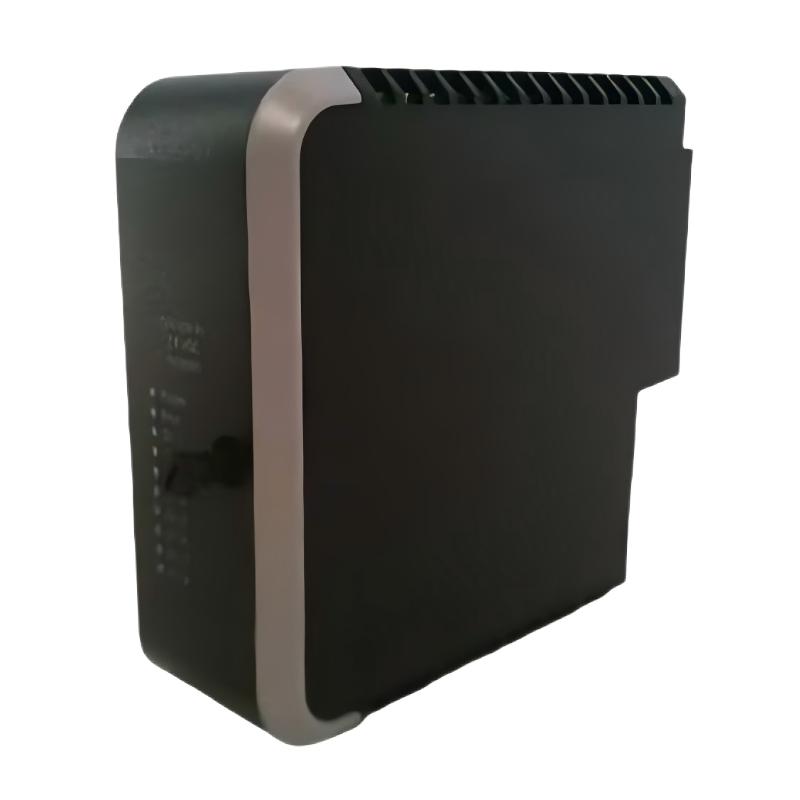
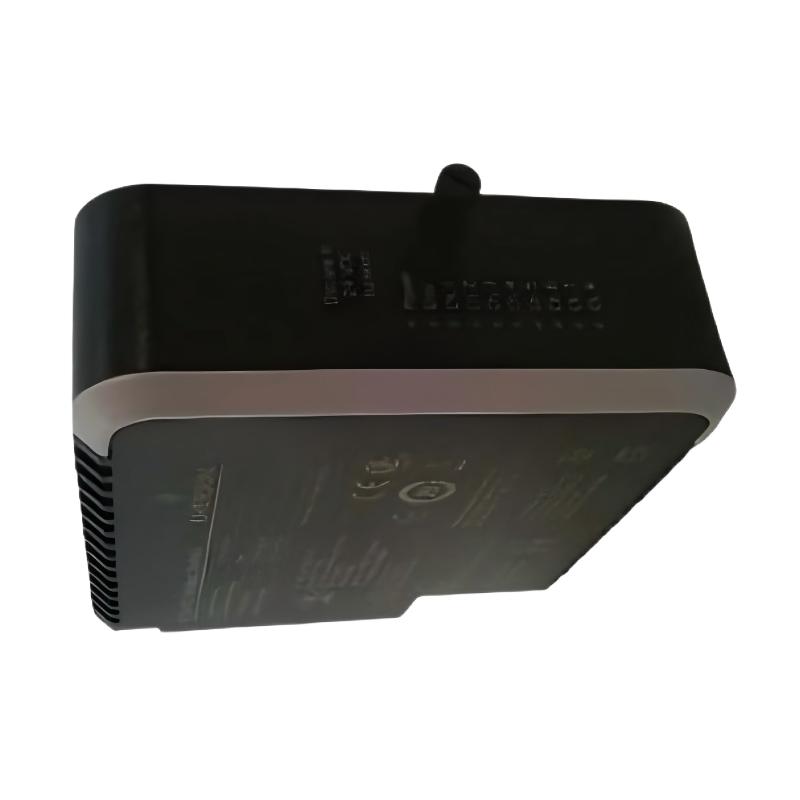
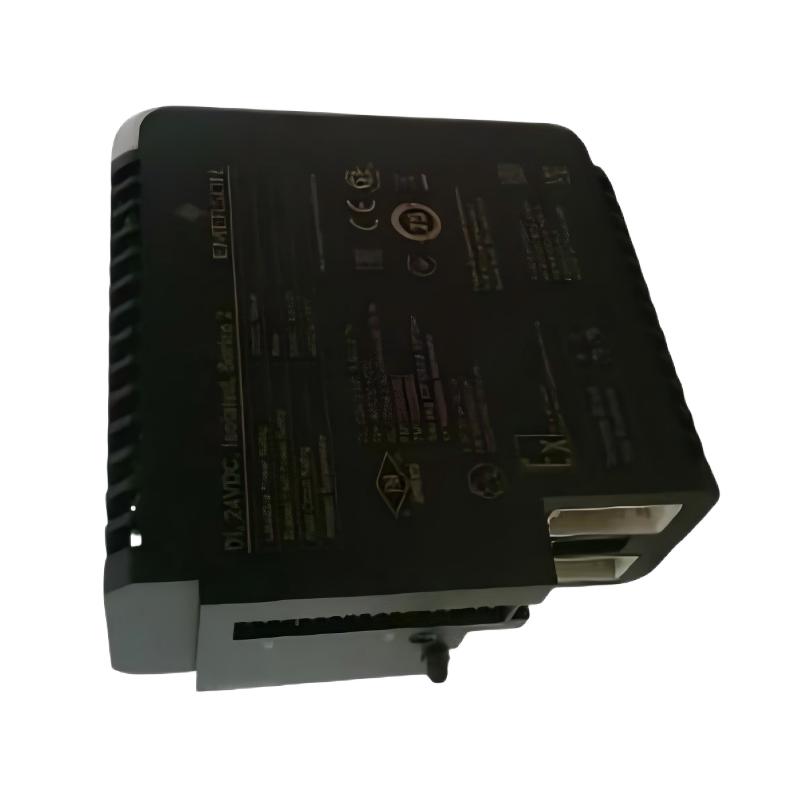
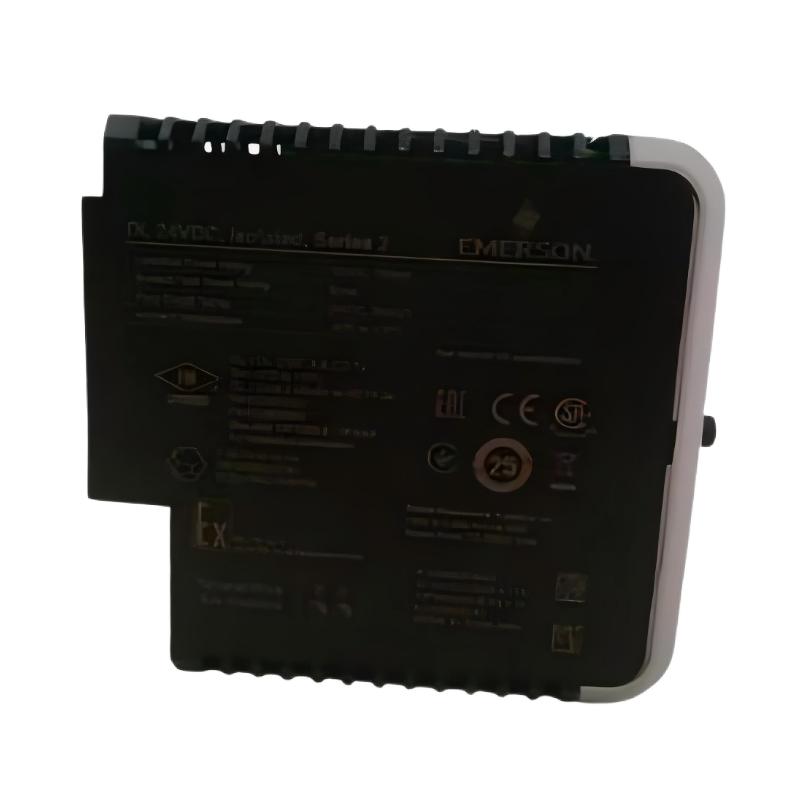
- Emerson
- VE4002S1T1B1
- Discrete Output Card
- USA
- 107 x 41 x 105 mm
- 0.19 kg
- Xiamen, China
- New & In Stock
- T/T, PayPal, Western Union
- 1 Year
- 1-3 Working Days
- DHL, UPS, TNT, FedEx and EMS.
- 24-Hour Service
- COO
- 29
Our advantage

Global Logistics
We have a 10-year logistics and express cooperation agreement, so our products can be shipped to any place in the world.

Brand new and original
Our products are imported in bulk from the place of origin. Because of the cooperative relationship, our products are all original and 100% new.

24-hour service
We provide 7*24 hours service to our customers. We will be there whenever you need us.

Price advantage
All our products are priced very favorably because we have our own warehouse and supply.
| Company Information | |||
| [email protected] | |||
| Mobile | +8615980777398 | ||
| +8615980777398 | |||
| 15980777398 |
Product Overview
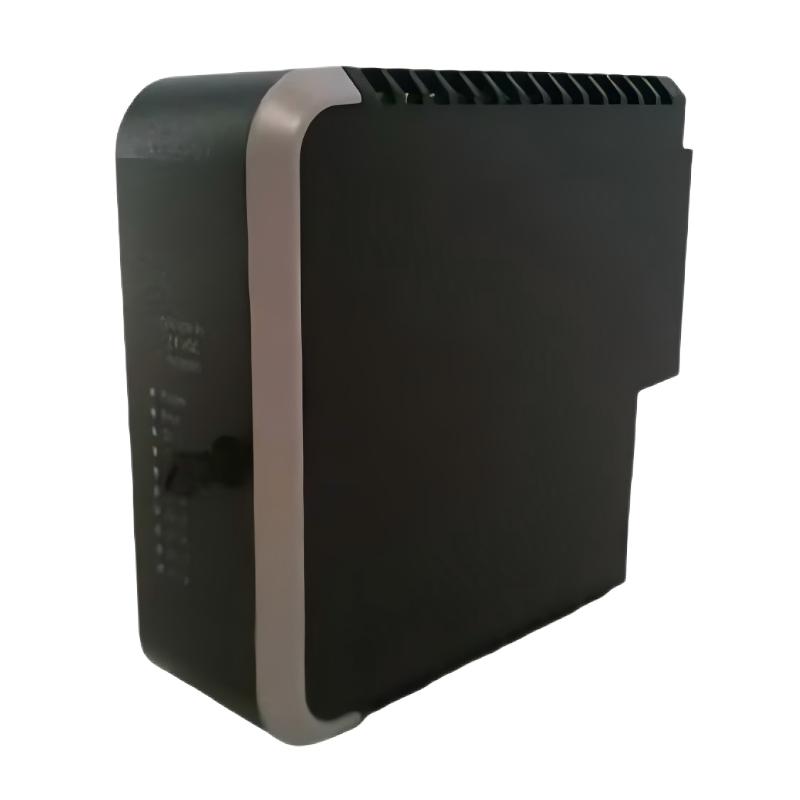
The Emerson VE4002S1T1B1 Discrete Output Card is an industrial automation I/O component designed to provide discrete control signals from an Emerson process control system to field equipment. While discrete input cards are primarily responsible for collecting information from the process, a discrete output card performs the opposite function: it receives control commands from the automation system and delivers corresponding binary output signals to connected field devices.
Discrete outputs are fundamental to industrial process control. Many field devices do not require a continuously varying analog signal. Instead, they operate according to clearly defined states such as energized/de-energized, ON/OFF, start/stop, open/close, or enabled/disabled. The VE4002S1T1B1 provides an interface for these types of control applications, allowing controller logic to influence physical equipment in the plant.
Typical applications can include relay interfaces, solenoid-operated devices, contactor circuits, valve-control systems, indicator circuits, equipment enable signals, and other discrete actuators. In a properly engineered system, the output card works together with the controller, field wiring, terminal interfaces, and final control elements to create a complete command path from software logic to physical process action.
The Emerson VE4002S1T1B1 has specified dimensions of 107 × 41 × 105 mm and a weight of 0.19 kg. Its compact form factor is suitable for industrial control-system installations where efficient cabinet organization and straightforward maintenance are important considerations.
Technical Specifications
| Parameter | Details |
|---|---|
| Manufacturer | Emerson |
| Model | VE4002S1T1B1 |
| Product Type | Discrete Output Card |
| Product Family | VE4002S Series |
| Primary Function | Discrete field-device control |
| Signal Category | Digital / Binary Output |
| System Role | Controller-to-field interface |
| Typical Loads | Relays, solenoids, contactor interfaces, indicators and discrete actuators |
| Application | Industrial Process Automation |
| Dimensions | 107 × 41 × 105 mm |
| Weight | 0.19 kg |
| Typical Functions | Start/stop commands, enable signals, valve commands and equipment control |
| Installation | Emerson process-control I/O architecture |
| Typical Environment | Industrial automation/control cabinet |
Exact output voltage, current rating, channel configuration, isolation, protection characteristics, terminal assignments, load limitations, and compatible hardware should be confirmed for the specific hardware revision and system configuration before installation.
What Is the Emerson VE4002S1T1B1?
The VE4002S1T1B1 is a Discrete Output Card used to transmit binary control commands from an industrial control system toward field equipment.
The fundamental difference between an input and an output card is the direction of information flow.
A discrete input typically follows:
Field Device → Input Card → Controller
A discrete output follows:
Controller → Output Card → Field Device
For example, when a controller determines that a pump should be started, its logic can generate a discrete output command. The VE4002S1T1B1 provides the output interface through which that command can be delivered to the associated field-control circuit.
The final field device may then energize a relay, operate a solenoid, activate a contactor interface, or perform another defined action depending on the system design.
How a Discrete Output System Works
A typical output sequence consists of several stages.
1. Process Logic Determines an Action
The controller evaluates process conditions, operator commands, permissives, alarms, and interlocks.
2. Output Command Is Generated
The controller changes the corresponding software output state.
3. VE4002S1T1B1 Processes the Command
The discrete output card responds to the commanded binary state.
4. Field Circuit Receives the Signal
The output signal is transferred through the associated terminal and field wiring.
5. Final Control Device Responds
A relay, solenoid, contactor interface, or other discrete actuator responds to the command.
6. Feedback Confirms the Result
Where feedback is available, a separate discrete input can confirm that the commanded equipment actually reached the expected state.
This creates an important relationship between output and input systems:
Command → Action → Feedback
Command and Feedback
Industrial automation systems often use both discrete outputs and discrete inputs for reliable equipment control.
For example:
Discrete Output → Start Pump
followed by:
Discrete Input → Pump Running Feedback
This arrangement allows the control system to distinguish between a command being issued and the equipment actually responding.
If the output command is active but the running feedback never appears, engineers can investigate:
- Motor starter
- Contactor
- Field wiring
- Protection device
- Motor
- Feedback contact
- Input circuit
- Control logic
The VE4002S1T1B1 therefore participates in a broader control loop rather than operating independently.
Typical Output Applications
Solenoid Valves
Discrete outputs are commonly used to control solenoid-operated valves.
A binary output can energize or de-energize the associated control circuit according to the process sequence.
Typical applications include:
- Process isolation
- Pneumatic valve control
- Hydraulic valve control
- Instrument-air systems
- Utility control
Motor Control
The VE4002S1T1B1 can participate in motor-control architectures where the output signal is connected to an appropriate intermediate relay or motor-control interface.
A typical sequence is:
Start Command → Output Activation → Starter Response → Motor Starts → Running Feedback
The output card itself should not automatically be assumed to directly drive a motor. The field interface must be designed according to the electrical requirements of the connected equipment.
Relay Control
Relays can provide electrical isolation or interface functions between the control-system output and external equipment.
The output card can therefore be incorporated into relay-based control circuits for:
- Equipment enable signals
- Interlocks
- Auxiliary controls
- Alarm circuits
- Contactors
- Utility equipment
Indicator and Status Circuits
Discrete outputs may also control indicator devices that communicate operating conditions to local equipment or auxiliary systems.
Examples include:
- Pilot indicators
- External status relays
- Equipment-enable indicators
- Local annunciation circuits
Role in Process Automation
The VE4002S1T1B1 provides the physical interface required to translate control-system logic into discrete field actions.
Its role can include:
- Equipment starting
- Equipment stopping
- Valve actuation
- Solenoid control
- Relay activation
- Enable/disable functions
- Sequence execution
- Auxiliary equipment control
The output card is therefore an important bridge between digital control logic and physical industrial equipment.
Application in Automated Sequences
Many process operations consist of predefined sequences.
For example:
Open Isolation Valve
↓
Confirm Valve Position
↓
Start Pump
↓
Confirm Pump Running
↓
Continue Process
The discrete output card may provide the valve or pump command, while corresponding input signals provide feedback.
This approach improves process visibility and allows the controller to determine whether an issued command produced the expected result.
Installation Guidelines
The Emerson VE4002S1T1B1 should be installed by qualified industrial automation personnel following the applicable control-system and plant procedures.
Before installation, confirm the exact identification:
Emerson VE4002S1T1B1 Discrete Output Card
Do not substitute another VE4002-series card simply because its enclosure or connector appears similar.
Mechanical Installation
Before installing the module:
- Inspect the card for physical damage.
- Check connectors and interfaces.
- Verify the correct installation location.
- Inspect the associated carrier or mounting assembly.
- Ensure the installation area is clean.
- Apply appropriate ESD handling procedures.
The card should be correctly seated and mechanically secured.
Electrical Installation
Output circuits require particular attention because they actively control external devices.
Before energizing the system, verify:
- Correct terminal assignment
- Correct field-device identification
- Output circuit wiring
- Load compatibility
- Common connections
- Relay interfaces
- Fuse or protective devices where required
- Field-device ratings
The output card should not be connected to a load unless the complete electrical interface has been confirmed as suitable.
Load Considerations
A discrete output is part of an electrical circuit, and the characteristics of the connected load are important.
Different field devices can have significantly different electrical requirements.
For example:
- Relay coils
- Solenoid coils
- Contactors
- Indicators
- Electronic interfaces
may have different voltage, current, inrush, and suppression requirements.
Therefore, engineers should verify the output-card electrical specification and the connected load before commissioning.
Where inductive loads are present, appropriate interface and suppression methods should be considered according to the plant electrical design.
Commissioning Procedure
After installation, the VE4002S1T1B1 should be commissioned systematically.
Step 1: Verify Hardware
Confirm:
- Correct model
- Correct installation
- Secure connectors
- Correct terminal interface
- System hardware recognition
Step 2: Check Output Configuration
Confirm that the software output corresponds to the correct physical channel.
Step 3: Verify Field Wiring
Check the complete circuit from the output interface to the final control device.
Step 4: Perform a Controlled Output Test
Activate the output according to an approved commissioning procedure.
Step 5: Observe Field Response
Confirm that the connected relay, solenoid, contactor interface, or other device responds correctly.
Step 6: Verify Feedback
Where feedback exists, confirm that the associated input changes to the expected state.
Step 7: Test Application Logic
Verify that automatic sequences, alarms, permissives, and interlocks respond correctly.
Troubleshooting the Emerson VE4002S1T1B1
When an output command does not produce the expected equipment response, troubleshooting should follow the entire command path.
Controller Logic → Output Channel → Terminal Interface → Field Wiring → Intermediate Relay → Final Device → Equipment
This prevents engineers from immediately assuming that the output card has failed.
Fault 1: Output Command Is Active but Equipment Does Not Operate
Possible causes include:
- Field wiring problem
- Failed relay
- Failed solenoid
- Contactor problem
- Missing external power
- Incorrect terminal connection
- Mechanical equipment fault
- Output-channel problem
First determine whether the output command is being generated correctly.
Then check whether the expected electrical condition is present at the field interface.
Fault 2: Output Does Not Activate
If the controller does not successfully activate the expected output, investigate:
- Software logic
- Permissive conditions
- Interlocks
- Output assignment
- Hardware diagnostics
- Channel configuration
- Controller status
An output that appears inactive may be intentionally inhibited by control logic.
Fault 3: Output Activates Unexpectedly
An unexpected output can be more serious than a missing command.
Possible causes include:
- Incorrect control logic
- Incorrect software tag
- Manual command
- Forced output
- Configuration error
- Incorrect channel mapping
- Unexpected sequence execution
The first priority is to determine why the control system generated the command.
Fault 4: Output Is Intermittent
Possible causes include:
- Loose terminal connections
- Unstable relay
- Wiring problems
- Intermittent external power
- Mechanical vibration
- Field-device degradation
- Output-channel problems
Compare the output event with equipment operation and system event records.
Fault 5: Output Card Appears Healthy but Load Does Not Respond
This condition often indicates a problem outside the card.
Check:
- Output software state.
- Output channel.
- Terminal connection.
- External supply.
- Field wiring.
- Relay or interface device.
- Final control element.
- Mechanical equipment.
This approach helps avoid unnecessary module replacement.
Output and Input Diagnostic Relationship
One of the most effective ways to troubleshoot an automated control sequence is to compare the output command with the corresponding input feedback.
For example:
Output = START
but
Input = MOTOR NOT RUNNING
This indicates that the command was generated but the expected response was not detected.
The problem may be located in:
- Starter
- Contactor
- Motor
- Protection device
- Feedback contact
- Wiring
- Input interface
If:
Output = OFF
when the controller should command START, the investigation should instead focus on control logic, permissives, interlocks, or output configuration.
Preventive Maintenance
Preventive maintenance helps maintain reliable output operation.
Recommended activities include:
- Inspect module connections.
- Check terminal tightness.
- Inspect field wiring.
- Inspect relay interfaces.
- Check solenoid wiring.
- Monitor recurring output faults.
- Review unusual command transitions.
- Verify critical equipment feedback.
- Keep cabinet interiors clean.
- Maintain current wiring documentation.
Special attention should be given to outputs controlling critical process equipment.
Replacement Procedure
When replacing the VE4002S1T1B1, maintenance personnel should first record the existing installation information.
Recommended preparation includes:
- Record model number.
- Record installation location.
- Identify output channels.
- Record terminal assignments.
- Document connected field devices.
- Preserve configuration information.
- Review alarms and interlocks associated with the outputs.
After installing the replacement, verify the output channels individually before returning the equipment to normal automatic operation.
Spare-Part Management
The VE4002S1T1B1 may be an important spare for facilities that depend on discrete output control.
Spare inventory requirements depend on:
- Number of installed cards
- Process criticality
- Failure history
- Replacement lead time
- Production impact
The spare should be clearly labeled:
Emerson VE4002S1T1B1 Discrete Output Card
It should also be stored under appropriate environmental and ESD conditions.
Safety and Engineering Considerations
A discrete output can cause physical equipment to move, energize, open, close, start, or stop. Consequently, output testing should be treated as an operational activity rather than simply an electronic test.
Before activating an output during maintenance:
- Confirm the equipment condition.
- Check relevant permissives.
- Follow plant isolation procedures.
- Verify that unexpected movement cannot create a hazard.
- Coordinate with operations.
- Confirm the intended output channel.
Particular care is required when testing outputs associated with rotating machinery, pressurized systems, energized equipment, or critical process functions.
Physical Dimensions and Weight
The Emerson VE4002S1T1B1 is specified with:
Dimensions: 107 × 41 × 105 mm
Weight: 0.19 kg
The compact 107 × 41 × 105 mm size supports efficient control-cabinet organization. Its 0.19 kg weight also makes the card relatively convenient to handle during inspection and replacement.
Cabinet planning should consider the module together with its associated carrier, terminal interface, connectors, wiring radius, and required maintenance access.
Engineering Best Practices
Verify Commands Before Testing
An output command should always be tested with awareness of what physical equipment it controls.
Separate Command Problems From Equipment Problems
An inactive device does not necessarily mean the output card is defective.
Use Feedback
Where available, compare output commands with discrete input feedback to determine whether field equipment responded correctly.
Maintain Accurate Channel Mapping
Incorrect channel assignment can result in an output controlling the wrong device.
Investigate Repeated Failures
Repeated output problems may indicate electrical loading, field-device degradation, wiring problems, or environmental issues rather than repeated card failures.
Key Advantages
The Emerson VE4002S1T1B1 provides several practical benefits for industrial process-control systems:
- Reliable discrete output interface
- Controller-to-field command capability
- Suitable for binary equipment control
- Useful for valve and solenoid applications
- Suitable for relay and contactor interfaces
- Supports automated process sequences
- Supports equipment enable/disable functions
- Compact industrial design
- 107 × 41 × 105 mm dimensions
- 0.19 kg weight
- Suitable for Emerson process automation architectures
Its primary purpose is to translate digital control decisions into practical field-level actions.
Frequently Asked Questions
What is the Emerson VE4002S1T1B1?
The Emerson VE4002S1T1B1 is a Discrete Output Card designed to provide binary control signals from an Emerson process control system to field equipment.
What is the difference between a discrete input and a discrete output?
A discrete input receives binary information from the field, while a discrete output sends binary control commands toward field devices.
What can a discrete output control?
Depending on the electrical interface and system design, discrete outputs can be used with relays, solenoid interfaces, contactor circuits, indicators, and other binary actuators.
What are the dimensions of the VE4002S1T1B1?
The specified dimensions are 107 × 41 × 105 mm.
What is the weight of the VE4002S1T1B1?
The specified weight is 0.19 kg.
Can the VE4002S1T1B1 directly drive a motor?
The output card should not automatically be assumed to directly drive a motor. Motor control normally requires an appropriate starter, relay, contactor, drive, or other properly rated interface according to the system electrical design.
Why is feedback important when using discrete outputs?
Feedback allows the controller to determine whether the equipment actually responded to the command.
What should be checked if an output command does not operate the equipment?
Check the controller logic, output channel, terminal connections, external power, field wiring, intermediate relays, final control device, and equipment condition.
What can cause an output to activate unexpectedly?
Possible causes include incorrect logic, manual commands, forced outputs, incorrect channel mapping, configuration errors, or unexpected sequence conditions.
Conclusion
The Emerson VE4002S1T1B1 Discrete Output Card provides an essential interface between industrial control-system logic and physical field equipment. By delivering binary control commands to appropriate field circuits, it can support equipment starting and stopping, valve actuation, relay control, solenoid operation, enable signals, and automated process sequences.
With specified dimensions of 107 × 41 × 105 mm and a weight of 0.19 kg, the VE4002S1T1B1 offers a compact solution for industrial control-system installations and maintenance applications.
Reliable output control depends on the complete command chain. Proper hardware installation, accurate channel configuration, correct field wiring, suitable load interfacing, controlled commissioning, and systematic troubleshooting are therefore essential. When the output card is correctly integrated with controller logic, field interfaces, final control elements, and feedback signals, the Emerson VE4002S1T1B1 can contribute to dependable process control and efficient industrial automation operation.