

ProductPRODUCT
Featured products
Contact Us
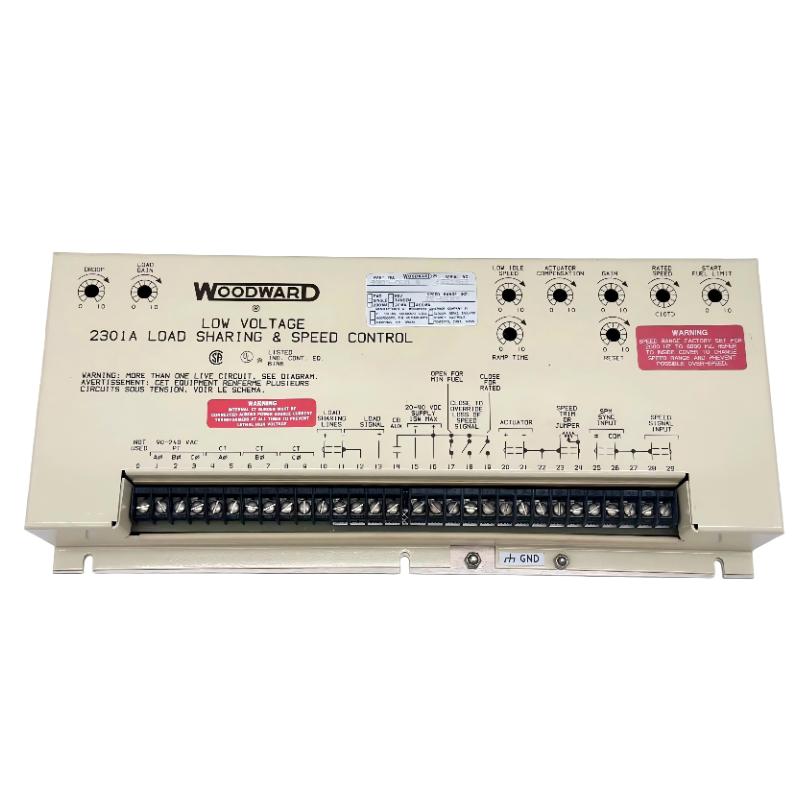
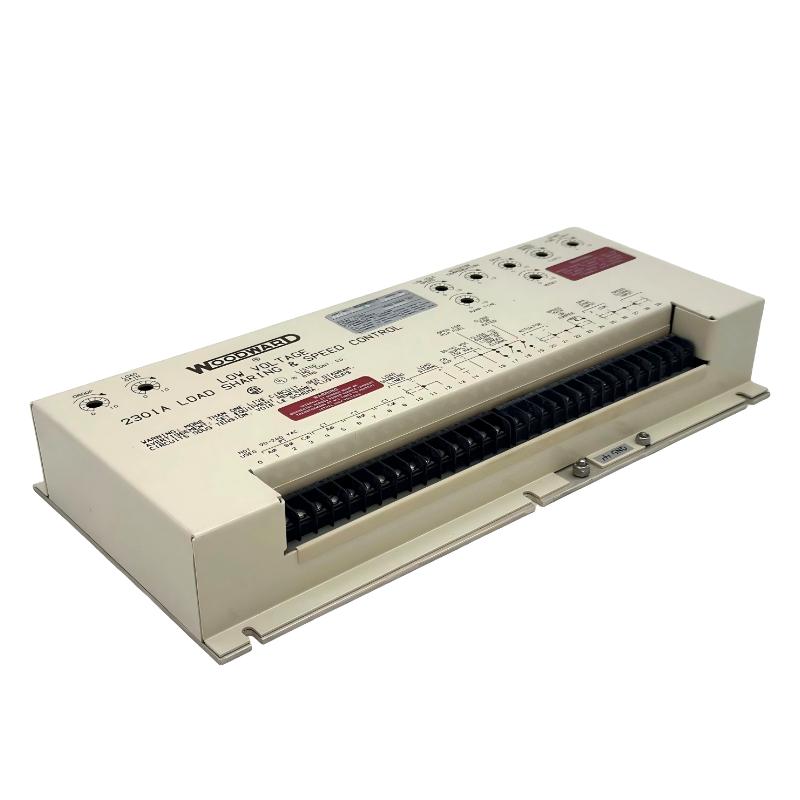
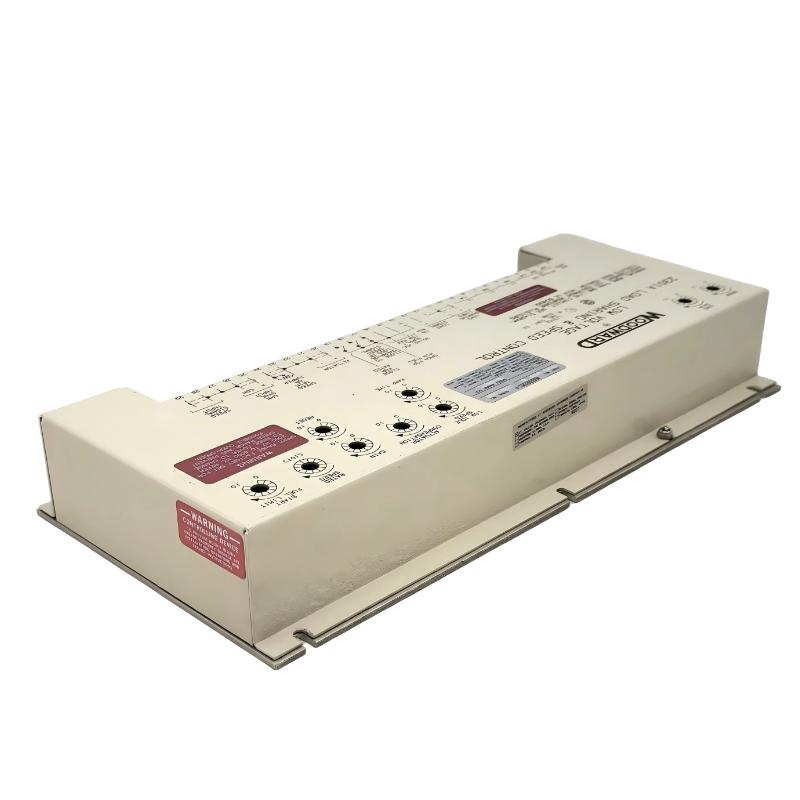
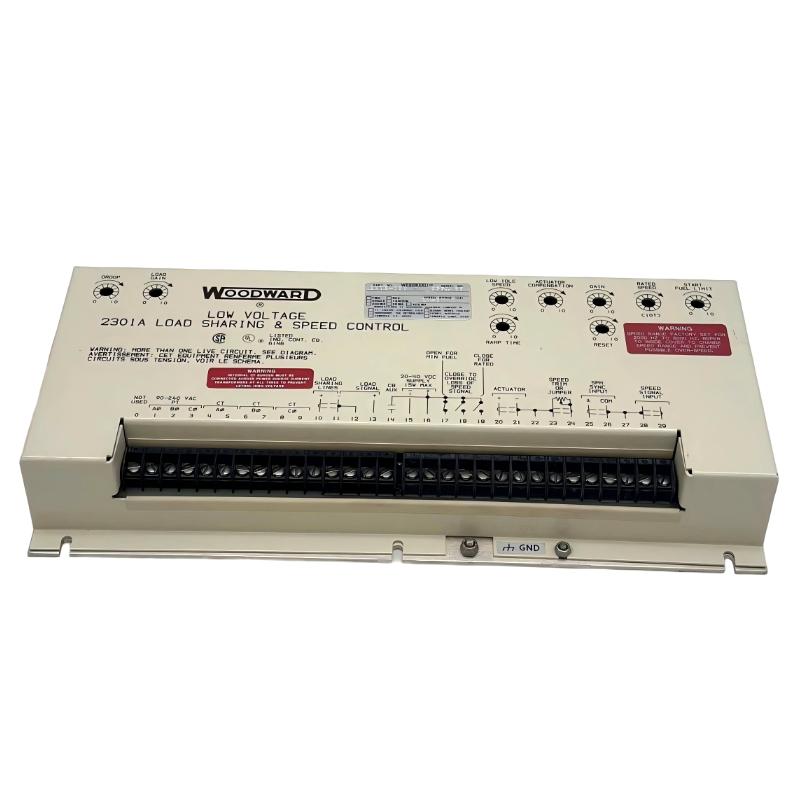
- Woodward
- 9905-068
- Electronic Load Sharing and Speed Control
- USA
- 180 × 140 × 75 mm
- 1.2 kg
- Xiamen, China
- New & In Stock
- T/T, PayPal, Western Union
- 1 Year
- 1-3 Working Days
- DHL, UPS, TNT, FedEx and EMS.
- 24-Hour Service
- COO
- 115
Our advantage

Global Logistics
We have a 10-year logistics and express cooperation agreement, so our products can be shipped to any place in the world.

Brand new and original
Our products are imported in bulk from the place of origin. Because of the cooperative relationship, our products are all original and 100% new.

24-hour service
We provide 7*24 hours service to our customers. We will be there whenever you need us.

Price advantage
All our products are priced very favorably because we have our own warehouse and supply.
| Company Information | |||
| [email protected] | |||
| Mobile | +8615980777398 | ||
| +8615980777398 | |||
| 15980777398 |
Product Overview
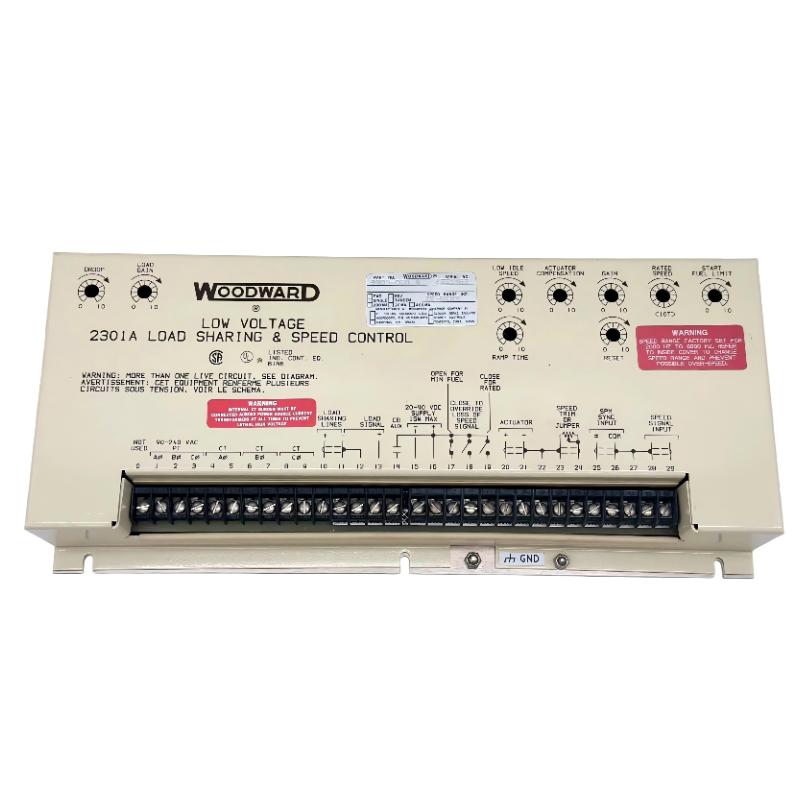
The Woodward 9905-068 Electronic Load Sharing and Speed Control is a generator control device used to regulate engine speed and coordinate load distribution in generator systems. It is suited to applications where generator sets operate individually or in parallel and require controlled engine-speed response during changing load conditions.
In a typical engine-generator installation, the controller receives operating information from the generator system and uses that information to regulate the prime mover. When electrical load changes, the control system adjusts the engine speed response so that the generator can maintain the required operating condition.
For multiple-generator installations, electronic load sharing allows participating generator sets to distribute active electrical load according to the configured control strategy. This is useful in power plants, industrial generator rooms, marine generating systems, and other installations where several generator sets operate on a common bus.
The 9905-068 can therefore form part of the engine-governor and generator-control chain, working alongside speed sensing, fuel or actuator control, generator protection, synchronization, and load-sharing equipment.
Technical Specifications
| Parameter | Specification |
|---|---|
| Manufacturer | Woodward |
| Model | 9905-068 |
| Product Family | Electronic Load Sharing and Speed Control |
| Product Series | 9905 |
| Product Type | Electronic Load Sharing and Speed Control |
| Primary Function | Engine speed regulation and generator load sharing |
| System Role | Generator speed and load-sharing controller |
| Application | Engine-generator and parallel generator systems |
| Installation | Generator control panel / control cabinet |
| Dimensions | 180 × 140 × 75 mm |
| Weight | 1.2 kg |
Product Features
- Electronic speed-control functionality for engine-generator systems
- Supports active load-sharing applications between generator sets
- Provides control of engine operating speed through the associated actuator system
- Suitable for generator sets operating in parallel
- Responds to changing generator load conditions
- Can be integrated with generator synchronization and protection systems
- Suitable for industrial and engine-driven power-generation equipment
- Supports centralized control-panel based generator automation
Working Principle
The 9905-068 uses generator operating information and engine-speed feedback as part of the speed-control process. The controller compares the required operating condition with the actual engine response and adjusts the connected actuator or fuel-control mechanism accordingly.
During a load change, the electrical demand on the generator changes. The speed-control function responds by modifying the engine’s fuel or actuator command so that the prime mover can maintain the required speed and generator operating condition.
In a parallel-generator installation, load-sharing signals allow the controller to coordinate the contribution of individual generator sets. If one generator begins carrying more than its intended portion of the active load, the control system can adjust its engine output as part of the overall load-sharing strategy.
A typical control path is:
Generator / Load Feedback → 9905-068 → Engine Actuator / Fuel System → Prime Mover → Generator Output
For parallel operation:
Generator Set A + Generator Set B + Load-Sharing Signals → 9905-068 Control → Engine Output Adjustment → Balanced Generator Loading
The actual load-sharing behavior depends on the complete generator-control architecture, including sensing, communication or load-sharing connections, speed-control settings, actuator characteristics, and the operating configuration of the generator sets.
Role in Generator Control Architecture
The 9905-068 occupies the engine speed and load-sharing control layer of a generator automation system. It connects the electrical operating condition of the generator with the mechanical response of the prime mover.
Generator Feedback → 9905-068 → Speed / Load Control → Actuator → Engine → Generator
| System Element | Function |
|---|---|
| Generator | Converts mechanical power into electrical power |
| Speed Sensing | Provides engine or generator speed feedback |
| 9905-068 | Regulates speed and coordinates load-sharing control |
| Actuator / Fuel System | Converts controller output into engine response |
| Prime Mover | Supplies mechanical power to the generator |
| Generator Controller | Coordinates overall generator operating functions |
| Synchronizer | Coordinates generator connection to the bus |
| Protection System | Detects abnormal electrical and engine conditions |
| Electrical Bus | Connects generators and electrical loads |
In a multi-generator system, the 9905-068 works with the corresponding control equipment on other generator sets so that active load can be distributed without allowing one unit to carry an inappropriate share of the total demand.
Industrial Applications
| Application | Typical Use |
|---|---|
| Diesel Generator Sets | Engine speed regulation and load control |
| Gas Engine Generators | Prime-mover speed and generator output control |
| Parallel Generator Systems | Active load sharing between generator sets |
| Industrial Power Plants | Coordinated generator operation |
| Standby Power Systems | Generator operation under changing electrical loads |
| Marine Generator Systems | Engine-generator speed and load coordination |
| Cogeneration Plants | Parallel generator load management |
| Engine-Driven Power Systems | Electronic governor and load-sharing functions |
Installation and Maintenance
- Install the 9905-068 in the designated generator control-panel location with suitable access for wiring and servicing.
- Verify the model and control application against the approved generator-control documentation.
- Confirm the engine speed-sensing circuit is correctly connected before applying control power.
- Check the actuator or fuel-control connections against the applicable wiring diagram.
- Verify the generator load or load-sharing signal connections used by the control system.
- Confirm that control wiring is separated and routed appropriately from high-power circuits.
- Check the operating configuration of all generator sets before commissioning a parallel system.
- Test engine speed response under controlled operating conditions before enabling full load-sharing operation.
- Verify that generator load changes produce the expected speed-control response.
- During parallel operation, check that generator load distribution remains stable as system demand changes.
- Investigate unstable speed or unequal load sharing by checking speed feedback, actuator response, sensing signals, wiring, and control settings.
- After replacement or major maintenance, perform individual speed-control testing followed by a complete generator parallel-operation and load-sharing test.
Compatible System Components
| Component | Function |
|---|---|
| Woodward Engine Governor | Provides the associated engine speed-control function |
| Speed Sensor | Supplies engine or generator speed feedback |
| Electronic Actuator | Converts controller commands into engine response |
| Fuel Control System | Adjusts engine fuel delivery according to control input |
| Generator | Produces electrical power from prime-mover output |
| Synchronizer | Coordinates generator connection to the electrical bus |
| Load-Sharing Interface | Exchanges generator load information between units |
| Generator Protection | Protects the generating unit from abnormal conditions |
Recommended Related Models
| Model / Product Family | Product Type | Typical Application |
|---|---|---|
| Woodward 9905 Series | Generator Control Products | Engine and generator control |
| Woodward SPM-A | Synchronizer | Generator-to-bus synchronization |
| Woodward SPM-D | Digital Synchronizer | Generator synchronization and control |
| Woodward EGCP | Generator Control System | Generator paralleling and load management |
| Woodward DSLC | Load Sharing Controller | Generator load sharing and paralleling |
| Woodward easYgen | Generator Controller | Generator control and power management |
Key Advantages
- Combines electronic speed regulation with generator load-sharing functions
- Supports stable engine response during generator load changes
- Suitable for parallel generator installations
- Helps coordinate active load distribution between generating units
- Interfaces with engine actuators and speed-feedback devices
- Can operate as part of a broader Woodward generator-control architecture
- Suitable for industrial, standby, marine, and cogeneration applications
Technical FAQs
How does the 9905-068 respond to a sudden generator load increase?
The controller uses the available speed and load information to adjust the engine control command. The associated actuator and fuel system then increase prime-mover output so that the engine can respond to the increased electrical demand.
Why might two parallel generators fail to share load evenly?
Unequal load sharing can result from incorrect load-sensing signals, mismatched control settings, speed-feedback problems, actuator response differences, wiring issues, or instability in the overall parallel-control system. The individual generator controls should be checked together rather than treating the controller as an isolated component.
What is the relationship between speed control and load sharing?
Speed control determines how the prime mover responds to changes in operating conditions, while load sharing coordinates the output contribution of multiple generator sets. In a parallel system, both functions must operate together to maintain stable generator loading.
What should be checked after replacing a 9905-068?
Verify the wiring, speed-feedback circuit, actuator connection, load-sharing interface, and applicable control settings. The generator should first be tested for stable speed response and then evaluated under parallel operation to confirm correct load distribution.