

ProductPRODUCT
Featured products
Contact Us
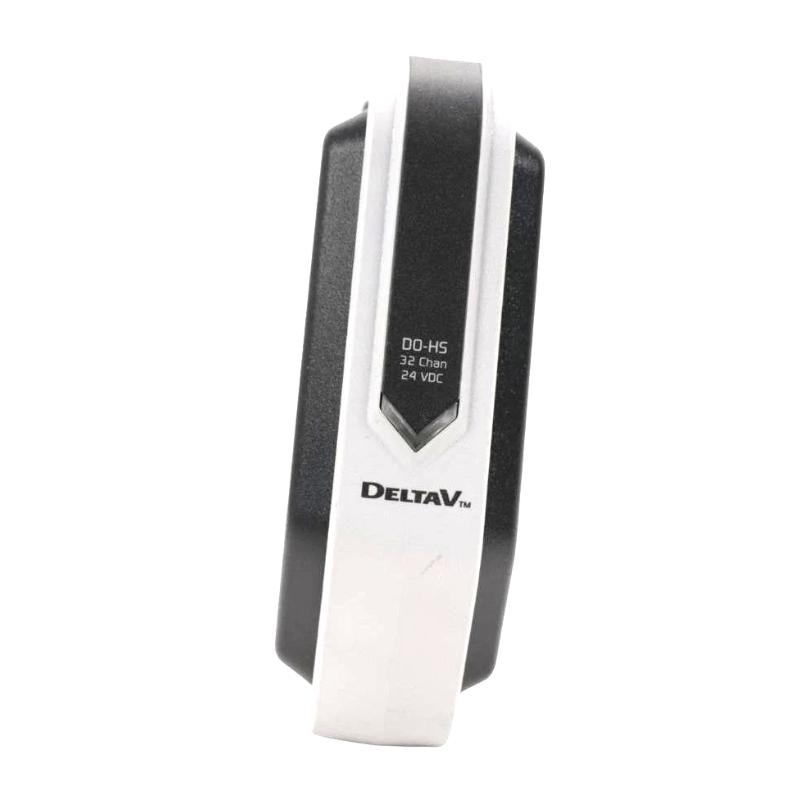
- Emerson
- SE4002S1T2B6
- Discrete Output Card
- USA
- 131 × 41.8 × 130.8 mm
- 0.4 kg
- Xiamen, China
- New & In Stock
- T/T, PayPal, Western Union
- 1 Year
- 1-3 Working Days
- DHL, UPS, TNT, FedEx and EMS.
- 24-Hour Service
- COO
- 65
Our advantage

Global Logistics
We have a 10-year logistics and express cooperation agreement, so our products can be shipped to any place in the world.

Brand new and original
Our products are imported in bulk from the place of origin. Because of the cooperative relationship, our products are all original and 100% new.

24-hour service
We provide 7*24 hours service to our customers. We will be there whenever you need us.

Price advantage
All our products are priced very favorably because we have our own warehouse and supply.
| Company Information | |||
| [email protected] | |||
| Mobile | +8615980777398 | ||
| +8615980777398 | |||
| 15980777398 |
Product Overview
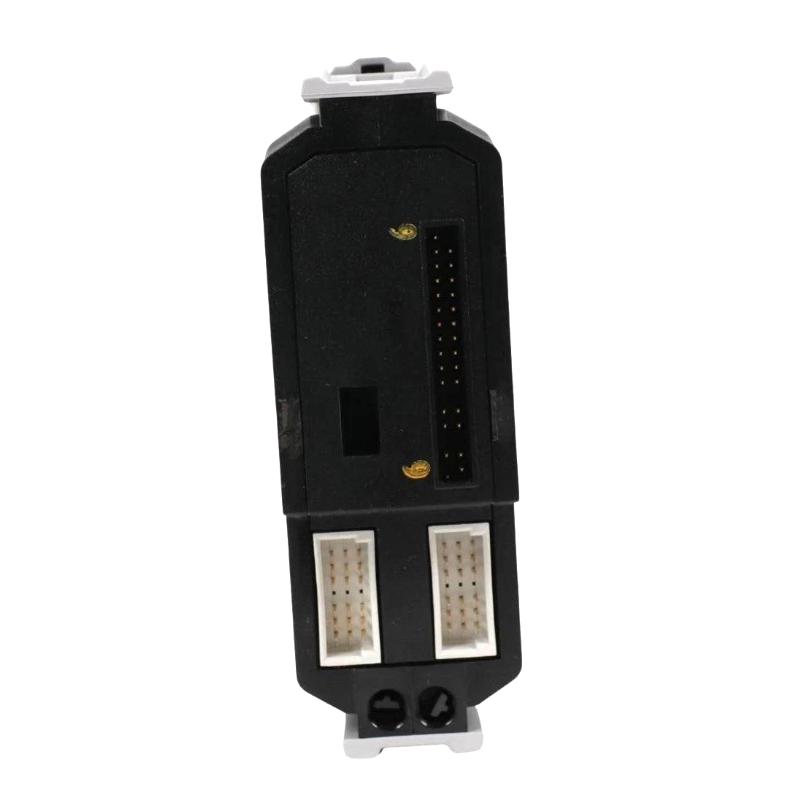
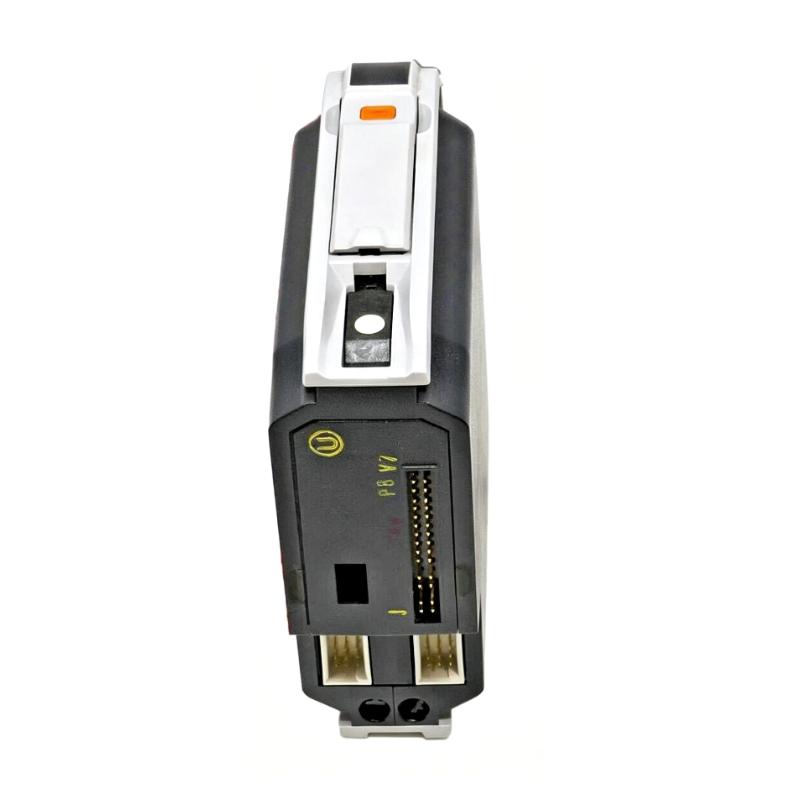
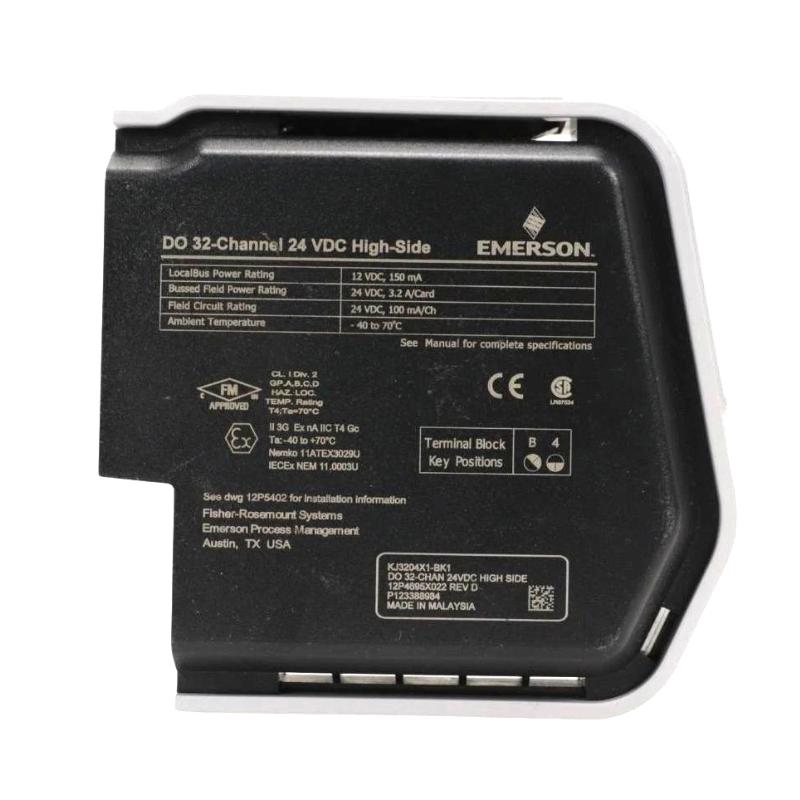
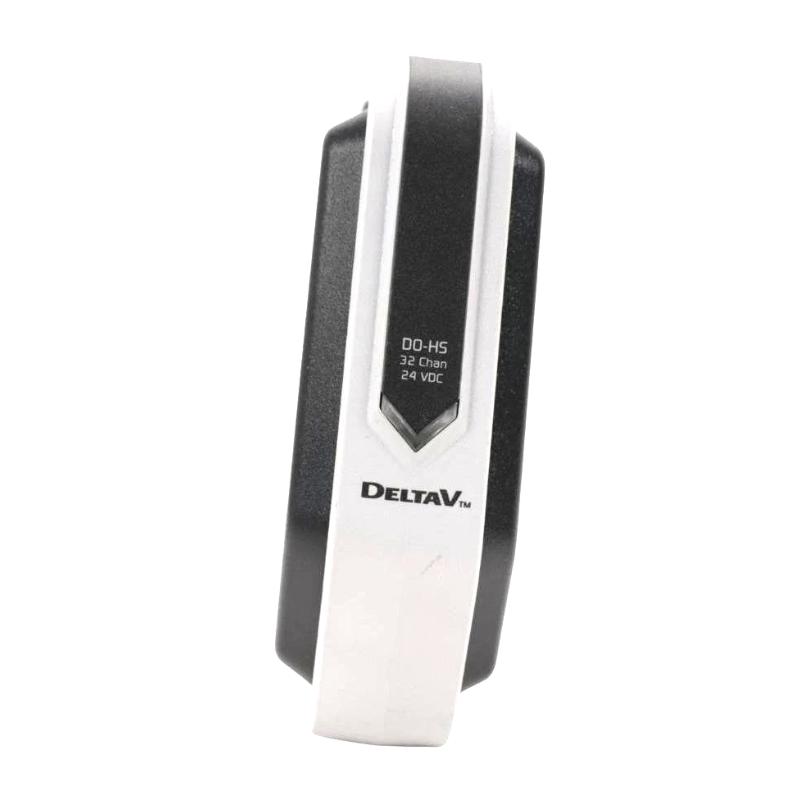
The Emerson SE4002S1T2B6 DeltaV S-series Discrete Output Card is a discrete output module used in Emerson DeltaV systems to transmit binary control commands from the control application to field-side equipment.
In an operating plant, the control system frequently needs to initiate a specific action rather than adjust a continuously variable signal. A pump may receive a start command, a valve may be instructed to open or close, a solenoid may need to energize, or a relay may be switched as part of an equipment sequence.
The SE4002S1T2B6 handles the output side of these control actions. The DeltaV application determines the required state, while the output card transfers that command through the I/O architecture toward the appropriate field circuit.
A practical signal path can be represented as:
DeltaV Control Logic → SE4002S1T2B6 → Termination → Field Circuit → Equipment
For example, an automated process may require a valve to open before a downstream pump is permitted to start. DeltaV evaluates the sequence conditions, issues the valve command through the discrete output channel, and then waits for the configured feedback or permissive before continuing.
This type of arrangement makes the card relevant to motor control, valve actuation, solenoid operation, equipment enable/disable functions, process sequencing, and interlock actions.
When servicing an installed card, engineers should consider the complete output circuit. A failed relay, damaged field wiring, incorrect termination, actuator problem, or configuration mismatch can prevent equipment from responding even when the I/O channel itself is functioning correctly.
Technical Specifications
| Parameter | Specification |
|---|---|
| Manufacturer | Emerson |
| Model | SE4002S1T2B6 |
| Product Family | DeltaV S-series |
| Product Type | Discrete Output Card |
| Primary Function | Discrete Field Command Output |
| System Role | Field Output Interface |
| Application | Industrial Automation / Process Control |
| Installation | Emerson DeltaV Control System |
| Dimensions | 131 × 41.8 × 130.8 mm |
| Weight | 0.4 kg |
Product Features
The SE4002S1T2B6 is used where DeltaV control logic needs to generate defined discrete actions at the field level.
- Emerson DeltaV S-series Discrete Output Card
- Model SE4002S1T2B6
- Binary field-command output
- Interfaces DeltaV control logic with external circuits
- Suitable for equipment start/stop commands
- Applicable to valve and solenoid control
- Can be used with relay-based interfaces
- Supports automated process sequences
- Applicable to permissive and interlock functions
- Suitable for industrial and process-control systems
- Useful for maintenance and replacement applications
The connected equipment and field-side circuit should be verified before selecting the module as a replacement.
Working Principle
The SE4002S1T2B6 sits between the DeltaV control application and the field-side control circuit.
The basic relationship is:
Control Decision → Discrete Output → Field Circuit → Equipment Action
The control decision can come from an operator command, automatic sequence, process logic, or an interlock response.
For example, suppose a process pump needs to start after a required valve reaches its operating position. The DeltaV application checks the necessary conditions. Once the start command becomes valid, the corresponding output channel changes state and transfers the command into the pump-control circuit.
The physical sequence can then be:
Start Permission → SE4002S1T2B6 Output → Motor Control Circuit → Pump Start
In another application:
Close Command → Output Channel → Solenoid / Actuator → Valve Closes
The card handles the electrical output interface; the process logic that determines when the command should occur remains within the DeltaV control application.
From Control Logic to Physical Equipment
The most useful way to view a discrete output card is as a transition point between software logic and physical action.
A typical sequence contains several layers:
1. Control Logic
DeltaV evaluates process conditions, operator commands, permissives, and interlocks.
2. Output Decision
The application determines whether the associated discrete output should change state.
3. I/O Transfer
The SE4002S1T2B6 transfers the configured output condition toward the field interface.
4. Field-Side Action
The signal operates the connected relay, solenoid, actuator, or control circuit.
5. Equipment Response
The final device performs the requested action.
6. Status Feedback
Where feedback is available, another input channel reports the resulting equipment state to DeltaV.
This separation becomes particularly useful during troubleshooting because engineers can determine where the command path stops instead of treating the entire control chain as a single fault.
Role in a DeltaV S-series Control Architecture
The SE4002S1T2B6 belongs to the output layer of the DeltaV S-series I/O system.
A simplified architecture is:
Operator / Automatic Sequence → DeltaV Controller → SE4002S1T2B6 → Field Interface → Equipment
| System Element | Function |
|---|---|
| SE4002S1T2B6 | Transfers discrete control commands |
| DeltaV Controller | Executes control and sequence logic |
| S-series I/O Infrastructure | Provides I/O connectivity |
| Termination Hardware | Interfaces field wiring |
| Interposing Relay | Switches or isolates external circuits |
| Solenoid | Converts an electrical command into mechanical action |
| Motor Control Circuit | Handles start/stop commands |
| Valve Actuator | Executes valve movement |
| Discrete Input Card | Returns equipment status |
| HMI | Displays commands and equipment conditions |
| Field Equipment | Performs the requested operation |
This architecture separates control decisions from field execution while maintaining the required signal path between them.
Where Discrete Outputs Are Used
The SE4002S1T2B6 can be encountered in control functions where equipment has clearly defined states.
Pump and Motor Commands
A discrete output can form part of a motor-control circuit for starting, stopping, enabling, or resetting equipment.
Valve Operation
On/off valves may use discrete commands to operate a solenoid or actuator.
Equipment Enable Signals
Some process equipment requires a binary enable or permissive signal before operation can proceed.
Interlock Actions
When a configured process condition occurs, DeltaV may issue a discrete command to stop or disable associated equipment.
Automated Sequences
Discrete outputs can be used at specific stages of startup, shutdown, transfer, flushing, isolation, or other programmed process sequences.
Industrial Applications
| Application | Typical Use |
|---|---|
| Oil and Gas | Pump and valve commands |
| Petrochemical | Equipment sequencing and interlocks |
| Chemical Processing | Solenoid and actuator control |
| Power Generation | Auxiliary equipment commands |
| Water Treatment | Pump and valve operation |
| Manufacturing | Machine start/stop control |
| Process Automation | Automated equipment sequences |
| Material Handling | Motor and conveyor commands |
Installation and Maintenance
A discrete output can initiate physical equipment movement, so maintenance should follow the plant’s approved isolation and testing procedures.
Recommended practices include:
- Confirm the complete SE4002S1T2B6 model.
- Verify the assigned DeltaV I/O position.
- Review channel configuration.
- Identify the equipment connected to each output.
- Record field wiring before removal.
- Inspect termination connections.
- Check associated relays and interface devices.
- Inspect output-side wiring.
- Review the connected actuator or control circuit.
- Verify DeltaV output configuration.
- Inspect the card and connectors.
- Follow the required equipment isolation procedure.
- Install the replacement card.
- Restore field connections.
- Check module diagnostics.
- Perform controlled output testing.
- Verify the field device responds correctly.
- Confirm associated feedback inputs.
- Check alarms and interlocks.
- Test the affected process sequence.
- Document the final configuration.
If DeltaV indicates the correct output state but the equipment does not respond, trace the signal path in order:
SE4002S1T2B6 → Termination → Wiring → Relay / Interface → Actuator → Equipment
This approach can distinguish an I/O problem from a field-side problem.
Compatible System Components
The SE4002S1T2B6 can be used alongside several components in a DeltaV control and field interface arrangement.
| Component | Function |
|---|---|
| Emerson SE4002S1T2B6 | DeltaV S-series Discrete Output Card |
| DeltaV Controller | Generates configured control commands |
| S-series I/O Infrastructure | Provides system I/O connectivity |
| Termination Assembly | Connects field wiring |
| Interposing Relay | Interfaces external circuits |
| Solenoid Valve | Performs discrete actuation |
| Motor Control Circuit | Receives start/stop commands |
| Valve Actuator | Executes commanded movement |
| Discrete Input Card | Returns equipment feedback |
| HMI | Displays equipment state |
| Field Wiring | Carries discrete output signals |
Recommended Related Models
The following products are selected around the same DeltaV discrete output, discrete feedback, and event-monitoring workflow.
| Model / Product Family | Product Type | Typical Application |
|---|---|---|
| Emerson SE4002S1T2B6 | DeltaV S-series Discrete Output Card | Discrete field command output |
| Emerson SE4002S1T2B5 | DeltaV S-series Discrete Output Card | Equipment command control |
| Emerson SE4002S1T2B1 | DeltaV S-series Discrete Output Card | Discrete equipment control |
| Emerson SE4002S1T1B1 | DeltaV S-series Discrete Output Card | Field-side output applications |
| Emerson SE4002S1T1B3 | DeltaV S-series Discrete Output Card | Discrete command functions |
| Emerson SE4001S3T2B2 | DeltaV S-series Discrete Input Card | Equipment status feedback |
| Emerson SE4001S5T2B5 | DeltaV S-series Sequence of Event Input Card | Sequence-of-event monitoring |
Key Advantages
- Emerson DeltaV S-series Discrete Output Card.
- Model SE4002S1T2B6.
- Transfers binary commands to field circuits.
- Suitable for equipment start/stop functions.
- Applicable to valves, solenoids, relays, and motor-control circuits.
- Supports automated process sequences.
- Useful for interlock-related output actions.
- Can work with discrete feedback for equipment-state verification.
- Suitable for DeltaV maintenance and replacement projects.
Technical FAQs
How does the SE4002S1T2B6 fit into an automated equipment sequence?
The DeltaV application determines when the equipment command should occur. The SE4002S1T2B6 then transfers the resulting discrete state to the field circuit. A feedback input can subsequently confirm whether the equipment reached the expected state before the sequence continues.
Why should the field circuit be checked when an output channel appears normal?
The I/O indication only represents the output-channel condition. The actual signal still has to pass through termination, wiring, and potentially relays or other interface devices before reaching the equipment. A fault anywhere downstream can prevent the expected physical response.
What is the benefit of pairing a discrete output with a status input?
The output represents the requested action, while the input represents the observed equipment condition. Comparing these two signals allows the control application to detect situations such as a commanded start with no running feedback or a commanded valve movement with no corresponding position change.
What should engineers verify before replacing an SE4002S1T2B6?
The complete model number, I/O position, channel assignments, field wiring, termination arrangement, connected equipment, and DeltaV configuration should be checked. After installation, the output command and actual equipment response should both be tested.