

ProductPRODUCT
Featured products
Contact Us
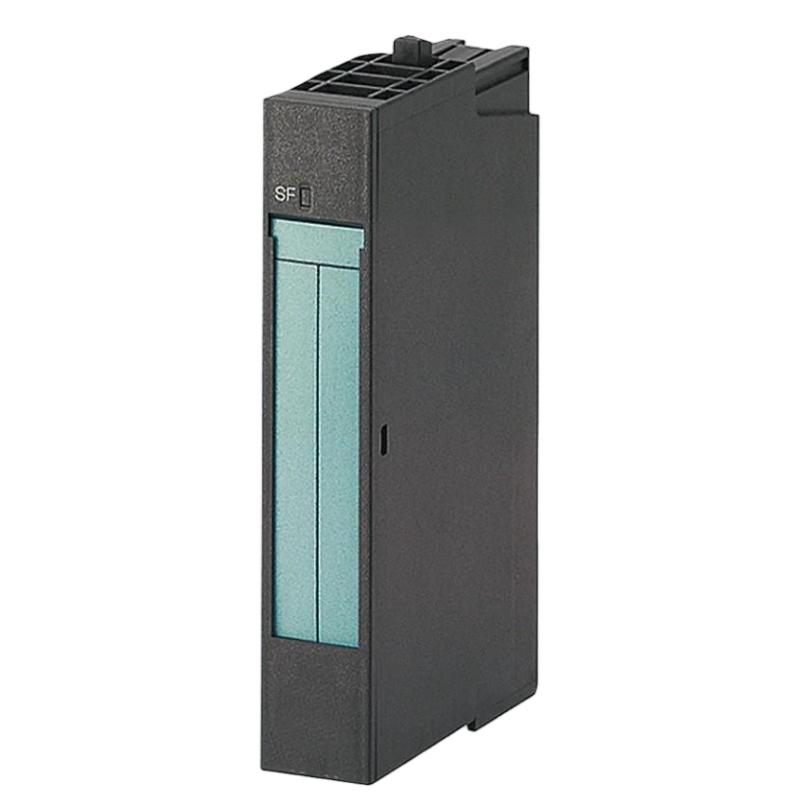
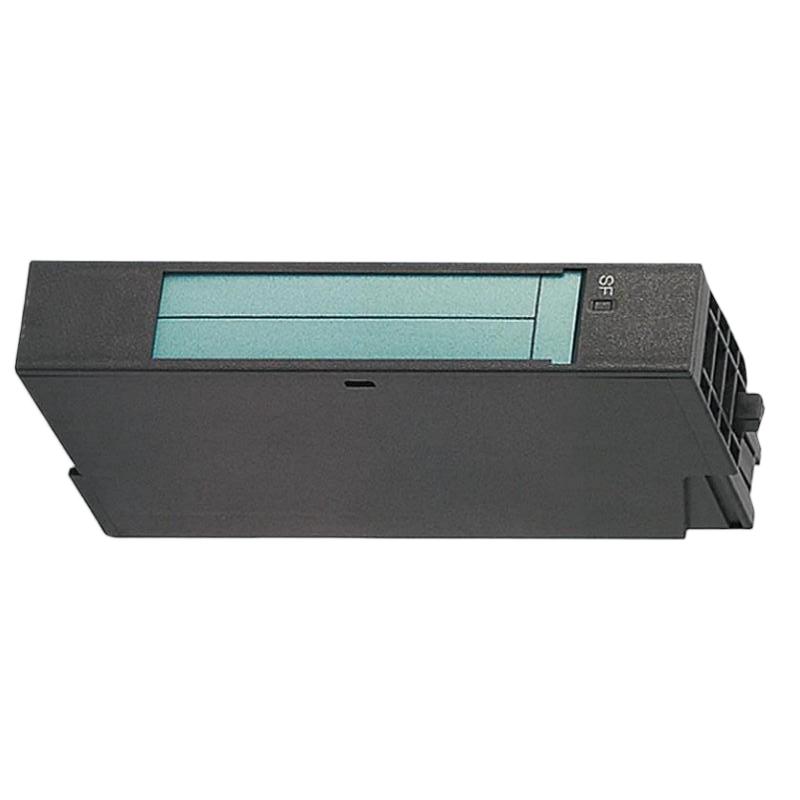
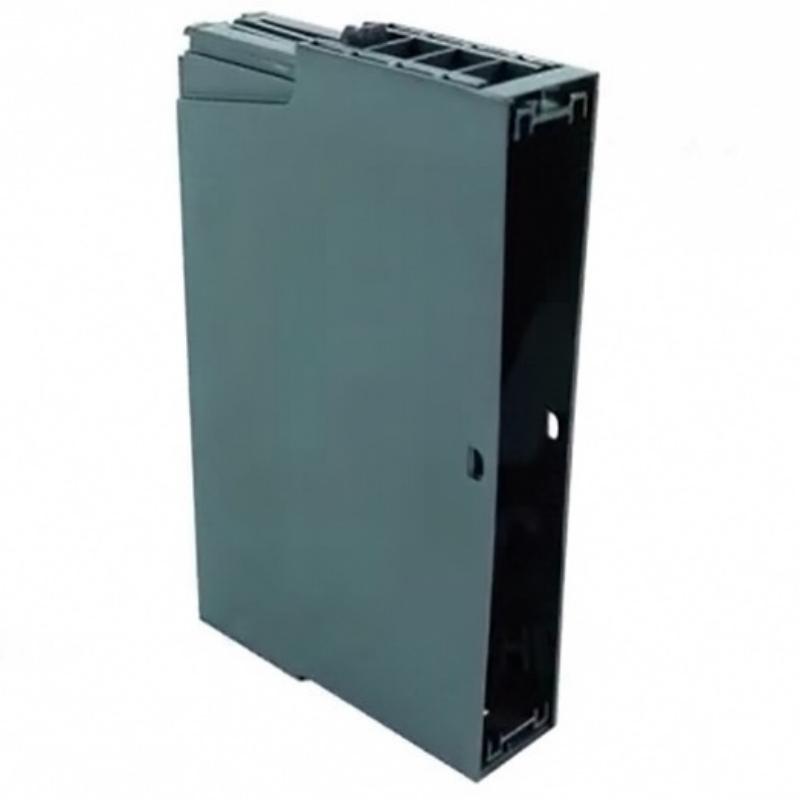
- Siemens
- 6AG1134-4NB51-2AB0
- Analog Input Module
- Germany
- 15 × 81 × 52 mm
- 0.04 kg
- Xiamen, China
- New & In Stock
- T/T, PayPal, Western Union
- 1 Year
- 1-3 Working Days
- DHL, UPS, TNT, FedEx and EMS.
- 24-Hour Service
- COO
- 80
Our advantage

Global Logistics
We have a 10-year logistics and express cooperation agreement, so our products can be shipped to any place in the world.

Brand new and original
Our products are imported in bulk from the place of origin. Because of the cooperative relationship, our products are all original and 100% new.

24-hour service
We provide 7*24 hours service to our customers. We will be there whenever you need us.

Price advantage
All our products are priced very favorably because we have our own warehouse and supply.
| Company Information | |||
| [email protected] | |||
| Mobile | +8615980777398 | ||
| +8615980777398 | |||
| 15980777398 |
Product Overview
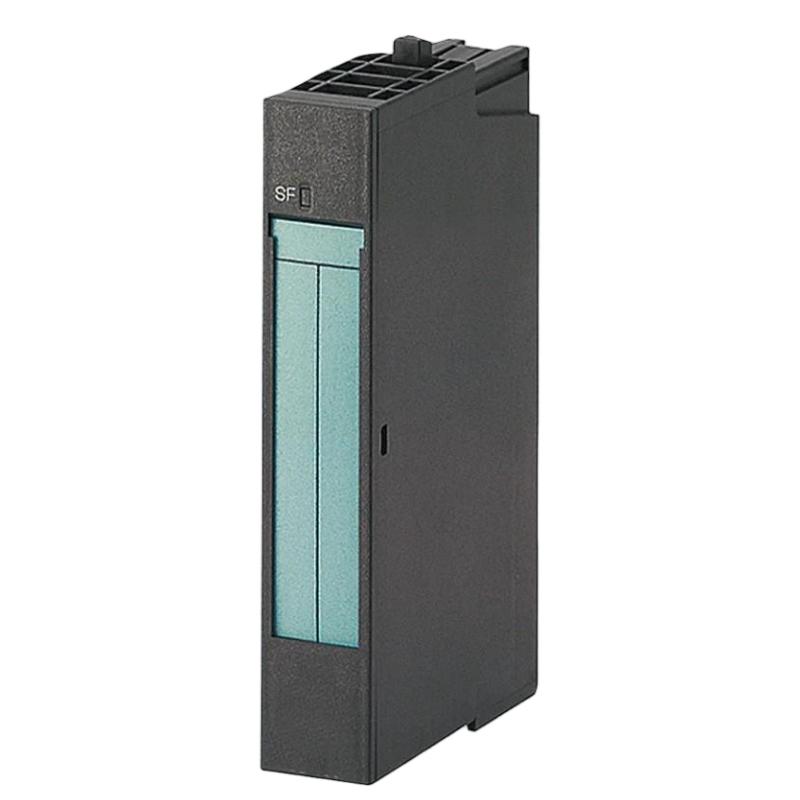
The Siemens 6AG1134-4NB51-2AB0 is a SIPLUS ET 200S EM 2AI RTD HF Analog Input Module designed for high-accuracy temperature measurement in Siemens SIMATIC ET 200S distributed I/O systems. Based on the standard 6ES7134-4NB51-0AB0, this SIPLUS version incorporates a conformal coating that enhances resistance to humidity, condensation, corrosive gases, dust, and other harsh industrial environments.
The module provides two high-feature RTD (Resistance Temperature Detector) input channels, allowing direct connection of resistance temperature sensors for precise temperature monitoring. It supports multiple RTD sensor types including Pt100, Pt1000, Ni100, Ni1000, Cu10, Ni120, Ni200, and Ni500, making it suitable for a wide variety of industrial process applications.
With compact dimensions of 15 × 81 × 52 mm and a weight of approximately 0.04 kg, the module fits easily into compact ET 200S stations while delivering reliable high-precision measurement performance.
Product Identification
| Parameter | Specification |
|---|---|
| Manufacturer | Siemens |
| Product Series | SIPLUS ET 200S |
| Model | 6AG1134-4NB51-2AB0 |
| Product Type | EM 2AI RTD HF Analog Input Module |
| Base Model | 6ES7134-4NB51-0AB0 |
| Analog Inputs | 2 RTD Inputs |
| Sensor Type | Resistance Temperature Detector (RTD) |
| Rated Supply Voltage | 24 VDC |
| Dimensions | 15 × 81 × 52 mm |
| Weight | Approximately 0.04 kg |
| Installation | ET 200S Distributed I/O |
| Environmental Protection | Conformal Coating (SIPLUS) |
| Operating Temperature | -25°C to +60°C |
Technical Specifications
| Technical Item | Specification |
|---|---|
| Product Family | SIPLUS ET 200S |
| Module Type | EM 2AI RTD HF |
| Number of Analog Inputs | 2 |
| Address Space | 4 Bytes |
| Load Voltage | 24 VDC |
| Reverse Polarity Protection | Yes |
| Typical Power Consumption | 0.6 W |
| Maximum Input Current | 30 mA |
| Backplane Current | 10 mA |
| RTD Measurement Current | Approx. 1.25 mA |
| Width | 15 mm |
| Height | 81 mm |
| Depth | 52 mm |
| Weight | Approx. 40 g |
Supported RTD Sensor Types
The module supports numerous industrial RTD sensors, including:
- Pt100
- Pt1000
- Ni100
- Ni120
- Ni200
- Ni500
- Ni1000
- Cu10
These sensor options allow the module to cover a broad range of industrial temperature measurement applications.
Working Principle
The Siemens 6AG1134-4NB51-2AB0 converts resistance changes from RTD sensors into digital temperature values for PLC processing.
Signal flow:
RTD Sensor
↓
Resistance Signal
↓
6AG1134-4NB51-2AB0
↓
ET 200S Backplane
↓
SIMATIC PLC
↓
Control Program
↓
HMI / SCADA
↓
Process Control
The module continuously measures RTD resistance and converts it into precise temperature data for automation systems.
Typical Industrial Applications
The module is widely used in:
- Chemical processing
- Power generation
- Food & beverage production
- Pharmaceutical manufacturing
- Oil & gas facilities
- Water treatment plants
- Steel production
- Cement plants
- Industrial furnaces
- HVAC systems
- Energy management
- Process automation
Installation Guide
1. Verify Product Identification
Confirm the complete order number:
Siemens 6AG1134-4NB51-2AB0
Do not confuse this RTD module with voltage or current analog input modules.
2. Confirm System Compatibility
Verify compatibility with:
- ET 200S station
- Interface module
- Terminal module
- PLC hardware configuration
- STEP 7 / TIA Portal project
3. Inspect the Module
Before installation inspect:
- Housing
- Connectors
- Locking tabs
- Contact pins
- Conformal coating
- Mechanical damage
4. Prepare Installation Space
Module dimensions:
- Width: 15 mm
- Height: 81 mm
- Depth: 52 mm
Ensure sufficient space for wiring and ventilation.
5. Verify Sensor Wiring
Confirm:
- Correct RTD sensor type
- 2-wire, 3-wire or 4-wire configuration
- Cable continuity
- Shield grounding
- Channel assignment
6. Isolate Power
Before installation:
- Stop equipment
- Remove control power
- Lock out electrical sources
- Verify zero voltage
7. Install the Module
Insert the module into the designated ET 200S slot.
Check:
- Proper alignment
- Secure locking
- Firm engagement
- Correct slot position
8. Connect RTD Sensors
Connect each RTD according to the approved wiring diagram.
Verify:
- Sensor polarity where applicable
- Cable shielding
- Terminal identification
- Sensor wiring configuration
9. Grounding
Proper grounding minimizes measurement errors caused by electrical interference.
Inspect:
- Shield termination
- Cabinet grounding
- Equipotential bonding
10. Power Up
After installation:
- Restore power
- Verify LEDs
- Confirm communication
- Check diagnostics
Configuration Procedure
Step 1
Configure the module in STEP 7 or TIA Portal.
Step 2
Assign the correct RTD sensor type for each channel.
Step 3
Configure:
- Temperature units
- Measurement range
- Diagnostic functions
- Filtering parameters
Step 4
Download the hardware configuration.
Step 5
Verify online diagnostics.
Step 6
Compare displayed temperatures with calibrated reference instruments.
Troubleshooting Guide
Fault 1 — Module Not Detected
Possible causes:
- Incorrect hardware configuration
- Loose installation
- Backplane communication problem
- Power failure
Fault 2 — Temperature Always Zero
Possible causes:
- Broken RTD
- Open wiring
- Incorrect configuration
- Wrong sensor type
Fault 3 — Temperature Too High
Check:
- Incorrect sensor selection
- Short circuit
- Wiring error
- Scaling parameters
Fault 4 — Temperature Too Low
Possible causes:
- Damaged RTD
- Loose terminals
- Incorrect compensation
- Sensor degradation
Fault 5 — Temperature Fluctuates
Possible causes:
- Electrical interference
- Poor grounding
- Damaged cable
- Loose connection
- Electromagnetic noise
Fault 6 — Diagnostic Alarm
Inspect:
- Sensor wiring
- Module diagnostics
- ET 200S status
- PLC diagnostics
Fault 7 — Channel Failure
If only one channel is affected:
- Swap sensors if possible
- Inspect wiring
- Check terminal module
- Verify configuration
Fault 8 — Incorrect HMI Display
Possible causes:
- PLC scaling
- Wrong engineering units
- Incorrect HMI tag
- Programming errors
Fault 9 — Communication Lost
Inspect:
- Interface module
- ET 200S bus
- Power supply
- Hardware diagnostics
Fault 10 — Intermittent Measurements
Possible causes:
- Loose connectors
- Vibration
- Moisture
- Damaged RTD
- Cabinet temperature changes
Diagnostic Workflow
Recommended troubleshooting sequence:
RTD Sensor
↓
Field Wiring
↓
Terminal Module
↓
6AG1134-4NB51-2AB0
↓
ET 200S Interface
↓
PLC CPU
↓
Program
↓
HMI
Following this sequence helps isolate faults efficiently while avoiding unnecessary module replacement.
Preventive Maintenance
Routine maintenance should include:
Mechanical Inspection
- Housing
- Connectors
- Locking mechanism
- Mounting
Electrical Inspection
- Wiring
- Grounding
- Shielding
- Supply voltage
Sensor Inspection
- RTD resistance
- Cable insulation
- Junction boxes
- Terminal tightness
Software Inspection
- Diagnostics
- Hardware configuration
- Alarm history
- Calibration settings
Environmental Inspection
- Temperature
- Humidity
- Dust
- Corrosive atmosphere
- Condensation
Preventive Maintenance Checklist
| Inspection Item | Recommended Action |
|---|---|
| Module Housing | Visual inspection |
| Wiring | Tighten terminals |
| RTD Sensors | Verify resistance |
| Grounding | Check continuity |
| Shielding | Inspect connections |
| Diagnostics | Review fault history |
| PLC Backup | Archive project |
| Cabinet | Clean dust and inspect ventilation |
Replacement Procedure
- Record module location.
- Back up PLC configuration.
- Disconnect power.
- Remove field wiring.
- Remove the old module.
- Inspect terminal module.
- Install the replacement module.
- Reconnect RTD wiring.
- Restore hardware configuration.
- Restore power.
- Verify diagnostics.
- Confirm temperature readings.
- Test HMI values.
- Resume normal operation.
Advantages
- High-precision RTD measurement
- Two independent RTD input channels
- Supports multiple RTD sensor types
- SIPLUS conformal coating for harsh environments
- Compact 15 mm installation width
- Low power consumption
- Reverse polarity protection
- Suitable for ET 200S distributed I/O
- Reliable long-term industrial operation
- Easy integration with SIMATIC PLC systems
Frequently Asked Questions
What is the Siemens 6AG1134-4NB51-2AB0?
It is a SIPLUS ET 200S EM 2AI RTD HF analog input module designed for high-accuracy RTD temperature measurement in Siemens distributed automation systems.
How many analog inputs are available?
The module provides two RTD analog input channels.
Which RTD sensors are supported?
Supported sensor types include Pt100, Pt1000, Ni100, Ni1000, Ni120, Ni200, Ni500, and Cu10.
What are the module dimensions?
15 × 81 × 52 mm.
What is the module weight?
Approximately 0.04 kg (40 g).
What supply voltage is required?
The module operates from a 24 VDC load voltage supplied through the ET 200S power module.
Why is the SIPLUS version different?
The SIPLUS version features a conformal coating and extended environmental resistance for harsh industrial conditions.
What should be checked before replacing the module?
Verify the RTD sensor, field wiring, terminal module, hardware configuration, power supply, and diagnostics before replacing the module.
Conclusion
The Siemens 6AG1134-4NB51-2AB0 SIPLUS ET 200S EM 2AI RTD HF Analog Input Module is a reliable solution for high-accuracy temperature measurement in industrial automation systems. Its support for multiple RTD sensor types, compact 15 × 81 × 52 mm design, 24 VDC operation, and SIPLUS conformal coating make it well suited for harsh industrial environments.
Correct installation, proper RTD wiring, accurate hardware configuration, routine preventive maintenance, and systematic troubleshooting ensure long-term measurement stability and dependable process control. Following a structured diagnostic procedure—from the sensor through the PLC and HMI—helps identify faults efficiently while minimizing unnecessary downtime and replacement costs.