

ProductPRODUCT
Featured products
Contact Us
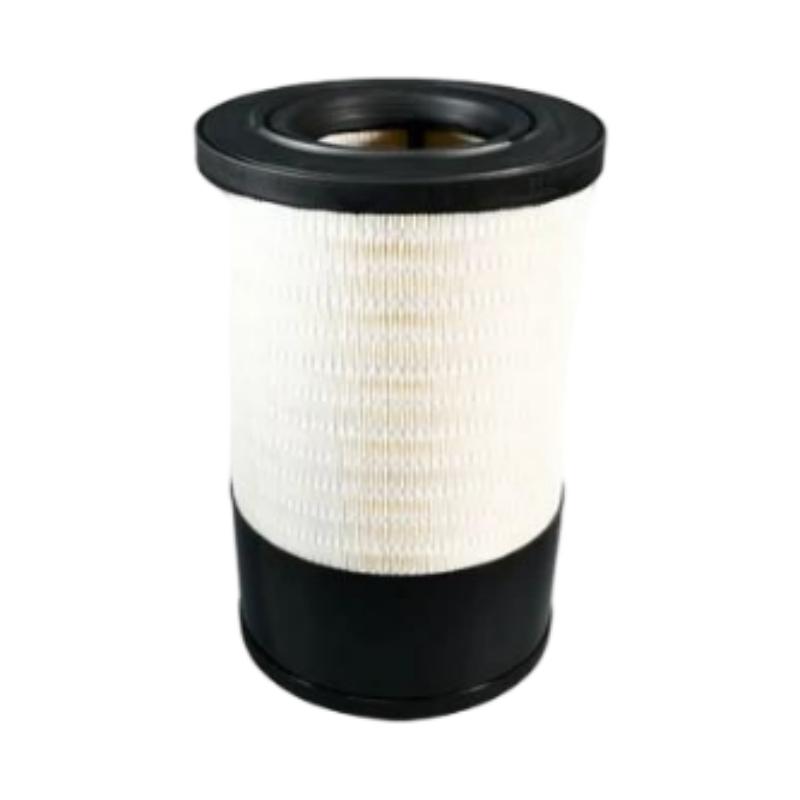
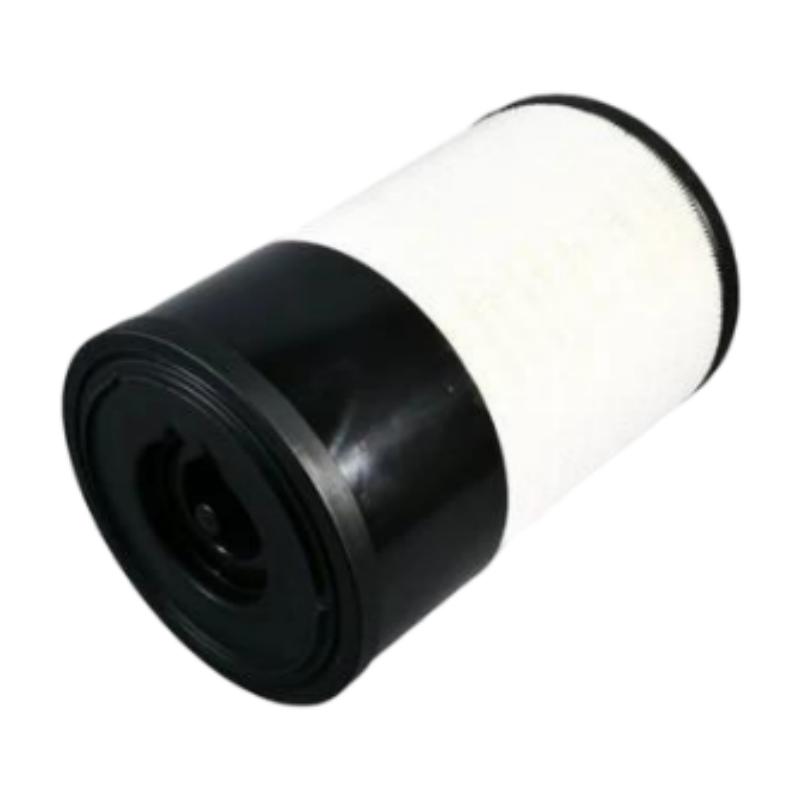
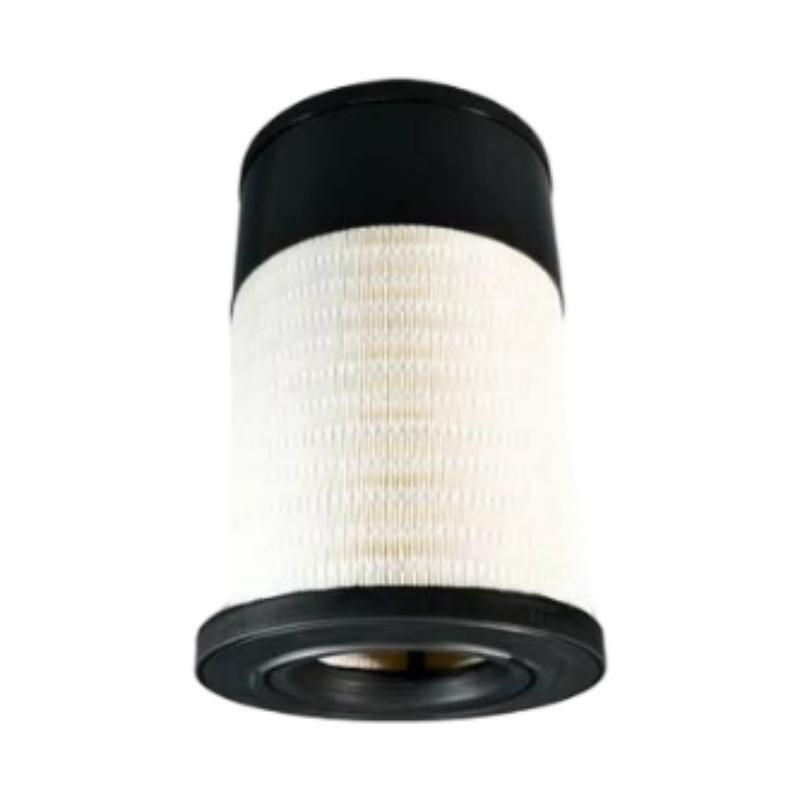
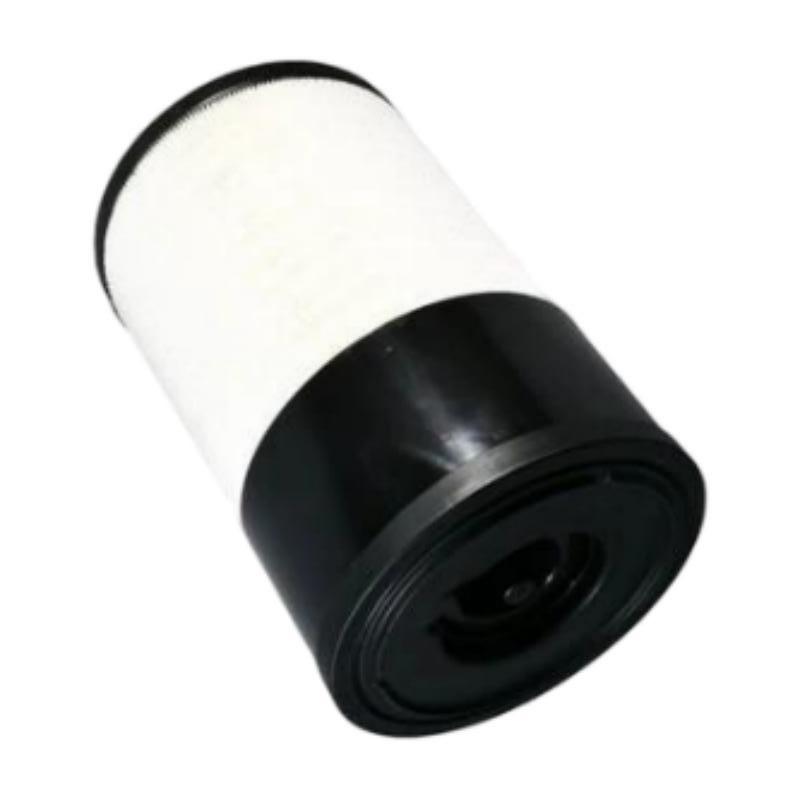
- Ingersoll Rand
- 47704431001 47557738001
- Air Filter
- USA
- 212 x 345 x 132 mm
- 2.4 kg
- Xiamen, China
- New & In Stock
- T/T, PayPal, Western Union
- 1 Year
- 1-3 Working Days
- DHL, UPS, TNT, FedEx and EMS.
- 24-Hour Service
- COO
- 50
Our advantage

Global Logistics
We have a 10-year logistics and express cooperation agreement, so our products can be shipped to any place in the world.

Brand new and original
Our products are imported in bulk from the place of origin. Because of the cooperative relationship, our products are all original and 100% new.

24-hour service
We provide 7*24 hours service to our customers. We will be there whenever you need us.

Price advantage
All our products are priced very favorably because we have our own warehouse and supply.
| Company Information | |||
| [email protected] | |||
| Mobile | +8615980777398 | ||
| +8615980777398 | |||
| 15980777398 |
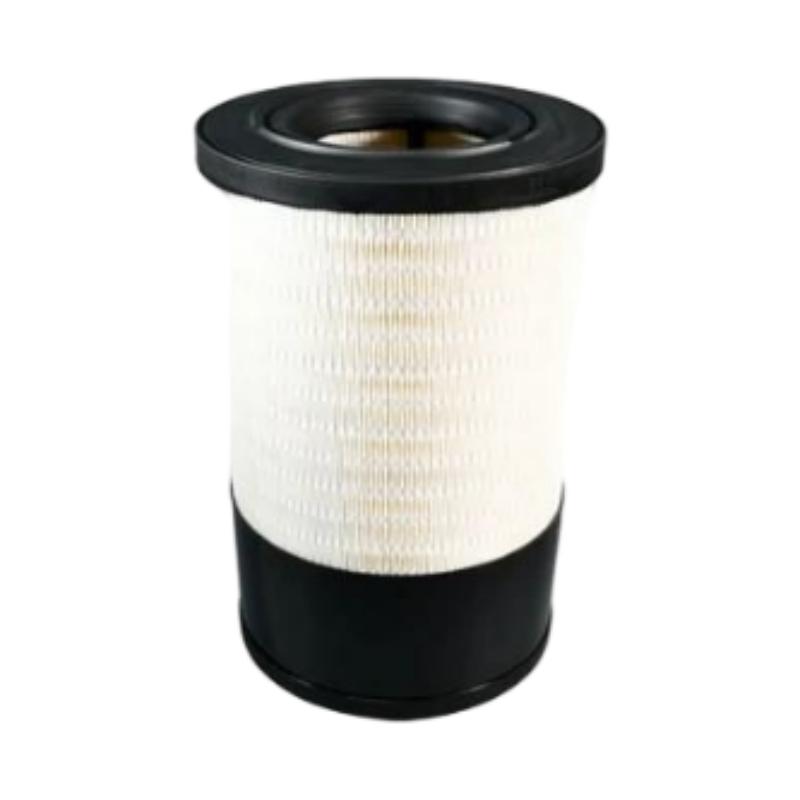
Product Overview
The Ingersoll Rand 47704431001 47557738001 Air Filter is a replacement filtration component designed for use in compatible Ingersoll Rand industrial air compressor systems. The air filter is installed on the compressor intake side and performs an important protective function by removing airborne dust, dirt, and other particulate contamination before air enters the compression system.
Intake air quality has a direct influence on compressor reliability. If contaminated air enters the compressor, particles can accumulate inside the intake system and compression element, potentially increasing wear and reducing overall operating efficiency. A properly maintained air filter helps maintain cleaner intake air and supports stable compressor operation.
The supplied product information is:
- Manufacturer: Ingersoll Rand
- Reference: 47704431001
- Part Number: 47557738001
- Product Type: Air Filter
- Application: Industrial Air Compressor
- Dimensions: 212 × 345 × 132 mm
- Weight: 2.4 kg
- Primary Function: Intake Air Filtration
- Installation Location: Compressor Air Intake System
The exact compressor application should be confirmed before installation to ensure that the replacement filter matches the required filtration configuration.
Technical Specifications
| Parameter | Specification |
|---|---|
| Manufacturer | Ingersoll Rand |
| Reference | 47704431001 |
| Part Number | 47557738001 |
| Product Type | Air Filter |
| Application | Industrial Air Compressor |
| Dimensions | 212 × 345 × 132 mm |
| Weight | 2.4 kg |
| Main Function | Intake Air Filtration |
| Installation Location | Compressor Intake System |
| Maintenance Type | Air Filter Replacement |
| Primary Purpose | Protect Compressor from Airborne Contamination |
The supplied dimensions and weight are useful for maintenance planning, replacement-part identification, and storage considerations.
Function and Working Principle
The air filter is positioned upstream of the compressor’s air intake.
A simplified airflow path is:
Ambient Air
↓
Air Filter
↓
Filtered Intake Air
↓
Intake Valve
↓
Compression Element
↓
Compressed Air System
The filter media captures airborne particles while allowing air to pass through the filtration element.
The main functions are:
- Removing dust
- Reducing particulate contamination
- Protecting the intake system
- Protecting the compression element
- Supporting stable airflow
- Reducing contamination-related wear
As the filter accumulates contaminants, its airflow resistance gradually increases. This is why air-filter condition should be monitored as part of routine compressor maintenance.
Role in Industrial Compressor Systems
The compressor continuously processes large quantities of ambient air.
Even in relatively clean industrial environments, intake air may contain:
- Dust
- Dirt
- Fibers
- Fine particles
- Process-related contaminants
- Moisture
- Other airborne debris
Without effective filtration, these contaminants can enter the compressor.
A clean air filter therefore supports the complete compressor system:
Clean Ambient Air
→ Effective Filtration
→ Stable Intake Flow
→ Efficient Compression
→ Reliable Compressor Operation
A heavily restricted filter, on the other hand, can increase intake resistance and reduce the amount of air available to the compressor.
Typical Applications
The 47557738001 Air Filter may be used during maintenance of compatible Ingersoll Rand compressor systems.
Typical applications include:
- Scheduled air-filter replacement
- Preventive compressor maintenance
- Intake-system servicing
- Compressor performance troubleshooting
- High differential-pressure investigation
- Contamination control
- Compressor overhaul
The filter should be replaced using the maintenance interval and service requirements applicable to the specific compressor.
Installation Guide
1. Verify the Replacement Filter
Before beginning installation, confirm:
Ingersoll Rand 47704431001
47557738001 Air Filter
Check:
- Part number
- Dimensions
- Filter configuration
- Sealing arrangement
- Physical condition
- Packaging condition
Do not install a filter that is damaged, deformed, wet, or contaminated.
2. Shut Down the Compressor
Stop the compressor using the normal shutdown procedure.
Then isolate the machine according to the site’s approved lockout/tagout procedure.
The compressor should be:
- Shut down
- Electrically isolated
- Protected against accidental restart
- In a safe maintenance condition
3. Allow the System to Stabilize
Before opening the intake assembly, allow the compressor to reach a safe maintenance state.
Although the air filter is located on the intake side, other components in the compressor can remain hot or contain stored energy after shutdown.
4. Prepare the Maintenance Area
Prepare:
- Replacement 47557738001 air filter
- Appropriate hand tools
- Clean cloths
- Approved cleaning materials
- Inspection light
- Collection container if required
The maintenance area should be clean.
Prevent dust from entering the open intake system.
5. Open the Air Filter Housing
Remove the applicable filter-housing cover or retaining components.
Carefully expose the existing filter.
Avoid knocking dust from the used filter into the intake passage.
6. Remove the Existing Filter
Remove the old filter carefully.
Do not shake the filter unnecessarily.
A heavily contaminated filter can release accumulated particles when handled.
Place the used filter in an appropriate container.
7. Inspect the Filter Housing
Before installing the new filter, inspect the housing.
Check for:
- Dust accumulation
- Oil contamination
- Water or moisture
- Damaged sealing surfaces
- Cracks
- Loose hardware
- Foreign objects
If significant contamination is present, clean the housing before installing the replacement filter.
8. Inspect the Intake System
Inspect the area downstream of the filter.
Look for:
- Dust deposits
- Loose particles
- Damaged ducts
- Loose connections
- Air leakage
- Abnormal oil contamination
Dust found downstream of the filter can indicate a sealing problem, incorrect filter installation, or filter damage.
9. Install the New Filter
Install the 47557738001 air filter carefully.
Make sure:
- The filter is correctly oriented.
- The sealing surface is properly positioned.
- The filter sits evenly in the housing.
- No part of the filter is folded or damaged.
- The housing closes without excessive force.
Do not force the filter into an incorrectly aligned position.
10. Close the Filter Housing
Reinstall the housing cover and retaining hardware.
Check that:
- The cover is properly seated.
- Fasteners are secure.
- No gaps remain around the sealing area.
- The filter cannot move excessively inside the housing.
11. Inspect for Air Leakage
Before restarting the compressor, inspect the filter housing and intake connections.
Air leakage around the filter can allow unfiltered ambient air to bypass the filter.
A bypass leak can be just as problematic as an incorrectly installed filter.
12. Restart the Compressor
Restore the compressor according to the normal operating procedure.
Observe the intake system during startup.
Check for:
- Abnormal noise
- Vibration
- Air leakage
- Unusual intake behavior
Commissioning Procedure
After installation, verify normal compressor operation.
Step 1 — Visual Inspection
Confirm that the filter housing remains properly closed and secured.
Step 2 — Check Intake Flow
Verify that the compressor receives normal intake airflow.
Step 3 — Monitor Compressor Operation
Observe:
- Operating pressure
- Temperature
- Current or load behavior
- Compressor response
Step 4 — Check for Abnormal Noise
Listen for unusual sounds around the filter housing or intake system.
Step 5 — Check for Air Leakage
Inspect the housing and intake connections.
Step 6 — Verify Stable Operation
Allow the compressor to operate under normal conditions and confirm that performance remains stable.
Troubleshooting Guide
Problem 1: Compressor Has Reduced Capacity
Possible causes include:
- Air filter restriction
- Incorrect filter installation
- Intake valve problem
- Air-intake leakage
- Compression-system problem
- High ambient contamination
Recommended Checks
- Inspect the air filter.
- Check filter restriction.
- Inspect the housing seal.
- Check the intake valve.
- Inspect the intake duct.
- Compare compressor performance with normal operating conditions.
Problem 2: Air Filter Becomes Dirty Quickly
Possible causes:
- High dust concentration
- Poor installation environment
- Excessive airborne contamination
- Filter housing leakage
- Incorrect maintenance interval
- Damaged filter
If the replacement filter becomes heavily contaminated unusually quickly, investigate the operating environment and intake-air conditions.
Problem 3: High Differential Pressure Across the Filter
A high pressure drop may indicate:
- Filter blockage
- Excessive dust loading
- Incorrect filter
- Wet filter media
- Collapsed or damaged filter media
A restricted filter can reduce intake airflow and affect compressor performance.
Problem 4: Compressor Makes Abnormal Intake Noise
Possible causes include:
- Loose filter housing
- Air leakage
- Damaged filter media
- Incorrect filter installation
- Loose intake connection
- Intake valve problem
Inspect the entire intake assembly rather than focusing only on the filter.
Problem 5: Dust Found Downstream of the Filter
Possible causes:
- Damaged filter
- Incorrect filter installation
- Poor sealing
- Housing damage
- Filter bypass
This condition should be investigated promptly because downstream contamination can reach the compression system.
Problem 6: Filter Housing Leaks Air
Possible causes:
- Damaged gasket or seal
- Loose housing
- Incorrect filter position
- Damaged housing
- Contaminated sealing surface
Clean the sealing area and verify correct filter positioning.
Problem 7: Compressor Temperature Increases After Filter Replacement
Possible causes may include:
- Incorrect filter
- Excessive intake restriction
- Incorrect filter installation
- Other cooling-system problems
- Increased compressor load
Check intake restriction first, then investigate the wider thermal system if the filter is not responsible.
Problem 8: Compressor Performance Does Not Improve After Filter Replacement
If a heavily contaminated filter has been replaced but compressor performance remains poor, investigate:
- Intake valve
- Compression element
- Oil system
- Pressure control
- Air leaks
- Cooling system
- Internal mechanical condition
A dirty air filter may be only one contributing factor.
Air Filter Fault Diagnosis
A practical troubleshooting sequence is:
Ambient Air
↓
Air Filter
↓
Filter Housing Seal
↓
Intake Duct
↓
Intake Valve
↓
Compression Element
↓
Compressor Output
This sequence helps determine whether the problem originates from filtration, airflow, valve control, or the compression system.
Preventive Maintenance
| Inspection Item | Recommended Check |
|---|---|
| Air Filter | Inspect condition |
| Filter Media | Check contamination |
| Filter Housing | Check cleanliness |
| Sealing Surface | Check for damage |
| Housing Cover | Check secure installation |
| Intake Duct | Inspect for leakage |
| Intake Valve | Check operation |
| Differential Pressure | Monitor when applicable |
| Ambient Environment | Assess dust level |
| Compressor Performance | Monitor changes |
Factors Affecting Air Filter Life
Air-filter service life depends heavily on operating conditions.
Important factors include:
Ambient Dust
A compressor operating near construction, mining, cement, or other dusty processes can load the filter much faster than one operating in a clean environment.
Installation Environment
The location of the compressor intake affects the quality of air entering the filter.
Operating Hours
Longer operating periods naturally expose the filter to a greater volume of ambient air.
Filter Housing Condition
Poor sealing can allow contaminated air to bypass the filter.
Moisture
Water or excessive moisture can affect filter performance and may contribute to media deterioration.
Common Maintenance Mistakes
Reusing an Excessively Dirty Filter
Cleaning or reusing a filter when replacement is required can compromise filtration performance.
Installing the Filter Incorrectly
A filter that is not seated correctly can allow unfiltered air to bypass the filter media.
Ignoring Housing Contamination
Installing a new filter into a dirty housing can immediately contaminate the replacement element.
Using an Unverified Filter
The physical size of a filter alone does not establish compatibility.
The complete part number and compressor configuration should be verified.
Failing to Inspect Downstream Contamination
If dust is found after the filter, replacing the filter alone may not solve the problem.
The sealing arrangement and intake system should also be inspected.
Post-Maintenance Inspection Checklist
- Correct 47704431001 reference confirmed
- Correct 47557738001 air filter confirmed
- Compressor safely shut down
- Maintenance area cleaned
- Existing filter removed
- Filter housing inspected
- Intake system inspected
- Replacement filter checked for damage
- Filter correctly positioned
- Housing securely closed
- Intake connections checked
- Air leakage inspected
- Compressor restarted safely
- Intake operation monitored
- Compressor performance checked
- Final inspection completed
Key Advantages
- Designed for compatible Ingersoll Rand compressor intake systems
- Provides filtration of incoming ambient air
- Helps reduce particulate contamination
- Supports protection of the compression system
- Supplied dimensions of 212 × 345 × 132 mm
- Supplied weight of 2.4 kg
- Suitable for scheduled compressor maintenance
- Supports preventive maintenance programs
- Helps maintain clean intake airflow
- Can contribute to stable compressor operation
- Useful for environments with significant airborne contamination
Technical FAQs
What is the Ingersoll Rand 47557738001?
The 47557738001 is an air filter identified with the supplied 47704431001 reference for compatible Ingersoll Rand compressor applications.
What is the purpose of an air filter?
The air filter removes airborne particles and contaminants before intake air enters the compressor.
What are the dimensions of the 47557738001?
The supplied dimensions are 212 × 345 × 132 mm.
What is the weight?
The supplied weight is 2.4 kg.
Why is air filtration important for compressors?
Dust and other particles entering the compressor can contribute to contamination and wear of internal components.
What happens when an air filter becomes blocked?
A restricted filter can increase intake resistance and reduce airflow available to the compressor.
Can a dirty air filter reduce compressor capacity?
Yes. Excessive intake restriction can reduce airflow and may contribute to reduced compressor output.
Why is there dust downstream of the filter?
Possible causes include damaged filter media, poor sealing, incorrect installation, housing damage, or an intake bypass path.
Why does the air filter become dirty quickly?
High airborne dust concentration, long operating hours, poor intake location, or an abnormal environmental condition can accelerate filter loading.
Should the air filter be cleaned instead of replaced?
That depends on the filter design and applicable compressor maintenance procedure. A filter that is intended to be replaced should not be reused simply to extend service life.
What should be inspected when replacing the filter?
Inspect the filter housing, sealing surfaces, intake connections, downstream intake area, and the replacement filter itself.
Can an incorrect air filter cause compressor problems?
Yes. An incorrect filter can result in inadequate filtration, excessive airflow restriction, or poor sealing.
What should be checked after installation?
Check filter positioning, housing sealing, intake airflow, abnormal noise, compressor performance, and any available filter-restriction indication.
Can a new filter solve all compressor performance problems?
No. If compressor performance remains abnormal after filter replacement, the intake valve, compression element, cooling system, lubrication system, and control system should also be investigated.
Conclusion
The Ingersoll Rand 47704431001 47557738001 Air Filter is an important intake-filtration component for compatible industrial air compressor systems. With supplied dimensions of 212 × 345 × 132 mm and a weight of 2.4 kg, it is suitable for planned compressor maintenance and replacement operations.
The filter protects the compressor by removing airborne contaminants before they enter the intake and compression system. Maintaining clean intake air helps reduce contamination-related wear and supports reliable compressor operation.
Correct installation requires safe compressor shutdown, careful removal of the used filter, thorough inspection and cleaning of the filter housing, correct positioning of the replacement filter, and verification that the housing is properly sealed.
During troubleshooting, technicians should consider both filter condition and the surrounding intake system. Reduced compressor capacity, high intake restriction, abnormal noise, downstream dust, and rapid filter contamination can indicate problems that extend beyond the filter itself.
Regular inspection of the filter, housing, sealing surfaces, and intake environment can help identify developing problems early and support a more reliable compressor maintenance program.