

ProductPRODUCT
Featured products
Contact Us
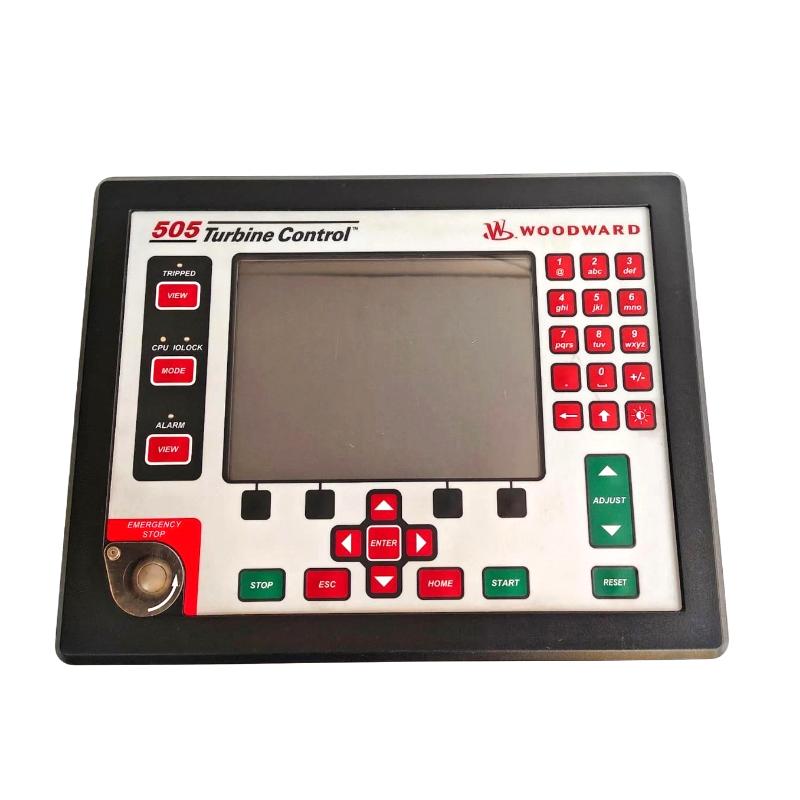
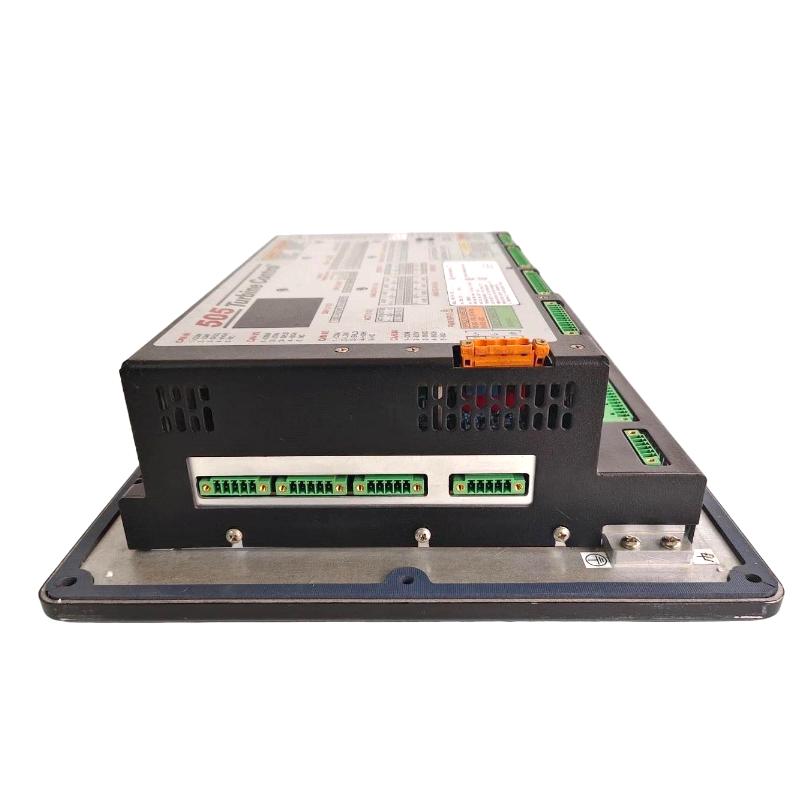
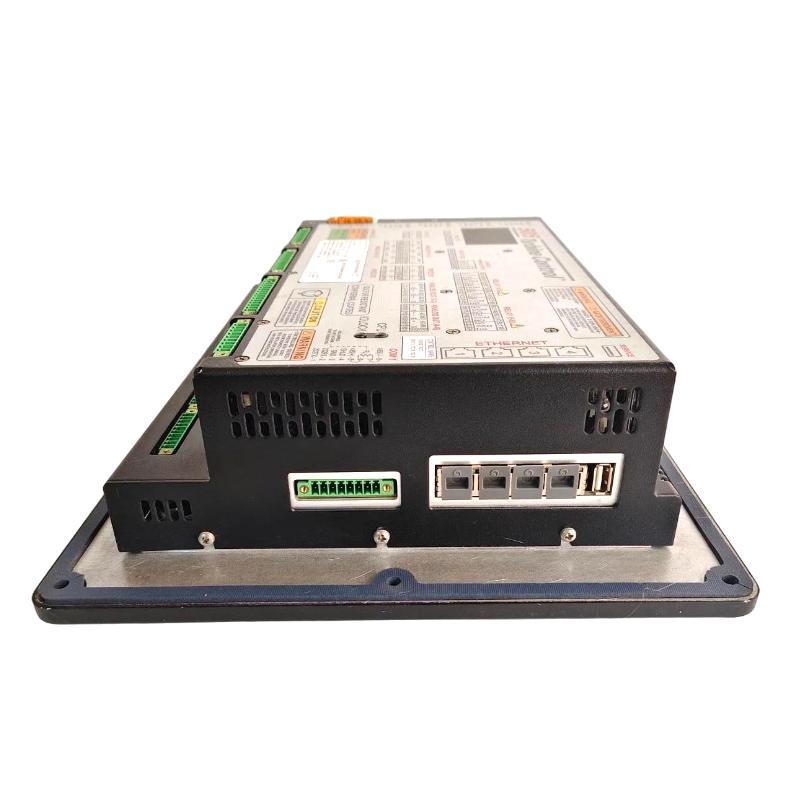
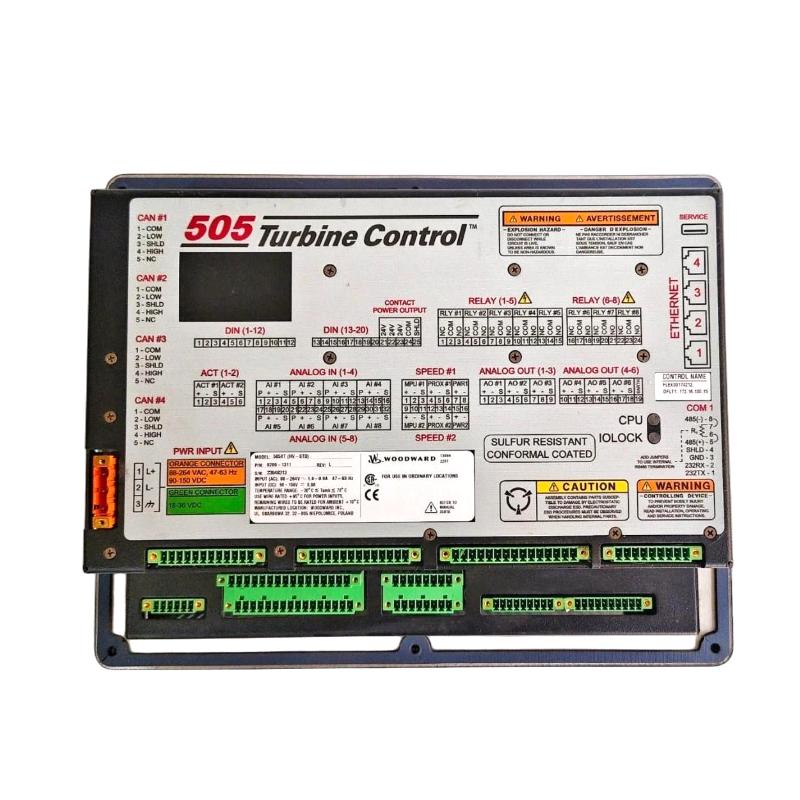
- Woodward
- 8200-1311
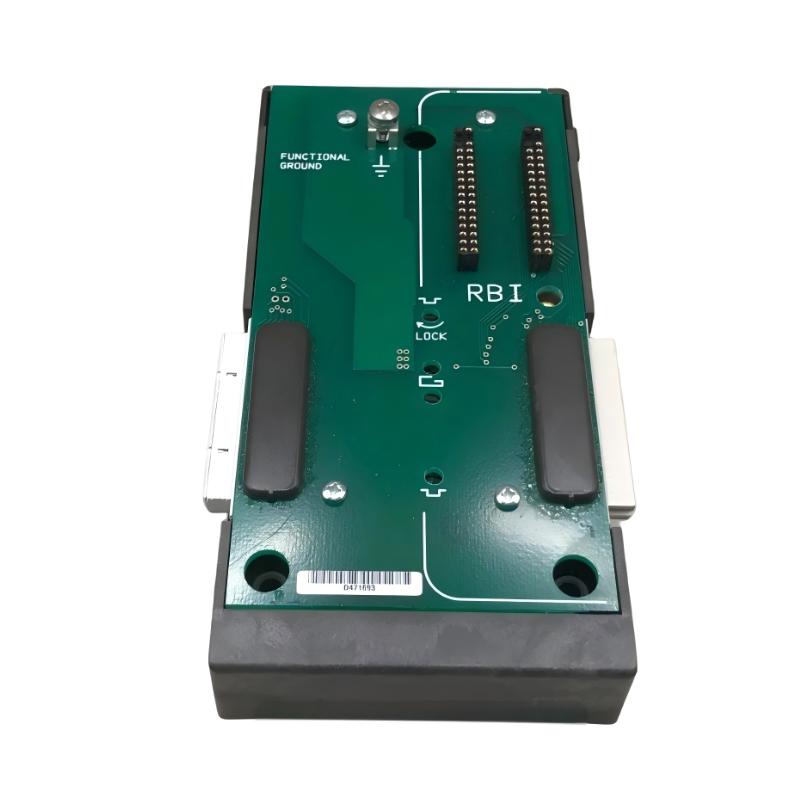
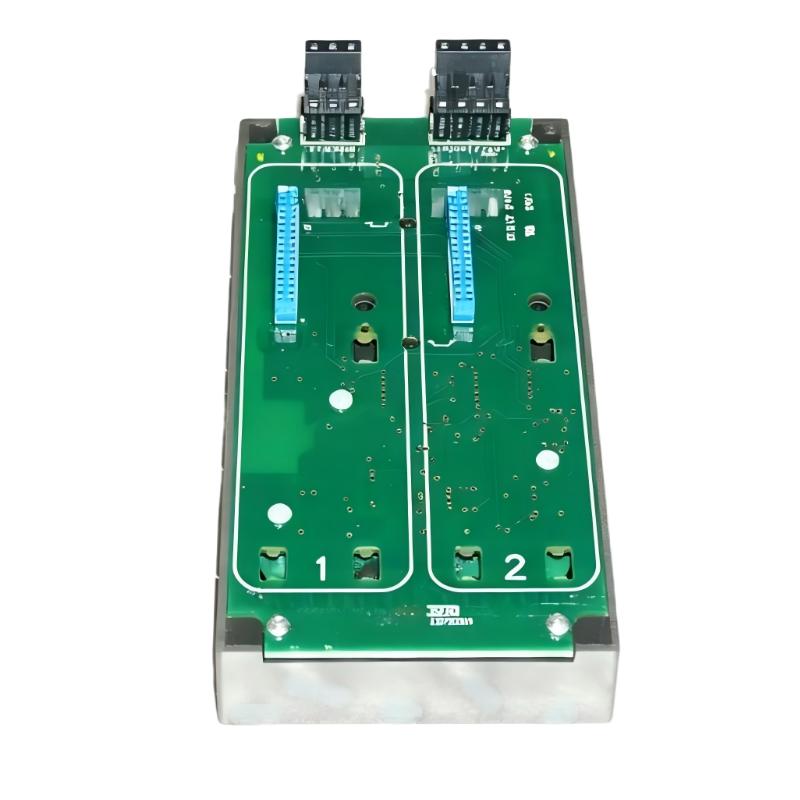
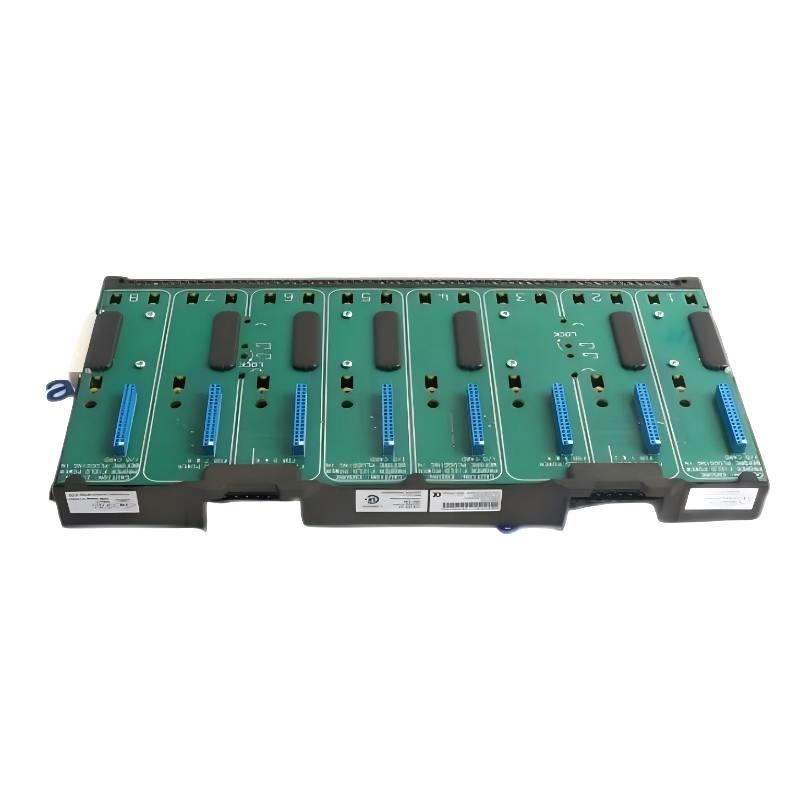
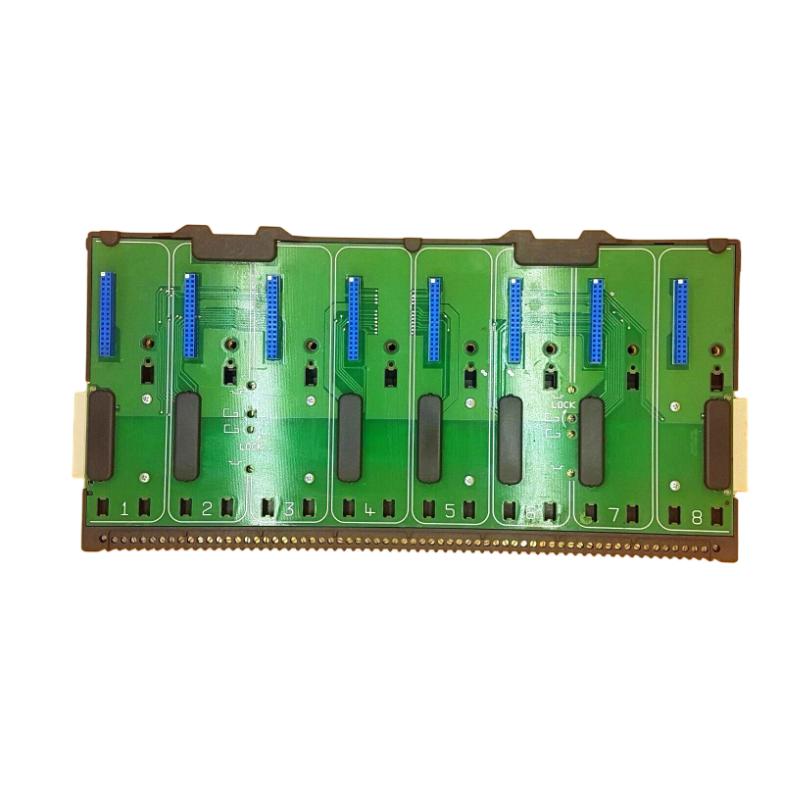
- Digital Governor Module
- USA
- 228.6 × 139.7 × 88.9 mm
- 2.27 kg
- Xiamen, China
- New & In Stock
- T/T, PayPal, Western Union
- 1 Year
- 1-3 Working Days
- DHL, UPS, TNT, FedEx and EMS.
- 24-Hour Service
- COO
- 44
Our advantage

Global Logistics
We have a 10-year logistics and express cooperation agreement, so our products can be shipped to any place in the world.

Brand new and original
Our products are imported in bulk from the place of origin. Because of the cooperative relationship, our products are all original and 100% new.

24-hour service
We provide 7*24 hours service to our customers. We will be there whenever you need us.

Price advantage
All our products are priced very favorably because we have our own warehouse and supply.
| Company Information | |||
| [email protected] | |||
| Mobile | +8615980777398 | ||
| +8615980777398 | |||
| 15980777398 |
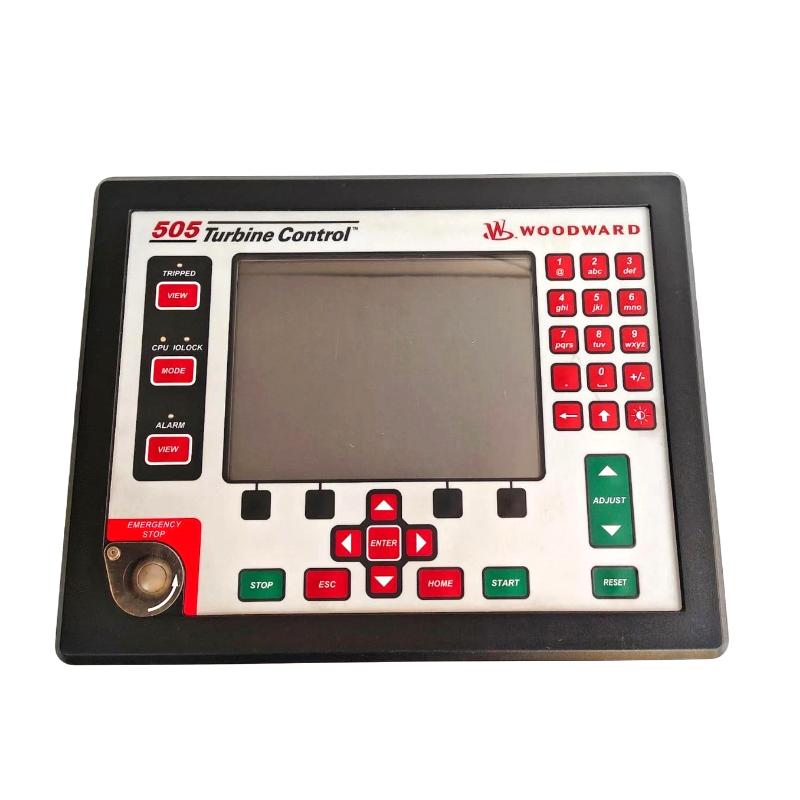
Product Overview
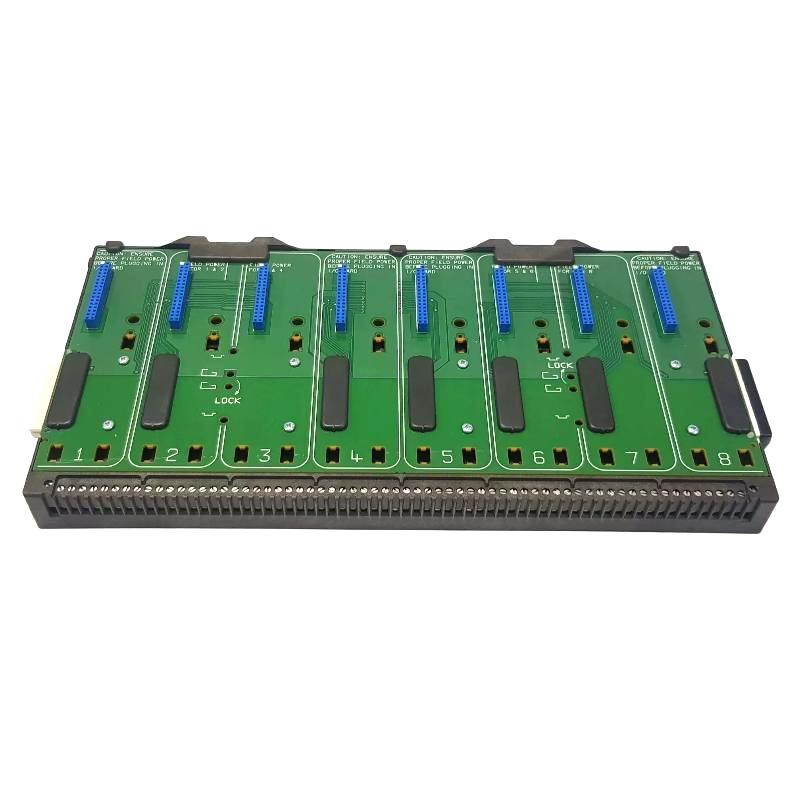
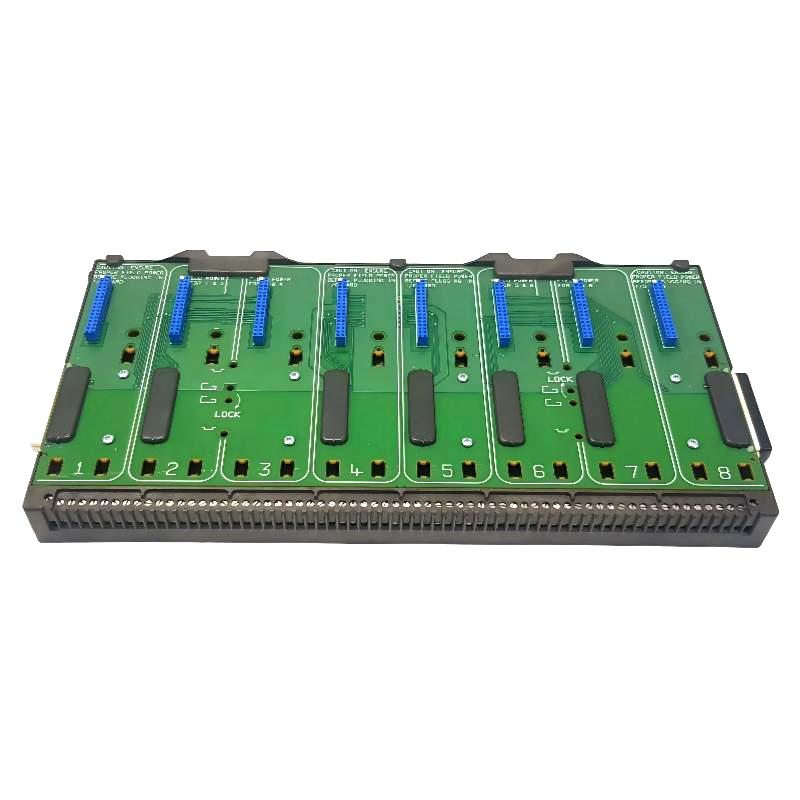
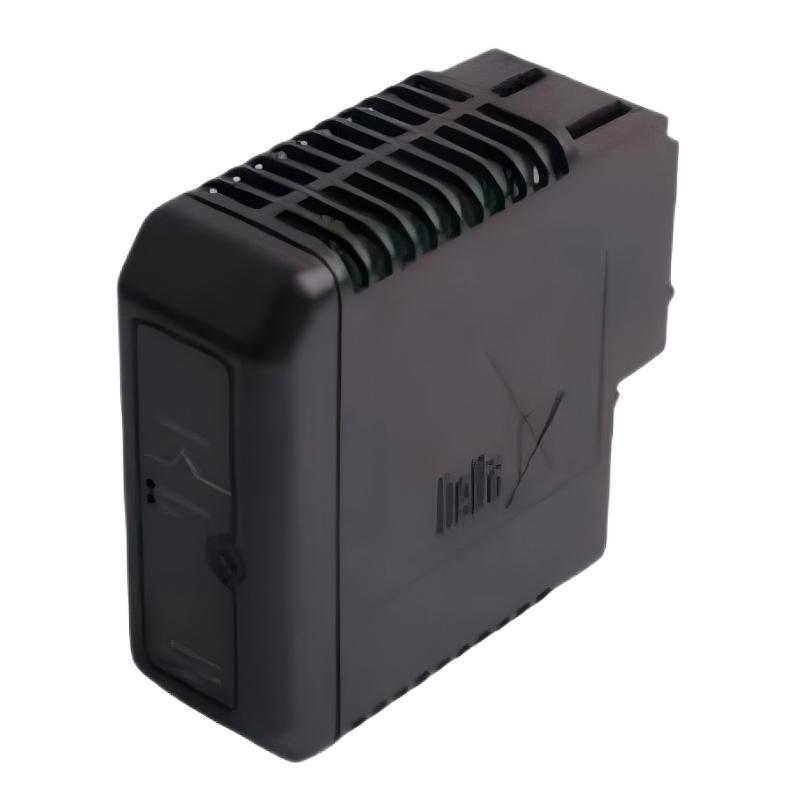
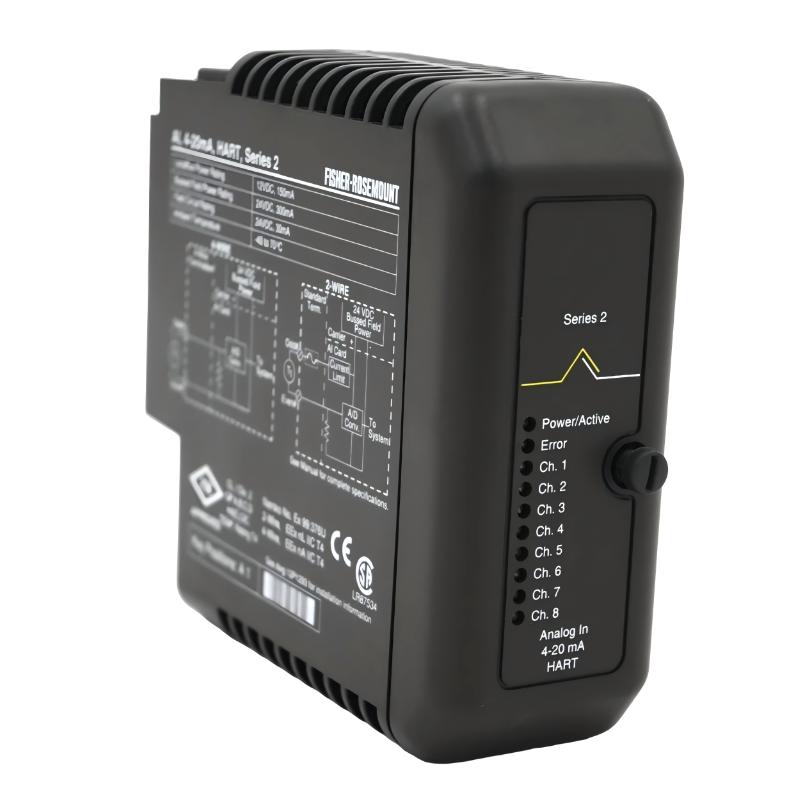
The Woodward 8200-1311 Digital Governor Module is a digital engine-control component used in systems where engine speed and operating conditions need to be monitored and regulated electronically.
In a typical engine or prime-mover installation, the governor sits between the control strategy and the fuel or actuator system. The controller determines the required engine operating condition, while the governor processes speed-related information and adjusts the connected actuator to keep the engine operating near the commanded condition.
The 8200-1311 is suited to applications involving engine speed regulation, load changes, and prime-mover control. It can be found in equipment where maintaining a controlled engine speed is important, such as generator sets, industrial engines, and other mechanically driven systems.
For service engineers, the governor should be considered part of a complete control loop. Speed sensing, actuator feedback, wiring, power supply, and the mechanical condition of the engine can all influence governor performance.
Technical Specifications
| Parameter | Details |
|---|---|
| Manufacturer | Woodward |
| Model | 8200-1311 |
| Product Type | Digital Governor Module |
| Main Function | Electronic Engine Speed Control |
| System Role | Engine / Prime-Mover Governor |
| Control Type | Digital Control |
| Application | Engine and Prime-Mover Control |
| Typical Use | Speed Regulation and Load Response |
| Dimensions | 228.6 × 139.7 × 88.9 mm |
| Weight | 2.27 kg |
Product Features
The 8200-1311 is intended for electronic governor applications where engine operation needs to be controlled according to speed and operating conditions.
Key characteristics include:
- Digital governor functionality
- Electronic engine speed regulation
- Suitable for prime-mover control systems
- Supports closed-loop engine-control arrangements
- Interfaces with engine speed sensing
- Works with compatible actuator systems
- Suitable for generator and industrial engine applications
- Applicable to systems experiencing changing mechanical loads
- Dimensions of 228.6 × 139.7 × 88.9 mm
- Stated weight of 2.27 kg
The complete engine-control arrangement should be considered when configuring or replacing the module, particularly the speed sensor, actuator, wiring, and engine control requirements.
Working Principle
A practical governor control loop can be represented as:
Speed Sensor → Digital Governor → Actuator → Engine → Speed Feedback
The governor receives information representing the engine’s actual operating speed and compares it with the required operating condition.
If engine speed drops because the mechanical load increases, the control system can respond by changing the actuator command. The actuator then adjusts the engine’s fuel or control mechanism, allowing the prime mover to recover toward the required speed.
When the load decreases, the opposite correction may be required. The governor therefore continuously coordinates the relationship between engine speed, load changes, and actuator position.
This is particularly important on generator sets. A sudden electrical load increase can cause the engine to slow down if the fuel or actuator response is insufficient. The governor’s control action helps bring the engine back toward its intended operating speed.
Industrial Applications
The 8200-1311 is applicable to engine-driven equipment where controlled speed is required.
| Application | Typical Use |
|---|---|
| Generator Sets | Engine speed regulation |
| Industrial Engines | Prime-mover control |
| Power Generation Equipment | Speed control under changing loads |
| Engine-Driven Pumps | Maintaining operating speed |
| Compressor Systems | Prime-mover speed regulation |
| Mechanical Drive Systems | Controlled engine operation |
| Industrial Utility Equipment | Engine performance management |
| Standby Power Systems | Generator engine control |
The exact application depends on the engine, actuator arrangement, speed-sensing system, and overall control architecture.
Compatible System Components
The governor operates as part of a larger engine-control system rather than as a standalone control device.
| Component | Function |
|---|---|
| 8200-1311 | Processes engine-control information and regulates governor output |
| Speed Sensor | Provides engine speed information |
| Actuator | Converts governor command into mechanical engine control |
| Engine | Produces the mechanical power |
| Generator | Converts mechanical power into electrical power where applicable |
| Control Wiring | Transfers power, sensing, and control signals |
| Power Supply | Provides electrical power to the control system |
| Engine Monitoring Devices | Provide additional operating information |
| Load Equipment | Determines the mechanical or electrical demand on the prime mover |
Correct interaction between the speed sensor, governor, actuator, and engine is essential. A problem in any part of the loop can appear as unstable speed, slow response, or failure to reach the expected operating condition.
Installation and Maintenance
Installation should account for the electrical environment, engine vibration, wiring arrangement, and accessibility required for maintenance.
Before replacing the 8200-1311, the existing governor configuration should be documented where possible. This includes the connected speed-sensing circuit, actuator wiring, power connections, and control settings.
Recommended checks include:
- Confirm the complete 8200-1311 part number.
- Verify the engine-control application.
- Check the governor power connections.
- Inspect speed-sensor wiring.
- Verify the speed-sensing device.
- Inspect actuator wiring and connections.
- Check grounding and shielding where applicable.
- Inspect connectors for corrosion or loose contacts.
- Review the existing governor configuration.
- Check engine mechanical condition if speed remains unstable.
- Inspect the actuator for mechanical restriction.
- Verify engine response during controlled commissioning.
If an engine hunts, overspeeds, responds slowly, or fails to maintain the expected speed, the governor should not immediately be identified as the fault. Speed sensing, actuator operation, fuel-system response, wiring, and mechanical loading should also be investigated.
Recommended Related Models
For the 8200-1311, related equipment should be selected according to the engine-control application rather than by physical dimensions alone.
| Model / Component | Type | Primary Function | Application |
|---|---|---|---|
| Woodward 8200-1311 | Digital Governor Module | Engine speed regulation | Industrial engines |
| Woodward Speed Sensors | Speed Sensing Device | Engine speed measurement | Governor feedback |
| Woodward Actuators | Engine Actuator | Mechanical fuel/control adjustment | Engine control |
| Woodward Governor Systems | Governor System | Prime-mover regulation | Generator and industrial engines |
| Engine Control Modules | Control Module | Engine monitoring and control | Power-generation systems |
| Generator Set Control Equipment | Control System | Generator operation management | Standby and prime power |
When selecting a replacement, the exact governor model, engine application, speed-sensor arrangement, actuator type, wiring, and control configuration should all be verified.
Key Advantages
- Digital engine-governor functionality
- Electronic speed regulation
- Suitable for prime-mover applications
- Supports closed-loop speed control
- Compatible with speed-sensing and actuator systems
- Suitable for generator and industrial engine systems
- Supports response to changing mechanical loads
- Dimensions of 228.6 × 139.7 × 88.9 mm
- Stated weight of 2.27 kg
Technical FAQs
How does the 8200-1311 respond when engine load suddenly increases?
A load increase can cause engine speed to fall. The governor detects the change through the speed-feedback system and adjusts the actuator command so the engine can increase its output and recover toward the required speed.
What symptoms can indicate a problem with the speed-feedback circuit?
Unstable speed, incorrect speed response, failure to regulate properly, or unexpected governor behavior can be associated with the speed-sensing circuit. Sensor wiring, connections, shielding, and the sensor itself should be checked before replacing the governor.
Why can actuator problems look like governor faults?
The governor can issue the correct control command while a mechanically restricted, incorrectly wired, or malfunctioning actuator fails to respond. In that situation, the engine may show poor speed regulation even though the governor itself is operating correctly.
What should be verified before replacing an 8200-1311?
The exact part number, engine application, speed-sensor arrangement, actuator compatibility, power connections, wiring, and existing control configuration should be checked. Engine and fuel-system conditions should also be considered when troubleshooting speed-control problems.