

ProductPRODUCT
Featured products
Contact Us
- Emerson
- KL4001X1-BA1
- SZ Controller Carrier
- USA
- 260 × 130 × 50 mm
- 1.4 kg
- Xiamen, China
- New & In Stock
- T/T, PayPal, Western Union
- 1 Year
- 1-3 Working Days
- DHL, UPS, TNT, FedEx and EMS.
- 24-Hour Service
- COO
- 47
Our advantage

Global Logistics
We have a 10-year logistics and express cooperation agreement, so our products can be shipped to any place in the world.

Brand new and original
Our products are imported in bulk from the place of origin. Because of the cooperative relationship, our products are all original and 100% new.

24-hour service
We provide 7*24 hours service to our customers. We will be there whenever you need us.

Price advantage
All our products are priced very favorably because we have our own warehouse and supply.
| Company Information | |||
| [email protected] | |||
| Mobile | +8615980777398 | ||
| +8615980777398 | |||
| 15980777398 |
Product Overview
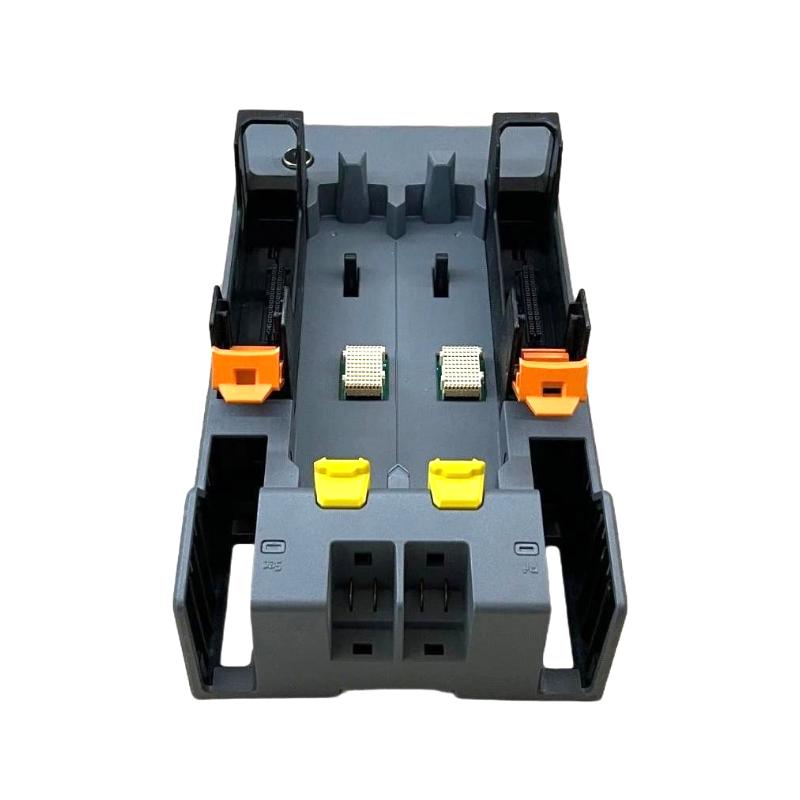
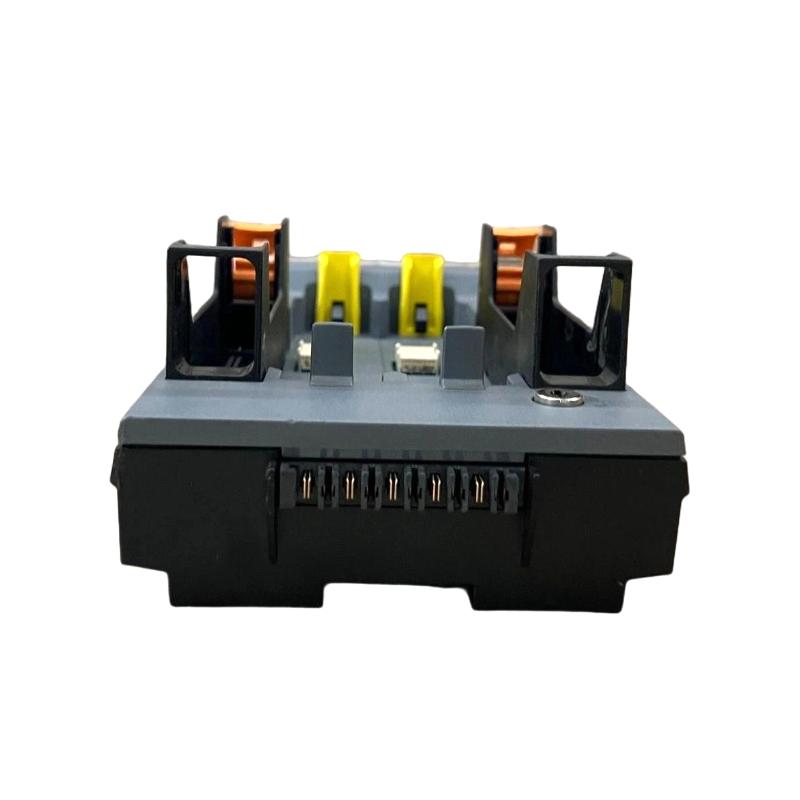
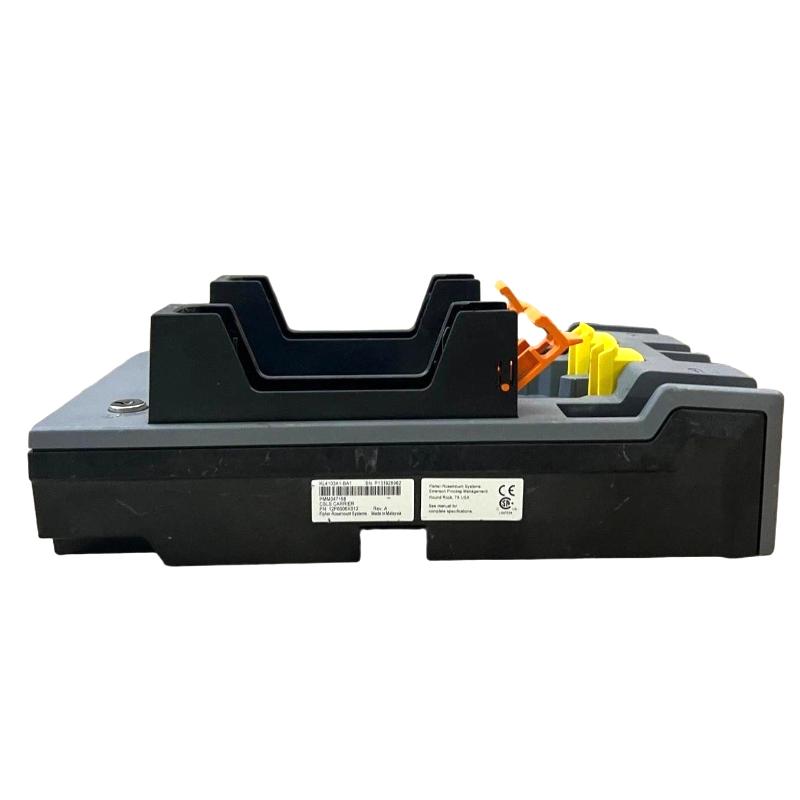
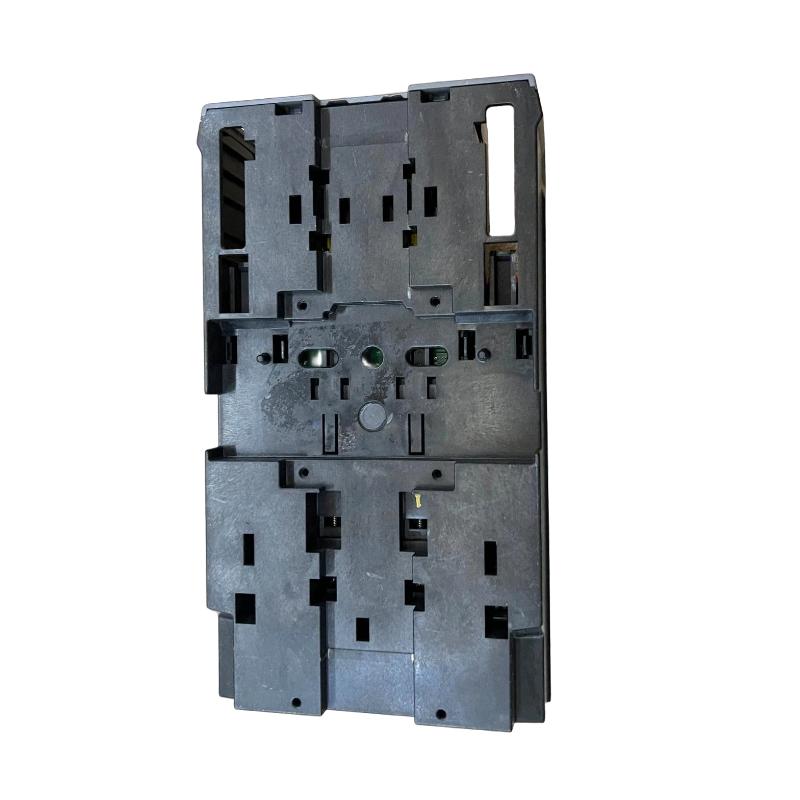
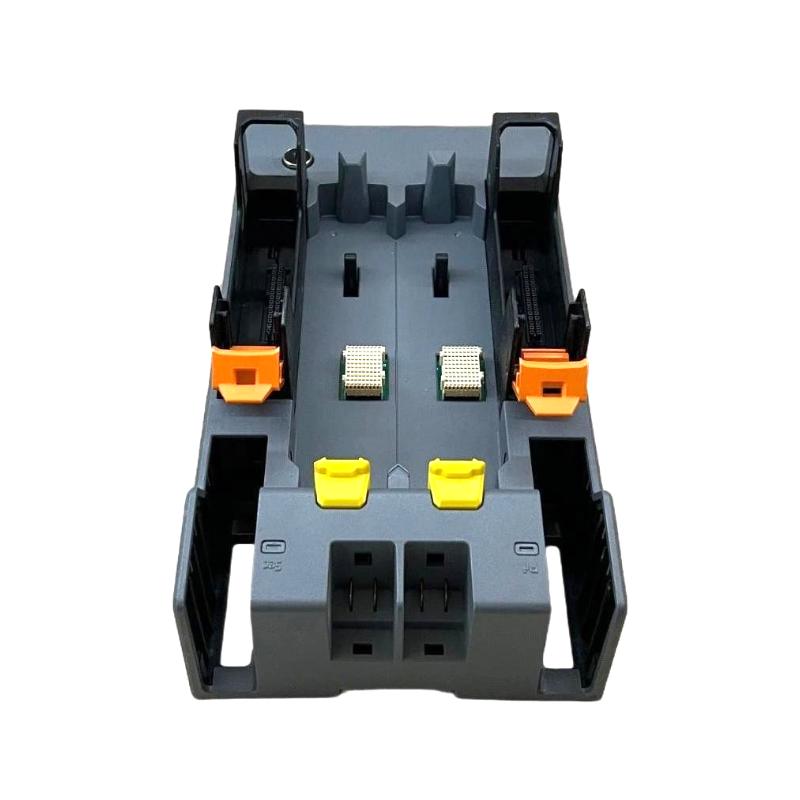
The Emerson KL4001X1-BA1 SZ Controller Carrier is a carrier component used within an Emerson DeltaV CHARMs-based control architecture. Rather than serving as a conventional signal I/O module, the carrier provides the physical and system-level interface needed to accommodate the associated controller hardware within the DeltaV installation.
In a practical control cabinet, a controller carrier sits between the controller-related hardware and the surrounding I/O and system infrastructure. It helps organize the control-system hardware while providing the required connections for the modules installed in the corresponding architecture.
This type of component becomes particularly important in large process automation systems. A chemical plant, refinery, power station, or water-treatment facility may have numerous controllers and I/O channels distributed throughout multiple cabinets. The carrier provides a structured mounting and connection point for the controller portion of the system.
The KL4001X1-BA1 is therefore best viewed as an infrastructure component rather than a standalone process measurement device. Its compatibility with the intended DeltaV architecture, associated controller, carrier arrangement, and system configuration should be verified before replacement.
Technical Specifications
| Parameter | Details |
|---|---|
| Manufacturer | Emerson |
| Model | KL4001X1-BA1 |
| Product Type | SZ Controller Carrier |
| System | Emerson DeltaV |
| System Architecture | DeltaV CHARMs |
| Main Function | Controller Mounting and System Interface |
| Application | Distributed Control System Infrastructure |
| System Role | Controller Carrier |
| Typical Installation | Industrial Control Cabinet |
| Dimensions | 260 × 130 × 50 mm |
| Weight | 1.4 kg |
Product Features
The KL4001X1-BA1 serves as part of the physical infrastructure supporting the DeltaV controller system.
Key characteristics include:
- Emerson DeltaV system compatibility
- SZ controller carrier functionality
- Intended for controller-system integration
- Provides a structured hardware interface
- Suitable for industrial control cabinets
- Used within distributed control architectures
- Supports organized controller installation
- Intended for process automation environments
- Dimensions of 260 × 130 × 50 mm
- Stated weight of 1.4 kg
Unlike an analog or digital I/O module, the KL4001X1-BA1 does not primarily acquire field process signals. Its purpose is associated with the controller-side hardware arrangement and the physical organization of the DeltaV system.
Working Principle
The KL4001X1-BA1 can be understood as part of the hardware path surrounding the controller:
DeltaV Controller Hardware → KL4001X1-BA1 Carrier → I/O / Control Architecture → Field I/O
The carrier provides the required physical position and system interface for the associated controller arrangement. In a distributed control system, this keeps the controller hardware organized within the cabinet and allows it to work as part of the larger DeltaV architecture.
For example, a process-control cabinet may contain controller hardware alongside multiple I/O carriers and CHARMs. Field instruments connect to the I/O side, while the controller executes the configured control strategy. The carrier forms part of the hardware infrastructure connecting these elements.
Because a carrier is an infrastructure component, a failure may appear differently from a normal I/O fault. Mechanical seating, connector condition, power distribution, controller communication, and the associated carrier hardware should all be considered during troubleshooting.
Industrial Applications
The KL4001X1-BA1 is relevant to industrial facilities that use DeltaV distributed control systems.
| Application | Typical Use |
|---|---|
| Chemical Plants | Controller cabinet infrastructure |
| Oil and Gas | Distributed process-control systems |
| Refineries | Controller and I/O system integration |
| Power Generation | Plant control-system hardware |
| Water Treatment | Centralized process control |
| Pharmaceutical Plants | Process automation infrastructure |
| Process Skids | Distributed controller installation |
| General Industrial Automation | DeltaV control-system architecture |
Its actual application depends on the DeltaV system architecture and the controller hardware with which the carrier is installed.
Compatible System Components
The KL4001X1-BA1 works as part of a broader DeltaV control-system hardware arrangement.
| Component | Function |
|---|---|
| DeltaV Controller | Executes control logic and process strategies |
| Controller Carrier | Provides the physical and system interface for controller hardware |
| CHARMs I/O Modules | Acquire field inputs and generate outputs |
| I/O Carrier | Provides the mounting and system interface for I/O components |
| Field Instruments | Measure process conditions |
| Control Valves | Act on process-control commands |
| Engineering Workstation | Used for system configuration |
| Operator Station | Provides process monitoring and operator interaction |
| Control Network | Transfers control and system information |
| Cabinet Power Supply | Supplies electrical power to system components |
The carrier should be evaluated together with the controller and associated DeltaV infrastructure. A physically similar carrier is not necessarily a suitable replacement if the system architecture or controller compatibility is different.
Installation and Maintenance
The KL4001X1-BA1 should be installed in the appropriate DeltaV control cabinet and used with the controller hardware and system architecture for which it is intended.
When replacing a carrier, mechanical compatibility is only one consideration. The controller interface, cabinet arrangement, associated I/O hardware, power connections, and system configuration should also be checked.
Recommended checks include:
- Confirm the complete KL4001X1-BA1 part number.
- Verify the associated DeltaV controller.
- Confirm the correct carrier position.
- Check mounting hardware and mechanical alignment.
- Inspect connectors for contamination or damage.
- Check for loose or damaged terminals.
- Verify power connections.
- Inspect adjacent I/O and controller hardware.
- Check communication connections.
- Review controller diagnostics.
- Confirm that the controller is correctly recognized by the system.
- Verify the associated configuration after replacement.
- Perform a controlled system test before returning the cabinet to normal operation.
If a controller fails to communicate after carrier replacement, the carrier should not automatically be identified as the cause. Controller configuration, power, communication connections, adjacent modules, and system-level diagnostics should also be checked.
Recommended Related Models
For the KL4001X1-BA1, related products should be selected according to the DeltaV controller architecture rather than by physical dimensions alone.
| Model / Component | Type | Primary Function | Application |
|---|---|---|---|
| Emerson KL4001X1-BA1 | SZ Controller Carrier | Controller hardware integration | DeltaV control systems |
| Emerson DeltaV Controllers | Controller | Control logic execution | Distributed process control |
| Emerson DeltaV I/O Carriers | I/O Carrier | I/O hardware integration | CHARMs-based systems |
| Emerson DeltaV CHARMs | I/O Architecture | Field signal interface | Process instrumentation |
| Emerson DeltaV Analog Input Modules | I/O Module | Analog signal acquisition | Process measurement |
| Emerson DeltaV Digital I/O Modules | I/O Module | Discrete signal acquisition/output | Process control |
When selecting a replacement, the correct controller family and carrier type should be established first. A carrier intended for a different DeltaV hardware arrangement may not be interchangeable even if its overall dimensions appear similar.
Key Advantages
- SZ controller carrier functionality
- DeltaV system integration
- Intended for controller hardware installation
- Suitable for distributed control architectures
- Supports organized control cabinet construction
- Compatible with DeltaV control-system infrastructure
- Suitable for industrial process automation
- Dimensions of 260 × 130 × 50 mm
- Stated weight of 1.4 kg
Technical FAQs
What is the function of the KL4001X1-BA1 if it is not an I/O signal module?
The KL4001X1-BA1 is a controller carrier, so its primary purpose is to provide the physical and system interface for the associated controller hardware. It should not be treated like an analog or digital I/O module that directly handles field signals.
What should be checked before replacing a KL4001X1-BA1?
The associated DeltaV controller, carrier position, mounting arrangement, connectors, power connections, and surrounding system hardware should be verified. The complete part number should be matched rather than selecting a carrier based only on appearance.
Could a carrier problem cause the DeltaV controller to appear offline?
It can be one possible cause, but controller communication problems may also originate from power, connectors, communication infrastructure, controller hardware, or system configuration. Troubleshooting should follow the complete controller communication path.
Why is carrier compatibility important in a DeltaV installation?
The carrier is part of the system’s hardware architecture. A carrier intended for another controller or I/O arrangement may have different interfaces or system requirements, so physical fit alone does not establish compatibility.