

ProductPRODUCT
Featured products
Contact Us
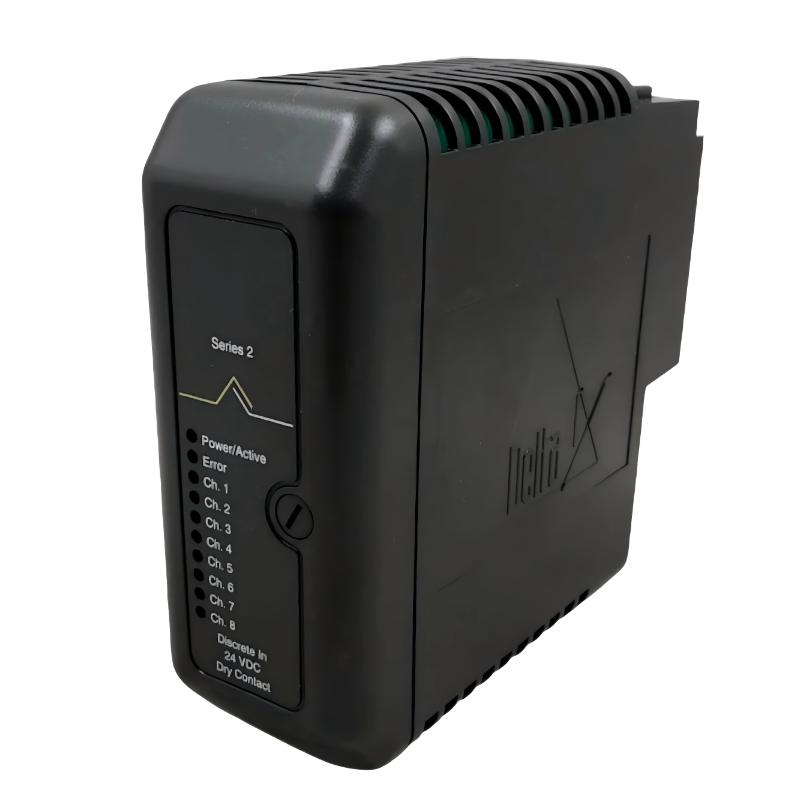
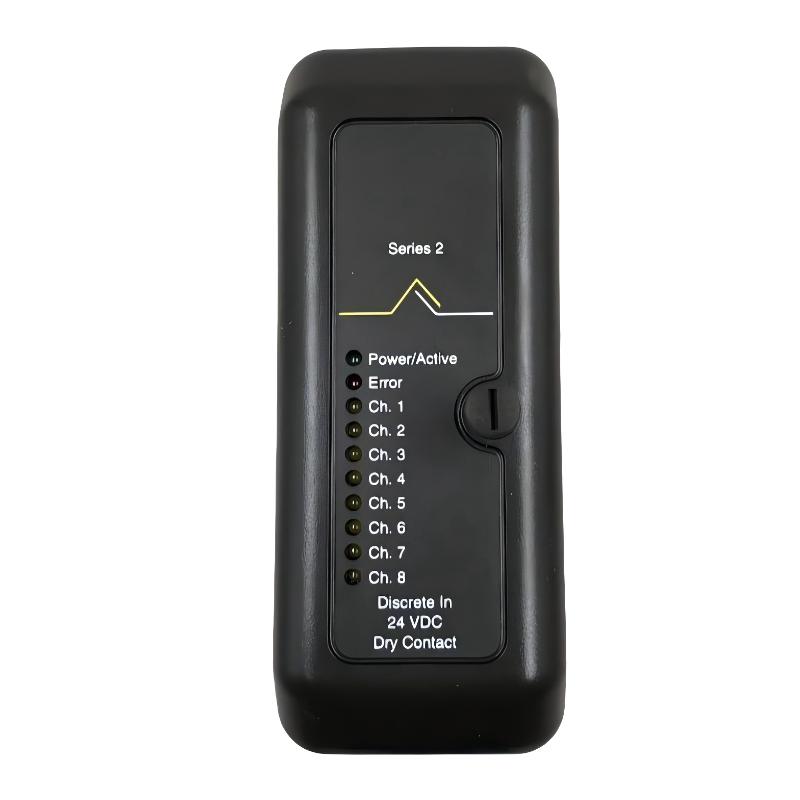
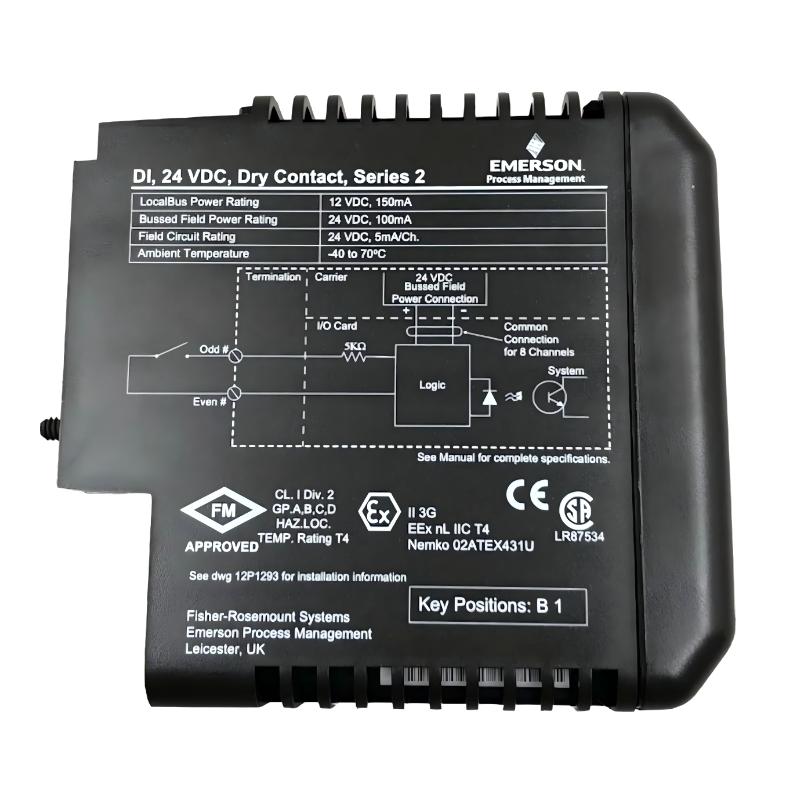
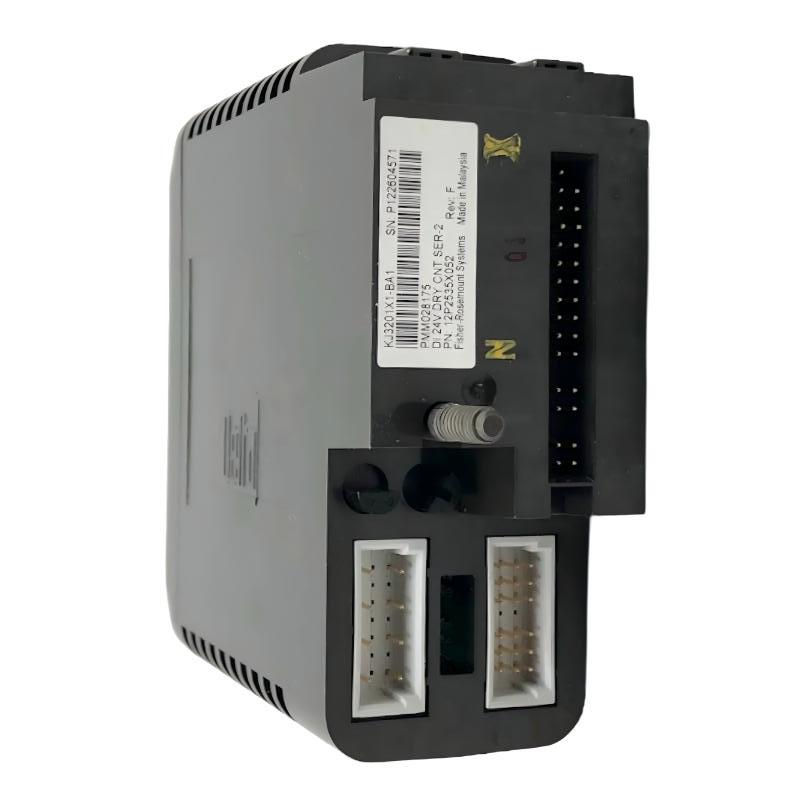
- Emerson
- KJ3008X1-BA1
- SOE Input Card
- USA
- 107 × 41 × 105 mm
- 0.45 kg
- Xiamen, China
- New & In Stock
- T/T, PayPal, Western Union
- 1 Year
- 1-3 Working Days
- DHL, UPS, TNT, FedEx and EMS.
- 24-Hour Service
- COO
- 53
Our advantage

Global Logistics
We have a 10-year logistics and express cooperation agreement, so our products can be shipped to any place in the world.

Brand new and original
Our products are imported in bulk from the place of origin. Because of the cooperative relationship, our products are all original and 100% new.

24-hour service
We provide 7*24 hours service to our customers. We will be there whenever you need us.

Price advantage
All our products are priced very favorably because we have our own warehouse and supply.
| Company Information | |||
| [email protected] | |||
| Mobile | +8615980777398 | ||
| +8615980777398 | |||
| 15980777398 |
Product Overview
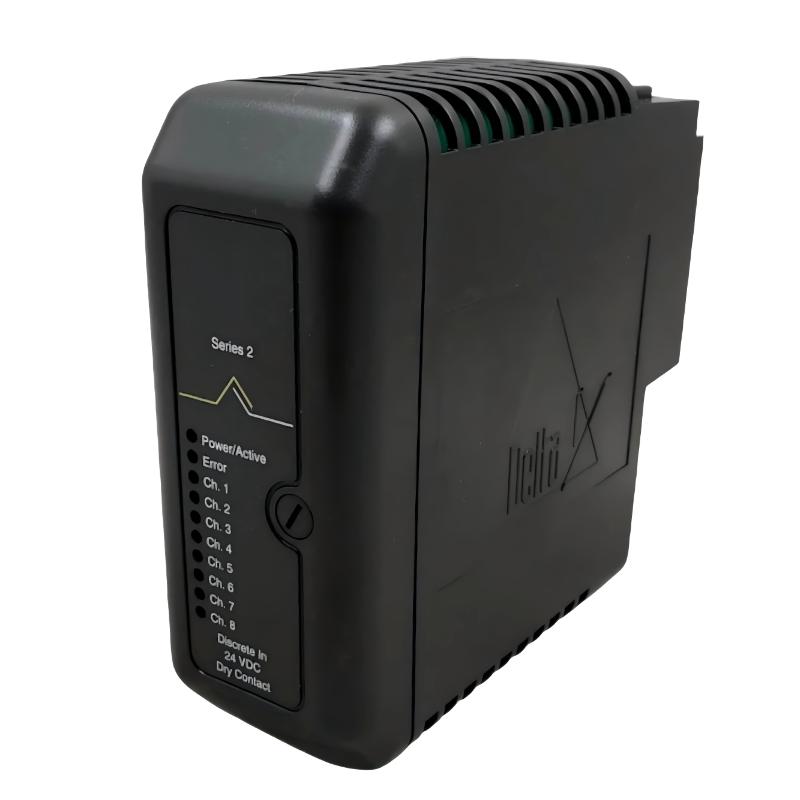
The Emerson KJ3008X1-BA1 Sequence of Events (SOE) Input Card is an industrial automation input module designed for applications where the exact timing of discrete field events is important. It is associated with the Emerson DeltaV control system and is intended for monitoring changes in digital field signals with precise time information.
In a conventional digital input system, a controller can determine whether a field signal is in an ON or OFF state. However, this may not be enough when several events occur within a short period. In power generation, process plants, and other critical industrial applications, engineers may need to know which event occurred first and the time interval between individual changes.
An SOE input card addresses this requirement by recording changes in discrete input states together with their associated event times. This information can then be used for sequence analysis, alarm investigation, equipment diagnostics, and troubleshooting.
The KJ3008X1-BA1 is therefore different from a standard digital input module whose primary purpose is simply to provide the current state of a field signal. Its value is in capturing the timing relationship between discrete events.
Technical Specifications
| Parameter | Details |
|---|---|
| Manufacturer | Emerson |
| Model | KJ3008X1-BA1 |
| Product Type | Sequence of Events (SOE) Input Card |
| Automation Platform | Emerson DeltaV |
| Input Type | Discrete / Digital Input |
| Main Function | Event Detection and Time-Stamped Recording |
| Application | Industrial Process Monitoring |
| Event Monitoring | Discrete Signal State Changes |
| Installation | Industrial Control System |
| Dimensions | 107 × 41 × 105 mm |
| Weight | 0.45 kg |
| Application Area | Process Automation and Event Analysis |
Product Features
The KJ3008X1-BA1 is designed for situations where knowing the sequence and timing of digital events is as important as knowing their current state.
Key features include:
- Sequence of Events monitoring
- Time-stamped discrete input changes
- Designed for DeltaV automation architectures
- Supports event sequence analysis
- Useful for troubleshooting abnormal process conditions
- Helps determine the order of multiple digital events
- Compact industrial module design
- Suitable for process control applications
- Supports detailed event investigation
- Useful in systems where event timing is critical
The SOE function can be especially valuable during equipment trips or process disturbances, when several status signals may change within a very short period.
Working Principle
The KJ3008X1-BA1 monitors connected discrete field signals and detects changes in their electrical state.
When a monitored input changes state, the system records the event together with timing information. Multiple events can therefore be analyzed according to their actual sequence rather than simply being viewed as a collection of digital status changes.
A typical operating process includes:
- Receiving discrete signals from field devices
- Monitoring changes in input state
- Detecting an input transition
- Associating the transition with timing information
- Recording the event for system analysis
- Making the event information available to the control and diagnostic environment
For example, if several circuit breakers, protective devices, or equipment status contacts change during a plant disturbance, SOE recording can help engineers determine which signal changed first.
This distinction can be important when investigating the original cause of a trip rather than simply identifying the conditions that appeared afterward.
Role in Industrial Control Systems
The KJ3008X1-BA1 plays a specialized role in digital event monitoring.
| Function | Description |
| Discrete Signal Monitoring | Monitors connected digital field signals |
| Event Detection | Identifies changes in input state |
| Time-Stamped Recording | Associates events with timing information |
| Sequence Analysis | Helps determine the order of multiple events |
| Troubleshooting | Provides information for investigating process disturbances |
| Diagnostic Support | Helps engineers analyze equipment behavior |
An SOE module is particularly useful when a standard digital input indication cannot provide enough timing detail to reconstruct a sequence of events.
Industrial Applications
The KJ3008X1-BA1 can be used in process environments where the timing of discrete events has operational or diagnostic significance.
| Industry | Typical Applications |
| Power Generation | Breaker and protection event monitoring |
| Oil & Gas | Process trip and equipment status analysis |
| Chemical Processing | Interlock and shutdown sequence monitoring |
| Water Treatment | Pump and equipment event monitoring |
| Manufacturing | Machine sequence diagnostics |
| Energy | Protection and equipment status recording |
| Process Industry | Alarm and trip investigation |
| Infrastructure | Critical equipment monitoring |
In power-related applications, for example, the sequence of breaker, protection, and equipment status changes can provide useful information when investigating an unexpected shutdown.
Installation and System Integration
Correct installation is important because SOE performance depends on the quality and timing characteristics of the connected field signals.
Recommended installation steps include:
- Verify the KJ3008X1-BA1 model before installation.
- Confirm compatibility with the existing DeltaV system.
- Identify the required input channels.
- Install the card in the designated system location.
- Connect field discrete signals correctly.
- Check terminal and wiring arrangements.
- Verify signal polarity and electrical characteristics.
- Configure the associated input channels.
- Confirm event detection during system testing.
- Review recorded events after commissioning.
Signal wiring should be installed carefully, especially in environments containing high-power electrical equipment. Electrical noise, incorrect grounding, or unsuitable field wiring can affect the reliability of discrete input signals.
Compatible System Components
The KJ3008X1-BA1 normally operates as part of a larger DeltaV automation architecture.
| Compatible Component | Function |
| DeltaV Controller | Executes process control strategies |
| DeltaV I/O System | Interfaces with field signals |
| Discrete Field Devices | Provide equipment status and event signals |
| Terminal Blocks | Provide field wiring connections |
| Process Sensors and Switches | Generate discrete process information |
| Control Network | Transfers system data |
| Operator Station | Displays process and event information |
| Engineering Workstation | Used for system configuration and diagnostics |
The complete system should be configured so that the SOE input channels correspond correctly to the field devices being monitored.
Recommended Alternative Models
| Model | Type | Key Feature | Application |
| Emerson KJ3008X1-BA1 | SOE Input Card | Time-stamped discrete event monitoring | DeltaV process automation |
| Emerson DeltaV Discrete Input Modules | Discrete Input | General digital signal acquisition | Process control systems |
| Emerson DeltaV SOE Input Modules | SOE Input | Sequence and event recording | Critical event monitoring |
| Emerson DeltaV I/O Modules | I/O Module | Field signal integration | Distributed control systems |
| Emerson DeltaV Electronic Marshalling Modules | Interface Module | Flexible field signal integration | Large process automation systems |
When selecting a replacement, the DeltaV system generation, input characteristics, event timing requirements, channel configuration, field wiring, and system compatibility should all be checked. A conventional digital input card should not automatically be treated as an SOE replacement.
Key Advantages
- Provides sequence-of-events monitoring
- Records changes in discrete input signals
- Helps establish the order of closely spaced events
- Supports troubleshooting of process disturbances
- Useful for trip and shutdown investigation
- Suitable for Emerson DeltaV automation systems
- Supports detailed digital event analysis
- Compact 107 × 41 × 105 mm dimensions
- Lightweight 0.45 kg construction
- Suitable for industrial process control environments
Technical FAQs
Why is SOE recording important when several digital signals change almost simultaneously?
A conventional digital input mainly indicates the current state of a signal. During a fast process disturbance, however, several signals may change within a short interval. SOE recording preserves the event timing and sequence, helping engineers identify which condition occurred first.
What types of field devices can provide signals for SOE monitoring?
Depending on the system design, SOE channels can monitor discrete status signals from equipment such as circuit breakers, protection devices, switches, contactors, interlocks, trips, and other binary field devices. The electrical characteristics of each signal must be compatible with the input system.
How can an SOE input card help diagnose an unexpected plant shutdown?
By examining the recorded sequence of discrete events, engineers can compare equipment trips, interlocks, protection indications, and status changes in chronological order. This can help distinguish an initiating event from secondary conditions that appeared afterward.
What should be considered when replacing a standard discrete input card with an SOE card?
The replacement must be checked for system compatibility, input characteristics, channel configuration, event timing requirements, field wiring, and software configuration. SOE functionality involves timing and event-recording requirements that may not be available on a conventional discrete input card.