
NewsNEWCENTER
Featured products
Contact Us
Allen-Bradley 150-F135NBD SMC Flex Soft Starter Troubleshooting Guide
2026-07-30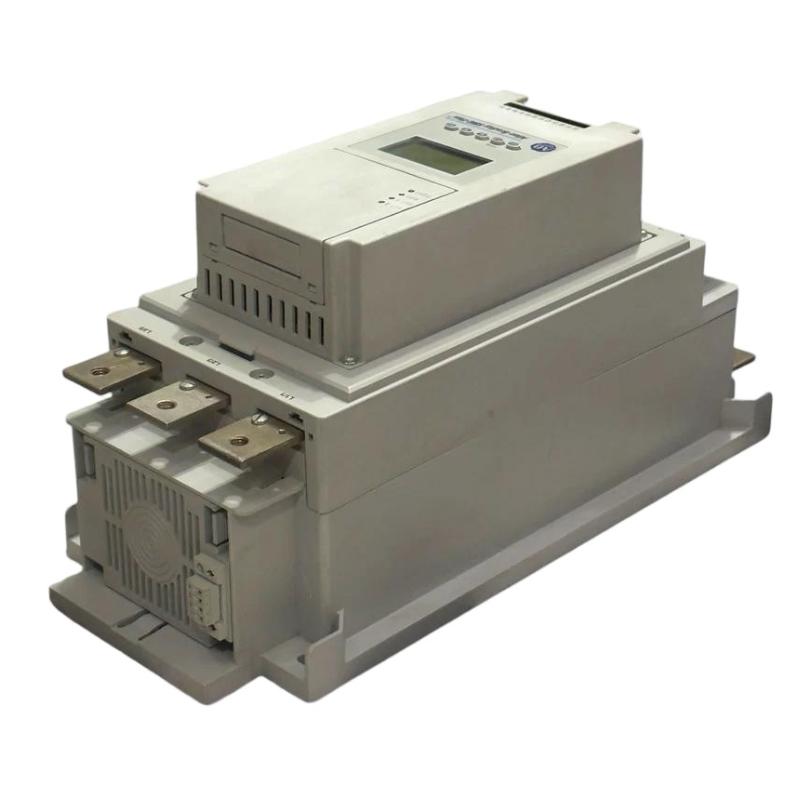
Table of Contents
- 150-F135NBD SMC Flex Soft Starter Troubleshooting Overview
- Field Case: 150-F135NBD Motor Starting Failure Analysis
- Common 150-F135NBD Fault Symptoms
- Soft Starter Fault Diagnosis Process
- Common Causes of Motor Control Failure
- Detailed Troubleshooting Procedure
- Fault Repair and Recovery Actions
- Post-Repair Testing and Verification
- Frequently Asked Questions
- Engineering Summary
150-F135NBD SMC Flex Soft Starter Troubleshooting Overview
The Allen-Bradley 150-F135NBD SMC Flex Soft Starter Troubleshooting Guide provides a professional maintenance method for diagnosing motor starting failures, overload conditions, communication problems, and abnormal operating conditions in industrial motor control systems.
The 150-F135NBD SMC Flex Soft Starter is designed for controlling three-phase AC motors by managing acceleration, deceleration, and motor protection functions. When a motor fails to start or operates abnormally, engineers should inspect the complete motor control system, including power supply, motor wiring, parameters, protection settings, and external control signals.
A systematic Fault Diagnosis process can help identify the actual problem quickly and avoid unnecessary replacement of the soft starter.
Field Case: 150-F135NBD Motor Starting Failure Analysis
In one industrial pump application, operators reported that the motor could not complete the startup process. The soft starter received the start command, but the motor stopped shortly after acceleration began.
Maintenance engineers first checked the 150-F135NBD status information and found that the control system was operating normally. The inspection then focused on the motor power circuit.
The investigation showed that one motor power terminal had become loose, causing an unstable phase connection. The soft starter detected abnormal current conditions and stopped the startup process as protection.
After tightening the connection and testing the motor again, the system returned to normal operation.
Common 150-F135NBD Fault Symptoms
Typical fault symptoms include:
- Motor cannot start
- Soft starter displays fault condition
- Motor stops during acceleration
- Overload protection activates
- Motor current is abnormal
- Unexpected shutdown during operation
- Control command does not respond
These problems may be caused by incorrect parameters, power supply issues, motor faults, wiring problems, or protection settings.
Soft Starter Fault Diagnosis Process
A complete troubleshooting process for the 150-F135NBD should include:
- Check incoming power supply
- Verify soft starter status information
- Inspect motor wiring connections
- Measure motor current
- Check parameter settings
- Verify start and stop control signals
- Inspect motor mechanical load
This diagnostic method helps engineers determine whether the fault originates from the soft starter, motor, electrical system, or mechanical equipment.
Common Causes of Motor Control Failure
The main causes of 150-F135NBD problems include:
- Incorrect motor parameter settings
- Loose power terminals
- Phase loss condition
- Motor overload
- Insufficient power supply capacity
- Incorrect acceleration settings
- Control signal failure
- Motor mechanical blockage
- Soft starter internal fault
In industrial applications, many soft starter failures are related to external motor conditions rather than internal equipment damage.
Detailed Troubleshooting Procedure
The recommended troubleshooting workflow includes:
- Record the fault message
- Check system power condition
- Verify motor connection
- Inspect control wiring
- Review operating parameters
- Measure motor current
- Test motor operation
- Confirm system recovery
150_F135NBD_DIAGNOSTIC

MODEL = 150-F135NBD

STEP_01 = CHECK_POWER
STEP_02 = CHECK_MOTOR
STEP_03 = CHECK_PARAMETER
STEP_04 = CHECK_CONTROL_SIGNAL
STEP_05 = CHECK_PROTECTION_STATUS
Fault Repair and Recovery Actions
After identifying the fault source, engineers can perform the following corrective actions:
- Tighten loose electrical connections
- Repair damaged cables
- Correct motor parameter settings
- Adjust acceleration and deceleration parameters
- Remove mechanical load problems
- Restore correct control signals
- Replace damaged components when necessary
Proper troubleshooting can often restore the motor control system without replacing the complete soft starter.
Post-Repair Testing and Verification
After completing repairs, engineers should perform final verification:
- Confirm power supply stability
- Check soft starter status
- Test motor starting operation
- Monitor acceleration process
- Verify running current
- Confirm protection functions
- Record maintenance results
A complete verification process ensures that the SMC Flex soft starter returns to reliable motor control operation.
Frequently Asked Questions
Why does the 150-F135NBD fail to start the motor?
Possible causes include incorrect parameters, motor wiring problems, phase loss, overload conditions, or control signal issues.
Why does the soft starter stop during acceleration?
Common reasons include excessive load, incorrect acceleration settings, unstable power supply, or abnormal motor current.
Should the soft starter be replaced immediately after a fault?
No. Engineers should first inspect wiring, motor condition, parameters, and external control circuits before replacing the unit.
Engineering Summary
The Allen-Bradley 150-F135NBD SMC Flex Soft Starter Troubleshooting process requires systematic inspection of power supply, motor wiring, parameter configuration, control signals, and protection functions. Accurate Fault Diagnosis helps reduce downtime, restore motor operation quickly, and improve the reliability of industrial automation equipment.