Product Overview
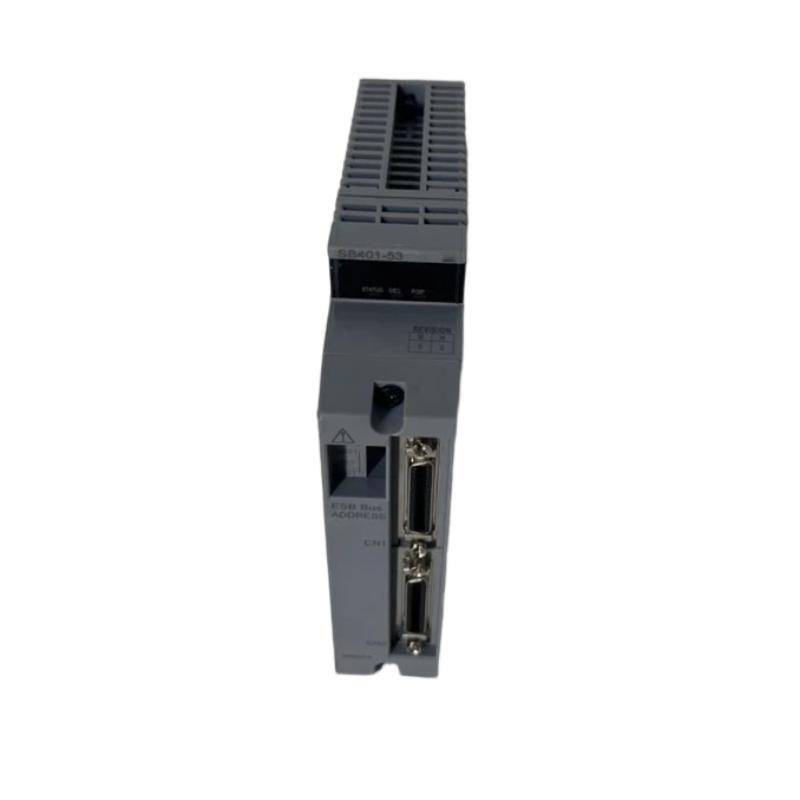
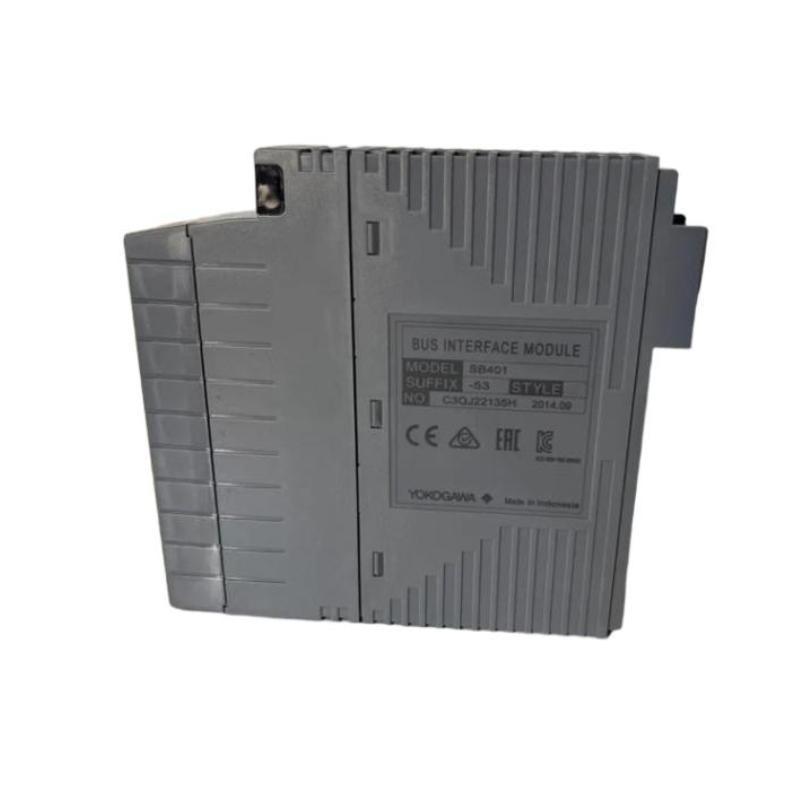
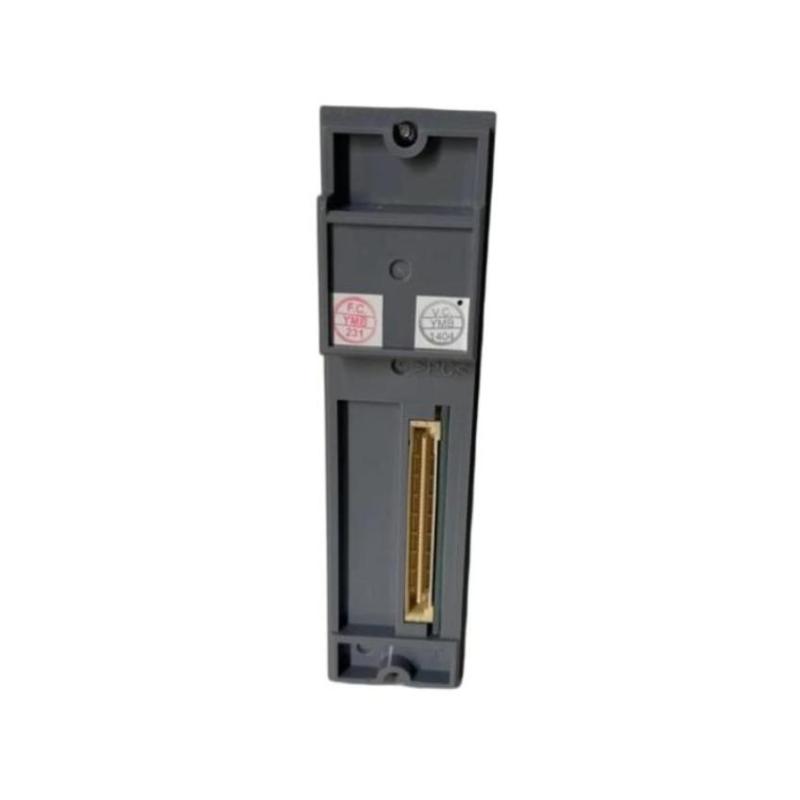
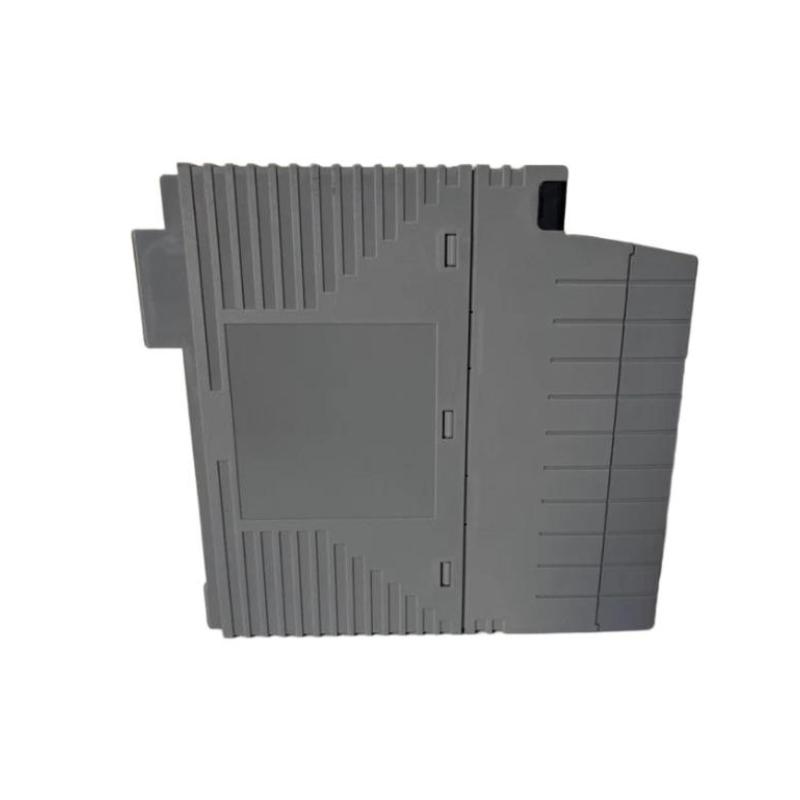
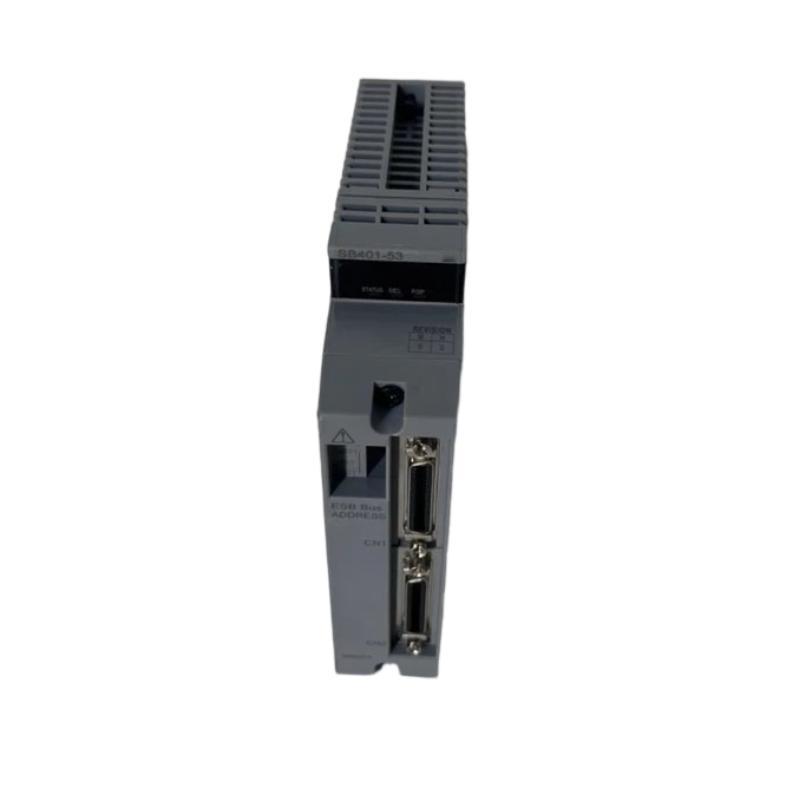
The Yokogawa SB401-53 Bus Interface Slave Module is an ESB communication component used in Yokogawa Distributed Control Systems (DCS), especially within CENTUM CS3000 and CENTUM VP architectures. It is designed to function as a slave-side interface module, enabling stable and high-speed data exchange between Field Control Units (FCU), I/O subsystems, and ESB bus backplane networks.
The “-53” variant is typically used in specific configuration builds of the SB401 series, optimized for stable ESB bus communication and system integration in large-scale industrial automation environments.
Technical Specifications
| Parameter |
Details |
| Manufacturer |
Yokogawa |
| Model |
SB401-53 |
| Product Type |
Bus Interface Slave Module |
| Function |
ESB Bus Slave Communication Interface |
| System Compatibility |
Yokogawa CENTUM CS3000 / CENTUM VP |
| Communication Type |
ESB Bus (System Backplane Network) |
| Installation |
Control cabinet / Rack mounted |
| Dimensions |
130 × 142.5 × 32.8 mm |
| Weight |
0.45 kg |
| Operating Temperature |
0°C to +50°C |
| Storage Temperature |
-20°C to +70°C |
| Construction |
Industrial-grade electronic communication module |
| Role in System |
ESB slave interface node (configuration variant -53) |
| Country of Manufacture |
Japan |
Function and Working Principle
The Yokogawa SB401-53 operates as an ESB bus slave interface module, responding to communication requests from master interface modules within the control system architecture.
Its main functions include:
- Receiving ESB bus commands from master modules
- Transmitting process data from connected subsystems
- Supporting stable and deterministic data exchange
- Maintaining synchronized communication within DCS architecture
- Enabling reliable I/O data transfer in real time
It acts as a controlled endpoint in the ESB bus structure, ensuring accurate and timely response within the system network.
Role in Industrial Control Systems
Within Yokogawa Distributed Control Systems, the SB401-53 plays a critical communication role by connecting:
- Field Control Units (FCU)
- I/O modules and subsystem nodes
- ESB bus master interface modules
- Control processor units
- System backplane networks
- Distributed automation architectures
This ensures that all components operate in a synchronized and stable control environment.
Industrial Applications
The Yokogawa SB401-53 is widely used in:
- Distributed Control Systems (DCS)
- Oil and gas processing facilities
- Petrochemical plants
- Power generation stations
- Chemical manufacturing industries
- Water treatment systems
- Industrial automation networks
- Large-scale process control systems
It is particularly suitable for environments requiring stable, real-time communication between distributed control nodes.
Installation and System Integration
Proper installation ensures stable ESB bus communication performance.
Recommended practices include:
- Install in designated ESB bus rack or FCU slot
- Ensure correct alignment with system backplane connectors
- Secure module firmly into chassis
- Verify communication integrity after installation
- Perform system diagnostics during commissioning
- Follow Yokogawa maintenance and engineering procedures
Correct installation ensures reliable data exchange and reduces communication interruptions.
Compatible System Components
The SB401-53 is commonly used with:
- Yokogawa Field Control Units (FCU)
- CENTUM CS3000 / CENTUM VP systems
- ESB bus master interface modules
- I/O interface modules
- System backplane assemblies
- Industrial communication networks
These components form a complete distributed control architecture.
Recommended Alternative Models
| Model |
Type |
Key Feature |
Application |
| SB401-53 |
ESB Bus Interface Slave Module |
Stable Slave Communication |
DCS Systems |
| SB401-11 |
Bus Interface Slave Module |
Standard ESB Slave Node |
Control Systems |
| SB401-10 S2 |
Bus Interface Module |
Enhanced ESB Interface |
Redundant Systems |
| SB302-S1 |
ESB Bus Interface Module |
High-speed Data Handling |
System Networks |
| S9981DE-0 |
Interface Unit |
System Integration Bridge |
Multi-device Systems |
Key Advantages
- Stable ESB slave communication performance
- Strong compatibility with Yokogawa DCS systems
- Supports continuous 24/7 industrial operation
- Reliable synchronized data exchange
- Compact and robust industrial design
- Reduces communication failure risk
- Easy integration into system architecture
- Suitable for harsh industrial environments
- Enhances overall system stability
Technical FAQs
What is the main function of the SB401-53?
It acts as an ESB bus slave interface module that receives commands and transmits data within Yokogawa Distributed Control Systems.
Is it a CPU or processing module?
No. It is a communication interface module, not a processing unit.
What does the “-53” suffix mean?
It indicates a specific configuration or revision variant within the SB401 series used for defined system setups.
Where is it used?
It is used in Yokogawa CENTUM CS3000 and CENTUM VP Distributed Control Systems.
Conclusion
The Yokogawa SB401-53 Bus Interface Slave Module is an essential communication component in Yokogawa Distributed Control Systems. It ensures stable, high-speed ESB slave-side communication between system modules, supporting reliable and synchronized operation in industrial automation environments. With its robust design, strong system compatibility, and proven performance, it plays a critical role in maintaining long-term communication stability and system integrity.