

ProductPRODUCT
Featured products
Contact Us
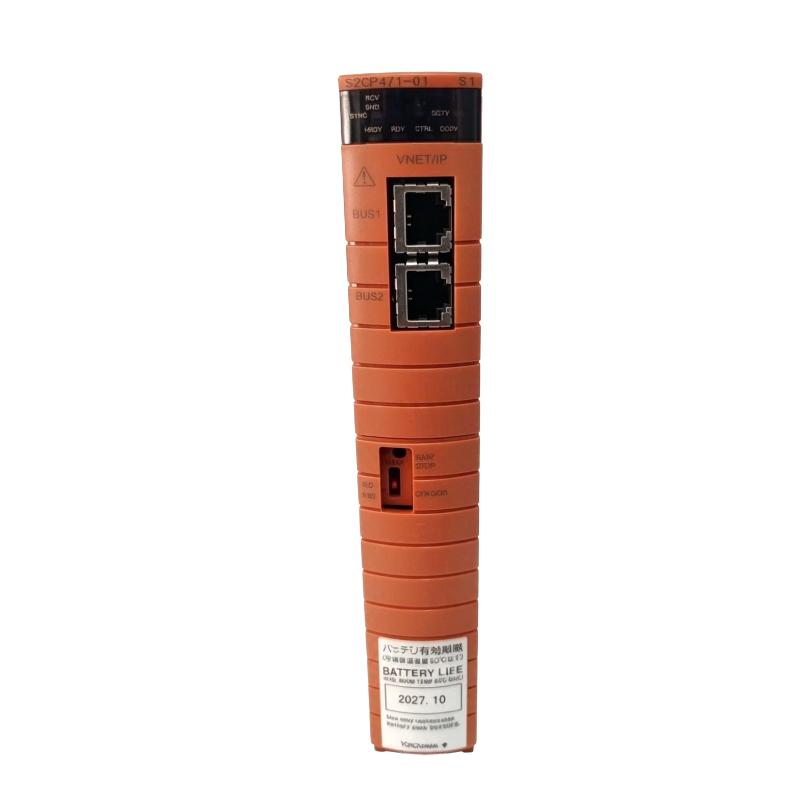
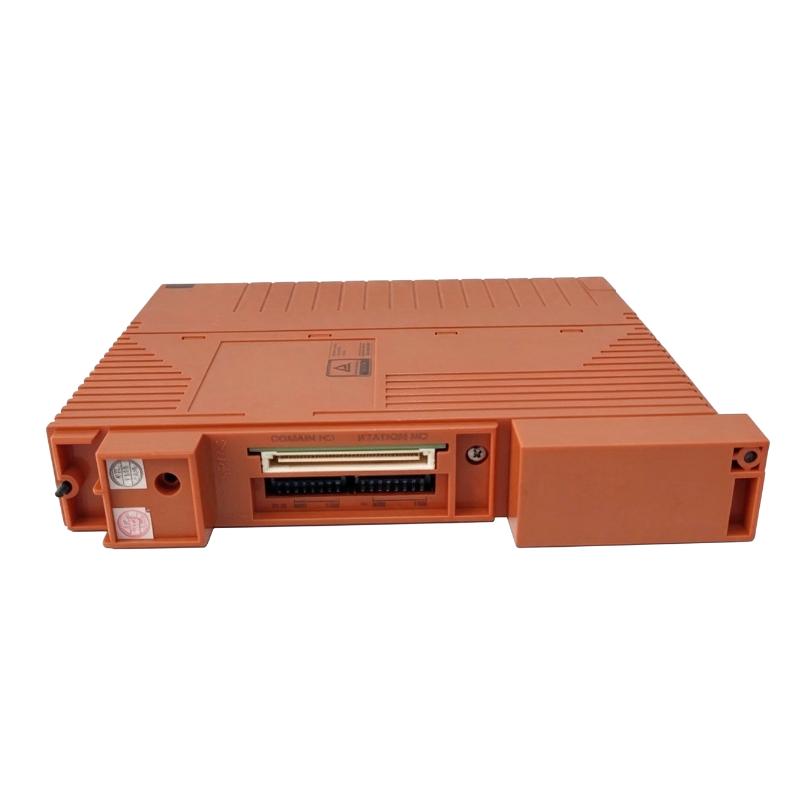
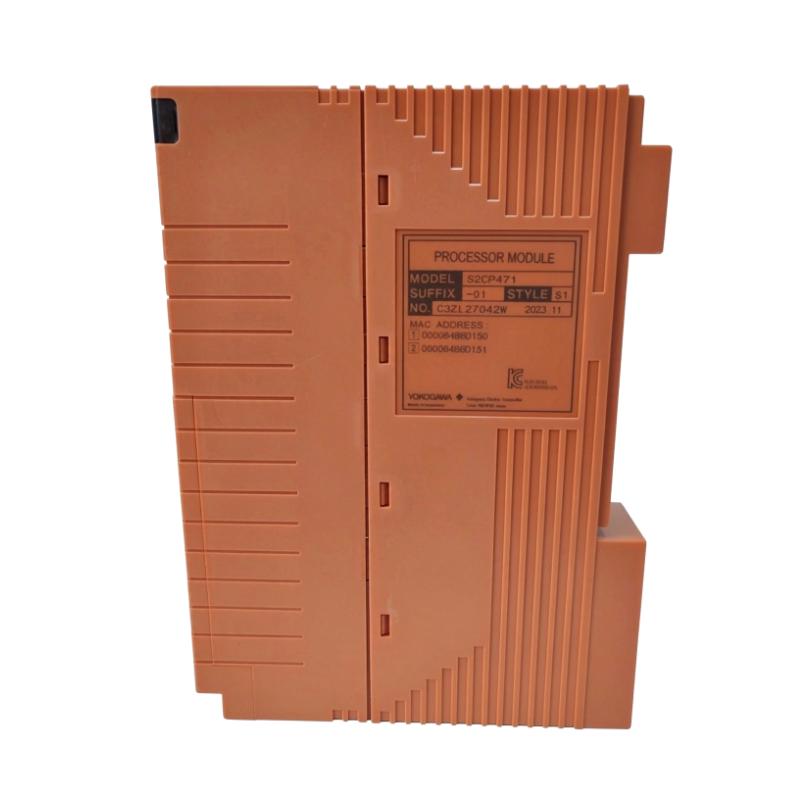
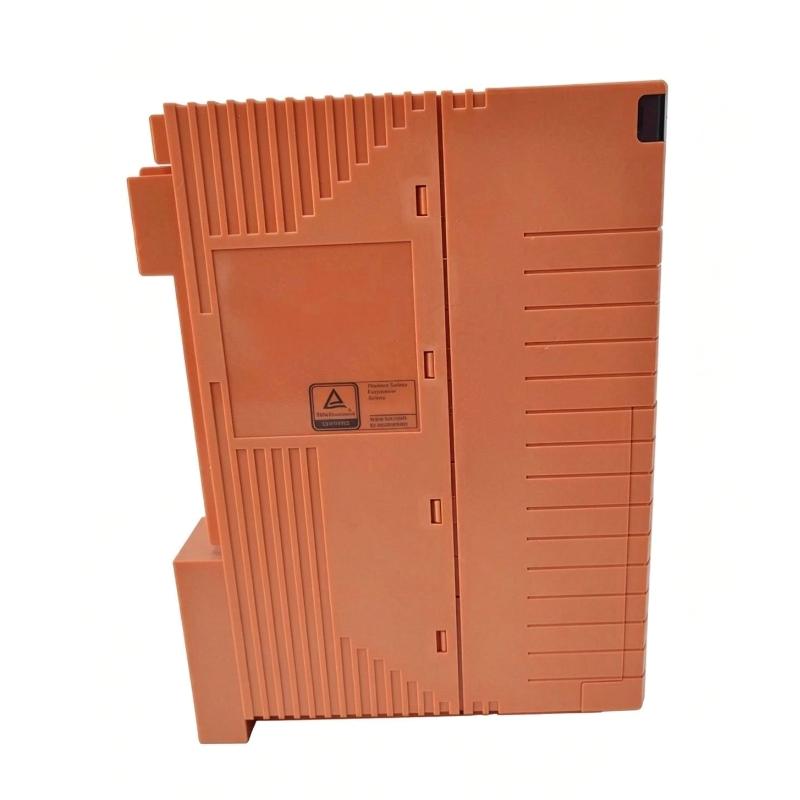
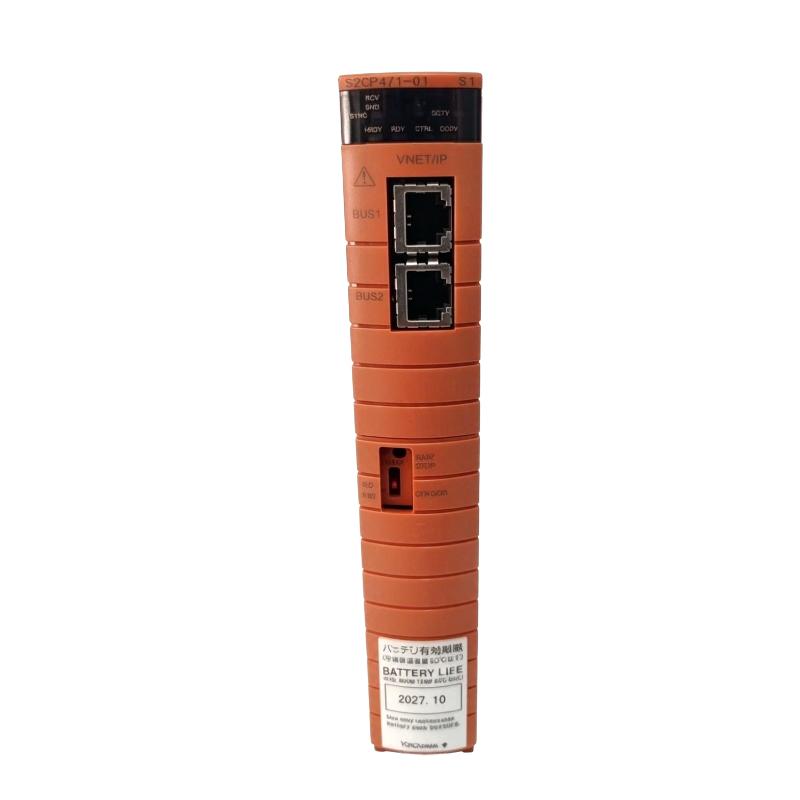
- Yokogawa
- S2CP471-01
- Processor Module
- Japan
- 199.5 × 32.8 × 146.5 mm
- 0.7 kg
- Xiamen, China
- New & In Stock
- T/T, PayPal, Western Union
- 1 Year
- 1-3 Working Days
- DHL, UPS, TNT, FedEx and EMS.
- 24-Hour Service
- COO
- 5
Our advantage

Global Logistics
We have a 10-year logistics and express cooperation agreement, so our products can be shipped to any place in the world.

Brand new and original
Our products are imported in bulk from the place of origin. Because of the cooperative relationship, our products are all original and 100% new.

24-hour service
We provide 7*24 hours service to our customers. We will be there whenever you need us.

Price advantage
All our products are priced very favorably because we have our own warehouse and supply.
| Company Information | |||
| [email protected] | |||
| Mobile | +8615980777398 | ||
| +8615980777398 | |||
| 15980777398 |
Product Overview
The Yokogawa S2CP471-01 Processor Module is a central processing component designed for Yokogawa ProSafe-RS safety instrumented systems. It is used in compatible safety control units, including the SSC60 and S2SC70 platforms, where it executes safety-related control processing and supports reliable operation of industrial safety applications.
In a safety instrumented system (SIS), the processor module plays a central role in receiving and processing input information, executing configured application logic, and coordinating the system’s responses to defined process conditions. These functions help industrial facilities implement protective actions when monitored variables move outside established operating limits.
The S2CP471 processor family was developed for use in ProSafe-RS safety control units and can replace the earlier SCP461 processor in supported configurations. The S2CP471-01 is a specific catalog configuration, so compatibility should be evaluated using the complete model designation rather than the general S2CP471 family name.
An important feature of the S2CP471 is its support for dual-redundant operation. In a compatible duplexed safety control unit, two identical processor modules can work together to improve system availability. The redundancy arrangement must follow Yokogawa’s hardware and software requirements.
The module is associated with Yokogawa’s ProSafe-RS safety system architecture, which supports applications designed to meet Safety Integrity Level 3 requirements. SIL capability applies to the properly engineered and validated safety system, not simply to the installation of an individual processor module.
The S2CP471-01 configuration is the non-explosion-protection version with the ISA Standard G3 option. It is intended for installations where the corresponding hardware, environmental, and system requirements are satisfied.
Technical Specifications
| Parameter | Specification |
|---|---|
| Brand | Yokogawa |
| Manufacturer | Yokogawa Electric Corporation |
| Model | S2CP471-01 |
| Product Type | Processor Module |
| Product Family | ProSafe-RS |
| Compatible Safety Control Units | SSC60 and S2SC70 configurations specified by Yokogawa |
| System Function | Safety control processing |
| Redundancy | Supports dual-redundant configuration |
| Safety System Capability | ProSafe-RS system designed for SIL 3 applications |
| Configuration | Non-explosion-protection version, ISA Standard G3 option |
| Application Program Storage | Flash memory |
| Processor Operation Data | NVRAM |
| Built-in Battery | S9450FE, replaceable |
| Recommended Battery Replacement | 3 years at average ambient temperature of 30°C or less |
| Software Compatibility | ProSafe-RS R3.01 or later; R4.01 or later for S2SC70 |
| Dimensions | 199.5 × 32.8 × 146.5 mm |
| Weight | Approximately 0.7 kg |
| Installation | Compatible ProSafe-RS safety control unit |
| Typical Application | Safety instrumented systems in industrial process facilities |
Note: Confirm the exact control-unit model, suffix codes, software revision, and required patches before installation or replacement.
Function and Working Principle
The S2CP471-01 performs processor functions within the ProSafe-RS safety control architecture. It processes information from the safety system’s configured input and output modules and executes the application logic established during system engineering.
1. Safety Application Processing
The processor executes the configured safety application according to the logic developed for the specific plant or machine.
Input information may originate from field instruments, switches, transmitters, and other devices connected through the safety control system. The processor evaluates these signals against the programmed conditions and determines the appropriate control response.
Depending on the application, this may include initiating an alarm, commanding a shutdown, or activating another predefined protective action.
The actual safety behavior depends on the complete application program, field-device configuration, I/O architecture, and validation process.
2. Dual-Redundant Processing
The S2CP471 supports dual-redundant configurations in compatible duplexed safety control units.
A redundant arrangement uses two identical processor modules to improve system availability. If one processor experiences a fault, the architecture is designed to support continued system operation according to the configured redundancy strategy.
For correct operation, both processor modules must meet Yokogawa’s compatibility requirements. The manufacturer specifies that two identical modules of the same model code are used for dual-redundant configurations.
A mixed arrangement using an S2CP471 and an SCP461 together in one redundant pair is not permitted.
3. Application Program Storage
The module uses flash memory for application program storage. This provides non-volatile storage for the configured application program.
The processor’s operation data is stored in non-volatile memory (NVRAM), helping preserve relevant operating information when the power supply is interrupted.
These storage arrangements support system data retention, but they do not remove the need for proper application backups and maintenance procedures.
4. Battery-Supported Maintenance Functions
The S2CP471 includes a replaceable S9450FE battery. Yokogawa recommends a replacement period of three years when the average ambient temperature is 30°C or lower.
Battery condition should be included in the site’s maintenance schedule. Replacement should follow the manufacturer’s procedure and the applicable safety-system maintenance requirements.
5. Safety System Coordination
The processor operates as part of a complete safety control unit. It coordinates with the power supply, input/output modules, communication infrastructure, and field devices to execute the configured safety application.
It should not be treated as a standalone general-purpose PLC CPU. Its application, software requirements, installation restrictions, and replacement procedures are specific to the ProSafe-RS safety platform.
Role in Industrial Control and Safety Systems
The S2CP471-01 is used in the safety layer of industrial automation architectures. It supports safety-related processing independently of ordinary process-control functions, helping facilities implement protective measures for personnel, equipment, and the environment.
Safety Instrumented System Integration
A safety instrumented system monitors defined process conditions and initiates protective actions when predetermined criteria are met.
The S2CP471-01 executes the safety application within the compatible ProSafe-RS control unit. It processes the signals and logic associated with the configured safety functions.
Examples of monitored conditions include abnormal pressure, excessive temperature, low flow, or other process deviations that require a protective response.
The exact safety functions depend on the plant’s hazard analysis and approved safety requirements specification.
Integration with Field Instruments
The processor works with the safety system’s configured input modules and field instruments. These devices provide the information required by the application logic.
Typical field devices may include:
- Pressure transmitters.
- Temperature transmitters.
- Flow measurement devices.
- Level switches.
- Emergency stop devices.
- Limit switches and position sensors.
- Gas detection instruments.
The selected field devices and I/O modules must meet the requirements of the safety application.
Coordination with Final Elements
Once a safety condition is detected, the processor executes the configured response. The output side of the safety system then communicates the required command to the relevant final elements.
These may include shutdown valves, motor contactors, isolation devices, or other protective equipment.
The complete safety function must be designed, tested, and validated as a system. The processor module alone does not establish the integrity of the final safety loop.
Relationship with Process Control Systems
Industrial plants commonly operate a basic process control system (BPCS) alongside a separate safety instrumented system.
The BPCS manages normal production activities, while the SIS performs dedicated safety-related functions. The two systems may exchange selected information through approved interfaces, but safety-related functions must remain consistent with the designed safety architecture.
The S2CP471-01 belongs to the ProSafe-RS safety control platform rather than serving as a general-purpose replacement for a standard process-control CPU.
Industrial Applications
The ProSafe-RS platform is designed for industrial safety applications in process facilities. The S2CP471-01 can be used in compatible systems where reliable safety processing and appropriate redundancy are required.
1. Oil and Gas Processing
Oil and gas facilities contain equipment that operates under demanding pressure, temperature, and flow conditions.
Safety instrumented systems can monitor critical process variables and initiate protective actions when abnormal conditions occur. The S2CP471-01 can serve as the processor in a compatible ProSafe-RS safety control unit used for such applications.
Potential safety functions include emergency shutdown logic, process isolation, and equipment protection.
2. Chemical and Petrochemical Plants
Chemical production facilities may involve hazardous materials, high temperatures, pressure vessels, and complex reaction processes.
A properly engineered SIS can monitor critical operating conditions and initiate shutdown actions when specified limits are exceeded.
The S2CP471-01 supports the execution of configured safety logic in compatible ProSafe-RS installations.
3. Power Generation
Power plants use safety and protection systems to monitor equipment and process conditions. Depending on the plant design, safety-related control may be required for auxiliary systems, fuel handling, pressure protection, and other critical processes.
The processor can be used in suitable ProSafe-RS safety control units where the required system architecture and validation procedures are satisfied.
4. Refining Facilities
Refineries contain interconnected process units with complex operating requirements. Safety systems help monitor critical conditions and coordinate protective actions across equipment and process areas.
A redundant processor configuration can help improve the availability of the safety control platform when implemented according to the manufacturer’s design requirements.
5. Industrial Utilities
Large industrial facilities often operate steam, cooling water, compressed gas, and other utility systems. Certain utility processes may require independent safety monitoring and protective control.
The S2CP471-01 can form part of a compatible safety system used to execute these applications.
Installation and System Integration
The S2CP471-01 must be installed in a compatible ProSafe-RS safety control unit. Correct model identification, software compatibility, and installation procedures are essential.
1. Verify the Control Unit
Before installation, confirm whether the target system uses an SSC60 or S2SC70 safety control unit.
Not every control-unit configuration supports every S2CP471 variant. The exact unit model and suffix codes must be checked against Yokogawa’s compatibility documentation.
The S2CP471-01 is the non-explosion-protection configuration with the ISA Standard G3 option. Do not substitute it for an explosion-protection version without reviewing the installation requirements.
2. Check Software Compatibility
Yokogawa specifies ProSafe-RS R3.01 or later for S2CP471 operation. When installed on an S2SC70 unit, R4.01 or later is required.
Certain software revisions also require a specific patch to support the S2CP471. These include the revisions identified in the manufacturer’s documentation.
Before replacing an existing processor, confirm the exact software release and whether the required patch has been installed.
3. Confirm Redundancy Requirements
For a duplexed safety control unit, use two identical processor modules with the same model code.
Do not combine an S2CP471 with an SCP461 in the same redundant pair. When upgrading a redundant pair of SCP461 modules to S2CP471 modules, follow Yokogawa’s approved upgrade procedure.
4. Follow Authorized Replacement Procedures
The manufacturer distinguishes between online replacement in an existing dual-redundant S2CP471 configuration and replacement of an older SCP461 with an S2CP471.
Replacement of an SCP461 with an S2CP471 is not a general user-level procedure. Yokogawa specifies that it must be performed by an authorized service engineer and requires the appropriate S2CP471KT upgrade kit.
For critical safety installations, replacement work should be performed under the site’s approved maintenance and management-of-change procedures.
5. Inspect the Module and Installation Environment
Before installation, inspect the module for physical damage, contamination, and signs of improper storage.
Ensure that the safety control unit is installed in an environment that meets the manufacturer’s requirements. Maintain the specified operating conditions and avoid exposure to conditions outside the module’s approved environmental limits.
6. Verify Operation After Replacement
After installation, carry out the required system checks and diagnostic procedures. Confirm that the module is recognized by the control unit and that the intended redundancy status is achieved.
Any changes to safety application hardware or software should be documented and validated according to the site’s safety lifecycle procedures.
Compatible System Components
The S2CP471-01 operates within the Yokogawa ProSafe-RS safety control architecture. The following components and system elements may be relevant to a compatible installation.
| Component | System Role | Compatibility Considerations |
|---|---|---|
| SSC60 Safety Control Unit | Hosts compatible ProSafe-RS processor modules | Verify the exact SSC60 model and suffix configuration |
| S2SC70 Safety Control Unit | Hosts the processor in compatible safety control configurations | Check the required ProSafe-RS software revision |
| Second S2CP471 Processor | Provides the second processor in a duplexed configuration | Use an identical processor model code |
| ProSafe-RS Software | Configures and manages the safety control application | R3.01 or later; R4.01 or later for S2SC70, with required patches |
| SPW481 Power Supply Module | Supplies power within compatible safety control units | Confirm control-unit configuration and power requirements |
| SPW482 Power Supply Module | Provides an alternative power-supply configuration | Verify the applicable unit specifications |
| SPW484 Power Supply Module | Supports the specified 24 V DC supply configuration | Confirm compatibility with the installed safety control unit |
| Safety I/O Modules | Connect field input and output devices | Select according to the safety application and control-unit architecture |
| S9450FE Battery | Replaceable battery used by the processor module | Follow the recommended replacement interval |
| Engineering and Maintenance Tools | Support configuration, diagnostics, and maintenance | Use approved tools and procedures for the installed software release |
These components are not necessarily supplied with the S2CP471-01. Confirm the complete system bill of materials before purchasing additional hardware.
Alternative Models and Replacement Considerations
The S2CP471-01 belongs to a specialized safety-control platform. Replacement selection should be based on the exact ProSafe-RS configuration rather than physical appearance or general processor functionality.
| Related Model or Option | Description | Replacement Considerations |
|---|---|---|
| S2CP471-01 | ProSafe-RS processor module, non-explosion-protection configuration with ISA Standard G3 option | Match the exact catalog configuration and system requirements |
| S2CP471-11 | S2CP471 processor variant with explosion-protection configuration | Not interchangeable without checking certification and installation requirements |
| SCP461 | Earlier processor module used in supported ProSafe-RS safety control units | Upgrade to S2CP471 requires the manufacturer’s approved procedure |
| S2CP471KT | Processor module upgrade kit | Required for specified SCP461-to-S2CP471 upgrade projects |
Before purchasing a replacement, check:
- Exact processor model and suffix code.
- SSC60 or S2SC70 control-unit configuration.
- ProSafe-RS software version.
- Required software patches.
- Explosion-protection and environmental requirements.
- Redundant or single-processor architecture.
- Battery condition and maintenance history.
- Manufacturer-approved replacement procedure.
A general-purpose PLC processor or a processor from another Yokogawa control family should not be treated as a direct substitute.
Key Advantages
Designed for ProSafe-RS Safety Processing
The S2CP471-01 is specifically designed for compatible ProSafe-RS safety control units, allowing it to execute the safety application within the intended platform.
Dual-Redundant Configuration Support
The processor supports use in a duplexed safety control unit with two identical modules. This architecture can improve system availability when correctly implemented.
Non-Volatile Application Storage
Flash memory stores the application program, while NVRAM stores processor operation data. These arrangements support data retention during power interruptions.
Replaceable Internal Battery
The S9450FE battery is replaceable, allowing maintenance teams to follow a defined battery replacement schedule.
Defined Hardware Compatibility
The module is documented for compatible SSC60 and S2SC70 safety control units, providing a clear basis for system configuration and replacement planning.
Established Safety-System Platform
ProSafe-RS is designed for industrial safety instrumented applications. The S2CP471-01 supports this platform’s processing requirements when installed as part of a properly engineered and validated system.
Technical FAQs
1. What is the Yokogawa S2CP471-01?
The S2CP471-01 is a processor module designed for Yokogawa ProSafe-RS safety control units. It is used in compatible SSC60 and S2SC70 systems to execute configured safety application logic.
2. Which systems are compatible with the S2CP471-01?
It is designed for specified SSC60 and S2SC70 safety control unit configurations. Compatibility must be confirmed using the complete control-unit model and the manufacturer’s hardware documentation.
3. Does the S2CP471-01 support redundant operation?
Yes. Two identical S2CP471 processor modules can be used in a compatible duplexed safety control unit. Both modules must have the same model code.
4. What is the difference between S2CP471-01 and S2CP471-11?
The variants have different protection configurations. The S2CP471-01 is the non-explosion-protection version with the ISA Standard G3 option, while S2CP471-11 is the explosion-protection version. The correct version depends on the installation environment and applicable certification requirements.
5. What is the required ProSafe-RS software version?
The S2CP471 requires ProSafe-RS R3.01 or later. For S2SC70 installations, R4.01 or later is specified. Certain software revisions also require a patch to support the processor.
6. Can the S2CP471-01 replace an SCP461 processor?
Yes, in supported configurations, but the replacement is subject to specific manufacturer requirements. Yokogawa specifies the use of an S2CP471KT upgrade kit and an authorized service engineer for the SCP461-to-S2CP471 upgrade.
7. Can an S2CP471 and an SCP461 operate together in one redundant pair?
No. Yokogawa does not permit these two processor types to coexist in a dual-redundant configuration. A complete compatible pair must be used.
8. Does the module have a built-in battery?
Yes. The processor includes an S9450FE battery. Yokogawa recommends replacing it every three years when the average ambient temperature is 30°C or lower.
9. What are the dimensions and weight of the S2CP471-01?
The manufacturer’s dimensional drawing specifies approximately 199.5 × 146.5 × 32.8 mm. Its weight is approximately 700 g, or 0.7 kg.
10. Is the S2CP471-01 suitable for a SIL 3 application?
The ProSafe-RS platform supports SIL 3 safety applications when the complete system is properly designed, configured, installed, and validated. The required safety integrity level must be established through the project’s safety lifecycle and system documentation.
Procurement and Maintenance Recommendations
When purchasing the Yokogawa S2CP471-01, verify the complete model designation and ensure that the module matches the existing ProSafe-RS safety control unit.
The most important procurement checks include the SSC60 or S2SC70 model, processor variant, software revision, redundancy arrangement, and environmental requirements. A module that looks similar may have a different protection configuration or may not be supported by the installed software.
For surplus or refurbished equipment, request clear photographs of the model label and connectors. Confirm the physical condition, storage history, battery condition, and available functional test information. For safety-critical applications, procurement approval should follow the site’s spare-parts qualification and equipment acceptance procedures.
During maintenance, include the internal S9450FE battery in the preventive maintenance schedule. Monitor the module’s diagnostic status and maintain records of hardware changes, software revisions, and redundancy checks.
If replacing an existing SCP461 with an S2CP471, do not treat the operation as a simple module exchange. The required upgrade kit, software compatibility, and authorized service procedure must be confirmed before work begins.
Conclusion
The Yokogawa S2CP471-01 Processor Module is a dedicated processing component for compatible ProSafe-RS safety control units, including specified SSC60 and S2SC70 configurations. It supports dual-redundant operation, uses flash memory and NVRAM for data retention, and includes a replaceable S9450FE battery.
Its application in industrial safety systems requires careful attention to model suffixes, software compatibility, redundancy requirements, and manufacturer-approved maintenance procedures. For replacement and maintenance projects, confirming the complete catalog number and control-unit configuration is essential to maintaining reliable operation of the ProSafe-RS platform.