

ProductPRODUCT
Featured products
Contact Us
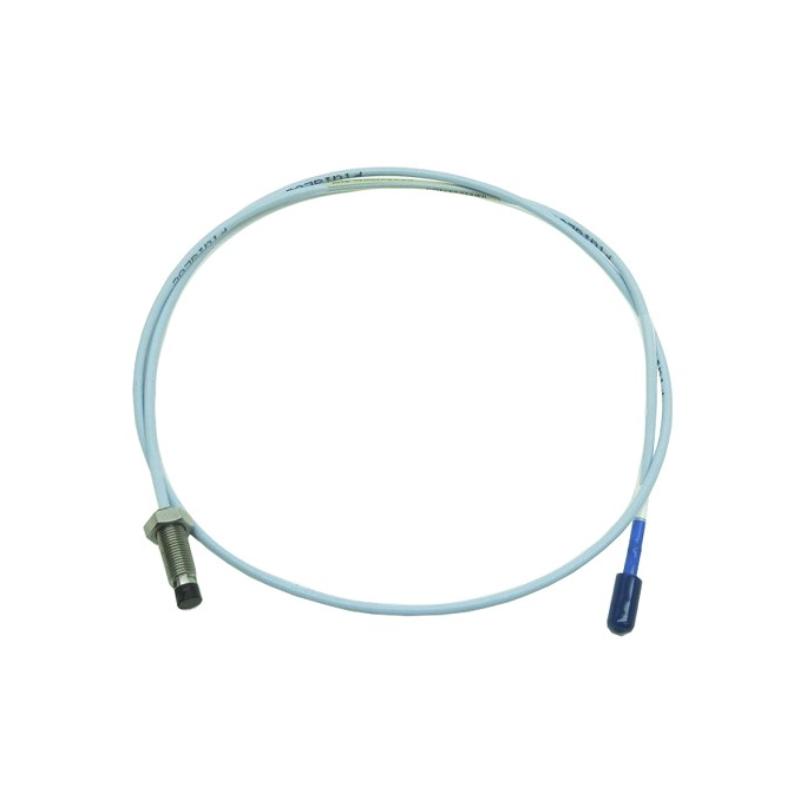
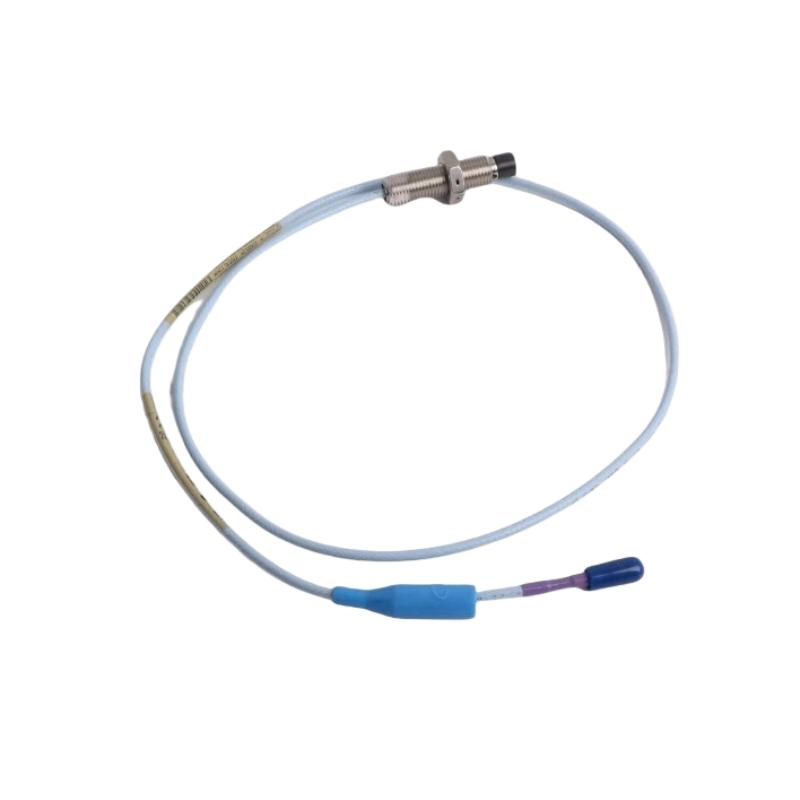
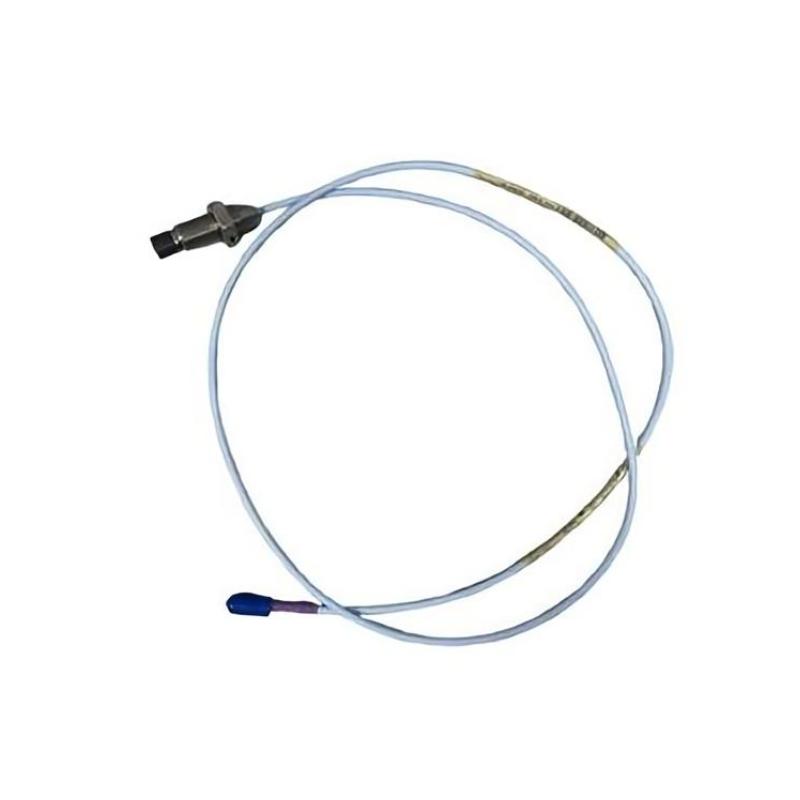
- Bently Nevada
- 146054-040-05-02-00
- 3300 XL Ceramic Cap Probe
- USA
- 0.5 meters
- 3 kg
- Xiamen, China
- New & In Stock
- T/T, PayPal, Western Union
- 1 Year
- 1-3 Working Days
- DHL, UPS, TNT, FedEx and EMS.
- 24-Hour Service
- COO
- 7
Our advantage

Global Logistics
We have a 10-year logistics and express cooperation agreement, so our products can be shipped to any place in the world.

Brand new and original
Our products are imported in bulk from the place of origin. Because of the cooperative relationship, our products are all original and 100% new.

24-hour service
We provide 7*24 hours service to our customers. We will be there whenever you need us.

Price advantage
All our products are priced very favorably because we have our own warehouse and supply.
| Company Information | |||
| [email protected] | |||
| Mobile | +8615980777398 | ||
| +8615980777398 | |||
| 15980777398 |
Product Overview
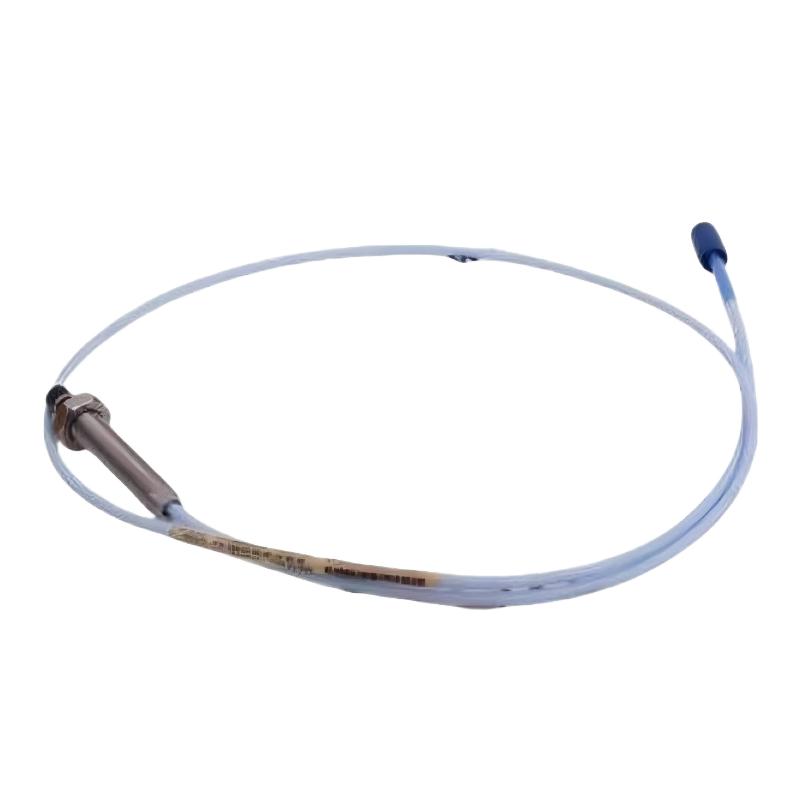
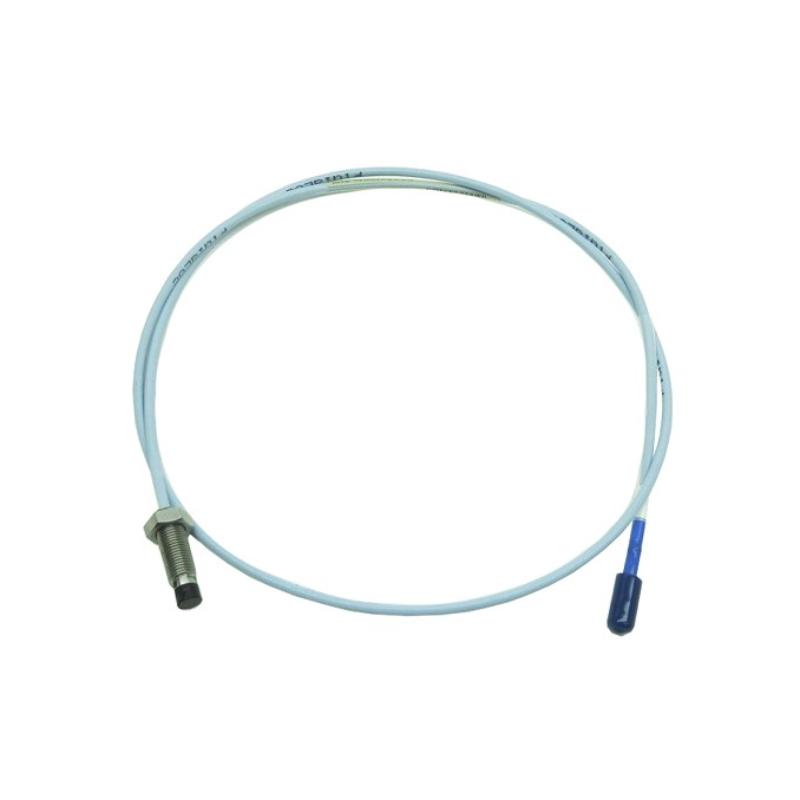
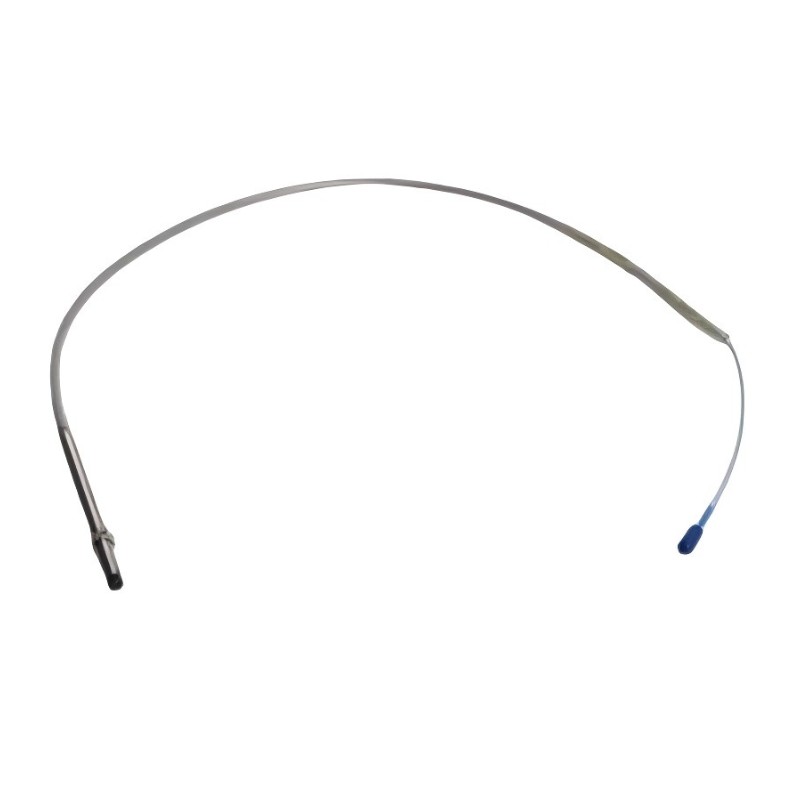
The Bently Nevada 146054-040-05-02-00 3300 Ceramic Capped Proximity Probe is an industrial displacement and proximity measurement sensor designed for machinery monitoring in demanding environments. It belongs to the Bently Nevada 3300 Ceramic Capped Probe family and is intended for applications where the front portion of a conventional proximity probe may be exposed to corrosive gases, liquids, or elevated pressure.
The probe uses an alumina ceramic cap at its sensing end and an AISI 304 stainless steel case. This construction provides additional protection at the front-end ceramic-to-metal interface. The interface is helium leak-tested to help ensure a hermetic seal, making the design suitable for selected applications involving aggressive chemical environments.
The 146054 series is used in proximity measurement systems to monitor the position of a conductive target, commonly a rotating machinery shaft. When connected to a compatible Proximitor Sensor and extension cable, the probe forms part of a non-contact measurement system. The resulting signal can be used by machinery protection and condition-monitoring equipment to evaluate shaft displacement and related mechanical behavior.
This particular configuration has a 3/8-24 UNF mounting thread, a 4.0-inch overall case-length option, and a 0.5-meter total cable length. Its connector configuration is a miniature coaxial ClickLoc connector with standard cable. The ordering code also specifies no agency approval option.
The probe is designed for forward mounting and does not include the armored construction associated with certain other ceramic-capped probe configurations. It is important to distinguish this model from the 146056 version, which uses stainless steel tubing to provide additional cable protection.
The 146054-040-05-02-00 is particularly relevant to maintenance teams working with compressors, pumps, turbines, and other rotating equipment where chemical exposure may affect conventional sensor assemblies. Proper installation and system compatibility remain essential for reliable measurements.
Technical Specifications
| Parameter | Specification |
|---|---|
| Brand | Bently Nevada |
| Manufacturer | Baker Hughes |
| Model | 146054-040-05-02-00 |
| Product Series | 3300 Ceramic Capped Probe |
| Product Type | Ceramic Capped Proximity Probe |
| Probe Base Part Number | 146054 |
| Mounting Configuration | Forward Mount |
| Mounting Thread | 3/8-24 UNF 2A |
| Overall Case Length Option | 4.0 inches (101.6 mm nominal) |
| Total Cable Length | 0.5 m |
| Connector Type | Miniature Coaxial ClickLoc |
| Cable Type | Standard 75 Ω coaxial cable |
| Probe Tip Material | Alumina Ceramic (Al₂O₃) |
| Probe Case Material | AISI 304 Stainless Steel |
| Armor | Not included |
| Agency Approval Code | 00 – Not required |
| Recommended Gap Setting | 1.0 mm |
| Linear Range | 1.52 mm |
| Probe Operating Temperature | -51°C to +177°C |
| Pressure Rating | 34 bar (500 psi) nitrogen |
| Maximum Thread Engagement | 0.563 in |
| Total Probe Length | 0.5 m cable configuration |
| Shipping Weight Provided | 3 kg |
The 3 kg figure is the supplied shipping weight, not the verified weight of the probe alone. The 4.0-inch case-length option refers to the probe case, not the complete cable assembly.
Function and Working Principle
The 146054-040-05-02-00 operates as the sensing element in a non-contact proximity measurement system. Its primary function is to detect changes in the distance between the probe tip and a conductive target.
1. Non-Contact Displacement Measurement
The probe is installed close to a conductive machine component, typically a rotating shaft. It does not need to make physical contact with the target during normal operation.
The sensing system measures changes in the electrical characteristics of the probe circuit as the distance between the probe tip and the target changes. These changes are processed by a compatible Proximitor Sensor to generate a signal corresponding to the target’s position.
This arrangement allows machinery monitoring equipment to detect shaft movement without introducing mechanical contact between the sensor and the rotating component.
2. Eddy-Current Measurement Principle
The 3300 proximity measurement system uses an eddy-current operating principle. The probe and Proximitor Sensor form an electrical measurement circuit that interacts with a conductive target.
When the probe is energized, an electromagnetic field is established around its sensing tip. This field induces eddy currents in the nearby conductive target. The electrical response changes as the distance between the target and the probe changes.
The Proximitor Sensor converts this response into an output signal suitable for monitoring equipment.
The measurement depends on the complete transducer system, including the probe, extension cable, Proximitor Sensor, target material, and calibration.
3. Ceramic-Capped Sensing Structure
The defining feature of this probe is its alumina ceramic cap.
The ceramic-to-metal interface is designed to provide protection against corrosive gases and liquids entering the front end of the probe case. This construction is particularly useful when the sensing end is exposed to aggressive process conditions.
The protection is not unlimited. The 146054 design does not have a sealed rear fitting or stainless steel protective tube. Its rear section must not be exposed to destructive environments such as water, ammonia, ammonium hydroxide, or hydrogen sulfide.
For installations where both the front and rear portions require additional protection, a different probe configuration may be more appropriate.
4. Linear Measurement Response
The published linear range for the ceramic-capped probe system is 1.52 mm, beginning at approximately 0.25 mm from the target and extending to approximately 1.78 mm.
Within this operating range, changes in probe-to-target distance produce a corresponding change in the measurement signal.
The recommended gap setting is approximately 1.0 mm. Because the ceramic-capped probe has a shifted response curve compared with standard 3300 XL probes, installation and monitor configuration require particular attention.
5. Signal Transmission
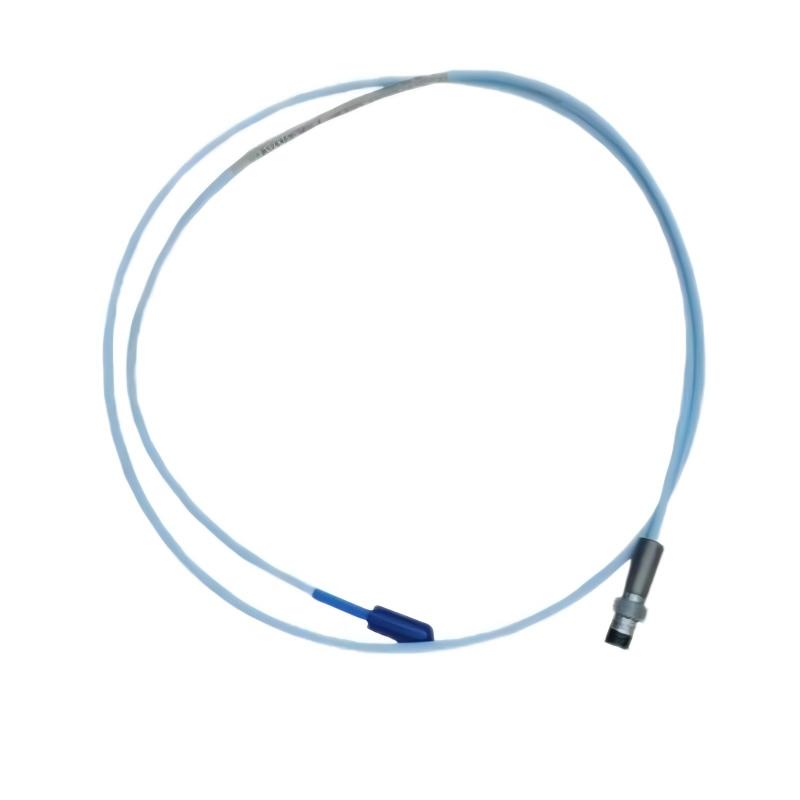
The probe uses a standard 75 Ω coaxial cable and a miniature coaxial ClickLoc connector. The connector provides a mechanical and electrical connection to the compatible extension cable.
The signal is transmitted to the Proximitor Sensor, which conditions the measurement for use by a machinery monitoring system.
The specified cable length is 0.5 meter. The extension cable and Proximitor Sensor must be selected to provide a compatible complete measurement system.
Role in Industrial Machinery Monitoring
The Bently Nevada 146054-040-05-02-00 is a sensing component within a broader machinery protection and condition-monitoring arrangement.
Shaft Displacement Monitoring
Shaft displacement measurements help engineers evaluate the position of rotating machine components relative to a fixed reference.
Changes in shaft position may indicate bearing movement, mechanical looseness, thermal growth, or other operating conditions that require investigation.
Vibration Monitoring
When installed in an appropriate measurement arrangement, proximity probes can provide signals used to evaluate shaft vibration.
Machinery monitoring equipment can process these signals to identify changes in vibration amplitude, frequency, and operating behavior.
Machinery Protection
The probe can supply measurement information to compatible monitoring equipment. The monitoring system may compare the measured signal with configured alarm and trip limits.
This allows operators to identify abnormal conditions and take action according to the plant’s machinery protection strategy.
Condition-Based Maintenance
Continuous monitoring can help maintenance teams identify changes in equipment behavior before they develop into more serious failures.
Historical measurements can also support trend analysis, maintenance planning, and investigation of recurring mechanical problems.
Industrial Applications
The ceramic-capped design makes this probe relevant to selected rotating machinery installations where chemical exposure is an important consideration.
1. Industrial Compressors
Compressors operate under changing mechanical loads, temperatures, and process conditions. In chemical and petrochemical facilities, some compressor installations may also involve corrosive gases.
The probe can be used to monitor shaft displacement when installed as part of a compatible 3300 measurement system and when the sensing end is exposed to conditions within its specified limits.
2. Chemical Processing Equipment
Chemical processing plants may contain gases and liquids that can damage conventional sensor materials.
The alumina ceramic cap provides additional protection at the front end of the probe case. This can make the 146054 series suitable for selected monitoring points where the sensing end is exposed to aggressive process media.
The rear portion of this model must remain protected from destructive environmental exposure.
3. Industrial Pumps
Large industrial pumps often require continuous monitoring of shaft movement and bearing-related operating conditions.
A proximity probe can provide non-contact measurements that help engineers evaluate changes in shaft position and vibration.
The probe must be installed with the correct gap and compatible measurement electronics.
4. Turbines and Rotating Machinery
Turbines and other high-speed rotating machines require reliable monitoring of shaft position and vibration.
When incorporated into a suitable monitoring system, the ceramic-capped probe can provide measurement signals for selected machinery monitoring applications.
Installation must account for target material, operating temperature, mechanical clearances, and the complete transducer system’s calibration.
5. Petrochemical and Refining Facilities
Petrochemical plants may operate equipment in environments involving aggressive chemicals, elevated pressure, and continuous operating cycles.
The ceramic-capped probe is designed to address selected chemical-exposure challenges at the sensing end. Its pressure rating and installation conditions must be reviewed against the actual process environment.
6. Industrial Machinery Maintenance
Maintenance departments may use this probe as a replacement component in existing Bently Nevada 3300 monitoring installations.
Accurate identification of the probe’s thread, case length, cable length, connector, and mounting configuration is essential when replacing an existing sensor.
Installation and System Integration
Correct installation is essential for reliable measurement performance and to prevent damage to the ceramic sensing tip.
1. Verify Mechanical Compatibility
Before installation, confirm the mounting thread is compatible with the machine’s probe mounting point.
This model uses a 3/8-24 UNF 2A external thread. The maximum permitted thread engagement is 0.563 inches.
Excessive thread engagement may cause binding during installation and can damage the probe or mounting arrangement. Follow the manufacturer’s specified engagement limit.
2. Set the Correct Probe Gap
The recommended gap setting is approximately 1.0 mm.
The gap should be established electrically using the appropriate measurement equipment and installation procedure. Do not set the gap by allowing the ceramic tip to contact the rotating shaft.
The ceramic tip is robust for its intended application but is not designed to withstand direct mechanical loading. Contact with the target can damage the sensing assembly.
3. Protect the Rear Portion
The 146054 ceramic-capped probe protects the front-end ceramic-to-metal interface. It does not provide a sealed rear fitting or stainless steel protective tube.
The rear portion must be kept away from destructive liquids and gases. If the installation requires protection of both ends of the probe assembly, consider a suitable alternative such as the 146056 configuration.
4. Connect the Coaxial Cable
The probe uses a miniature coaxial ClickLoc connector with standard 75 Ω cable.
Ensure that the connector is clean and undamaged before assembly. The ClickLoc connection is designed to engage through a controlled mechanical locking action.
Follow the specified connector tightening procedure. Do not apply excessive torque or use tools unnecessarily on connectors designed for finger-tight installation.
5. Maintain Cable Routing Requirements
The minimum cable bend radius is 25.4 mm.
Avoid sharp bends, excessive pulling forces, and routing arrangements that expose the cable to mechanical damage. Keep the cable away from high-temperature surfaces and sources of electrical interference where possible.
6. Verify the Complete Measurement System
The probe must be used with compatible Bently Nevada measurement components.
Check the extension cable length, Proximitor Sensor configuration, target material, and calibration requirements. A probe that is mechanically compatible may still produce incorrect measurements if the electrical system is not properly matched.
7. Check Monitor Configuration
The ceramic-capped probe has a shifted response curve compared with standard 3300 XL probes.
The monitoring system may require configuration changes to accommodate the probe’s response and operating limits. Engineers should review the monitor’s OK limits, alarm settings, and measurement scaling before placing the machine into service.
Compatible System Components
The 146054-040-05-02-00 is part of a complete proximity measurement arrangement rather than a standalone monitoring instrument.
| Component | Function | Integration Considerations |
|---|---|---|
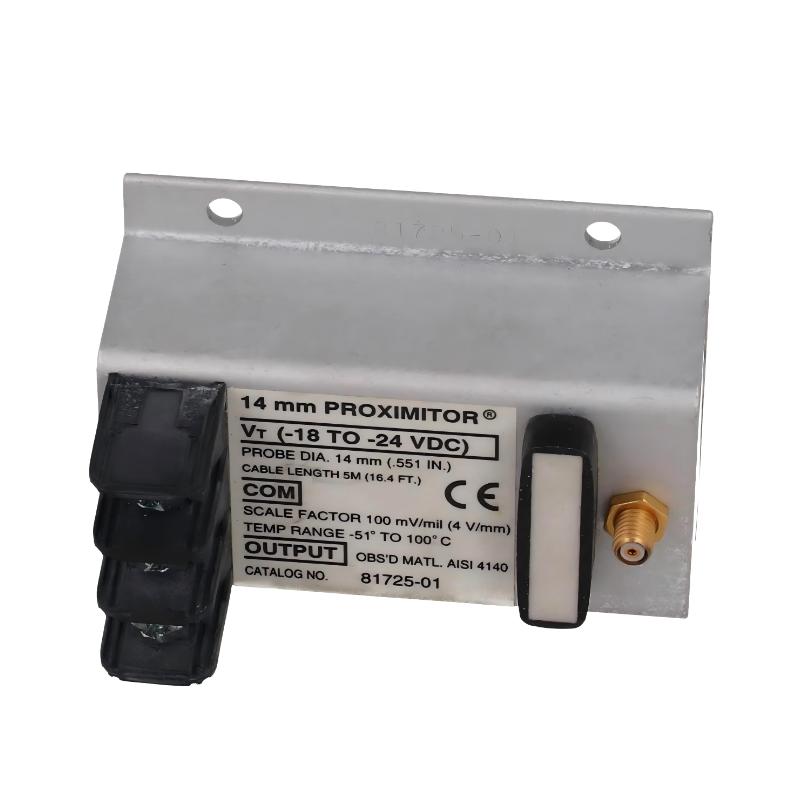
| Bently Nevada 3300 Proximitor Sensor | Conditions the probe signal | Must be compatible with the probe and total cable configuration |
| 75 Ω Extension Cable | Connects the probe to the Proximitor Sensor | Verify cable type and system length |
| 3300 Machinery Monitoring System | Receives and processes measurement signals | Confirm measurement channel configuration and scaling |
| Machinery Protection Monitor | Evaluates shaft displacement and vibration conditions | Check alarm and trip settings |
| Probe Mounting Hardware | Secures the probe in position | Must match the 3/8-24 UNF thread |
| Connector Protector | Provides additional environmental protection for connectors | Select compatible 75 Ω connector protection accessories |
| Control and Monitoring System | Displays and records machinery conditions | Integration depends on the installed monitoring architecture |
The components listed above are examples of equipment used in a complete monitoring installation. They are not necessarily included with the probe.
Alternative Models and Replacement Considerations
Several Bently Nevada ceramic-capped probe configurations are available for different mounting and environmental requirements.
| Model or Configuration | Main Difference | Replacement Consideration |
|---|---|---|
| 146054 | Forward-mount ceramic-capped probe | Standard configuration without armor |
| 146054 with Modification 164523 | Forward-mount ceramic-capped probe with armor | Consider where additional cable protection is required |
| 146055 | Reverse-mount ceramic-capped probe | Uses a different mounting arrangement |
| 146056 | Forward-mount ceramic-capped probe with stainless steel tubing | Provides additional protection for the rear cable section |
| 164517 | Metric-thread ceramic-capped probe | Uses M10 × 1 mounting thread |
When selecting a replacement, compare the following parameters:
- Probe mounting thread and mounting direction.
- Overall case length.
- Total integral cable length.
- Connector type.
- Cable type and impedance.
- Armor or protective tubing configuration.
- Environmental exposure at the front and rear of the probe.
- Proximitor Sensor and extension cable compatibility.
- Probe gap setting and monitor configuration.
- Required hazardous-area approvals, where applicable.
A probe with the same cable length is not necessarily a direct replacement. Differences in mounting style, connector configuration, and sensing characteristics can affect installation and measurement performance.
Key Advantages
Ceramic-Capped Sensing Tip
The alumina ceramic cap provides additional protection at the front-end sensing assembly, making the probe suitable for selected applications involving corrosive gases and liquids.
Stainless Steel Probe Case
The AISI 304 stainless steel case provides a durable mechanical structure for industrial installation.
Non-Contact Measurement
The probe measures the distance to a conductive target without requiring physical contact during normal operation.
Compatibility with 3300 Measurement Equipment
The probe is designed to work with a compatible Bently Nevada 3300 Proximitor Sensor and extension cable.
Compact Forward-Mount Configuration
The 3/8-24 UNF mounting thread and forward-mount design support installation in compatible machinery mounting points.
0.5-Meter Integral Cable
The 0.5-meter cable configuration provides a defined connection length for installations where the probe-to-extension-cable arrangement requires a short integral lead.
Industrial Machinery Monitoring
The probe can provide displacement measurement signals for machinery monitoring applications involving compressors, pumps, turbines, and other rotating equipment.
Technical FAQs
1. What is the Bently Nevada 146054-040-05-02-00?
It is a 3300 Ceramic Capped Proximity Probe designed for non-contact displacement measurement in industrial machinery monitoring systems. It features a ceramic sensing cap and a stainless steel probe case.
2. What is the total cable length?
The specified cable length is 0.5 meter. This is the integral cable length identified by the model’s ordering configuration.
3. What mounting thread does this probe use?
The probe uses a 3/8-24 UNF 2A external mounting thread. The maximum permitted thread engagement is 0.563 inches.
4. What is the overall case length?
The model specifies a 4.0-inch overall case-length option, equivalent to approximately 101.6 mm.
5. What is the ceramic cap made of?
The sensing tip is made of alumina ceramic (Al₂O₃). The probe case is made of AISI 304 stainless steel.
6. Can this probe operate in corrosive environments?
It is designed for selected applications where the front portion of the probe assembly is exposed to corrosive gases or liquids. However, the rear portion is not sealed and must not be exposed to destructive environments such as water, ammonia, ammonium hydroxide, or hydrogen sulfide.
7. What is the recommended probe gap?
The recommended gap setting is approximately 1.0 mm. The probe should be electrically gapped according to the manufacturer’s procedure, without allowing the ceramic tip to contact the target.
8. What is the linear measurement range?
The published linear range is 1.52 mm, beginning at approximately 0.25 mm and extending to approximately 1.78 mm from the target.
9. Is this probe compatible with a standard 3300 monitoring system?
It is compatible with the appropriate Bently Nevada 3300 Proximitor Sensor and extension cable. The complete system configuration, cable length, target material, and calibration must be verified.
10. What should be checked before replacing an existing probe?
Confirm the mounting thread, case length, total cable length, connector type, mounting direction, environmental protection requirements, and compatibility with the installed Proximitor Sensor. Also review the monitor configuration because ceramic-capped probes have a shifted response curve compared with standard 3300 XL probes.
Procurement and Maintenance Recommendations
When purchasing the Bently Nevada 146054-040-05-02-00, verify the complete part number rather than relying only on the 146054 base designation. The suffix determines the case length, cable length, connector arrangement, and agency approval selection.
For replacement projects, compare the new probe with the installed unit. Pay particular attention to the 3/8-24 UNF mounting thread, 4.0-inch case-length option, 0.5-meter cable, and miniature coaxial ClickLoc connector.
For used or surplus products, request clear photographs of the probe tip, threaded section, cable, and connector. Inspect the ceramic cap for cracks, chips, or signs of mechanical impact. Check the cable for cuts, deformation, and damaged insulation.
During installation, avoid mechanical loading on the ceramic tip and observe the specified gap and thread engagement limits. Protect the rear of the probe from corrosive liquids and gases. Maintain the required cable bend radius and use compatible connector protection where appropriate.
The supplied 3 kg shipping weight should be used only as a logistics reference until the actual packaged unit has been weighed. The shipping weight should not be treated as the probe’s net weight.
For long-term reliability, document the probe’s installation position, gap setting, associated extension cable, Proximitor Sensor model, and monitor configuration. This information helps maintenance personnel identify the correct replacement and troubleshoot measurement problems.
Conclusion
The Bently Nevada 146054-040-05-02-00 is a 3300 Ceramic Capped Proximity Probe designed for non-contact displacement monitoring in selected industrial machinery applications. Its alumina ceramic tip and AISI 304 stainless steel case provide additional protection at the front sensing interface, particularly where corrosive gases or liquids may be present.
With a 3/8-24 UNF mounting thread, 4.0-inch case-length option, 0.5-meter cable, and miniature coaxial ClickLoc connector, this configuration is intended for integration with compatible Bently Nevada 3300 measurement equipment.
Correct installation is essential. Engineers must protect the unsealed rear portion, maintain the recommended probe gap, verify system compatibility, and configure the monitoring equipment for the ceramic-capped probe’s measurement characteristics. Accurate model identification and proper maintenance help support reliable machinery monitoring in demanding industrial environments.