

ProductPRODUCT
Featured products
Contact Us
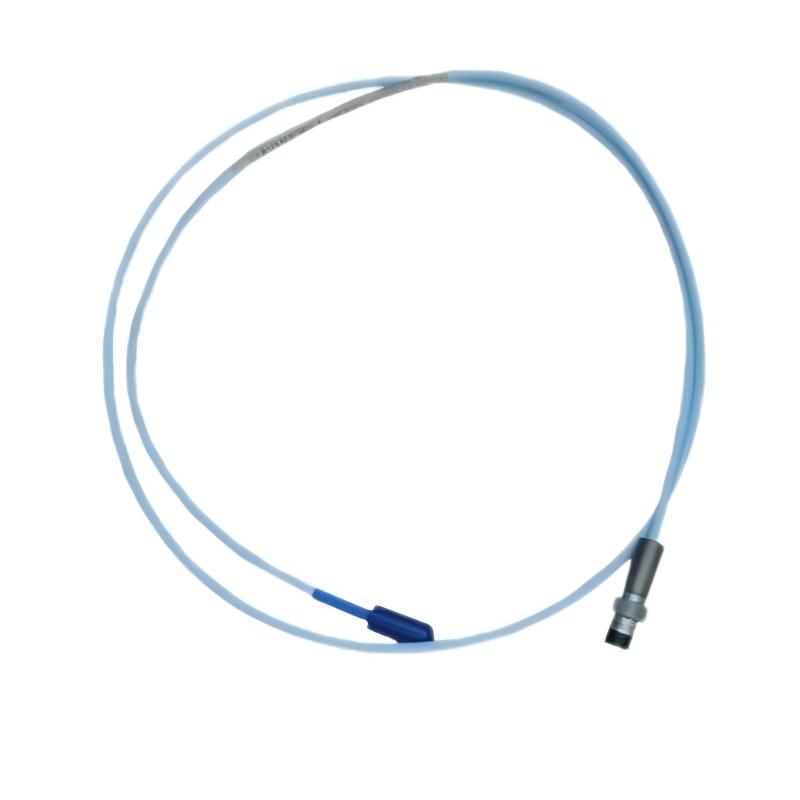
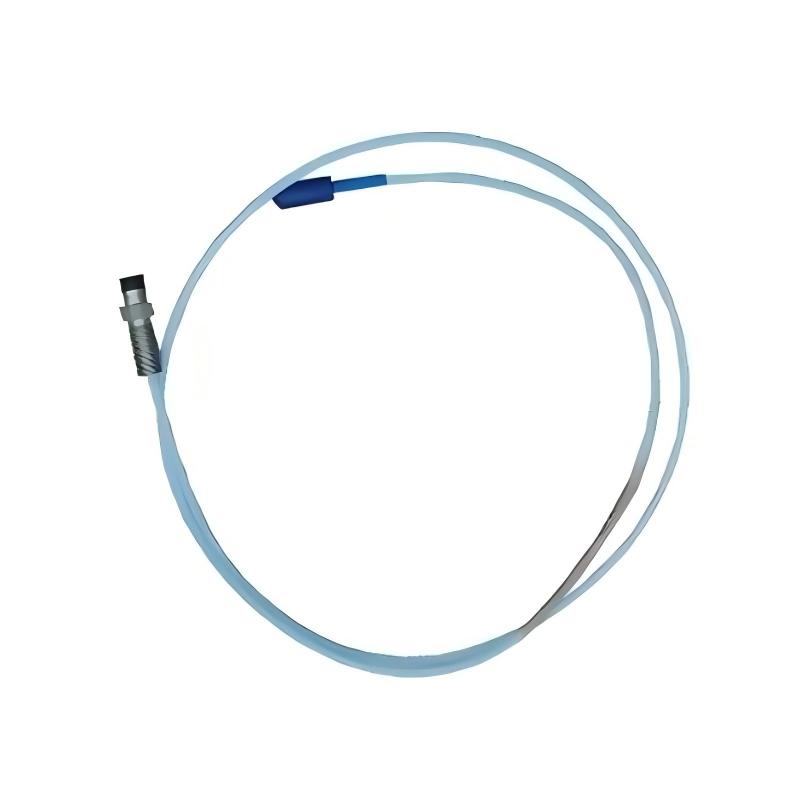
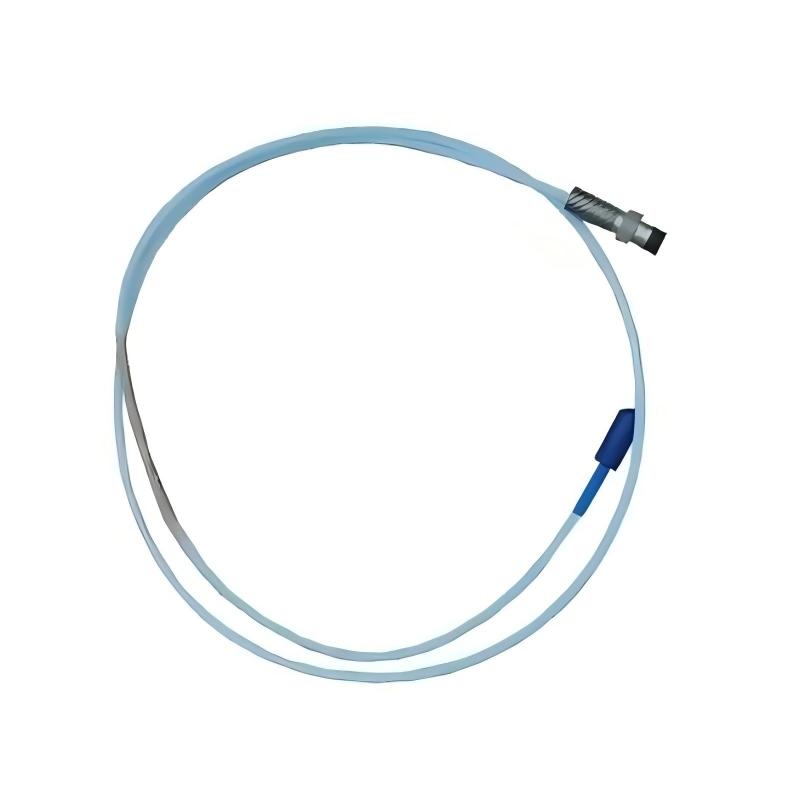
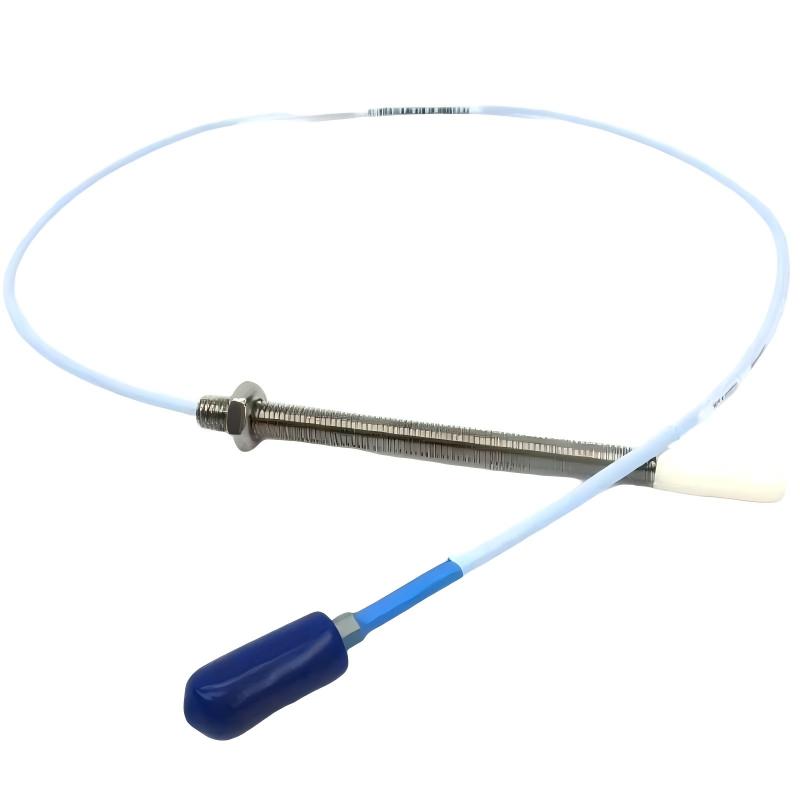
- Bently Nevada
- 146054-40-05-02-05
- 3300 XL Ceramic Cap Probe
- USA
- 0.5 meters
- 3 kg
- Xiamen, China
- New & In Stock
- T/T, PayPal, Western Union
- 1 Year
- 1-3 Working Days
- DHL, UPS, TNT, FedEx and EMS.
- 24-Hour Service
- COO
- 7
Our advantage

Global Logistics
We have a 10-year logistics and express cooperation agreement, so our products can be shipped to any place in the world.

Brand new and original
Our products are imported in bulk from the place of origin. Because of the cooperative relationship, our products are all original and 100% new.

24-hour service
We provide 7*24 hours service to our customers. We will be there whenever you need us.

Price advantage
All our products are priced very favorably because we have our own warehouse and supply.
| Company Information | |||
| [email protected] | |||
| Mobile | +8615980777398 | ||
| +8615980777398 | |||
| 15980777398 |
Product Overview
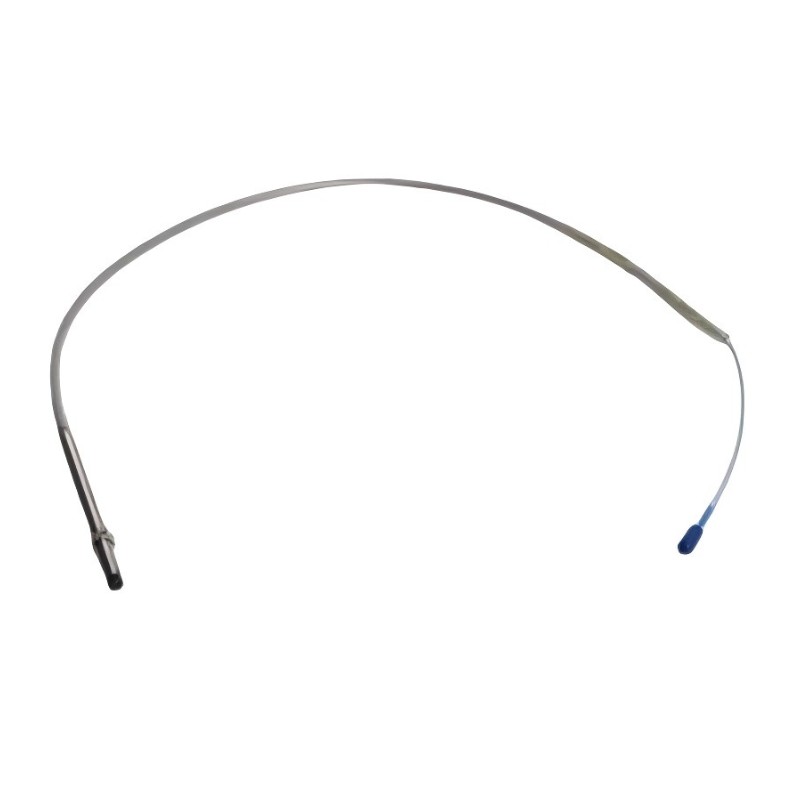
The Bently Nevada 146054-40-05-02-05 3300 Ceramic Capped Probe is a non-contact proximity measurement component designed for machinery condition monitoring in industrial environments where conventional probe materials may be exposed to aggressive chemicals or corrosive process conditions.
Part of the Bently Nevada 3300 ceramic-capped probe family, this model is designed to work with a compatible 3300 Proximitor Sensor and extension cable. It measures the position and movement of a conductive machine target without requiring direct mechanical contact. The resulting electrical signal can be processed by a monitoring system to evaluate shaft displacement, vibration, and changes in rotating machinery operating conditions.
The defining feature of this probe is its alumina ceramic tip. Ceramic material provides excellent chemical resistance and helps protect the front end of the probe assembly in applications involving aggressive gases and liquids. The probe case is manufactured from AISI 304 stainless steel, providing mechanical support and corrosion resistance for the main probe body.
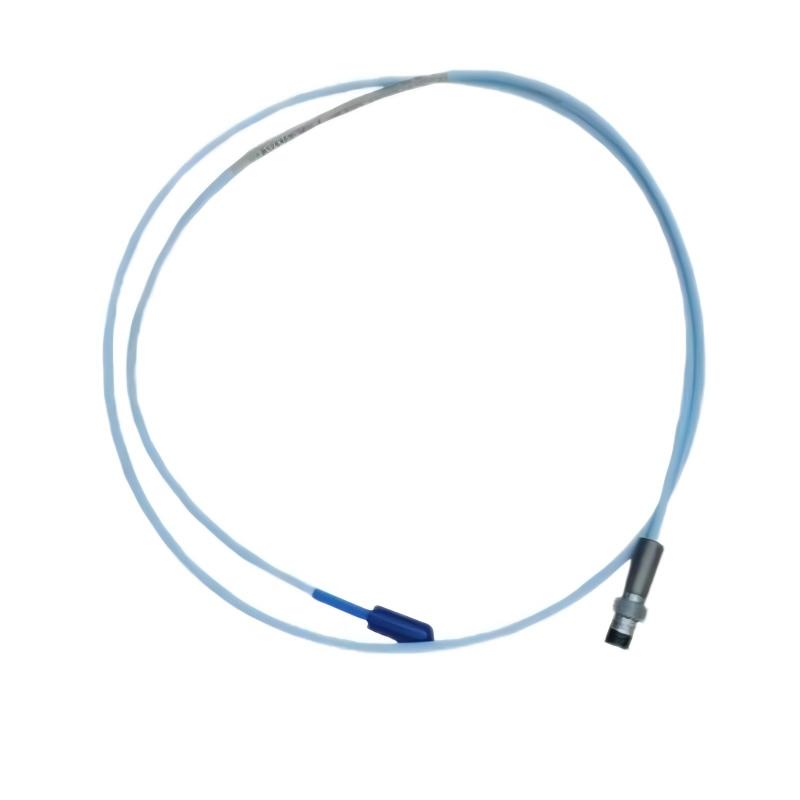
The 146054-40-05-02-05 has a 3/8-24 UNF mounting thread and an overall case-length option of 4.0 inches. Its ordering code specifies a total probe cable length of 0.5 meter, a miniature coaxial ClickLoc connector with standard cable, and multiple agency approval options.
This particular configuration is supplied without armor. It is intended for installations where the front end of the probe is exposed to corrosive conditions while the rear portion is maintained in an appropriate protected environment.
The ceramic-capped design is especially relevant to machinery operating in chemical processing, petrochemical production, ammonia handling, and other industrial applications where probe-tip material compatibility is important.
When integrating this probe into a machinery protection system, engineers must consider more than the mounting thread and cable length. The ceramic-capped probe has a different measurement response from standard 3300 XL proximity probes. Correct gap adjustment, Proximitor compatibility, and monitoring-system configuration are essential for dependable measurement.
Technical Specifications
| Parameter | Specification |
|---|---|
| Brand | Bently Nevada |
| Manufacturer | Baker Hughes |
| Product Series | 3300 Ceramic Capped Probe |
| Model | 146054-40-05-02-05 |
| Product Type | Ceramic Capped Proximity Probe |
| Measurement Principle | Non-contact proximity measurement |
| Probe Base Model | 146054 |
| Mounting Thread | 3/8-24 UNF 2A |
| Overall Case Length Option | 4.0 inches (101.6 mm) |
| Total Probe Length Option | 0.5 meter (1.6 feet) |
| Connector Type | Miniature Coaxial ClickLoc |
| Cable Type | Standard 75 Ω coaxial cable |
| Connector Protector | Not included in the specified connector option |
| Armor | Not included |
| Probe Tip Material | Alumina Ceramic (Al₂O₃) |
| Probe Case Material | AISI 304 Stainless Steel |
| Nominal Tip Diameter | 7.0 mm |
| Probe Case Diameter | 7.2 mm |
| Linear Range | 1.52 mm (60 mils) |
| Recommended Gap Setting | 1.0 mm (40 mils) |
| Operating Temperature | -51°C to +177°C |
| Probe Pressure Rating | 34 bar (500 psi) nitrogen |
| Agency Approval Option | CSA, ATEX, IECEx |
| Compatibility | Compatible 3300 Proximitor Sensor and extension cable |
| Total Length Provided | 0.5 meter |
| Shipping Weight Provided | 3 kg |
The 3 kg figure is the supplied shipping weight, not a confirmed bare-probe weight. The 0.5-meter option refers to the total probe cable length specified by the ordering code. Confirm the complete assembly dimensions and shipping package before logistics planning.
Function and Working Principle
The Bently Nevada 146054-40-05-02-05 operates as part of a non-contact proximity transducer system. Its purpose is to detect changes in the distance between the probe tip and a conductive machine target, typically a rotating shaft.
The probe itself does not directly provide a complete vibration-monitoring analysis. Instead, it forms part of a measurement chain that includes the probe, extension cable, Proximitor Sensor, and machinery monitoring equipment.
1. Non-Contact Displacement Measurement
The probe operates using an electromagnetic measurement principle. When connected to a compatible Proximitor Sensor, it produces an alternating electromagnetic field near its sensing tip.
When a conductive target approaches the probe, the electromagnetic field interacts with the target and changes the electrical characteristics of the measurement circuit.
The Proximitor Sensor converts these changes into a corresponding output signal. The monitoring system can then interpret the signal as a change in the distance between the probe and the target.
This non-contact method is valuable in rotating machinery because it avoids direct mechanical contact with the moving shaft.
2. Ceramic-Capped Sensing Construction
The 146054 probe uses an alumina ceramic cap at the sensing end. Alumina is selected for its chemical stability, hardness, and resistance to many aggressive industrial substances.
The ceramic-to-metal interface is designed to prevent corrosive gases and liquids from entering the front end of the probe case. The manufacturer uses helium leak testing to verify the integrity of this front-end interface.
This construction makes the probe suitable for applications where conventional probe-tip materials may be unsuitable.
However, the standard 146054 construction does not include a sealed rear fitting or stainless steel protective tube. The rear of the assembly must be protected from destructive environmental exposure.
3. Signal Transmission
The probe uses a standard 75-ohm coaxial cable with FEP insulation. The cable carries the measurement signal to the compatible extension cable and Proximitor Sensor.
The specified -02 connector option uses a miniature coaxial ClickLoc connector. This connector is designed for secure connection without requiring specialized tightening tools.
Correct cable routing and connector installation are important for maintaining signal quality. Excessive bending, mechanical tension, contamination, or poor connection practices can affect measurement reliability.
4. Linear Measurement Response
The ceramic-capped probe has a specified linear range of 1.52 mm, equivalent to 60 mils.
The measurement range begins at approximately 0.25 mm from the target and extends to approximately 1.78 mm. The recommended electrical gap setting is 1.0 mm.
An important consideration is that the ceramic-capped probe has a shifted response curve compared with standard 3300 XL probes. Monitoring-system configuration must therefore account for the specific probe type.
Using standard probe assumptions without checking the ceramic-capped response can result in incorrect gap interpretation or inappropriate alarm settings.
Role in Industrial Machinery Monitoring Systems
The 146054-40-05-02-05 is designed to operate as a sensing component within a broader machinery monitoring system.
It is particularly relevant to applications where rotating machinery must be monitored continuously and where the probe tip may encounter chemically aggressive conditions.
Shaft Vibration Monitoring
A proximity probe can measure the relative movement of a rotating shaft. When installed near an appropriate measurement location, the probe detects changes in shaft position during operation.
Monitoring equipment can use these measurements to identify abnormal vibration patterns, mechanical imbalance, misalignment, bearing-related problems, and other changes in machine behavior.
The probe is only one part of the monitoring arrangement. Accurate interpretation requires suitable installation, calibration, and monitoring configuration.
Shaft Position Measurement
In addition to vibration monitoring, proximity probes can measure shaft displacement relative to the probe mounting position.
This information can be used to observe changes in shaft position during different operating conditions.
For machinery with fluid-film bearings, shaft-position measurements can provide useful information about rotor behavior and mechanical clearances.
Machinery Protection
In critical rotating equipment, proximity measurements may be integrated into machinery protection systems.
Monitoring equipment can compare measured values with configured alarm and trip thresholds. When operating conditions exceed defined limits, the system can alert operators or initiate protective actions according to the plant’s protection philosophy.
The probe does not independently provide machine shutdown protection. Its signal must be processed by compatible monitoring and control equipment.
Industrial Applications
The ceramic-capped design makes the 146054-40-05-02-05 particularly relevant to machinery monitoring in environments where chemical resistance is an important consideration.
1. Chemical Processing Plants
Chemical production facilities may contain aggressive gases, liquids, and process vapors that can damage conventional sensor materials.
The alumina ceramic sensing cap provides additional resistance at the exposed front end of the probe. This makes the 146054 family relevant to machinery installed in selected chemically aggressive environments.
Applications may include rotating equipment near chemical processing operations, provided the rear portion of the probe is appropriately protected.
2. Ammonia Processing Equipment
Ammonia-related industrial processes can present demanding material-compatibility requirements.
Bently Nevada identifies ceramic-capped probes as suitable for applications involving anhydrous ammonia and other aggressive chemical environments.
The ceramic front-end construction helps protect the probe interface from corrosive process media. Installation must still ensure that the rear of the 146054 assembly is not exposed to ammonia or other destructive substances.
3. Petrochemical Facilities
Petrochemical plants use compressors, pumps, turbines, and other rotating equipment that require reliable machinery condition monitoring.
Proximity probes can provide shaft displacement and vibration measurements for compatible monitoring systems.
The ceramic-capped configuration may be considered where chemical exposure around the probe tip makes conventional construction less appropriate.
4. Industrial Compressors
Large industrial compressors often operate continuously and require monitoring of shaft movement and vibration.
The 146054 probe can be incorporated into a compatible monitoring arrangement where the mounting geometry, shaft material, measurement range, and environmental conditions are suitable.
Its 0.5-meter cable configuration must be checked against the installation distance and the requirements of the associated Proximitor Sensor and extension cable.
5. Industrial Pumps
Pumps used in chemical and process industries may operate in environments containing corrosive fluids or vapors.
A ceramic-capped proximity probe can support non-contact shaft measurement in suitable pump installations.
Before selecting the probe, engineers should verify the location of the sensing tip, the exposure conditions at the rear of the probe, and the required measurement range.
6. Turbine and Rotating Machinery Monitoring
Turbines and other high-value rotating machines require continuous monitoring to detect changes in shaft behavior.
When correctly installed and integrated, the 146054 can provide displacement measurements to a compatible 3300 monitoring system.
Its use must be based on the specific machine design and the requirements of the monitoring application.
Installation and System Integration
Correct installation is essential for accurate measurements and reliable long-term operation.
The ceramic-capped construction provides material advantages, but it does not eliminate the need for careful mechanical installation, electrical connection, and environmental protection.
1. Verify Mounting Thread Compatibility
The 146054-40-05-02-05 uses a 3/8-24 UNF 2A mounting thread.
Before installation, confirm that the mounting hole or bracket has the correct thread specification. Do not substitute an M10 × 1 mounting arrangement without verifying compatibility.
The manufacturer specifies a maximum thread engagement length of 0.563 inches for the 3/8-24 configuration.
Excessive thread engagement may cause binding and can compromise installation.
2. Establish the Correct Probe Gap
The recommended electrical gap setting is 1.0 mm (40 mils).
Gap adjustment should be performed using the appropriate electrical measurement procedure rather than relying only on mechanical estimates.
The ceramic-capped probe has a shifted linear response compared with standard 3300 XL probes. The monitoring system may therefore require configuration changes to account for the correct measurement curve.
Engineers must also ensure that the probe tip cannot contact the rotating shaft during normal operation or expected machine movement.
3. Protect the Rear of the Probe
One of the most important installation considerations is the environmental limitation of the 146054 design.
The front-end ceramic-to-metal interface is designed to resist corrosive exposure. However, the rear portion of the standard probe assembly is not sealed.
Do not expose the rear of the probe to destructive environments such as water, ammonia, ammonium hydroxide, or hydrogen sulfide.
Where both the front and rear of the assembly require protection from corrosive process media, an alternative construction such as the 146056 ceramic-capped probe with stainless steel tubing may need to be evaluated.
4. Connect the Coaxial Cable
The -02 ordering option specifies a miniature coaxial ClickLoc connector with standard cable.
Make sure the connector surfaces are clean and undamaged before connection. Follow the manufacturer’s connector installation procedure and avoid excessive mechanical force.
The specified connector option does not include a connector protector. Environmental protection accessories may be considered where the installation requires additional protection against moisture or contamination.
5. Maintain Cable Routing Requirements
The probe cable should be routed away from unnecessary mechanical stress, sharp edges, and sources of electrical interference.
The manufacturer specifies a minimum cable bend radius of 25.4 mm for the relevant connector and cable arrangement.
Avoid pulling the cable during installation and provide suitable support where required.
6. Verify the Complete Transducer System
The probe must be used with compatible Bently Nevada 3300 system components.
Before commissioning, confirm:
- Probe model and complete ordering number.
- Proximitor Sensor compatibility.
- Extension cable compatibility.
- Total system cable-length requirements.
- Electrical gap setting.
- Measurement curve and monitoring configuration.
- Target material and calibration requirements.
- Environmental protection of the probe and connector.
The complete measurement chain should be checked before the machinery is returned to normal operation.
Compatible System Components
The 146054-40-05-02-05 is designed to operate as part of a compatible 3300 proximity transducer system.
| Component | Function | Integration Considerations |
|---|---|---|
| 3300 Proximitor Sensor | Converts probe response into an electrical measurement signal | Confirm compatibility with the ceramic-capped probe |
| 3300 Extension Cable | Connects the probe to the Proximitor Sensor | Verify connector type and total system cable requirements |
| Machinery Protection Monitor | Processes proximity measurement signals | Configure the correct ceramic-capped probe response |
| Monitoring Rack | Houses compatible monitoring modules | Verify module compatibility and system configuration |
| Probe Mounting Bracket | Provides mechanical support | Must match the 3/8-24 UNF thread |
| Probe Lock Nut | Helps secure the probe mounting position | Use the appropriate 3/8-24 hardware |
| Connector Protector | Provides additional environmental protection for connectors | The specified -02 option does not include a connector protector |
| Machine Shaft or Conductive Target | Provides the target for non-contact measurement | Confirm target material and calibration requirements |
Compatibility should be verified using the complete transducer-system configuration. A connector that physically fits does not automatically establish measurement compatibility.
Alternative Models and Replacement Considerations
The 3300 ceramic-capped probe family includes several related configurations. Selection should be based on mounting direction, cable protection, thread type, cable length, and environmental requirements.
| Model | Description | Main Difference |
|---|---|---|
| 146054 | 3300 Ceramic Capped Probe | Forward-mount, 3/8-24 UNF thread, without armor |
| 146054-40-05-02-05 | Ceramic Capped Probe | 4.0-inch case length, 0.5-meter cable, ClickLoc connector, multiple approvals |
| 146055 | 3300 Ceramic Capped Reverse Mount Probe | Reverse-mount configuration with 3/8-24 UNF thread |
| 146056 | 3300 Ceramic Capped Probe with Stainless Steel Tubing | Additional tubing and rear cable-protection arrangement |
| 164517 | Metric 3300 Ceramic Capped Probe | M10 × 1 mounting thread |
The 146056 configuration may be worth evaluating where corrosive exposure could affect both the front and rear of the probe assembly. It has a different mechanical construction and should not be treated as a direct replacement without checking mounting and cable requirements.
The 164517 model uses an M10 × 1 metric thread. It is not mechanically interchangeable with the 3/8-24 UNF version without appropriate engineering changes.
When replacing an existing 146054 probe, compare the full ordering code rather than relying only on the base model number.
Key Advantages
Alumina Ceramic Sensing Tip
The ceramic cap provides strong resistance to many aggressive chemicals and helps protect the front-end sensing assembly.
Corrosion-Resistant Probe Construction
The combination of an alumina ceramic tip and AISI 304 stainless steel case supports use in selected industrial environments where material compatibility is important.
Non-Contact Measurement
The proximity measurement principle allows shaft displacement to be monitored without direct mechanical contact between the probe and the rotating target.
Compatibility with 3300 Monitoring Equipment
The probe is designed for use with compatible 3300 Proximitor Sensors and extension cables, supporting integration into established machinery monitoring systems.
Defined Cable and Connector Configuration
The 0.5-meter cable option and miniature coaxial ClickLoc connector provide a specific installation configuration that can be matched to the machinery monitoring layout.
Multiple Approval Option
The -05 agency approval code identifies the CSA, ATEX, and IECEx approval option in the ordering configuration. Actual suitability for a hazardous-area installation must be confirmed against the applicable certification documentation and installation conditions.
Application-Specific Environmental Protection
The ceramic-capped design addresses front-end chemical exposure. For installations requiring protection of the rear probe assembly as well, an appropriate alternative construction should be selected.
Technical FAQs
1. What is the Bently Nevada 146054-40-05-02-05?
It is a 3300 Ceramic Capped Probe designed for non-contact proximity measurement in machinery monitoring applications. It uses an alumina ceramic tip and a 3/8-24 UNF mounting thread.
2. What is the total cable length?
The -05 ordering code specifies a total probe cable length of 0.5 meter, equivalent to approximately 1.6 feet.
3. What does the -40 code represent?
The -40 code specifies an overall probe case length of 4.0 inches, or approximately 101.6 mm.
4. What does the -02 connector code mean?
The -02 option specifies a miniature coaxial ClickLoc connector with standard cable. It does not include the connector protector specified by the -01 option.
5. Does this model include armor?
No. The standard 146054 configuration is supplied without armor. An armored version is available through the applicable modification configuration.
6. What material is used for the ceramic cap?
The sensing tip is made from alumina ceramic, chemically identified as Al₂O₃. The probe case is made from AISI 304 stainless steel.
7. What is the recommended gap setting?
The recommended electrical gap setting is 1.0 mm, equivalent to 40 mils. The gap should be adjusted using the appropriate electrical setup procedure.
8. Can this probe be used with a standard 3300 XL Proximitor Sensor?
The ceramic-capped probe is compatible with the 3300 Proximitor Sensor and extension cable. However, the ceramic-capped probe has a shifted measurement response compared with standard 3300 XL probes. The complete system configuration and monitoring parameters must be checked carefully.
9. Is the entire probe assembly sealed against corrosive chemicals?
No. The front ceramic-to-metal interface is designed to resist corrosive exposure, but the rear of the standard 146054 assembly is not sealed. The rear must be protected from destructive environmental exposure.
10. What is the shipping weight of this model?
The supplied shipping weight is 3 kg. This should be treated as a logistics reference rather than the confirmed net weight of the probe itself.
Procurement and Maintenance Recommendations
When purchasing the Bently Nevada 146054-40-05-02-05, verify the complete catalog number and confirm that the delivered product matches the required mechanical and electrical configuration.
The ordering code contains important information about the probe case length, total cable length, connector type, and agency approval option. A probe with the same base number may have a different cable length or connector arrangement.
For critical machinery monitoring applications, confirm that the probe is compatible with the installed 3300 Proximitor Sensor and extension cable. Check the complete system cable length and measurement configuration before replacing an existing probe.
The ceramic cap and front-end seal should be inspected for visible damage before installation. Do not install a probe with a cracked ceramic tip, damaged mounting thread, or contaminated connector.
During maintenance, keep the connector clean and protect the cable from unnecessary bending and mechanical stress. Check that the probe mounting position remains secure and that the sensing tip does not contact the rotating target.
Because the probe is designed for specific chemical exposure conditions, review the actual process environment before installation. The rear of the standard 146054 assembly must remain protected from destructive substances.
For replacement projects, compare the existing probe’s case length, cable length, connector option, thread type, and approval requirements. A matching base model number alone is not sufficient to establish that two probes are interchangeable.
Conclusion
The Bently Nevada 146054-40-05-02-05 3300 Ceramic Capped Probe is a specialized non-contact proximity measurement component designed for machinery monitoring in selected aggressive chemical and industrial environments.
Its alumina ceramic tip, AISI 304 stainless steel case, 3/8-24 UNF mounting thread, 4.0-inch case-length option, and 0.5-meter coaxial cable configuration make it suitable for applications requiring a specific combination of measurement capability and front-end chemical resistance.
The miniature coaxial ClickLoc connector and multiple approval option provide additional configuration details for system integration. However, correct installation requires particular attention to the probe’s shifted measurement response, electrical gap setting, and unsealed rear construction.
For industrial maintenance and replacement applications, verifying the complete ordering number and compatibility with the existing 3300 monitoring system is essential for maintaining reliable machinery measurements.