

ProductPRODUCT
Featured products
Contact Us
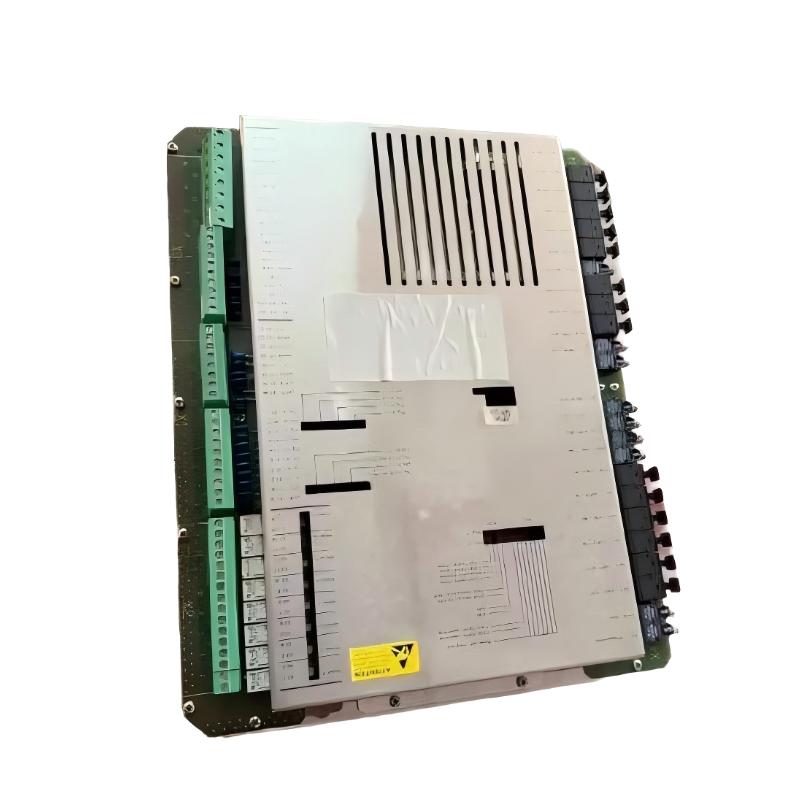
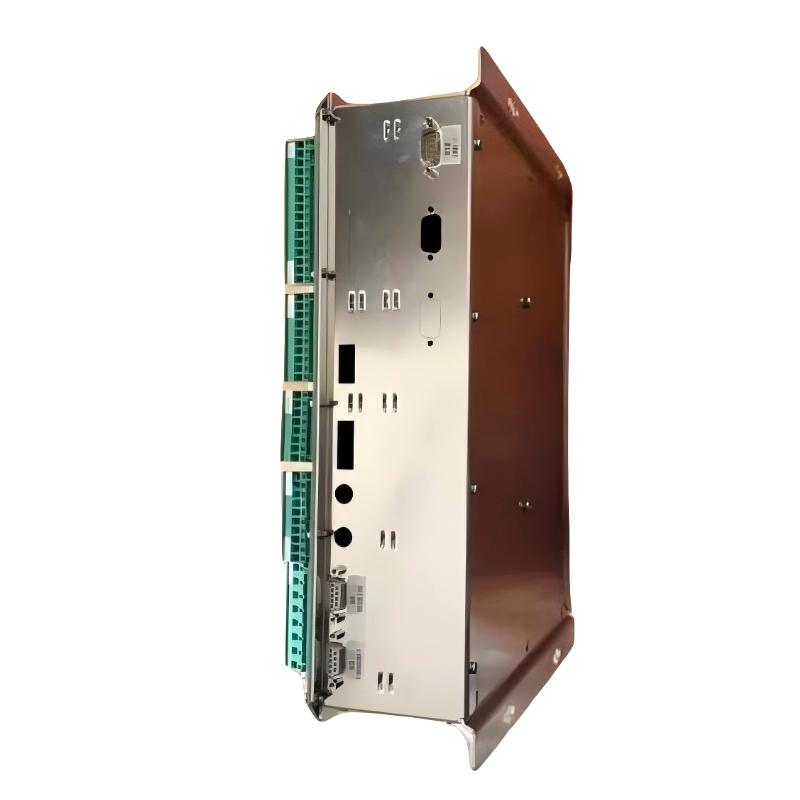
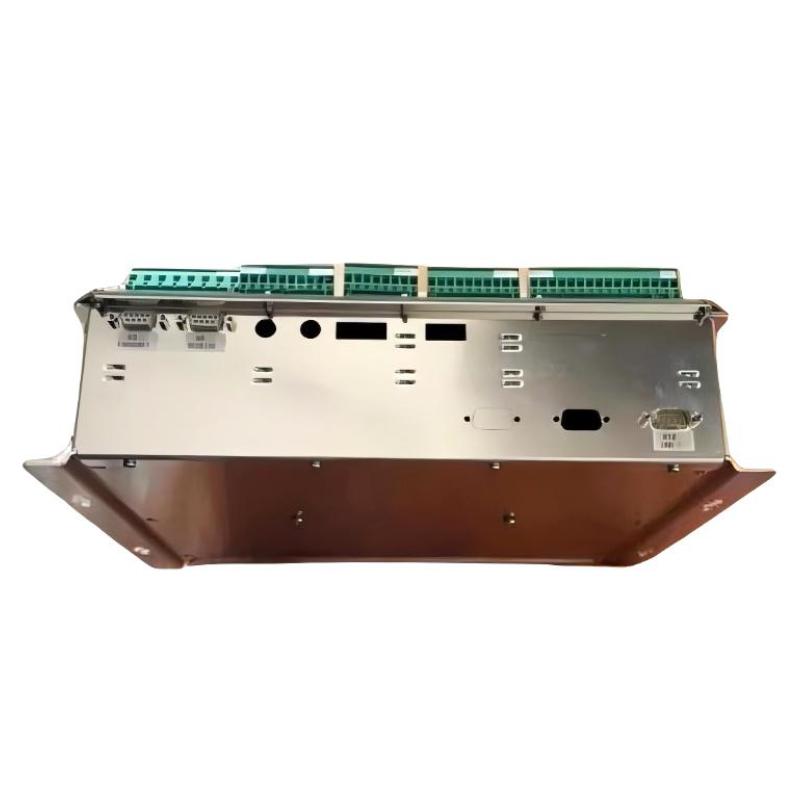
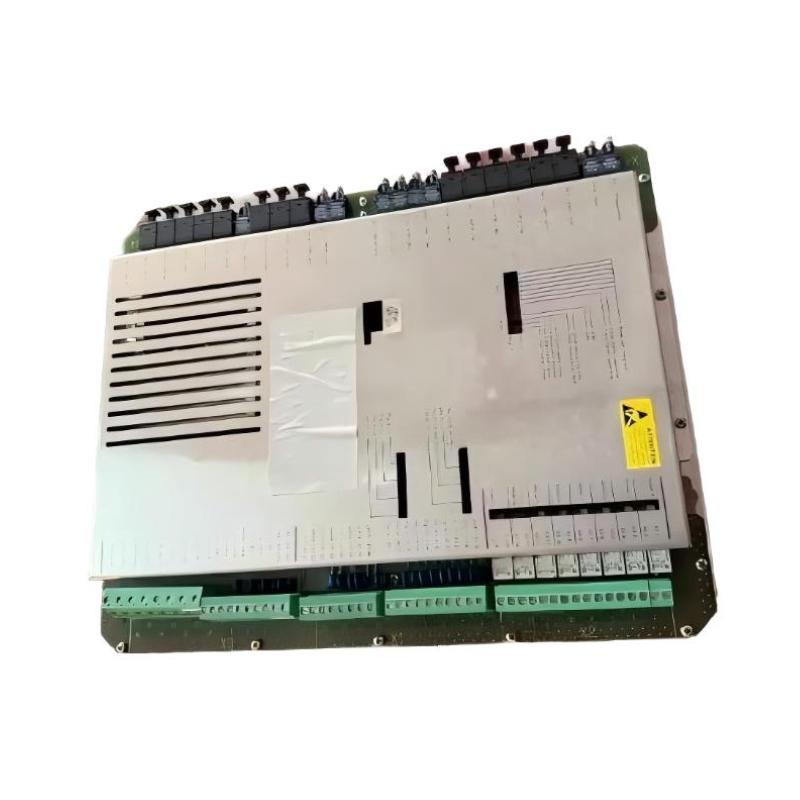
- Woodward
- CSC3HUWC2B2
- Controller Module
- USA
- 200 x 150 x 75 mm
- 1.8 kg
- Xiamen, China
- New & In Stock
- T/T, PayPal, Western Union
- 1 Year
- 1-3 Working Days
- DHL, UPS, TNT, FedEx and EMS.
- 24-Hour Service
- COO
- 42
Our advantage

Global Logistics
We have a 10-year logistics and express cooperation agreement, so our products can be shipped to any place in the world.

Brand new and original
Our products are imported in bulk from the place of origin. Because of the cooperative relationship, our products are all original and 100% new.

24-hour service
We provide 7*24 hours service to our customers. We will be there whenever you need us.

Price advantage
All our products are priced very favorably because we have our own warehouse and supply.
| Company Information | |||
| [email protected] | |||
| Mobile | +8615980777398 | ||
| +8615980777398 | |||
| 15980777398 |
Product Overview
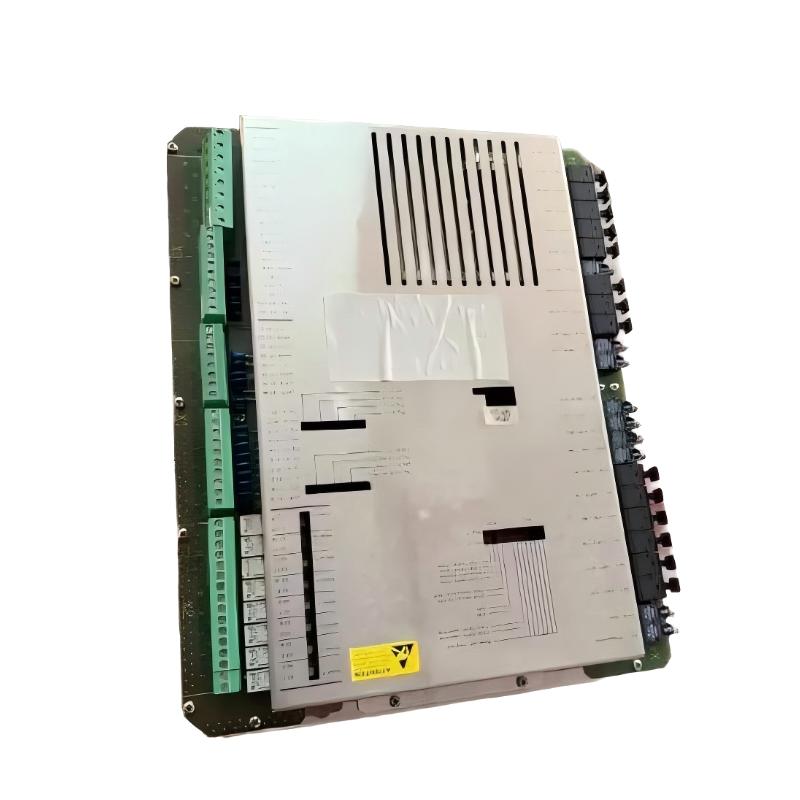
The Woodward CSC3HUWC2B2 Controller Module is an industrial control component identified by the CSC3HUWC2B2 part number. Woodward develops control and monitoring technologies for industrial engines, turbines, and power generation equipment. Controller modules in these environments are used to process operating information, coordinate control functions, and support the reliable operation of connected machinery.
In industrial automation and power generation systems, controller hardware plays an important role in coordinating equipment operation. Depending on the system architecture, a controller may receive information from field sensors, process operating conditions, execute configured control logic, and provide commands to other system components.
The CSC3HUWC2B2 is marketed as a Woodward controller module for industrial control applications. Before integrating it into an existing installation, engineers should confirm the exact platform, firmware, terminal arrangement, power requirements, and supported communication interfaces. These details should be checked against the original product documentation because specifications published by different third-party suppliers are not fully consistent.
This model may be relevant to maintenance and replacement projects involving Woodward control equipment. Correct part-number identification is particularly important in engine and turbine control systems, where an incompatible module can affect system operation and commissioning.
Technical Specifications
| Parameter | Specification |
|---|---|
| Brand | Woodward |
| Model | CSC3HUWC2B2 |
| Product Type | Controller Module |
| Product Category | Industrial Control Equipment |
| Typical System Context | Woodward industrial engine and turbine control applications |
| Dimensions Provided | 200 × 150 × 75 mm |
| Weight Provided | 1.8 kg |
| Power Supply | Verify against the original module label and technical documentation |
| Communication Interface | Confirm the exact supported interface before integration |
| Input/Output Configuration | Confirm against the hardware revision and product documentation |
| Mounting Method | Verify the actual enclosure and mounting arrangement |
| Operating Temperature | Refer to the applicable Woodward product documentation |
| Product Condition | Confirm with the supplier |
| Application | Industrial control and equipment maintenance |
Important specification note: Third-party listings for CSC3HUWC2B2 report different physical dimensions and weights. Some list approximately 120 × 100 × 60 mm and 1.2 kg, while your supplied listing specifies 200 × 150 × 75 mm and 1.8 kg. The supplied values are retained here as listing parameters, not presented as independently verified manufacturer specifications.
Function and Working Principle
A controller module is generally responsible for processing information and coordinating control actions within an industrial system. Its exact functions depend on the hardware design, installed software, system configuration, and connected equipment.
1. Signal Acquisition
Industrial controllers receive information from field devices such as sensors, switches, transmitters, and monitoring instruments.
These signals may represent operating conditions such as temperature, pressure, speed, position, or equipment status. The controller uses available input channels and configured signal processing to make this information available to the control application.
For the CSC3HUWC2B2, the exact input-channel count and electrical signal types should be confirmed using the correct technical manual and hardware revision.
2. Control Logic Processing
The controller processes input information according to its configured control strategy. Depending on the application, this may involve comparing measured values with operating references, evaluating equipment status, and determining the required control response.
In engine and turbine installations, control logic can be part of a broader system responsible for maintaining stable operation under changing operating conditions.
The actual control functions supported by this model should not be assumed from the general controller designation alone. They must be confirmed against the installed Woodward system and its documentation.
3. Output and Equipment Coordination
Industrial control systems use output signals to coordinate connected devices. These may include relays, actuators, valves, contactors, or other control components.
The controller’s output capabilities depend on its hardware configuration and the external interface equipment. Engineers should verify output voltage, current capacity, isolation, and load requirements before connecting field devices.
4. Status Monitoring and Fault Handling
Industrial control systems commonly include diagnostic functions to help maintenance personnel identify abnormal operating conditions.
Depending on the complete control platform, diagnostics may include module status, communication conditions, system alarms, or equipment-related fault information.
The available diagnostic functions for CSC3HUWC2B2 should be checked in the relevant Woodward documentation rather than inferred from similar model numbers.
Role in Industrial Control Systems
The CSC3HUWC2B2 can be considered in the context of an industrial control architecture where controller hardware coordinates information and operating commands between system components.
Engine Control Systems
Engine control installations require coordinated monitoring of operating conditions and control of associated equipment. Controller hardware may form part of a system that manages engine operation, responds to changing loads, and communicates with other control devices.
The exact role of CSC3HUWC2B2 in a particular engine installation must be verified against the original system configuration.
Turbine Control Systems
Industrial turbines operate under demanding mechanical and process conditions. Their control systems coordinate operating references, monitoring signals, and protective functions.
A controller module may be one element of this architecture. Compatibility with the turbine control platform, software version, and associated modules is essential.
Power Generation Equipment
Generator sets and power generation installations rely on coordinated control of engines, generators, monitoring devices, and auxiliary equipment.
Controller hardware can support the wider automation architecture by processing operating information and coordinating control functions. The specific capabilities available depend on the system in which the module is installed.
Industrial Automation Integration
A controller may also operate alongside PLCs, remote I/O, monitoring systems, and operator interfaces. Integration requires compatible electrical interfaces and a clearly defined communication and control architecture.
Before replacement, engineers should identify the existing module’s function, wiring, software configuration, and relationship with the other control components.
Industrial Applications
1. Engine Management
Industrial engines used in power generation and mechanical equipment require reliable monitoring and control. Controller hardware may participate in coordinating operating signals and supporting the engine-management architecture.
Applications can include industrial power units, mechanical drive systems, and equipment requiring coordinated engine operation.
2. Turbine Control and Monitoring
Gas and steam turbine installations use dedicated control systems to manage operating conditions and coordinate auxiliary equipment.
Controller modules may form part of these systems, although the suitability of CSC3HUWC2B2 for a specific turbine platform must be verified before use.
3. Generator Sets
Generator systems require coordination between the prime mover, generator, electrical monitoring equipment, and auxiliary devices.
A controller module may be used within the broader control arrangement to support operating logic and system coordination. The exact functions depend on the installed Woodward platform.
4. Industrial Power Plants
Power plants contain multiple interconnected control and monitoring systems. Engine and turbine control equipment must operate reliably as part of the wider facility automation architecture.
Replacement components should be selected according to the original system documentation, hardware revision, and application requirements.
5. Maintenance of Existing Woodward Systems
Industrial facilities may continue operating legacy control equipment for many years. When a controller module becomes faulty or requires replacement, identifying the exact part number is essential.
The CSC3HUWC2B2 may be considered during spare-parts sourcing when it matches the installed equipment and documented configuration.
Installation and System Integration
Correct installation is essential for equipment reliability and safe operation. The following checks should be completed before installing a replacement controller module.
1. Confirm the Complete Part Number
Check the label on the existing module and compare it with the replacement. Confirm the full CSC3HUWC2B2 designation, hardware revision, and any additional identification information.
Do not rely solely on the product description or external appearance. Similar model numbers may represent different hardware configurations.
2. Verify Power Requirements
Before connecting the module, confirm its required supply voltage, polarity, current capacity, and grounding arrangement from the original documentation.
Do not apply a presumed 24 V DC supply simply because other Woodward products use that voltage. The exact electrical requirements must be established for this part number.
3. Check Wiring and Terminal Assignments
Review the original wiring diagrams and terminal identification before connecting field devices.
Verify the signal type, polarity, shielding, grounding, and load requirements for every connection. Do not assume that terminals on a similar Woodward module have identical functions.
4. Confirm System Compatibility
Check the controller’s compatibility with the existing control platform, associated modules, software, and firmware.
If the replacement requires a particular configuration or programming procedure, complete the required engineering review before returning the equipment to service.
5. Consider Environmental Conditions
Industrial control modules should be installed in an environment that meets their specified temperature, humidity, vibration, and contamination limits.
Use the manufacturer’s enclosure and installation requirements to determine the appropriate protection and mounting arrangement.
6. Commissioning and Functional Testing
After installation, inspect all connections and verify the module’s power and status indications. Perform the commissioning procedures specified for the complete control system.
Test the relevant input signals, output functions, interlocks, alarms, and system responses. Record the final configuration and test results for future maintenance.
Compatible System Components
The following table identifies common equipment categories that may be found in an industrial control installation. It does not establish direct compatibility with CSC3HUWC2B2; exact compatibility must be verified from Woodward documentation.
| Component | Function in the Control System | Integration Considerations |
|---|---|---|
| Woodward control platform | Provides the system architecture for engine or turbine control | Confirm exact platform and module compatibility |
| Field sensors | Measure operating conditions | Verify signal type, range, and wiring |
| Remote I/O modules | Expand field signal connections | Check communication and hardware compatibility |
| Actuators | Execute mechanical control commands | Verify output type, load requirements, and interface |
| Relay modules | Switch external control circuits | Confirm contact ratings and electrical isolation |
| Power supply | Provides operating power | Verify voltage, polarity, and current capacity |
| Operator interface | Displays operating information and alarms | Confirm supported communication and software |
| Engineering workstation | Supports configuration and maintenance | Use the correct software and documentation |
| Communication equipment | Connects system components | Verify supported protocols and physical interfaces |
Alternative Models and Replacement Considerations
When sourcing a replacement for CSC3HUWC2B2, engineers should avoid selecting a component based only on a similar model number or physical appearance.
Related Woodward CSC3-series product numbers may appear in supplier catalogs, but this does not establish interchangeability.
| Replacement Option | Considerations |
|---|---|
| Exact CSC3HUWC2B2 replacement | Preferred when the original part number and hardware configuration match |
| Same model with a different hardware revision | Confirm revision compatibility and software requirements |
| Related CSC3-series controller | Requires confirmation of hardware, firmware, I/O, and system compatibility |
| Alternative Woodward controller | May require system engineering, configuration changes, and commissioning |
| Complete control-system upgrade | Consider when the original platform is obsolete or replacement components are unavailable |
Before approving a replacement, compare:
- Complete part number and hardware revision.
- Power-supply requirements.
- Input and output signal types.
- Terminal assignments and wiring.
- Communication interfaces and protocols.
- Software and firmware compatibility.
- Mounting and enclosure requirements.
- Environmental operating limits.
- System configuration and commissioning procedures.
A related controller should not be treated as a plug-and-play replacement without documented confirmation.
Key Advantages
Industrial Control Application
The module is identified as a controller component for industrial automation and control applications. Its suitability depends on the specific Woodward system and configuration.
Part-Number-Based Identification
The CSC3HUWC2B2 designation helps maintenance teams identify the component when sourcing spare parts for an existing installation.
Support for Maintenance Projects
An accurately matched replacement can help maintenance teams restore an existing control system without unnecessarily changing the wider equipment architecture.
Integration Within a Larger Control System
Controller modules operate as part of a complete installation that may include sensors, actuators, power supplies, operator interfaces, and other control equipment.
Useful for Spare-Parts Planning
Keeping the correct controller identification, hardware revision, and technical documentation can simplify future maintenance and reduce the risk of ordering an incompatible component.
Technical FAQs
1. What is the Woodward CSC3HUWC2B2?
The CSC3HUWC2B2 is identified by suppliers as a Woodward controller module. Its exact function and supported system configuration should be confirmed using the original product documentation.
2. What is the application of this controller module?
It is marketed for industrial control applications associated with Woodward engine, turbine, and power generation equipment. The exact application depends on the control platform in which it is installed.
3. What are the dimensions of the CSC3HUWC2B2?
The supplied product listing dimensions are 200 × 150 × 75 mm. Other supplier listings report different dimensions, so the actual unit should be measured or checked against the manufacturer’s drawing.
4. What is the weight of this module?
The supplied listing weight is 1.8 kg. Some third-party listings show approximately 1.2 kg. Confirm the actual unit weight and whether packaging is included before arranging shipment.
5. What is the operating voltage?
The exact supply requirement should be confirmed from the module label and original technical documentation. Do not assume the voltage based on specifications for other Woodward modules.
6. Does it support CAN or Modbus communication?
Some third-party listings mention CAN or Modbus, but the available information does not establish these interfaces as confirmed specifications for every CSC3HUWC2B2 configuration. Check the original documentation and installed hardware before designing a communication connection.
7. Can it be used in a turbine control system?
It may be relevant to Woodward industrial control installations, but suitability for a particular turbine system must be confirmed against the control-system documentation and approved hardware configuration.
8. Can it replace another CSC3-series controller?
Not automatically. Differences in hardware, I/O, software, firmware, and terminal assignments may prevent direct substitution. Verify compatibility before installation.
9. What should be checked before purchasing?
Confirm the complete part number, hardware revision, nameplate information, physical condition, and compatibility with the installed control system. Request clear photographs and available test documentation from the supplier.
10. Why do supplier specifications differ?
Third-party product pages may contain copied information, mixed specifications from related models, or differences between unit and shipping measurements. For critical control equipment, the manufacturer’s documentation and the actual module label should take priority.
Procurement and Maintenance Recommendations
When purchasing the Woodward CSC3HUWC2B2 Controller Module, begin by confirming the complete part number and comparing it with the installed component. This is particularly important for legacy control equipment, where similar model designations may refer to different hardware configurations.
Request clear photographs of the module label, connectors, and overall condition. Confirm the hardware revision, available documentation, testing status, and whether the unit is new, surplus, refurbished, or used.
The dimensions and weight in the product listing should also be checked before shipping. The supplied values of 200 × 150 × 75 mm and 1.8 kg should be treated as listing information until verified against the physical product.
For maintenance planning, retain the original wiring diagrams, system configuration records, and commissioning information. Document any replacement work and verify all relevant control functions before returning the equipment to service.
Conclusion
The Woodward CSC3HUWC2B2 Controller Module is an industrial control component identified for use in Woodward-related automation and equipment-control applications. Controller modules are important elements in systems that coordinate operating information, control logic, and connected equipment.
For replacement and spare-parts procurement, the complete part number, hardware revision, electrical requirements, I/O configuration, and system compatibility must be confirmed. Because available third-party listings contain conflicting physical and technical specifications, the original product label and manufacturer documentation should be used as the final reference.