
NewsNEWCENTER
Featured products
Contact Us
Smart Robotics and PLC Integration: Advancing Automated Manufacturing Systems in 2026
2026-06-15The integration of industrial robotics with PLC (Programmable Logic Controllers) is redefining modern manufacturing systems in 2026. As industries continue to pursue higher efficiency, precision, and flexibility, robotics has become a central component of automated production lines.
The combination of robotics and PLC systems enables fully synchronized and intelligent manufacturing environments.
Evolution of Industrial Robotics
Industrial robots have evolved significantly over the past decade. Modern robots are no longer isolated machines performing repetitive tasks. Instead, they are intelligent, interconnected systems capable of adapting to complex production environments.
Key advancements include:
- Collaborative robots (cobots) working alongside humans
- AI-enhanced motion control
- Real-time sensor feedback systems
- Multi-axis precision movement
- Integration with vision systems
Role of PLC in Robotic Systems
PLCs play a crucial role in coordinating robotic operations within manufacturing systems.
They are responsible for:
- Motion control synchronization
- Safety system integration
- Task sequencing and logic control
- Communication between multiple robotic units
- Integration with conveyor and sensor systems
Modern PLCs provide high-speed processing capabilities, allowing precise coordination of multiple robots on fast production lines.
Smart Manufacturing Applications
Robotics and PLC integration is widely used in:
- Automotive assembly lines
- Electronics manufacturing
- Food and beverage packaging
- Pharmaceutical production
- Warehousing and logistics automation
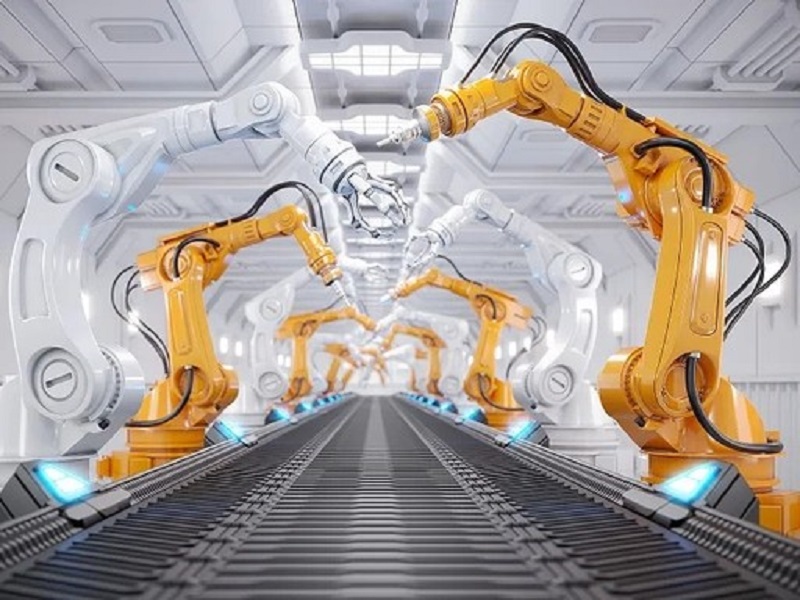
For example, in automotive factories, multiple robotic arms controlled by PLC systems work together to assemble vehicles with high precision and speed.
Human-Robot Collaboration
A major trend in 2026 is the rise of collaborative robotics. Unlike traditional isolated robots, cobots are designed to safely interact with human workers.
PLC systems ensure safety by:
- Monitoring proximity sensors
- Controlling robot speed limits
- Emergency stop coordination
- Real-time hazard detection
This enables flexible production environments where humans and robots work side by side.
Integration with Vision Systems and AI
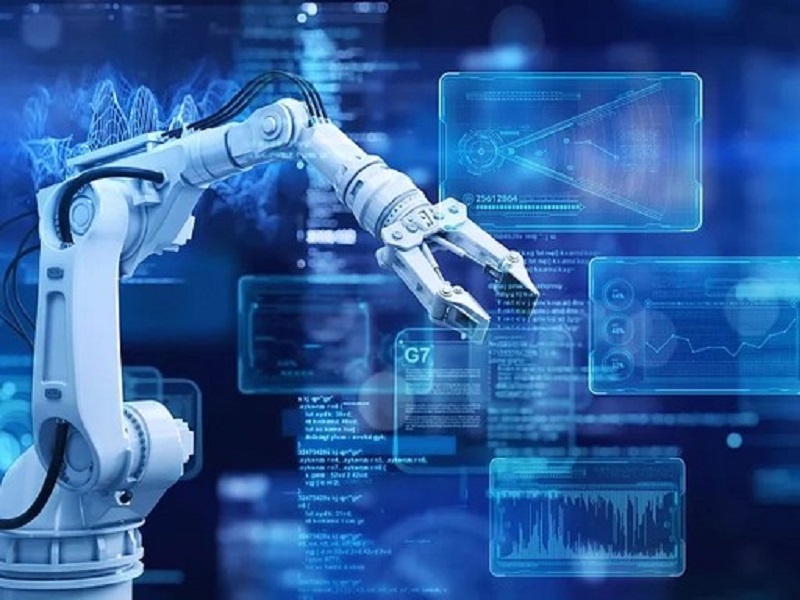
Modern robotic systems are increasingly equipped with machine vision and AI capabilities. When integrated with PLC systems, this allows:
- Automated quality inspection
- Object recognition and sorting
- Adaptive picking and placement
- Real-time defect detection
Advantages of Robotics + PLC Systems
- Higher production efficiency
- Improved product quality
- Reduced labor costs
- Increased operational flexibility
- Enhanced workplace safety
Future Outlook
The future of industrial robotics lies in full integration with AI, edge computing, and cloud-based control systems. PLCs will continue to serve as the core coordination layer, ensuring precision and reliability in increasingly complex manufacturing environments.