

ProductPRODUCT
Featured products
Contact Us
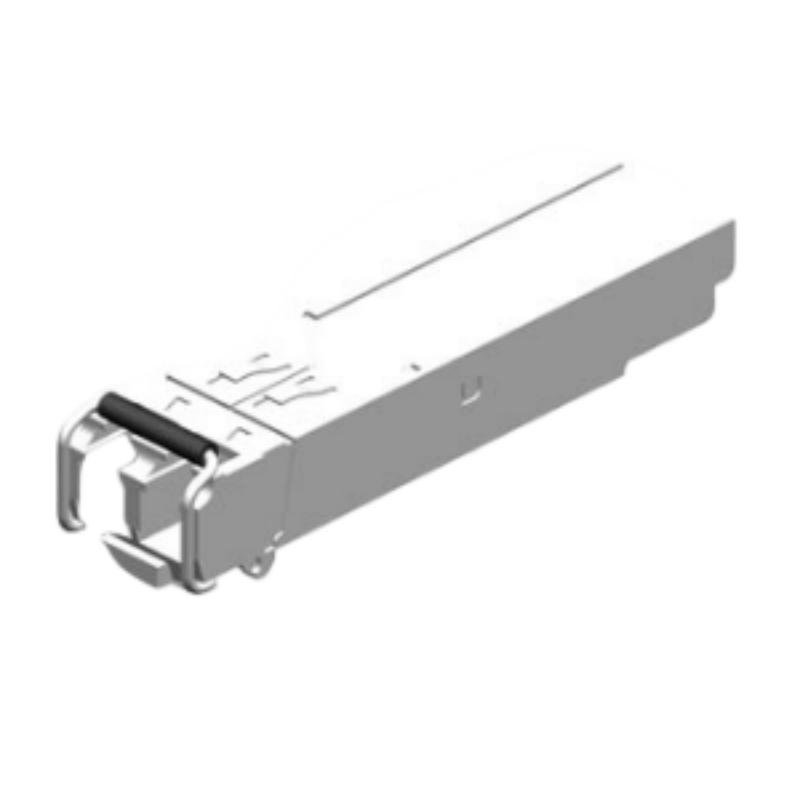
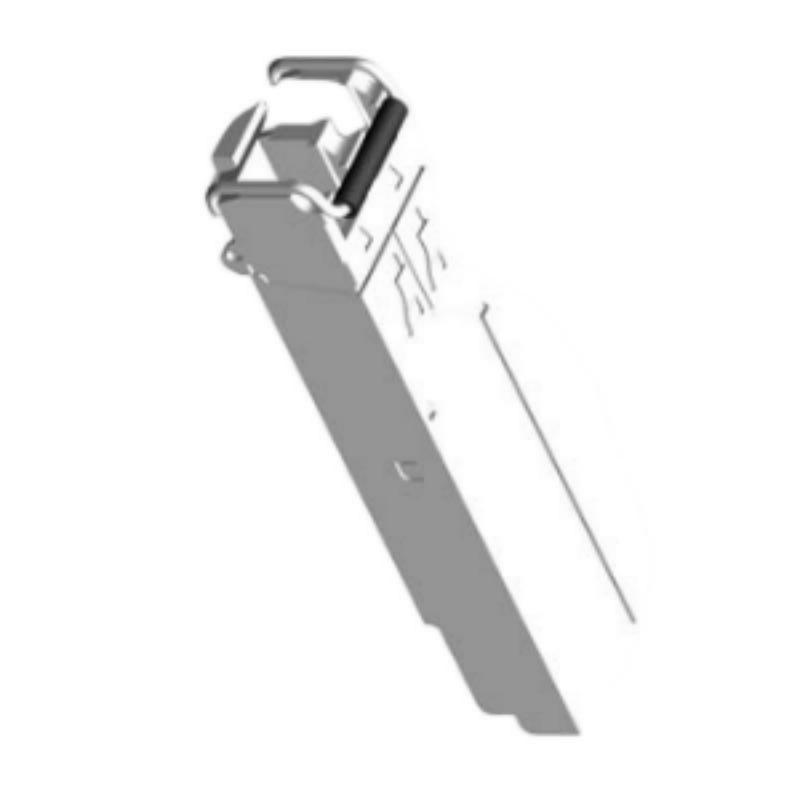
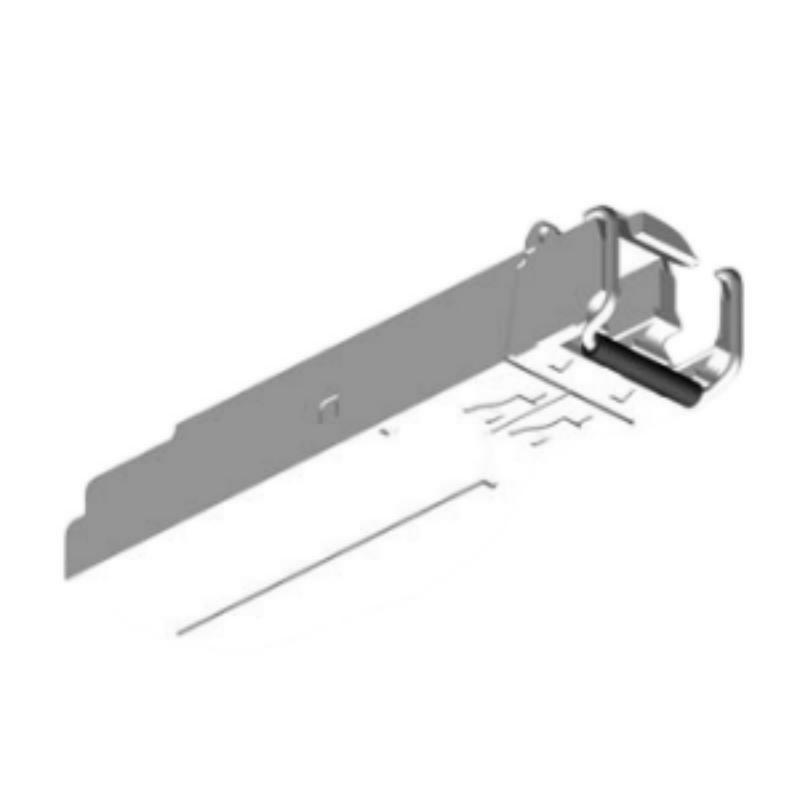
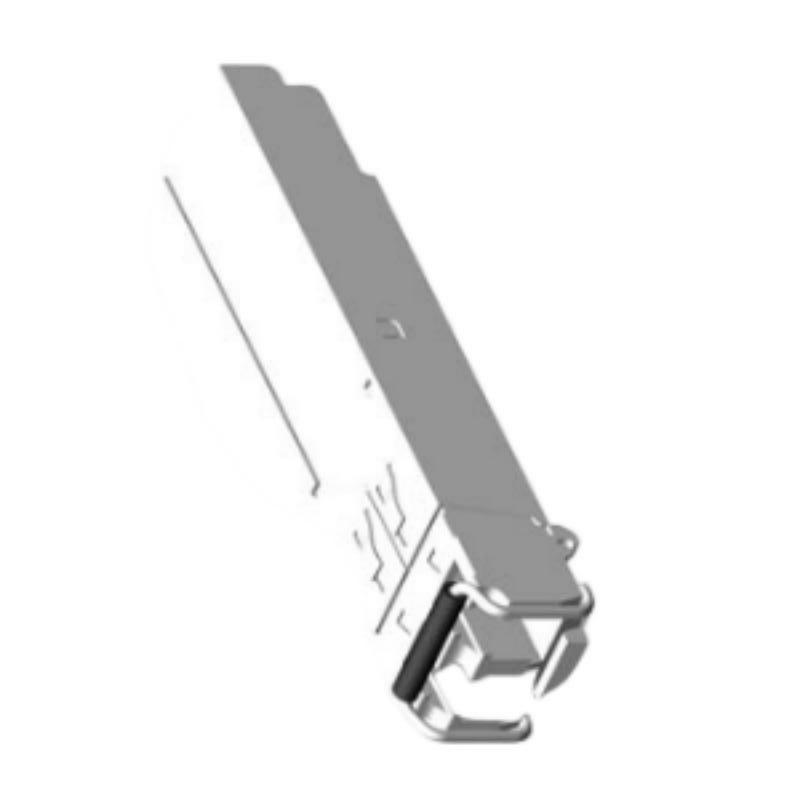
- Siemens
- 6AG1960-1CB00-4AA5
- Synchronization Submodule
- Germany
- 13 × 14 × 58 mm
- 0.018 kg
- Xiamen, China
- New & In Stock
- T/T, PayPal, Western Union
- 1 Year
- 1-3 Working Days
- DHL, UPS, TNT, FedEx and EMS.
- 24-Hour Service
- COO
- 4
Our advantage

Global Logistics
We have a 10-year logistics and express cooperation agreement, so our products can be shipped to any place in the world.

Brand new and original
Our products are imported in bulk from the place of origin. Because of the cooperative relationship, our products are all original and 100% new.

24-hour service
We provide 7*24 hours service to our customers. We will be there whenever you need us.

Price advantage
All our products are priced very favorably because we have our own warehouse and supply.
| Company Information | |||
| [email protected] | |||
| Mobile | +8615980777398 | ||
| +8615980777398 | |||
| 15980777398 |
Product Overview
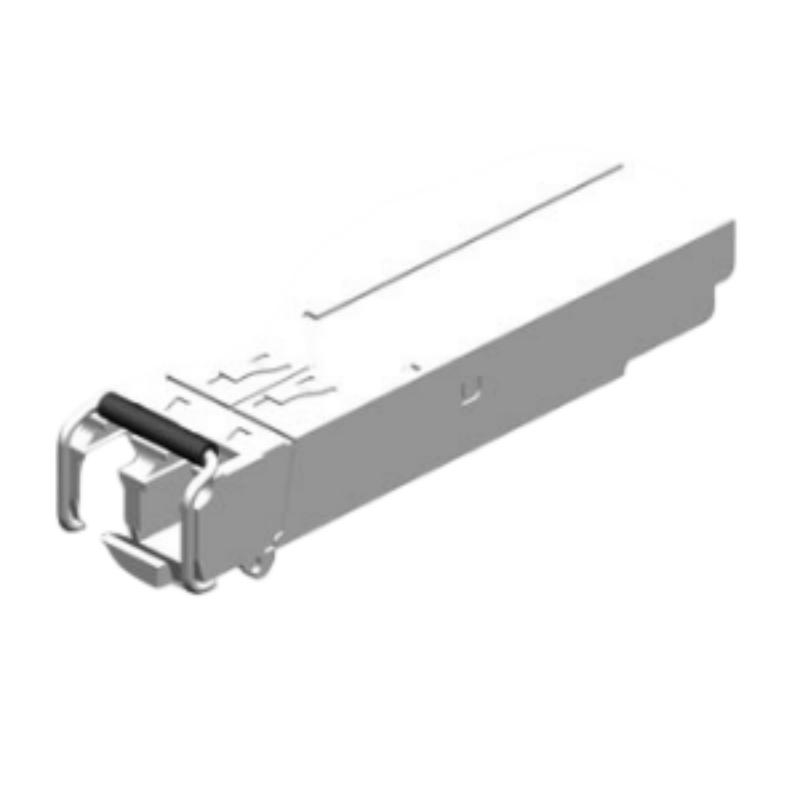
The Siemens 6AG1960-1CB00-4AA5 Synchronization Submodule is a communication accessory designed for Siemens SIMATIC S7-1500H automation systems. It supports synchronization between redundant controller components through a suitable patch cable connection with a maximum cable length of 10 meters.
This module belongs to the Siemens SIPLUS product range and is based on the standard 6ES7960-1CB00-0AA5 synchronization submodule. The SIPLUS version includes conformal coating to provide additional protection for its electronic assemblies in industrial environments.
In redundant automation systems, synchronization is essential for coordinating controller operations and maintaining consistent system behavior. The synchronization connection supports communication between the paired controller components so that the redundant system can perform its intended control and monitoring functions.
The 6AG1960-1CB00-4AA5 is a compact component measuring 13 × 14 × 58 mm and weighing approximately 0.018 kg. Despite its small size, it serves an important role in the synchronization architecture of compatible S7-1500H systems.
This module is intended for specific Siemens synchronization applications. It should not be treated as a general-purpose Ethernet, PROFINET, or PROFIBUS communication module. Before purchasing or replacing it, engineers should verify the controller generation, hardware configuration, connection type, and required cable length.
Technical Specifications
| Parameter | Specification |
|---|---|
| Brand | Siemens |
| Product Range | SIPLUS |
| Product Family | SIMATIC S7-1500 |
| Model | 6AG1960-1CB00-4AA5 |
| Product Type | Synchronization Submodule |
| Base Model | 6ES7960-1CB00-0AA5 |
| Application | S7-1500H synchronization |
| Connection Type | Patch cable connection |
| Maximum Cable Length | 10 m |
| Conformal Coating | Included |
| Operating Temperature | 0 to +60°C |
| Dimensions | 13 × 14 × 58 mm |
| Weight | 0.018 kg |
| Installation | Compatible S7-1500 synchronization interface |
| Typical Application | Redundant controller synchronization |
Specifications should be checked against the module nameplate and the hardware configuration of the target S7-1500H system.
Function and Working Principle
The primary function of the 6AG1960-1CB00-4AA5 is to provide a synchronization connection for compatible redundant SIMATIC S7-1500H controller systems.
A redundant controller architecture uses coordinated controller components to improve system availability. The synchronization connection is part of the hardware arrangement that allows the controllers to coordinate their operations.
1. Synchronization Between Redundant Controllers
In a redundant automation system, two controller components must operate in a coordinated manner. Synchronization helps maintain the relationship between their control operations and supports the system’s redundancy strategy.
The synchronization submodule provides the required interface for the designated connection between compatible controller components.
2. Patch Cable Connection
The 6AG1960-1CB00-4AA5 is designed for a patch cable connection with a maximum specified length of 10 meters.
This distance is suitable for installations where the redundant controller components are positioned relatively close to one another, such as within the same control cabinet or adjacent cabinet sections.
Cable selection and routing should follow Siemens installation requirements. The specified maximum distance should not be exceeded.
3. Support for S7-1500H System Coordination
The S7-1500H platform is designed for applications that require redundant automation control. Synchronization hardware is one part of the overall architecture that supports coordinated operation.
The submodule should be installed as part of the intended controller configuration. It does not independently provide controller redundancy, process control, or fault-tolerant operation.
4. SIPLUS Conformal Coating
The SIPLUS version includes conformal coating on its electronic assemblies. This coating provides additional protection against certain environmental influences that may affect electronic components.
It is useful in installations where environmental conditions require more protection than a standard uncoated component provides. However, conformal coating does not make the module waterproof or suitable for unrestricted exposure to moisture, chemicals, or condensation.
Role in Industrial Control Systems
The 6AG1960-1CB00-4AA5 is primarily used in redundant controller architectures. Its role is closely connected to the synchronization requirements of the S7-1500H system.
Redundant PLC Architecture
Redundant PLC systems are used in applications where controller availability is important. Instead of relying on a single controller, the system uses coordinated controller components to support continued automation operation when a fault occurs.
The synchronization submodule provides the required connection within this architecture.
Process Continuity
In continuous manufacturing and process automation, an unexpected controller interruption may affect production, equipment coordination, or process stability.
A properly configured redundant control system can help reduce the impact of certain controller-related failures. The synchronization module contributes to this architecture, but overall system availability depends on the complete hardware configuration, software, network design, and field equipment.
System Integration
The synchronization submodule must be considered together with compatible S7-1500H CPUs, the required synchronization connection, and the system’s engineering configuration.
It is not a standalone controller and does not replace standard communication interfaces used for HMI, SCADA, remote I/O, or engineering-station communication.
Industrial Applications
The 6AG1960-1CB00-4AA5 is intended for S7-1500H synchronization applications. Its use is most relevant in industrial systems where redundant controller operation is part of the automation design.
1. Continuous Process Manufacturing
Industries such as chemical processing, water treatment, and other continuous manufacturing operations may use redundant automation architectures to support process availability.
The synchronization submodule can form part of a compatible S7-1500H controller arrangement used in these facilities.
2. Industrial Production Lines
Large production lines may depend on coordinated PLC control for machine sequences, material movement, and process monitoring.
Where an S7-1500H redundant controller architecture is specified, the synchronization connection supports the intended coordination between controller components.
3. Water and Wastewater Treatment
Water treatment facilities often operate pumps, valves, monitoring instruments, and process-control equipment over extended operating periods.
A redundant controller architecture may be selected for critical control functions. The 6AG1960-1CB00-4AA5 can serve as a synchronization component in a compatible S7-1500H installation.
4. Energy and Utility Systems
Utility facilities may require reliable automation for monitoring and controlling equipment such as pumps, auxiliary systems, and process machinery.
Where redundant Siemens controllers are used, synchronization hardware contributes to the overall controller configuration.
5. Infrastructure and Facility Automation
Industrial infrastructure systems may use redundant PLC configurations for selected critical functions. The module can be applied where the system design specifies S7-1500H synchronization over a patch cable connection within the supported distance.
Installation and System Integration
Correct installation is necessary to ensure that the synchronization connection operates as intended.
1. Verify Controller Compatibility
Before installation, confirm that the target system uses a compatible SIMATIC S7-1500H configuration.
The 6AG1960-1CB00-4AA5 is based on 6ES7960-1CB00-0AA5. It should not be substituted for synchronization modules designed for other Siemens controller families without checking the hardware documentation.
2. Confirm the Cable Length
This model is designed for a patch cable connection up to 10 meters.
Measure the intended cable route before installation. If the required distance exceeds this limit, select a synchronization solution designed for the longer connection distance.
3. Install in the Designated Interface
Install the submodule in the appropriate synchronization interface according to the Siemens hardware instructions.
Check the module orientation, mechanical fit, and connector condition. Avoid applying excessive force during installation or removal.
4. Inspect the Connection
Inspect the patch cable and its connectors for physical damage, contamination, or loose connections.
Route the cable carefully and avoid unnecessary mechanical stress. Keep the cable arrangement consistent with the controller installation requirements.
5. Verify System Configuration
After installation, check the controller hardware configuration and follow the applicable commissioning procedure.
Confirm that the redundant controller components recognize the synchronization connection and that the system reports the expected operating status.
6. Perform Functional Testing
Before placing the system into normal operation, verify synchronization status and test the redundant controller arrangement according to the approved commissioning plan.
Do not assume that installing the synchronization submodule alone establishes a fully operational redundant system. The CPUs, firmware, system configuration, and other required components must also be compatible.
Compatible System Components
The 6AG1960-1CB00-4AA5 is used within a broader S7-1500H automation architecture.
| Component | Function | Integration Considerations |
|---|---|---|
| SIMATIC S7-1500H CPU | Executes redundant controller logic | Verify CPU compatibility and system configuration |
| Matching synchronization submodule | Provides the corresponding synchronization interface | Confirm matching hardware requirements |
| Patch cable | Connects the synchronization interfaces | Maximum specified cable length is 10 m |
| S7-1500 system hardware | Provides the controller platform | Follow the approved hardware arrangement |
| Engineering workstation | Configures and diagnoses the PLC system | Use compatible engineering software and device support |
| HMI system | Provides operator monitoring and control | Integrated through the configured automation architecture |
| PROFINET network components | Support communication with field devices and other systems | Separate from the dedicated synchronization connection |
The components listed above are examples of equipment within the wider automation architecture. They are not necessarily included with the synchronization submodule.
Alternative Models and Replacement Considerations
When replacing the 6AG1960-1CB00-4AA5, the most important considerations are the controller family, connection type, cable distance, and environmental requirements.
| Model | Description | Replacement Considerations |
|---|---|---|
| 6ES7960-1CB00-0AA5 | Standard SIMATIC S7-1500 synchronization submodule | Base model; verify environmental and system requirements |
| 6AG1960-1CB00-4AA5 | SIPLUS S7-1500 synchronization submodule, up to 10 m | Conformal-coated version for compatible installations |
| 6AG1960-1FB00-4AA5 | SIPLUS S7-1500 synchronization submodule for longer-distance connections | Designed for a different connection-distance requirement; verify interface and cable compatibility |
The standard and SIPLUS versions should not be considered automatically interchangeable in every installation. Confirm the system’s environmental conditions and the exact hardware requirements before substitution.
Before ordering a replacement, check:
- Complete Siemens order number.
- S7-1500H controller compatibility.
- Required synchronization interface.
- Maximum cable distance.
- Patch cable and connector specifications.
- Conformal-coating requirements.
- Hardware and firmware compatibility.
- Physical dimensions and installation arrangement.
A module intended for a longer synchronization distance may have a different interface or connection arrangement. It should not be selected solely because it belongs to the same product family.
Key Advantages
Dedicated Synchronization Function
The module is designed specifically for synchronization applications in compatible S7-1500H redundant controller systems.
Compact Design
With dimensions of 13 × 14 × 58 mm and a weight of approximately 18 g, it occupies very little space in the controller installation.
SIPLUS Environmental Protection
The conformal coating provides additional protection for electronic assemblies in suitable industrial environments.
Defined Connection Distance
The module supports a patch cable connection up to 10 meters, making it appropriate for controller installations where the synchronization components are positioned close together.
Integration with Siemens Automation Hardware
Its design is based on the corresponding Siemens 6ES7960-1CB00-0AA5 synchronization submodule, supporting use in the specified S7-1500H architecture.
Suitable for Maintenance and Replacement
The complete order number makes it possible to identify the SIPLUS version when maintaining an existing installation or sourcing replacement hardware.
Technical FAQs
1. What is the Siemens 6AG1960-1CB00-4AA5?
It is a SIPLUS S7-1500 synchronization submodule designed for compatible redundant S7-1500H controller systems.
2. What is the base model of this module?
The module is based on Siemens 6ES7960-1CB00-0AA5, with SIPLUS conformal coating and its specified environmental characteristics.
3. What is the maximum cable length?
The specified maximum patch cable length is 10 meters. Cable selection and installation should follow Siemens requirements.
4. Is this module suitable for S7-1500H systems?
Yes. It is identified as a SIPLUS S7-1500 synchronization submodule for the corresponding redundant controller architecture. Confirm the exact CPU and hardware configuration before installation.
5. Does the module support Ethernet communication?
It is a dedicated synchronization submodule, not a general-purpose Ethernet communication module. Its synchronization connection should not be confused with the PROFINET or Ethernet interfaces used elsewhere in the automation system.
6. What is the purpose of the conformal coating?
The coating provides additional protection for electronic assemblies against certain environmental influences. It does not make the module waterproof or eliminate the need for suitable cabinet protection.
7. What is the operating temperature range?
The documented operating temperature range for horizontal installation is 0 to +60°C.
8. Can it replace the standard 6ES7960-1CB00-0AA5?
It is based on that standard model, but replacement suitability must be checked against the controller configuration and environmental requirements.
9. What is the weight of the 6AG1960-1CB00-4AA5?
The approximate product weight is 0.018 kg, or 18 g.
10. What should be checked before purchasing?
Verify the complete order number, product condition, connector condition, cable compatibility, maximum connection distance, and suitability for the installed S7-1500H system.
Procurement and Maintenance Recommendations
When sourcing the Siemens 6AG1960-1CB00-4AA5, verify the complete order number rather than relying only on the description “S7-1500 synchronization module.” Siemens offers synchronization products for different controller families and connection distances, and these products are not necessarily interchangeable.
For replacement projects, check the installed module’s label, the connected CPU configuration, and the synchronization cable arrangement. Confirm that the required cable length does not exceed 10 meters.
For used or surplus modules, inspect the housing, connectors, and visible electronic surfaces. Request clear product photographs and confirm the unit’s condition before purchase. Since this component is small and lightweight, use appropriate protective packaging to prevent connector damage during transportation.
During maintenance, inspect the synchronization cable for mechanical damage and ensure that the connectors remain secure. Avoid unnecessary disconnection while the redundant controller system is operating. Follow the approved shutdown and maintenance procedure before handling the module.
Keep records of the installed order number and hardware configuration. This information can help maintenance teams identify the correct replacement and reduce the risk of installing an incompatible synchronization component.
Conclusion
The Siemens 6AG1960-1CB00-4AA5 SIPLUS S7-1500 Synchronization Submodule is a compact hardware component designed for synchronization in compatible redundant SIMATIC S7-1500H controller systems. Based on the 6ES7960-1CB00-0AA5 model, it provides a patch cable synchronization connection with a maximum specified length of 10 meters and includes conformal coating for additional protection of its electronic assemblies.
With dimensions of 13 × 14 × 58 mm and a weight of approximately 0.018 kg, it is suitable for compact controller installations. Correct selection requires checking the CPU configuration, synchronization interface, cable distance, and environmental requirements. These checks are particularly important when sourcing replacement modules for existing industrial automation systems.