

ProductPRODUCT
Featured products
Contact Us
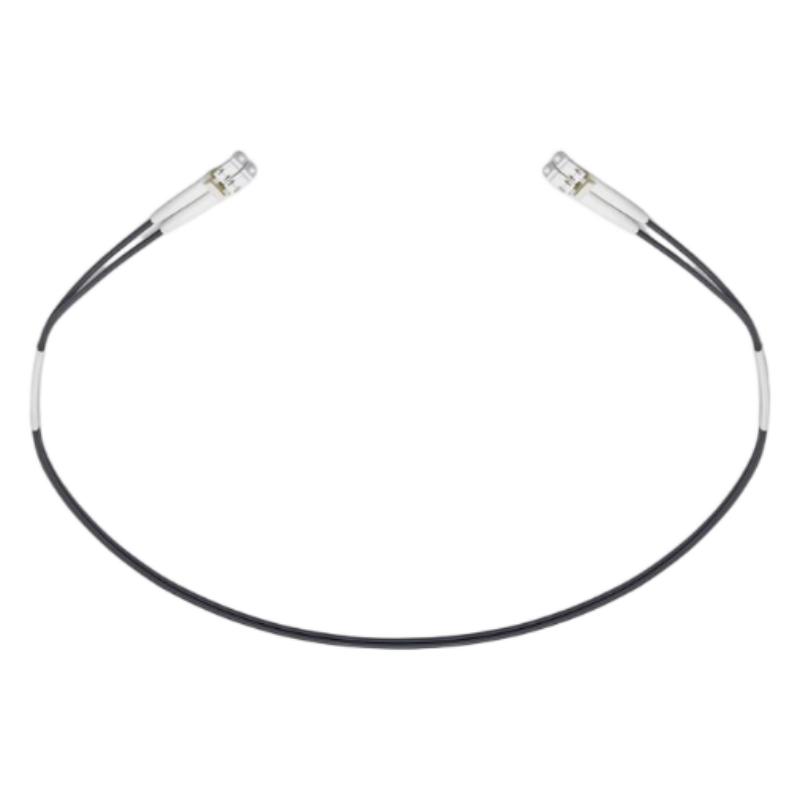
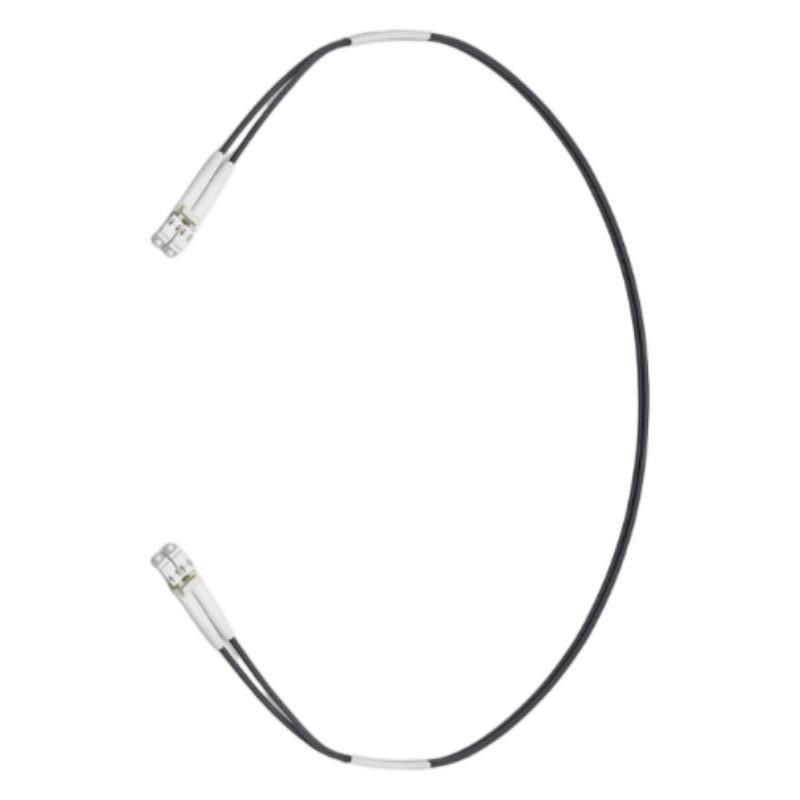
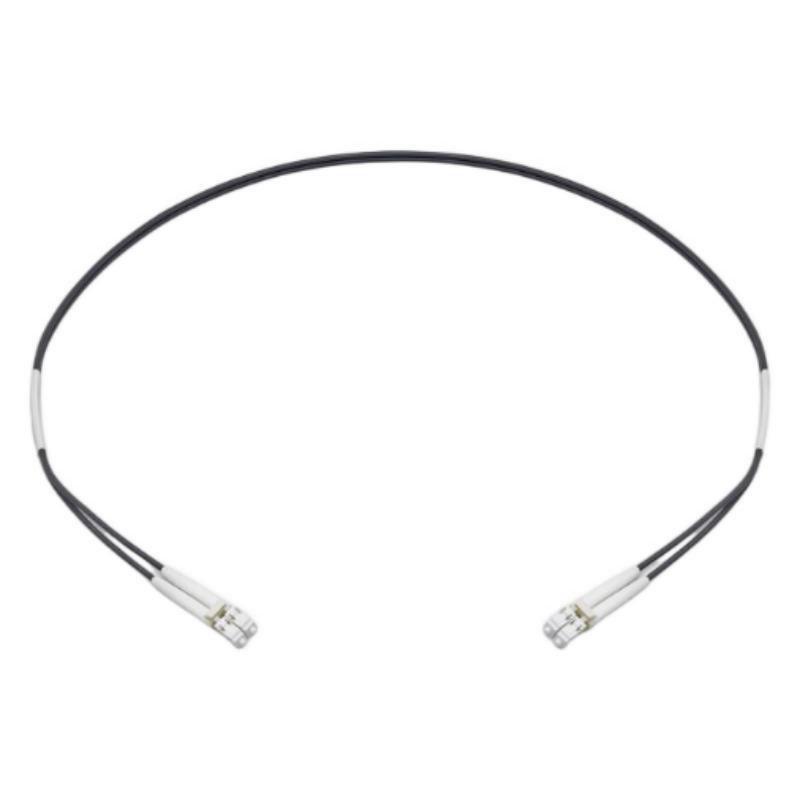
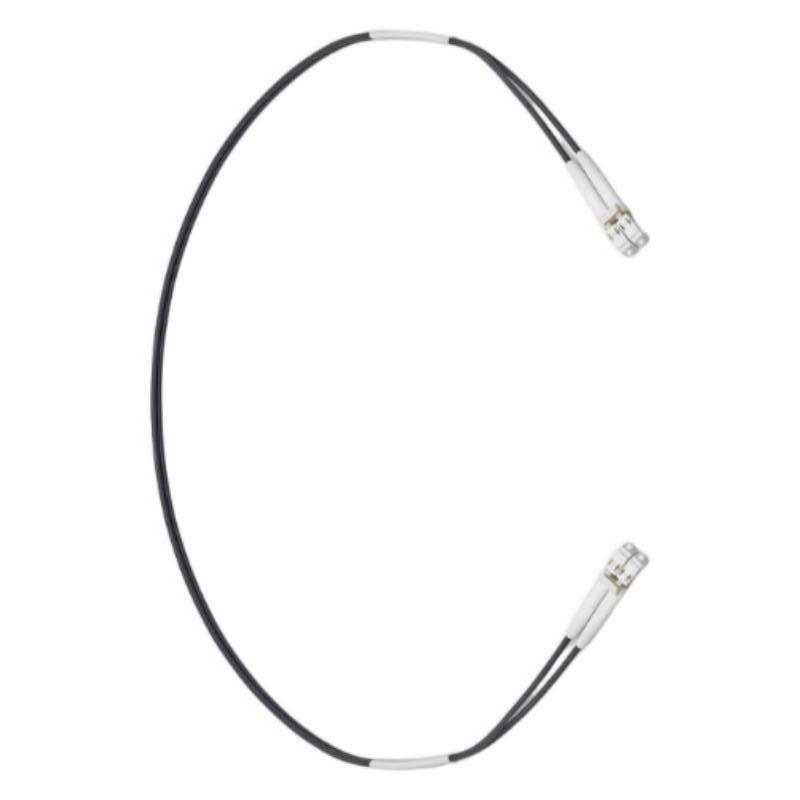
- Siemens
- 6AG1960-1AA04-7BA0
- Synchronous Fiber Optic Cable
- Germany
- 2 meters
- 0.042 kg
- Xiamen, China
- New & In Stock
- T/T, PayPal, Western Union
- 1 Year
- 1-3 Working Days
- DHL, UPS, TNT, FedEx and EMS.
- 24-Hour Service
- COO
- 4
Our advantage

Global Logistics
We have a 10-year logistics and express cooperation agreement, so our products can be shipped to any place in the world.

Brand new and original
Our products are imported in bulk from the place of origin. Because of the cooperative relationship, our products are all original and 100% new.

24-hour service
We provide 7*24 hours service to our customers. We will be there whenever you need us.

Price advantage
All our products are priced very favorably because we have our own warehouse and supply.
| Company Information | |||
| [email protected] | |||
| Mobile | +8615980777398 | ||
| +8615980777398 | |||
| 15980777398 |
Product Overview
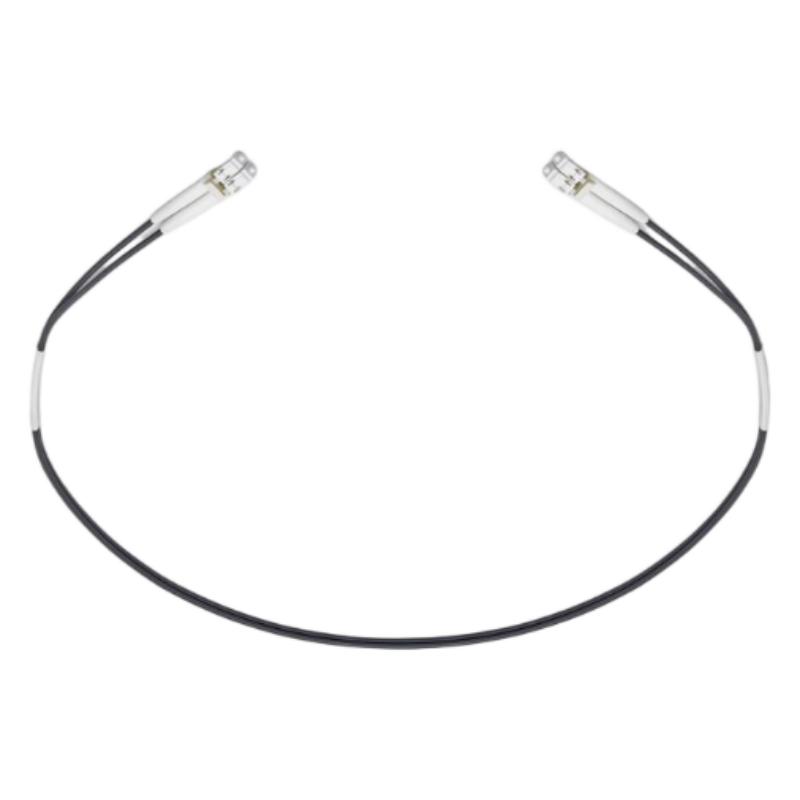
The Siemens 6AG1960-1AA04-7BA0 is a SIPLUS S7-400 optical fiber patch cable designed for synchronization applications in Siemens SIMATIC S7-400 automation systems. With a cable length of 2 meters, it provides an optical connection for compatible synchronization modules used in high-availability and redundant controller configurations.
In industrial automation, synchronization links are important when multiple controller units must coordinate their operation. In an S7-400H redundant system, synchronization modules and their connecting cables support communication between the paired CPUs. This connection is part of the architecture that helps maintain coordinated operation and system availability.
Unlike conventional copper signal cables, fiber optic cables transmit information through optical signals. This approach provides electrical isolation between connected interfaces and reduces susceptibility to electromagnetic interference along the optical transmission path. These characteristics are valuable in industrial environments where motor drives, switching equipment, and high-power electrical systems can create electrical noise.
The 6AG1960-1AA04-7BA0 belongs to the Siemens SIPLUS product range. Its specified extended temperature range is -25°C to +70°C, making it suitable for applications that require broader environmental operating conditions than standard industrial components.
This cable is intended for compatible Siemens synchronization-module connections. It should not be treated as a general-purpose Ethernet fiber cable or substituted for unrelated optical communication cables without checking the connector type and system requirements.
Technical Specifications
| Parameter | Specification |
|---|---|
| Brand | Siemens |
| Product Series | SIPLUS |
| Product Family | SIMATIC S7-400 |
| Model | 6AG1960-1AA04-7BA0 |
| Product Type | Optical Fiber Patch Cable |
| Application | Synchronization Module Connection |
| Cable Length | 2 m |
| Extended Temperature Range | -25°C to +70°C |
| Cable Technology | Fiber Optic |
| Intended System | SIMATIC S7-400 / SIPLUS S7-400H synchronization applications |
| Product Function | Optical connection between compatible synchronization interfaces |
| Dimensions | Not specified; cable assembly |
| Weight Provided | 0.042 kg |
Note: The 0.042 kg weight is the supplied listing value. Confirm the actual cable and packaging weight when preparing shipping documentation.
Function and Working Principle
The primary function of the 6AG1960-1AA04-7BA0 is to provide an optical connection for a compatible Siemens synchronization module. It supports the synchronization architecture used in selected SIMATIC S7-400 controller configurations.
1. Optical Signal Transmission
Fiber optic cables transmit information through light rather than electrical current. A transmitting interface converts electrical information into optical signals, which travel through the fiber to a compatible receiving interface.
This transmission method avoids the direct electrical connection associated with copper communication wiring. It can therefore help reduce problems caused by ground potential differences and electromagnetic interference.
The cable must be connected to compatible optical interfaces. Connector cleanliness, correct insertion, and proper cable routing are important for reliable signal transmission.
2. Synchronization Between Controllers
In redundant automation systems, two controller units may operate together to improve system availability. Their synchronization interfaces exchange information required for coordinated operation.
The optical cable provides the physical connection between compatible synchronization modules. It is one part of the complete redundant-control architecture and does not independently perform controller synchronization.
The CPUs, synchronization modules, system configuration, and application software must all be correctly installed and configured.
3. Electrical Isolation
Because the transmission medium is optical, the cable does not provide a conductive electrical path between its connected interfaces. This characteristic can help prevent certain electrical disturbances from propagating through the communication connection.
Electrical isolation is especially useful in installations containing motor drives, switching power supplies, large motors, and other equipment that can generate electrical interference.
4. Extended Environmental Capability
The SIPLUS designation identifies the product as part of Siemens’ extended-environment product range. For this cable, the specified operating temperature range is -25°C to +70°C.
This broader temperature range can be relevant in industrial installations where equipment is exposed to temperature variations beyond typical control-room conditions. The actual environmental suitability of the complete installation still depends on the connected modules, cabinet design, and cable routing.
Role in SIMATIC S7-400H Redundant Control Systems
The 6AG1960-1AA04-7BA0 is intended for synchronization-related connections in Siemens S7-400 systems. Its role is best understood as part of the wider redundant controller architecture.
1. Supporting High-Availability Controller Architecture
A redundant control system uses paired controller hardware to improve availability. If one controller experiences a fault, the system architecture is designed to support continued operation or an orderly transition according to the configured redundancy strategy.
Synchronization connections are important because the controller units must maintain the required coordination and exchange relevant operating information.
The fiber optic cable provides the physical link required by the compatible synchronization interfaces.
2. Connecting Synchronization Modules
The S7-400 synchronization architecture uses dedicated synchronization modules. The 6AG1960-1AA04-7BA0 is designed as a 2 m optical patch cable for this application.
When selecting a replacement, engineers should verify the synchronization-module version, connector compatibility, cable length, and the requirements of the installed controller system.
3. Supporting System Availability
Reliable synchronization connections contribute to the overall availability of a redundant control system. A damaged, disconnected, or incorrectly installed cable may interrupt the synchronization link and generate diagnostic events.
The cable itself does not provide redundancy. System availability depends on the complete controller configuration, power supplies, communication connections, software, and the redundancy design.
Industrial Applications
The Siemens 6AG1960-1AA04-7BA0 is primarily intended for Siemens S7-400 synchronization applications. Its use is particularly relevant where controller coordination and system availability are important.
1. Process Automation
Chemical processing, water treatment, power generation, and other continuous-process facilities often use high-availability control systems.
In these installations, redundant controllers can help reduce the risk of process interruption caused by a controller hardware failure. The optical synchronization cable supports the connection between compatible synchronization modules.
2. Power Generation and Distribution
Power generation facilities use automation systems to monitor and control equipment such as auxiliary machinery, pumps, cooling systems, and other plant processes.
Where an S7-400H system is installed, the synchronization cable can form part of the controller redundancy arrangement. Correct cable installation helps maintain the intended synchronization connection.
3. Water and Wastewater Treatment
Water treatment facilities often operate continuously and coordinate pumps, valves, filtration equipment, and monitoring systems.
A redundant PLC architecture may be selected for critical process-control functions. The 6AG1960-1AA04-7BA0 can be used where the compatible S7-400 synchronization interface requires a 2 m optical patch cable.
4. Manufacturing and Production Facilities
Large manufacturing plants may use redundant controllers for critical production processes. Coordinated controller operation can help support production continuity and reduce the impact of individual hardware faults.
The cable is suitable for the relevant synchronization connection, provided that the system uses compatible Siemens hardware.
5. Industrial Infrastructure
Facilities such as energy infrastructure, industrial utilities, and large-scale process installations may use redundant automation systems to maintain control availability.
The extended temperature range of this SIPLUS cable can be useful where the operating environment requires the specified -25°C to +70°C capability.
Installation and System Integration
Correct installation is important for maintaining the optical connection and preventing avoidable synchronization faults.
1. Verify the Exact Cable Model
Before installation, confirm that the cable is Siemens 6AG1960-1AA04-7BA0. Do not select a cable based only on its 2 m length or general fiber optic description.
Check the synchronization module’s documentation and confirm that the cable type and connector arrangement match the installed hardware.
2. Check Connector Compatibility
Inspect both ends of the cable before connection. Verify that the connectors match the synchronization-module interfaces and that no physical damage is present.
Do not force a connector into an interface. Incorrect insertion may damage the connector or the optical port.
3. Maintain Fiber Optic Cleanliness
Dust, oil, and other contaminants on optical connector surfaces can reduce transmission quality. Keep connector protection caps installed until the cable is ready to be connected.
Use appropriate fiber optic inspection and cleaning procedures. Avoid touching the optical end faces directly.
4. Observe Cable Routing Requirements
Although the cable is designed for industrial synchronization applications, it should still be routed carefully.
Avoid excessive bending, crushing, sharp edges, and unnecessary mechanical tension. Follow the cable manufacturer’s minimum bend-radius requirements and ensure that cabinet doors or moving equipment cannot damage the cable.
5. Verify the Operating Environment
The specified SIPLUS temperature range is -25°C to +70°C. Ensure that the cable is used within the applicable environmental limits and that the connected modules are also suitable for the installation conditions.
The temperature specification does not automatically establish resistance to every chemical, moisture, or mechanical exposure. Additional environmental protection may be necessary.
6. Test the Synchronization Connection
After installation, inspect the connection at both ends and check the relevant synchronization-module and CPU diagnostic indicators.
Confirm that the controller system recognizes the synchronization connection and that no related fault messages remain. Follow the system commissioning procedure before returning the automation equipment to normal operation.
Compatible System Components
The 6AG1960-1AA04-7BA0 is an accessory for a compatible Siemens synchronization architecture. The following components describe the broader system in which it may be used.
| Component | System Role | Compatibility Considerations |
|---|---|---|
| SIMATIC S7-400H CPU | Provides redundant controller processing | Verify CPU model and synchronization architecture |
| Siemens S7-400 synchronization module | Provides synchronization interfaces | Confirm module version and optical connector compatibility |
| SIPLUS synchronization module | Supports synchronization in extended-environment installations | Check the applicable SIPLUS configuration |
| 6AG1960-1AA04-7AA0 | Related 1 m optical patch cable | Different cable length; verify installation distance |
| 6AG1960-1AA04-7KA0 | Related 10 m optical patch cable | Different cable length; verify system requirements |
| S7-400 rack and backplane | Provides the physical mounting and internal system connections | Confirm the complete controller configuration |
| Redundant power supplies | Support power availability for the controller system | Verify supply ratings and redundancy design |
| Engineering workstation | Used for configuration, diagnostics, and maintenance | Use compatible Siemens engineering tools and software versions |
The components listed above are examples of related system hardware and alternatives. They are not necessarily included with the cable.
Alternative Models and Replacement Considerations
When replacing the 6AG1960-1AA04-7BA0, cable length, optical interface, and system compatibility must all be considered.
| Model | Description | Main Difference |
|---|---|---|
| 6AG1960-1AA04-7AA0 | SIPLUS S7-400 optical fiber cable | 1 m cable length |
| 6AG1960-1AA04-7BA0 | SIPLUS S7-400 optical fiber cable | 2 m cable length |
| 6AG1960-1AA04-7KA0 | SIPLUS S7-400 optical fiber cable | 10 m cable length |
| 6ES7960-1AA04-5AA0 | SIMATIC S7-400H fiber optic patch cable | Standard SIMATIC product variant; verify environmental and interface requirements |
| 6ES7960-1AA04-5BA0 | SIMATIC S7-400H fiber optic patch cable | Standard SIMATIC 2 m cable variant; verify exact compatibility |
A related cable is not automatically a direct replacement. Before ordering, confirm:
- The exact synchronization-module model.
- The optical connector type.
- Required cable length.
- Fiber optic cable specification.
- Environmental temperature requirements.
- Routing distance and installation conditions.
- Whether the installation requires the SIPLUS extended-environment version.
For installations operating in demanding environmental conditions, replacing a SIPLUS cable with a standard SIMATIC version should only be considered after checking the temperature and environmental requirements.
Key Advantages
Designed for S7-400 Synchronization Applications
The cable is specifically identified for connecting compatible synchronization modules in Siemens S7-400 systems.
2 m Connection Length
Its 2 m length provides a defined patch-cable option for installations where the required connection distance matches the cable specification.
Fiber Optic Signal Transmission
Optical transmission avoids a conductive signal path between the connected interfaces and can reduce susceptibility to electromagnetic interference along the link.
Extended Temperature Range
The specified -25°C to +70°C temperature range supports installations requiring broader environmental operating conditions.
SIPLUS Product Configuration
The SIPLUS designation identifies the cable as part of Siemens’ extended-environment product range for compatible automation applications.
Suitable for Redundant Controller Architectures
When installed as specified, the cable supports the physical synchronization connection required by compatible S7-400H system configurations.
Technical FAQs
1. What is the Siemens 6AG1960-1AA04-7BA0?
It is a 2 m SIPLUS S7-400 optical fiber patch cable designed for connecting compatible synchronization modules.
2. What is the cable length?
The specified cable length is 2 meters.
3. What is the operating temperature range?
The specified extended temperature range is -25°C to +70°C.
4. Which Siemens systems use this cable?
It is associated with SIMATIC S7-400 synchronization applications, including compatible S7-400H redundant controller configurations.
5. Is this an Ethernet fiber optic cable?
It should not be treated as a general-purpose Ethernet cable. It is a dedicated optical patch cable for compatible Siemens synchronization-module interfaces.
6. Can it connect two S7-400H CPUs directly?
The cable is intended for the synchronization-module connection in the relevant S7-400 architecture. The exact connection arrangement must follow the synchronization-module and CPU installation documentation.
7. What is the difference between 6AG1960-1AA04-7AA0 and 6AG1960-1AA04-7BA0?
Both are SIPLUS S7-400 optical fiber patch cables for synchronization modules. The 6AG1960-1AA04-7AA0 is 1 m long, while the 6AG1960-1AA04-7BA0 is 2 m long.
8. Can a standard SIMATIC cable replace this SIPLUS cable?
Not automatically. The interface and cable requirements must match, and the environmental temperature range must be suitable for the installation.
9. What should be checked before purchasing?
Verify the complete part number, cable length, connector condition, required synchronization-module compatibility, and environmental requirements. For used equipment, inspect the cable jacket and optical connectors carefully.
10. What can cause synchronization cable faults?
Possible causes include damaged connectors, contamination on optical end faces, excessive bending, mechanical damage, incorrect cable selection, or a fault in the connected synchronization modules.
Procurement and Maintenance Recommendations
When sourcing the Siemens 6AG1960-1AA04-7BA0, verify the complete order number rather than relying only on the description “S7-400 fiber optic cable.” The 1 m, 2 m, and 10 m versions have different catalog numbers and should not be confused.
For new, surplus, or refurbished inventory, request clear photographs of both connectors and the cable jacket. Confirm the cable length, product identification, and storage condition. Optical connector surfaces should be protected with suitable caps during storage and transportation.
During maintenance, inspect the cable for cuts, crushing, tight bends, and damaged connector housings. Keep optical connectors clean and avoid unnecessary disconnection. If a synchronization fault occurs, inspect the cable and connectors as part of the troubleshooting process, while also checking the synchronization modules and controller diagnostics.
For replacement projects, confirm that the cable matches the installed synchronization modules and that the extended temperature range meets the site’s environmental requirements. A correct cable specification helps avoid unnecessary connection faults and supports reliable operation of the redundant controller system.
Conclusion
The Siemens 6AG1960-1AA04-7BA0 SIPLUS S7-400 Optical Fiber Cable is a 2 m fiber optic patch cable designed for synchronization-module connections in compatible Siemens S7-400 automation systems. Its specified operating temperature range of -25°C to +70°C makes it suitable for applications requiring the extended environmental capability of the SIPLUS product range.
For industrial maintenance and spare-parts procurement, the most important selection factors are the complete part number, cable length, connector compatibility, synchronization-module requirements, and operating environment. Correct identification and careful handling help maintain reliable optical connections in redundant automation systems.