

ProductPRODUCT
Featured products
Contact Us
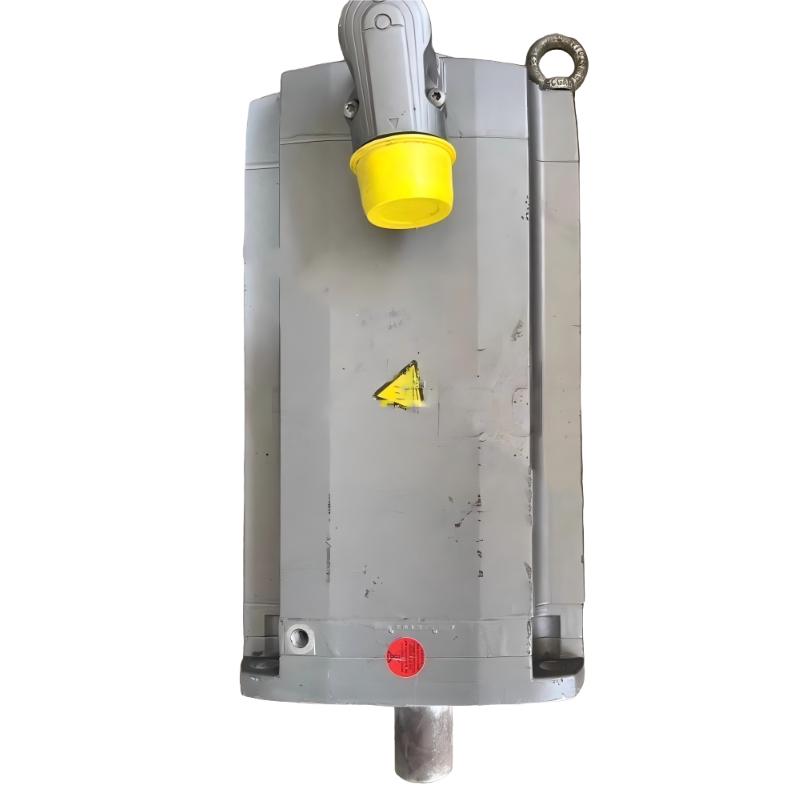
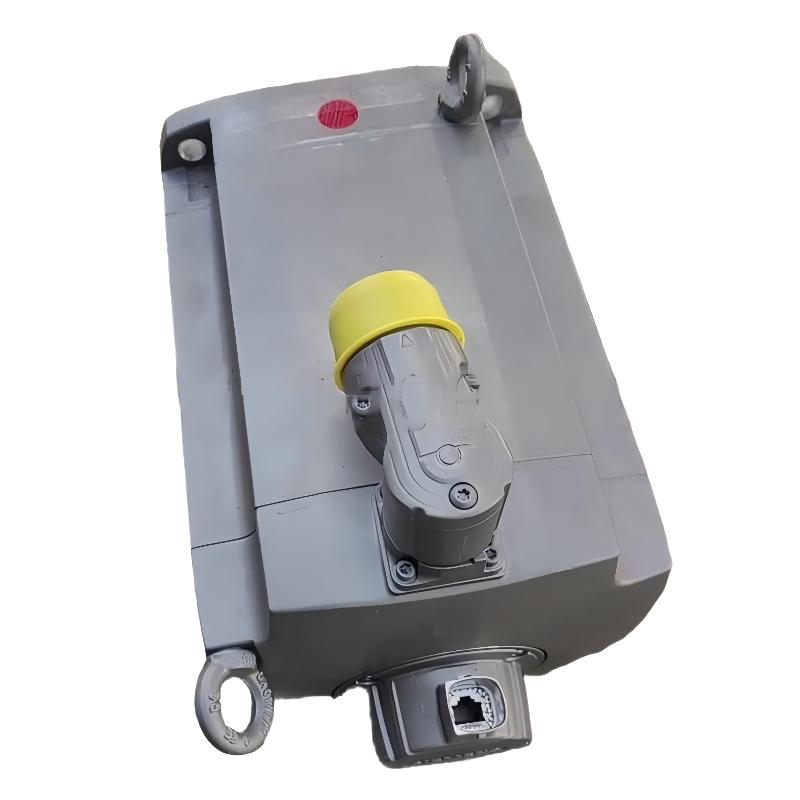
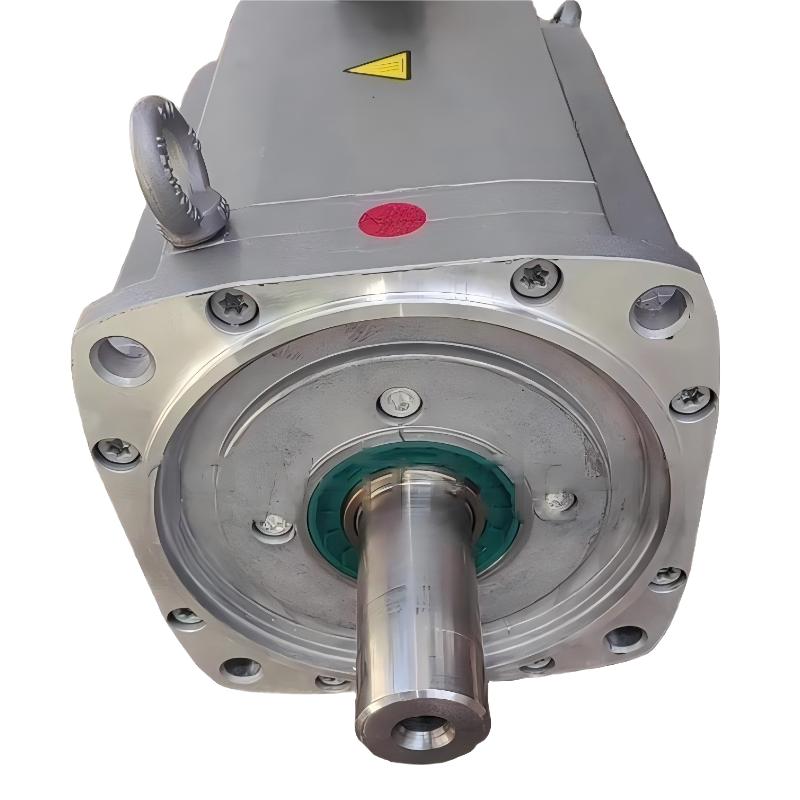
- Siemens
- 1FT7105-5AF71-1BG1
- SIMOTICS S Synchronous Motor
- Germany
- 300 mm x 200 mm x 150 mm
- 29kg
- Xiamen, China
- New & In Stock
- T/T, PayPal, Western Union
- 1 Year
- 1-3 Working Days
- DHL, UPS, TNT, FedEx and EMS.
- 24-Hour Service
- COO
- 6
Our advantage

Global Logistics
We have a 10-year logistics and express cooperation agreement, so our products can be shipped to any place in the world.

Brand new and original
Our products are imported in bulk from the place of origin. Because of the cooperative relationship, our products are all original and 100% new.

24-hour service
We provide 7*24 hours service to our customers. We will be there whenever you need us.

Price advantage
All our products are priced very favorably because we have our own warehouse and supply.
| Company Information | |||
| [email protected] | |||
| Mobile | +8615980777398 | ||
| +8615980777398 | |||
| 15980777398 |
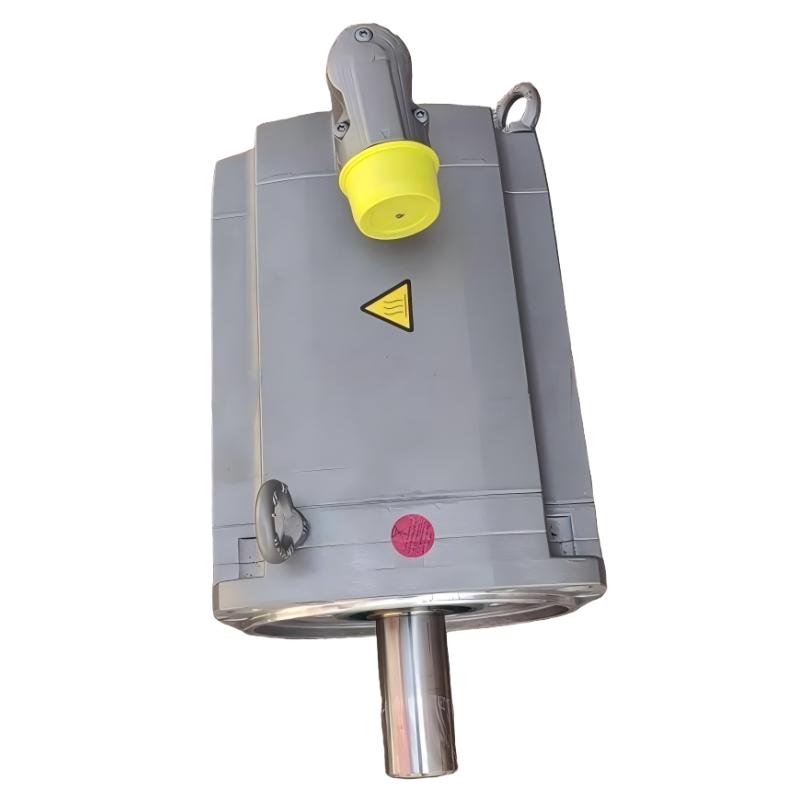
Siemens 1FT7105-5AF71-1BG1 Servo Motor: Technical Specifications, Product Description, Applications, Advantages, and Related Models
1. Product Overview
The Siemens 1FT7105-5AF71-1BG1 belongs to the SIMOTICS family of industrial motors and is associated with the SIMOTICS S-1FT7 servo motor series. This product family is designed for industrial motion-control applications that require precise positioning, controlled speed, consistent torque, and reliable operation in automated machinery.
Servo motors are widely used in modern production systems because they can respond to commands from a compatible servo drive and motion controller. Unlike a conventional motor that simply operates at a selected speed, a servo motor can be controlled through defined acceleration, deceleration, rotational speed, and position profiles.
The 1FT7 series is suitable for applications such as machine tools, automated assembly equipment, packaging machinery, material handling systems, and other industrial machines that require coordinated movement.
The complete order number is essential when identifying the correct motor. Individual characters in a motor designation can indicate differences in encoder type, shaft configuration, mounting arrangement, holding brake, connector design, and protection rating. Consequently, similar-looking motors should not automatically be considered interchangeable.
Technical data note: The tables below provide a practical overview of the model and related products. Exact electrical specifications, dimensions, and weight should be checked against the complete order number and its corresponding product documentation before purchase or installation. Unverified values are identified rather than presented as guaranteed specifications.
2. Brand and Product Series
| Item | Description |
|---|---|
| Brand | Siemens |
| Product family | SIMOTICS |
| Product series | SIMOTICS S-1FT7 |
| Model number | 1FT7105-5AF71-1BG1 |
| Product category | Industrial servo motor |
| Motor technology | Permanent-magnet synchronous motor, subject to exact variant confirmation |
| Main function | Controlled rotational movement |
| Typical control method | Closed-loop servo control |
| Typical system components | Servo motor, compatible drive, motion controller, and feedback interface |
| Main applications | Industrial automation, positioning, machine tools, packaging, and assembly equipment |
| Cooling arrangement | Confirm the exact configuration |
| Encoder configuration | Confirm the exact configuration |
| Holding brake | Confirm the exact configuration |
| Protection rating | Confirm the exact configuration |
| Installation method | Confirm the motor’s mechanical drawing |
| Overall dimensions | Must be confirmed from the drawing for the complete order number |
| Net weight (kg) | Must be confirmed from the exact product data |
3. Technical Parameters
The following table organizes the most important technical information for engineering evaluation, equipment replacement, and procurement.
| Parameter | Specification |
|---|---|
| Model | 1FT7105-5AF71-1BG1 |
| Brand | Siemens |
| Series | SIMOTICS S-1FT7 |
| Motor type | Synchronous servo motor; confirm the precise variant |
| Rated power | Verify against the exact motor data sheet |
| Rated torque | Verify against the exact motor data sheet |
| Rated speed | Verify against the exact motor data sheet |
| Maximum mechanical speed | Verify against the exact motor data sheet |
| Rated current | Verify against the exact motor data sheet |
| Maximum current | Verify against the exact motor data sheet |
| Rated voltage | Verify against the motor and compatible drive specifications |
| Torque constant | Verify against the exact motor data sheet |
| Voltage constant | Verify against the exact motor data sheet |
| Number of poles | Verify against the exact motor data sheet |
| Rotor moment of inertia | Verify against the exact motor data sheet |
| Encoder type | Verify against the complete order number |
| Encoder resolution | Verify against the complete order number |
| Holding brake | Verify against the complete order number |
| Cooling method | Verify against the complete order number |
| Shaft design | Verify against the mechanical drawing |
| Mounting arrangement | Verify against the mechanical drawing |
| Shaft height | Verify against the mechanical drawing |
| Protection rating | Verify against the complete order number |
| Temperature sensor | Verify against the motor documentation |
| Overall dimensions (L × W × H) | Not confirmed; use the exact mechanical outline drawing |
| Net weight (kg) | Not confirmed; use the exact product data sheet |
| Drive compatibility | Select according to motor identification and drive specifications |
3.1 Understanding the Main Parameters
Rated power indicates the motor’s specified power output under defined operating conditions. It is useful when comparing motors, but it should not be the only basis for selecting a replacement.
Rated torque describes the torque available at the specified rated operating point. For servo applications, continuous torque is particularly important because the motor must be able to handle the actual load over the full production cycle.
Maximum speed defines an operating limit that must be respected during commissioning. The permitted speed may depend on the motor’s mechanical characteristics, feedback configuration, drive settings, and application requirements.
Rated current and maximum current are essential for drive selection. The drive must support both the continuous current required by the application and the peak current needed during acceleration or temporary high-load conditions.
Rotor moment of inertia affects acceleration and deceleration. A motor with a higher rotor inertia requires more torque to achieve the same angular acceleration, so inertia matching between the motor and driven mechanism should be considered during system design.
Encoder resolution and type determine how position feedback is provided to the controller. The selected feedback interface must be compatible with the drive and the control architecture.
Overall dimensions and weight are critical when installing a replacement motor. The correct drawing should include the flange dimensions, pilot diameter, mounting-hole pattern, shaft dimensions, overall length, and connector clearances. Weight should be checked before lifting, mounting, or transport planning.
4. Product Description
The 1FT7105-5AF71-1BG1 is intended for controlled-motion applications in industrial automation. A servo motor of this type works with a compatible drive to regulate rotational movement according to commands from a machine controller.
During operation, the controller sends movement commands to the drive. The drive supplies the electrical power required by the motor and uses the configured feedback system to regulate movement. This arrangement allows machinery to coordinate speed, position, and acceleration across different stages of a production cycle.
In an automated machine, the motor may need to move rapidly between positions, maintain a stable speed during processing, and stop at a defined location. Servo control supports these requirements when the motor, drive, feedback device, and mechanical system have been correctly selected and commissioned.
The SIMOTICS S-1FT7 series is associated with industrial servo applications where repeatability and controlled dynamic performance are important. The actual performance of an individual motor depends on its exact configuration and the characteristics of the complete motion-control system.
Mechanical compatibility is equally important. The motor must fit the machine’s mounting structure, connect correctly to the driven mechanism, and have sufficient clearance for its housing and connectors. When replacing an existing motor, the full order number should be compared with the original unit before ordering.
5. Product Applications
5.1 CNC Machine Tools
Servo motors are used in machine-tool axes that require controlled movement and repeatable positioning. Depending on the machine design, they may drive feed mechanisms, rotary tables, and other controlled axes.
The motor and drive must be selected according to the machine’s cutting forces, acceleration requirements, transmission ratio, and duty cycle. Positioning accuracy depends on the entire mechanical and control system, not on the motor alone.
5.2 Automated Assembly Equipment
Automated assembly lines frequently use servo-driven mechanisms to position workpieces, move fixtures, and coordinate production steps.
A properly configured servo system can support repeatable motion sequences, controlled acceleration, and synchronized operation with sensors and programmable controllers. This is particularly useful in equipment that performs repeated movements throughout a production shift.
5.3 Packaging Machinery
Packaging systems may require accurate control of feeding, indexing, cutting, sealing, and conveying operations.
Servo motors can help coordinate these processes, particularly when a machine must change operating speed or handle different product formats. Appropriate torque and speed selection is necessary to maintain consistent operation during frequent starts and stops.
5.4 Material Handling Systems
Servo-driven equipment may be used in positioning stations, transfer mechanisms, automated loading equipment, and selected conveyor applications.
In these systems, the motor must be matched to the moving mass, friction, acceleration profile, and mechanical transmission. For vertical axes, the design must also account for the load’s tendency to move under gravity when the drive is disabled.
5.5 Printing and Converting Machinery
Printing and converting equipment often requires coordinated rotation and accurate synchronization between different machine sections.
Servo control can support web handling, roller synchronization, registration, and controlled feed rates. The final result depends on the complete drive arrangement, feedback system, and mechanical design.
5.6 Special-Purpose Industrial Machinery
The motor may also be considered for customized production equipment, indexing mechanisms, automated inspection systems, and other machines that require programmable movement.
Before selecting it for a particular application, engineers should evaluate the load profile, required torque, operating speed, acceleration, cycle duration, ambient temperature, and drive compatibility.
6. Product Advantages
6.1 Precise Motion Control
A compatible servo drive and feedback system allow the motor to follow programmed speed and position commands. This is useful for machinery that requires repeatable movement and coordinated operation between multiple axes.
6.2 Responsive Dynamic Performance
Servo systems are designed to respond to changing motion commands. This helps machinery accelerate, decelerate, and move between programmed positions without relying solely on fixed-speed operation.
Actual response time depends on the selected motor, drive, mechanical inertia, control settings, and load characteristics.
6.3 Controlled Torque Delivery
Torque control is important when a machine experiences varying loads during its operating cycle. Correctly sizing the motor and drive can help maintain the required movement under changing conditions.
Continuous torque and peak torque must be evaluated separately. A motor should not be selected solely on the basis of a short-duration maximum torque figure.
6.4 Integration with Industrial Automation
A servo motor can form part of a larger automation system involving a controller, drive, sensors, and other motion axes.
Correct integration helps the machine execute coordinated movement sequences and respond to production commands. Feedback interface and drive compatibility should be confirmed before commissioning.
6.5 Flexible Application Potential
The 1FT7 family is intended for industrial motion-control applications across different types of machinery. Depending on the exact motor configuration, the family can support different mechanical arrangements and feedback requirements.
The exact variant must still be selected according to the intended application rather than assuming that all models in the family have the same characteristics.
6.6 Industrial Installation Options
Mechanical mounting, shaft configuration, connector arrangement, and enclosure protection affect how easily a motor can be integrated into a machine.
Confirming these details before purchase can reduce installation work and help prevent incompatibility with existing equipment.
6.7 Easier Spare-Parts Identification
Keeping a record of the complete order number makes it easier to identify the correct replacement motor and distinguish between similar variants.
For maintenance teams, the motor’s feedback system, brake status, shaft arrangement, and protection rating are particularly important details to record.
7. Five Related Models from the Same Series
The following models are related to the SIMOTICS S-1FT7 product family. They are comparison candidates rather than guaranteed direct replacements.
Note: Exact specifications depend on the complete order number. Values that have not been confirmed are marked accordingly instead of being estimated.
| Model | Series | Main configuration or selection consideration | Rated power | Rated torque | Rated speed | Dimensions and weight |
|---|---|---|---|---|---|---|
| 1FT7105-5AF71-1CG1 | SIMOTICS S-1FT7 | Compare feedback configuration, shaft, and protection rating | Verify exact variant | Verify exact variant | Verify exact variant | Dimensions and kg weight require the matching data sheet |
| 1FT7105-5AF71-1CG2 | SIMOTICS S-1FT7 | Compare enclosure protection and feedback compatibility | Verify exact variant | Verify exact variant | Verify exact variant | Dimensions and kg weight require the matching data sheet |
| 1FT7105-5AF71-1DG1 | SIMOTICS S-1FT7 | Check incremental feedback configuration and drive compatibility | Verify exact variant | Verify exact variant | Verify exact variant | Dimensions and kg weight require the matching data sheet |
| 1FT7105-5AF71-1DB1 | SIMOTICS S-1FT7 | Check shaft design and whether a holding brake is fitted | Verify exact variant | Verify exact variant | Verify exact variant | Dimensions and kg weight require the matching data sheet |
| 1FT7105-5AF71-1FG1 | SIMOTICS S-1FT7 | Check the shaft-end configuration and mechanical interface | Verify exact variant | Verify exact variant | Verify exact variant | Dimensions and kg weight require the matching data sheet |
How to Choose a Related Model
-
1FT7105-5AF71-1CG1: Consider it when comparing a similar frame and performance class, subject to feedback and protection requirements.
-
1FT7105-5AF71-1CG2: Check whether its specified enclosure protection suits the operating environment.
-
1FT7105-5AF71-1DG1: Evaluate this option when the control system requires its particular feedback arrangement.
-
1FT7105-5AF71-1DB1: Check the shaft and holding-brake configuration carefully if the machine requires a mechanical holding function.
-
1FT7105-5AF71-1FG1: Compare the complete mechanical drawing before selecting it for an existing installation.
Do not substitute one variant for another solely because the model numbers are similar. Encoder compatibility, mounting dimensions, shaft details, drive configuration, and braking requirements must all match.
8. Five Additional Popular Models from the Same Brand
The models below provide additional comparison options from the same brand. They belong to related servo or industrial motor product families, but their power ratings, frame sizes, and applications may differ.
| Model | Product family | Typical application | Main parameters to compare | Dimensions and weight |
|---|---|---|---|---|
| 1FT7068-5AF71-1CG1 | SIMOTICS S-1FT7 | Precision positioning and industrial motion control | Rated torque, rated speed, rated current, encoder, protection rating | Exact dimensions and weight (kg) require the full model data |
| 1FT7066-5AF71-1CG1 | SIMOTICS S-1FT7 | Servo-driven machine axes and automated positioning | Frame size, torque, speed, inertia, feedback compatibility | Exact dimensions and weight (kg) require the full model data |
| 1FK7105-5AF71-1EG5 | SIMOTICS S-1FK7 | Industrial servo applications | Rated power, continuous torque, maximum speed, feedback interface | Exact dimensions and weight (kg) require the full model data |
| 1FK7063-5AF71-1EG5 | SIMOTICS S-1FK7 | Smaller machine axes and controlled movement | Rated torque, frame dimensions, rotor inertia, drive compatibility | Exact dimensions and weight (kg) require the full model data |
| 1PH8 series motor | SIMOTICS industrial motor family | Industrial drive systems and machinery | Power range, cooling, speed range, mounting configuration | Depends on the specific 1PH8 model number |
These options should be evaluated according to the application rather than treated as equivalent products. A motor from another series may have a different mechanical footprint, electrical interface, feedback arrangement, or operating range.
The 1PH8 designation covers multiple motor configurations, so a complete order number is necessary before exact torque, power, dimensions, and weight can be specified.
9. Installation and Selection Considerations
9.1 Electrical Compatibility
The selected drive must support the motor’s rated voltage, continuous current, peak current, feedback interface, and permitted speed range.
The drive’s continuous current capability is important for sustained operation, while its peak capability must be adequate for acceleration and temporary high-load conditions.
9.2 Mechanical Compatibility
Before installing the motor, verify the mounting flange, bolt pattern, pilot diameter, shaft diameter, shaft length, and coupling arrangement.
Overall length and connector clearance are especially important in compact machinery. A small difference in motor dimensions can affect alignment, access to connectors, or the installation of guards and covers.
9.3 Encoder and Control-System Compatibility
The encoder type and interface must match the selected drive and controller. The feedback configuration should be checked before installation, and the motor should be commissioned using the correct motor identification and parameter set.
9.4 Holding Brake Requirements
If the machine contains a vertical axis or another load that must remain stationary after power is removed, check whether the motor includes a holding brake.
If the motor has no brake, the machine may require an independent holding or load-support mechanism. The design must account for the consequences of power loss and must not rely on the servo motor alone to hold a suspended load.
9.5 Cooling and Operating Environment
The motor’s cooling arrangement and protection rating must be suitable for the machine’s environment.
High ambient temperatures, restricted heat dissipation, frequent acceleration, and sustained high torque can affect the motor’s thermal performance. The operating duty cycle should therefore be considered during sizing.
9.6 Weight and Handling
The motor’s exact net weight should be confirmed before transport or installation. The weight affects mounting support, handling equipment, and the safe design of lifting procedures.
Do not use the weight of a related motor as a substitute for the weight listed for the exact order number.
10. Technical Comparison Checklist
The following checklist can be used when comparing the 1FT7105-5AF71-1BG1 with related motors.
| Comparison item | What to verify | Why it matters |
|---|---|---|
| Model number | Complete order number | Identifies the exact configuration |
| Rated power | kW rating | Helps assess the required mechanical output |
| Rated torque | Nm rating | Determines continuous load capability |
| Peak torque | Nm rating and duration | Helps evaluate acceleration and temporary load requirements |
| Rated speed | rpm | Confirms the intended operating point |
| Maximum speed | Mechanical and drive limits | Prevents operation beyond permitted limits |
| Rated current | A | Supports drive selection |
| Encoder | Type and interface | Determines feedback compatibility |
| Holding brake | Included or not included | Important for vertical axes and holding requirements |
| Shaft | Diameter, length, and type | Determines coupling compatibility |
| Mounting | Flange and bolt pattern | Determines mechanical fit |
| Protection rating | IP rating | Indicates the specified level of environmental protection |
| Overall dimensions | L × W × H in mm | Confirms available installation space |
| Net weight | kg | Supports handling and mounting design |
| Cooling | Cooling arrangement | Affects thermal design and installation |
| Drive compatibility | Approved drive configuration | Supports correct operation and commissioning |
11. Summary of the Product
| Item | Description |
|---|---|
| Model | 1FT7105-5AF71-1BG1 |
| Brand | Siemens |
| Series | SIMOTICS S-1FT7 |
| Product category | Industrial servo motor |
| Motor technology | Synchronous servo motor; confirm exact configuration |
| Primary purpose | Controlled speed, torque, and position |
| Main applications | CNC machinery, assembly systems, packaging equipment, material handling, and automation |
| Rated power | Confirm from the exact product data |
| Rated torque | Confirm from the exact product data |
| Rated speed | Confirm from the exact product data |
| Feedback system | Confirm from the complete order number |
| Holding brake | Confirm from the complete order number |
| Cooling method | Confirm from the complete order number |
| Protection rating | Confirm from the complete order number |
| Overall dimensions (L × W × H) | Confirm using the matching mechanical drawing |
| Net weight (kg) | Confirm using the matching product data sheet |
12. Conclusion
The Siemens 1FT7105-5AF71-1BG1 is associated with the SIMOTICS S-1FT7 industrial servo motor family, which is designed for controlled motion in automated machinery. Motors in this family are relevant to applications that need repeatable positioning, controlled acceleration, coordinated movement, and integration with a compatible servo drive.
Its suitability for a particular machine depends on the exact electrical and mechanical configuration. Rated torque, rated speed, drive current, feedback compatibility, shaft design, mounting dimensions, cooling, and holding-brake requirements should all be considered before selecting the motor.
For purchasing and replacement purposes, the complete order number is the most important identifier. The exact overall dimensions and net weight in kilograms should be taken from the corresponding product drawing and data sheet, rather than inferred from a related model. This ensures that the selected motor fits the machine, works with the control system, and meets the actual operating requirements.