

ProductPRODUCT
Featured products
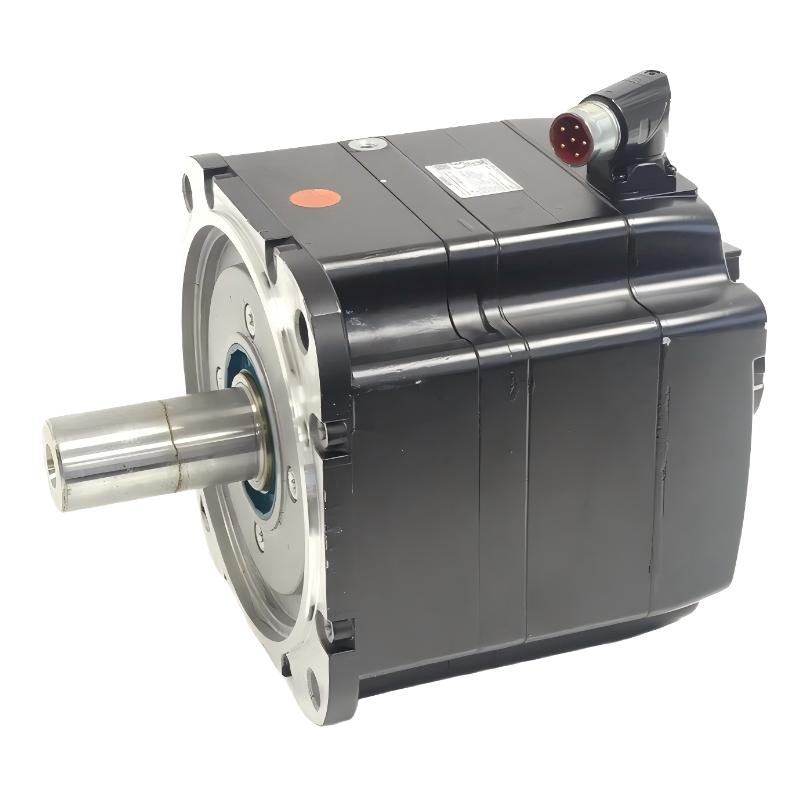
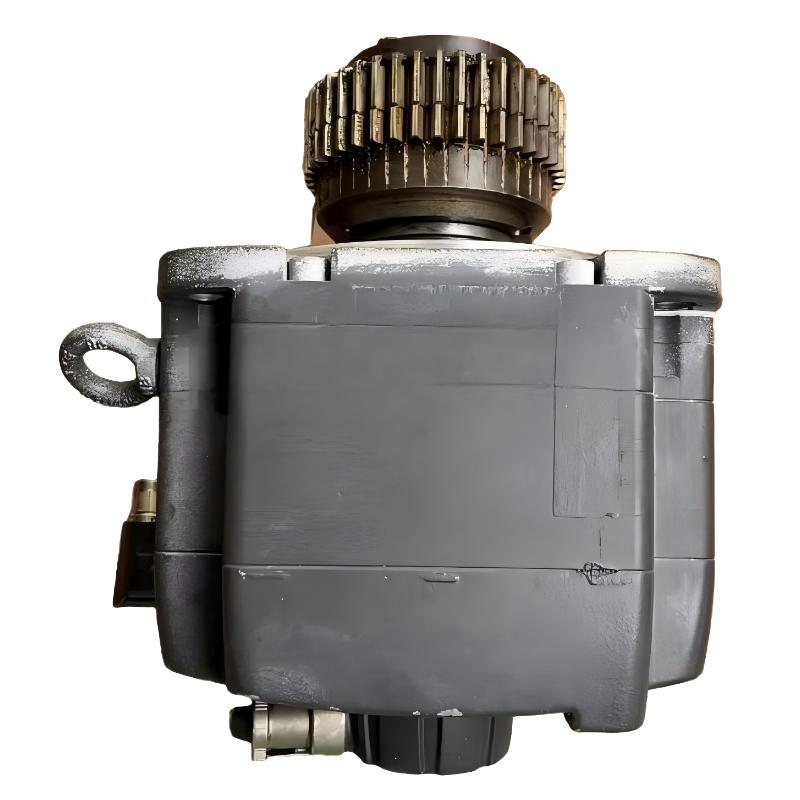
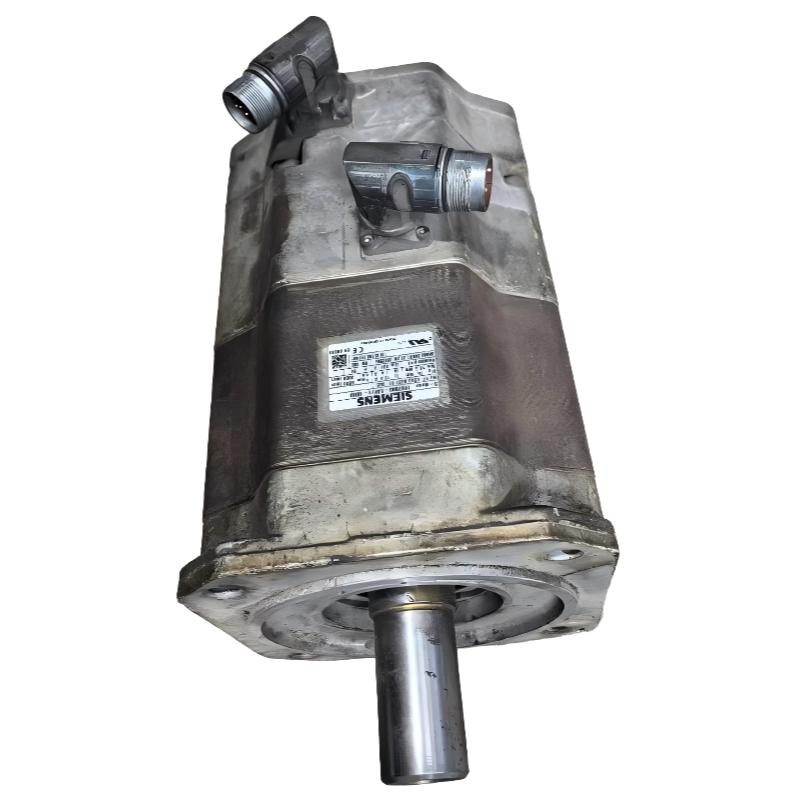
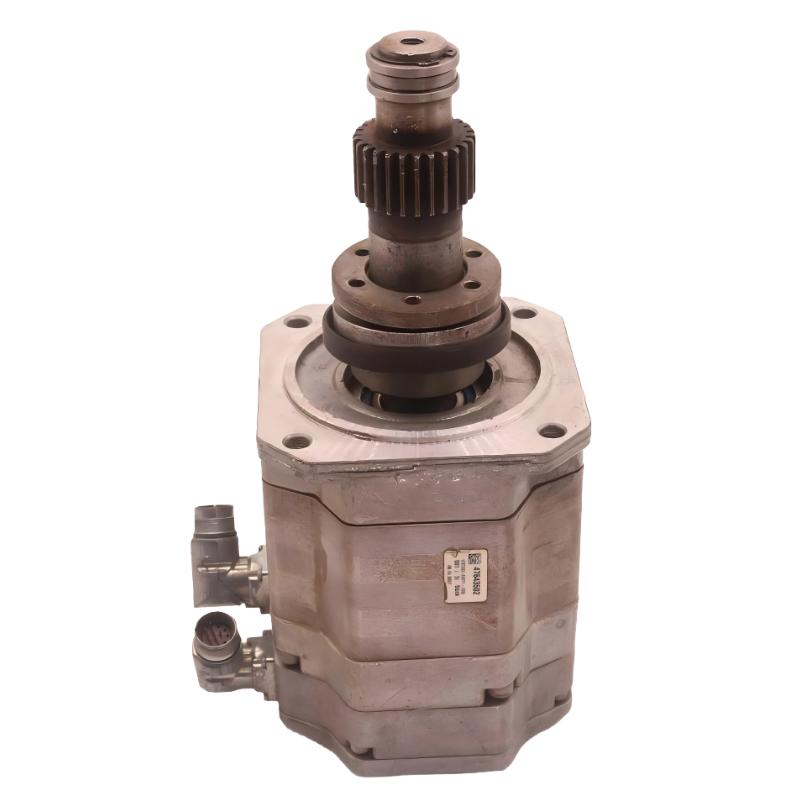
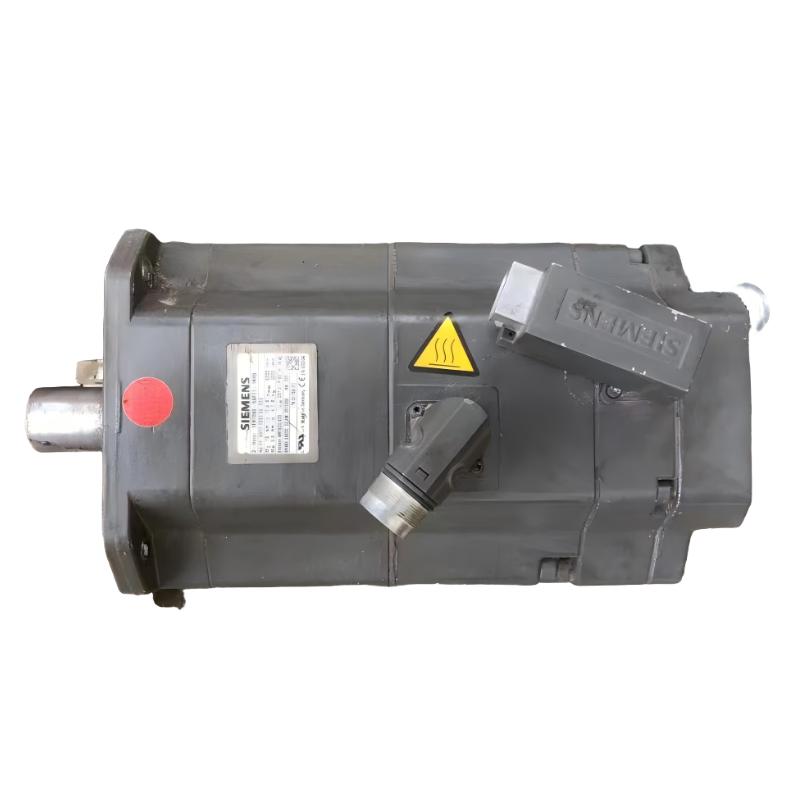
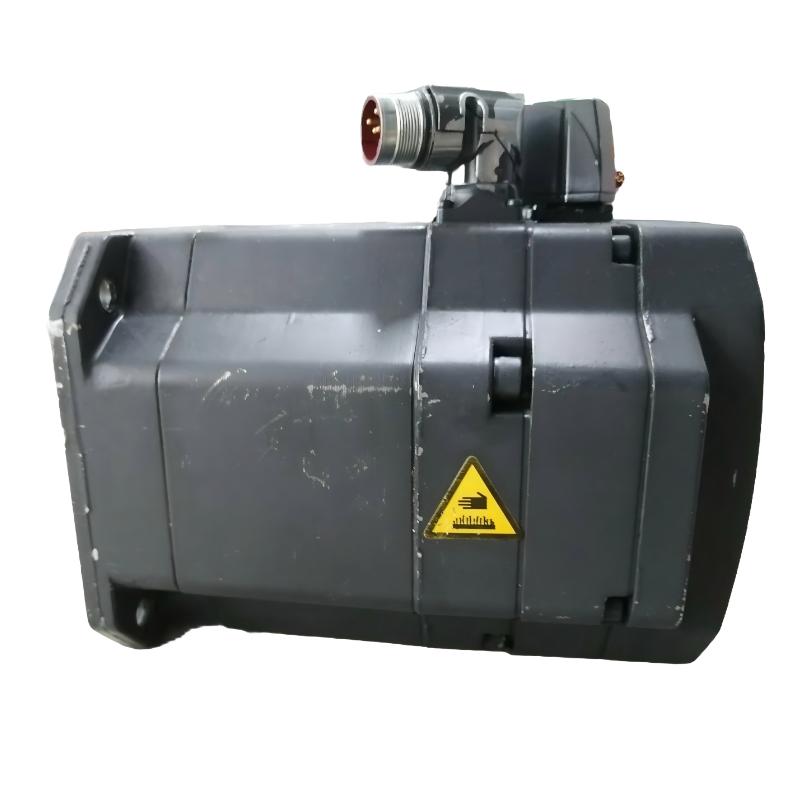
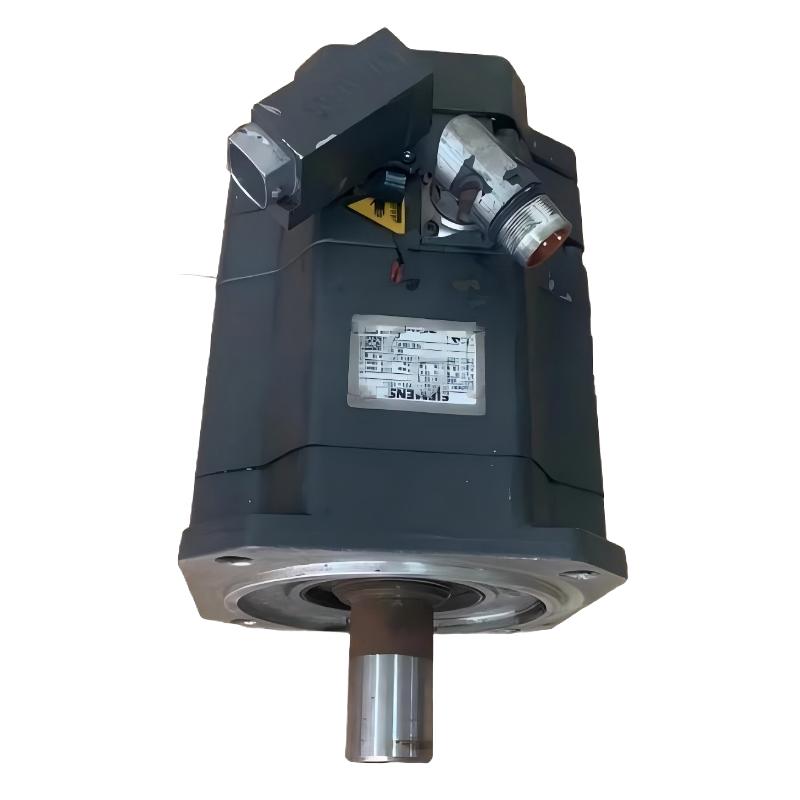
Contact Us
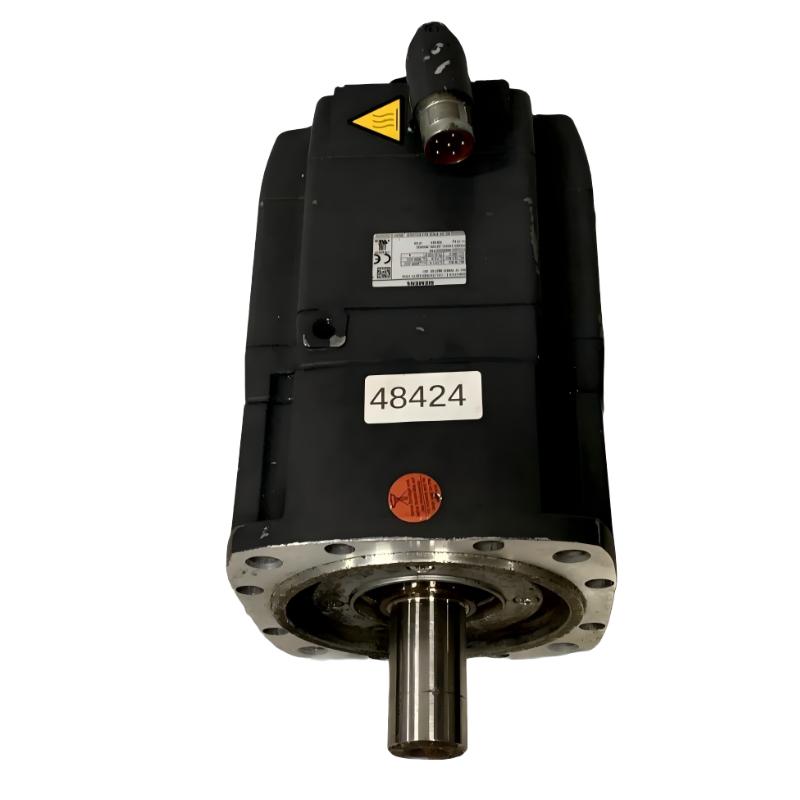
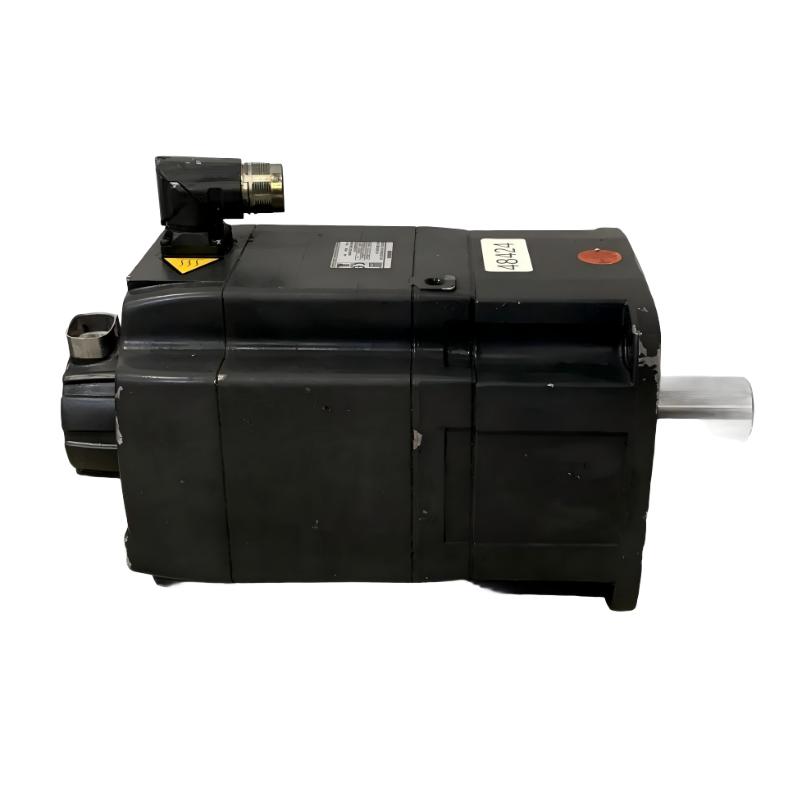
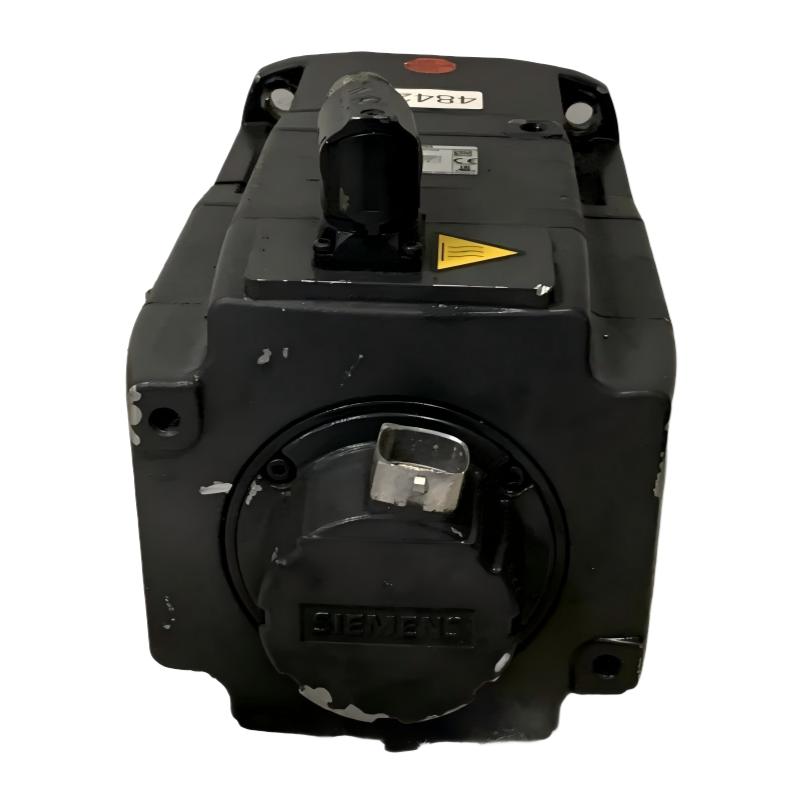
- Siemens
- 1FK7083-2AF71-1RH0
- Compact Synchronous Motor
- Germany
- 310 × 150 × 200 mm
- 15.9kg
- Xiamen, China
- New & In Stock
- T/T, PayPal, Western Union
- 1 Year
- 1-3 Working Days
- DHL, UPS, TNT, FedEx and EMS.
- 24-Hour Service
- COO
- 6
Our advantage

Global Logistics
We have a 10-year logistics and express cooperation agreement, so our products can be shipped to any place in the world.

Brand new and original
Our products are imported in bulk from the place of origin. Because of the cooperative relationship, our products are all original and 100% new.

24-hour service
We provide 7*24 hours service to our customers. We will be there whenever you need us.

Price advantage
All our products are priced very favorably because we have our own warehouse and supply.
| Company Information | |||
| [email protected] | |||
| Mobile | +8615980777398 | ||
| +8615980777398 | |||
| 15980777398 |
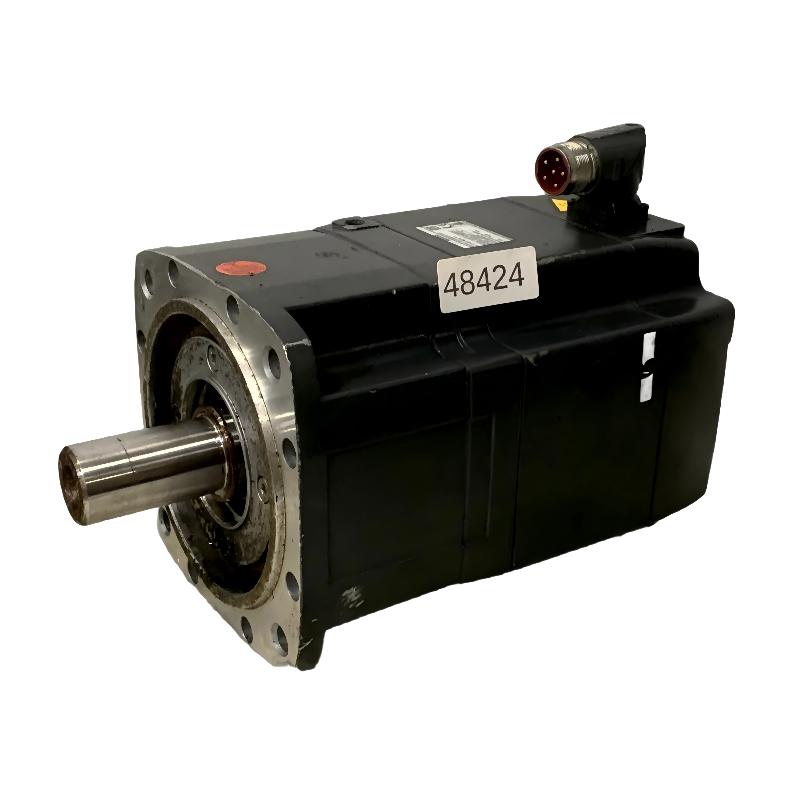
Siemens 1FK7083-2AF71-1RH0 Servo Motor: Product Description, Technical Parameters, Applications, Advantages, and Related Models
1. Product Introduction
The Siemens 1FK7083-2AF71-1RH0 is a model in the SIMOTICS S 1FK7 family of synchronous servo motors, designed for industrial automation and precision motion-control applications.
Servo motors in this family are used in machinery that requires controlled speed, repeatable positioning, coordinated movement, and reliable operation under changing loads. Common applications include CNC machine tools, packaging systems, automated assembly equipment, material-handling machinery, and production-line positioning systems.
The motor operates as part of a motion-control system. A compatible servo drive regulates motor current and speed, while the control system issues movement commands and uses feedback to manage the motor’s response. This arrangement supports controlled acceleration, deceleration, and positioning.
The complete model number is important when choosing a motor or planning a replacement. Variants within the same family can differ in encoder type, shaft configuration, holding brake, connector arrangement, protection rating, dimensions, and weight. A similar model number does not automatically mean that the motor is mechanically or electrically interchangeable.
The following description is organized for product identification, technical evaluation, purchasing comparison, and industrial application planning. Exact order-specific values should be confirmed before final installation or replacement.
2. Brand and Product Series
| Item | Description |
|---|---|
| Brand | Siemens |
| Product family | SIMOTICS S |
| Product series | 1FK7-CT |
| Model | 1FK7083-2AF71-1RH0 |
| Motor type | Permanent-magnet synchronous servo motor |
| Primary function | Controlled speed, torque, and position |
| Typical control method | Closed-loop servo control |
| Cooling arrangement | Natural cooling; confirm exact configuration |
| Mounting style | Flange-mounted; confirm mounting code |
| Feedback system | Confirm the encoder fitted to this exact model |
| Holding brake | Confirm the exact configuration |
| Typical environment | Industrial automation and machinery |
The 1FK7 series is intended for applications where the motor must respond to controlled motion commands rather than simply run continuously at a fixed speed.
When integrated with a compatible drive and controller, the motor can support positioning, indexing, synchronized movement, and coordinated multi-axis operation. The final performance depends on the complete system, including the motor, drive, feedback device, transmission, load, and machine structure.
3. Detailed Technical Parameters
The following table summarizes the principal electrical, mechanical, and configuration parameters of the 1FK7083-2AF71-1RH0.
| Parameter | Specification |
|---|---|
| Model | 1FK7083-2AF71-1RH0 |
| Brand | Siemens |
| Product family | SIMOTICS S |
| Series | 1FK7-CT |
| Motor type | Permanent-magnet synchronous servo motor |
| DC-link voltage class | 600 V |
| Optimum operating power | 3.3 kW |
| Optimum operating speed | 3,000 rpm |
| Rated speed | 3,000 rpm |
| Rated torque at 100 K temperature rise | 10.5 Nm |
| Static torque at 100 K temperature rise | 16.0 Nm |
| Static torque at 60 K temperature rise | 13.3 Nm |
| Rated current | 7.2 A |
| Static current at 100 K temperature rise | 10.1 A |
| Static current at 60 K temperature rise | 8.2 A |
| Maximum torque | 50 Nm |
| Maximum current | 37 A |
| Maximum permissible mechanical speed | 6,000 rpm |
| Maximum inverter-limited speed | 5,600 rpm |
| Number of poles | 8 |
| Torque constant | 1.58 Nm/A |
| Voltage constant at 20°C | 102.5 V per 1,000 rpm |
| Winding resistance at 20°C | Approximately 0.38 Ω |
| Rotating-field inductance | 7.0 mH |
| Electrical time constant | 18.6 ms |
| Mechanical time constant | 1.18 ms |
| Thermal time constant | 50 minutes |
| Motor efficiency | Approximately 93% |
| Cooling method | Natural cooling |
| Mounting arrangement | IM B5, IM V1, IM V3 |
| Flange | Size 1 |
| Shaft type | Plain shaft |
| Shaft tolerance | N |
| Encoder type | AM20DQI absolute encoder |
| Single-turn resolution | 20-bit |
| Multiturn information | 12-bit |
| Encoder interface | DRIVE-CLiQ |
| Holding brake | Yes |
| Holding-brake type | Permanent-magnet brake |
| Holding-brake torque | Standard configuration; confirm the exact brake rating |
| Protection rating | IP64 |
| Temperature monitoring | Pt1000 temperature sensor |
| Power connector | Rotatable |
| Overall dimensions | Approximately 310 × 150 × 200 mm (L × W × H) |
| Weight | Approximately 15.9 kg |
| Typical applications | CNC equipment, positioning axes, packaging machinery, industrial automation |
The dimensions above are approximate external dimensions for preliminary planning. The exact mounting drawing should be used for checking flange dimensions, shaft projection, connector clearance, and installation space.
3.1 Power and Speed Characteristics
The motor has an optimum operating power of 3.3 kW and a rated speed of 3,000 rpm. These values make it a candidate for industrial mechanisms that require controlled rotational movement and consistent operating speed.
The rated speed should be distinguished from the maximum permissible speed. The rated value is used when evaluating normal operating conditions, while the maximum mechanical speed is a limit that must not be exceeded.
When selecting a motor for a machine, consider the entire speed profile, including acceleration, deceleration, time at operating speed, and periods of heavy loading. A motor’s suitability cannot be determined from power alone.
3.2 Torque Characteristics
The rated torque is 10.5 Nm at a 100 K temperature rise. The static torque is 16 Nm at a 100 K temperature rise and 13.3 Nm at a 60 K temperature rise.
The maximum torque is listed as 50 Nm. This is a limiting value and should not be used as the continuous design torque.
– Rated torque: The primary reference for evaluating normal operating load.
– Static torque: The torque available under the specified stationary thermal condition.
– Maximum torque: A peak capability subject to motor and drive limits.
– Load torque: The actual torque required by the driven machine.
For applications with frequent starts, stops, or rapid acceleration, the motor should be evaluated using the complete load cycle. Both continuous torque and short-duration torque peaks need to remain within the permissible operating range.
3.3 Encoder and Feedback System
The AM20DQI encoder provides 20-bit single-turn position information and 12-bit multiturn information through the DRIVE-CLiQ interface.
This absolute feedback arrangement is useful for applications that need to monitor the motor’s position across multiple revolutions. The control system can use this information to regulate movement and coordinate the motor with other axes.
Encoder compatibility is an important part of motor selection. Before replacing the motor, verify the feedback interface, resolution, connector arrangement, and supported drive functions.
3.4 Holding Brake
Unlike some related models without a brake, the 1FK7083-2AF71-1RH0 includes a permanent-magnet holding brake.
A holding brake is primarily intended to hold a stationary shaft when the motor is no longer actively producing torque. It may be useful in machinery where the axis must remain in position during a stop or power interruption.
The brake should not automatically be treated as a dynamic service brake or the sole safety measure for a gravity-loaded axis. Confirm the brake’s rated holding torque and the requirements of the complete machine before installation.
3.5 Mechanical Design and Mounting
The motor uses a plain shaft and a flange-mounted construction. The smooth shaft must be matched with an appropriate coupling or other mechanical connection.
The mounting options include IM B5, IM V1, and IM V3. These arrangements provide flexibility for compatible machine layouts, but the mounting position must be supported by the application’s mechanical design.
Before installation, check the flange pattern, shaft diameter, shaft projection, alignment, connector position, and cable-bending clearance.
3.6 Cooling and Protection
The motor uses natural cooling, so heat dissipation depends on the installation environment and operating conditions.
The IP64 protection rating indicates protection against dust ingress and water splashes under defined test conditions. It should not be treated as equivalent to IP65, nor does it mean that the motor is suitable for immersion or every industrial washdown process.
The installation should provide suitable thermal conditions and protection against environmental exposure beyond the motor’s specified rating.
4. Product Applications
4.1 CNC Machine Tools
The motor can be evaluated for CNC feed axes and other controlled movements that require repeatable positioning and regulated speed.
Potential applications include machine-axis positioning, auxiliary movement systems, and automated tool-handling mechanisms. The actual suitability depends on the load inertia, required acceleration, transmission ratio, and positioning accuracy.
4.2 Packaging and Processing Machinery
Packaging machinery frequently requires synchronized movement, accurate indexing, and controlled stopping. A servo motor can support programmable motion profiles for feeding, cutting, sealing, and product transfer.
The motor’s rated torque and speed should be checked against the machine’s operating cycle, including frequent acceleration and deceleration.
4.3 Automated Assembly Equipment
Assembly systems use controlled movement to position components, transfer parts, and coordinate different stages of production.
The encoder feedback can support repeatable positioning, while the holding brake may help retain a stationary position when the motor is not actively driving the load. The brake must be correctly sized for the application.
4.4 Material Handling and Transfer Systems
The motor can be considered for positioning tables, transfer mechanisms, indexing conveyors, and other material-handling equipment.
For heavier loads, motor sizing should include friction, transmission efficiency, acceleration torque, and the required operating speed. The brake is particularly relevant if the load can move when the drive is not producing torque.
4.5 Rotary Indexing Systems
Rotary tables and indexing mechanisms require controlled angular movement and repeatable stopping. With a compatible encoder and drive, the motor can execute programmed positioning sequences and coordinate movement with other axes.
The coupling and transmission should be selected to match the shaft design and required torque. The control system must also support the motor’s encoder interface.
4.6 Industrial Production Lines
In automated production lines, servo motors can drive positioning mechanisms, synchronized transfer systems, and machine sections that must follow programmed movement sequences.
The model may be suitable where its torque, speed, feedback, mounting, and protection characteristics match the application requirements.
5. Main Product Advantages
5.1 Accurate Positioning
The absolute encoder provides position feedback to the compatible drive and controller. This allows the motion-control system to monitor motor movement and regulate the response to commanded positions.
The actual positioning accuracy of the machine also depends on mechanical backlash, coupling stiffness, installation alignment, controller tuning, and load variation.
5.2 High Torque Capability
The rated torque of 10.5 Nm and static torque of 16 Nm at a 100 K temperature rise provide useful reference values for selecting the motor for demanding motion-control tasks.
The maximum torque rating of 50 Nm can be relevant to short-duration acceleration requirements, but continuous operating conditions must be evaluated separately.
5.3 Absolute Multiturn Feedback
The AM20DQI encoder combines 20-bit single-turn position information with 12-bit multiturn information.
This can benefit applications that need position tracking across multiple shaft revolutions. Correct encoder and drive compatibility remains essential for reliable operation.
5.4 Integrated Holding Brake
The built-in permanent-magnet holding brake can help keep the shaft stationary when the motor is not actively producing torque.
This is useful for certain positioning and load-holding applications. The brake’s rating and operating sequence must be appropriate for the machine, especially where gravity or external forces can move the load.
5.5 Compact Industrial Construction
The flange-mounted design supports integration into compatible industrial machinery. The motor can be coupled to a suitable gearbox, belt drive, screw mechanism, or other transmission.
Correct shaft alignment, mounting stiffness, and coupling selection are essential to prevent unnecessary mechanical loads.
5.6 Flexible Mounting Options
The IM B5, IM V1, and IM V3 mounting arrangements support several installation orientations, subject to the machine design and specified mounting requirements.
This flexibility can simplify integration into equipment with different mechanical layouts.
5.7 Controlled Operation in Industrial Environments
The IP64 protection rating and natural-cooling design support use in suitable industrial environments.
The installation must still meet the motor’s specified thermal and environmental limits. More demanding exposure to water, chemicals, or washdown conditions may require a different configuration.
6. Five Related Models to Consider
The following table provides five models for comparison within the broader 1FK7 family. The models differ in configuration and may not be direct replacements for the target model.
| Model | Product series | Main parameters and configuration | Dimensions | Weight |
|---|---|---|---|---|
| 1FK7083-2AF71-1RH1 | 1FK7-CT | 3.3 kW; 3,000 rpm; 10.5 Nm rated torque; AM20DQI absolute encoder; holding brake; IP65 variant | Approx. 310 × 150 × 190 mm; verify drawing | Approx. 15.9 kg |
| 1FK7083-2AF71-1RG0 | 1FK7-CT | 3.3 kW; 3,000 rpm; 10.5 Nm rated torque; 16 Nm static torque; AM20DQI encoder; no brake; IP64 | Approx. 310 × 150 × 200 mm; verify drawing | Approx. 15.6 kg |
| 1FK7080-5AF71-1AG0 | 1FK7 compact | Approximately 2.14 kW; 3,000 rpm; 6.8 Nm rated torque; incremental encoder; plain shaft; no brake | 80 mm shaft height; exact overall dimensions require drawing | Approx. 10 kg |
| 1FK7080-5AF71-1EG0 | 1FK7 compact | Approximately 2.14 kW; 3,000 rpm; 6.8 Nm rated torque; absolute encoder configuration; no brake | 80 mm shaft height; exact overall dimensions require drawing | Approx. 10 kg |
| 1FK7080-5AF71-1DA0 | 1FK7 compact | Approximately 2.14 kW; 3,000 rpm; 6.8 Nm rated torque; DRIVE-CLiQ feedback configuration; fitted-key shaft; no brake | 80 mm shaft height; exact overall dimensions require drawing | Approx. 10 kg |
The values for the 1FK7080 models are approximate family-level references. Exact values vary with the full order number and configuration.
Related Model Selection Advice
– Choose a closely related 1FK7083 variant when the application needs a similar motor size and performance class.
– Compare the 1FK7083-2AF71-1RH1 if the application requires an IP65 variant, but verify its exact specifications and installation requirements.
– Consider a 1FK7080 variant if the required torque and load inertia permit a smaller motor frame.
– Check encoder compatibility before replacing an absolute-encoder model with an incremental-encoder model.
– Confirm whether a holding brake is required. A model without a brake should not be substituted into a load-holding application without reviewing the machine design.
7. Five Other Siemens Servo Motor Models for Comparison
These additional models provide a broader selection of servo motors for industrial automation. Their technical characteristics differ, so they should be evaluated against the actual machine requirements rather than assumed to be equivalent to the 1FK7083.
| Model | Product family | Main parameters to evaluate | Dimensions | Weight |
|---|---|---|---|---|
| 1FK7042-2AF71-1EB0 | SIMOTICS S 1FK7 | Rated torque, rated speed, encoder configuration, shaft type, and drive compatibility | Exact drawing required | Exact variant weight required |
| 1FK7063-5AF71-1AG0 | SIMOTICS S 1FK7 | Frame size, torque capability, speed, feedback, and mounting configuration | Exact drawing required | Exact variant weight required |
| 1FK7083-5AF71-1AG0 | SIMOTICS S 1FK7 | Compare torque, speed, shaft design, encoder type, and brake configuration | Exact drawing required | Exact variant weight required |
| 1FT6086-8AH71-3EG1 | SIMOTICS S 1FT6 | Rated power, torque, speed range, feedback, and mechanical compatibility | Exact drawing required | Exact variant weight required |
| 1FT6132-6AF71-1AA0 | SIMOTICS S 1FT6 | Performance class, installation space, torque requirements, and drive compatibility | Exact drawing required | Exact variant weight required |
These are comparison candidates, not a verified sales ranking. Exact numerical parameters, dimensions, and weights should be confirmed for each complete model number before purchase.
8. Motor Selection and Replacement Checklist
| Selection factor | What to verify | Why it matters |
|---|---|---|
| Rated power | Required continuous mechanical power | Helps determine normal operating suitability |
| Rated torque | Load torque at the required speed | Prevents continuous overload |
| Peak torque | Acceleration and short-duration torque requirements | Confirms dynamic capability |
| Rated speed | Normal operating speed | Ensures the motor fits the production cycle |
| Maximum speed | Mechanical and drive limits | Prevents overspeed operation |
| Encoder | Absolute or incremental type, resolution, interface | Ensures feedback compatibility |
| Holding brake | Brake presence, rated torque, and control sequence | Important for load-holding applications |
| Shaft | Plain or keyed shaft, diameter, tolerance | Ensures coupling compatibility |
| Mounting | Flange pattern and mounting orientation | Confirms physical fit |
| Protection | Dust, water, and cleaning exposure | Matches the motor to the environment |
| Cooling | Ambient temperature and heat dissipation | Helps prevent thermal overload |
| Dimensions | Exact length, width, height, and connector clearance | Confirms installation space |
| Weight | Verified net weight in kilograms | Supports mounting and transport calculations |
| Drive compatibility | Current, voltage class, encoder, and supported motor configuration | Avoids commissioning problems |
| Duty cycle | Operating time, starts, stops, and acceleration | Determines thermal suitability |
9. Installation and Maintenance Considerations
9.1 Mechanical Installation
Install the motor on a suitable mounting surface and align the shaft with the driven mechanism. Poor alignment can increase vibration, bearing loads, and coupling wear.
Check the flange dimensions, shaft projection, coupling interface, connector clearance, and cable-bending space before installation. When replacing an existing motor, use the exact mechanical drawing rather than relying on the model family alone.
9.2 Electrical Integration
The drive must support the motor’s electrical characteristics and AM20DQI encoder interface. Confirm the power and signal connections, cable shielding, grounding, connector arrangement, and brake-control requirements.
Motor power alone does not establish drive compatibility. Current limits, feedback support, motor identification, and the required control functions must also be checked.
9.3 Brake Operation
The holding brake should be operated according to the requirements of the compatible drive and the machine’s control sequence.
For vertical axes or other gravity-loaded mechanisms, evaluate what happens when power is lost. The brake must be suitable for the load, and additional mechanical safety provisions may be necessary depending on the application.
9.4 Thermal Management
Natural cooling depends on the installation allowing heat to dissipate. Restricted airflow, high ambient temperature, frequent overloads, and sustained heavy operation can reduce the motor’s thermal margin.
Assess the continuous torque demand across the complete production cycle, including acceleration and deceleration periods.
9.5 Routine Maintenance
Routine checks can include:
-
Inspecting power and signal cables for damage.
-
Checking connectors and cable strain relief.
-
Verifying mounting fasteners and shaft alignment.
-
Monitoring abnormal vibration, noise, and temperature.
-
Inspecting the mechanical coupling and transmission.
-
Checking the brake’s operation according to the maintenance requirements.
-
Investigating encoder and positioning faults through the complete control system.
A positioning fault does not necessarily indicate a motor failure. Encoder wiring, drive settings, controller tuning, mechanical backlash, and changing load conditions should also be considered.
10. Final Product Summary
The Siemens 1FK7083-2AF71-1RH0 is a SIMOTICS S 1FK7-CT synchronous servo motor designed for industrial automation and controlled motion applications.
Its principal characteristics include:
-
3.3 kW optimum operating power.
-
3,000 rpm rated speed.
-
10.5 Nm rated torque at a 100 K temperature rise.
-
16 Nm static torque at a 100 K temperature rise.
-
50 Nm maximum torque.
-
7.2 A rated current.
-
AM20DQI absolute encoder with 20-bit single-turn and 12-bit multiturn information.
-
DRIVE-CLiQ encoder interface.
-
Natural cooling.
-
Plain shaft with tolerance N.
-
Integrated permanent-magnet holding brake.
-
IP64 protection rating.
-
Flange-mounted construction.
-
Approximate external dimensions of 310 × 150 × 200 mm.
-
Approximate weight of 15.9 kg.
Its main advantages are controlled motion, absolute position feedback, torque capability, and an integrated holding brake for suitable stationary load-holding applications.
For purchasing, replacement, or machine integration, the most important checks are the exact mechanical drawing, brake specification, encoder compatibility, shaft configuration, protection rating, and drive requirements. Confirming these details helps avoid installation problems and ensures that the selected motor matches the actual operating conditions.