

ProductPRODUCT
Featured products
Contact Us
- Schneider
- TWDNOZ485D
- Module With Integrated Serial Link Adapter
- France
- 70 x 22.5 x 90 mm
- 0.085 kg
- Xiamen, China
- New & In Stock
- T/T, PayPal, Western Union
- 1 Year
- 1-3 Working Days
- DHL, UPS, TNT, FedEx and EMS.
- 24-Hour Service
- COO
- 3
Our advantage

Global Logistics
We have a 10-year logistics and express cooperation agreement, so our products can be shipped to any place in the world.

Brand new and original
Our products are imported in bulk from the place of origin. Because of the cooperative relationship, our products are all original and 100% new.

24-hour service
We provide 7*24 hours service to our customers. We will be there whenever you need us.

Price advantage
All our products are priced very favorably because we have our own warehouse and supply.
| Company Information | |||
| [email protected] | |||
| Mobile | +8615980777398 | ||
| +8615980777398 | |||
| 15980777398 |
Product Overview
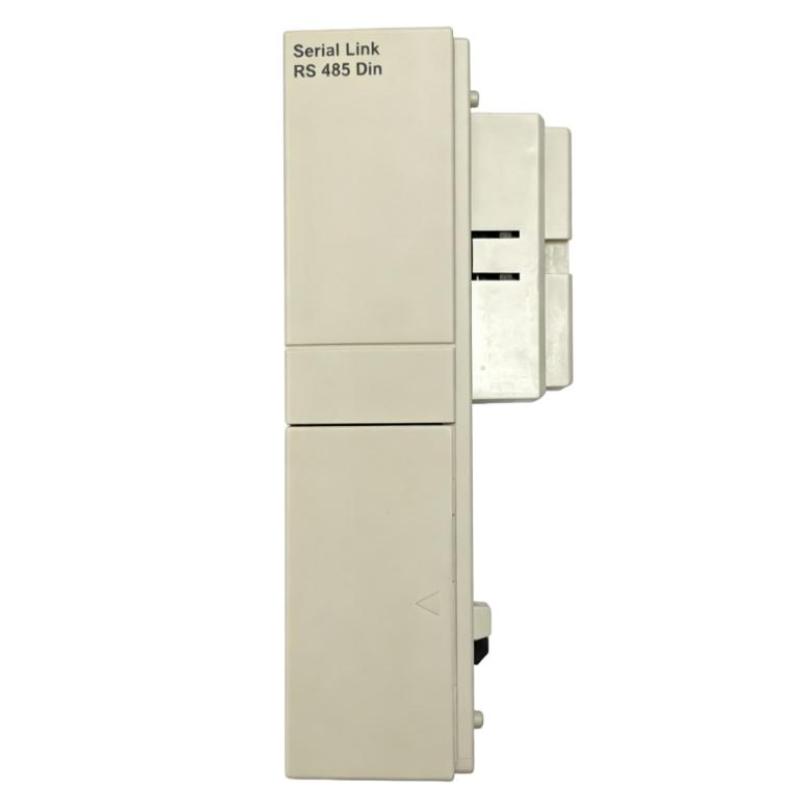
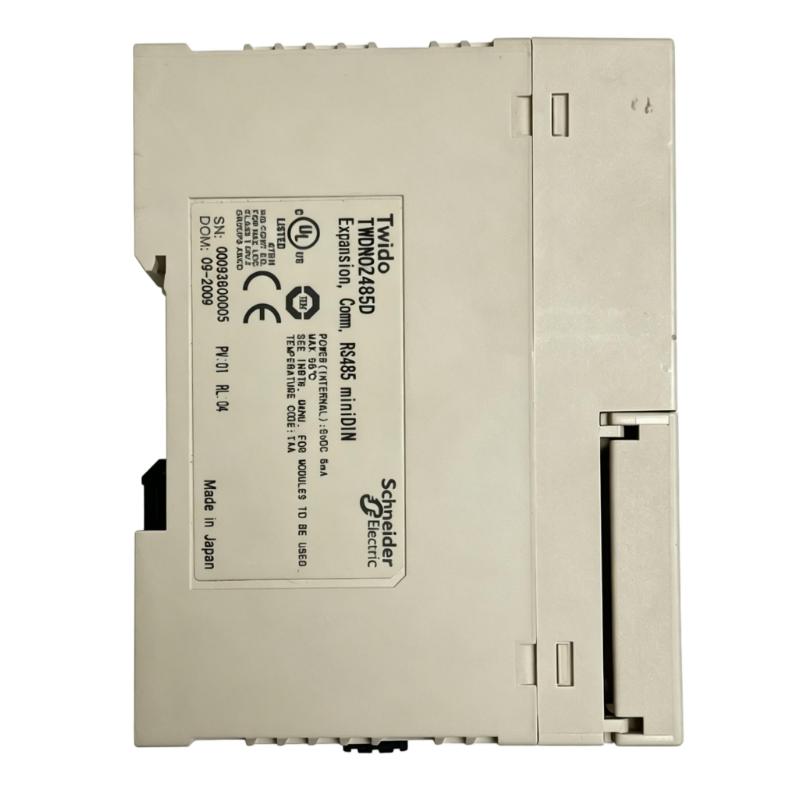
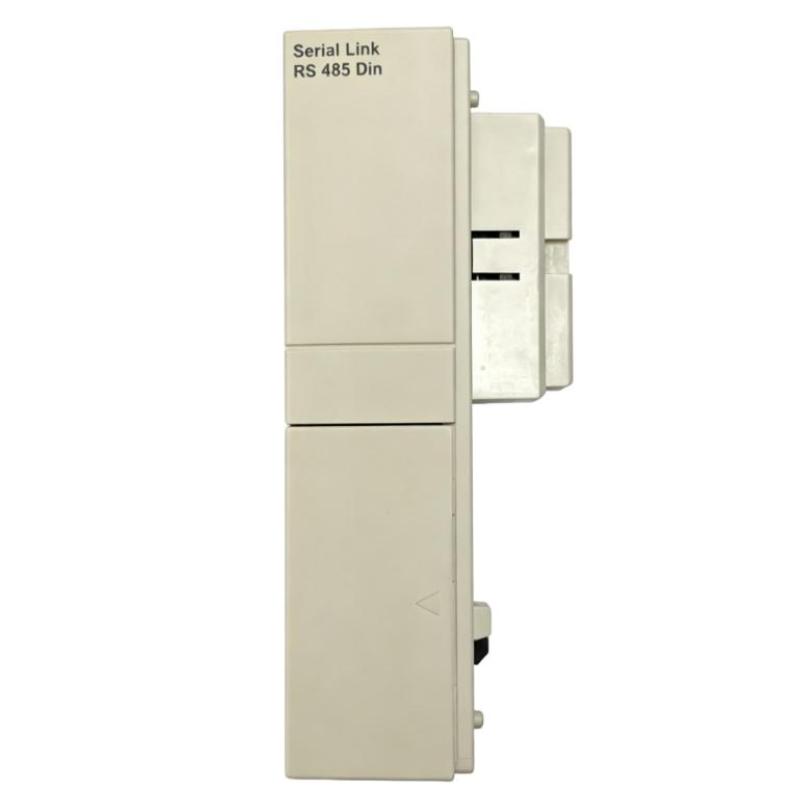
The Schneider Electric TWDNOZ485D is a communication expansion module designed for the Modicon Twido programmable logic controller (PLC) platform. It provides an additional RS-485 serial communication interface for compatible Twido modular base controllers, helping extend the communication capabilities of existing industrial automation systems.
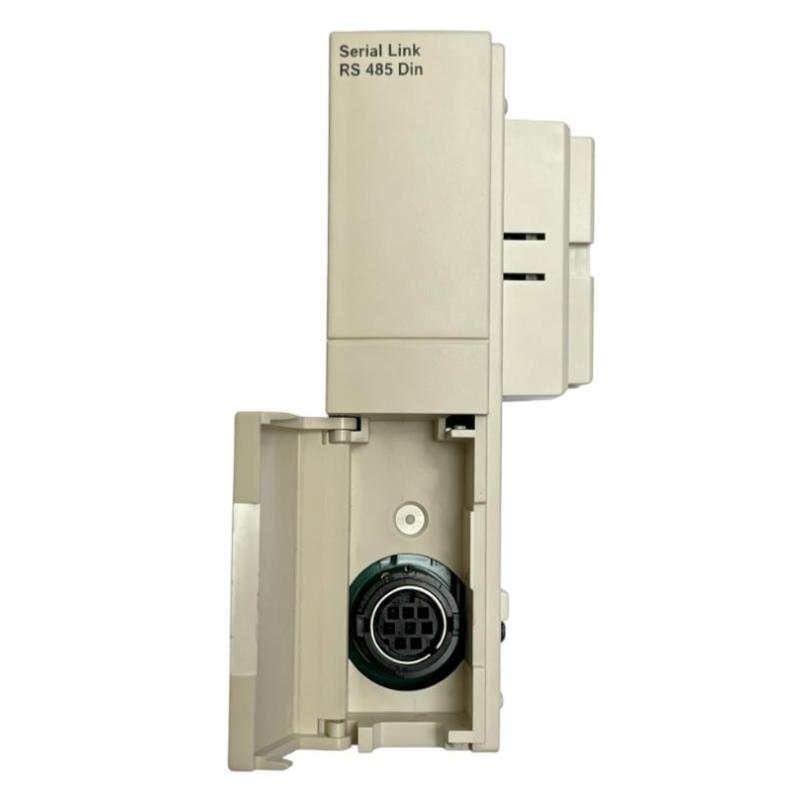
In industrial environments, PLC communication interfaces allow controllers to exchange information with other automation devices, operator interfaces, supervisory systems, and compatible serial equipment. The TWDNOZ485D is designed to support these communication requirements through an integrated serial link adapter and an 8-pin Mini-DIN connector.
Unlike a digital input or output module, the TWDNOZ485D does not primarily increase the number of field signals that a controller can process. Its main purpose is to provide an additional communication connection. This distinction is important when selecting spare parts because a communication module and an I/O expansion module perform different functions within a PLC system.
The TWDNOZ485D is intended for compatible modular controllers in the Modicon Twido family, including the TWDLMDA20DRT and selected TWDLMDA20 and TWDLMDA40 variants. Actual compatibility should be confirmed against the exact controller model and installed hardware configuration before installation.
The module is particularly relevant to maintenance engineers responsible for legacy Twido-based machinery. Where an existing control system relies on an additional RS-485 connection, replacing a failed communication module with the correct part may help restore the original architecture without immediately redesigning the entire automation system.
As the Twido product family has reached discontinued status in many markets, the TWDNOZ485D is generally most relevant to equipment maintenance, spare-parts procurement, and legacy-system support. Buyers should verify the exact part number, physical condition, connector integrity, and communication requirements before ordering.
Technical Specifications
| Parameter | Specification |
|---|---|
| Brand | Schneider Electric |
| Model | TWDNOZ485D |
| Product Family | Modicon Twido |
| Product Type | Communication Expansion Module |
| Module Function | Integrated Serial Link Adapter |
| Communication Interface | RS-485 |
| Connector Type | Mini-DIN |
| Connector Pin Count | 8 pins |
| Compatible Controller Type | Selected Modicon Twido modular base controllers |
| Example Compatible Controller | TWDLMDA20DRT |
| Other Compatible Models | Selected TWDLMDA20 and TWDLMDA40 modular controller variants |
| I/O Expansion Function | No additional digital I/O points |
| Dimensions | 70 × 22.5 × 90 mm, as provided |
| Weight | 0.085 kg |
| Product Status | Discontinued |
| Typical Use | Serial communication expansion and legacy PLC maintenance |
Specification note: Dimensions are reproduced from the supplied product listing. Published hardware drawings may use different measurement conventions, so verify the actual module dimensions and mounting clearance before ordering or designing a replacement. Compatibility, communication configuration, and supported operating modes should be checked against the applicable Twido documentation.
Function and Working Principle
The TWDNOZ485D extends the serial communication capabilities of a compatible Twido modular controller. It provides an additional physical communication interface that can be configured for supported communication functions within the controller’s software and hardware environment.
1. RS-485 Serial Communication
RS-485 is a differential serial communication standard commonly used in industrial environments. It is valued for its ability to support communication over suitable cable installations and for its resistance to certain forms of electrical interference when correctly designed and installed.
The TWDNOZ485D provides an RS-485 connection through its Mini-DIN interface. The module’s role is to make the additional serial port available to the compatible PLC system. The actual data exchanged through the interface depends on the controller configuration, supported communication functions, connected equipment, and application requirements.
RS-485 describes the electrical interface rather than a complete application protocol. Therefore, users must confirm that the controller and connected device use compatible communication settings and protocols.
2. Additional Serial Interface
In a modular Twido system, the base controller provides the central logic-processing function. The TWDNOZ485D can provide an additional serial interface where the application requires a second communication connection.
For example, a controller may need to communicate with an external device through one interface while retaining another interface for a separate supported communication task. The exact arrangement depends on the controller model, the communication configuration, and the other installed expansion equipment.
This additional interface can be useful in established installations where the original communication architecture has already been designed, programmed, and tested.
3. Data Exchange Between Automation Devices
A configured serial connection can allow compatible devices to exchange control information, operating status, measurements, or commands. Typical data exchange tasks may include reporting machine status, sending selected process values, or supporting communication with an operator interface.
The TWDNOZ485D itself does not determine the meaning of this information. Data interpretation is governed by the controller program and the communication settings used by the connected equipment.
Successful communication therefore requires more than installing the hardware. The physical connection, wiring, addressing, communication parameters, protocol configuration, and application logic must all be compatible.
4. Integration with the Twido Controller
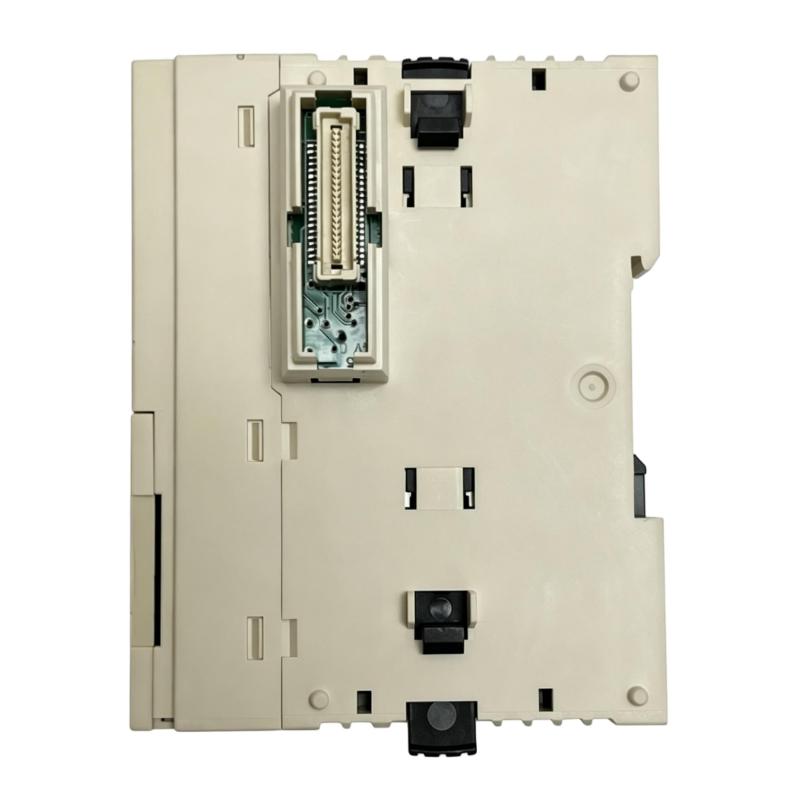
The module is designed for specified Twido modular base controllers. It attaches to the supported controller using the designated expansion connection.
The installation must follow the manufacturer’s procedure, including the correct removal of covers, alignment of connectors, and engagement of the module’s locking mechanism. An incorrectly seated module can result in an unreliable connection or communication failure.
The TWDNOZ485D also has configuration constraints within the Twido platform. In particular, the communication expansion module and the operator display expansion module cannot be used together in the documented modular-base arrangement. This restriction should be checked during system planning and replacement work.
Role in Industrial Control Systems
Communication expansion is an important part of industrial automation because PLCs frequently exchange data with devices outside their immediate I/O circuits. The TWDNOZ485D provides a dedicated hardware option for applications built around the Modicon Twido platform.
Communication with External Equipment
The additional serial interface can support communication with compatible external equipment when the required communication function is available in the controller. Depending on the application, this may include selected operator interfaces, serial devices, or other supported automation equipment.
The connected device must support the relevant interface and communication configuration. The presence of an RS-485 port alone does not guarantee compatibility with every RS-485 device.
Legacy System Integration
Many industrial facilities continue operating machines built around older PLC platforms. These machines may depend on established serial communication connections for operator interaction, data exchange, or coordination with other equipment.
When a TWDNOZ485D fails, a matching replacement may help preserve the original communication design. This can reduce the immediate need for extensive control-panel modifications, although the replacement still needs to be checked and tested.
Maintenance and Troubleshooting
The module can be relevant when investigating communication faults in an existing Twido installation. If an additional serial interface is unavailable or behaving incorrectly, maintenance personnel may need to inspect the module, connector, wiring, controller configuration, and connected device.
Replacing the module should not be the only troubleshooting step. Communication problems may also originate from incorrect parameters, damaged cables, unsuitable termination, grounding issues, or faults in the connected equipment.
Support for Established Control Architectures
The TWDNOZ485D is designed around a specific PLC family rather than as a universal serial converter. Its main value is its compatibility with the intended Twido modular controller architecture.
This makes exact model identification especially important. A visually similar communication module with another part number may use a different connector type or serve a different purpose.
Industrial Applications
1. Packaging Machinery
Packaging machines often combine PLC sequence control, operator interaction, product detection, and communication with other equipment. In a suitable Twido-based installation, the TWDNOZ485D may provide an additional serial interface for a supported communication task.
The module does not independently control the packaging sequence. Instead, it provides the communication hardware required by the configured controller application.
2. Material Handling Systems
Conveyors, sorting equipment, and small material-handling machines may use serial communication for exchanging operating information between compatible devices. Where the existing system uses a modular Twido PLC, an additional RS-485 interface may help maintain the original connection arrangement.
Engineers should confirm the communication role of each connected device before replacing or reconfiguring the interface.
3. Process Equipment
Small process machines may use PLCs to coordinate valves, pumps, sensors, and auxiliary equipment. Communication interfaces can support the exchange of selected process values or machine status with compatible external devices.
The TWDNOZ485D may be appropriate when the original Twido design requires its additional serial port. It should not be assumed to support every process communication protocol without checking the controller’s capabilities.
4. Machine Operator Interfaces
Some legacy machine designs use serial communication between a PLC and an operator interface. If the existing application uses the TWDNOZ485D for a supported connection, retaining the correct module may help preserve the original hardware arrangement.
Before replacement, verify the operator interface model, cable type, connector pinout, communication parameters, and controller program.
5. Industrial Equipment Maintenance
The module is useful as a potential spare part for factories maintaining older Twido-based control systems. Keeping a verified replacement available can help reduce downtime if the additional serial interface is essential to the machine’s operation.
Because the product is discontinued, procurement teams should pay particular attention to the part number, physical condition, and any available functional-test information.
Installation and System Integration
Correct installation is essential for reliable serial communication. The TWDNOZ485D should be installed only in a controller configuration that supports the module.
Controller Compatibility
Before installation, identify the exact Twido base controller model. The TWDNOZ485D is compatible with selected modular controllers, including the TWDLMDA20DRT and specified TWDLMDA20 and TWDLMDA40 variants.
Do not assume that every controller in the Twido family supports this module. Compact controllers and other hardware variants may use different communication accessories or have different interface arrangements.
Power Isolation and Module Mounting
Before carrying out installation or removal, follow the manufacturer’s electrical safety procedures and isolate the equipment as required. Ensure that the work area is safe and that connected circuits cannot create an unexpected hazard.
Remove the relevant communication connector cover, align the expansion interface correctly, and engage the module according to the hardware installation instructions. Do not force the connector or attempt to install the module in an incompatible position.
After installation, inspect the mechanical connection and confirm that the module is secured correctly.
RS-485 Wiring
Use a cable suitable for the intended RS-485 installation. Verify the signal assignments and connector pinout using the correct documentation for the module and connected equipment.
Pay attention to cable routing, electrical noise, grounding arrangements, and the requirements for line termination and biasing. These details depend on the actual network design and the connected devices.
Never assume the Mini-DIN connector’s pin assignment from its appearance alone. An incorrect connection can prevent communication and may damage equipment in some circumstances.
Communication Configuration
Check the communication settings used by the controller and the connected device. Depending on the supported application, these may include baud rate, data format, addressing, and protocol-related settings.
The correct values must be obtained from the existing application configuration or the documentation for the connected equipment. If the original system is operating correctly, record its configuration before making changes.
Commissioning and Functional Testing
After installing the module, verify that the controller recognizes the intended configuration and that the communication connection operates as expected.
A commissioning checklist should include:
- Confirmation of the complete module and controller part numbers.
- Inspection of the module’s connector and mechanical seating.
- Verification of the RS-485 cable and pin assignments.
- Review of communication settings and device addressing.
- Testing of the expected data exchange.
- Verification of the connected device’s response.
- Recording of the final configuration and test results.
If communication is not restored, investigate the wiring, connected device, configuration, and controller condition before concluding that the module itself is defective.
Compatible System Components
The TWDNOZ485D is intended to operate as part of a supported Modicon Twido modular PLC configuration.
| Component or Equipment | Role | Compatibility Considerations |
|---|---|---|
| TWDLMDA20DRT Modular Base Controller | Main PLC controller | Listed as a compatible controller; verify hardware revision and application |
| Selected TWDLMDA20 Series Controllers | Modular PLC base | Confirm the exact suffix and documented compatibility |
| Selected TWDLMDA40 Series Controllers | Higher-capacity modular PLC base | Verify the exact model and configuration |
| RS-485-Compatible External Device | Exchanges serial data with the PLC | Confirm protocol, signal assignments, and communication parameters |
| Compatible Serial Cable | Connects the module to external equipment | Verify Mini-DIN pinout, cable specification, and wiring requirements |
| Industrial Power Supply | Supplies the PLC system | Check the base controller’s requirements and system power design |
| Twido Programming Environment | Used to maintain controller logic and configuration | Confirm the software version and access to the original application |
| Operator Interface | Provides operator monitoring or control | Confirm communication support and observe module/display expansion restrictions |
Compatibility should be determined from the actual installation rather than from the product family name alone. In particular, the TWDNOZ485D should not be treated as interchangeable with every Twido serial interface accessory.
Recommended Alternative Models and Replacement Considerations
The TWDNOZ485D is discontinued, and Schneider Electric’s product information does not identify a direct replacement for this exact part number. Therefore, any proposed alternative should be treated as a migration option requiring engineering review rather than a confirmed plug-in substitute.
| Potential Option | Intended Use | Important Considerations |
|---|---|---|
| Schneider Electric TWDNOZ485T | Alternative Twido RS-485 communication module with screw-terminal connection | Different connector arrangement; verify mounting and application compatibility |
| Schneider Electric TWDNOZ232D | Twido serial communication expansion with an RS-232 interface | Uses a different electrical interface and is not a direct RS-485 substitute |
| Schneider Electric TWDNAC485D | RS-485 communication adapter for supported compact Twido controllers | Intended for a different controller configuration; not a direct replacement for the modular-base module |
| Modern Schneider Electric PLC platform | Long-term migration from a legacy Twido installation | Requires assessment of hardware, program conversion, communications, wiring, and operator interfaces |
| Verified TWDNOZ485D replacement unit | Maintenance of an existing installation | Confirm exact part number, condition, connector integrity, and communication operation |
The TWDNOZ485T is worth evaluating when the original system can accommodate its screw-terminal connection, but its connector design differs from the TWDNOZ485D’s Mini-DIN interface. The two should not be considered mechanically identical or automatically interchangeable.
The TWDNOZ232D uses RS-232 rather than RS-485, so it may be suitable only if the communication architecture and connected equipment support that interface. Likewise, the TWDNAC485D is designed for specified compact Twido configurations and should not be assumed to fit the same modular base.
For a complete modernization project, assess the connected devices, required serial protocol, cable topology, communication settings, software support, and the consequences of replacing the original PLC platform.
Key Advantages
Dedicated RS-485 Communication Interface
The TWDNOZ485D provides an additional RS-485 serial interface for supported Twido modular controllers. This can help maintain an established communication arrangement without redesigning the entire control system.
Compact Expansion Design
Its compact form factor allows it to be installed as a dedicated communication accessory within a compatible modular PLC configuration.
Defined Controller Compatibility
The module is designed for specified Twido modular base controllers. Correct model matching helps maintenance teams source the communication component required by an existing installation.
Mini-DIN Connection
The 8-pin Mini-DIN interface provides a defined physical connection for compatible serial cabling. The pin assignment and wiring requirements must still be checked before installation.
Useful for Legacy Equipment Support
For factories that continue operating Twido-based machinery, a verified module may help maintain the original serial communication architecture while a longer-term modernization plan is considered.
Targeted Troubleshooting and Replacement
Because the module provides a specific communication function, it can be evaluated as part of a structured fault-finding process when an additional serial interface is not operating correctly.
Technical FAQs
1. What is the Schneider Electric TWDNOZ485D?
The TWDNOZ485D is an RS-485 communication expansion module for compatible Modicon Twido modular PLCs. It provides an additional serial link through an 8-pin Mini-DIN connector.
2. Does the TWDNOZ485D add digital inputs or outputs?
No. Its primary function is communication expansion, not additional digital I/O. It should not be confused with a digital input module or output module.
3. Which PLC controllers are compatible with the TWDNOZ485D?
Documented compatible models include the TWDLMDA20DRT and selected TWDLMDA20 and TWDLMDA40 modular base controllers. Always confirm the complete controller part number before ordering.
4. What communication interface does it use?
The module supports RS-485 serial communication and uses an 8-pin Mini-DIN connector. The protocol and communication settings depend on the controller configuration and connected equipment.
5. Can the TWDNOZ485D be replaced by the TWDNOZ485T?
Not automatically. Both models provide RS-485 communication for Twido systems, but the TWDNOZ485T uses a screw-terminal connection instead of the TWDNOZ485D’s Mini-DIN connector. Verify hardware compatibility, wiring, and installation requirements before considering substitution.
6. Is the TWDNOZ485D discontinued?
Yes. Schneider Electric lists the model as discontinued in its product information. The manufacturer does not identify a direct replacement for this exact part number.
7. What should I check if the serial connection does not work?
Check that the controller supports the module, the module is correctly seated, the cable pinout is correct, and the connected equipment uses compatible communication settings. Also inspect the cable, grounding, network wiring, and the configuration of the controller and external device.
8. Can the module be used with any RS-485 device?
No. A matching electrical interface does not guarantee protocol compatibility. The controller application and the connected device must support compatible communication functions and settings.
9. What should buyers verify before purchasing?
Confirm the full model number, physical condition, connector type, dimensions, weight, and compatibility with the existing PLC. For used or refurbished units, request condition details and functional testing where available.
10. Is the TWDNOZ485D suitable for a new automation project?
For new designs, a currently supported PLC platform is generally preferable. The TWDNOZ485D is mainly relevant to maintaining existing Twido systems or meeting a specific legacy-equipment requirement.
Procurement and Maintenance Recommendations
When purchasing the TWDNOZ485D, provide the complete model number and the model of the Twido controller on which it will be installed. This helps reduce the risk of ordering an interface accessory that looks similar but has a different connector or intended use.
For replacement stock, inspect the Mini-DIN connector, module housing, and mechanical attachment features. If the unit is used or refurbished, request details about its condition and any available functional testing. Physical appearance alone does not establish that serial communication is working correctly.
Maintenance teams should also retain the existing PLC program, communication settings, cable pinout, and connected-device details. These records can simplify troubleshooting if the serial interface fails and help confirm that a replacement is configured correctly.
Where the TWDNOZ485D is no longer available, assess alternatives according to the required interface, controller compatibility, and wiring arrangement. A substitute should not be selected solely because it supports RS-485; its mechanical fit, electrical connection, and software support must also be suitable.
For installations that are approaching the end of their service life, consider planning a phased modernization. This allows the existing equipment to remain operational where practical while the engineering team evaluates a supported PLC platform and develops a tested migration plan.
Conclusion
The Schneider Electric TWDNOZ485D Module with Integrated Serial Link Adapter is a dedicated RS-485 communication accessory for compatible Modicon Twido modular controllers. Its 8-pin Mini-DIN interface provides an additional serial connection for supported industrial communication tasks.
The module is particularly relevant to maintaining legacy Twido systems where the original communication architecture must be preserved. Accurate model identification, correct wiring, compatible communication settings, and functional testing are essential for successful installation.
As the TWDNOZ485D is discontinued and has no manufacturer-designated direct replacement, buyers should verify availability and condition carefully. When an exact replacement cannot be sourced, any alternative should be evaluated as part of a complete compatibility and system-migration assessment.