
NewsNEWCENTER
Featured products
Contact Us
Schneider Electric Advances Industrial Automation Through Open and Software-Defined Control Technologies
2026-08-11The industrial automation industry is experiencing a major transformation as manufacturers and process companies move toward more flexible, connected, and intelligent control architectures.
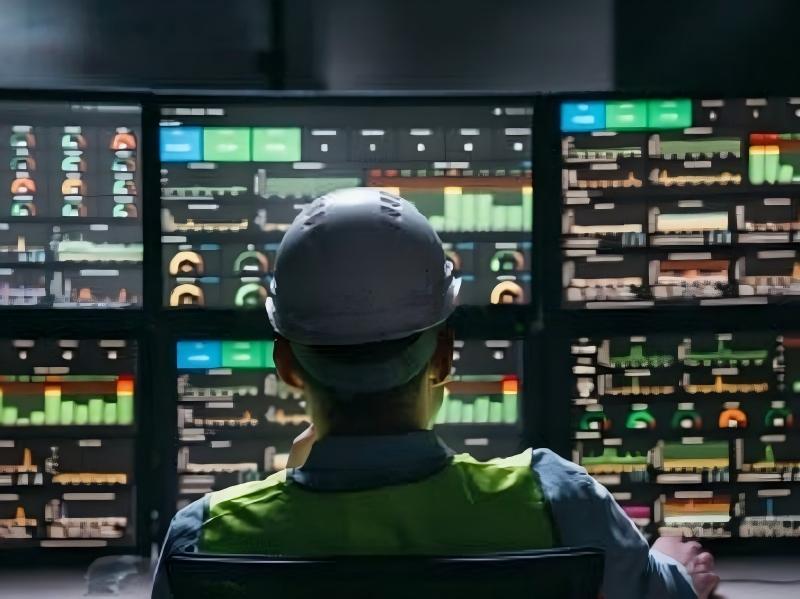
Modern industrial organizations are facing increasing demands for:
- Higher production efficiency
- Faster system adaptation
- Better operational visibility
- Improved cybersecurity
- Reduced maintenance costs
- Sustainable production
Industries including:
- Manufacturing
- Energy
- Chemical processing
- Food and beverage
- Water treatment
- Infrastructure
- Mining
are upgrading traditional automation systems to support digital transformation.
For decades, Distributed Control Systems (DCS) have played a central role in process automation. However, traditional control architectures often involve complex hardware structures and limited flexibility.
The next generation of industrial automation is moving toward:
- Open automation architectures
- Software-defined control
- Integrated PLC and DCS technologies
- Industrial IoT connectivity
- Advanced analytics
Schneider Electric continues developing automation solutions focused on digital transformation, open architectures, and intelligent industrial operations.
These technologies help companies build automation systems that are more flexible, scalable, and prepared for future manufacturing requirements.
The Evolution of Traditional DCS Toward Open Automation Architectures
Traditional DCS platforms have been widely used in process industries for:
- Continuous production control
- Process monitoring
- Alarm management
- Operator supervision
Although traditional DCS systems provide reliable operation, modern industries require greater flexibility.
New industrial environments require automation systems that can support:
- Faster engineering changes
- Easier integration
- More open communication
- Digital data exchange
- Advanced software applications
Software-defined automation changes the way industrial systems are designed.
Instead of relying only on dedicated hardware structures, modern automation platforms increasingly use software technologies to provide:
- Flexible configuration
- Scalable control functions
- Improved system integration
This development creates new opportunities for industrial modernization.
Software-Defined Automation Supports Future Industrial Operations
Software-defined automation represents a major direction in industrial technology development.
A software-based control approach allows industrial companies to improve:
- System flexibility
- Engineering efficiency
- Operational management
Modern automation platforms can integrate:
- Control functions
- Data processing
- Analytics applications
- Digital services
This enables companies to create more adaptive industrial environments.
Benefits of software-defined automation include:
- Easier system expansion
- Faster application updates
- Improved integration capability
- Reduced engineering complexity
As industrial requirements continue changing, flexible software-based architectures will become increasingly important.
Digital Transformation Accelerates Smart Factory Development
Smart factories are becoming a major trend across global manufacturing industries.
A smart factory combines:
- Automation controllers
- Industrial networks
- Sensors
- Robotics
- Digital platforms
- Data analytics
The goal is to create production systems capable of:
- Monitoring operations
- Optimizing processes
- Improving quality
- Reducing downtime
Digital transformation allows manufacturers to move from traditional production management toward data-driven operations.
Modern industrial facilities can analyze:
- Equipment performance
- Production efficiency
- Energy usage
- Maintenance requirements
This creates a continuous improvement cycle.
Industrial IoT Connects Equipment and Digital Platforms
Industrial Internet of Things technology is changing how factories operate.
Industrial IoT connects:
- Machines
- Sensors
- Controllers
- Production systems
- Digital applications
This enables:
- Real-time data collection
- Remote monitoring
- Equipment analysis
- Operational optimization
Connected industrial environments provide companies with deeper understanding of production processes.
Industrial IoT helps organizations:
- Improve equipment utilization
- Reduce maintenance costs
- Increase operational transparency
Connectivity has become a fundamental requirement for modern automation systems.
Integration Between PLC, DCS and Industrial Software Systems
Modern industrial environments require cooperation between different automation technologies.
A future-oriented automation architecture may include:
- DCS systems
- PLC controllers
- SCADA platforms
- Safety systems
- Industrial networks
- Enterprise applications
Integration between these technologies provides:
- Better information sharing
- Improved operational control
- Higher system flexibility
The traditional separation between PLC and DCS systems is gradually becoming less obvious.
Modern automation solutions increasingly combine:
- High-speed machine control
- Process automation
- Data management
- Digital intelligence
This creates more powerful industrial control environments.
Artificial Intelligence Improves Industrial Decision-Making
Artificial intelligence is becoming an important technology in industrial automation.
AI-based solutions can analyze large amounts of operational information from:
- Sensors
- Machines
- Controllers
- Production systems
AI supports:
- Process optimization
- Equipment monitoring
- Fault prediction
- Production analysis
By using artificial intelligence, industrial companies can improve:
- Operational efficiency
- Maintenance planning
- Production decisions
AI integration will continue influencing the development of future automation systems.
Predictive Maintenance Reduces Industrial Downtime
Equipment reliability is one of the most important concerns in modern industry.
Unexpected failures may cause:
- Production interruptions
- Increased maintenance expenses
- Reduced delivery performance
Predictive maintenance uses data analysis to identify possible problems before equipment failure.
Operational information from:
- Motors
- Pumps
- Drives
- Machines
- Process equipment
can provide early warning signals.
Predictive maintenance helps companies:
- Schedule maintenance more effectively
- Reduce unexpected shutdowns
- Improve equipment availability
- Extend asset lifetime
Energy Efficiency Supports Sustainable Industrial Development
Industrial companies are increasingly focusing on sustainability.
Automation technologies help organizations monitor and optimize energy consumption.
Energy management systems analyze:
- Equipment operation
- Production conditions
- Energy usage patterns
Benefits include:
- Lower energy costs
- Improved efficiency
- Reduced environmental impact
Future automation systems will increasingly combine productivity improvement with sustainable operation.
Cybersecurity Becomes Essential for Connected Automation
As industrial systems become more connected, cybersecurity requirements continue increasing.
Modern automation environments must protect:
- Control systems
- Industrial networks
- Production information
- Digital platforms
Cybersecurity helps maintain:
- System availability
- Reliable operation
- Data protection
Future smart factories require automation architectures designed with security in mind.
Industrial Modernization Requires Flexible Upgrade Strategies
Many industrial companies operate existing automation systems that remain valuable.
Modernization does not always require complete replacement.
Companies can upgrade existing systems through:
- Digital technologies
- Software improvements
- Connected devices
- Advanced analytics
A gradual modernization approach helps organizations:
- Reduce investment pressure
- Minimize production interruptions
- Improve automation capabilities
Flexible upgrade strategies are becoming increasingly important.
Challenges During Digital Automation Transformation
Although intelligent automation provides many advantages, companies must consider several challenges.
System Integration
Industrial facilities often contain equipment from different generations.
Integration requires careful engineering planning.
Technical Skills
Modern automation projects require professionals with knowledge of:
- Control engineering
- Industrial networking
- Software technologies
- Data analysis
Cybersecurity Management
Connected systems require continuous security improvement.
Companies must establish reliable protection strategies.
Future Outlook: Open and Intelligent Automation Will Continue Growing
The future of industrial automation will increasingly focus on:
- Software-defined control
- Open automation platforms
- Industrial AI
- Smart manufacturing
- Digital transformation
Modern industrial systems will become more:
- Flexible
- Connected
- Intelligent
- Sustainable
Schneider Electric’s automation development direction reflects the broader industry movement toward open and digital industrial architectures.
Future factories will not only automate production but also:
- Analyze operational data
- Improve decision-making
- Optimize resources
- Adapt quickly to changing requirements
Conclusion
Industrial automation is entering a new era driven by software technologies, digital platforms, and intelligent control systems.
Schneider Electric open automation concepts, software-defined DCS technologies, and digital industrial solutions demonstrate how modern industries can achieve greater flexibility, efficiency, and competitiveness.
For global manufacturers, process industries, and automation professionals, next-generation control architectures provide the foundation for building smarter and more sustainable industrial environments.
As industrial digital transformation continues, open automation, intelligent software platforms, and connected control systems will become essential technologies shaping the future of manufacturing.