Intelligent Air System Management Helps Manufacturers Improve Energy Efficiency and Equipment Reliability
As manufacturers continue to pursue higher production efficiency and lower operating costs, compressed air systems are receiving greater attention as a key part of industrial automation. Ingersoll Rand is responding to this trend by expanding intelligent air management solutions that help factories improve energy efficiency, reduce maintenance requirements and increase overall equipment reliability.
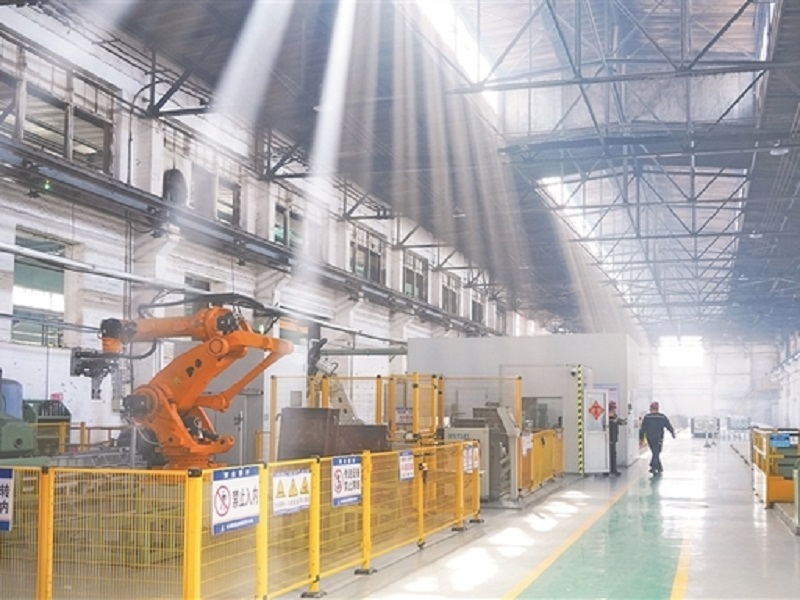
Compressed air is widely recognized as one of the most important utilities in modern manufacturing. It powers pneumatic tools, production equipment, packaging machinery, robotic systems and automated assembly lines. However, inefficient air systems can significantly increase energy consumption and operating expenses.
To address these challenges, more manufacturers are adopting intelligent compressor technologies that provide continuous monitoring of pressure, temperature, airflow and equipment operating status. Real-time operating data enables maintenance teams to detect abnormal conditions before failures occur, helping reduce unexpected downtime and improve production stability.
Another important trend is the integration of compressed air systems with factory automation platforms. Modern compressors can communicate with PLCs, SCADA systems and industrial monitoring software, allowing operators to supervise multiple air compressors from a centralized control room. This level of connectivity improves operational visibility and supports faster decision-making.
Energy optimization has also become a major focus for industrial facilities. Variable-speed compressor technology automatically adjusts output according to actual air demand, reducing unnecessary power consumption during periods of lower production. Combined with intelligent load management, these systems help manufacturers lower electricity costs while maintaining a stable compressed air supply.
Remote monitoring is becoming increasingly common across industrial plants. Maintenance engineers can review compressor performance, receive alarm notifications and analyze historical operating trends without being physically present at the equipment location. This improves maintenance efficiency and allows service teams to respond more quickly to developing issues.
Predictive maintenance is another area of rapid development. By continuously analyzing equipment operating conditions, manufacturers can identify wear patterns and schedule maintenance before component failures affect production. This approach reduces emergency repairs, extends equipment service life and improves overall system availability.
Industrial users are also paying closer attention to air quality. Modern compressed air systems often include advanced filtration, moisture removal and air treatment technologies that help protect sensitive production equipment and improve product quality in industries such as food processing, pharmaceuticals, electronics and precision manufacturing.
Looking ahead, digitalization, energy efficiency and intelligent maintenance will continue to shape the future of compressed air technology. Manufacturers are expected to invest further in connected equipment capable of integrating with broader industrial automation systems while providing detailed performance analysis and operational insights.
As industrial production becomes increasingly automated, intelligent compressed air management is evolving from a simple utility function into a strategic component of smart manufacturing. Through improved monitoring, energy optimization and predictive maintenance capabilities, advanced compressed air solutions are helping manufacturers build more efficient, reliable and sustainable production facilities.