

ProductPRODUCT
Featured products
Contact Us
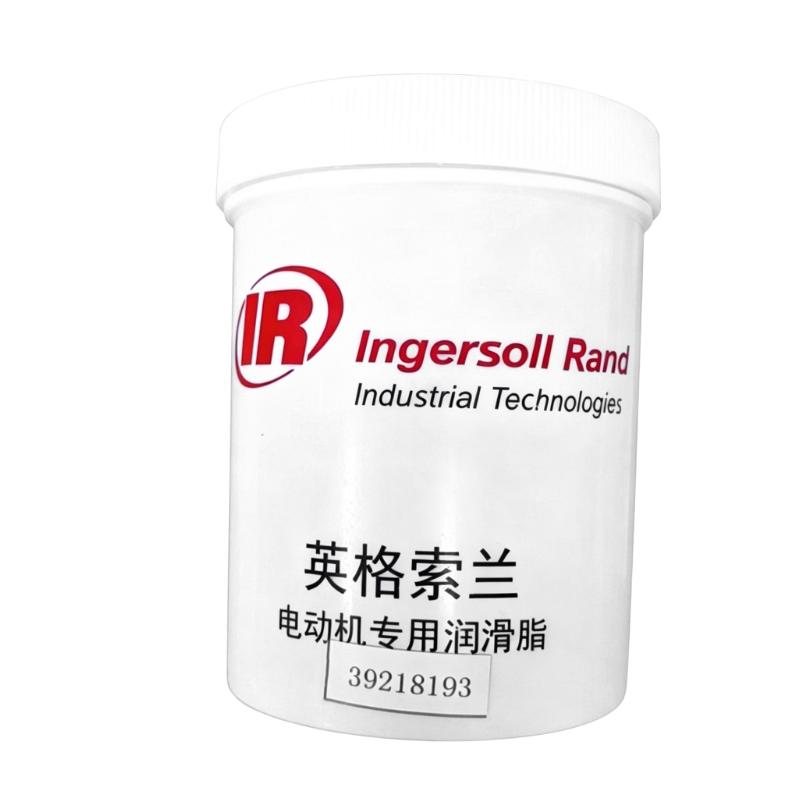
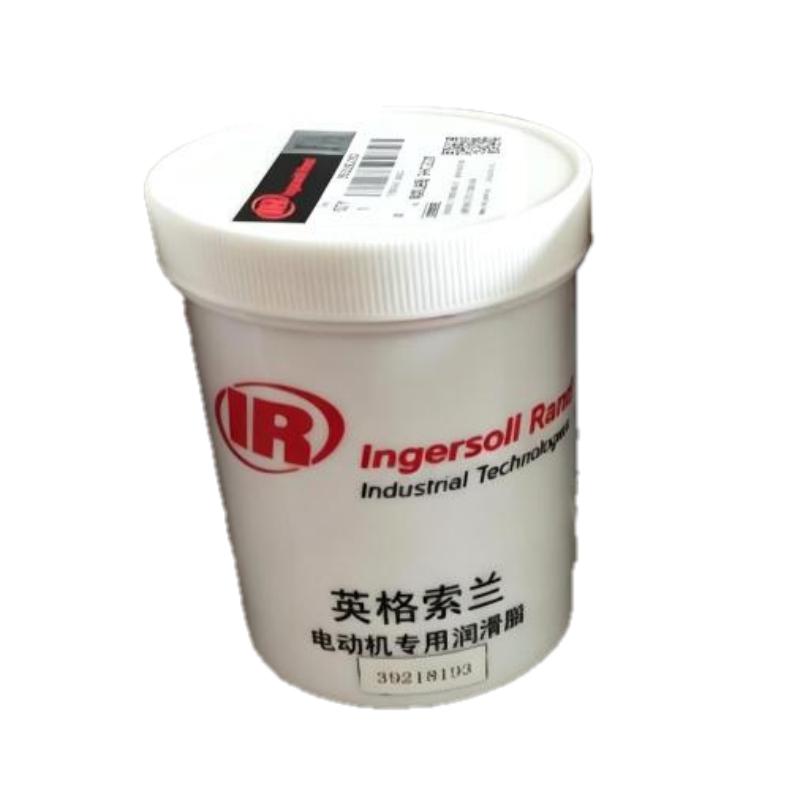
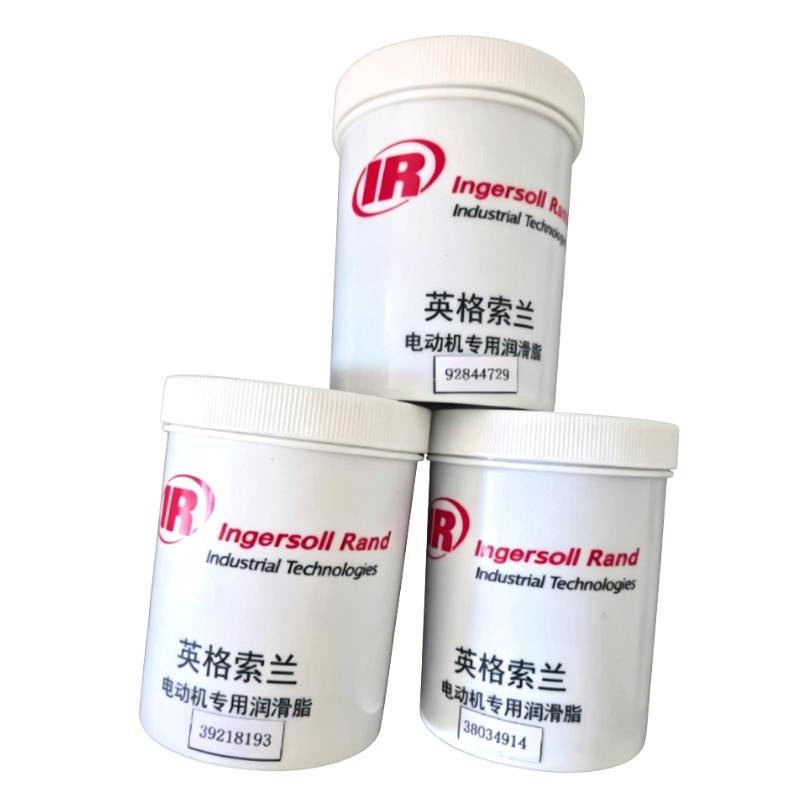
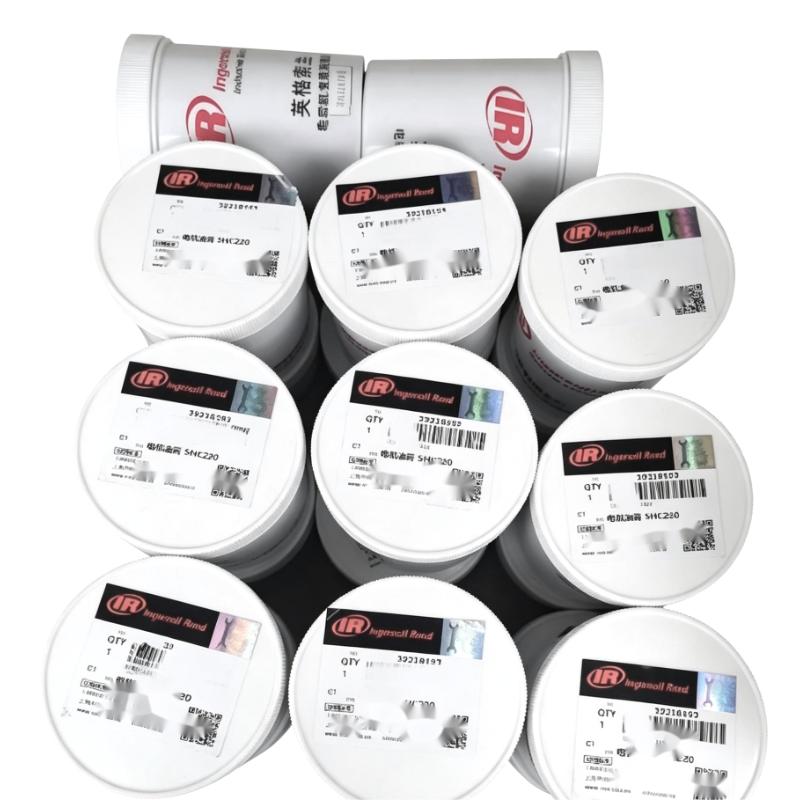
- Ingersoll Rand
- 47674733001 39218193
- High Temperature Grease
- USA
- 95 × 95 × 80 mm
- 0.40 kg
- Xiamen, China
- New & In Stock
- T/T, PayPal, Western Union
- 1 Year
- 1-3 Working Days
- DHL, UPS, TNT, FedEx and EMS.
- 24-Hour Service
- COO
- 2
Our advantage

Global Logistics
We have a 10-year logistics and express cooperation agreement, so our products can be shipped to any place in the world.

Brand new and original
Our products are imported in bulk from the place of origin. Because of the cooperative relationship, our products are all original and 100% new.

24-hour service
We provide 7*24 hours service to our customers. We will be there whenever you need us.

Price advantage
All our products are priced very favorably because we have our own warehouse and supply.
| Company Information | |||
| [email protected] | |||
| Mobile | +8615980777398 | ||
| +8615980777398 | |||
| 15980777398 |
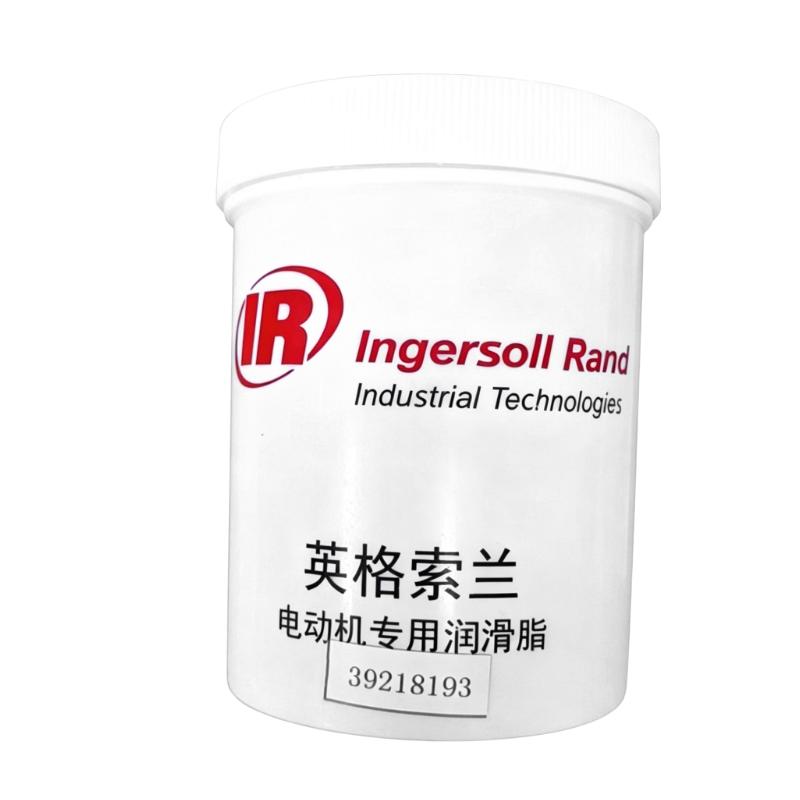
Product Overview
The Ingersoll Rand 47674733001 / 39218193 High Temperature Grease is a specialized industrial maintenance lubricant designed for applications where mechanical components operate under elevated-temperature conditions. High-temperature grease is used to provide lubrication and help reduce friction, wear, and heat generation in compatible equipment.
The 47674733001 reference and 39218193 part number provide important identification information for maintenance teams and spare-parts purchasers. Correct lubricant selection is particularly important in industrial compressors and other rotating machinery because grease characteristics can affect bearing performance, component protection, maintenance intervals, and equipment reliability.
The supplied dimensions of the Ingersoll Rand 47674733001 39218193 High Temperature Grease are 95 × 95 × 80 mm, with a listed weight of 0.40 kg. Its compact packaging format makes it practical for maintenance storage and routine servicing.
High-temperature lubrication can be particularly important in equipment exposed to continuous operation, elevated bearing temperatures, mechanical loading, or heat generated by nearby components. Using the appropriate lubricant helps maintain stable mechanical operation while supporting preventive-maintenance practices.
Technical Specifications
| Parameter | Specification |
|---|---|
| Manufacturer | Ingersoll Rand |
| Main Reference | 47674733001 |
| Part Number | 39218193 |
| Product Type | High Temperature Grease |
| Application | Industrial Equipment Lubrication |
| Primary Function | Lubrication and friction reduction |
| Dimensions | 95 × 95 × 80 mm |
| Weight | 0.40 kg |
| Installation | Manual / maintenance lubrication according to equipment requirements |
| Typical Application | Compressors and Industrial Rotating Equipment |
| System Role | Mechanical component lubrication |
| Operating Consideration | Elevated-temperature lubrication environments |
The dimensions and weight above are the supplied product values. Exact grease formulation, base oil, thickener type, NLGI grade, operating temperature range, dropping point, load characteristics, and compatibility with specific components should be confirmed against the applicable equipment and lubricant specifications.
What Is the Ingersoll Rand 47674733001 39218193 High Temperature Grease?
The Ingersoll Rand 47674733001 / 39218193 is identified as High Temperature Grease, a maintenance lubricant intended for suitable industrial equipment operating under elevated-temperature conditions.
Grease is commonly used when a lubricant needs to remain in place rather than continuously circulate through an oil system. It can provide a lubricating film between moving surfaces while also helping protect components against friction and wear.
High-temperature grease is particularly useful where conventional lubricants may not provide the required performance under elevated thermal conditions.
Typical components that may require grease lubrication include:
- Bearings
- Bushings
- Pins
- Shafts
- Mechanical joints
- Rotating assemblies
- Other grease-lubricated components
The exact component application depends on the compressor or machine design.
High Temperature Grease Working Principle
Grease consists of a lubricating fluid held within a thickened structure. When applied to a mechanical component, the grease remains in the lubrication area and provides a lubricating film between contacting surfaces.
During operation, the lubricant helps reduce direct metal-to-metal contact.
A simplified lubrication process can be represented as:
Grease Application → Lubricating Film → Friction Reduction → Wear Protection → Component Reliability
The actual performance depends on the lubricant formulation, operating temperature, mechanical load, rotational speed, contamination level, and compatibility with the application.
For this reason, the 39218193 High Temperature Grease should be used only where it is specified or confirmed as suitable for the intended equipment.
Importance of High-Temperature Lubrication
Temperature has a significant influence on lubricant performance.
As mechanical components operate, friction and mechanical loading can generate heat. In some industrial systems, components may also be exposed to heat from surrounding equipment or process conditions.
A suitable high-temperature lubricant can help maintain an effective lubricating film under conditions where temperature would otherwise accelerate lubricant degradation.
Proper lubrication can help support:
- Friction reduction
- Wear control
- Bearing protection
- Smooth mechanical operation
- Reduced maintenance requirements
- Improved equipment reliability
However, selecting a high-temperature grease does not automatically mean it is suitable for every high-temperature application. Compatibility with the specific component and operating conditions must always be verified.
Industrial Applications
The Ingersoll Rand 47674733001 / 39218193 High Temperature Grease can be considered for compatible industrial maintenance applications where high-temperature lubrication is required.
Industrial Compressors
Compressors contain numerous moving components that may require lubrication during scheduled maintenance.
Depending on equipment design, grease may be used on selected mechanical components, bearings, or service points.
Rotating Machinery
Industrial rotating equipment can generate heat through continuous operation and mechanical loading.
Appropriate grease can help maintain lubrication at designated grease points.
Bearings
Bearings are commonly exposed to friction, rotational loading, and heat.
Correct lubrication helps maintain smooth operation and reduce mechanical wear.
Manufacturing Equipment
Automated production equipment can contain numerous mechanical assemblies requiring periodic lubrication.
High-temperature grease can be used where the equipment manufacturer specifies an appropriate lubricant.
Industrial Maintenance
Maintenance departments may use specialized grease products as part of scheduled servicing programs for machinery operating in demanding environments.
Lubrication Application
Correct grease application is important for achieving reliable performance.
Identify the Correct Lubrication Point
Before applying grease, maintenance personnel should confirm that the component is designed for grease lubrication.
Not every bearing or mechanical assembly should be lubricated with grease.
Clean the Area
The lubrication point should be cleaned before application where appropriate.
Preventing dirt and foreign material from entering the lubrication point helps protect the component.
Apply the Appropriate Quantity
Over-greasing can be as undesirable as insufficient lubrication.
Excess grease can increase mechanical resistance, generate additional heat, or create other operating problems depending on the equipment design.
The correct quantity should therefore follow the applicable maintenance procedure.
Avoid Mixing Unverified Greases
Different grease formulations may not be compatible.
Mixing lubricants without confirming compatibility can alter the physical and chemical characteristics of the grease.
When changing lubricant types, the applicable maintenance procedure should be followed.
Installation and Maintenance Guidelines
Although grease is not installed in the same manner as a mechanical component, proper handling and application are important.
Step 1: Verify the Product
Confirm the complete identification:
Ingersoll Rand 47674733001 / 39218193
Step 2: Confirm Equipment Compatibility
Verify that the grease is appropriate for the intended lubrication point.
Important considerations may include:
- Component type
- Operating temperature
- Mechanical load
- Rotational speed
- Existing lubricant
- Lubrication interval
- Environmental conditions
Step 3: Inspect the Lubrication Point
Check for contamination, damaged fittings, excessive old grease, or abnormal mechanical conditions.
Step 4: Apply the Grease
Apply the required amount according to the equipment maintenance procedure.
Avoid excessive application.
Step 5: Inspect Equipment Operation
After lubrication, monitor the equipment for abnormal noise, vibration, temperature, or mechanical behavior.
Step 6: Record the Maintenance
Record the lubrication date, equipment operating hours, lubricant identification, and any abnormal observations.
Storage and Handling
Proper storage helps maintain lubricant quality before use.
The 39218193 High Temperature Grease should be protected from unnecessary exposure to:
- Excessive heat
- Moisture
- Dust
- Direct contamination
- Damaged packaging
- Incompatible chemicals
The supplied packaging dimensions are 95 × 95 × 80 mm, making the product relatively compact for maintenance inventory.
The grease should remain in suitable packaging until required for service.
Maintenance personnel should also avoid introducing dirt or other contaminants into the lubricant during application.
Troubleshooting Lubrication Problems
Lubrication-related problems should be investigated as part of the complete mechanical system.
Excessive Bearing Temperature
High bearing temperature may result from:
- Insufficient lubrication
- Excessive lubrication
- Incorrect grease
- Mechanical overload
- Bearing wear
- Misalignment
- Excessive operating temperature
Replacing or adding grease without identifying the underlying cause may not resolve the problem.
Excessive Noise
Abnormal mechanical noise can indicate:
- Insufficient lubrication
- Bearing damage
- Mechanical wear
- Contamination
- Misalignment
- Other mechanical problems
The component should be inspected before assuming that lubricant quantity is the only issue.
Grease Leakage
Unexpected grease leakage may be associated with:
- Excessive grease quantity
- Seal problems
- Bearing condition
- Incorrect application
- High operating temperature
The complete lubrication point should be inspected.
Rapid Lubricant Degradation
Rapid grease degradation can be related to:
- Excessive temperature
- Incorrect lubricant selection
- Contamination
- Excessive mechanical loading
- Inappropriate lubrication intervals
Maintenance records can help identify recurring lubrication problems.
Preventive Maintenance
A structured lubrication program can significantly improve industrial equipment maintenance.
Establish Lubrication Intervals
Lubrication intervals should follow the equipment manufacturer’s maintenance requirements and actual operating conditions.
Monitor Component Temperature
Temperature trends can provide useful information about bearing or mechanical-condition changes.
Monitor Vibration
In rotating equipment, vibration monitoring can help identify developing mechanical problems that may not be caused solely by lubrication.
Inspect Used Grease
Where maintenance procedures permit, the condition of removed or displaced grease can provide information about contamination and component wear.
Maintain Lubrication Records
A good maintenance record should include:
- Lubricant part number
- Application point
- Application date
- Equipment operating hours
- Quantity applied
- Observed condition
- Maintenance technician information
Replacement and Lubricant Compatibility
When replacing a grease product, the complete product identification should be verified.
For this product, the key identifiers are:
47674733001
39218193
A substitute lubricant should not be selected solely because it is also described as “high temperature grease.”
Different greases can use different base oils, thickener systems, additives, and performance characteristics.
Compatibility should therefore be confirmed before changing from the specified lubricant.
Physical Dimensions and Weight
The supplied physical information for the Ingersoll Rand 47674733001 39218193 High Temperature Grease is:
- Dimensions: 95 × 95 × 80 mm
- Weight: 0.40 kg
These values can be useful for:
- Maintenance inventory planning
- Warehouse storage
- Transportation preparation
- Spare-parts management
- Product identification
- Service-kit preparation
The listed 0.40 kg should be treated as the supplied product weight and should not automatically be interpreted as shipping weight.
Engineering Best Practices
Proper lubricant management is an important part of industrial equipment reliability.
Use the Correct Lubricant
The grease should be matched to the specific mechanical application rather than selected solely according to temperature.
Avoid Cross-Contamination
Use clean tools and application equipment to prevent foreign material from entering the grease.
Do Not Over-Lubricate
Excess grease can cause heat buildup and mechanical resistance in certain applications.
Avoid Unverified Mixing
Different grease products should not be mixed unless compatibility has been established.
Follow Equipment-Specific Procedures
Lubrication quantity and interval should be determined according to the specific machine and component requirements.
Track Lubrication History
Documenting lubrication work helps identify maintenance trends and supports predictive-maintenance programs.
Key Advantages
The Ingersoll Rand 47674733001 39218193 High Temperature Grease offers several practical advantages when used in an appropriate application:
- Designed for high-temperature lubrication applications
- Supports friction reduction
- Helps protect compatible mechanical components
- Suitable for industrial maintenance programs
- Compact 95 × 95 × 80 mm packaging dimensions
- Listed weight of 0.40 kg
- Clearly identified by reference 47674733001
- Identified by part number 39218193
- Suitable for planned maintenance and spare-parts management
Actual lubricant performance depends on application conditions and compatibility with the equipment.
Technical FAQs
What is Ingersoll Rand 47674733001?
47674733001 is the main reference associated with the 39218193 High Temperature Grease.
What is the part number?
The part number is 39218193.
What is the function of 39218193 High Temperature Grease?
It is a high-temperature industrial grease intended to provide lubrication for compatible mechanical components operating under elevated-temperature conditions.
What are the dimensions?
The supplied dimensions are 95 × 95 × 80 mm.
How much does the grease weigh?
The supplied product weight is 0.40 kg.
Can this grease be used for any high-temperature bearing?
No. High-temperature capability alone does not establish compatibility. The grease should be matched to the bearing, equipment design, operating temperature, load, speed, and existing lubricant.
Can different grease products be mixed?
They should not be mixed unless compatibility has been confirmed. Different grease formulations can have different thickener and base-oil systems.
What happens if too much grease is applied?
Over-greasing can increase mechanical resistance and heat generation in some applications and may contribute to seal or bearing problems.
How should the grease be stored?
It should be stored in suitable packaging in a clean, dry environment and protected from excessive heat, moisture, dust, and contamination.
Is 0.40 kg the shipping weight?
The supplied specification identifies 0.40 kg as the product weight. It should not be interpreted as shipping weight unless separately specified.
Conclusion
The Ingersoll Rand 47674733001 / 39218193 High Temperature Grease is an industrial maintenance lubricant intended for compatible mechanical applications where elevated-temperature lubrication is required. Proper lubrication can help reduce friction, control wear, support bearing performance, and contribute to the reliable operation of industrial equipment.
The supplied dimensions are 95 × 95 × 80 mm, with a listed weight of 0.40 kg. These specifications are useful for product identification, warehouse management, maintenance planning, and spare-parts logistics.
For reliable application, the complete 47674733001 / 39218193 identification should be verified before use. The lubricant should be matched to the specific equipment and lubrication point, while application quantity, maintenance interval, temperature conditions, and lubricant compatibility should be confirmed according to the applicable equipment requirements.