

ProductPRODUCT
Featured products
Contact Us
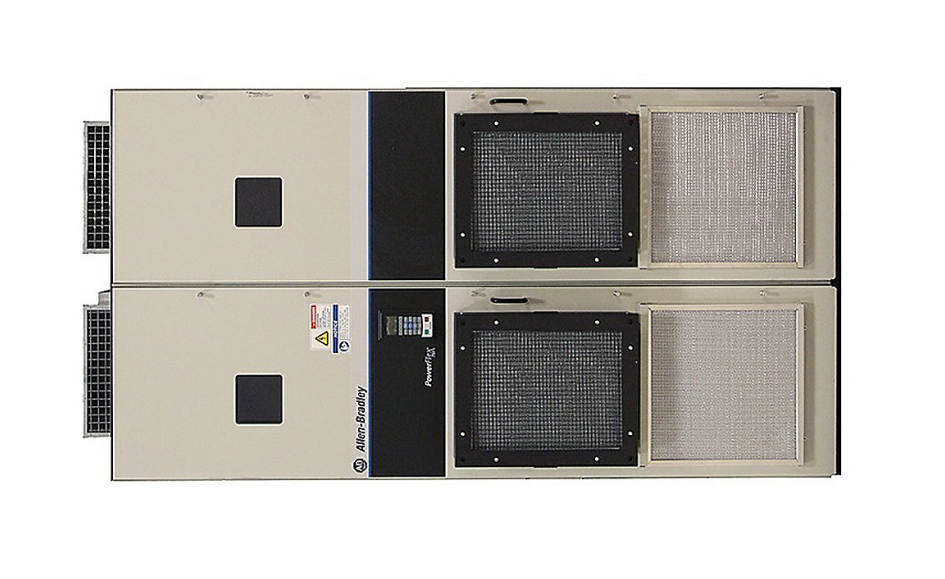
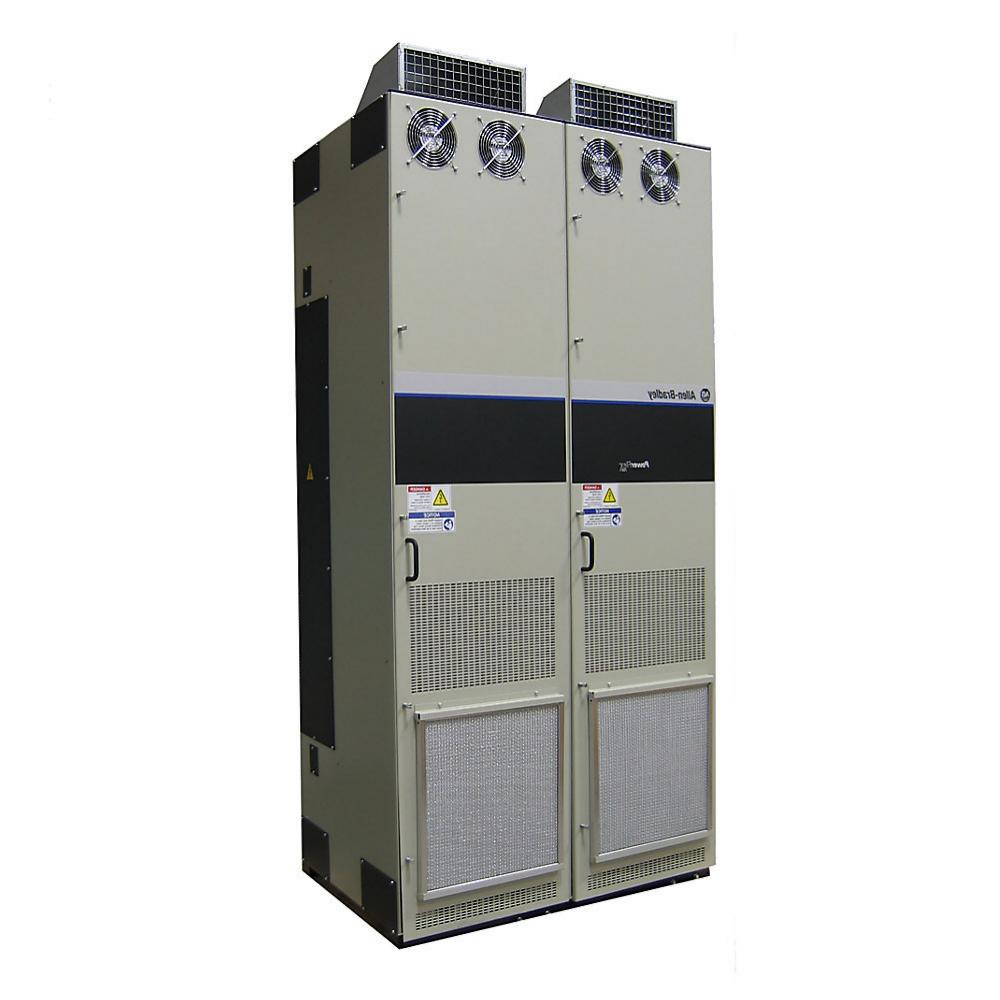
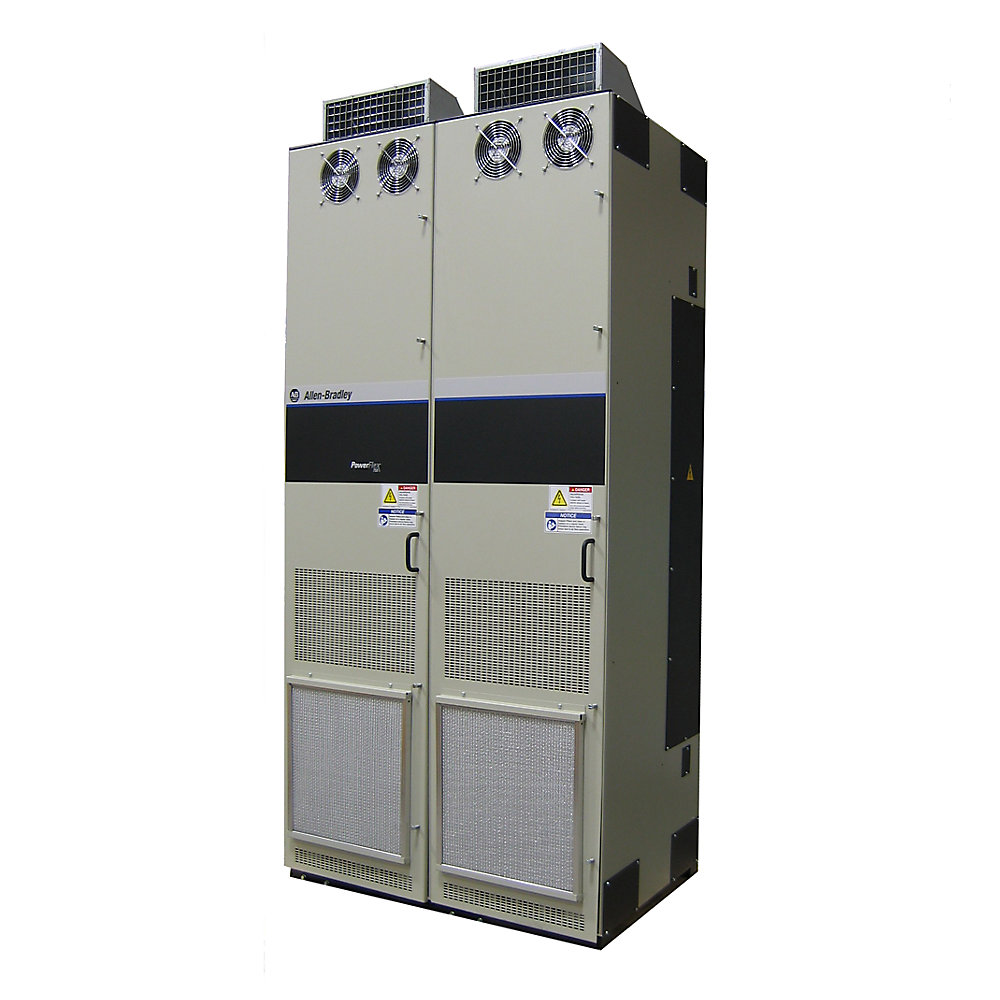
- Allen Bradley
- 20G1G3E295LNDNNNNN
- PowerFlex AC Drive
- USA
- 881.5 × 430 × 349.6 mm
- 108.9kg
- Xiamen, China
- New & In Stock
- T/T, PayPal, Western Union
- 1 Year
- 1-3 Working Days
- DHL, UPS, TNT, FedEx and EMS.
- 24-Hour Service
- COO
- 3
Our advantage

Global Logistics
We have a 10-year logistics and express cooperation agreement, so our products can be shipped to any place in the world.

Brand new and original
Our products are imported in bulk from the place of origin. Because of the cooperative relationship, our products are all original and 100% new.

24-hour service
We provide 7*24 hours service to our customers. We will be there whenever you need us.

Price advantage
All our products are priced very favorably because we have our own warehouse and supply.
| Company Information | |||
| [email protected] | |||
| Mobile | +8615980777398 | ||
| +8615980777398 | |||
| 15980777398 |
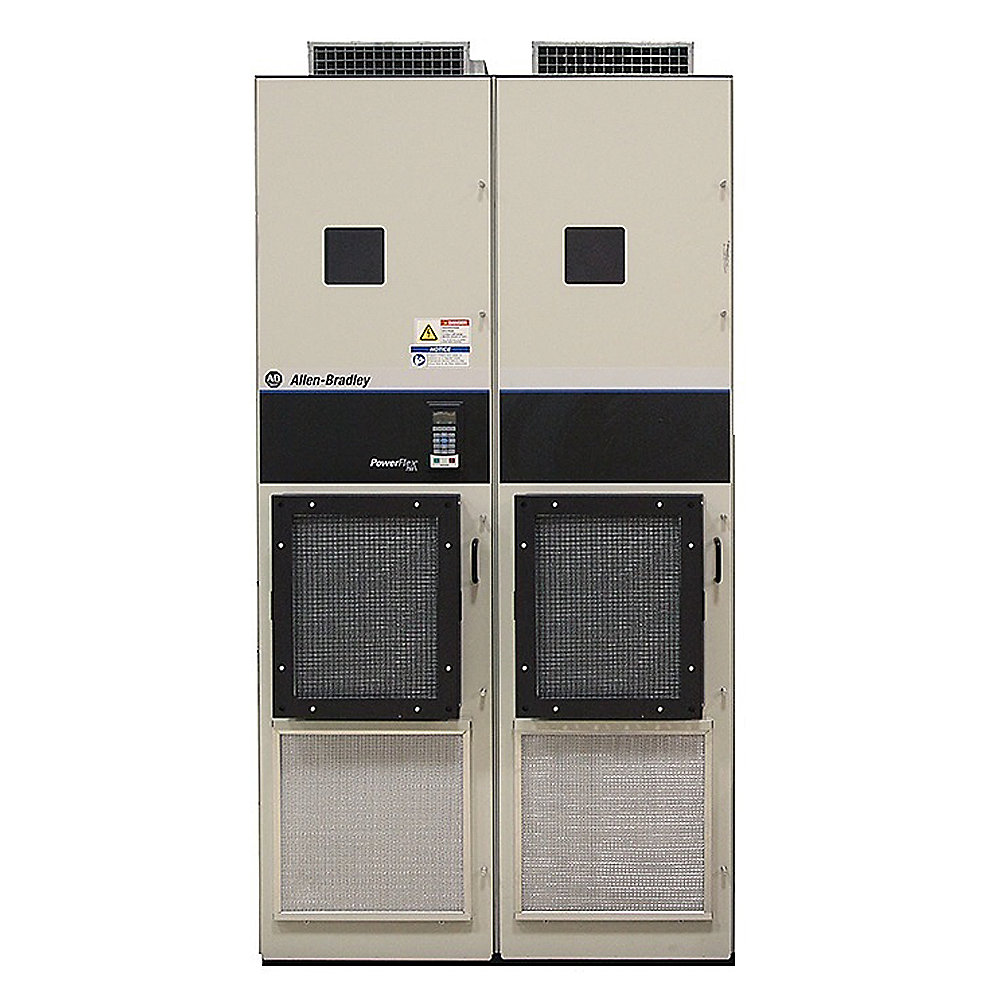
Allen-Bradley 20G1G3E295LNDNNNNN PowerFlex 755 AC Drive
1. Product Overview
The Allen-Bradley 20G1G3E295LNDNNNNN is a high-power PowerFlex 755 AC drive designed for industrial motor-control applications that require substantial current capacity, variable-speed operation, controlled acceleration and deceleration, and flexible integration into an automated production or process-control system.
This model belongs to the PowerFlex 755 series and is associated with the 600 VAC, three-phase voltage class.
The catalog designation E295 identifies the 600 VAC class and the 295 A-class drive rating. For this particular catalog configuration, the listed electrical current is approximately 303 A, and the product is associated with a high-capacity Frame 7/industrial drive configuration.
The model is intended for considerably larger motor systems than compact variable-frequency drives. It is suitable for applications such as large pumps, fans, blowers, conveyors, compressors, mixers, material-handling machinery, process equipment, and other industrial machines that require controlled motor speed.
One important characteristic of this exact catalog number is its AFE low-harmonic input configuration. This gives the model a different electrical architecture from a basic six-pulse drive and makes it particularly relevant to installations where input-current quality and harmonic performance are important considerations.
The model is also identified with no dynamic braking in its standard catalog configuration. If the application requires frequent or rapid deceleration, the braking strategy should therefore be evaluated separately during system design.
2. Brand and Series Information
| Parameter | Product Information |
|---|---|
| Brand | Allen-Bradley |
| Product Family | PowerFlex |
| Product Series | PowerFlex 755 |
| Product Type | High-power AC variable frequency drive |
| Catalog Number | 20G1G3E295LNDNNNNN |
| Voltage Class | 600 VAC |
| Input Phase | Three-phase |
| Current Rating | Approximately 303 A |
| Catalog Current Class | E295 / 295 A class |
| Frame | Frame 7 class |
| Input Type | AFE Low Harmonic |
| Dynamic Braking | None in the listed configuration |
| Cooling | Forced air |
| Enclosure | IP20 / NEMA / UL Open Type |
| Primary Function | Variable-speed AC motor control |
| Normal Duty Motor Class | Approximately 300 hp class |
| Heavy Duty Motor Class | Approximately 250 hp class |
| Typical Applications | Pumps, fans, conveyors, compressors and process machinery |
The 20G catalog family identifies the PowerFlex 755 platform.
The E voltage code identifies the 600 VAC three-phase class.
The 295 rating identifies the nominal catalog current class around 295 A, while the exact catalog configuration is listed with approximately 303 A current in the product data.
The complete catalog number should be retained when specifying the equipment because the characters following the current rating identify important configuration information.
3. Main Technical Specifications
| Parameter | Specification |
|---|---|
| Model | 20G1G3E295LNDNNNNN |
| Brand | Allen-Bradley |
| Series | PowerFlex 755 |
| Drive Type | AC variable frequency drive |
| Voltage Class | 600 VAC |
| Input Voltage Class | 600 VAC |
| Input Phase | Three-phase |
| Input Frequency | 50/60 Hz class |
| Current Class | 295 A |
| Listed Current | Approximately 303 A |
| Normal Duty | Approximately 300 hp class |
| Heavy Duty | Approximately 250 hp class |
| Light Duty | Approximately 350 hp class |
| Frame | Frame 7 |
| Input Type | AFE Low Harmonic |
| Dynamic Braking | None |
| Cooling | Forced air |
| Enclosure | IP20 / NEMA / UL Open Type |
| Approx. Height | 881.5 mm |
| Approx. Width | 430 mm |
| Approx. Depth | 349.6 mm |
| Approx. Weight | 72.6–108.9 kg |
| Installation | Industrial cabinet / equipment installation |
| Motor Control | Variable-frequency AC motor control |
| Feedback | Configuration dependent |
| Communication | Configuration dependent |
| Operator Interface | Configuration dependent |
| Intended Environment | Industrial |
The current value deserves particular attention.
Although the catalog number contains E295, the exact product listing identifies the current as approximately 303 A. This is why the catalog number and the electrical rating should both be retained when preparing a technical specification.
The model is designed around the 600 VAC industrial class and can be applied to large motors where higher voltage distribution is preferred.
4. 600 VAC Electrical Class
The 20G1G3E295LNDNNNNN is a 600 VAC three-phase drive.
This makes it different from many of the PowerFlex 755 configurations that use the 480 VAC class.
| Electrical Parameter | Specification |
|---|---|
| Model | 20G1G3E295LNDNNNNN |
| Voltage Class | 600 VAC |
| Input Phase | Three-phase |
| Current Class | 295 A |
| Listed Current | Approximately 303 A |
| Motor Power | Up to approximately 300 hp Normal Duty class |
| Input Type | AFE Low Harmonic |
| DC Bus | Internal DC bus architecture |
| Motor Output | Variable-frequency three-phase AC |
| Cooling | Forced air |
| Frame | 7 |
A higher-voltage motor system can provide advantages in large industrial installations because the motor current required for a given power level can be lower than that of a comparable lower-voltage motor.
For a large plant, this can influence conductor sizing, switchgear selection, transformer arrangement, and overall power-distribution design.
The actual system should always be engineered around the motor nameplate voltage and current rather than relying only on the nominal horsepower.
5. Current and Motor Capacity
The 20G1G3E295LNDNNNNN belongs to the approximately 295 A current class, while the exact product configuration is listed at approximately 303 A.
Its approximate motor capacity can be summarized as follows:
| Duty Rating | Approx. Motor Capacity | Typical Application |
|---|---|---|
| Light Duty | 350 hp class | Variable-torque applications |
| Normal Duty | 300 hp class | General industrial loads |
| Heavy Duty | 250 hp class | Constant-torque / high-demand loads |
These values should be treated as application-selection references.
The actual motor should be matched using its full-load current, voltage, duty cycle, torque requirements, overload requirements and acceleration requirements.
For example, a 300 hp centrifugal fan can have very different drive requirements from a 300 hp conveyor.
The fan may operate with a variable-torque characteristic, while the conveyor can require considerably higher torque during starting and acceleration.
6. Physical Dimensions and Weight
The Frame 7 PowerFlex 755 physical platform is approximately:
881.5 mm high × 430 mm wide × 349.6 mm deep
The published approximate weight range for Frame 7 open-type construction is 72.6–108.9 kg, depending on the particular hardware and configuration.
| Physical Parameter | Specification |
|---|---|
| Model | 20G1G3E295LNDNNNNN |
| Frame | Frame 7 |
| Height | 881.5 mm |
| Width | 430 mm |
| Depth | 349.6 mm |
| Weight Range | 72.6–108.9 kg |
| Approx. Height | 34.70 in |
| Approx. Width | 16.93 in |
| Approx. Depth | 13.76 in |
| Approx. Weight | 160–240 lb |
| Enclosure Style | IP20 / NEMA / UL Open Type |
| Cooling | Forced air |
| Mounting | Industrial cabinet / equipment installation |
The weight range is configuration dependent.
For mechanical planning, it is therefore better to allow for the upper end of the range rather than assuming that every Frame 7 assembly will have the same shipping or installed weight.
The dimensions also need to be considered together with cable-entry requirements, ventilation clearance, maintenance access and cabinet construction.
7. Product Introduction
The PowerFlex 755 series is intended for industrial applications where the motor drive needs to do considerably more than simply change motor frequency.
The drive can form an important part of the overall machine-control architecture.
A large pump, for example, may need to operate at different speeds according to process demand.
A conveyor may require controlled acceleration to prevent excessive mechanical stress.
A compressor may need to respond to changing production requirements.
A large fan may need to vary its speed to match airflow requirements.
In these situations, the variable-frequency drive becomes an active part of the process.
The 20G1G3E295LNDNNNNN is especially notable because its electrical configuration uses AFE low-harmonic input technology.
This makes it attractive for applications where the electrical installation needs improved input-current characteristics compared with conventional rectifier-based drive arrangements.
The drive is also physically larger than compact machine drives, reflecting its approximately 300 hp-class Normal Duty capability.
At the same time, its Frame 7 format remains substantially more compact than the very large floor-standing high-power drive cabinets used for the largest motor systems.
8. AFE Low-Harmonic Input
The input architecture is one of the most important characteristics of this exact model.
The 20G1G3E295LNDNNNNN is identified with an AFE Low Harmonic input configuration.
AFE means Active Front End.
An active front end uses controlled power electronics on the input side of the drive rather than relying solely on a conventional passive rectifier arrangement.
This can provide improved control of the input current waveform and can significantly improve the electrical behavior of the drive from the plant power-system perspective.
This characteristic is particularly valuable in installations with many large variable-frequency drives.
A facility with numerous high-power drives can have substantial harmonic-current concerns.
Using low-harmonic drive technology can help reduce the impact of the drive system on the upstream electrical network.
This can be especially relevant in facilities with sensitive electrical equipment, limited transformer capacity, generators, or strict power-quality requirements.
9. Main Applications
9.1 Large Industrial Pumps
Large pumps are one of the most common applications for high-power variable-frequency drives.
A pump often does not need to operate continuously at full speed.
The drive can adjust the motor speed according to the actual process requirement.
Typical applications include water transfer, process-fluid circulation, cooling systems, industrial utility systems and large-scale pumping equipment.
Controlled acceleration can also reduce mechanical stress on pump shafts, couplings, valves and piping.
9.2 Large Fans and Blowers
Large industrial fans can require substantial motor power.
The drive can allow the fan to operate at different speeds according to airflow demand.
This can be useful in industrial ventilation, exhaust systems, process-air systems and large cooling installations.
Variable-speed control can also make the equipment easier to coordinate with other process systems.
9.3 Large Conveyors
Large conveyors can have high inertia and substantial material loads.
Starting the motor directly at full speed can create mechanical shock.
A variable-frequency drive can provide a controlled acceleration ramp.
This can help reduce stress on belts, couplings, gearboxes, shafts and other mechanical components.
The 20G1G3E295LNDNNNNN is suitable for large conveyor systems when the motor current and duty requirements fall within its rating.
9.4 Compressors
Large compressors can require controlled acceleration and stable motor operation.
The drive can regulate motor speed according to the process requirement.
Because compressor loads can vary substantially by machine type, the actual torque and overload characteristics should be evaluated carefully.
9.5 Mixers
Large mixers can experience changing mechanical loads as material enters or leaves the vessel.
The drive can regulate motor speed and provide controlled starting.
For high-torque mixing applications, the Heavy Duty rating should be considered carefully.
9.6 Agitators
Industrial agitators can require steady motor torque over extended periods.
The drive can provide controlled motor speed and allow the operating point to be adjusted to the process.
Applications may include liquid processing, blending and other rotating process equipment.
9.7 Material-Handling Systems
Large material-handling equipment often requires smooth acceleration and controlled speed.
The PowerFlex 755 platform can be used in conveyor, transfer and other material-handling systems.
The drive can also be integrated into a broader control architecture so that motor speed and status can be coordinated with other equipment.
9.8 Process Machinery
Large process machines often require multiple operating speeds.
The drive can provide different speed references according to the stage of the process.
This makes it suitable for large rotating production equipment and other industrial machinery where fixed-speed operation is not sufficient.
10. Product Advantages
10.1 600 VAC High-Voltage Capability
The 600 VAC class makes this model appropriate for industrial facilities using higher-voltage motor systems.
This can be particularly useful in large motor installations.
10.2 Approximately 303 A Current Capability
The approximately 303 A listed current gives the drive substantial motor-control capacity.
This places the model in a completely different application range from compact variable-frequency drives.
It is designed for large industrial motors and substantial mechanical loads.
10.3 Approximately 300 hp Normal Duty Class
The Normal Duty motor capacity is approximately 300 hp.
This provides a useful reference point for general industrial applications.
The actual motor selection should still be based on nameplate current and application duty.
10.4 Low-Harmonic AFE Input
The AFE input is one of the strongest technical characteristics of this exact configuration.
It can provide improved input-current behavior and is well suited to applications where plant power quality is an important design consideration.
For large installations containing multiple drives, this can simplify power-system engineering compared with using many conventional high-power rectifier inputs.
10.5 Controlled Acceleration
Large motors can create significant mechanical stress during starting.
The drive allows the motor to accelerate according to a programmed profile.
This can make machine startup smoother and easier to coordinate with the process.
10.6 Controlled Deceleration
The drive can also provide controlled speed reduction.
The actual braking method must be selected according to the application because the exact catalog configuration is identified as having no dynamic braking.
Applications involving rapid stopping or high regenerative energy should therefore be engineered separately.
10.7 Flexible Industrial Architecture
The PowerFlex 755 platform supports a configurable architecture.
Depending on the overall configuration, feedback, communication, operator-interface and other functions can be added.
This makes the drive suitable for integration into complex industrial automation systems.
10.8 Compact High-Power Frame
Although it is a large industrial drive, the Frame 7 package remains considerably more compact than the largest floor-standing PowerFlex 755 cabinet arrangements.
The approximately 881.5 × 430 × 349.6 mm open-type dimensions make it practical for many industrial electrical rooms and equipment cabinets.
11. Five Recommended Same-Series or Closely Related Models
The following models provide a useful selection range around the E295 configuration.
| Model | Series | Voltage | Current Class | Frame | Light Duty | Normal Duty | Heavy Duty | Approx. Dimensions | Approx. Weight |
|---|---|---|---|---|---|---|---|---|---|
| 20G1G3E192LNDNNNNN | PowerFlex 755 | 600 VAC | 192 A class | 7 | 250 hp class | 200 hp class | 150 hp class | 881.5 × 430 × 349.6 mm | ~72.6–108.9 kg |
| 20G1G3E242LNDNNNNN | PowerFlex 755 | 600 VAC | 242 A class | 7 | 300 hp class | 250 hp class | 200 hp class | 881.5 × 430 × 349.6 mm | ~72.6–108.9 kg |
| 20G1G3E295LNDNNNNN | PowerFlex 755 | 600 VAC | 295 A class | 7 | 350 hp class | 300 hp class | 250 hp class | 881.5 × 430 × 349.6 mm | ~72.6–108.9 kg |
| 20G1G3E355LNDNNNNN | PowerFlex 755 | 600 VAC | 355 A class | 7 | 400 hp class | 350 hp class | 300 hp class | 881.5 × 430 × 349.6 mm | ~72.6–108.9 kg |
| 20G1G3E395LNDNNNNN | PowerFlex 755 | 600 VAC | 395 A class | 7 | 450 hp class | 400 hp class | 350 hp class | 881.5 × 430 × 349.6 mm | ~72.6–108.9 kg |
These models provide a convenient progression around the requested E295 configuration.
The E192 and E242 models are useful when the motor requirement is lower.
The E355 and E395 models provide additional current capacity for larger motors.
When selecting between them, the motor nameplate current and load duty should be considered before horsepower.
12. Five Larger Related Models
For applications that exceed the Frame 7 range, larger 600 VAC PowerFlex 755 configurations can be considered.
| Model | Series | Voltage | Frame | Current Class | Light Duty | Normal Duty | Heavy Duty | Approx. Dimensions | Approx. Weight |
|---|---|---|---|---|---|---|---|---|---|
| 20G1G3E435LNDNNNNN | PowerFlex 755 | 600 VAC | 8 | 435 A class | 500 hp class | 450 hp class | 400 hp class | 2453 × 600 × 600/800 mm | ~623 kg |
| 20G1G3E460LNDNNNNN | PowerFlex 755 | 600 VAC | 8 | 460 A class | 500 hp class | 500 hp class | 400 hp class | 2453 × 600 × 600/800 mm | ~623 kg |
| 20G1G3E510LNDNNNNN | PowerFlex 755 | 600 VAC | 8 | 510 A class | 550 hp class | 500 hp class | 450 hp class | 2453 × 600 × 600/800 mm | ~623 kg |
| 20G1G3E595LNDNNNNN | PowerFlex 755 | 600 VAC | 9 | 595 A class | 700 hp class | 600 hp class | 500 hp class | 2453 × 1200 × 600/800 mm | ~1246 kg |
| 20G1G3E690LNDNNNNN | PowerFlex 755 | 600 VAC | 9 | 690 A class | 800 hp class | 700 hp class | 600 hp class | 2453 × 1200 × 600/800 mm | ~1246 kg |
These larger models are useful when a project requires more current capacity than the E295 Frame 7 configuration can provide.
The move from Frame 7 to Frame 8 is significant from a mechanical standpoint.
A Frame 8 cabinet is approximately 2453 mm high, 600 mm wide, and 600 or 800 mm deep, with an approximate basic weight of 623 kg.
Frame 9 becomes substantially larger again, with an approximate basic weight of 1246 kg.
This means that electrical replacement and mechanical replacement should be evaluated separately.
13. Five Representative Same-Brand Models
The following models represent other commonly used members of the same brand’s PowerFlex range.
| Model | Series | Voltage Class | Current Class | Approx. Power Range | Approx. Dimensions | Approx. Weight | Typical Application |
|---|---|---|---|---|---|---|---|
| 25B-D010N114 | PowerFlex 525 | 480 VAC | 10 A class | Approx. 4–7.5 kW | Approx. 180 × 100 × 200 mm | ~2–3 kg | Small pumps, fans and conveyors |
| 25B-D017N114 | PowerFlex 525 | 480 VAC | 17 A class | Approx. 7.5–11 kW | Approx. 180 × 100 × 200 mm | ~3 kg | General machinery |
| 25B-D024N114 | PowerFlex 525 | 480 VAC | 24 A class | Approx. 11–15 kW | Approx. 180 × 100 × 200 mm | ~3–4 kg | Medium motor applications |
| 25A-D017N114 | PowerFlex 523 | 480 VAC | 17 A class | Approx. 7.5–11 kW | Approx. 180 × 100 × 200 mm | ~2–3 kg | Compact industrial machines |
| 20F1ANC030JA0NNNNN | PowerFlex 753 | 480 VAC | 30 A class | Approx. 15–22 kW | Approx. 300 × 200 × 250 mm | ~15–20 kg | Process and industrial machinery |
These models are not direct replacements for the 20G1G3E295LNDNNNNN.
They represent different size classes within the same brand’s variable-frequency drive portfolio.
The smaller PowerFlex models are intended for compact and medium-sized motor systems, while the PowerFlex 753 and PowerFlex 755 families are more appropriate for larger industrial installations.
14. Frame 7 Mechanical Specifications
The Frame 7 mechanical arrangement is important when planning installation.
| Mechanical Parameter | Specification |
|---|---|
| Model | 20G1G3E295LNDNNNNN |
| Frame | 7 |
| Height | 881.5 mm |
| Width | 430 mm |
| Depth | 349.6 mm |
| Weight | 72.6–108.9 kg |
| Enclosure | IP20 / NEMA / UL Open Type |
| Cooling | Forced air |
| Mounting Orientation | Vertical |
| Typical Installation | Industrial cabinet |
| Service Access | Required |
| Cable Routing | Must be planned according to installation |
The dimensions are based on the standard Frame 7 open-type drive construction.
Actual installation space should be larger than the physical drive envelope because power cables, control wiring, ventilation and service access all require additional room.
15. Application Selection
| Application | Load Type | Suitable Duty Consideration |
|---|---|---|
| Large centrifugal pump | Variable torque | Light Duty / Normal Duty |
| Industrial cooling pump | Variable torque | Light Duty / Normal Duty |
| Large fan | Variable torque | Light Duty |
| Process blower | Variable torque | Light Duty / Normal Duty |
| Conveyor | Constant torque | Normal Duty / Heavy Duty |
| Mixer | High starting torque | Heavy Duty |
| Agitator | Constant / variable torque | Heavy Duty consideration |
| Compressor | Process dependent | Normal Duty / Heavy Duty |
| Material handling | Constant torque | Heavy Duty |
| Process machine | Application dependent | Select from actual load profile |
The table provides a practical starting point rather than a substitute for detailed drive sizing.
For a final selection, the motor full-load current should be compared with the drive output-current rating.
The acceleration torque, overload duration and duty cycle should also be evaluated.
16. Power Quality Considerations
The AFE low-harmonic architecture makes this model particularly interesting for facilities where electrical power quality is important.
Large variable-frequency drives can become significant sources of harmonic current when conventional rectifier arrangements are used.
In a facility containing many large drives, the cumulative effect can become an important engineering issue.
An active front end can provide better control of the input current waveform.
This can be useful for large manufacturing plants, process facilities and other installations with significant drive loads.
It can also be useful where the upstream electrical system has limited capacity or where sensitive equipment is connected to the same distribution system.
The exact power-quality performance of the complete installation still depends on the entire electrical network, including transformers, generators, other loads, cabling and the number of connected drives.
17. Dynamic Braking Considerations
The listed configuration of the 20G1G3E295LNDNNNNN is identified as having no dynamic braking.
This is important when applying the drive to high-inertia machinery.
A pump or fan may have relatively modest braking requirements.
A large conveyor, centrifuge or other high-inertia machine may require a more carefully engineered stopping system.
If rapid deceleration is required, the braking strategy should be determined during the application-engineering stage.
The correct solution may depend on the mechanical load, stopping time, rotational inertia and frequency of braking events.
18. Motor Selection
Motor selection should begin with the motor nameplate rather than horsepower alone.
Important values include:
- Rated voltage.
- Rated current.
- Rated frequency.
- Rated speed.
- Service factor.
- Power rating.
- Torque requirements.
- Acceleration requirements.
- Overload requirements.
A 300 hp motor may have different current and torque characteristics depending on its construction and operating conditions.
For this reason, the 295 A-class drive should not automatically be matched to every 300 hp motor.
The motor full-load current must be within the applicable drive rating.
19. Control and Communication
The PowerFlex 755 architecture is designed for integration with industrial automation systems.
Depending on the configuration, the drive can exchange operating commands, speed references, status information and diagnostic information with a supervisory controller.
This makes the drive suitable for systems where motor operation needs to be coordinated with the wider process.
For example, a large pump can be controlled according to pressure or flow demand.
A conveyor can receive speed commands from a machine controller.
A fan can respond to process temperature or airflow requirements.
A mixer can operate at different speeds during different stages of production.
The exact communication hardware should be confirmed from the complete configured catalog number.
20. Feedback and Precision Speed Control
Some industrial machines require more precise speed control than a basic open-loop system can provide.
The PowerFlex 755 platform supports feedback-oriented configurations.
Feedback can be useful where the motor must maintain a stable speed even when mechanical load changes.
This can be relevant to large conveyors, process machinery and other rotating equipment.
The required feedback device and interface should be selected according to the motor and machine requirements.
21. Thermal Management
Forced-air cooling is an important part of the drive design.
The cabinet or electrical room must provide sufficient airflow for the drive.
Air passages should not be blocked by nearby equipment.
Dust and contamination should also be controlled because excessive contamination can restrict cooling airflow.
In a room containing several large drives, the total heat load should be considered.
The cooling system should be designed for the complete electrical room rather than for the E295 drive alone.
22. Installation Planning
A drive of this size should be considered part of the electrical infrastructure rather than simply another small machine component.
The installation team should consider:
- Cabinet dimensions.
- Cable routing.
- Cooling airflow.
- Grounding.
- Power isolation.
- Maintenance access.
- Control wiring.
- Communication wiring.
- Motor cable routing.
- Lifting and handling.
- Environmental conditions.
The weight of up to approximately 108.9 kg for the Frame 7 configuration means that appropriate mechanical handling should be planned.
The equipment should also be securely mounted according to the applicable installation requirements.
23. Maintenance
Regular maintenance is important for a high-power variable-frequency drive.
Cooling fans and ventilation passages should be inspected.
The drive should be kept free of excessive dust and contamination.
Electrical connections should be checked according to the applicable maintenance schedule.
The cabinet environment should be controlled so that temperature, humidity and contamination remain within acceptable limits.
Because the drive operates at high voltage and can handle substantial current, maintenance should only be performed using appropriate electrical isolation and safety procedures.
24. Typical Industrial Industries
| Industry | Typical Use |
|---|---|
| Water and Wastewater | Large pumps |
| Manufacturing | Conveyors and production machines |
| Process Industry | Pumps, mixers and agitators |
| Industrial Utilities | Fans, blowers and pumps |
| Material Handling | Conveyors and transfer equipment |
| Cooling Systems | Large fans and circulation pumps |
| Chemical Processing | Pumps and process machinery |
| General Industry | Variable-speed motor systems |
| Production Facilities | Large rotating equipment |
| Industrial Infrastructure | High-power motor applications |
25. Key Advantages Summary
| Advantage | Description |
|---|---|
| 600 VAC class | Suitable for higher-voltage industrial motor systems |
| Approximately 303 A listed current | High-capacity motor control |
| 295 A catalog class | High-power PowerFlex 755 configuration |
| 300 hp Normal Duty class | Suitable for large general industrial motors |
| 350 hp Light Duty class | Useful for variable-torque applications |
| 250 hp Heavy Duty class | Suitable for demanding load profiles |
| AFE Low Harmonic | Improved input-current characteristics |
| Frame 7 | Large capacity without the footprint of the largest cabinet systems |
| Forced-air cooling | Designed for continuous industrial operation |
| Flexible architecture | Supports application-specific control and interface options |
| Variable-speed control | Allows motor speed to follow process requirements |
| Controlled acceleration | Helps reduce mechanical starting stress |
| Industrial integration | Suitable for larger automation systems |
26. Overall Product Summary
The Allen-Bradley 20G1G3E295LNDNNNNN is a high-capacity PowerFlex 755 AC drive designed for large industrial motor-control applications.
It belongs to the PowerFlex 755 series and is configured for the 600 VAC, three-phase class.
The catalog number identifies the E295 current class, while the exact product configuration is listed with approximately 303 A current.
The drive is associated with a Frame 7 mechanical platform and uses forced-air cooling.
The approximate standard open-type dimensions are 881.5 mm high × 430 mm wide × 349.6 mm deep, with a configuration-dependent weight of approximately 72.6–108.9 kg.
Its approximate motor capacity is in the 350 hp Light Duty, 300 hp Normal Duty and 250 hp Heavy Duty classes.
One of the most distinctive characteristics of this exact configuration is the AFE Low Harmonic input.
This makes the drive particularly relevant to large industrial installations where power-quality considerations are important.
The drive can be used for large pumps, fans, blowers, conveyors, compressors, mixers, agitators, material-handling systems and process machinery.
Its principal advantages include high current capacity, 600 VAC operation, large motor capability, AFE low-harmonic input architecture, flexible duty ratings, controlled motor acceleration, configurable control functions and compatibility with larger industrial automation systems.
The lack of dynamic braking in the listed configuration should be considered when the drive is applied to high-inertia machinery requiring rapid stopping.
For equipment selection, the motor nameplate current should be checked first.
The motor voltage, duty classification, torque profile, acceleration requirements, overload requirements, braking requirements, ambient conditions and required communication or feedback options should then be evaluated.
The physical installation should also allow for the approximately 881.5 × 430 × 349.6 mm Frame 7 envelope and the approximately 72.6–108.9 kg equipment weight range.
For applications that require more capacity, the larger E355, E395, E435, E460, E510 and higher-current 600 VAC PowerFlex 755 configurations provide a logical expansion path.
For smaller motors, the E192 and E242 configurations provide a lower-current alternative within the same general 600 VAC family.
Overall, the 20G1G3E295LNDNNNNN is a substantial industrial drive intended for applications where high motor power, 600 VAC operation, controlled speed, and improved input-current performance are important parts of the system design.