

ProductPRODUCT
Featured products


Contact Us
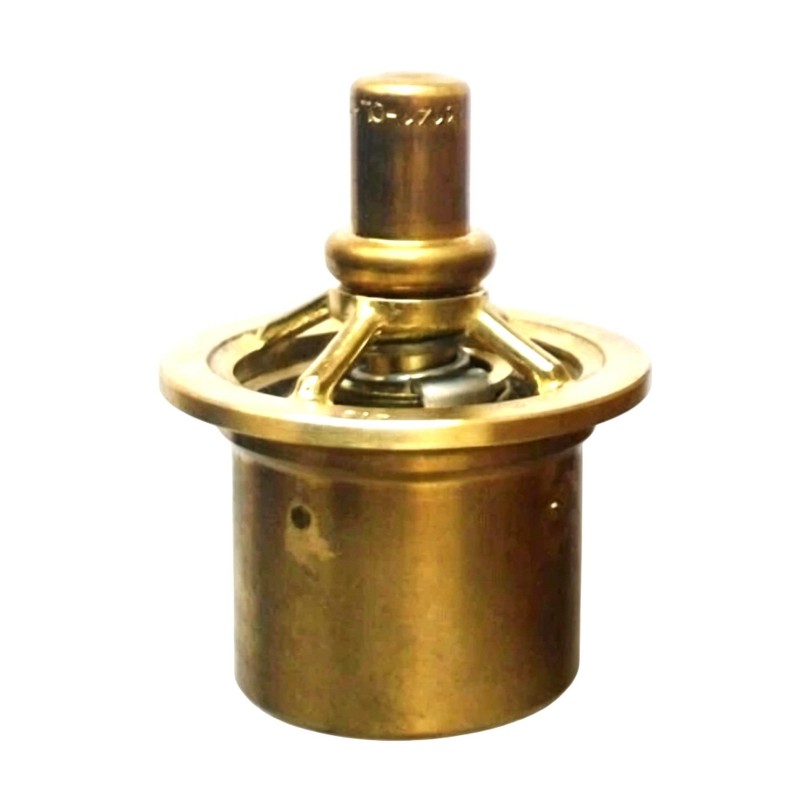
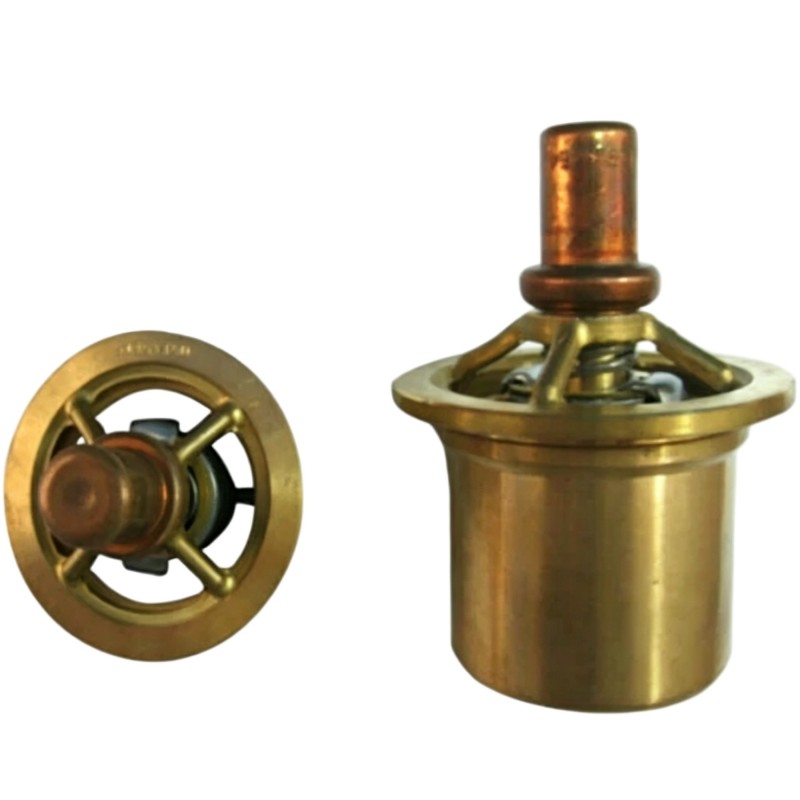
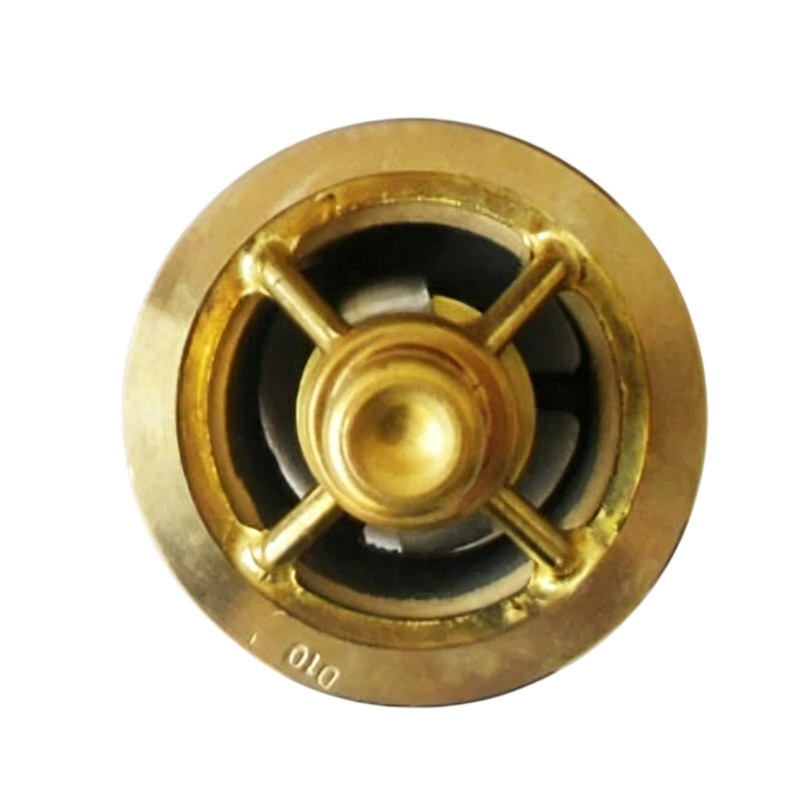
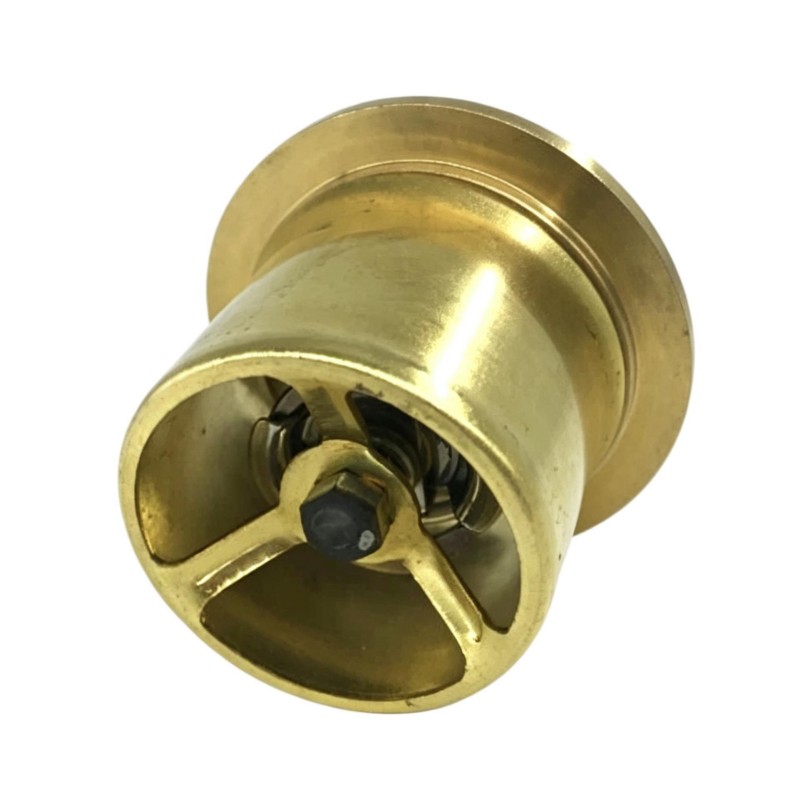
- Ingersoll Rand
- 47642703001 37952389
- Thermostatic Valve Kit
- USA
- 90 × 90 × 105 mm
- 0.32 kg
- Xiamen, China
- New & In Stock
- T/T, PayPal, Western Union
- 1 Year
- 1-3 Working Days
- DHL, UPS, TNT, FedEx and EMS.
- 24-Hour Service
- COO
- 30
Our advantage

Global Logistics
We have a 10-year logistics and express cooperation agreement, so our products can be shipped to any place in the world.

Brand new and original
Our products are imported in bulk from the place of origin. Because of the cooperative relationship, our products are all original and 100% new.

24-hour service
We provide 7*24 hours service to our customers. We will be there whenever you need us.

Price advantage
All our products are priced very favorably because we have our own warehouse and supply.
| Company Information | |||
| [email protected] | |||
| Mobile | +8615980777398 | ||
| +8615980777398 | |||
| 15980777398 |
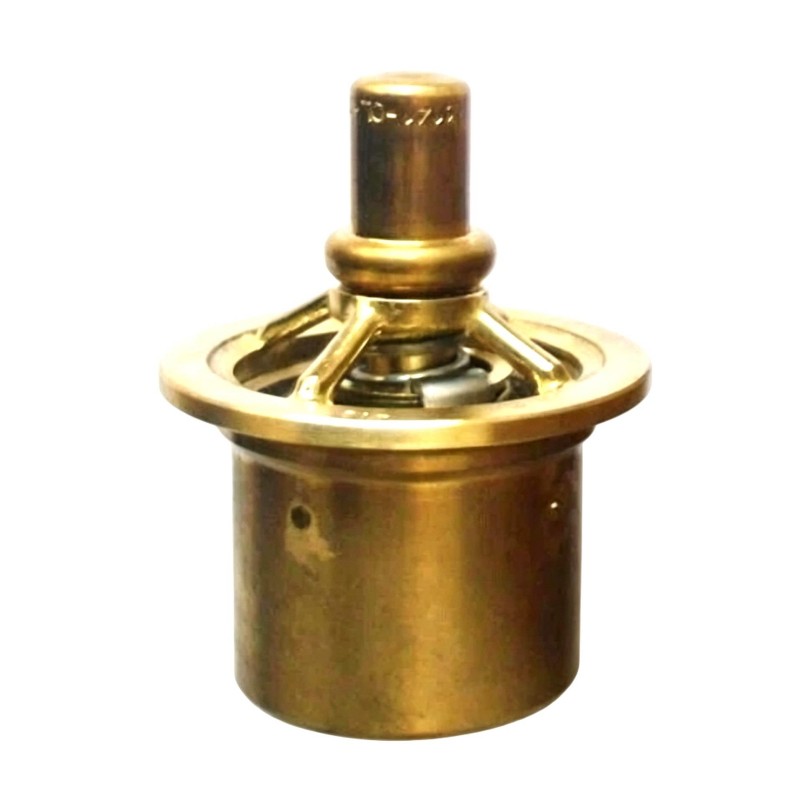
Product Overview
The Ingersoll Rand 47642703001 37952389 Thermostatic Valve Kit is a service component for the temperature-control circuit of compatible Ingersoll Rand rotary screw compressors. The thermostatic valve regulates the routing of compressor oil according to temperature, helping the lubrication circuit reach and maintain an appropriate operating range.
During startup, the valve can direct oil through the appropriate circuit so the compressor reaches operating temperature efficiently. As oil temperature increases, the thermostatic element changes position and progressively routes oil through the oil cooler. This helps prevent excessive oil temperature while avoiding unnecessary cooling during cold operation.
The kit is suited to compressor maintenance where the thermostatic valve no longer responds correctly, sticks, leaks, or shows signs of internal wear. Correct valve operation is particularly important because compressor oil temperature affects lubrication, viscosity, cooling, and overall compressor operating conditions.
Technical Specifications
| Parameter | Specification |
|---|---|
| Manufacturer | Ingersoll Rand |
| Part Number | 47642703001 |
| Component Number | 37952389 |
| Product Type | Thermostatic Valve Kit |
| Application | Rotary Screw Compressor |
| System Function | Compressor Oil Temperature Control |
| Component Category | Compressor Service Part |
| Valve Function | Thermostatic Oil Flow Regulation |
| Dimensions | 90 × 90 × 105 mm |
| Weight | 0.32 kg |
Product Features
- Thermostatic valve service kit for compatible Ingersoll Rand rotary screw compressors.
- Regulates compressor oil flow according to oil temperature.
- Supports controlled oil temperature during startup and normal operation.
- Works with the compressor oil cooler and lubrication circuit.
- Helps prevent excessive oil temperature during sustained compressor operation.
- Supports proper oil viscosity and lubrication conditions.
- Suitable for planned maintenance and valve assembly servicing.
Working Principle
The thermostatic valve operates mechanically in response to compressor oil temperature. When the oil is relatively cool, the valve restricts or bypasses the oil cooler circuit, allowing the compressor to reach its normal operating temperature more quickly.
As the oil temperature rises, the thermostatic element moves and progressively changes the oil-flow path.
A simplified oil-flow arrangement is:
Compressor Oil Circuit → Thermostatic Valve → Oil Cooler / Bypass Circuit → Compressor Oil Circuit
When additional cooling is required, more oil is routed through the oil cooler before returning to the compressor lubrication circuit. When cooling demand is lower, the valve allows the appropriate portion of the oil to bypass the cooler.
This mechanical temperature-control function operates independently of the compressor controller’s electronic logic. The controller can monitor compressor temperatures, but the actual oil-flow routing through the thermostatic valve is governed by the valve’s temperature-responsive mechanism.
Role in a Rotary Screw Compressor Control Architecture
| System Element | Function |
|---|---|
| Compressor Airend | Compresses air and generates heat during operation |
| Oil Circuit | Circulates lubricant for sealing, cooling, and lubrication |
| Thermostatic Valve | Controls oil routing according to temperature |
| Oil Cooler | Removes heat from compressor oil |
| Oil Filter | Removes contaminants from circulating oil |
| Compressor Controller | Monitors operating conditions and manages compressor operation |
| Temperature Sensors | Provide temperature feedback to the compressor control system |
The thermostatic valve forms part of the compressor’s mechanical thermal-management system. It works alongside the oil cooler and lubrication circuit to keep oil temperature within the intended operating range.
A valve that remains closed, remains open, or responds incorrectly can change oil temperature behavior and may contribute to abnormal compressor temperatures, poor lubrication conditions, or unnecessary oil-cooling demand.
Industrial Applications
| Application | Typical Use |
|---|---|
| Manufacturing Plants | Temperature control in continuous compressed-air production |
| Automotive Production | Rotary screw compressor maintenance for pneumatic systems |
| Chemical Processing | Compressor oil-circuit service |
| Food and Beverage Plants | Preventive maintenance of compressor thermal-control components |
| Pharmaceutical Facilities | Compressor servicing and oil-temperature management |
| Industrial Utilities | Maintaining compressor lubrication and cooling performance |
| Compressor Overhaul | Replacement of worn thermostatic valve components |
Installation and Maintenance
- Verify the complete 47642703001 / 37952389 identification against the compressor model before installation.
- Shut down the compressor and isolate it from the compressed-air system.
- Allow the compressor oil and related components to cool before servicing the valve.
- Release any residual pressure according to the compressor manufacturer’s service procedure.
- Drain or contain compressor oil as required before opening the thermostatic valve circuit.
- Record the original valve arrangement and oil-flow connections before disassembly.
- Inspect the valve housing, sealing surfaces, and connected oil passages for contamination or damage.
- Check the thermostatic element for sticking, abnormal movement, or visible wear.
- Install the replacement kit components in the correct orientation and sequence.
- Replace damaged or degraded seals and sealing components during reassembly.
- Restore the oil circuit and verify that all connections are correctly secured.
- After startup, monitor oil temperature, compressor operating conditions, oil leakage, and cooler operation.
Related Components
| Component | Relationship |
|---|---|
| Ingersoll Rand Oil Cooler | Removes heat from compressor oil when additional cooling is required |
| Compressor Oil Filter | Filters contaminants from the lubrication circuit |
| Compressor Oil Circuit | Circulates oil through the airend and thermal-management components |
| Temperature Sensor | Monitors compressor temperature conditions |
| Air/Oil Separator | Separates oil from compressed air after the compression process |
| Compressor Airend | Uses circulating oil for lubrication, cooling, and sealing |
| Compressor Controller | Monitors and manages compressor operating conditions |
Recommended Related Models
| Model | Product Type / Application |
|---|---|
| Ingersoll Rand 47642703001 37952389 | Thermostatic Valve Kit |
| Ingersoll Rand 47642703001 54509427 | Air/Oil Separator |
| Ingersoll Rand 47642703001 99289894 | Minimum Pressure Check Valve Repair Kit |
| Ingersoll Rand 47642701001 | Air/Oil Separator |
| Ingersoll Rand 47642700001 | Air Filter |
| Ingersoll Rand Compressor Oil Filters | Compressor lubrication-system service components |
Key Advantages
- Supports automatic oil-temperature regulation.
- Helps manage oil flow through the compressor cooling circuit.
- Supports proper lubrication conditions during startup and normal operation.
- Works with the compressor oil cooler and lubrication system.
- Suitable for scheduled compressor maintenance and valve servicing.
- Helps restore temperature-control performance when the original valve is worn or malfunctioning.
Technical FAQs
What is the main function of the 37952389 thermostatic valve?
It regulates compressor oil flow according to oil temperature. Depending on operating temperature, it controls whether oil is routed through the oil cooler or through the appropriate bypass path.
What can happen if the thermostatic valve remains open?
Continuous routing through the cooling circuit can prevent the compressor oil from reaching its intended operating temperature efficiently, particularly during startup or low-load conditions. The actual symptoms depend on the compressor configuration and operating environment.
What symptoms can indicate a thermostatic valve problem?
Possible indications include abnormal oil temperature, slow temperature rise after startup, excessive oil temperature during operation, or changes in compressor thermal behavior. Oil level, cooler condition, temperature sensors, and other components should also be checked before identifying the valve as the sole cause.
Should the oil cooler be inspected when replacing the thermostatic valve kit?
Yes. The oil cooler and its passages should be checked for contamination, blockage, and proper airflow or heat-transfer conditions. A thermostatic valve cannot maintain correct oil temperature if the associated cooling circuit is restricted or the cooler is not functioning properly.