

ProductPRODUCT
Featured products
Contact Us
- Ingersoll Rand
- 47627671001 88171913
- Air Filter
- USA
- 120 × 85 × 100 mm
- 0.1 kg
- Xiamen, China
- New & In Stock
- T/T, PayPal, Western Union
- 1 Year
- 1-3 Working Days
- DHL, UPS, TNT, FedEx and EMS.
- 24-Hour Service
- COO
- 3
Our advantage

Global Logistics
We have a 10-year logistics and express cooperation agreement, so our products can be shipped to any place in the world.

Brand new and original
Our products are imported in bulk from the place of origin. Because of the cooperative relationship, our products are all original and 100% new.

24-hour service
We provide 7*24 hours service to our customers. We will be there whenever you need us.

Price advantage
All our products are priced very favorably because we have our own warehouse and supply.
| Company Information | |||
| [email protected] | |||
| Mobile | +8615980777398 | ||
| +8615980777398 | |||
| 15980777398 |
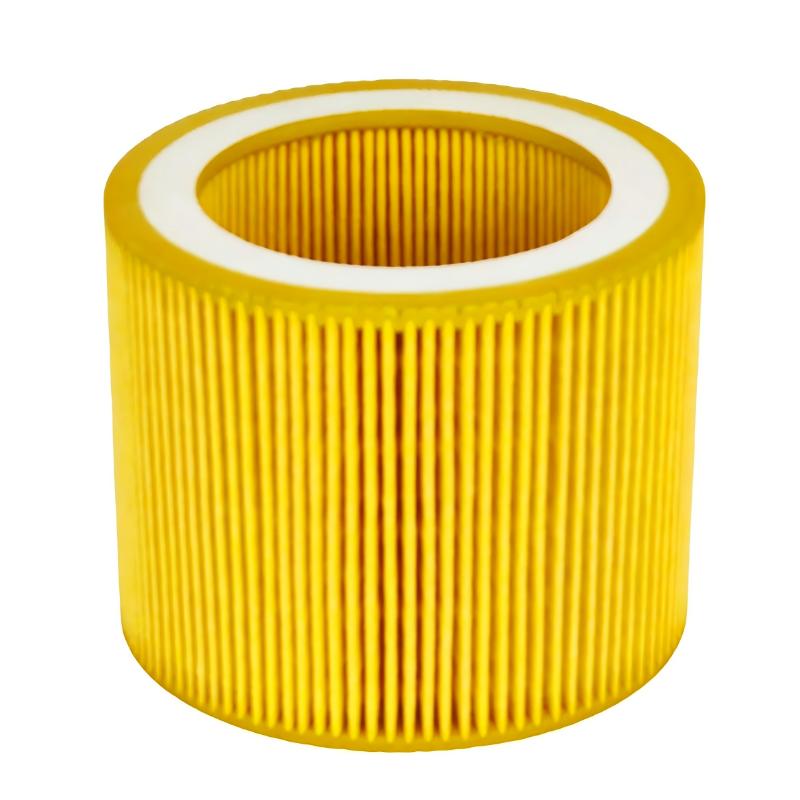
Product Overview
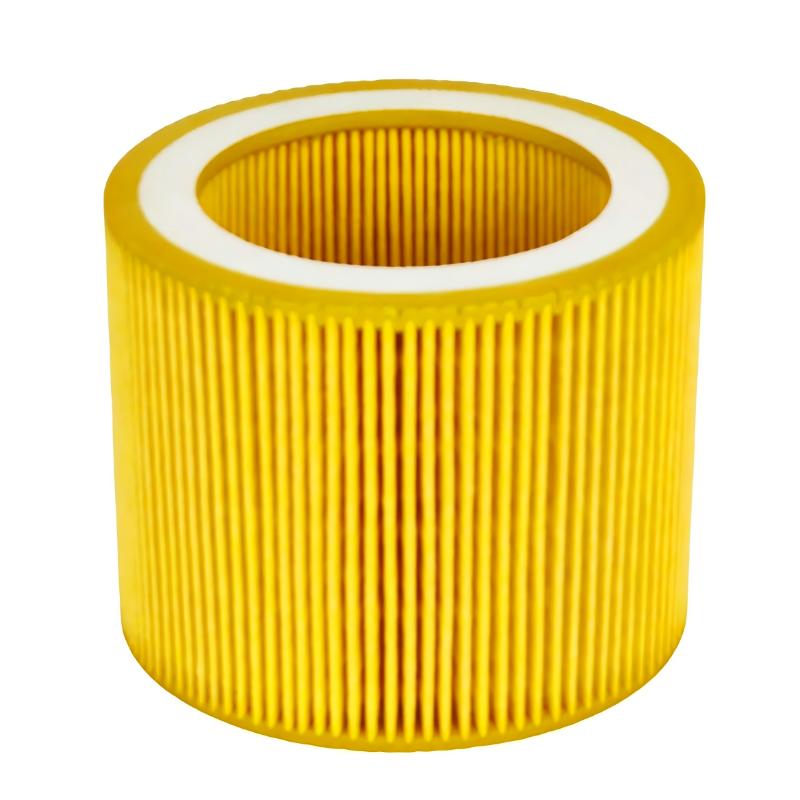
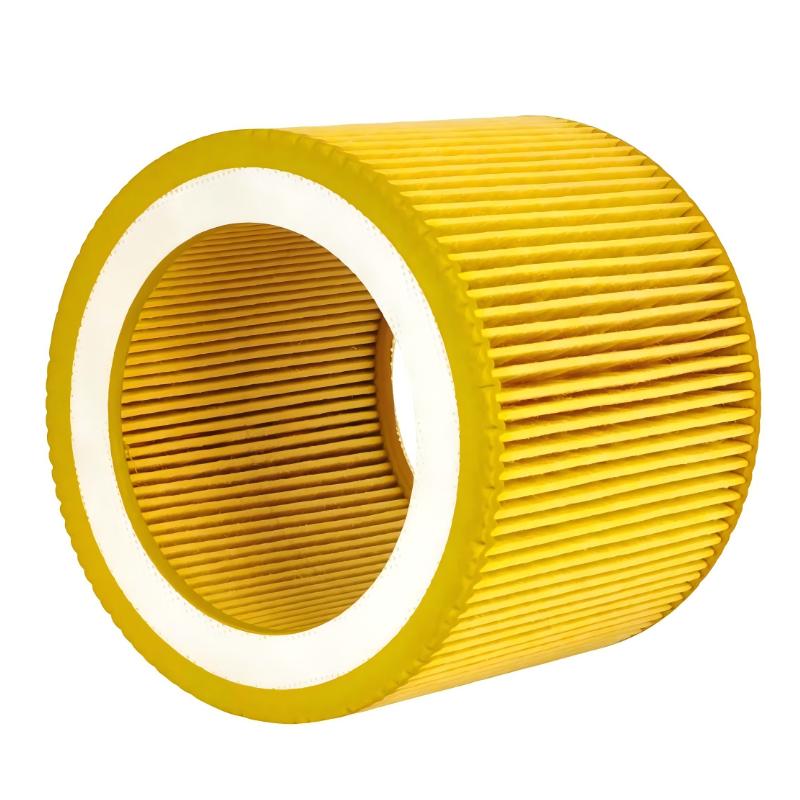
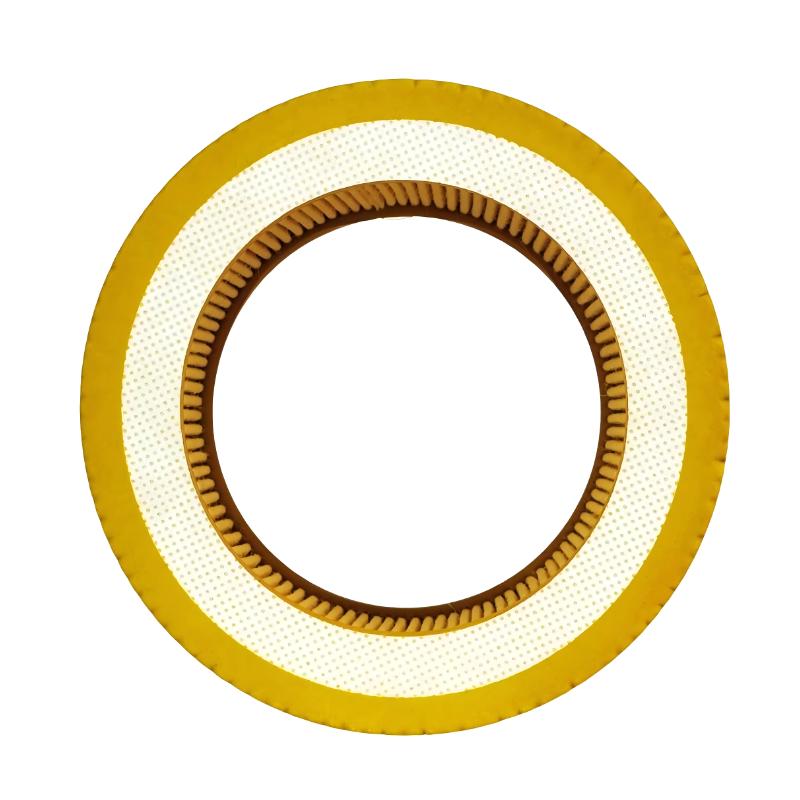
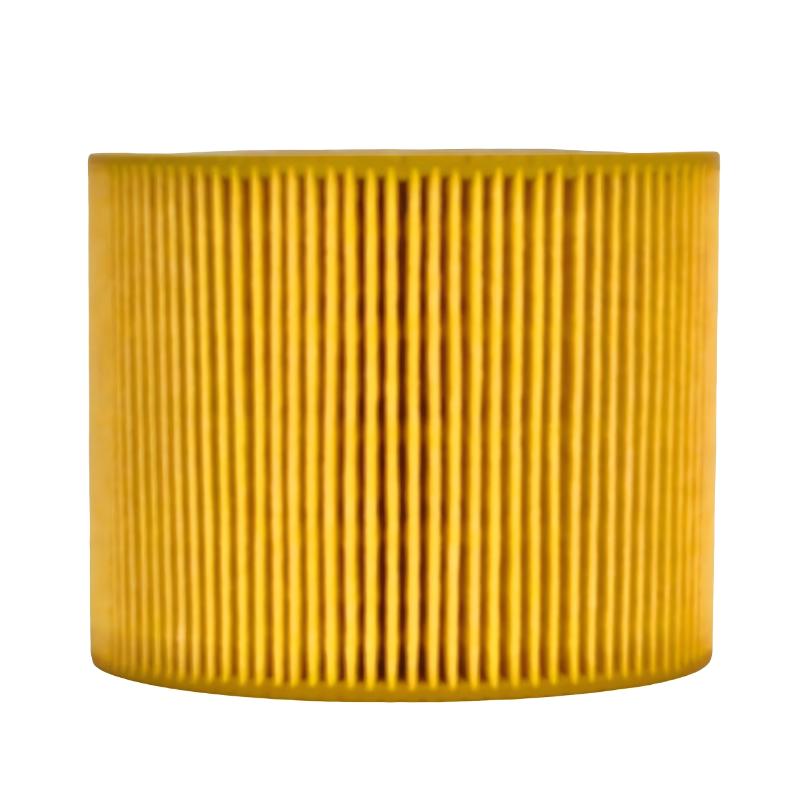
The Ingersoll Rand 47627671001 88171913 Air Filter is an industrial filtration component identified by the 47627671001 and 88171913 part numbers. In compressor systems, air filtration helps prevent dust, dirt, and other airborne particles from entering the equipment’s air path, where contaminants can accumulate on internal surfaces or affect downstream components.
During normal compressor operation, ambient air is drawn into the intake system before entering the compression stage. The air filter captures particulate contaminants as air passes through its filtration medium, helping maintain cleaner intake air and reducing the amount of debris entering the compressor. Filter performance depends on the filter construction, airflow requirements, surrounding environment, and condition of the filtration medium.
For maintenance teams, accurate identification of the Ingersoll Rand 47627671001 88171913 Air Filter is important when preparing routine compressor servicing or replacing a filter that has become dirty, damaged, or restricted. Filters with similar external dimensions may have different airflow capacities, filtration characteristics, sealing arrangements, and equipment compatibility. Matching the complete part number helps reduce the risk of selecting an unsuitable replacement.
Air filter condition can influence compressor intake performance. As dust accumulates, airflow resistance may increase, potentially affecting intake conditions and energy consumption. Regular inspection and replacement according to the applicable equipment maintenance schedule help keep the intake system in suitable operating condition.
Technical Specifications
| Parameter | Specification |
|---|---|
| Manufacturer | Ingersoll Rand |
| Product Model | 47627671001 |
| Additional Part Number | 88171913 |
| Product Type | Air Filter |
| Product Category | Industrial Compressor Air Filtration |
| Primary Function | Filtration of incoming air |
| Application | Industrial compressor intake systems |
| Filtration Medium | Air filtration medium |
| Contaminants Targeted | Airborne dust and particulate matter |
| Installation Type | Equipment-specific air intake housing or filter assembly |
| System Integration | Compressor intake air path |
| Maintenance Approach | Periodic inspection and filter replacement |
| Replacement Criteria | Filter condition and applicable equipment maintenance requirements |
| Dimensions | 120 × 85 × 100 mm |
| Weight | 0.1 kg |
Product Features
- Intake Air Filtration: Captures airborne particles before they enter the compressor’s intake path.
- Compressor Protection Support: Helps reduce the entry of dust and debris that may contribute to internal contamination and component wear.
- Model-Specific Identification: The 47627671001 and 88171913 designations support replacement planning and spare-parts inventory management.
- Airflow Considerations: A clean filter helps maintain the intended intake airflow, subject to the requirements of the compressor system.
- Equipment-Specific Installation: The filter must match the designated housing, sealing arrangement, and intake configuration.
- Scheduled Maintenance: Supports routine servicing based on inspection findings and the applicable replacement schedule.
- Contamination Control: Helps limit the amount of particulate matter entering downstream compressor components.
- Service Traceability: Recording the filter identification and replacement date helps maintenance personnel track consumable usage.
Working Principle
The Ingersoll Rand 47627671001 88171913 Air Filter operates by passing incoming air through a filtration medium that captures airborne contaminants. As air moves through the medium, particles are retained while filtered air continues toward the compressor intake. The filter’s actual efficiency and airflow characteristics depend on its construction and the requirements of the equipment in which it is installed.
In a typical compressor intake arrangement, ambient air enters through the intake opening and passes through the air filter before reaching the compression stage. Removing particulate matter at this point helps reduce the amount of dust and debris entering the machine. This is particularly relevant in industrial environments where airborne contaminants may come from production processes, vehicle movement, construction activity, or general workshop conditions.
As the filter accumulates particles, resistance to airflow can increase. A heavily contaminated filter may restrict intake flow and affect compressor operating conditions. A damaged filter or poorly seated seal can also allow unfiltered air to bypass the filtration medium. Maintenance personnel should therefore inspect the filter condition, sealing surfaces, and intake housing during scheduled service.
Typical intake airflow path:
Ambient Air → 88171913 Air Filter → Compressor Intake → Compression Stage → Compressed Air System
The exact arrangement depends on the compressor model. If intake restriction or reduced performance is observed, technicians should also inspect the intake ducting, housing, and other relevant components rather than assuming the filter is the only possible cause.
Role in an Industrial Compressor Air Intake Architecture
The air filter forms the first stage of particulate control in a compressor intake arrangement. It works alongside the intake housing, ducting, compression assembly, and downstream air-treatment equipment. Each component has a separate function, and the air filter should not be confused with an oil filter or an oil separator.
| System Component | Function | Relationship to the Air Filter |
|---|---|---|
| Ambient Air Intake | Provides the air entering the compressor system | Supplies the unfiltered air to the intake assembly |
| Air Filter | Captures airborne particulate contaminants | Filters incoming air before it reaches the compressor |
| Filter Housing | Supports and encloses the filter element | Provides the mounting and sealing arrangement |
| Intake Ducting | Carries air through the intake path | Connects the intake opening to the compressor |
| Intake Restriction Indicator | Indicates intake restriction where installed | Helps identify when filter contamination may be affecting airflow |
| Compressor Air End | Compresses incoming air | Receives intake air through the configured intake arrangement |
| Compressor Controller | Monitors operating signals and manages configured functions | May display related alarms or operating information where supported |
| Aftercooler | Reduces compressed-air temperature where fitted | Treats air downstream of the compression stage |
| Air Dryer or Final Filter | Removes moisture or residual contaminants where installed | Provides downstream compressed-air treatment rather than intake filtration |
Industrial Applications
| Application Area | Typical Use | Relevance of the Air Filter |
|---|---|---|
| Industrial Air Compressors | Filtering ambient air before compression | Helps limit particulate entry into the compressor intake |
| Manufacturing Facilities | Compressor operation in production environments | Helps manage airborne dust entering the intake system |
| Workshop Compressed-Air Systems | Routine maintenance of workshop compressors | Provides a replaceable filtration component for intake servicing |
| Industrial Plant Utilities | Maintaining compressor packages supplying plant air | Supports intake cleanliness during normal operation |
| Compressor Preventive Maintenance | Scheduled inspection and replacement of intake filters | Provides a model-specific consumable reference |
| Equipment Overhaul | Renewal of service components during compressor refurbishment | Allows the intake filtration system to be inspected and serviced |
| Dusty Operating Environments | Compressor operation where airborne particles may accumulate quickly | Makes regular filter-condition checks particularly important |
| Spare Parts Management | Inventory control for compressor filters | Helps maintenance teams distinguish the required air filter from other filtration products |
Installation and Maintenance
- Verify the filter identification: Confirm the 47627671001 and 88171913 part numbers against the installed component and the compressor’s maintenance records.
- Review the service procedure: Check the applicable compressor instructions for the correct filter replacement method, inspection interval, and installation requirements.
- Shut down the compressor: Stop the equipment and follow the required isolation procedure before opening the intake assembly.
- Inspect the intake area: Check the surrounding housing and intake opening for accumulated dust, foreign objects, damage, or other conditions that may affect airflow.
- Remove the existing filter carefully: Follow the specified removal procedure and avoid dislodging accumulated contaminants into the clean side of the intake system.
- Inspect the filter condition: Look for excessive contamination, deformation, tears, damaged sealing surfaces, or other visible signs that may compromise filtration.
- Clean the filter housing: Remove loose dirt from the housing using an approved method that prevents debris from entering the downstream intake path.
- Check the sealing arrangement: Inspect the filter seat and applicable seals for damage, contamination, or deformation that could allow unfiltered air to bypass the filter.
- Install the replacement filter: Confirm the correct orientation and fit, then seat the filter according to the equipment’s installation procedure without forcing it into place.
- Secure the intake assembly: Refit the housing cover and associated components, ensuring that all retaining points and seals are correctly positioned.
- Check intake operation: Restore the equipment according to the approved startup procedure and check for abnormal intake noise, restriction indications, or related operating alarms.
- Document the maintenance: Record the filter part numbers, replacement date, operating hours where applicable, inspection findings, and any intake-system issues identified during service.
Related Components
| Component | Function | Relationship to the Air Filter |
|---|---|---|
| Compressor Intake Housing | Holds and protects the intake filter | Provides the filter’s mounting and sealing interface |
| Intake Ducting | Carries ambient air toward the compressor | Forms the airflow path leading to the filter and compression stage |
| Intake Restriction Indicator | Monitors intake restriction where installed | Helps assess whether filter loading may be affecting airflow |
| Compressor Air End | Compresses incoming air | Receives air from the intake system |
| Ingersoll Rand Compressor Oil Filter | Filters contaminants from lubricating oil | Serves a separate filtration function in the lubrication circuit |
| Ingersoll Rand Air/Oil Separator Element | Separates oil from compressed air in applicable compressors | Operates in the compressed-air and oil separation system rather than the intake path |
| Aftercooler | Reduces the temperature of compressed air | Operates downstream of the compression stage |
| Compressed-Air Dryer | Removes moisture from compressed air | Supports downstream air treatment and is not a substitute for intake filtration |
Recommended Related Models
| Model or Product Category | Product Type | Relationship |
|---|---|---|
| Ingersoll Rand 47627671001 88171913 | Air Filter | Specified filter identification for replacement and inventory purposes |
| Ingersoll Rand Compressor Air Filters | Intake Filtration Components | Related product category for compatible compressor intake systems |
| Ingersoll Rand Compressor Oil Filters | Lubrication Filtration Components | Related maintenance category, but not interchangeable with an air filter |
| Ingersoll Rand Air/Oil Separator Elements | Compressor Separation Components | Related filtration category for applicable oil-injected compressor systems |
| Ingersoll Rand Intake Filter Housings | Filter Mounting Components | Related components that provide the intake filter installation interface |
| Ingersoll Rand Compressor Maintenance Kits | Maintenance Consumable Kits | May contain intake filters and other components depending on the kit configuration |
| Industrial Intake Restriction Indicators | Air Intake Monitoring Components | Related equipment for monitoring intake restriction where fitted |
| Industrial Compressed-Air Dryers | Compressed-Air Treatment Equipment | Complementary downstream equipment for moisture removal |
Key Advantages
- Intake Contamination Control: Helps capture airborne particles before they enter the compressor.
- Airflow Maintenance: A clean, correctly installed filter helps maintain the intended intake conditions.
- Accurate Part Identification: The model and additional part number support replacement planning and stock management.
- Preventive Maintenance Support: Provides a defined consumable for scheduled compressor servicing.
- Equipment Protection Support: Helps reduce particulate contamination entering downstream compressor components.
- Service Traceability: Replacement records help maintenance teams track filter condition and servicing history.
Technical FAQs
What is the function of the Ingersoll Rand 47627671001 88171913 Air Filter?
It filters incoming air before the air reaches the compressor’s compression stage. By capturing airborne particulate contaminants, it helps reduce contamination entering the machine.
Can this air filter replace an Ingersoll Rand oil filter?
No. An air filter treats intake air, while an oil filter removes contaminants from lubricating oil. Their functions, flow paths, and installation requirements are different.
When should the air filter be replaced?
The replacement interval depends on the compressor’s maintenance schedule, operating hours, and the amount of airborne contamination in the installation environment. Inspect the filter and follow the applicable service requirements rather than relying on a universal interval.
What problems can occur if the air filter becomes heavily contaminated?
A heavily loaded filter can increase intake resistance and restrict airflow. Depending on the compressor system, this may affect operating performance and energy consumption. Damaged seals or filter media can also allow unfiltered air to enter the machine.