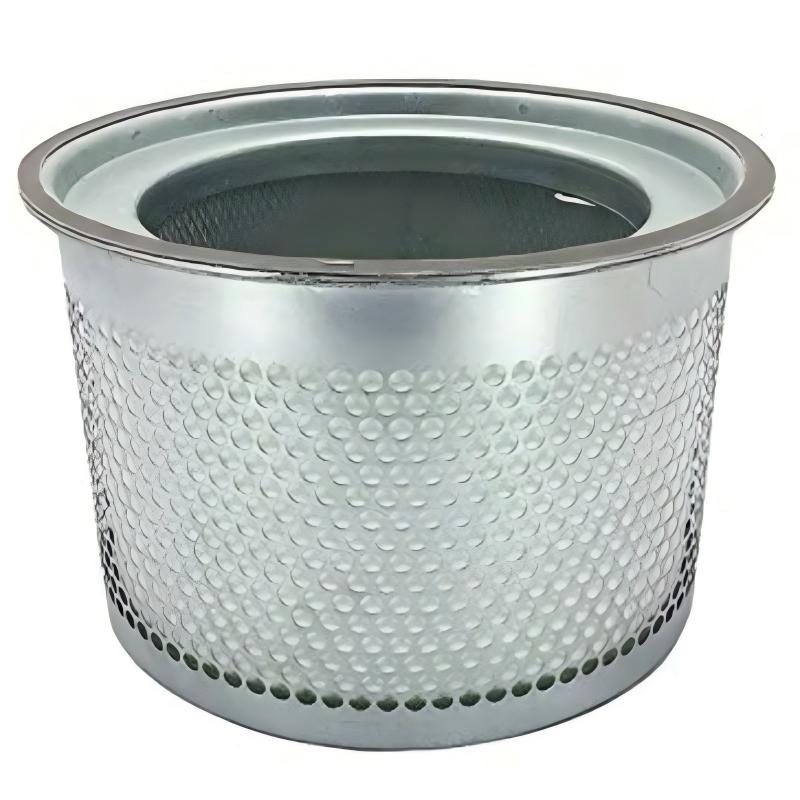
Product Overview
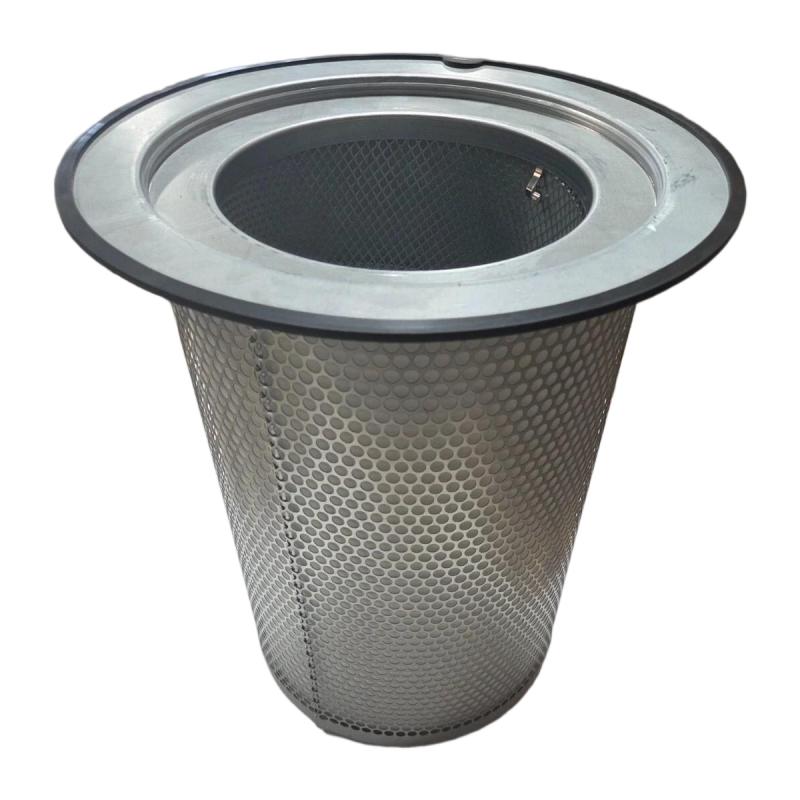
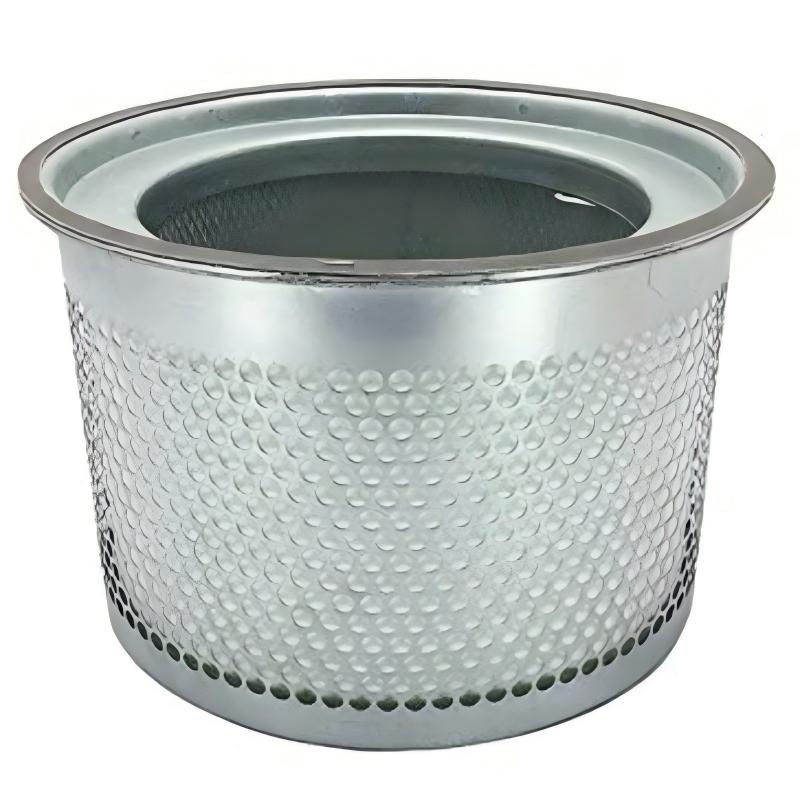
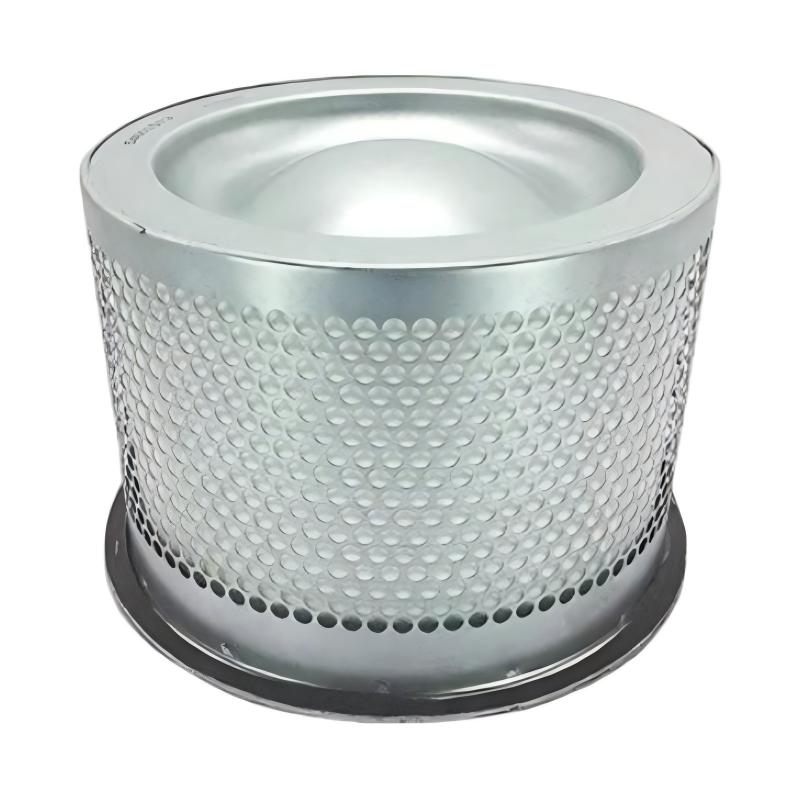
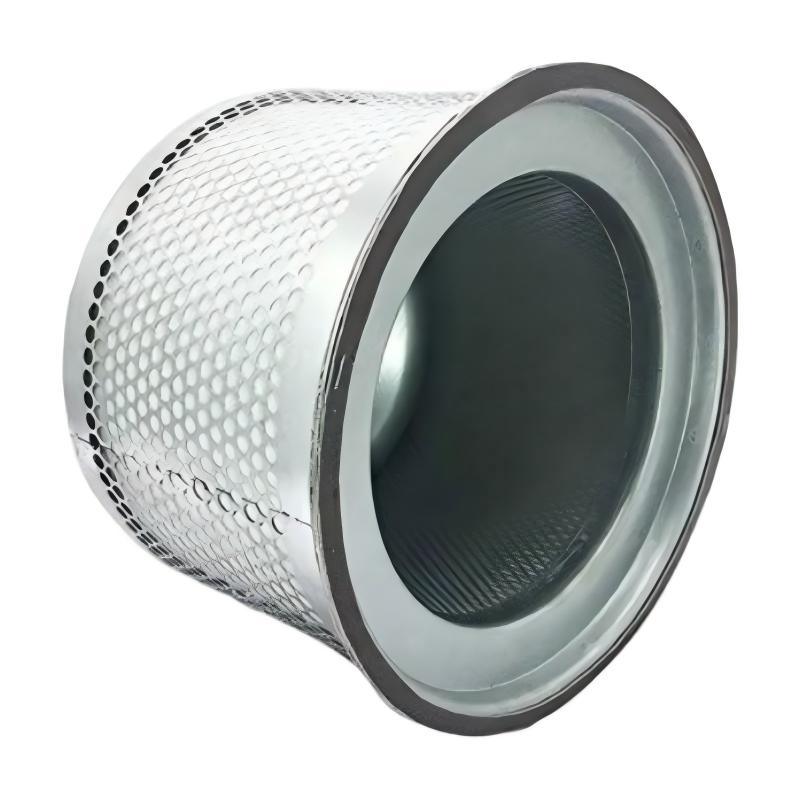
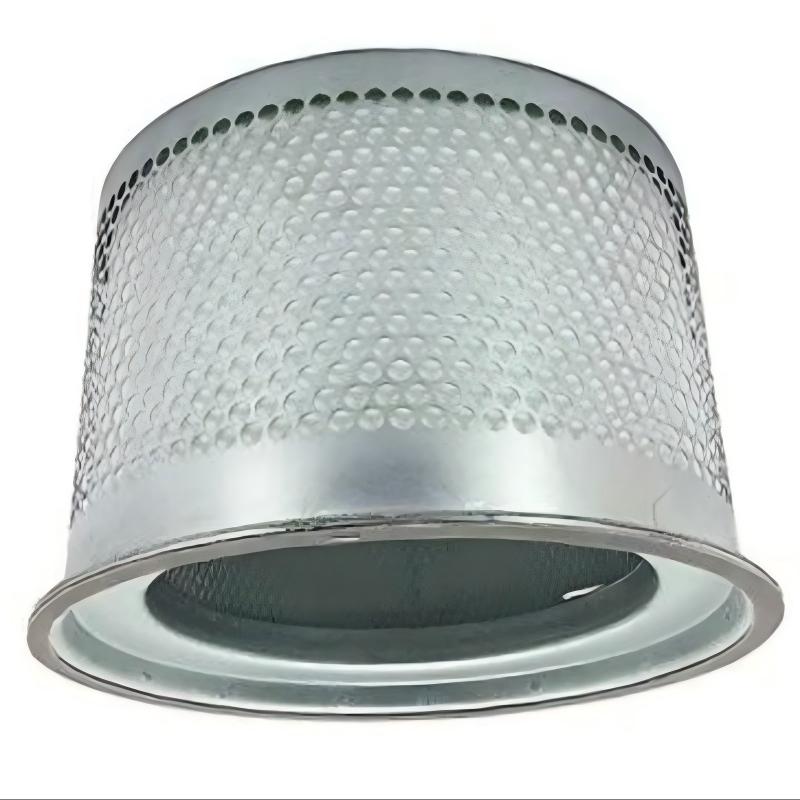
The Ingersoll Rand 47588694001 / 54601513 Oil-Gas Separator Filter Element is a critical separation component used in compatible oil-injected air compressor systems. Its primary function is to separate lubricating oil from compressed air before the air leaves the compressor system, helping maintain compressed-air quality while allowing recovered oil to return to the compressor lubrication circuit.
Oil-gas separation is an essential stage in rotary screw compressor operation. During compression, lubricating oil is introduced into the compression process for sealing, cooling, and lubrication. The resulting compressed-air stream therefore contains entrained oil droplets that must be separated before the air is delivered downstream.
The separator element helps reduce oil carryover, recover usable compressor lubricant, maintain system efficiency, and protect downstream compressed-air equipment.
The stated dimensions are 300 × 300 × 190 mm, with a weight of 5.4 kg.
Technical Specifications
Function and Working Principle
The oil-gas separator element is installed within the compressor’s oil separation system.
A simplified process is:
Oil-Injected Compression → Oil/Air Mixture → Separator Element → Separated Compressed Air → Air Outlet
At the same time:
Separated Oil → Oil Return Circuit → Compressor Lubrication System
During compression, oil and air are mixed inside the compression stage. After compression, the mixture enters the separation system.
The separator element captures fine oil droplets and allows separated oil to return to the compressor while cleaner compressed air continues toward the outlet.
Importance of Oil-Gas Separation
Effective oil separation is essential for oil-injected screw compressors.
A properly functioning separator helps:
- Reduce oil carryover
- Improve compressed-air cleanliness
- Recover compressor lubricant
- Reduce lubricant consumption
- Protect downstream equipment
- Maintain compressor efficiency
- Support stable compressor operation
A deteriorated or restricted separator can negatively affect both compressor performance and operating costs.
Main Features
Efficient Oil Separation
The separator element is designed to capture fine oil droplets entrained in compressed air.
Effective separation helps maintain lower oil carryover while allowing recovered lubricant to return to the compressor.
Compressor Lubricant Recovery
Oil captured by the separator can be returned through the oil return system.
This helps:
- Reduce oil consumption
- Maintain proper lubricant levels
- Improve lubrication efficiency
- Reduce operating costs
Protection of Downstream Equipment
Excessive oil carryover can contaminate:
- Air dryers
- Filters
- Pneumatic equipment
- Control valves
- Production machinery
- Air distribution systems
Proper oil separation helps reduce the amount of compressor oil entering downstream equipment.
Oil-Gas Separator Operating Process
The separation system can be understood in several stages.
Stage 1: Compression
Ambient air enters the compressor and is compressed together with lubricating oil.
Stage 2: Primary Separation
Larger oil droplets are separated from the compressed-air stream.
Stage 3: Fine Separation
The separator element captures smaller oil droplets remaining in the air.
Stage 4: Oil Recovery
Separated oil collects and returns through the oil return circuit.
Stage 5: Compressed-Air Delivery
The cleaner compressed air exits the separator system and continues downstream.
Industrial Applications
The Ingersoll Rand 47588694001 / 54601513 separator element is intended for compatible industrial compressed-air equipment.
Typical applications include:
- Rotary screw compressors
- Factory compressed-air systems
- Manufacturing plants
- Automotive production
- Packaging facilities
- Chemical processing
- Textile manufacturing
- Food processing
- Industrial workshops
- Pneumatic production systems
Installation Guide
Step 1: Verify Compatibility
Before replacement:
- Confirm the part number.
- Verify the compressor model.
- Check separator dimensions.
- Confirm the existing separator configuration.
- Inspect the separator housing.
Correct compatibility is essential because separator elements are designed for specific compressor systems.
Step 2: Shut Down the Compressor
Before beginning maintenance:
- Stop the compressor.
- Disconnect electrical power.
- Isolate the compressed-air system.
- Release pressure according to the equipment maintenance procedure.
- Allow hot components to cool.
Never open a pressurized separator vessel.
Step 3: Remove the Existing Separator
Carefully:
- Open the separator housing.
- Remove the retaining components.
- Lift out the used separator element.
- Inspect the housing.
- Remove contamination or residue.
The separator element may contain residual oil, so appropriate maintenance procedures should be followed.
Step 4: Inspect the Housing and Seals
Before installing the replacement:
- Inspect sealing surfaces.
- Check gaskets and O-rings.
- Inspect the separator housing for damage.
- Clean the mounting area.
Damaged seals can cause oil carryover or leakage even when a new separator element is installed.
Step 5: Install the New Separator
Position the new 47588694001 / 54601513 separator correctly.
Then:
- Verify orientation.
- Install required sealing components.
- Secure the retaining hardware.
- Check that the separator is properly seated.
Do not force the separator into position.
Step 6: Restart the Compressor
After installation:
- Close the separator housing.
- Restore power.
- Start the compressor.
- Monitor operating pressure.
- Check for leaks.
- Observe oil carryover.
- Monitor separator differential pressure.
Common Failure Symptoms
| Symptom |
Possible Cause |
| High oil carryover |
Separator element saturated or damaged |
| Increased separator differential pressure |
Restricted separator |
| Excessive oil consumption |
Poor separation or oil return problem |
| Compressor shutdown alarm |
Excessive separator restriction |
| Reduced compressor efficiency |
Separator restriction |
| Oil contamination downstream |
Excessive oil carryover |
| Oil leakage |
Seal or housing problem |
Troubleshooting Guide
Excessive Oil Carryover
If excessive oil appears in the compressed air:
- Inspect the separator element.
- Check separator installation.
- Inspect seals.
- Check oil return system.
- Verify compressor operating conditions.
A separator replacement alone may not correct an oil carryover problem if the oil return system or compressor operating conditions are abnormal.
High Differential Pressure
A rising pressure difference across the separator can indicate restriction.
Check:
- Separator service condition
- Compressor operating conditions
- Separator installation
- Maintenance interval
A heavily restricted separator can increase compressor energy consumption.
High Oil Consumption
If compressor lubricant consumption increases:
- Check oil carryover.
- Inspect the separator.
- Check the oil return line.
- Inspect separator seals.
- Check compressor oil level.
Oil in Downstream Air
If excessive oil reaches the air outlet:
- Inspect the separator element.
- Check the separator housing.
- Inspect the oil return circuit.
- Check for damaged sealing components.
Downstream oil contamination should be addressed promptly because it can affect pneumatic equipment and air-treatment components.
Preventive Maintenance
A proper separator maintenance program should include:
- Monitoring separator differential pressure
- Inspecting oil carryover
- Checking compressor oil consumption
- Inspecting the oil return circuit
- Replacing separator elements according to maintenance requirements
- Checking seals during replacement
- Inspecting the separator housing
Operating conditions such as compressor load, ambient contamination, temperature, and duty cycle can affect separator service life.
Relationship With Other Compressor Filters
The separator element works together with other compressor filtration components.
| Component |
Primary Function |
| Air Filter |
Removes contaminants from intake air |
| Oil Filter |
Removes contaminants from lubricating oil |
| Oil-Gas Separator |
Separates oil from compressed air |
| Air Dryer |
Removes moisture from compressed air |
| Line Filter |
Removes downstream contaminants |
These components work together to maintain compressor reliability and compressed-air quality.
Key Advantages
- Efficient oil and air separation
- Helps reduce oil carryover
- Supports lubricant recovery
- Protects downstream equipment
- Helps maintain compressor efficiency
- Supports stable compressed-air production
- Important component for preventive maintenance
- Dimensions: 300 × 300 × 190 mm
- Weight: 5.4 kg
Technical FAQs
What is the Ingersoll Rand 47588694001 / 54601513?
It is an oil-gas separator filter element designed for compatible Ingersoll Rand oil-injected air compressor systems.
What does the separator element do?
It separates lubricating oil from compressed air after the compression process, helping return recovered oil to the compressor and reducing oil carryover into the compressed-air system.
What happens when the separator becomes clogged?
A restricted separator can increase differential pressure, reduce compressor efficiency, increase energy consumption, and potentially trigger compressor protection alarms.
What causes excessive oil carryover?
Possible causes include a saturated or damaged separator, incorrect installation, sealing problems, oil return issues, or abnormal compressor operating conditions.
What are the dimensions?
The stated dimensions are 300 × 300 × 190 mm.
What is the weight?
The separator element weighs 5.4 kg.
Why is regular separator replacement important?
A properly maintained separator helps control oil carryover, maintain compressor efficiency, reduce lubricant consumption, and protect downstream compressed-air equipment.
Conclusion
The Ingersoll Rand 47588694001 / 54601513 Oil-Gas Separator Filter Element is a critical component in compatible oil-injected compressor systems. It separates lubricating oil from compressed air, allowing recovered oil to return to the compressor while helping deliver cleaner compressed air downstream.
With stated dimensions of 300 × 300 × 190 mm and a weight of 5.4 kg, the separator is designed for industrial compressor maintenance applications.
For plant maintenance engineers, compressor service technicians, and industrial operators, proper inspection and timely replacement of the 47588694001 / 54601513 separator element can help maintain compressor efficiency, control oil carryover, protect downstream equipment, and reduce unexpected downtime.