

ProductPRODUCT
Featured products
Contact Us
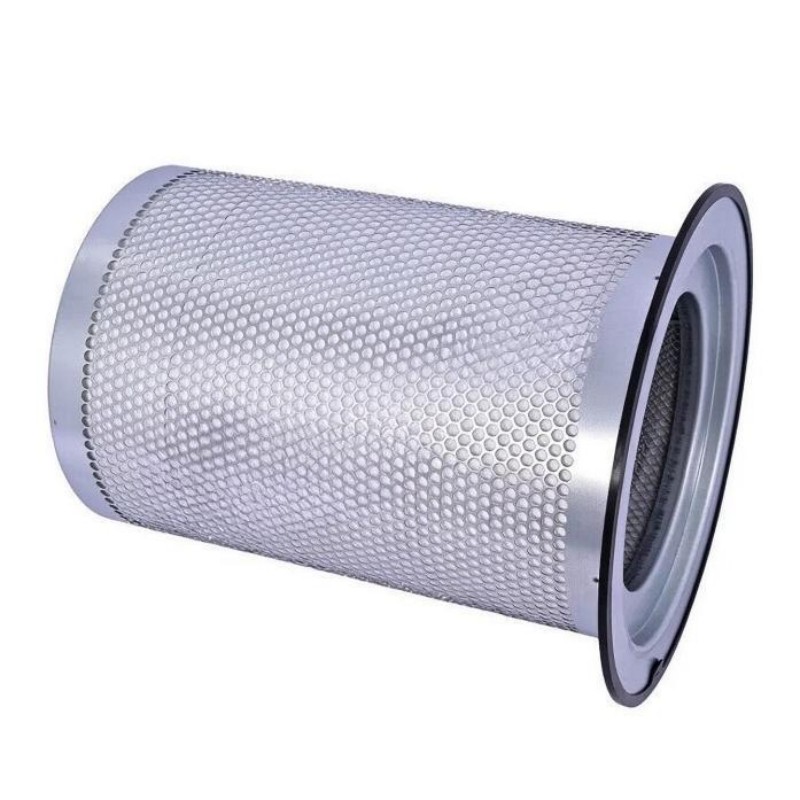
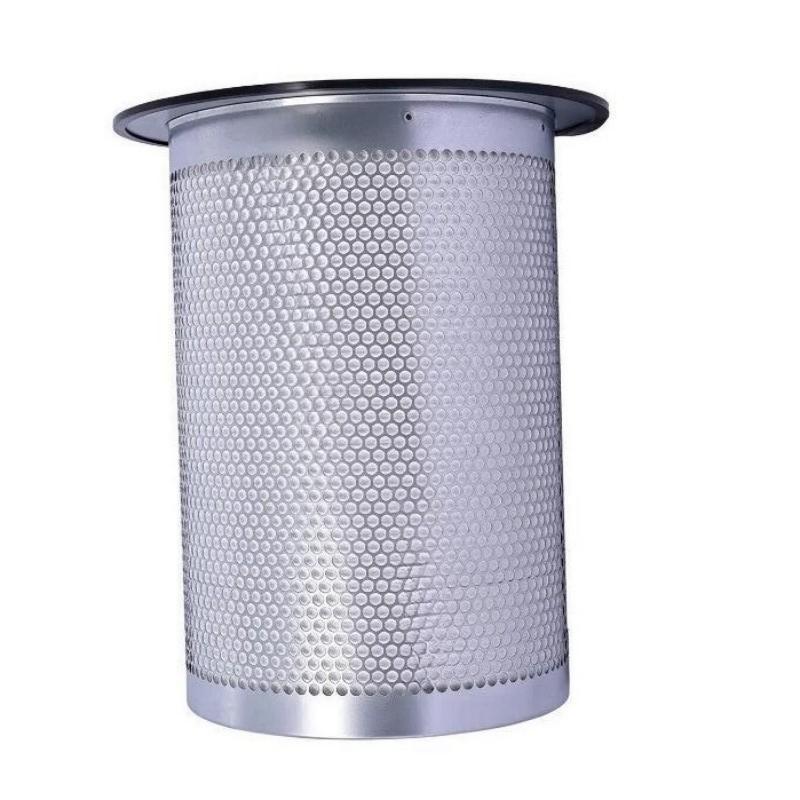
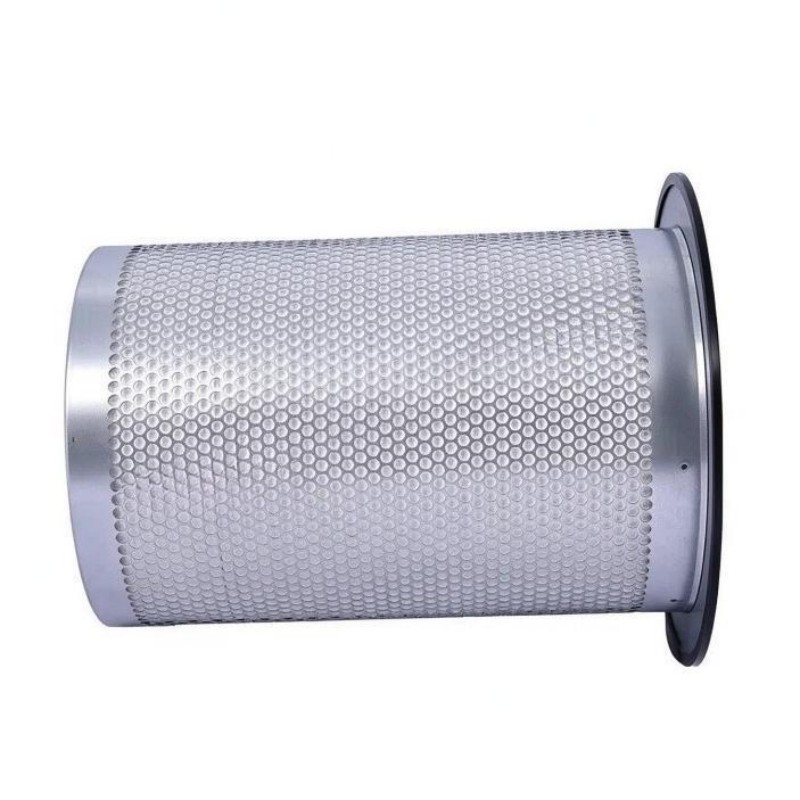
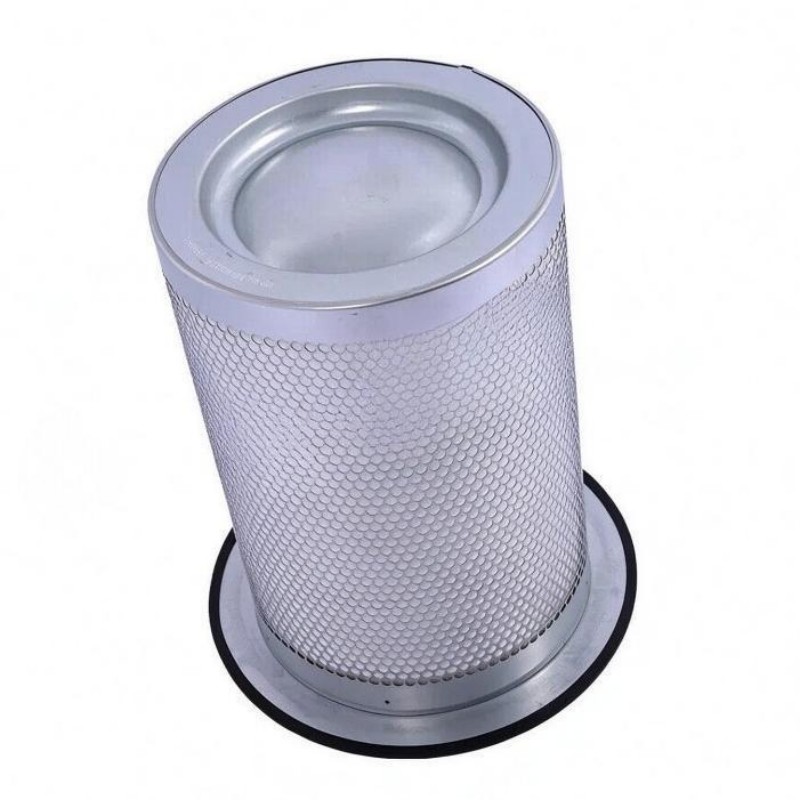
- Ingersoll Rand
- 47555212001 23545841
- Air-Oil Separator
- USA
- 375 mm
- 7.5 kg
- Xiamen, China
- New & In Stock
- T/T, PayPal, Western Union
- 1 Year
- 1-3 Working Days
- DHL, UPS, TNT, FedEx and EMS.
- 24-Hour Service
- COO
- 5
Our advantage

Global Logistics
We have a 10-year logistics and express cooperation agreement, so our products can be shipped to any place in the world.

Brand new and original
Our products are imported in bulk from the place of origin. Because of the cooperative relationship, our products are all original and 100% new.

24-hour service
We provide 7*24 hours service to our customers. We will be there whenever you need us.

Price advantage
All our products are priced very favorably because we have our own warehouse and supply.
| Company Information | |||
| [email protected] | |||
| Mobile | +8615980777398 | ||
| +8615980777398 | |||
| 15980777398 |
Product Overview
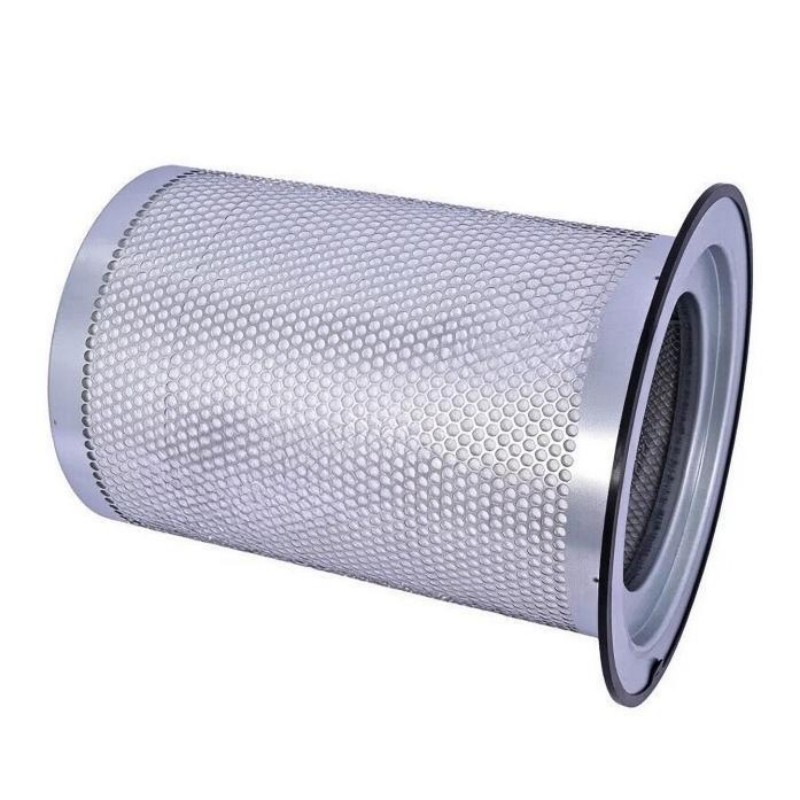
The Ingersoll Rand 47555212001 23545841 Air-Oil Separator is a replacement filtration component designed for compatible industrial air compressor systems. It is used in oil-injected rotary screw compressors, where separating lubricating oil from compressed air is essential for maintaining air quality, supporting compressor efficiency, and protecting downstream equipment.
During compression, lubricating oil circulates through the compressor to support sealing, lubrication, and heat removal. Some of this oil becomes entrained in the compressed air. The air-oil separator removes much of the entrained oil before the compressed air leaves the separator vessel and enters the downstream air system.
The 23545841 part number is associated with air-oil separator elements used in selected Ingersoll Rand compressor models. Depending on the compressor configuration, the separator may be installed inside a dedicated separator vessel. Its performance influences oil carryover, pressure drop, oil recovery, and the overall condition of the compressed air system.
The supplied product information identifies the part using the numbers 47555212001 and 23545841. Buyers should verify both numbers against the compressor’s parts list and existing separator label before ordering, especially when maintaining older equipment or purchasing replacement filtration components from third-party suppliers.
The listed diameter is 375 mm, and the supplied weight is 7.5 kg. Because separator elements can have different body diameters, flange diameters, heights, and mounting arrangements, the complete dimensional profile should be checked before installation.
For maintenance teams, selecting the correct separator is important not only for physical fit but also for maintaining the compressor’s intended separation performance and operating characteristics.
Technical Specifications
| Parameter | Specification |
|---|---|
| Brand | Ingersoll Rand |
| Manufacturer | Ingersoll Rand |
| Part Number | 47555212001 |
| Associated Part Number | 23545841 |
| Product Name | Air-Oil Separator |
| Product Type | Compressor Air-Oil Separator Element |
| Typical Equipment | Compatible oil-injected rotary screw air compressors |
| Primary Function | Separation of entrained lubricating oil from compressed air |
| Listed Diameter | 375 mm |
| Weight Provided | 7.5 kg |
| Installation Location | Compressor separator vessel or designated separator housing |
| Replacement Type | Exact OEM or verified compatible replacement |
| Typical Maintenance Task | Inspection and replacement during scheduled compressor servicing |
Note: The dimensions and weight above are the supplied listing parameters. Confirm whether 375 mm refers to the flange diameter or another external measurement. The exact overall height, body diameter, internal diameter, and sealing arrangement should be verified against the original component.
Function and Working Principle
The Ingersoll Rand 23545841 air-oil separator supports the separation and recovery of lubricating oil within an oil-injected compressed air system.
1. Separation of Oil from Compressed Air
In an oil-injected rotary screw compressor, oil is introduced into the compression process for lubrication, sealing, and cooling. After compression, the air-oil mixture enters the separation system.
The separator element captures fine oil droplets from the compressed air through its filtration media and separation structure. The separated oil collects and returns to the compressor’s oil circuit through the designated recovery arrangement.
This process reduces the quantity of oil carried into the compressed air outlet. Actual separation efficiency depends on the separator design, operating conditions, compressor configuration, and maintenance condition.
2. Oil Recovery
Recovering separated oil is an important part of maintaining a stable compressor lubrication cycle. The oil returned from the separator can be reused within the compressor system, helping maintain the intended oil circulation.
A damaged, incorrectly installed, or unsuitable separator can interfere with oil recovery and may contribute to increased oil consumption. Correct installation and verification of the oil-return system are therefore important during replacement.
3. Control of Oil Carryover
Oil carryover refers to lubricating oil that passes through the separator and remains in the compressed air. Excessive carryover can contaminate downstream piping, filters, dryers, pneumatic tools, and production equipment.
A suitable separator helps maintain the compressor’s intended oil carryover performance. However, the separator alone does not guarantee oil-free compressed air. Applications requiring very low residual oil levels may need additional downstream treatment and monitoring.
4. Management of Pressure Drop
Air must flow through the separator media, which creates some resistance. As the element accumulates contaminants or becomes restricted, its pressure drop may increase.
An excessive pressure drop can cause the compressor to consume more energy to maintain the required delivery pressure. Monitoring separator differential pressure according to the compressor manufacturer’s recommendations helps maintenance teams identify when service may be required.
5. Support for Compressor Reliability
By reducing oil carryover and helping maintain the intended separation process, a correctly specified separator supports the operation of the compressor and its connected air system.
Its contribution depends on the condition of the complete compressor system, including the oil circuit, separator housing, seals, oil-return line, and downstream filtration equipment.
Role in Industrial Compressed Air Systems
The 23545841 air-oil separator is a maintenance component rather than a standalone control device. Its role is to help maintain the separation performance of a compatible compressor.
Compressed Air Quality
Oil carryover can affect processes that depend on clean compressed air. Depending on the application, excessive oil contamination may cause product defects, contaminate equipment, or increase downstream maintenance requirements.
The separator helps reduce oil entering the air outlet, while downstream filters and dryers address other contaminants such as water, particles, or residual oil aerosols.
Compressor Energy Efficiency
Separator condition affects airflow resistance and pressure requirements. When the element becomes excessively restricted, the compressor may need to operate at a higher internal pressure to deliver the required downstream pressure.
Replacing a separator at the appropriate service interval can help prevent unnecessary pressure-drop losses. The actual energy benefit depends on compressor loading, operating hours, pressure settings, and the condition of the replacement element.
Oil Consumption Management
An effective separation and oil-return system helps recover lubricating oil from the compressed air stream. Abnormal oil consumption may indicate separator deterioration, a problem with the oil-return line, incorrect installation, or another compressor-system fault.
Replacing the separator should therefore be accompanied by an inspection of related components when symptoms indicate a broader problem.
Protection of Downstream Equipment
Oil contamination can accumulate in air receivers, piping, dryers, filters, valves, and pneumatic devices. The separator helps reduce the oil entering these systems and supports more consistent downstream operation.
For sensitive industrial processes, the complete air-treatment system should be designed according to the required compressed air quality rather than relying on the separator alone.
Industrial Applications
The Ingersoll Rand 23545841 separator is associated with compatible industrial rotary screw compressors. Its use should be determined by the compressor’s model, configuration, and service-parts documentation.
1. Manufacturing Plants
Manufacturing facilities use compressed air for pneumatic tools, actuators, fixtures, conveying systems, and production machinery. Maintaining suitable oil separation helps reduce contamination within the compressed air network.
2. Automotive and Metalworking Facilities
Automotive production and metalworking plants often rely on compressed air for pneumatic equipment, handling systems, and maintenance tools. A correctly selected separator supports compressor operation and helps control oil carryover.
Applications involving paint finishing or other contamination-sensitive processes may require additional air-treatment equipment.
3. Packaging and Processing Equipment
Packaging lines and process machinery may use compressed air for actuators, cylinders, and product-handling operations. Maintaining separator performance helps reduce the risk of oil contamination reaching connected equipment.
The required air quality depends on the product, process, and applicable industry standards.
4. Industrial Utilities
Central compressed air stations supply multiple production areas. Separator maintenance helps support reliable compressor operation and consistent air delivery across the plant.
Maintenance teams should consider compressor operating hours, load profile, pressure-drop trends, and the manufacturer’s service recommendations when planning replacement.
5. Continuous-Operation Facilities
Facilities operating compressors for extended periods depend on regular preventive maintenance. Replacing a worn separator at the appropriate interval can help reduce unplanned interruptions associated with deteriorating separation performance.
For critical installations, separator replacement should be planned alongside inspections of the oil filter, air filter, oil-return line, and other relevant compressor components.
Installation and System Integration
Correct installation is essential for maintaining oil separation, limiting leakage, and protecting compressor performance.
1. Verify the Part Number
Before removing the original component, confirm the part number shown on the existing separator and compare it with the compressor’s parts list.
The numbers 47555212001 and 23545841 should be checked against the equipment documentation. Do not assume that two filters are interchangeable merely because they share a similar diameter or appearance.
2. Confirm All Critical Dimensions
The supplied listing gives a diameter of 375 mm. Before ordering, verify the following dimensions against the original component:
- Main body outer diameter.
- Flange or mounting diameter.
- Overall height.
- Inner diameter and central opening, where applicable.
- Mounting interface and sealing surface.
The flange diameter may be different from the main body diameter. This distinction is important when determining whether a replacement will fit the separator housing correctly.
3. Depressurize and Isolate the Compressor
Before servicing the separator, shut down the compressor and isolate the energy sources according to the manufacturer’s procedures.
Allow the equipment to cool and ensure that the separator vessel and connected circuits have been safely depressurized. Follow the required lockout procedures and verify that stored pressure has been released before opening the housing.
Never open a pressurized separator vessel.
4. Inspect the Housing and Sealing Surfaces
After removing the old element, inspect the separator housing, cover, mounting surfaces, and seals for damage or contamination.
Clean the relevant surfaces using approved methods. Replace damaged seals and ensure that the replacement element sits correctly in its designated position.
Avoid introducing debris into the oil circuit or compressed air system during servicing.
5. Install the Replacement Element
Install the separator in accordance with the compressor manufacturer’s instructions. Check its orientation, seating, sealing arrangement, and any required oil-return connections.
Incorrect seating or damaged seals can allow oil-laden air to bypass the filtration media, reducing separation performance even when a new element is used.
6. Inspect the Oil-Return System
Check the oil-return line and associated fittings for obstruction, damage, or incorrect installation where the compressor design uses a dedicated oil-return arrangement.
A restricted oil-return path can contribute to abnormal oil consumption or oil carryover. Replacing the separator without checking a suspected return-line problem may not resolve the underlying issue.
7. Restart and Check Operation
After reassembly, confirm that all covers, connections, and fittings are properly secured. Restore the system according to the manufacturer’s restart procedure.
Check for leaks, abnormal pressure readings, unusual noise, and signs of excessive oil carryover. Follow the equipment’s recommended procedure for checking separator differential pressure and confirming normal operating conditions.
Compatible System Components
The 23545841 separator operates within the compressor’s wider lubrication and compressed air system. The following components may be relevant during maintenance.
| Component | Function | Maintenance Considerations |
|---|---|---|
| Air-oil separator vessel | Houses the separator element and supports separation | Inspect housing, seals, and mounting surfaces |
| Compressor oil filter | Removes contaminants from circulating lubricating oil | Replace according to the service schedule |
| Compressor air filter | Reduces particles entering the compressor intake | Check restriction and replace when required |
| Lubricating oil | Supports lubrication, cooling, and sealing | Use the specified oil type and maintain the correct level |
| Oil-return line | Returns separated oil to the appropriate circuit | Check for restrictions and damaged connections |
| Pressure sensors or gauges | Monitor relevant operating pressures | Verify readings and inspect for faults |
| Differential pressure monitoring | Helps identify increasing separator resistance | Compare readings with manufacturer limits |
| Downstream air filters | Remove additional particles or oil aerosols as required | Select according to required air quality |
| Air dryer | Reduces moisture in compressed air | Maintain according to the dryer manufacturer’s guidance |
These components are part of a typical compressed air system and are not necessarily supplied with the separator element.
Alternative Models and Replacement Considerations
Replacement selection should be based on the original compressor configuration, dimensional compatibility, and the required separation performance.
| Replacement Option | Considerations |
|---|---|
| Genuine Ingersoll Rand 23545841 | Confirm the part number and equipment compatibility through the compressor’s service documentation |
| Verified aftermarket replacement for 23545841 | Check dimensional drawings, filtration performance, sealing arrangement, and supplier quality documentation |
| Cross-referenced separator element | Verify the cross-reference against the exact compressor model and serial number |
| Alternative separator for another compressor model | Do not substitute without confirming the mounting interface, operating conditions, and performance requirements |
Some parts databases cross-reference 23545841 with selected Ingersoll Rand R and RS series compressors, including certain R90i, R110i, R132i, R150i, R160i, RS110IE, RS132IE, and RS160IE configurations. This list is not a universal fitment guarantee; the actual compressor configuration must be checked before purchase.
When comparing replacement products, evaluate:
- Complete part number and any associated assembly number.
- Main body and flange dimensions.
- Overall height and internal opening.
- Seal material and mounting design.
- Oil separation performance.
- Allowable operating temperature and pressure.
- Differential pressure characteristics.
- Supplier quality assurance and traceability.
- Service life and applicable warranty conditions.
A replacement that fits physically may still have different filtration or pressure-drop characteristics. For critical compressor installations, use a documented, compatible element rather than selecting a component by size alone.
Key Advantages
Effective Oil Separation
A suitable air-oil separator helps remove entrained lubricating oil from compressed air before the air enters the downstream system.
Oil Recovery Support
The separation process allows recovered oil to return to the compressor’s oil circuit when the associated system is functioning correctly.
Support for Compressed Air Quality
Reduced oil carryover can help protect downstream equipment and reduce contamination risks in industrial air networks.
Pressure-Drop Management
Replacing an excessively restricted element can help restore the intended airflow resistance and support efficient compressor operation.
Preventive Maintenance Value
Scheduled separator inspection and replacement help maintenance teams manage wear, reduce unexpected service interruptions, and maintain consistent compressor performance.
Compatibility with Industrial Compressor Systems
The 23545841 part number is associated with selected Ingersoll Rand rotary screw compressors. Exact equipment matching helps ensure the replacement fits and performs as intended.
Technical FAQs
1. What is the Ingersoll Rand 47555212001 23545841?
It is an air-oil separator element used in compatible industrial compressor systems. Its main function is to separate entrained lubricating oil from compressed air.
2. What does an air-oil separator do?
It removes much of the oil carried in the compressed air after the compression process. The separated oil can then be recovered through the compressor’s oil-return system.
3. Which compressors use part number 23545841?
Parts cross-reference information associates this number with selected Ingersoll Rand R and RS series rotary screw compressors. Always confirm compatibility against the specific model, serial number, and service-parts documentation.
4. What is the listed diameter?
The supplied listing states 375 mm. Because some replacement specifications use this value for a flange diameter, verify the main body diameter, flange diameter, and overall height before ordering.
5. What is the weight of this product?
The supplied product listing gives a weight of 7.5 kg. Confirm whether this is the net element weight or a shipping weight before using it for freight calculations.
6. What happens when an air-oil separator becomes restricted?
A restricted element can increase pressure drop and may affect compressor efficiency. Depending on the condition and system design, other symptoms may include abnormal operating pressure or reduced performance.
7. Can a clogged separator cause high oil consumption?
A deteriorated separator may contribute to oil carryover, but high oil consumption can also result from oil-return restrictions, incorrect installation, damaged seals, or other compressor faults. Inspect the complete separation system before determining the cause.
8. How often should the separator be replaced?
The service interval depends on the compressor model, operating hours, operating environment, and manufacturer recommendations. Follow the maintenance schedule for the specific compressor and monitor applicable operating indicators.
9. Can an aftermarket separator replace the original part?
It may be suitable if it is specifically designed and verified for part number 23545841 and the intended compressor. Compare the dimensions, mounting arrangement, filtration performance, pressure drop, and supplier documentation before substitution.
10. What should buyers verify before purchasing?
Confirm the full part number, compressor compatibility, main body and flange dimensions, overall height, weight basis, product condition, and supplier documentation. For critical applications, also verify the product’s traceability and applicable warranty.
Procurement and Maintenance Recommendations
When sourcing the Ingersoll Rand 47555212001 23545841 Air-Oil Separator, begin by checking the existing separator label and the compressor’s service-parts documentation. Confirm that both the primary and associated part numbers match the intended equipment.
Dimensional verification is particularly important. The supplied 375 mm diameter may refer to the flange or another external dimension rather than the main filter body. Obtain a dimensional drawing or measure the original element before committing to an order.
For industrial procurement, confirm whether the product is genuine OEM equipment or an aftermarket replacement. If an alternative product is proposed, request documentation covering the intended compressor models, mounting interface, filtration performance, pressure-drop characteristics, and operating limits.
During maintenance, follow the compressor manufacturer’s shutdown, isolation, and depressurization procedures. Inspect the separator housing, seals, and oil-return line during replacement, then check for leaks and abnormal operating conditions after restart.
Maintain records of replacement dates, operating hours, pressure-drop readings, oil consumption, and any observed changes in compressed air quality. These records help maintenance teams identify recurring problems and plan future servicing.
Conclusion
The Ingersoll Rand 47555212001 23545841 Air-Oil Separator is a compressor filtration component designed to reduce lubricating oil carryover in compatible oil-injected rotary screw compressor systems. Proper separation supports compressed air quality, oil recovery, and efficient compressor operation.
For maintenance and replacement projects, exact part-number verification and dimensional compatibility are essential. The supplied listing specifies a 375 mm diameter and a weight of 7.5 kg; confirm the precise diameter reference, overall height, and weight basis against the actual product before ordering. Selecting a verified compatible separator and installing it according to the compressor manufacturer’s procedures helps maintain reliable compressed air system performance.