

ProductPRODUCT
Featured products
Contact Us
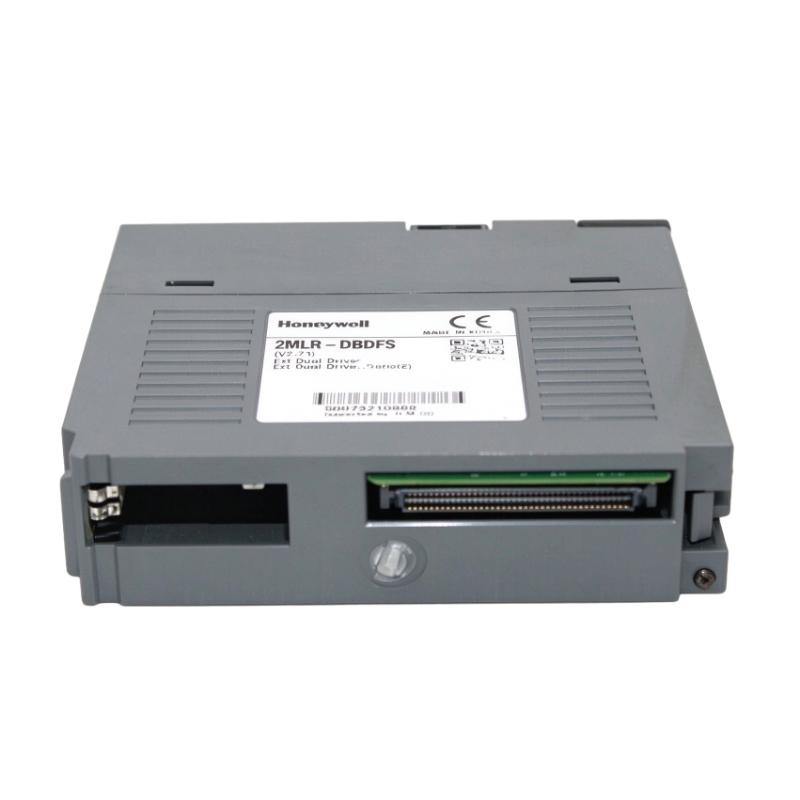
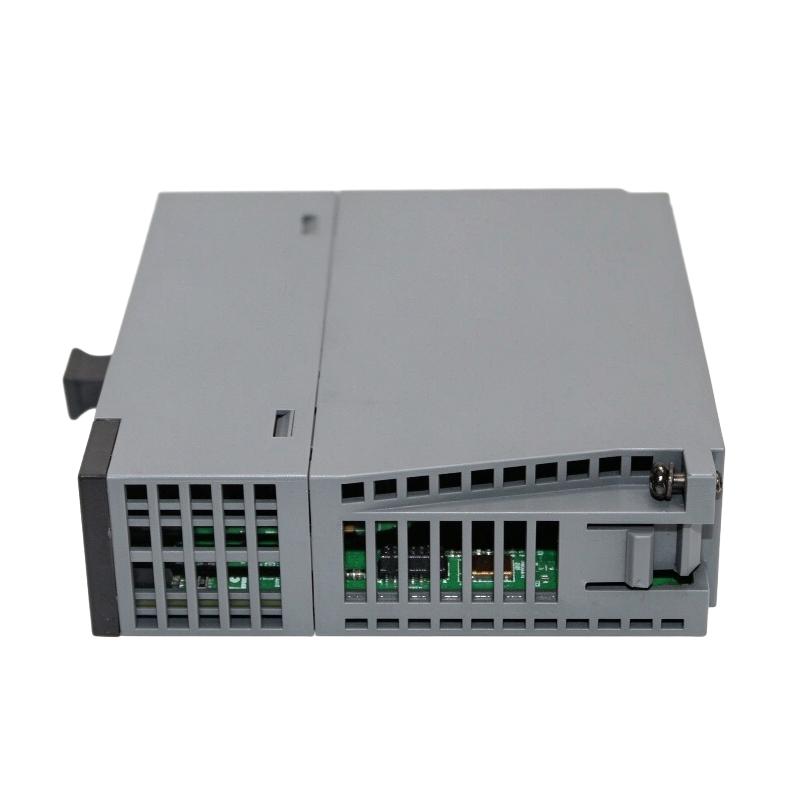
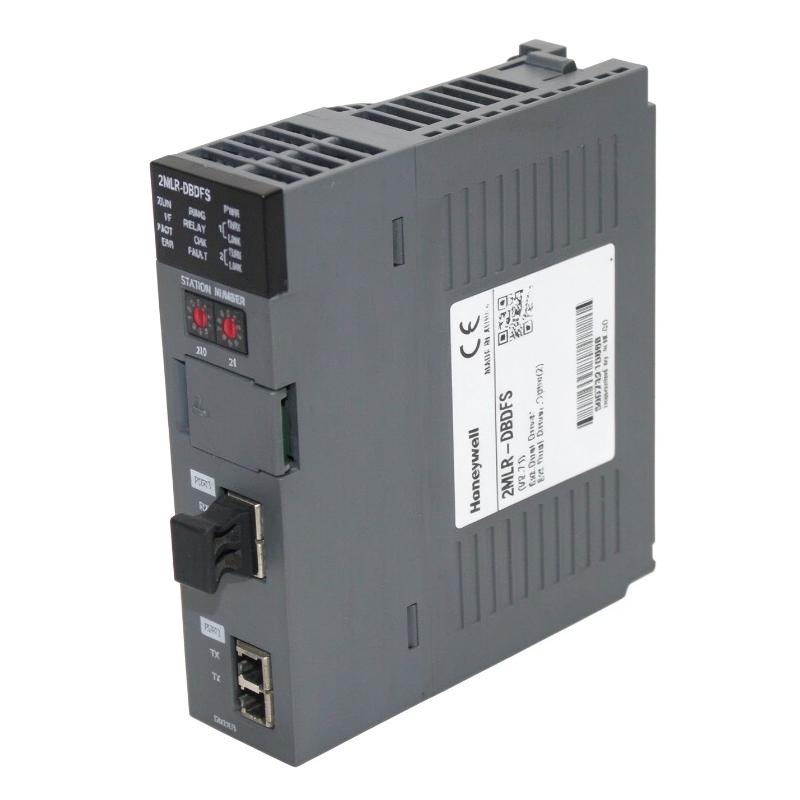
- Honeywell
- 2MLR-DBDFS
- Redundant Expansion Driver
- USA
- 150 × 25 × 100 mm
- 0.1 kg
- Xiamen, China
- New & In Stock
- T/T, PayPal, Western Union
- 1 Year
- 1-3 Working Days
- DHL, UPS, TNT, FedEx and EMS.
- 24-Hour Service
- COO
- 5
Our advantage

Global Logistics
We have a 10-year logistics and express cooperation agreement, so our products can be shipped to any place in the world.

Brand new and original
Our products are imported in bulk from the place of origin. Because of the cooperative relationship, our products are all original and 100% new.

24-hour service
We provide 7*24 hours service to our customers. We will be there whenever you need us.

Price advantage
All our products are priced very favorably because we have our own warehouse and supply.
| Company Information | |||
| [email protected] | |||
| Mobile | +8615980777398 | ||
| +8615980777398 | |||
| 15980777398 |
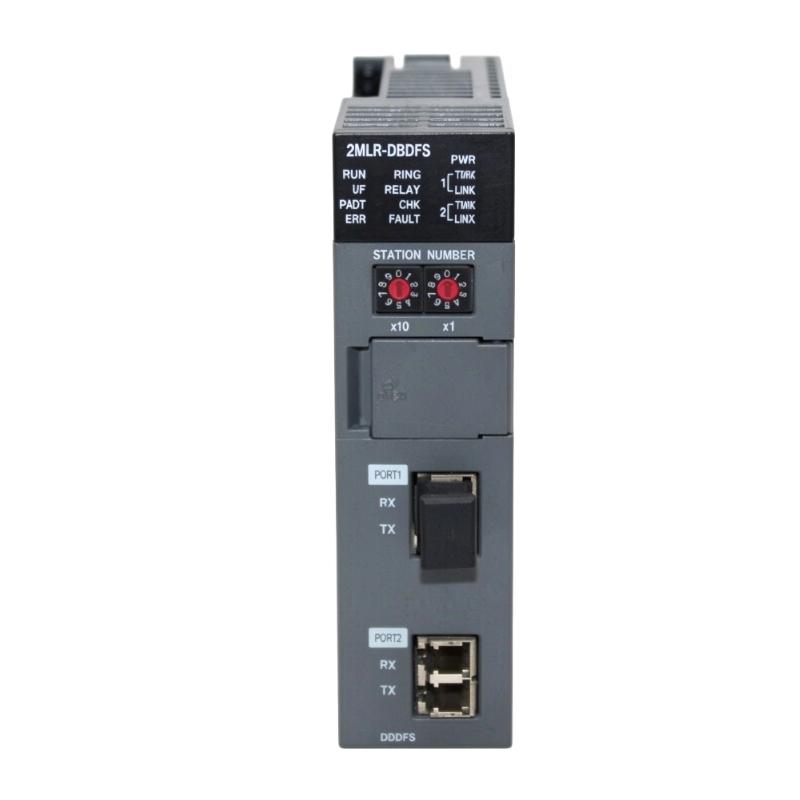
Product Overview
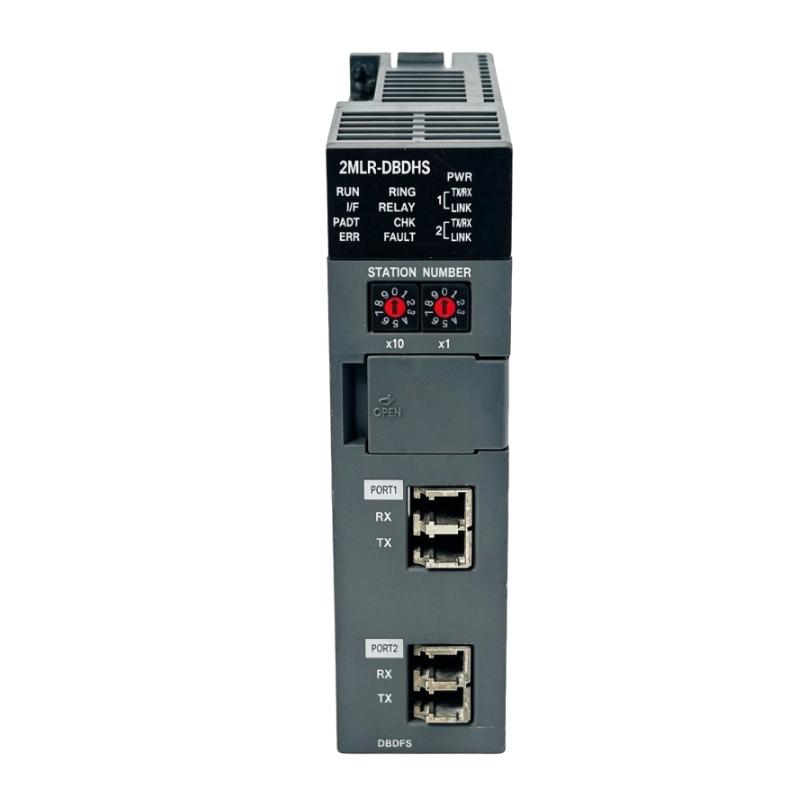
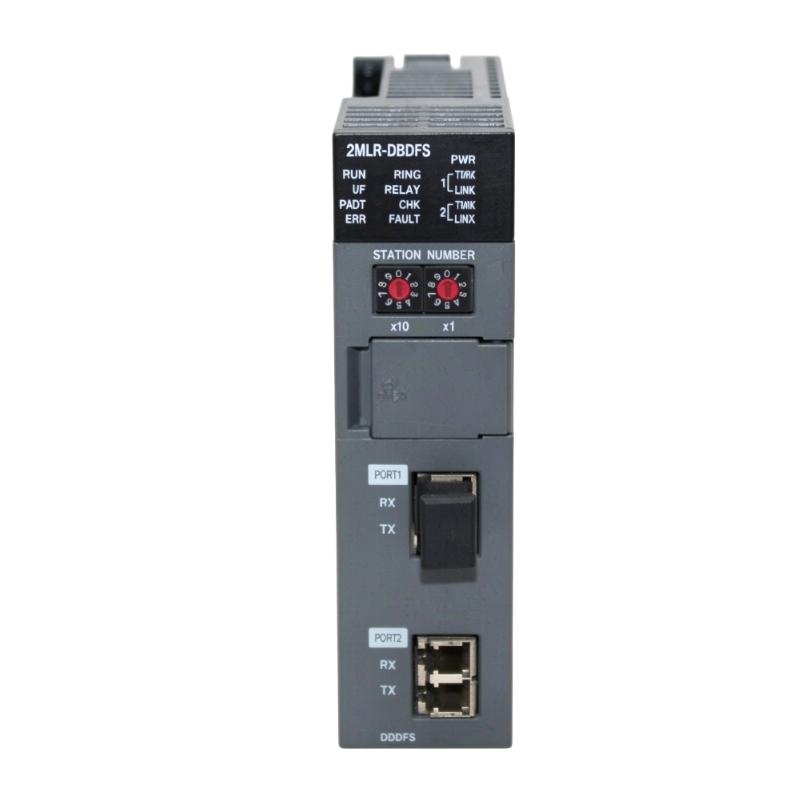
The Honeywell 2MLR-DBDFS is a Single-Mode Fiber Optic Redundant Expansion Driver for the MasterLogic-200R PLC system. It serves as the optical communication interface between the redundant controller architecture and remote I/O expansion equipment.
In large industrial installations, the main PLC cabinet and remote I/O stations are not always located in the same area. A process plant, for example, may have separate control cabinets distributed across compressor buildings, pump stations, production units, and other operating areas. Running electrical communication cables over these distances can introduce limitations related to transmission distance and electromagnetic interference.
The 2MLR-DBDFS addresses this type of installation through single-mode fiber-optic communication. Its optical interface supports communication between compatible expansion equipment without relying on conventional copper-based transmission for the fiber link.
The module belongs to the redundant expansion-driver family of Honeywell MasterLogic-200R. It is associated with the 2MLR-E12H redundant expansion base, which supports dual I/O link redundancy. The driver handles the communication connection required by the expansion architecture, while the CPU continues to execute the PLC program and manage process control.
The single-mode configuration is the key distinction when comparing this model with the standard 2MLR-DBDF. Both are associated with redundant fiber-optic expansion communication, but the DBDFS is intended for single-mode optical installations. This difference matters when selecting replacement hardware because single-mode and multimode fiber systems use different optical transmission characteristics and should not be treated as interchangeable without checking the complete interface specifications.
For maintenance engineers working with distributed MasterLogic-200R systems, the 2MLR-DBDFS is a dedicated communication component rather than a general-purpose fiber converter.
Technical Specifications
| Parameter | Specification |
|---|---|
| Manufacturer | Honeywell |
| Model | 2MLR-DBDFS |
| Product Series | MasterLogic-200 |
| System Type | MasterLogic-200R |
| Product Type | Redundant Expansion Driver |
| Communication Interface | Fiber Optic |
| Fiber Configuration | Single-Mode Fiber |
| Network Architecture | Dual I/O Link Redundancy |
| Application | Remote I/O Expansion Communication |
| Compatible Expansion Base | 2MLR-E12H |
| Dimensions | 150 × 25 × 100 mm |
| Weight | 0.1 kg |
Product Features
- Single-Mode Fiber Communication: Uses single-mode optical transmission for compatible MasterLogic-200R expansion networks.
- Redundant Expansion Configuration: Supports the dual I/O link architecture of the MasterLogic-200R system.
- Remote I/O Connectivity: Establishes the communication interface between the controller and distributed expansion equipment.
- Optical Signal Transmission: Transfers communication data through fiber rather than electrical conductors.
- Reduced Electromagnetic Interference: Optical transmission is less susceptible to electrical noise generated by motors, drives, and industrial power equipment.
- Electrical Isolation: Fiber-optic communication avoids a direct conductive signal path between connected equipment.
- Dedicated Expansion Driver: Occupies the designated driver position in the compatible redundant expansion base.
- Single-Mode System Matching: Provides a specific hardware option for installations using single-mode optical infrastructure.
- Industrial PLC Integration: Works within the MasterLogic-200R distributed I/O architecture.
- Dedicated Replacement Identification: The complete model number distinguishes this version from standard FO and TP/FO expansion drivers.
Product Working Principle
The 2MLR-DBDFS functions as an optical communication driver within the MasterLogic-200R redundant I/O network.
Its operation involves transferring digital information between the PLC controller and remote I/O equipment through single-mode fiber-optic connections. Unlike twisted-pair communication, which carries electrical signals through copper conductors, optical communication represents data through light signals transmitted along the fiber.
A typical communication arrangement follows this sequence:
MasterLogic-200R CPU → Redundant Expansion Communication Interface → Single-Mode Fiber Network → Remote Expansion Base → I/O Modules
During normal operation, the CPU exchanges information with the distributed I/O stations. Input modules collect signals from field instruments, including temperature transmitters, pressure sensors, flow meters, and equipment status contacts.
The expansion communication network transfers the collected input information to the controller. After processing the data according to the PLC program, the CPU sends output commands back to the corresponding remote I/O modules.
The single-mode fiber configuration is particularly relevant when the communication network needs to cover longer cable routes. Single-mode fiber uses a smaller optical core and supports transmission characteristics suited to longer-distance optical links.
The redundant architecture adds another layer to this communication arrangement. Two I/O communication paths are available within the configured system, allowing the control system to maintain communication through an available path when a fault affects another link, subject to the configured redundancy logic.
The 2MLR-DBDFS does not perform independent PLC processing or field signal conversion. Its responsibility is the optical communication interface required to connect the redundant controller system with remote expansion equipment.
Role in Honeywell MasterLogic-200R Control System Architecture
The 2MLR-DBDFS occupies the expansion-driver position in the MasterLogic-200R redundant I/O architecture.
It provides the single-mode fiber-optic communication interface for the distributed expansion arrangement. The module works with the redundant expansion base, controller hardware, and compatible I/O modules to establish the communication path between central control equipment and remote field signals.
MasterLogic-200R CPU → Main CPU Base → Redundant I/O Communication Network → 2MLR-DBDFS → 2MLR-E12H Expansion Base → I/O Modules → Field Devices
| System Component | Function |
|---|---|
| 2MLR-CPUH/S | Redundant CPU configuration associated with single-mode fiber communication |
| 2MLR-CPUH/F | Redundant CPU configuration with fiber-optic communication |
| 2MLR-M02P | Main CPU base for a two-module installation |
| 2MLR-M06P | Main CPU base for a six-module installation |
| 2MLR-DBDFS | Provides the single-mode optical interface for redundant expansion communication |
| 2MLR-E12H | Redundant expansion base with 12 slots |
| 2MLR-DBDF | Standard fiber-optic redundant expansion driver |
| 2MLR-DBDH | Hybrid TP/FO redundant expansion driver |
| MasterLogic I/O Modules | Acquire field inputs and control output devices |
| Field Instruments | Supply process measurements and equipment status information |
| Industrial Actuators | Execute commands generated by the PLC control system |
When configuring this architecture, the optical interface of the CPU, expansion driver, and connecting fiber network must be considered together. Using a single-mode driver does not automatically make an existing multimode communication installation compatible.
Industrial Applications
The 2MLR-DBDFS is relevant to MasterLogic-200R installations where remote I/O communication requires single-mode fiber-optic transmission and a redundant expansion arrangement.
| Industrial Application | Typical Use |
|---|---|
| Oil and Gas Processing | Connecting remote I/O stations across large process facilities |
| Petrochemical Plants | Supporting optical communication between distributed control cabinets |
| Refinery Automation | Connecting remote expansion equipment across separate process units |
| Power Generation | Supporting communication between central controllers and remote I/O stations |
| Pipeline Pumping Stations | Connecting distributed monitoring and control equipment |
| Compressor Stations | Transmitting equipment status and process information through optical links |
| Water Treatment Plants | Connecting remote instrumentation and control cabinets |
| Chemical Processing | Supporting distributed process monitoring and control |
| Large Manufacturing Facilities | Extending PLC I/O communication across production buildings |
| Continuous Process Industries | Maintaining communication between central control equipment and remote I/O installations |
Installation and Maintenance
- Verify the Complete Model Number: Confirm that the replacement is Honeywell 2MLR-DBDFS rather than the standard 2MLR-DBDF or another expansion-driver variant.
- Confirm Fiber Type: Check that the existing communication infrastructure uses single-mode fiber rather than multimode fiber.
- Inspect the Expansion Base: Verify that the module is intended for the compatible 2MLR-E12H redundant expansion base.
- Review the Network Architecture: Identify the primary and secondary I/O communication paths before disconnecting the existing equipment.
- Isolate the Equipment: Follow the applicable shutdown and electrical isolation procedures before removing or installing the driver.
- Inspect the Module Connector: Check the driver interface and expansion-base connector for contamination, loose connections, or physical damage.
- Examine Fiber-Optic Cables: Look for damaged jackets, crushed sections, sharp bends, or other conditions that could affect optical transmission.
- Check Optical Connectors: Inspect the fiber connectors for dust and contamination. Keep protective caps in place whenever connectors are disconnected.
- Verify Fiber Compatibility: Confirm that the optical cable type, connector arrangement, and transmission characteristics match the installed single-mode communication system.
- Check Redundant Links: Verify that both communication paths are connected according to the original network configuration.
- Perform Communication Testing: Check data exchange between the CPU and remote expansion base and confirm that the redundant communication arrangement operates correctly.
- Record Maintenance Results: Document the module identification, installation position, fiber connections, and communication test results.
For intermittent communication faults, inspect optical connector cleanliness and fiber routing before replacing the expansion driver. Optical attenuation, connector contamination, and damaged cable sections can cause communication problems even when the electronic module is functioning correctly.
Compatible System Components
| Component | Function |
|---|---|
| Honeywell 2MLR-CPUH/S | Redundant CPU configuration associated with single-mode fiber communication |
| Honeywell 2MLR-CPUH/F | Redundant CPU configuration with fiber-optic communication |
| Honeywell 2MLR-E12H | Redundant expansion base with 12 slots |
| Honeywell 2MLR-DBDF | Redundant expansion driver using standard FO communication |
| Honeywell 2MLR-DBDT | Redundant expansion driver using TP communication |
| Honeywell 2MLR-DBDH | Redundant expansion driver using TP/FO hybrid communication |
| Honeywell MasterLogic-200 I/O Modules | Handle distributed analog and digital field signals |
| Single-Mode Fiber-Optic Cabling | Provides optical communication between compatible system components |
| Optical Connector Assemblies | Establish physical connections between fiber-optic interfaces |
Recommended Related Models
| Model / Product Family | Product Type | Typical Application |
|---|---|---|
| Honeywell 2MLR-DBDF | Redundant Expansion Driver, FO | Standard fiber-optic redundant I/O communication |
| Honeywell 2MLR-DBDT | Redundant Expansion Driver, TP | Twisted-pair redundant expansion communication |
| Honeywell 2MLR-DBDH | Redundant Expansion Driver, TP/FO | Hybrid redundant I/O communication |
| Honeywell 2MLR-CPUH/S | Redundant CPU, Single-Mode FO Configuration | Single-mode redundant controller architecture |
| Honeywell 2MLR-E12H | Redundant Expansion Base, 12 Slot | Distributed I/O expansion with dual-link redundancy |
| Honeywell 2MLR-M06P | Main CPU Base, 6 Slot | MasterLogic-200R main controller installation |
Key Advantages
- Single-mode fiber-optic communication configuration.
- Supports the MasterLogic-200R redundant expansion architecture.
- Suitable for distributed I/O communication over longer optical links.
- Optical transmission reduces susceptibility to electromagnetic interference.
- Provides electrical isolation between connected equipment.
- Supports dual I/O link redundancy.
- Dedicated model for single-mode optical installations.
- Integrates with the MasterLogic-200R modular PLC architecture.
Technical FAQs
1. What is the difference between the Honeywell 2MLR-DBDFS and 2MLR-DBDF?
Both belong to the redundant expansion-driver family and support fiber-optic communication. The key distinction is the optical configuration: the 2MLR-DBDFS is associated with single-mode fiber, while the standard 2MLR-DBDF is associated with the conventional fiber-optic configuration. The installed fiber type must be checked before selecting a replacement.
2. Can the 2MLR-DBDFS communicate through multimode fiber?
The DBDFS is identified as the single-mode version. It should not be assumed to be directly interchangeable with a multimode installation. The optical interface specifications, cable type, and corresponding CPU configuration must be matched before installation.
3. Why use single-mode fiber in a MasterLogic-200R expansion network?
Single-mode fiber is useful when remote I/O stations are separated from the main controller by longer cable routes. Its optical transmission characteristics support longer-distance communication and provide immunity to electromagnetic interference along the fiber link.
4. What should be checked when the 2MLR-DBDFS loses communication with a remote I/O base?
Start by checking the optical connectors, fiber condition, and compatibility of the single-mode cabling. Then inspect the redundant communication paths, driver installation, and expansion-base connections. If the physical optical connections are correct, investigate the controller configuration and communication status of the remote I/O station.