

ProductPRODUCT
Featured products
Contact Us
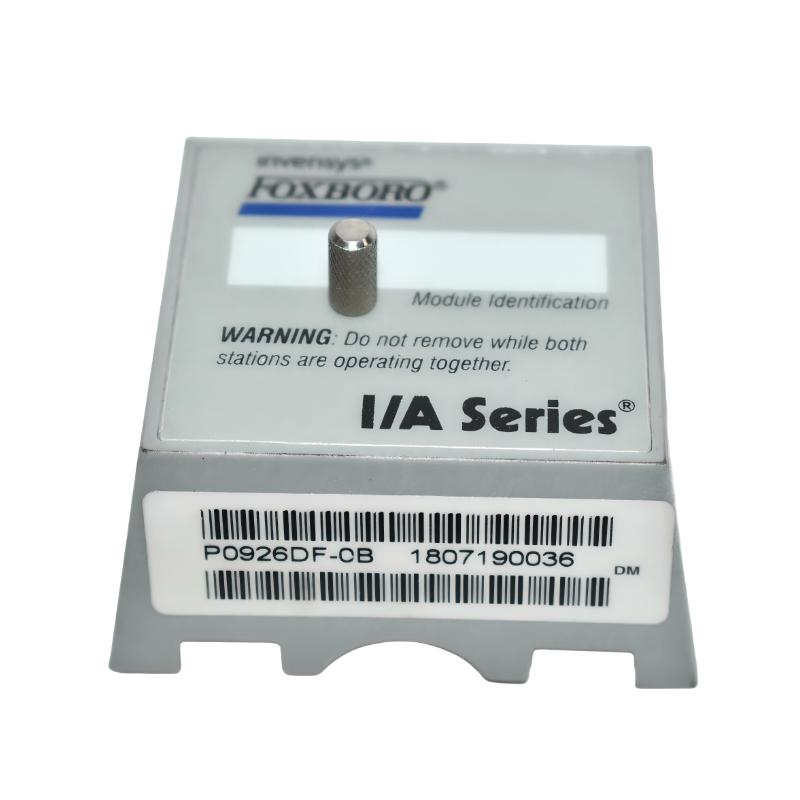
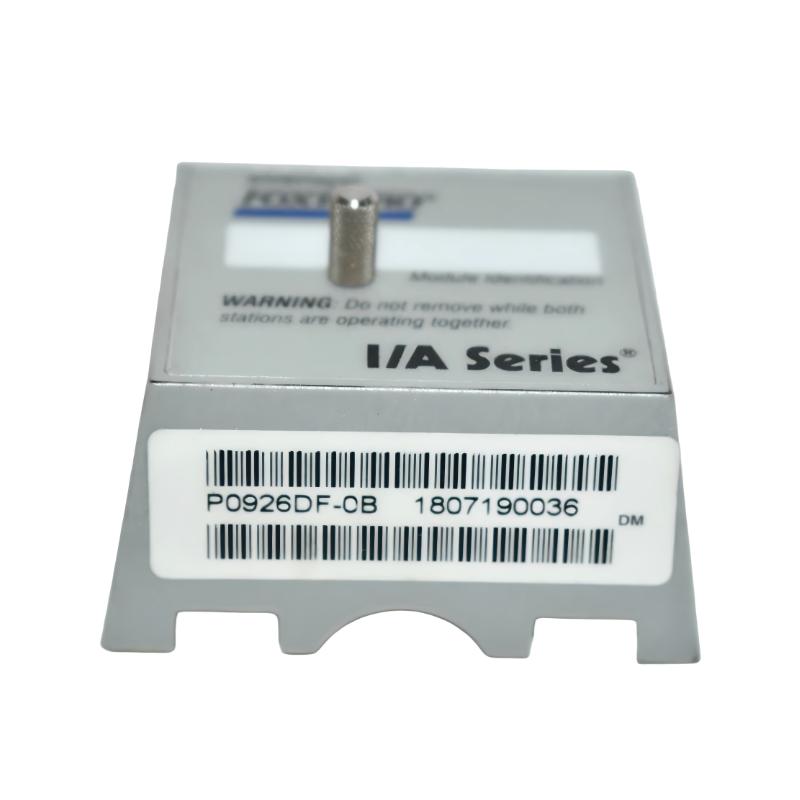
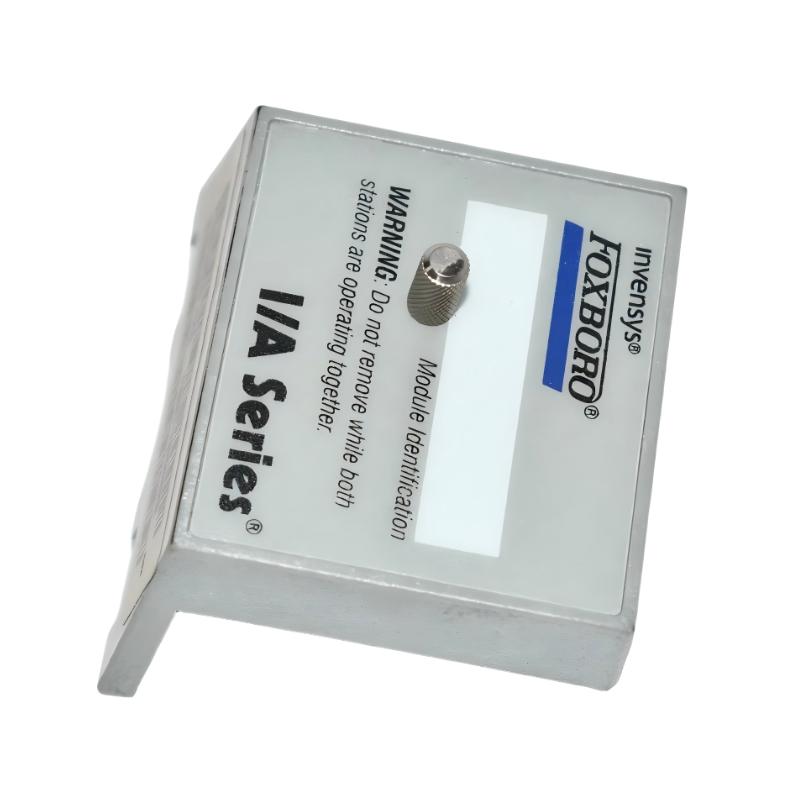
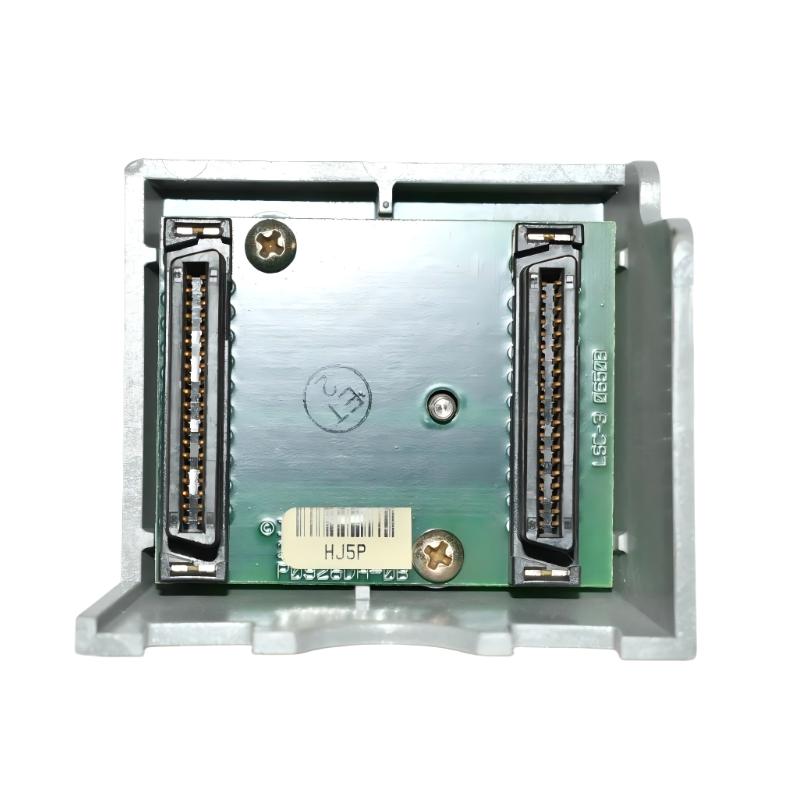
- Foxboro
- P0926DF-0B
- Fault-Tolerant Connector
- USA
- 80 x 30 x 50 mm
- 0.1 kg
- Xiamen, China
- New & In Stock
- T/T, PayPal, Western Union
- 1 Year
- 1-3 Working Days
- DHL, UPS, TNT, FedEx and EMS.
- 24-Hour Service
- COO
- 55
Our advantage

Global Logistics
We have a 10-year logistics and express cooperation agreement, so our products can be shipped to any place in the world.

Brand new and original
Our products are imported in bulk from the place of origin. Because of the cooperative relationship, our products are all original and 100% new.

24-hour service
We provide 7*24 hours service to our customers. We will be there whenever you need us.

Price advantage
All our products are priced very favorably because we have our own warehouse and supply.
| Company Information | |||
| [email protected] | |||
| Mobile | +8615980777398 | ||
| +8615980777398 | |||
| 15980777398 |
Product Overview
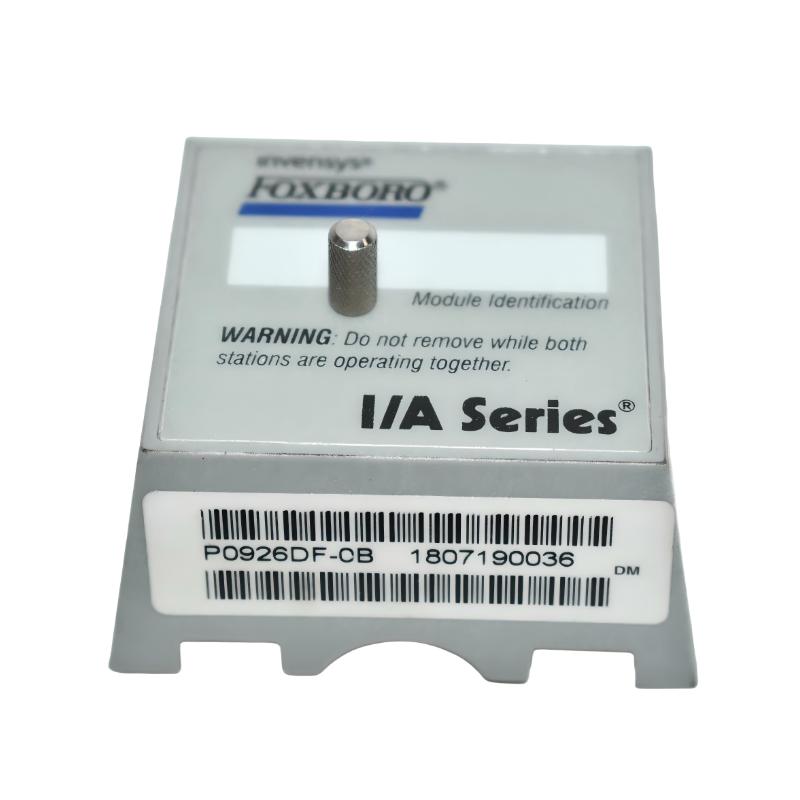
The Foxboro P0926DF-0B Fault-Tolerant Connector is a specialized industrial connection component designed for use within Distributed Control System (DCS) architectures where communication reliability and system availability are important.
Unlike a standard electrical connector that primarily provides a physical connection between two devices, a fault-tolerant connector is used within an automation architecture where maintaining communication continuity and minimizing the impact of connection failures are important design considerations.
The P0926DF-0B can be integrated into control-system communication and interconnection arrangements involving controllers, communication modules, network components, and associated DCS equipment. Its purpose is to provide a reliable connection point within the applicable system architecture while supporting fault-tolerant system design.
The supplied dimensions of the Foxboro P0926DF-0B are 80 × 30 × 50 mm, with an approximate weight of 0.1 kg. Its compact size makes it suitable for installation within industrial control cabinets and equipment assemblies where reliable interconnection is required without occupying significant panel space.
For maintenance engineers and system integrators, the P0926DF-0B should be regarded as a system connection component, rather than a PLC, controller, I/O module, or standalone communication processor.
Technical Specifications
| Parameter | Details |
|---|---|
| Manufacturer | Foxboro |
| Model | P0926DF-0B |
| Product Type | Fault-Tolerant Connector |
| Primary Function | Reliable System Interconnection |
| Application | DCS / Industrial Automation |
| System Role | Communication and Control-System Connection |
| Fault-Tolerance Function | Supports Reliable Network/System Architecture |
| Installation | Control Cabinet / Equipment Assembly |
| Dimensions | 80 × 30 × 50 mm |
| Weight | Approx. 0.1 kg |
| Operating Environment | Industrial |
| Typical Application | Distributed Control Systems |
| System Integration | Control and Communication Infrastructure |
Function and Working Principle
The main purpose of the Foxboro P0926DF-0B is to provide a reliable physical connection within a fault-tolerant control-system architecture.
Industrial DCS installations often contain equipment that must remain operational for extended periods. A communication or connection problem can potentially affect process monitoring, control, or data exchange.
A properly designed fault-tolerant architecture therefore uses suitable connection components to help maintain system availability.
A simplified architecture can be represented as:
DCS Controller
↓
Fault-Tolerant Connection
↓
Communication / Network Infrastructure
↓
Remote Control Equipment
The P0926DF-0B provides the physical interconnection required by the applicable system design.
Its role can include:
- Maintaining reliable equipment connections
- Supporting fault-tolerant communication architectures
- Providing a structured connection point
- Helping connect compatible DCS components
- Supporting system availability
- Simplifying equipment integration and maintenance
The connector itself does not execute control logic. Instead, it contributes to the physical infrastructure that allows other control-system components to communicate and operate correctly.
What Is the Foxboro P0926DF-0B Used For?
The P0926DF-0B is used where a reliable connection is required within a Foxboro industrial control system.
It can be useful in applications involving:
- DCS communication equipment
- Control-system interconnections
- Redundant system architectures
- Fault-tolerant communication arrangements
- Control cabinet assemblies
- Industrial network equipment
- Distributed process-control installations
In a large process plant, multiple control-system components may need to remain connected continuously. A specialized connector can therefore form part of the overall reliability strategy.
Role in Industrial Control Systems
A modern DCS is composed of multiple hardware layers.
A simplified architecture is:
Field Devices
↓
I/O Modules
↓
Control Processors
↓
Communication Infrastructure
↓
Operator / Engineering Systems
Reliable physical connections are required throughout these layers.
The P0926DF-0B can contribute to the connection infrastructure used between compatible system components.
Its importance becomes greater in applications where:
- Continuous production is required
- Process shutdowns are costly
- Communication availability is important
- Redundant control architectures are implemented
- Maintenance access must be carefully planned
A reliable connection helps reduce the possibility that a physical interconnection problem will interrupt system communication.
Fault-Tolerant Architecture
Fault tolerance is particularly important in critical industrial automation applications.
A fault-tolerant system is designed so that a single component or connection problem does not necessarily cause a complete loss of control.
Depending on the system architecture, fault tolerance may involve:
- Redundant controllers
- Redundant communication paths
- Redundant power supplies
- Redundant network components
- Dedicated connection hardware
- Diagnostic monitoring
- Automatic fault detection
The P0926DF-0B can form part of such an architecture when used with the compatible Foxboro control-system equipment.
It is important to understand that the connector itself does not independently provide complete system redundancy. Fault tolerance is achieved through the overall system design, including hardware, communication paths, controllers, power supplies, and configuration.
Industrial Applications
The Foxboro P0926DF-0B is suited to industrial control environments where reliable DCS connectivity is required.
Oil and Gas
Oil and gas facilities frequently require high system availability because unexpected control-system interruptions can affect production and safety-related operations.
Petrochemical
Large petrochemical plants use distributed control architectures containing numerous controllers, I/O systems, communication devices, and network connections.
Chemical Processing
Chemical processes often require continuous monitoring and control of pressure, temperature, flow, and level.
Power Generation
Power-generation facilities require dependable control-system infrastructure for continuous equipment monitoring and process management.
Water Treatment
Water treatment facilities use distributed control systems to coordinate pumps, valves, treatment equipment, and monitoring devices.
Manufacturing
Industrial manufacturing systems can also benefit from reliable control-system connection architectures, particularly in continuously operating production lines.
Installation and System Integration
The P0926DF-0B should be installed according to the applicable Foxboro system architecture and the requirements of the connected equipment.
A general installation procedure includes:
- Confirm the complete model and part number.
- Verify compatibility with the existing DCS architecture.
- Inspect the connector for mechanical damage.
- Identify the correct installation location.
- Confirm the mating equipment and connection orientation.
- Install the connector securely.
- Connect the applicable cables or system components.
- Check that all connections are properly seated.
- Verify system communication.
- Check diagnostic status.
- Perform a functional system test.
- Record the completed installation.
The actual connection procedure depends on the specific Foxboro hardware configuration.
Installation Considerations
Several factors should be considered when installing a fault-tolerant connector.
Mechanical Alignment
The connector and mating components should be correctly aligned to prevent mechanical stress.
Connection Integrity
All connections should be securely seated before the system is commissioned.
Cable Routing
Associated cables should be routed to avoid excessive bending, pulling, vibration, or mechanical interference.
Environmental Conditions
The connector should be installed within an appropriate industrial enclosure and protected from excessive contamination, moisture, vibration, and temperature extremes.
Maintenance Access
The installation should allow technicians to inspect and replace the connector without unnecessary disturbance to adjacent equipment.
Compatible System Components
The P0926DF-0B is a connection component and should be considered together with the equipment that it connects.
| Component | Function |
|---|---|
| Foxboro Control Processor | Executes Control Strategies |
| Foxboro Communication Module | System Communication |
| Foxboro I/O Modules | Field Signal Processing |
| DCS Network Equipment | System Data Communication |
| Redundant Controllers | High-Availability Control |
| Redundant Power Supplies | Reliable System Power |
| Industrial Network Switches | Network Infrastructure |
| Fieldbus Communication Equipment | Field-Level Communication |
| Control Cabinets | Hardware Installation |
| Engineering Workstations | System Configuration |
| Operator Workstations | Process Monitoring |
| Communication Cables | Data Transmission |
The exact compatible components should be determined from the particular DCS hardware configuration.
Maintenance and Inspection
Because a connector is a physical interface, preventive maintenance should focus on mechanical condition and connection integrity.
| Inspection Item | Purpose |
|---|---|
| Connector Housing | Check for physical damage |
| Mating Interface | Verify proper engagement |
| Cable Connections | Check connection integrity |
| Mounting Hardware | Confirm mechanical stability |
| Cable Routing | Prevent mechanical stress |
| Corrosion | Identify environmental damage |
| Dust / Contamination | Maintain connection quality |
| Vibration | Identify mechanical issues |
| System Diagnostics | Confirm communication |
| Spare Availability | Reduce maintenance downtime |
Connector problems can sometimes appear as intermittent communication failures, so physical inspection should be included when diagnosing unexplained network problems.
Common Troubleshooting Symptoms
| Symptom | Possible Cause |
|---|---|
| Communication Interruption | Loose connection |
| Intermittent Communication | Poor physical contact |
| System Component Offline | Connection failure |
| Communication Alarm | Network connection problem |
| Repeated Network Errors | Damaged connector or cable |
| Redundant Path Alarm | Fault in one connection path |
| Unexpected System Disconnect | Mechanical connection problem |
| Communication Restored After Movement | Loose or damaged connection |
| Module Not Recognized | Connection or configuration issue |
| Intermittent Diagnostic Alarm | Unstable physical connection |
When troubleshooting, engineers should inspect the entire communication path rather than immediately replacing the connector.
Recommended Troubleshooting Procedure
Check the Physical Connection
Verify that the connector is fully seated and properly secured.
Inspect the Housing
Look for cracks, deformation, contamination, or other physical damage.
Check Associated Cables
Inspect cable connections and routing for mechanical damage.
Check System Diagnostics
Determine whether the DCS reports a communication or connection-related alarm.
Compare Redundant Paths
If the system uses redundant communication paths, compare the status of the affected path with the healthy path.
Test the Connected Equipment
Verify whether the problem follows the connector, cable, or connected device.
Replace Only After Confirmation
A connector should be replaced after physical or diagnostic evidence indicates that it is the likely cause of the problem.
Recommended Alternative Models
| Model | Product Type | Key Feature | Typical Application |
|---|---|---|---|
| P0926DF-0B | Fault-Tolerant Connector | Reliable System Connection | Foxboro DCS |
| Foxboro Fault-Tolerant Connector Series | Connection Component | Redundant Architecture Support | Critical Process Systems |
| Foxboro DCS Communication Connector | Communication Connector | Control-System Interconnection | DCS Networks |
| Industrial Redundant Connector | Connection Device | High Availability | Process Automation |
| Industrial Communication Connector | Connection Component | Reliable Network Connection | Industrial Networks |
| DCS Network Interface Hardware | Communication Hardware | System Interconnection | Process Plants |
| Redundant Communication Interface | Communication Component | Fault-Tolerant Communication | Critical Automation |
| Industrial Control-System Connector | Connection Hardware | Cabinet-Level Integration | DCS Infrastructure |
When selecting an alternative, engineers should verify the exact connector type, mating interface, system architecture, electrical characteristics, mechanical dimensions, and fault-tolerance requirements rather than relying only on physical size.
Key Advantages
- Designed for industrial control-system applications
- Supports reliable DCS interconnection
- Suitable for fault-tolerant system architectures
- Compact physical design
- Dimensions of 80 × 30 × 50 mm
- Approximate weight of 0.1 kg
- Suitable for control cabinet installation
- Supports reliable communication infrastructure
- Useful in high-availability automation systems
- Can simplify structured system interconnection
- Suitable for process automation environments
- Useful as part of redundant control architectures
Technical FAQs
What is the Foxboro P0926DF-0B?
The Foxboro P0926DF-0B is a fault-tolerant connector designed for use as part of an industrial DCS connection and communication architecture.
What is the main function of this connector?
Its main function is to provide a reliable physical interconnection between compatible components within a control-system architecture.
Is the P0926DF-0B a communication module?
No. It is primarily a fault-tolerant connection component. It does not perform the control calculations normally handled by a DCS processor.
Does the connector provide system redundancy by itself?
No. Fault tolerance depends on the complete system architecture, including redundant controllers, communication paths, power supplies, network equipment, and appropriate configuration.
What are the dimensions?
The supplied dimensions are:
80 × 30 × 50 mm
What is the weight?
The approximate weight is:
0.1 kg
Where is the P0926DF-0B used?
It is intended for industrial DCS and process automation environments where reliable system interconnection is required.
What equipment can be connected through it?
The exact equipment depends on the system design, but it can form part of architectures involving control processors, communication modules, redundant control equipment, network infrastructure, and other DCS components.
What can cause connector-related communication problems?
Possible causes include loose connections, damaged mating interfaces, cable problems, mechanical stress, contamination, vibration, or incorrect installation.
What should be checked before replacing it?
Verify the complete part number, mating interface, system architecture, connected equipment, mechanical configuration, and the diagnostic evidence indicating that the connector is actually responsible for the fault.
Conclusion
The Foxboro P0926DF-0B Fault-Tolerant Connector is a compact industrial connection component intended for reliable interconnection within DCS and process automation architectures. Rather than acting as a controller or communication processor, it contributes to the physical infrastructure required to maintain dependable connections between compatible control-system components.
With supplied dimensions of 80 × 30 × 50 mm and an approximate weight of 0.1 kg, the P0926DF-0B is well suited to control cabinet and industrial equipment installations where space and connection reliability are important.
Its role becomes particularly valuable in high-availability automation environments where communication continuity and fault tolerance are important considerations. When combined with redundant controllers, communication interfaces, network equipment, power supplies, and appropriate system configuration, reliable connection hardware can contribute to the overall resilience of the DCS.
For system integrators and maintenance engineers, the key identification is Foxboro P0926DF-0B. Before installation or replacement, the complete system architecture, mating interface, connected hardware, and fault-tolerance design should be verified.
Overall, the Foxboro P0926DF-0B provides a compact and dependable connection solution for industrial control-system infrastructure, supporting the reliable interconnection required by modern DCS and process automation systems.