

ProductPRODUCT
Featured products
Contact Us
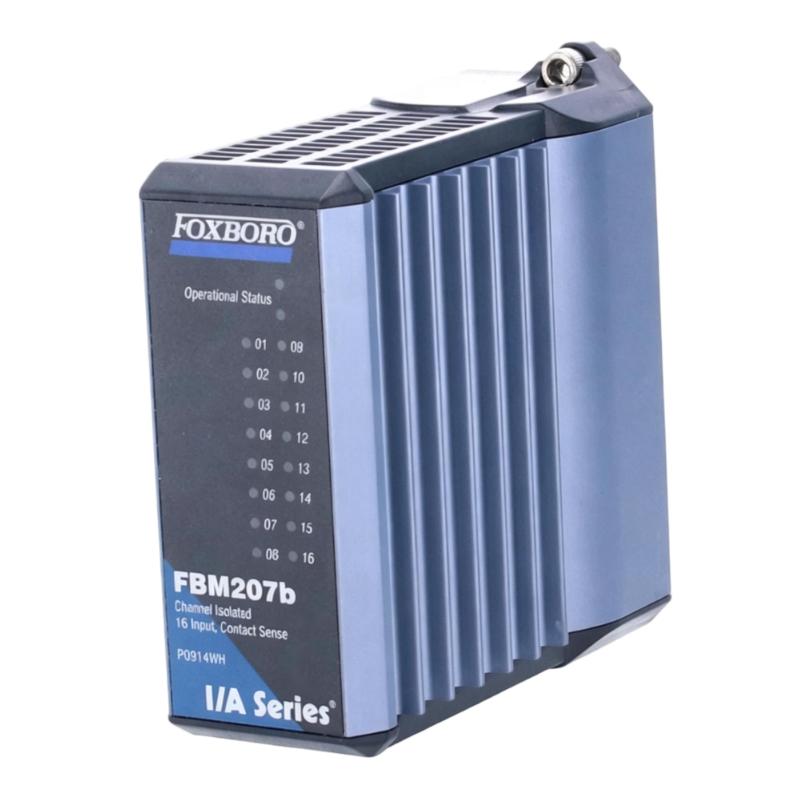
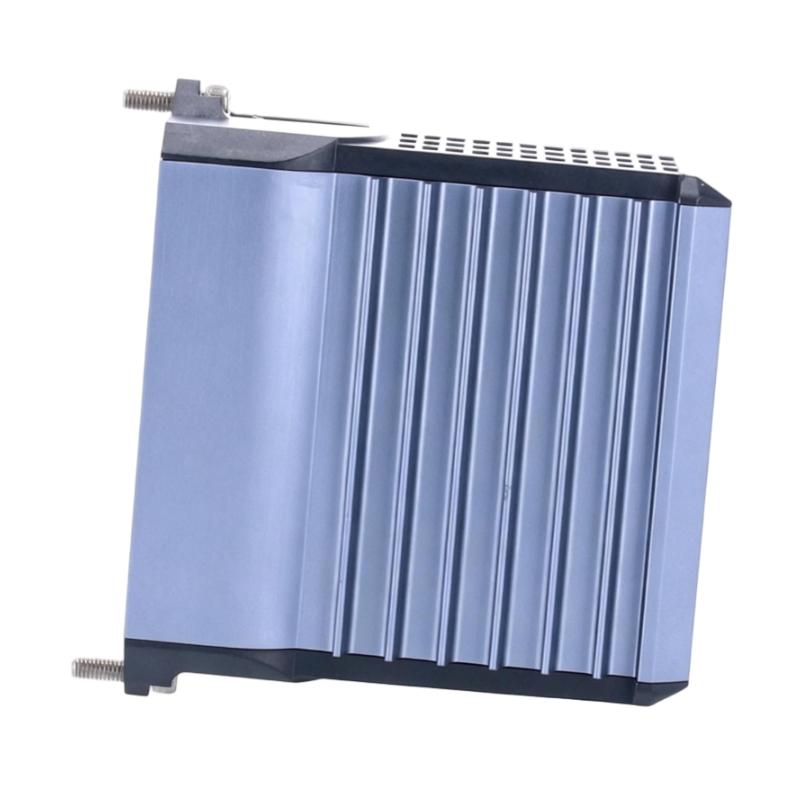
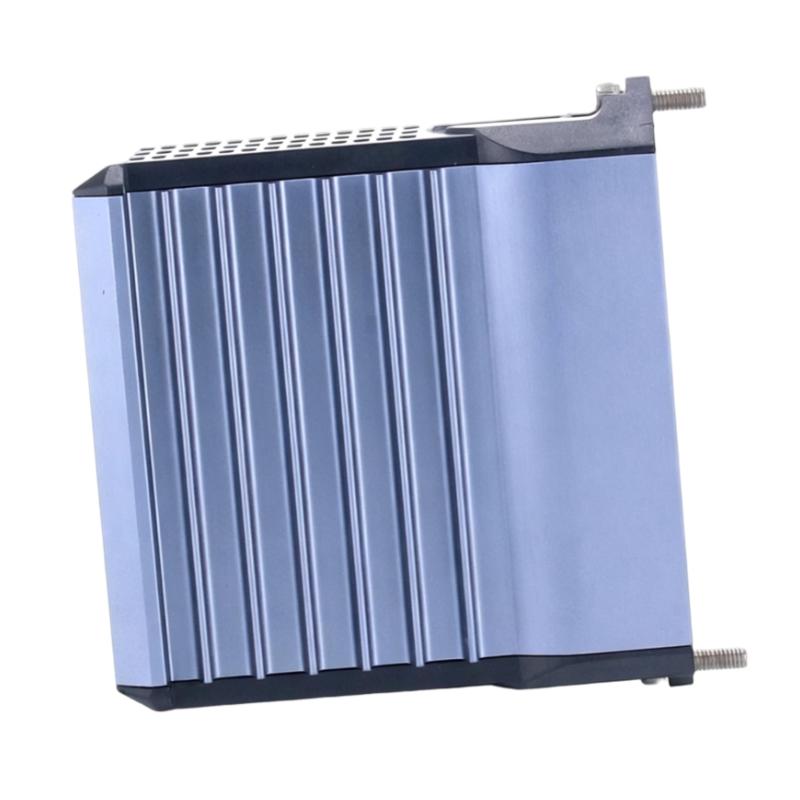
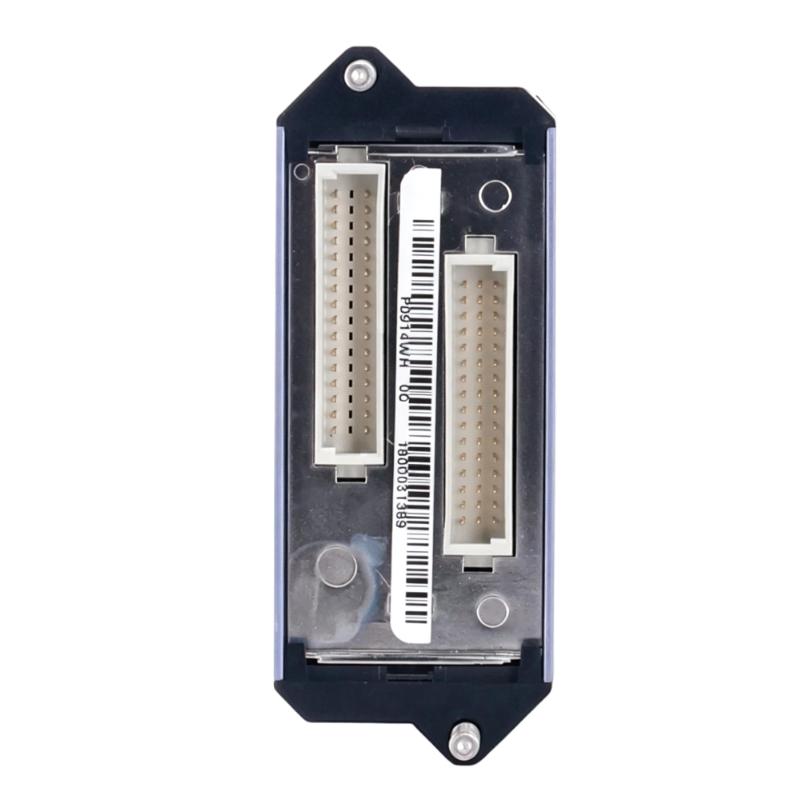
- Foxboro
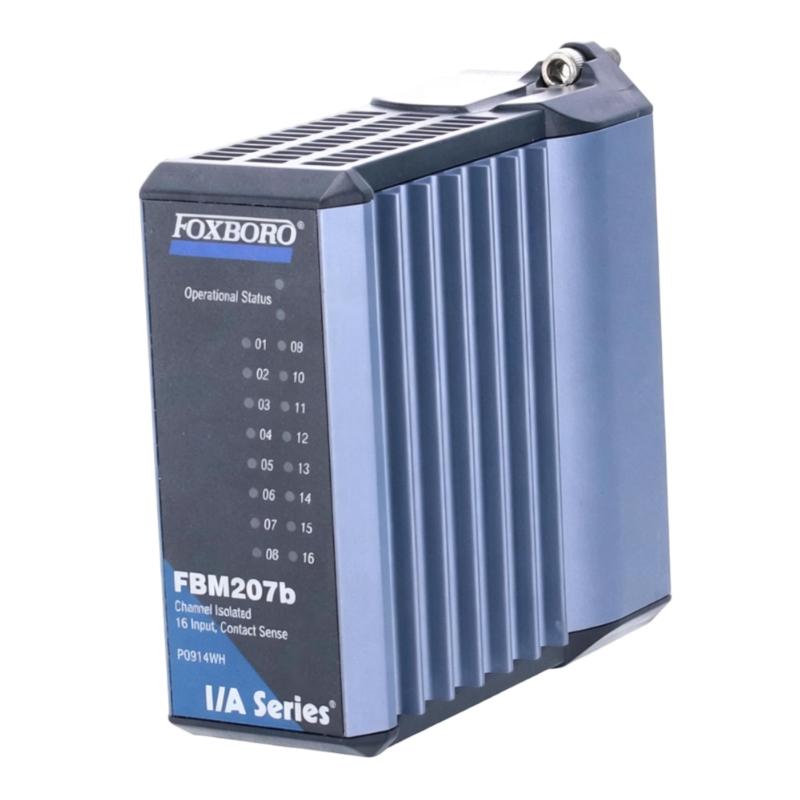
- FBM207b P0914WH
- Contact Sense Input Interface Module
- USA
- 114 × 45 × 104 mm
- 0.284 kg
- Xiamen, China
- New & In Stock
- T/T, PayPal, Western Union
- 1 Year
- 1-3 Working Days
- DHL, UPS, TNT, FedEx and EMS.
- 24-Hour Service
- COO
- 2
Our advantage

Global Logistics
We have a 10-year logistics and express cooperation agreement, so our products can be shipped to any place in the world.

Brand new and original
Our products are imported in bulk from the place of origin. Because of the cooperative relationship, our products are all original and 100% new.

24-hour service
We provide 7*24 hours service to our customers. We will be there whenever you need us.

Price advantage
All our products are priced very favorably because we have our own warehouse and supply.
| Company Information | |||
| [email protected] | |||
| Mobile | +8615980777398 | ||
| +8615980777398 | |||
| 15980777398 |
Product Overview
The Foxboro FBM207b P0914WH is an I/A Series 200 Contact Sense Input Interface Module used to bring discrete contact-status signals into a Foxboro distributed control system. It is intended for applications where the control system needs to monitor the open or closed state of field contacts rather than continuously measure an analog process value.
Typical signals include equipment status contacts, limit switches, relay contacts, alarm contacts, and other dry-contact indications. The module provides the interface between these field contact circuits and the I/A Series 200 control system, allowing discrete field conditions to become available to control logic, operator displays, alarms, and sequence functions.
For maintenance teams, the FBM207b is also useful in applications where contact-state diagnostics need to be traced back through the field wiring. The module sits at the I/O interface layer, while the associated termination hardware provides the physical field connection.
Technical Specifications
| Parameter | Specification |
|---|---|
| Product Model | P0914WH |
| Product Type | Contact Sense Input Interface Module |
| Series | I/A Series 200 |
| Associated FBM | FBM207b |
| Signal Type | Contact Sense Input |
| Dimensions | 114 × 45 × 104 mm |
| Weight | 0.284 kg |
Product Features
- Contact-state input interface — Monitors discrete field contact conditions and transfers their status into the control-system I/O architecture.
- Discrete signal monitoring — Suitable for applications based on contact open/closed states rather than continuous analog measurement.
- I/A Series 200 integration — Works within the established Foxboro Series 200 distributed I/O environment.
- Field device compatibility — Can be used with contact-based devices such as switches, relays, status contacts, and equipment interlocks.
- Control-system visibility — Contact states can be used by higher-level control logic for status indication, alarms, permissives, and sequencing.
- Maintenance-oriented diagnostics — Provides a defined I/O point through which technicians can trace a discrete field signal from the contact device toward the control system.
Working Principle
The FBM207b receives the electrical state generated by a field contact circuit and interprets that circuit condition as a discrete input. When the field contact changes state, the corresponding input condition changes and is passed through the I/A Series 200 I/O architecture for use by the control system.
In a plant application, the input may represent something as simple as a motor running indication or valve limit-switch position. The control system can then use that state as part of an interlock, alarm, permissive, equipment sequence, or operator indication.
Troubleshooting normally follows the complete signal path rather than focusing only on the FBM207b. A technician can check the field contact, associated wiring, termination point, and connection to the interface module to determine where an expected state change is being lost.
Role in a Foxboro I/A Series 200 Discrete I/O Control Architecture
| Architecture Layer | Role of FBM207b P0914WH |
|---|---|
| Field Contact | Generates the discrete open/closed condition |
| Field Wiring | Carries the contact-state circuit toward the DCS I/O |
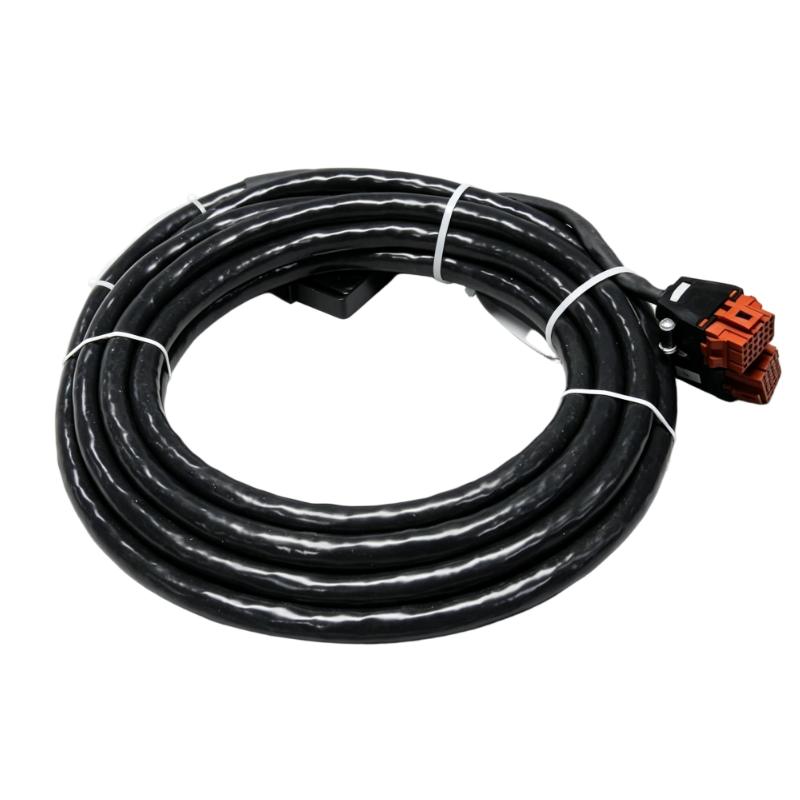
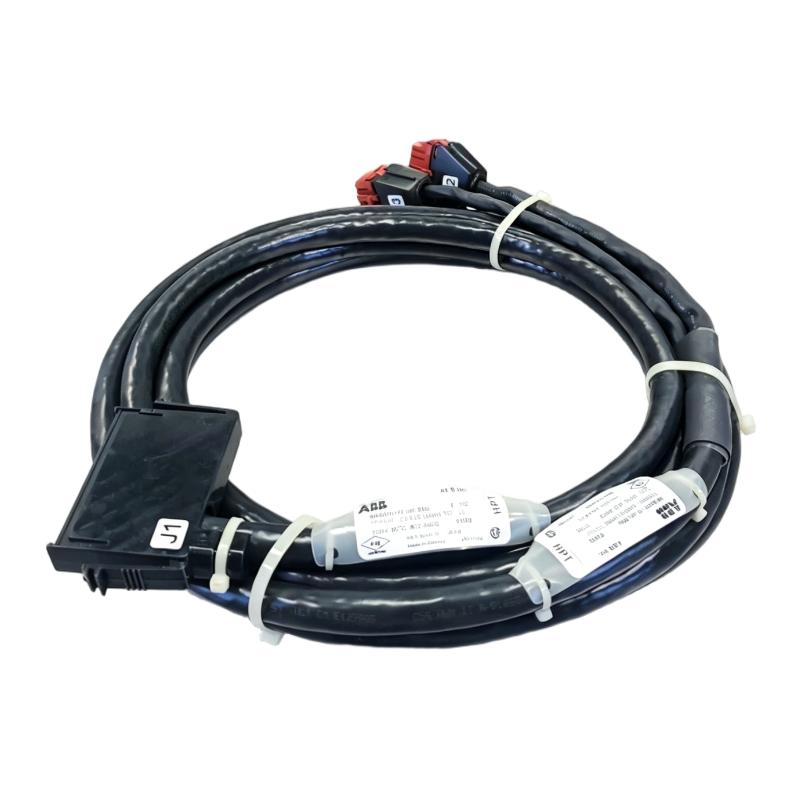
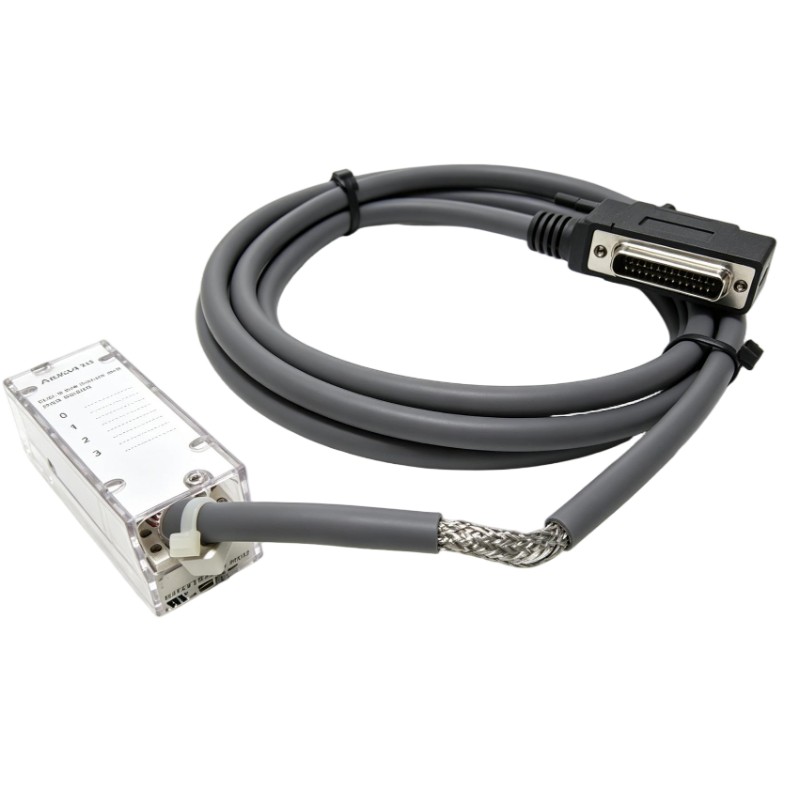
| Termination Assembly | Provides the physical field-side connection |
| FBM207b | Interfaces the contact-state input with the I/A Series 200 system |
| Control Logic | Uses the discrete status for interlocks, sequences, permissives, or alarms |
| Operator Interface | Displays equipment and process status based on the received input |
The FBM207b therefore forms the discrete input interface between contact-based field devices and the higher-level I/A Series 200 control functions.
Industrial Applications
| Application | Typical Use |
|---|---|
| Motor Control | Monitoring running, stopped, fault, or auxiliary contact status |
| Valve Control | Receiving open/closed limit-switch indications |
| Pump Systems | Monitoring equipment status and auxiliary contacts |
| Process Interlocks | Bringing permissive and interlock contact states into the DCS |
| Alarm Systems | Monitoring discrete alarm contacts from field equipment |
| Machine Protection | Receiving switch and equipment status indications |
| Utility Systems | Monitoring discrete operating conditions from plant equipment |
Installation and Maintenance
- Confirm the module type — Verify that P0914WH is appropriate for the intended contact-sense input application.
- Review the I/O documentation — Check the channel assignment and field-device wiring before making connections.
- Isolate field circuits — Follow the plant’s approved electrical isolation procedure before installation or maintenance.
- Identify each contact circuit — Match field device tags with the corresponding I/O channel documentation.
- Inspect field contacts — Check switches, relays, and auxiliary contacts for mechanical damage or abnormal operation.
- Check field wiring — Inspect conductors for loose connections, damaged insulation, or incorrect termination.
- Verify termination points — Confirm that each field circuit reaches the correct termination location.
- Check module connections — Inspect the connection between the termination arrangement and FBM207b interface.
- Perform point-to-point testing — Operate the field contact and verify that the corresponding I/O state changes correctly.
- Check control-system indication — Confirm that the discrete state reaches the expected control logic, alarm, or operator display.
- Investigate intermittent states at the circuit level — Check the contact device and wiring before assuming that the FBM207b itself has failed.
- Document channel changes — Record any rewiring, channel reassignment, or replacement work in the current system documentation.
Related Components
| Component | Relationship |
|---|---|
| Foxboro FBM207b | Associated Contact Sense Input Interface Module |
| P0914WH Termination Arrangement | Provides the corresponding field-side connection path |
| I/A Series 200 I/O Architecture | Provides the distributed I/O environment |
| Field Contact Devices | Generate the discrete status signals |
| DCS Controller | Processes the received discrete states through configured control logic |
| Operator Interface | Displays equipment status and associated alarms |
Recommended Related Models
| Model | Product Type | Application Relationship |
|---|---|---|
| Foxboro FBM203 | I/A Series 200 I/O Interface Module | Related I/O hardware for field signal interfacing |
| Foxboro FBM204 | I/A Series 200 I/O Interface Module | Suitable for analog field signal interface applications |
| Foxboro FBM205 | I/A Series 200 Redundant I/O Interface Module | Related option for applications requiring redundant I/O |
| Foxboro FBM206 | I/A Series 200 Pulse Input Interface Module | Suitable for pulse or frequency-oriented input applications |
| Foxboro FBM207 | I/A Series 200 I/O Interface Module | Related Series 200 interface hardware for discrete field connections |
Key Advantages
- Interfaces contact-based field status with the Foxboro I/A Series 200 control system.
- Supports discrete monitoring of switches, relays, limit contacts, and equipment status.
- Allows contact states to be incorporated into alarms, interlocks, and sequences.
- Provides a clear I/O path for point-to-point troubleshooting.
- Fits the field-interface layer of an I/A Series 200 distributed control architecture.
- Supports practical monitoring of equipment operating conditions.
Technical FAQs
What type of field signal does the FBM207b P0914WH handle?
The P0914WH is a Contact Sense Input Interface Module intended for discrete contact-state signals. Typical sources include switches, relay contacts, equipment auxiliary contacts, and limit-switch indications.
Can a contact input be used for an equipment interlock?
Yes. A contact-state input can be used by configured control logic as an equipment permissive or interlock condition. For example, a motor auxiliary contact or valve limit indication can be monitored before allowing a control sequence to proceed.
What should be checked if the contact state does not change in the DCS?
Check the field device first, followed by the associated wiring and termination path. If the field contact changes correctly but the DCS input remains unchanged, inspect the connection to the FBM207b and then investigate the I/O channel and control-system configuration.
Is the FBM207b suitable for continuous analog measurement?
No. The FBM207b P0914WH is intended for contact-sense input applications. Continuous process measurements such as temperature, pressure, or flow normally require an appropriate analog input interface rather than a contact-state input module.