

ProductPRODUCT
Featured products
Contact Us
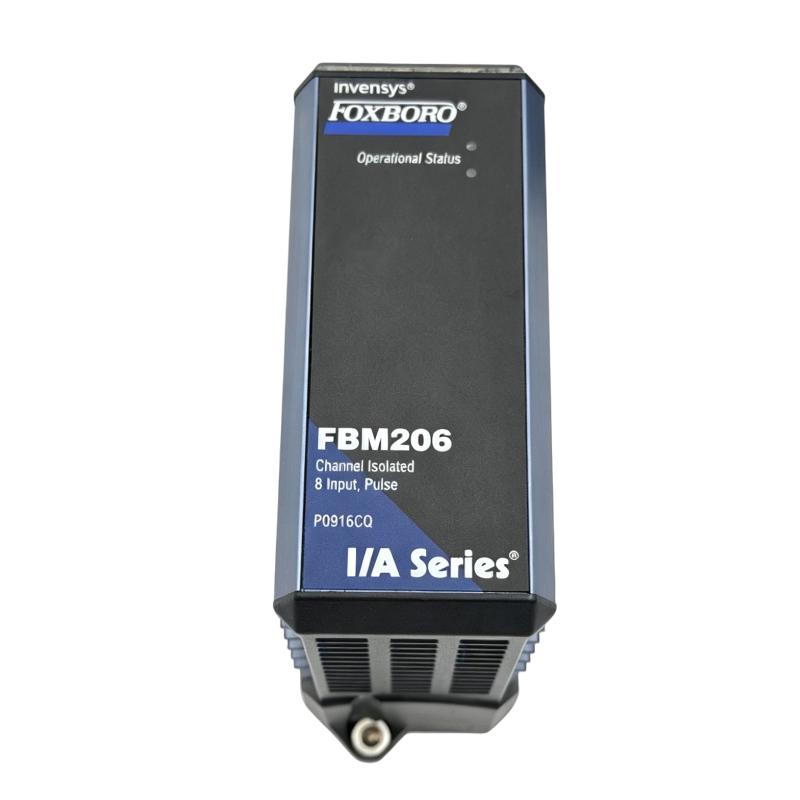
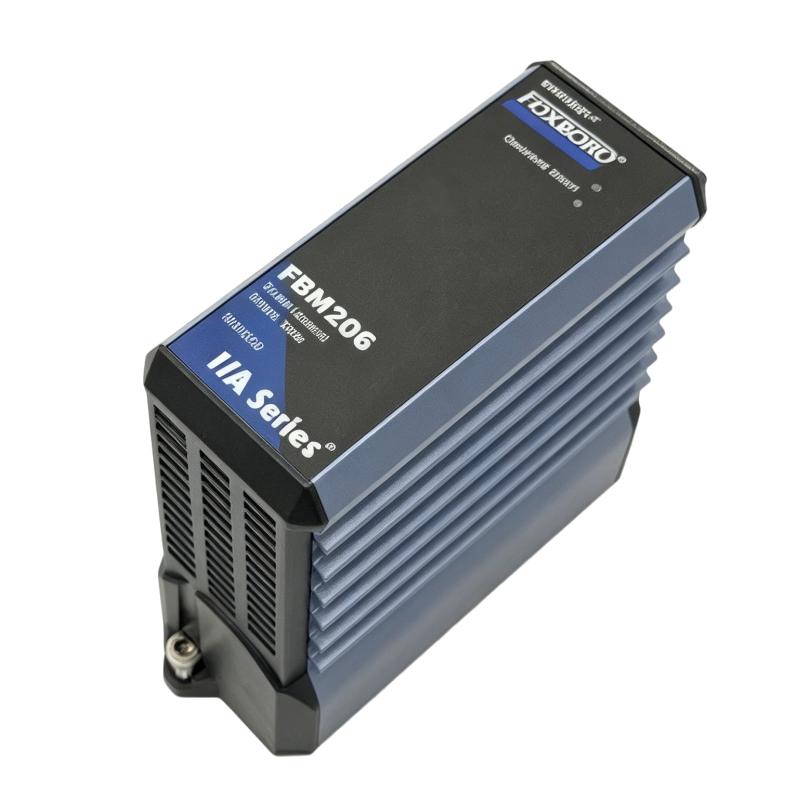
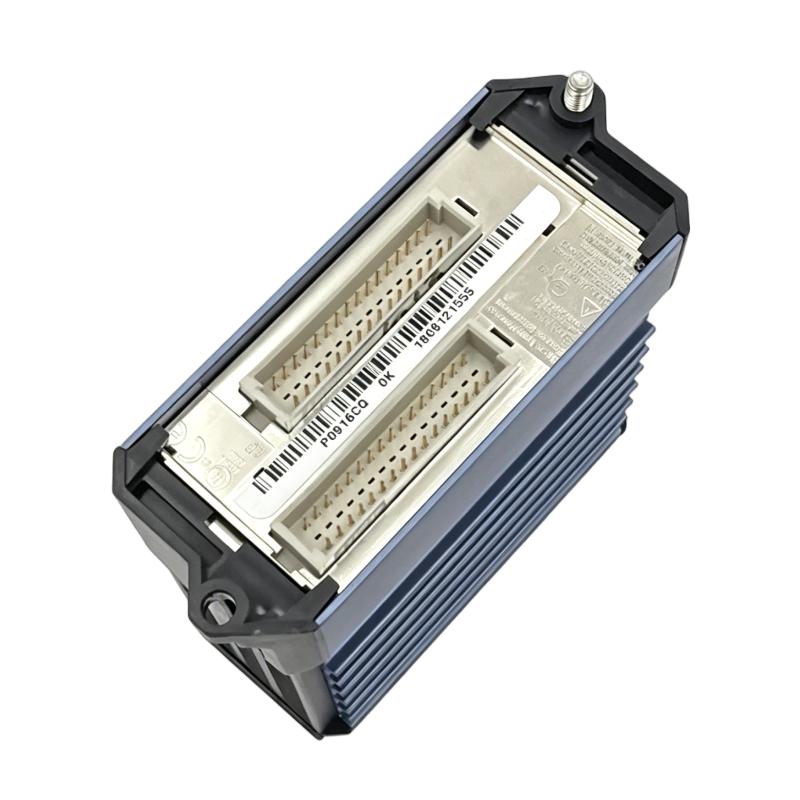
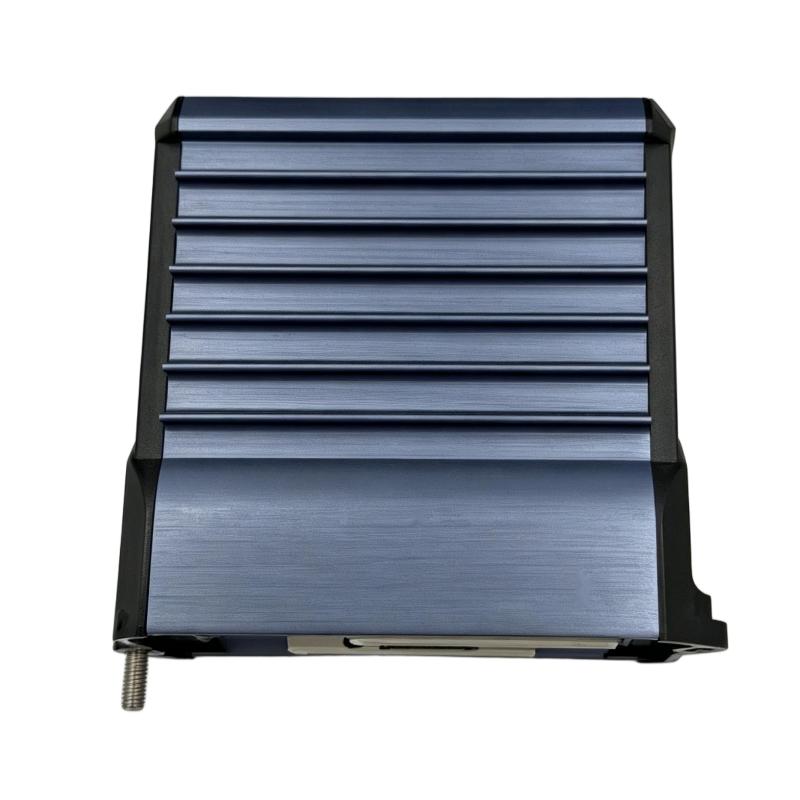
- Foxboro
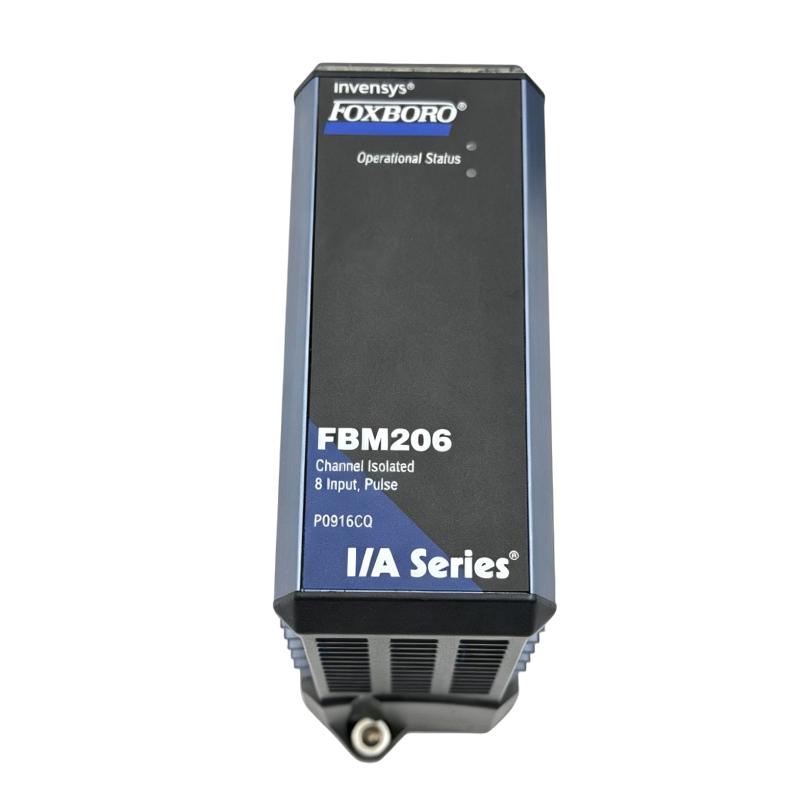
- FBM206 P0916CQ
- Channel Isolated Pulse Input Interface Module
- USA
- 114 × 45 × 104 mm
- 0.284 kg
- Xiamen, China
- New & In Stock
- T/T, PayPal, Western Union
- 1 Year
- 1-3 Working Days
- DHL, UPS, TNT, FedEx and EMS.
- 24-Hour Service
- COO
- 4
Our advantage

Global Logistics
We have a 10-year logistics and express cooperation agreement, so our products can be shipped to any place in the world.

Brand new and original
Our products are imported in bulk from the place of origin. Because of the cooperative relationship, our products are all original and 100% new.

24-hour service
We provide 7*24 hours service to our customers. We will be there whenever you need us.

Price advantage
All our products are priced very favorably because we have our own warehouse and supply.
| Company Information | |||
| [email protected] | |||
| Mobile | +8615980777398 | ||
| +8615980777398 | |||
| 15980777398 |
Product Overview
The Foxboro FBM206 P0916CQ is a Channel Isolated Pulse Input Interface Module for the I/A Series 200 distributed control system. It is used when a process or machine produces pulse-type signals that need to be brought into the control system for measurement, monitoring, or sequence-related functions.
Typical pulse sources include flowmeters, turbine meters, speed sensors, frequency-generating instruments, and other field devices whose output is represented by electrical pulses rather than a continuous 4–20 mA signal. The FBM206 provides the interface between these field signals and the I/A Series 200 control architecture.
In a plant, for example, a pulse-output flowmeter can be wired through the appropriate termination assembly to the FBM206. The control system can then use the incoming pulse information to determine flow-related process data. Similar arrangements can be used for equipment speed or other rotating-machine measurements where pulse frequency carries the useful field information.
Channel isolation is particularly useful when pulse sources are distributed across different pieces of equipment or have different electrical environments. It helps keep the individual input circuits separated rather than allowing one field circuit to become the electrical reference for another.
The P0916CQ identifies a specific FBM206 hardware reference. When replacing an installed module, the FBM version, termination assembly, field signal characteristics, and I/A Series 200 system configuration should all be checked. A pulse input module should not be substituted simply because another Series 200 module has a similar physical form.
Technical Specifications
| ParameterSpecification | |
|---|---|
| Manufacturer | Foxboro |
| Model | FBM206 |
| Part Number | P0916CQ |
| Product Family | I/A Series 200 |
| Product Type | Channel Isolated Pulse Input Interface Module |
| Input Type | Pulse / frequency input |
| Channel Isolation | Channel isolated |
| Signal Function | Pulse signal acquisition |
| Application | Pulse-generating field instruments and equipment |
| Mounting | I/A Series 200 baseplate |
| Field Connection | Dedicated termination assembly |
| System Connection | I/A Series 200 Nodebus architecture |
| Associated Hardware | Baseplate, termination assembly, termination cable |
| Module Role | Field pulse input interface |
| Dimensions | 114 × 45 × 104 mm |
| Weight | 0.284 kg |
Product Features
- I/A Series 200 Channel Isolated Pulse Input Interface Module
- Model FBM206
- Part number P0916CQ
- Designed for pulse-type field signals
- Provides channel isolation for pulse input circuits
- Suitable for frequency-generating field instruments
- Supports pulse signal acquisition for process and equipment monitoring
- Integrates with the I/A Series 200 distributed control architecture
- Uses the Series 200 baseplate arrangement
- Works with dedicated field termination hardware
- Suitable for flow, speed, and pulse-based measurement applications
- Separates field wiring from the electronic I/O module
- Useful where pulse signals need to be processed by the DCS rather than connected directly to a controller input
Working Principle
The FBM206 takes a pulse signal from a field device and presents that information to the I/A Series 200 control system.
A typical signal path is:
Pulse-Output Field Device → Termination Assembly → FBM206 → I/A Series 200 Nodebus → Control System
A pulse-producing instrument changes the electrical state of its output repeatedly. The repetition rate can correspond to a physical variable such as flow rate or rotational speed. The field conductors are connected through the appropriate termination hardware, and the FBM206 receives the resulting pulse signal.
The module’s job is to interface these field pulses with the control-system I/O architecture. The control application can then use the acquired pulse information for process calculations, equipment monitoring, alarms, sequencing, or other control functions.
For a pulse-output flowmeter, for example, the frequency of the incoming signal can be associated with the instrument’s calibrated flow relationship. The DCS application can use the resulting information to monitor production flow or incorporate the measurement into a larger control strategy.
The channel-isolated arrangement keeps individual pulse input circuits electrically separated. This is useful when several pulse-generating devices are installed around a plant and their wiring conditions are not identical.
The FBM206 therefore handles the field interface; the associated termination hardware handles the physical wiring transition, while the I/A Series 200 control system processes the resulting input information.
Role in an I/A Series 200 Control Architecture
The FBM206 P0916CQ occupies the pulse-input layer between field instruments and the I/A Series 200 control system.
Pulse Sources → Termination Assembly → FBM206 → Nodebus → Control Processor → Control Application
| System Element | Function |
|---|---|
| Pulse-Output Instrument | Generates an electrical pulse or frequency signal |
| Termination Assembly | Provides the field wiring interface |
| FBM206 | Receives and interfaces channel-isolated pulse inputs |
| Baseplate | Provides the FBM mounting and system connection |
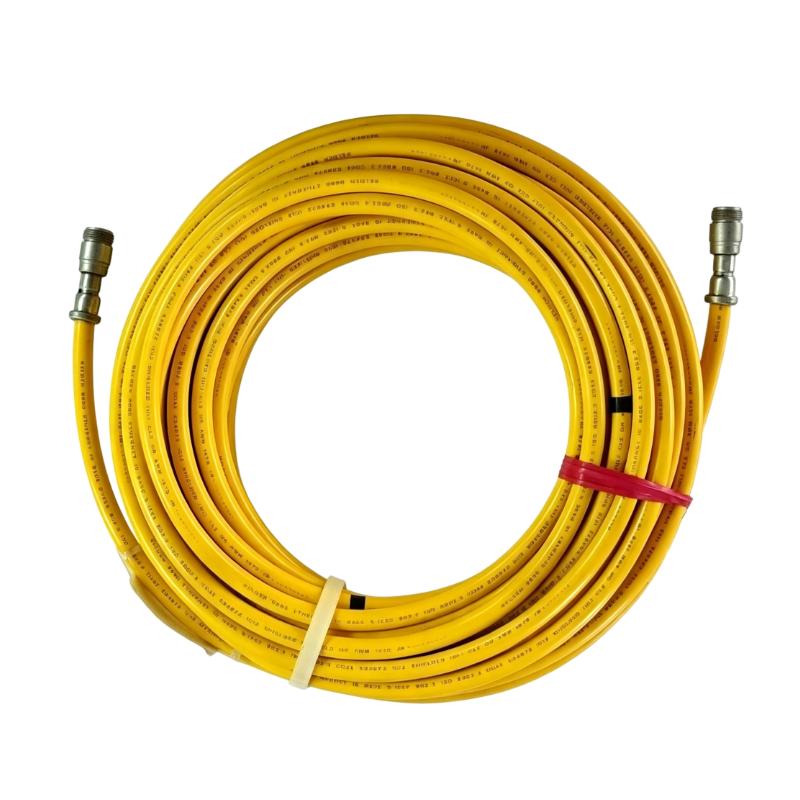
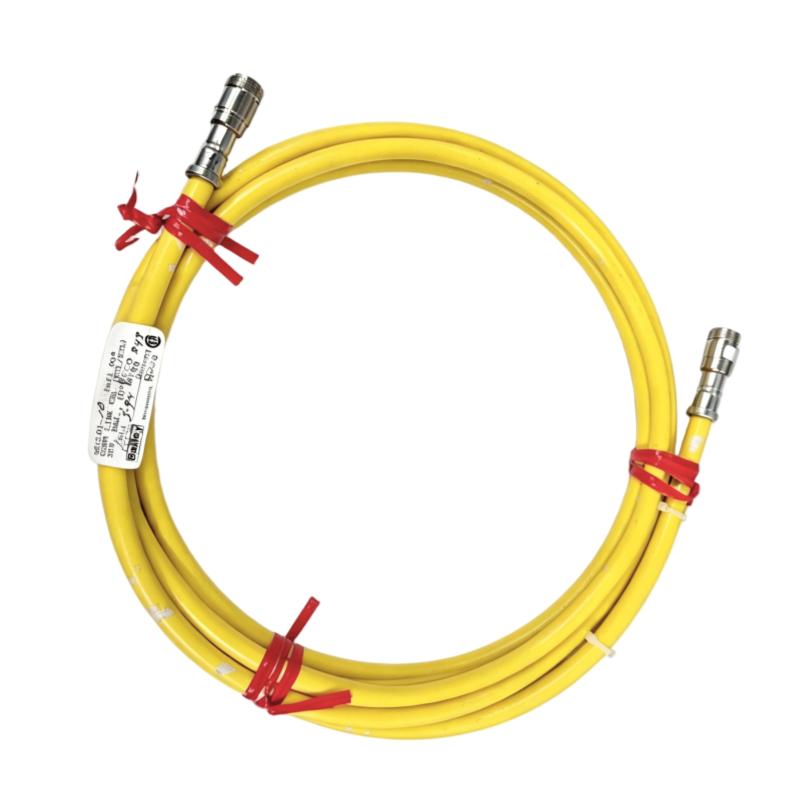
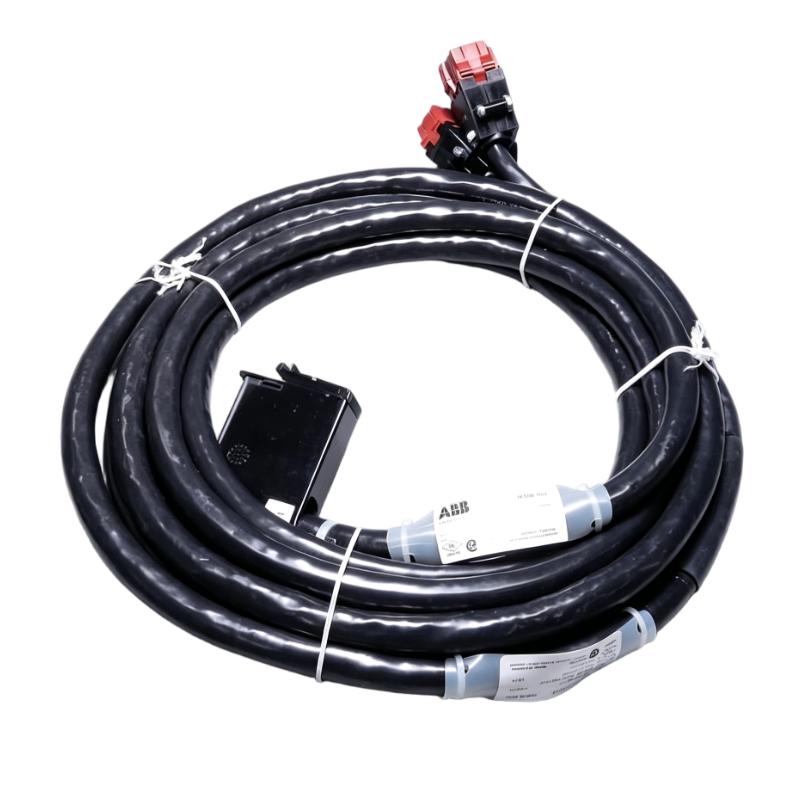
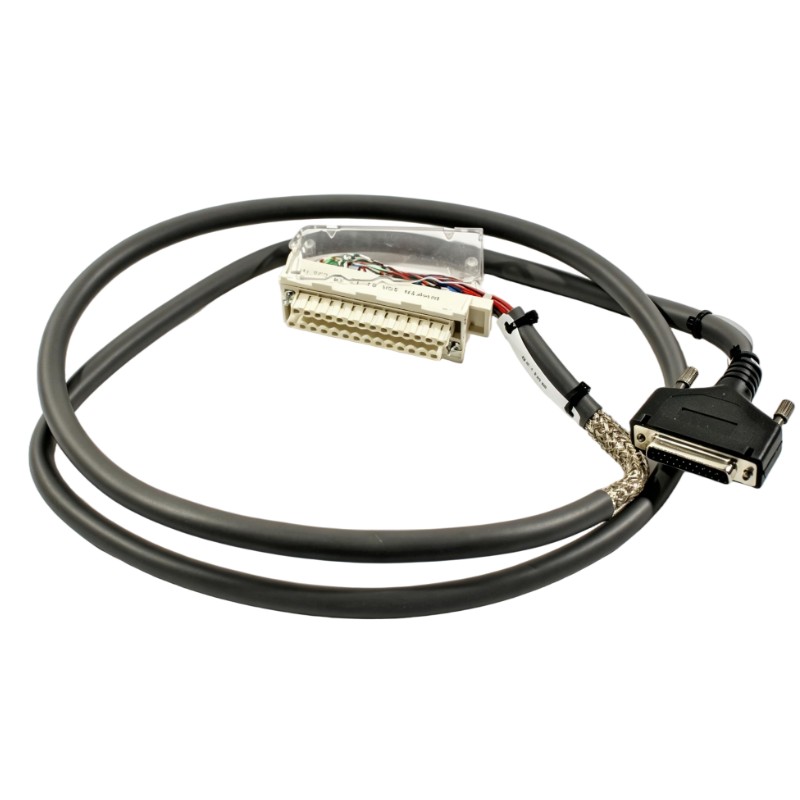
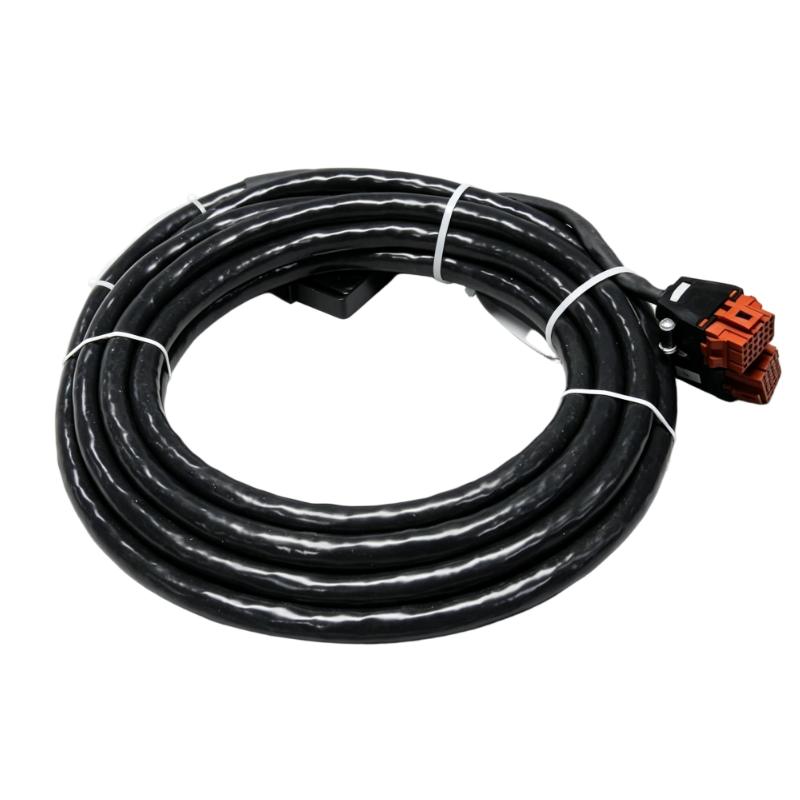
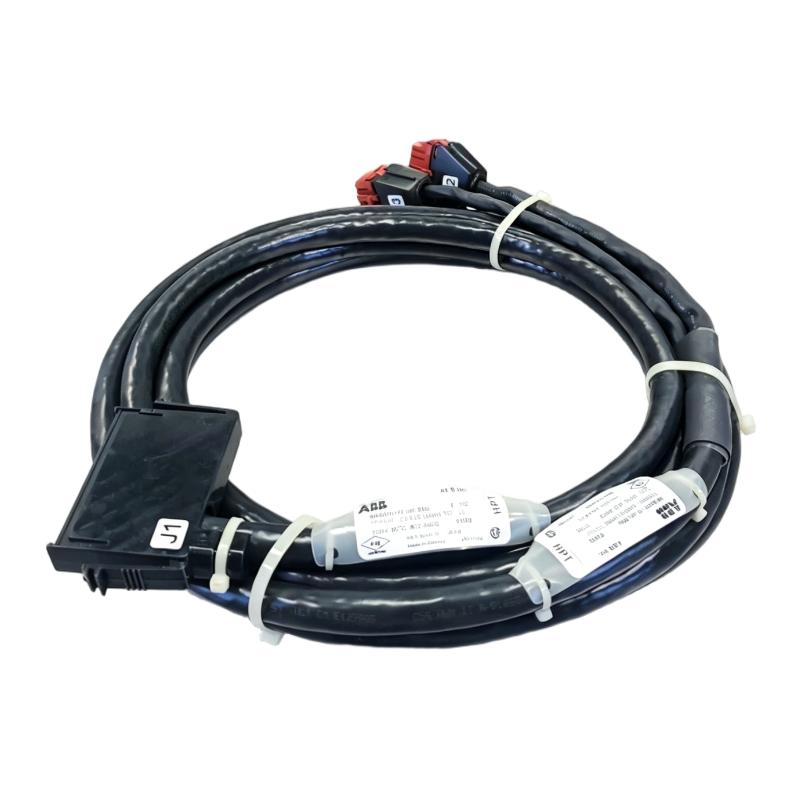
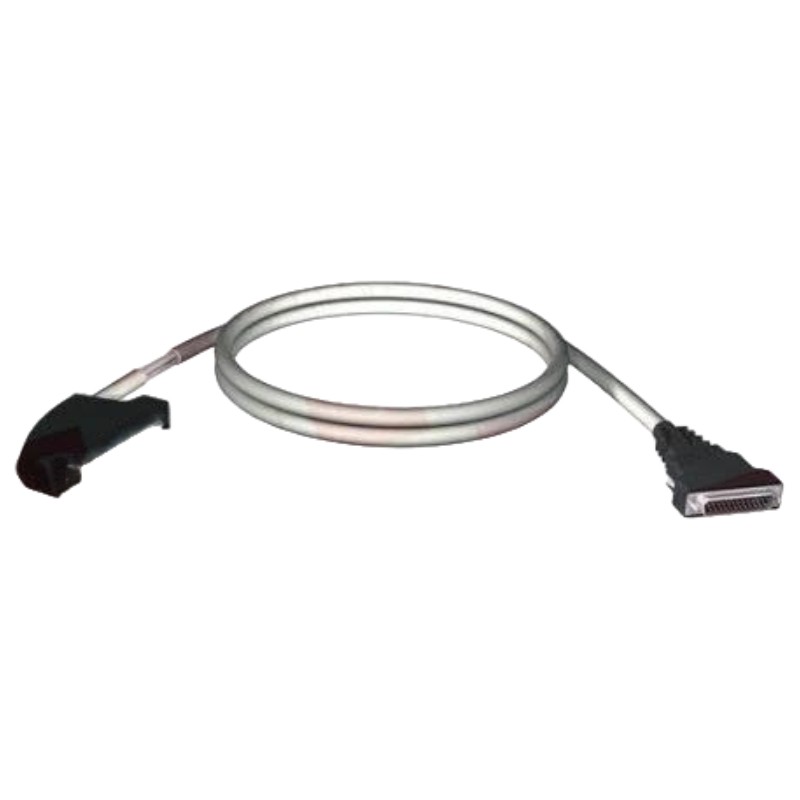
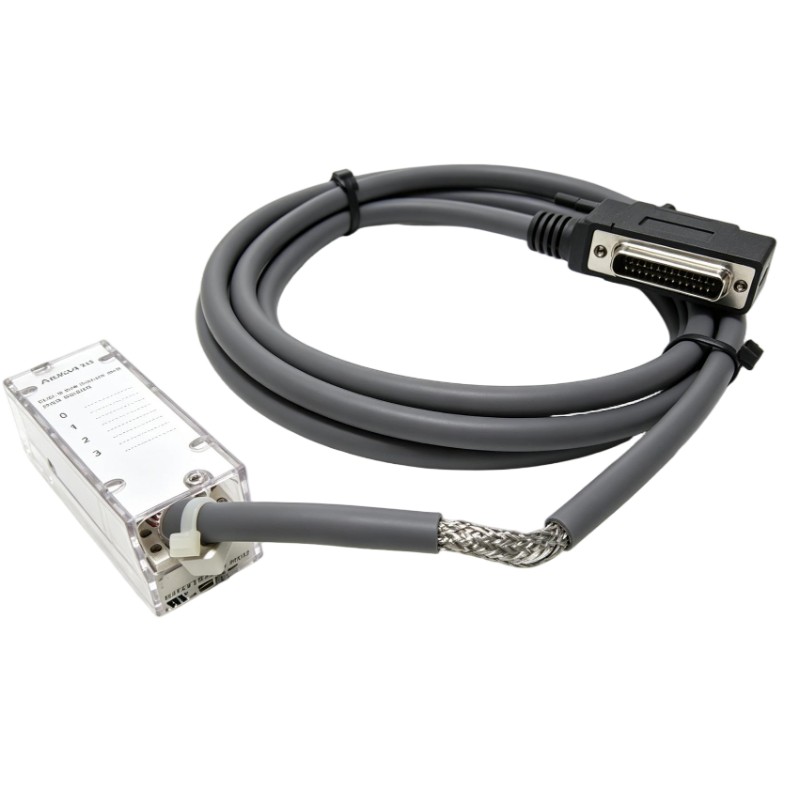
| Termination Cable | Connects field termination hardware with the I/O assembly |
| I/A Series 200 Nodebus | Transfers I/O information within the system |
| Control Processor | Processes acquired pulse information |
| Control Application | Uses pulse data for monitoring, calculations, alarms, and control |
The exact field termination and cable arrangement depends on the installed FBM206 configuration. For replacement work, the complete I/O position should be checked rather than selecting the module independently from its termination hardware.
Industrial Applications
| Application | Typical Use |
|---|---|
| Flow Measurement | Acquiring pulse output from turbine and other pulse-generating flowmeters |
| Pump Systems | Monitoring pump speed or associated pulse-based instrumentation |
| Compressor Packages | Monitoring rotating equipment speed signals |
| Rotating Machinery | Bringing speed or frequency information into the DCS |
| Oil and Gas | Interfacing pulse-output field instruments with process control |
| Chemical Processing | Monitoring process flow and equipment-related pulse signals |
| Water Treatment | Acquiring pulse signals from flow measurement equipment |
| Power Generation | Monitoring rotating equipment and pulse-based instrumentation |
| Metering Systems | Collecting pulse information from field meters |
| Manufacturing Equipment | Monitoring machine speed or production-related pulse signals |
Installation and Maintenance
- Confirm that the installed system requires an FBM206 pulse input module before replacement.
- Verify the complete part number P0916CQ against the existing module and system documentation.
- Identify each connected pulse source before disconnecting the field wiring.
- Confirm that the field instrument’s output type is compatible with the FBM206 input arrangement.
- Record the existing channel assignments so each pulse source can be returned to its original input.
- Inspect the termination assembly for loose screws, damaged conductors, contamination, or signs of overheating.
- Check the termination cable and its connectors before reconnecting the replacement module.
- Verify that the FBM206 is correctly seated on the I/A Series 200 baseplate.
- Confirm that the system power and Nodebus connections are intact before commissioning.
- Check the pulse-related channel configuration in the control application, including the engineering interpretation of the incoming signal.
- Compare the received pulse or frequency information with the expected field-device output during commissioning.
- If a channel remains abnormal, check the field instrument, wiring, termination assembly, cable, module channel, and control configuration separately before replacing additional hardware.
For troubleshooting, checking the actual pulse signal at the field termination point can help establish whether the problem originates at the instrument, in the wiring, or farther downstream at the I/O interface.
Related Components
| Component | Function |
|---|---|
| Foxboro FBM206 | Channel isolated pulse input interface module |
| P0916CQ | FBM206 module part number |
| I/A Series 200 Baseplate | Provides module mounting and system connection |
| Pulse Input Termination Assembly | Provides the field-side wiring interface |
| Termination Cable | Connects the termination assembly with the FBM baseplate |
| I/A Series 200 Nodebus | Transfers field I/O information |
| Control Processor | Processes pulse input data |
| Pulse-Output Flowmeter | Provides flow-related pulse signals |
| Speed Sensor | Provides pulse or frequency information from rotating equipment |
| 24 V DC System Power | Supplies associated I/O system hardware |
Recommended Related Models
| Model / Product Family | Product Type | Typical Application |
|---|---|---|
| Foxboro FBM206 P0916CQ | Channel Isolated Pulse Input Interface Module | Pulse and frequency signal acquisition |
| Foxboro FBM201 | Analog Input Module | Continuous analog process measurements |
| Foxboro FBM204 P0914SY | I/O Interface Module | Combined analog input and output applications |
| Foxboro FBM203d | RTD Input Module | RTD temperature measurement |
| Foxboro FBM202 | Thermocouple / mV Input Module | Thermocouple and millivolt signal acquisition |
| Foxboro I/A Series 200 | Distributed I/O Platform | Process control and field instrumentation |
| Foxboro Series 200 Baseplate | FBM Baseplate | Mounting and system connection for Series 200 modules |
Key Advantages
- Provides a dedicated interface for pulse-type field signals.
- Uses channel-isolated pulse input circuitry.
- Suitable for flow and rotating-equipment measurements.
- Integrates with the I/A Series 200 control architecture.
- Works with dedicated field termination hardware.
- Separates field wiring from the electronic I/O module.
- Supports pulse-based process monitoring and control applications.
- Suitable for existing I/A Series 200 installations requiring pulse input acquisition.
Technical FAQs
What type of field signal is the FBM206 intended to receive?
The FBM206 is intended for pulse or frequency-type input signals from compatible field instruments. Common examples include pulse-output flowmeters and speed-related sensors.
Can a 4–20 mA transmitter be connected directly to the FBM206?
The FBM206 is a pulse input interface rather than a standard 4–20 mA analog input module. A conventional current-output transmitter should therefore be connected to an appropriate analog input FBM instead of being treated as a direct FBM206 application.
Why is channel isolation useful for pulse input applications?
Pulse sources may be installed on different equipment with different wiring and grounding conditions. Channel isolation keeps the individual input circuits separated, which can help prevent electrical interaction between field channels and simplify signal integrity management in a distributed instrumentation system.
What should be checked when the FBM206 does not detect a pulse signal?
Check the pulse source first, then inspect the field wiring, termination connection, termination cable, and corresponding FBM206 channel. The control-system configuration should also be checked to ensure that the input is assigned and interpreted correctly. Measuring the actual pulse signal at the field termination point is useful for determining whether the fault is upstream or within the I/O path.