

ProductPRODUCT
Featured products
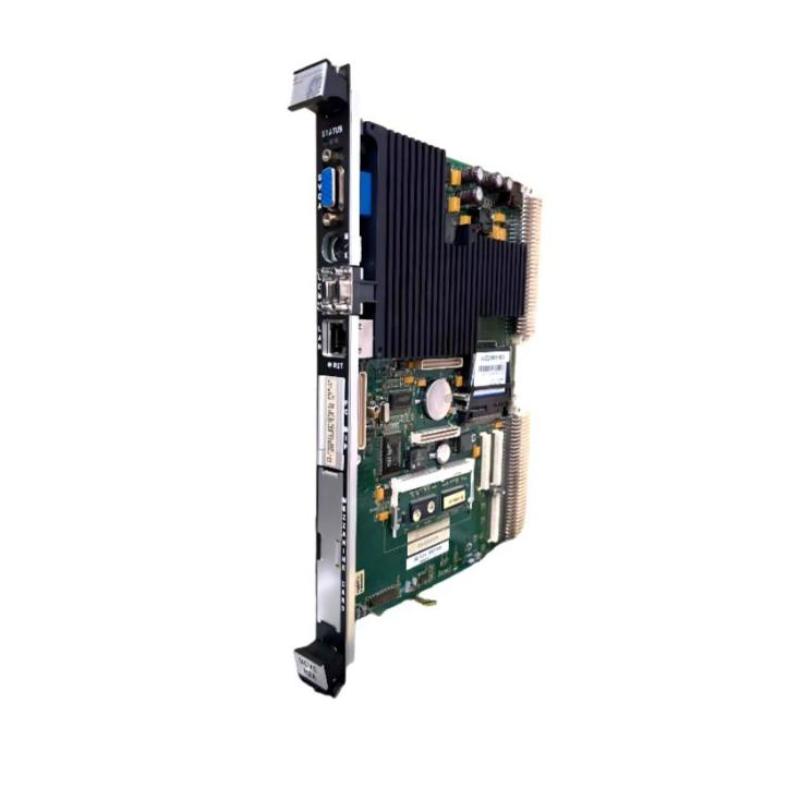
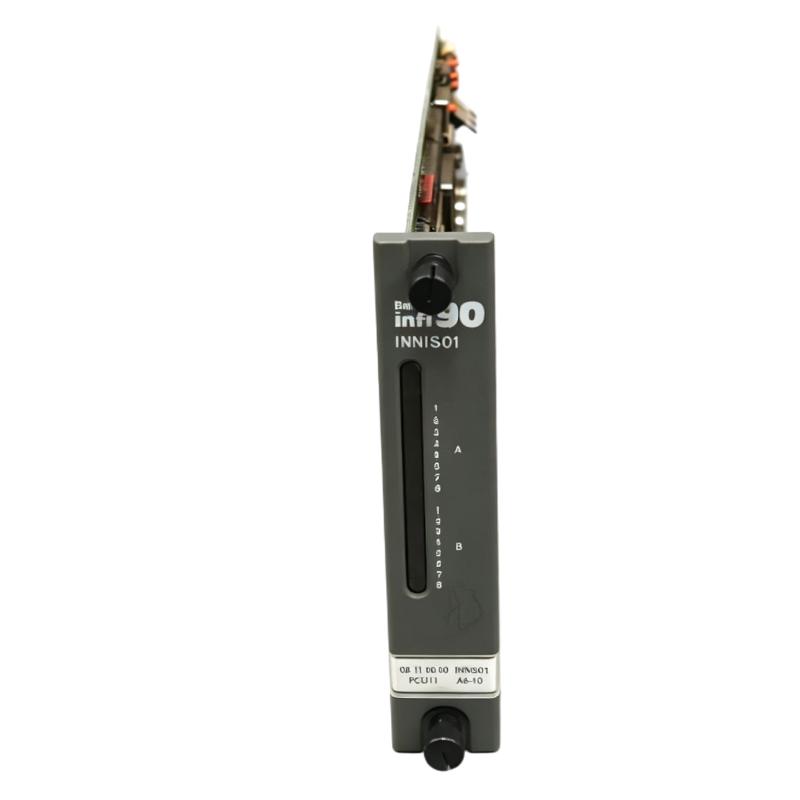
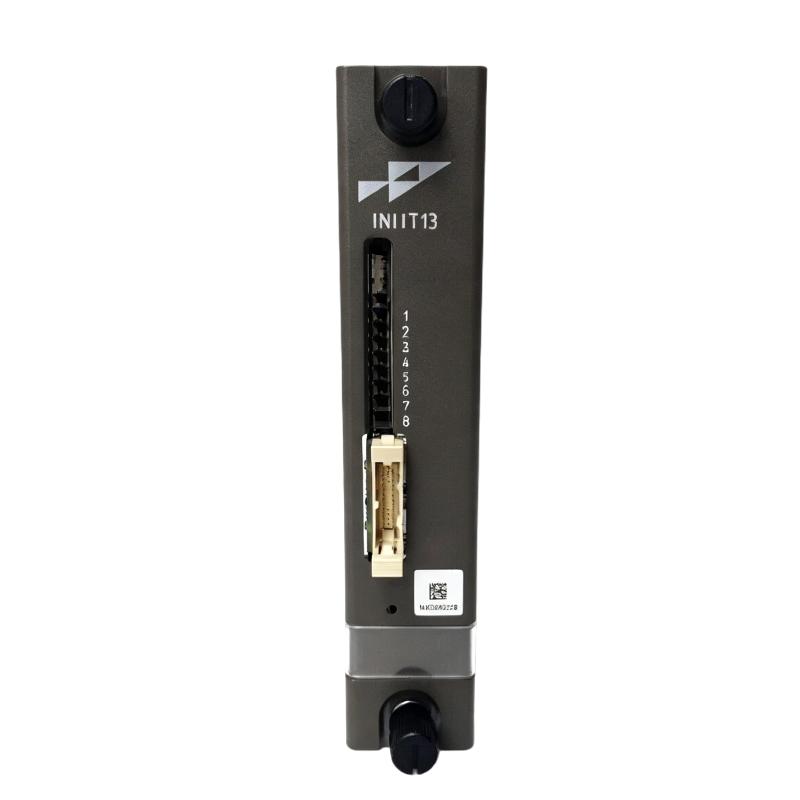
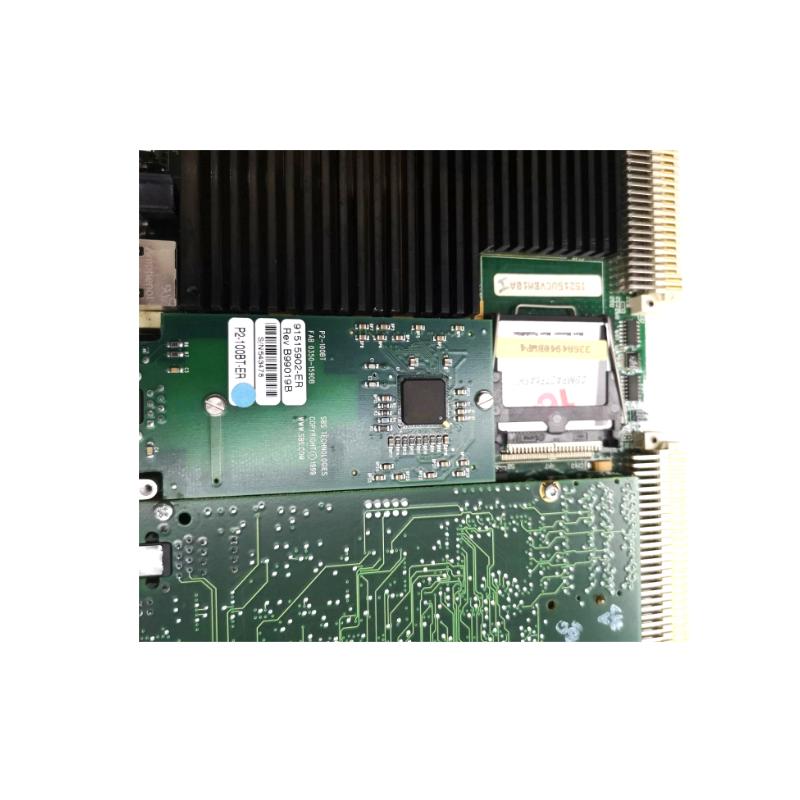
Contact Us
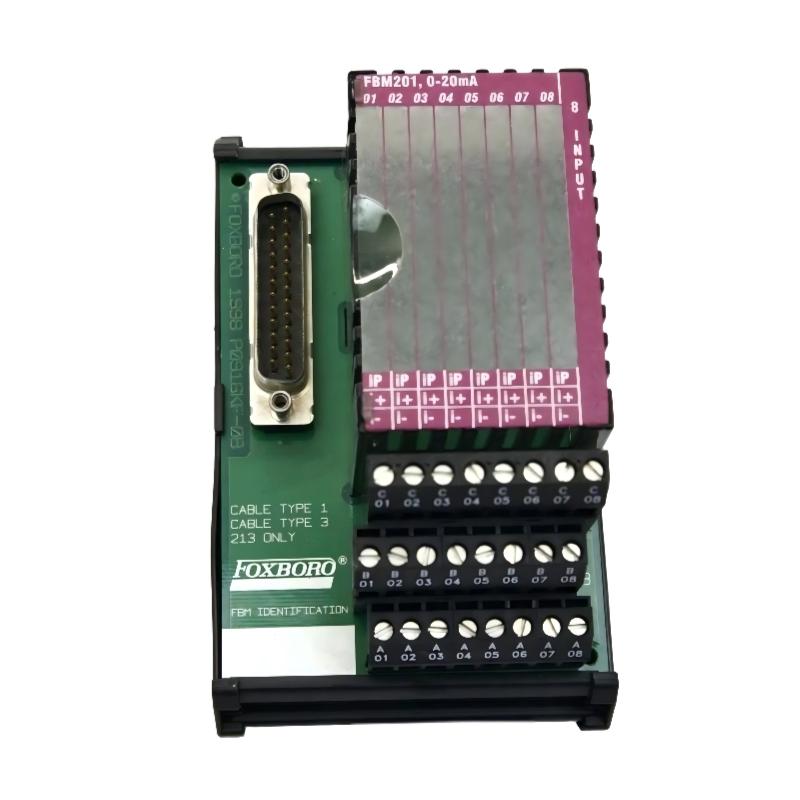
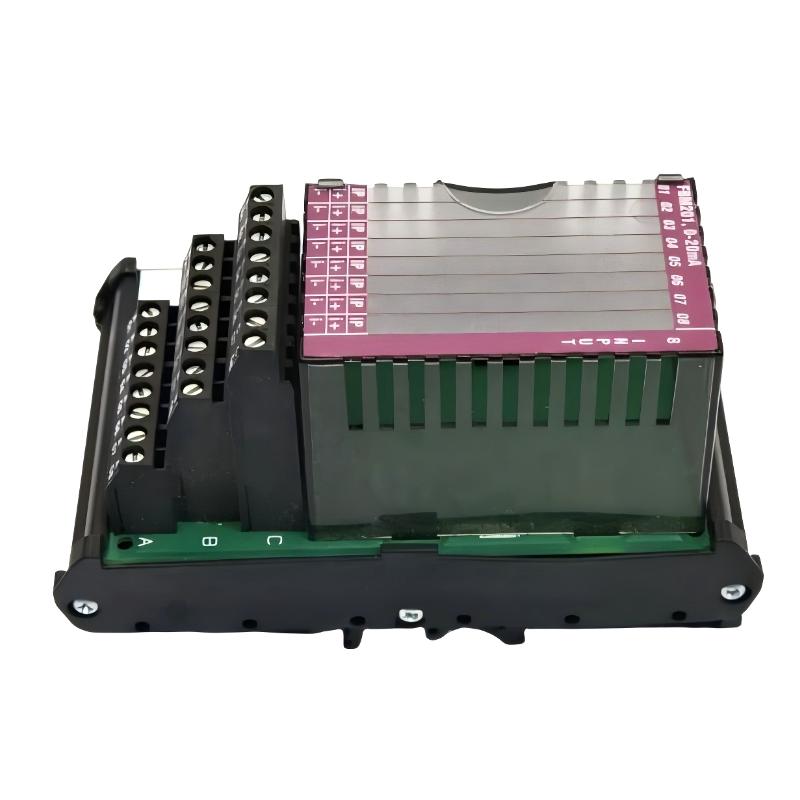
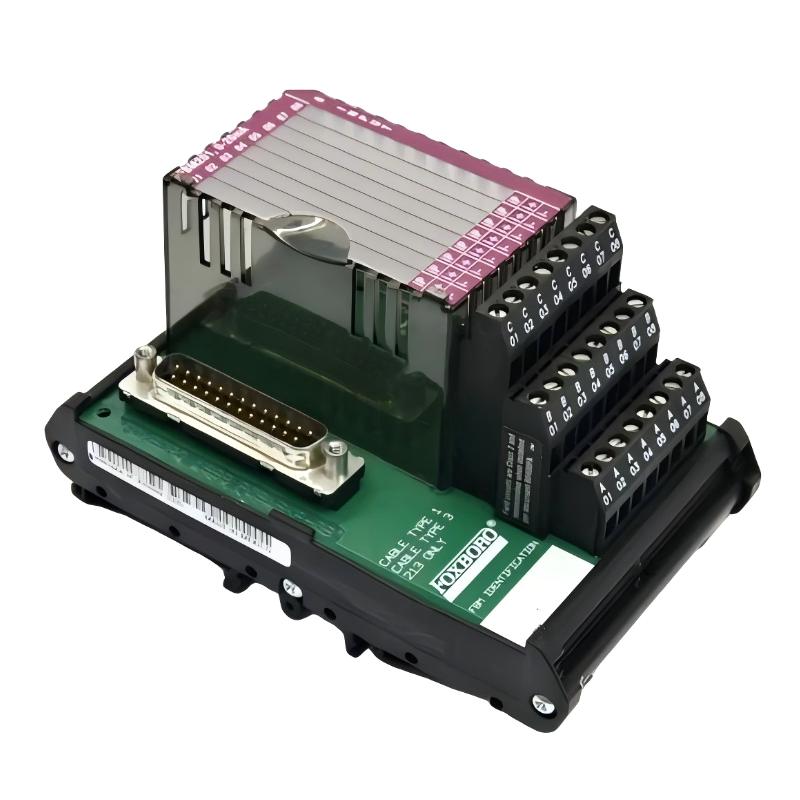
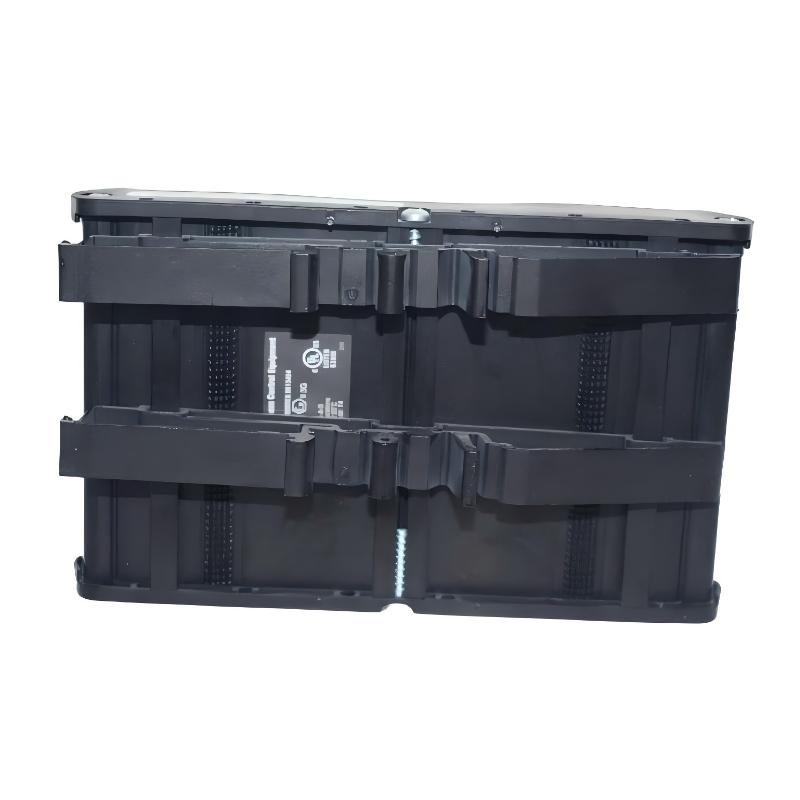
- Foxboro
- FBM201 P0916AA
- Field Terminal Assembly
- USA
- 125 × 76 × 80 mm
- 0.181 kg
- Xiamen, China
- New & In Stock
- T/T, PayPal, Western Union
- 1 Year
- 1-3 Working Days
- DHL, UPS, TNT, FedEx and EMS.
- 24-Hour Service
- COO
- 18
Our advantage

Global Logistics
We have a 10-year logistics and express cooperation agreement, so our products can be shipped to any place in the world.

Brand new and original
Our products are imported in bulk from the place of origin. Because of the cooperative relationship, our products are all original and 100% new.

24-hour service
We provide 7*24 hours service to our customers. We will be there whenever you need us.

Price advantage
All our products are priced very favorably because we have our own warehouse and supply.
| Company Information | |||
| [email protected] | |||
| Mobile | +8615980777398 | ||
| +8615980777398 | |||
| 15980777398 |
Product Overview
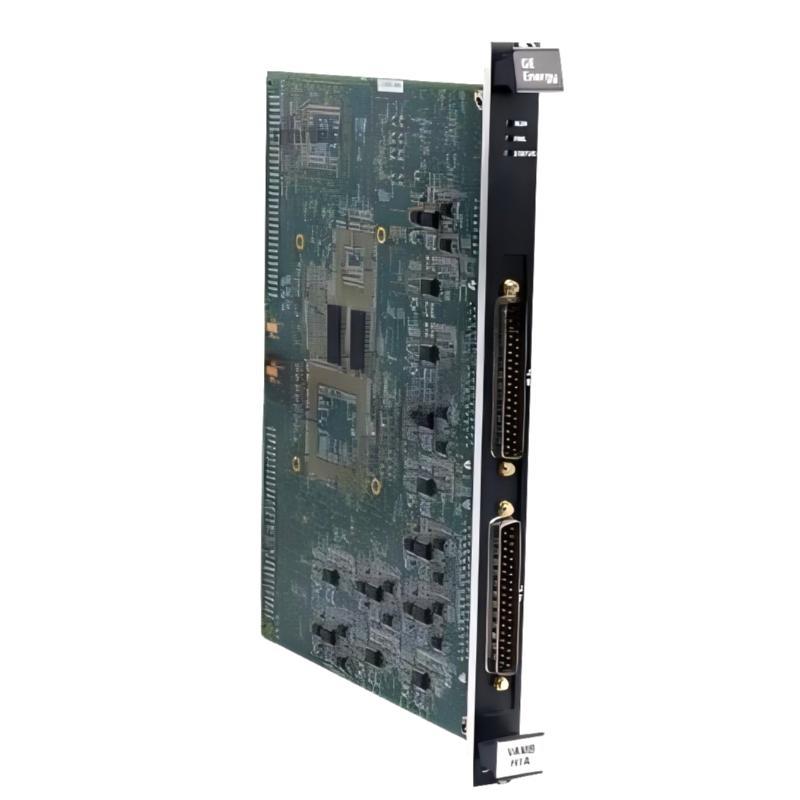
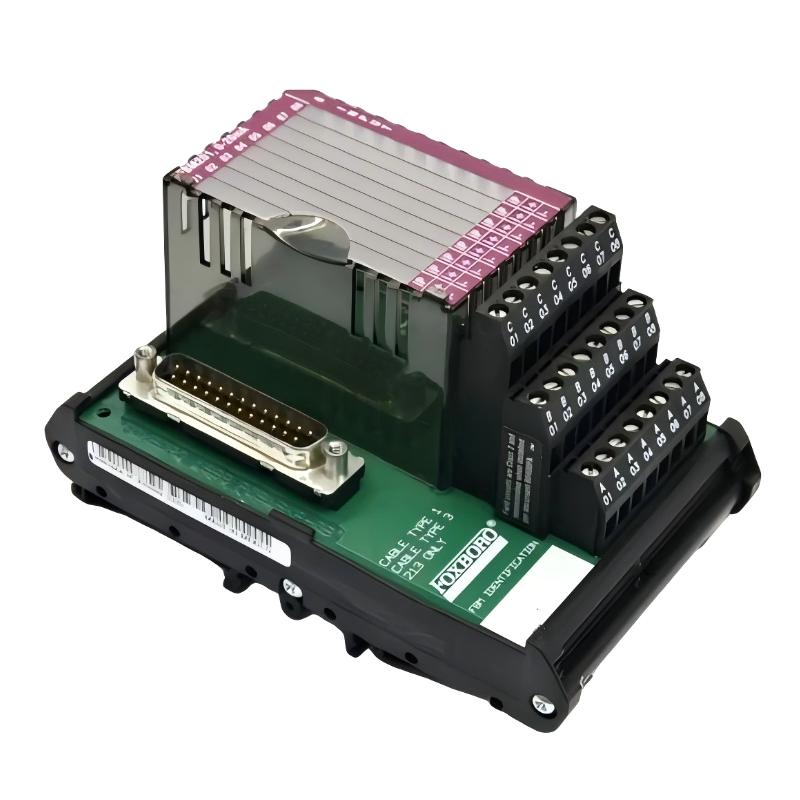
The Foxboro FBM201 P0916AA is an I/A Series 200 Field Terminal Assembly used to terminate and organize field wiring associated with Foxboro control system I/O. It sits at the interface between field devices and the corresponding Fieldbus Module, giving technicians a defined connection point for signals entering or leaving the control system.
In a typical I/A Series installation, field instruments, switches, or other discrete devices are wired into the field termination assembly. The associated FBM handles the actual signal processing, while the terminal assembly provides the physical wiring interface. This separation makes the FBM201 particularly relevant during cabinet installation, loop checking, troubleshooting, and module replacement.
For maintenance work, the FBM201 should be considered part of the complete I/O signal path rather than as an independent I/O processing module. A loose terminal, incorrect conductor placement, or damaged connection can produce symptoms that appear to originate from the associated FBM.
Technical Specifications
| Parameter | Specification |
|---|---|
| Model | FBM201 P0916AA |
| Series | I/A Series 200 |
| Product Type | Field Terminal Assembly |
| Dimensions | 125 × 76 × 80 mm |
| Weight | 0.181 kg |
| System Application | Foxboro I/A Series field I/O termination |
Product Features
- Field wiring interface for Foxboro I/A Series 200 systems.
- Provides organized termination for field-side connections.
- Used with compatible Fieldbus Modules in the I/A Series architecture.
- Separates field wiring from the electronic signal-processing portion of the I/O system.
- Supports cabinet installation, loop checking, and maintenance activities.
- Useful for maintaining consistent wiring between field devices and control-system I/O.
Working Principle
The FBM201 functions primarily as the physical termination point for field wiring. Conductors from field devices are connected at the terminal assembly and routed toward the associated Fieldbus Module through the system’s internal wiring arrangement.
The terminal assembly itself does not replace the signal-processing function of the FBM. Instead, it maintains the electrical connection between the field circuit and the I/O electronics. During normal operation, the signal passes through this interface before being processed by the appropriate control-system module.
This arrangement is useful when troubleshooting signal problems. If an expected field signal is missing, technicians can check the field device, wiring, terminal connections, and connection toward the FBM in sequence. A problem at the FBM201 can therefore appear as an I/O channel fault even when the electronic module is functioning correctly.
Role in the I/A Series 200 Control Architecture
| System Element | Function |
|---|---|
| Field Device | Generates or receives the process signal. |
| Field Wiring | Carries the signal between the plant equipment and control cabinet. |
| FBM201 P0916AA | Provides the field-side termination and wiring interface. |
| Fieldbus Module | Processes the connected I/O signals within the Foxboro control system. |
| I/A Series Control Network | Carries processed I/O information toward controllers and operator-level functions. |
| Control Processor | Uses field data for monitoring, logic execution, and process control. |
| Operator Interface | Displays process conditions, alarms, and control information. |
Industrial Applications
| Application | Typical Use |
|---|---|
| Process Control | Field termination for instrumentation and equipment connected to Foxboro I/A Series systems. |
| Chemical Plants | Cabinet-level field wiring interface for process measurement and control loops. |
| Oil and Gas Facilities | Connection point between field wiring and I/A Series control-system I/O. |
| Power Generation | Field signal termination in generator and auxiliary process-control applications. |
| Refining and Petrochemical Systems | Organized termination for distributed field signals entering the control system. |
Installation and Maintenance
- Verify the exact assembly identification before installation. Confirm FBM201 P0916AA and the intended I/A Series 200 configuration.
- Isolate the applicable circuits before removing or rewiring field terminals. Follow the site’s electrical and process safety procedures.
- Document existing wiring before disconnecting conductors. Terminal position and conductor identification should be recorded clearly.
- Check terminal connections for loose conductors, damaged terminals, corrosion, or signs of overheating.
- Inspect field cables for insulation damage, mechanical stress, moisture ingress, or incorrect routing.
- Verify conductor placement against the approved system wiring documentation before energizing the circuit.
- Check the connection to the associated FBM if field signals are present at the terminal but are not appearing correctly in the control system.
- Perform continuity checks where appropriate to identify open circuits or unintended interruptions in the field wiring path.
- Avoid excessive mechanical force on terminals and connectors during installation. Proper torque and handling procedures help prevent connection damage.
- Keep the cabinet environment clean and free from conductive contamination, excessive dust, and moisture.
- Perform loop checks after rewiring or replacement to confirm that each field signal reaches the correct I/O channel.
- Record maintenance results including terminal changes, wiring corrections, and observed signal behavior for future troubleshooting.
Compatible System Components
| Component | Function |
|---|---|
| Foxboro I/A Series 200 Fieldbus Modules | Process field signals connected through the termination assembly. |
| I/A Series 200 Terminal Components | Provide the physical interface between field wiring and I/O electronics. |
| Field Instruments | Supply process measurements to the control system. |
| Discrete Field Devices | Provide equipment status, alarms, and switching signals. |
| Field Wiring | Connects plant equipment to the control cabinet. |
| I/A Series Control Processors | Execute control logic using processed field information. |
| I/A Series Control Network | Transfers I/O and control information between system components. |
Recommended Related Models
| Model / Product Family | Product Type | Typical Application |
|---|---|---|
| Foxboro FBM201 | I/A Series Field Terminal Assembly | Field wiring termination |
| Foxboro I/A Series 200 FBM Family | Fieldbus Modules | Field signal processing |
| Foxboro I/A Series 200 Terminal Assemblies | Field Termination Hardware | Cabinet-level field connections |
| Foxboro I/A Series Controllers | Process Controllers | Control logic and process regulation |
| Foxboro I/A Series Communication Components | Control-System Communication Hardware | Data exchange between I/O and controllers |
Key Advantages
- Provides a defined termination point for I/A Series field wiring.
- Simplifies cabinet wiring and loop-check activities.
- Keeps field connections organized around the associated I/O hardware.
- Makes terminal-level inspection and troubleshooting more straightforward.
- Supports maintenance of existing Foxboro I/A Series installations.
Technical FAQs
What is the function of the Foxboro FBM201 P0916AA?
The FBM201 P0916AA is a Field Terminal Assembly that provides the physical termination interface for field wiring associated with compatible Foxboro I/A Series 200 I/O hardware.
Does the FBM201 P0916AA process field signals?
No. The terminal assembly primarily provides the wiring interface. Signal processing is handled by the associated Fieldbus Module and other I/A Series control-system electronics.
What should be checked if an I/O signal is missing at the control system?
Start with the field device and field wiring, then check the FBM201 terminal connections and the connection toward the associated Fieldbus Module. Loose conductors, incorrect wiring, open circuits, or poor terminal connections can interrupt an otherwise healthy I/O channel.
Can the FBM201 be replaced without checking the associated Fieldbus Module?
The replacement should be treated as part of the complete I/O connection path. Before installation, verify compatibility with the associated FBM and system wiring, then perform continuity and loop checks after the work is complete.