

ProductPRODUCT
Featured products
Contact Us
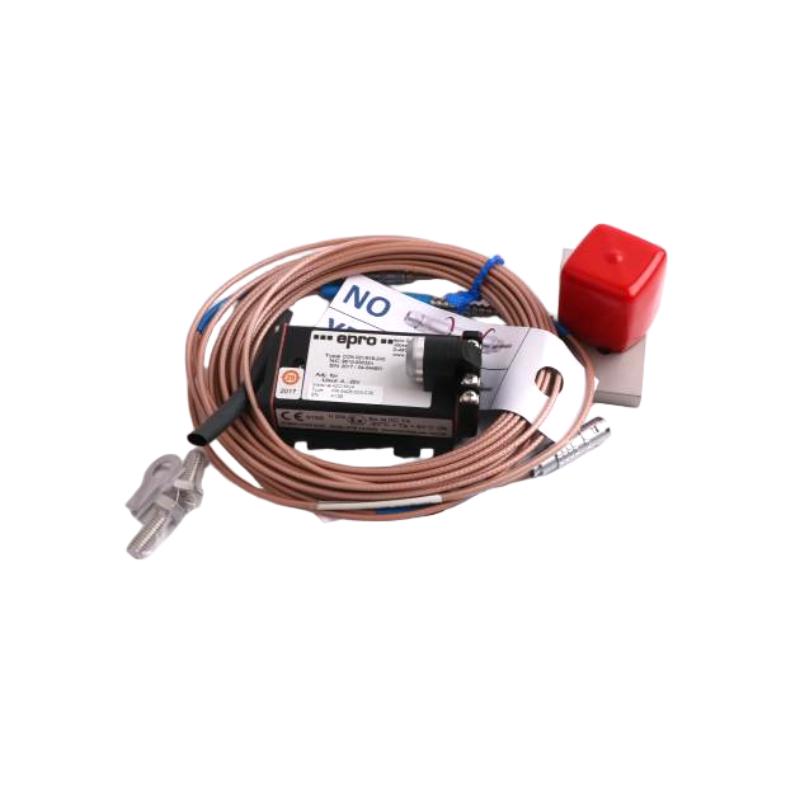
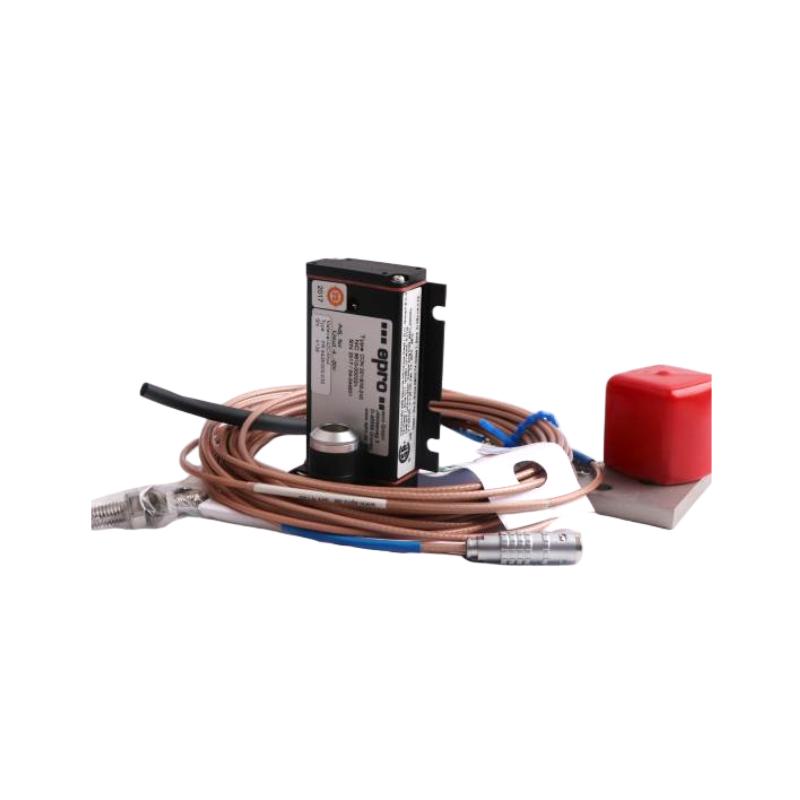
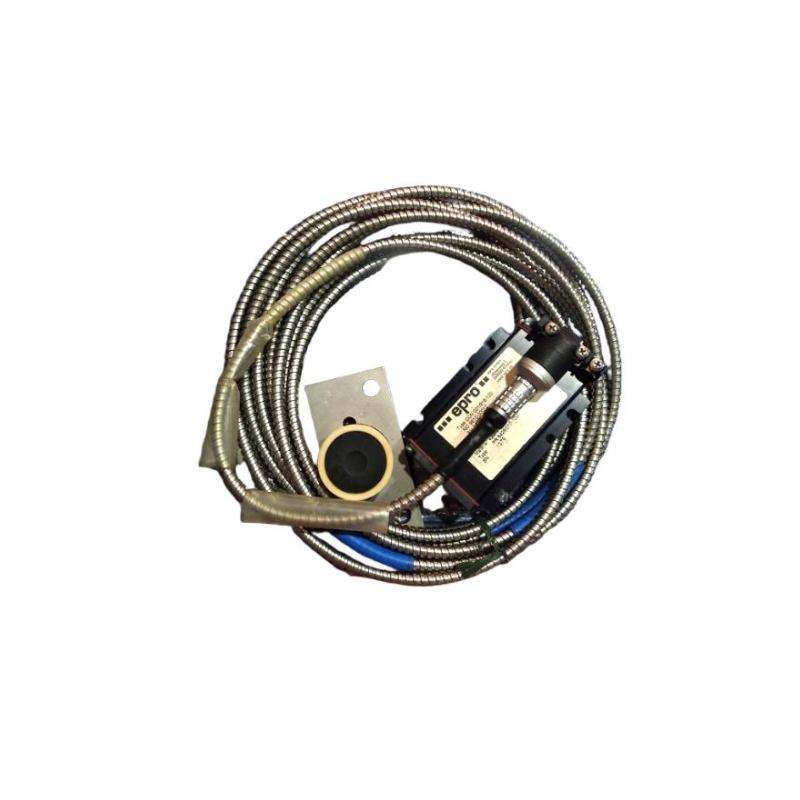
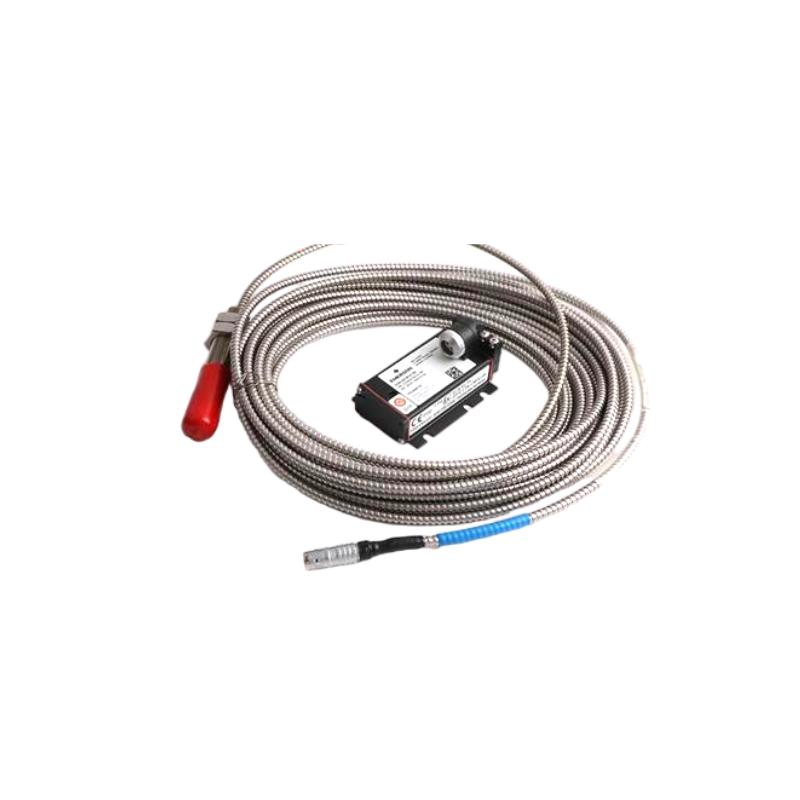
- Epro
- PR6426/010-110
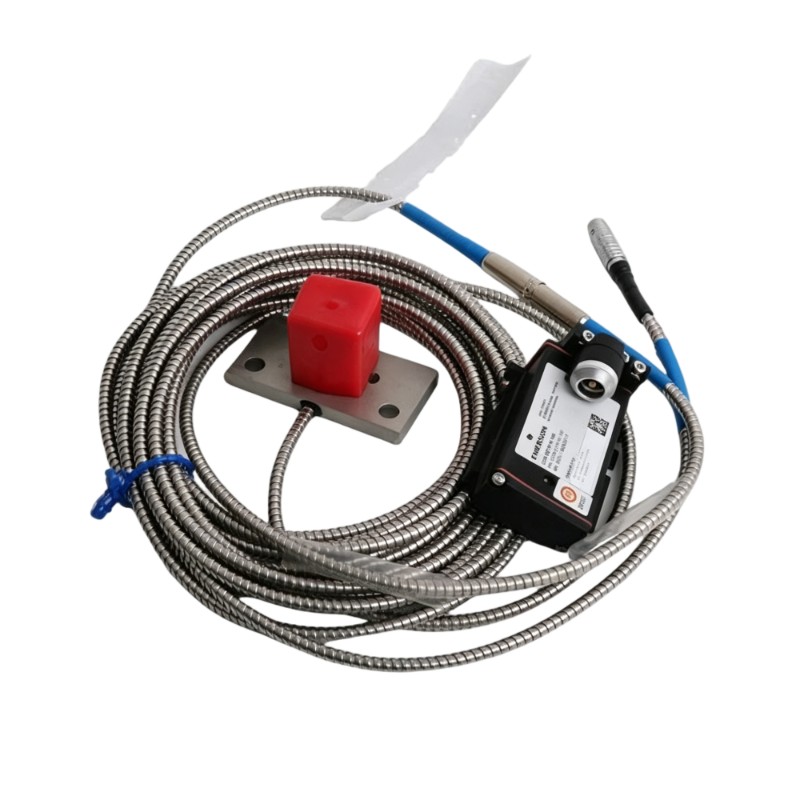
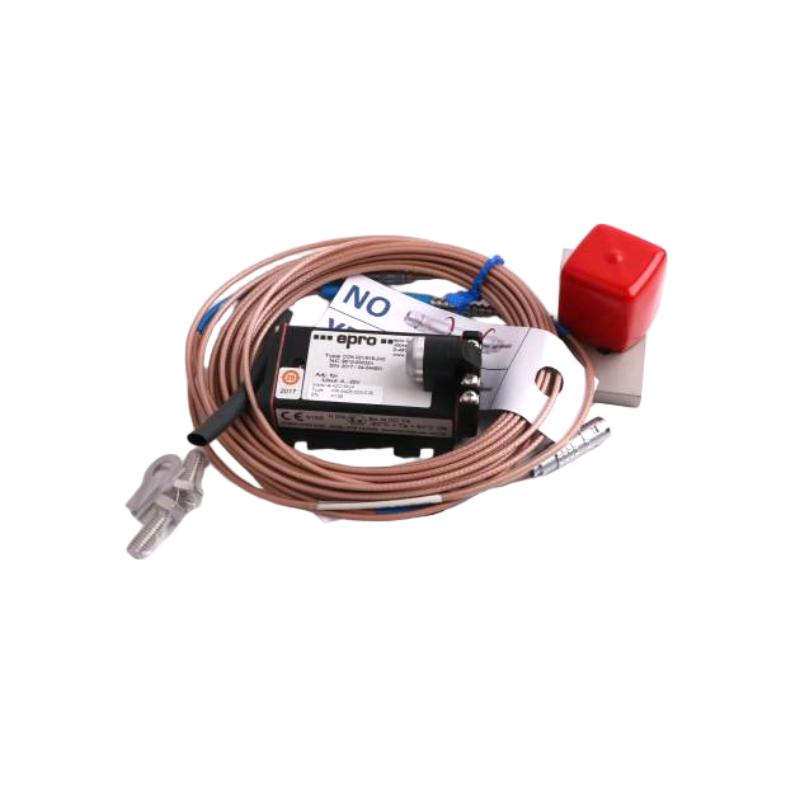
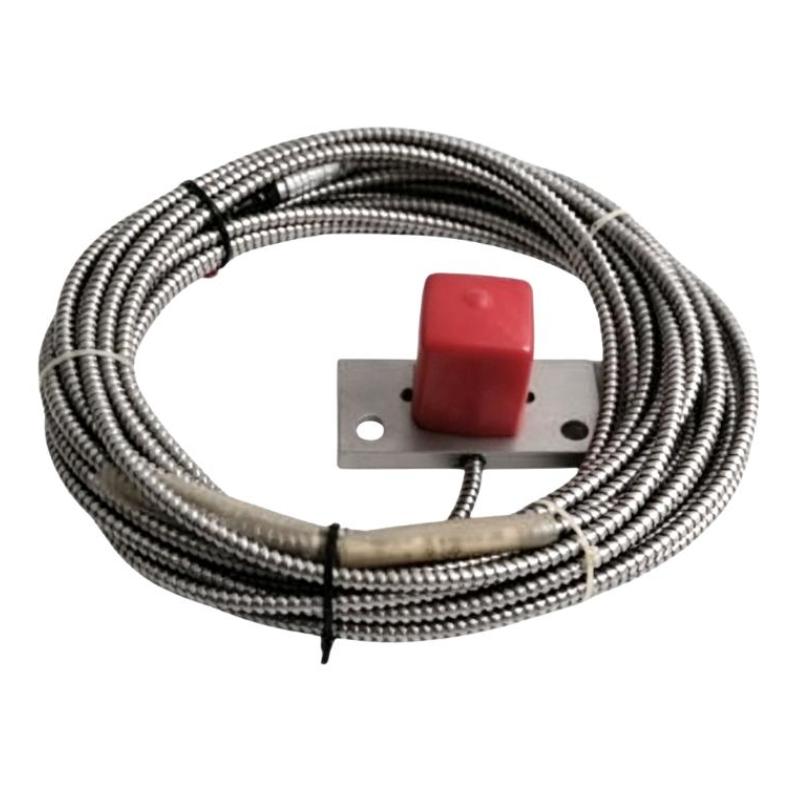
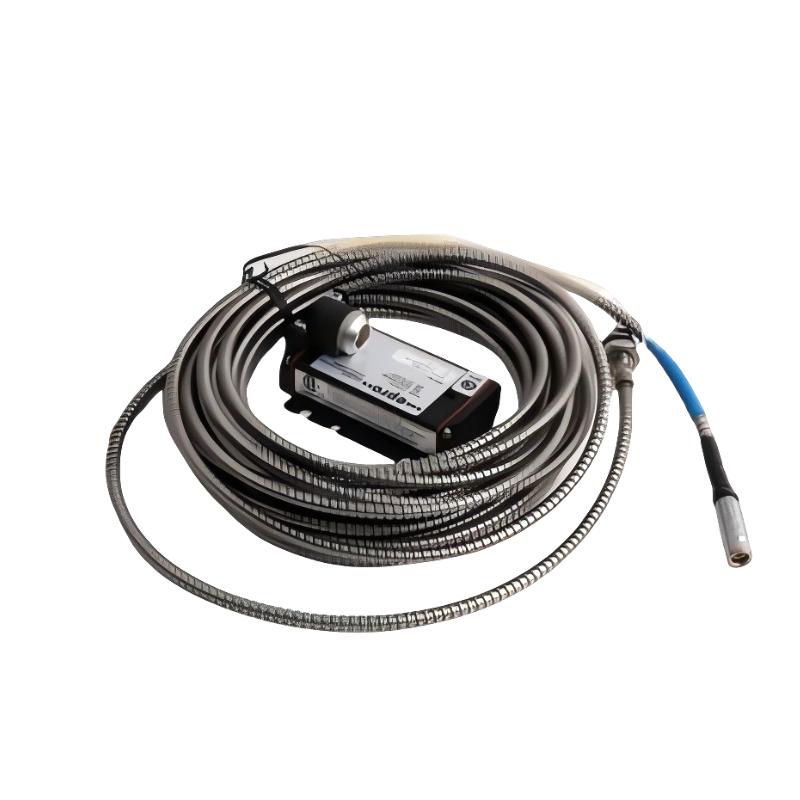
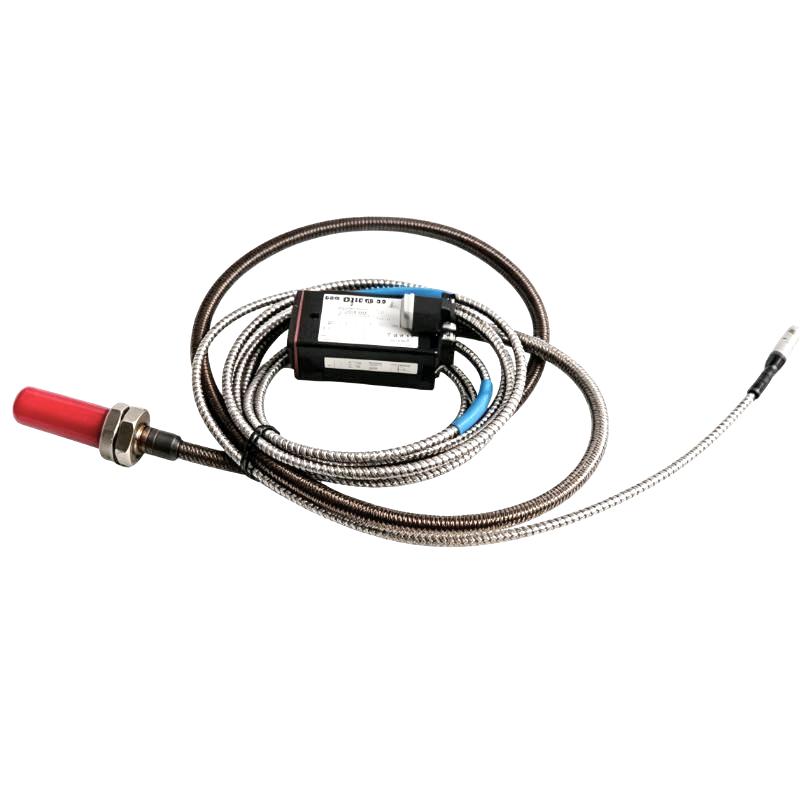
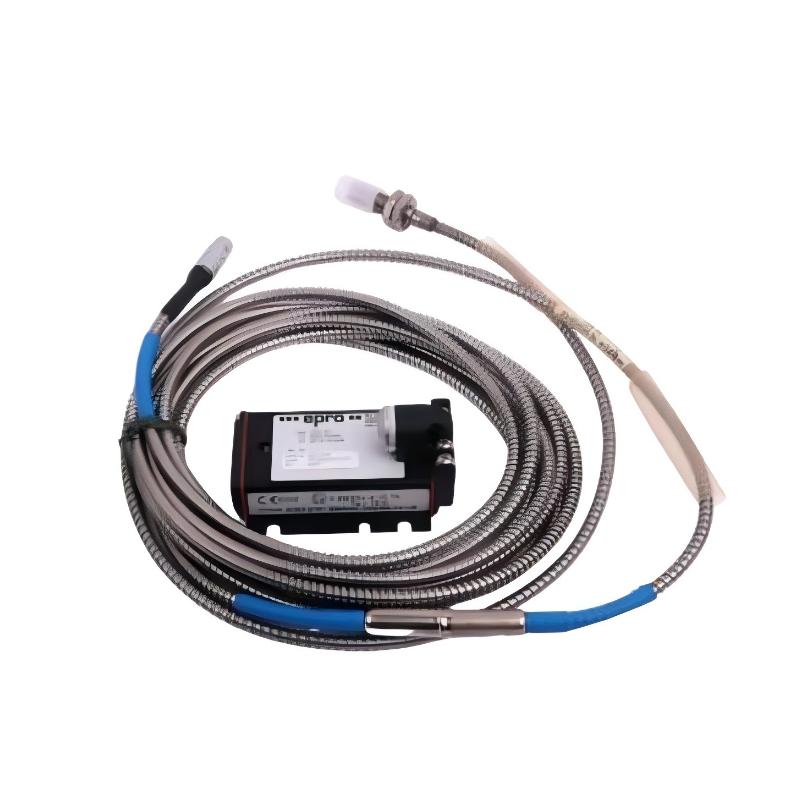
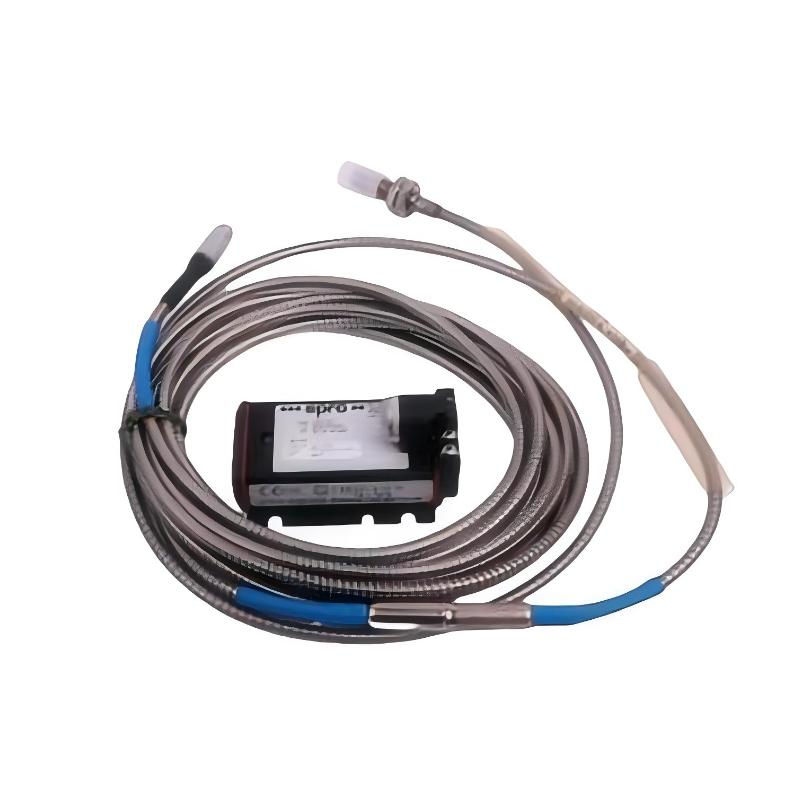
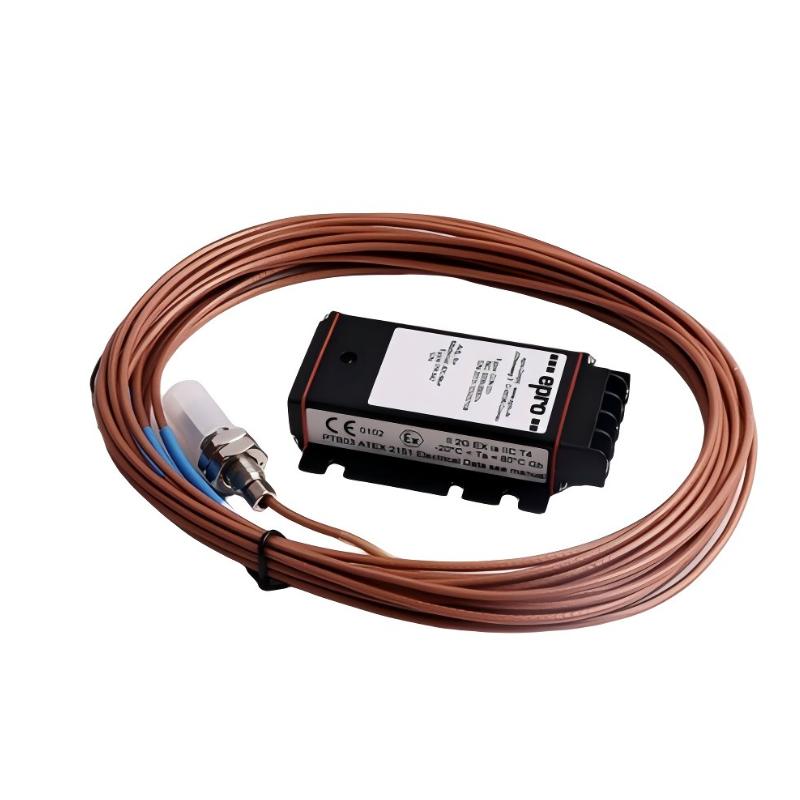
- SN1500M 32 mm Eddy Current Sensor
- Germany
- 32 mm
- 0.8 kg
- Xiamen, China
- New & In Stock
- T/T, PayPal, Western Union
- 1 Year
- 1-3 Working Days
- DHL, UPS, TNT, FedEx and EMS.
- 24-Hour Service
- COO
- 8
Our advantage

Global Logistics
We have a 10-year logistics and express cooperation agreement, so our products can be shipped to any place in the world.

Brand new and original
Our products are imported in bulk from the place of origin. Because of the cooperative relationship, our products are all original and 100% new.

24-hour service
We provide 7*24 hours service to our customers. We will be there whenever you need us.

Price advantage
All our products are priced very favorably because we have our own warehouse and supply.
| Company Information | |||
| [email protected] | |||
| Mobile | +8615980777398 | ||
| +8615980777398 | |||
| 15980777398 |
Industrial Applications
The Epro PR6426/010-110 SN1500M 32 mm Eddy Current Sensor is an industrial non-contact measurement component designed for monitoring the position and movement of conductive metallic targets. It belongs to the Epro PR6426 sensor family and is intended for applications involving industrial machinery monitoring and displacement measurement.
Eddy current technology is widely used in critical rotating machinery because it allows engineers to measure shaft movement without physical contact. This measurement method is particularly valuable in power generation, petrochemical processing, oil and gas facilities, and other industrial environments where continuous equipment monitoring is essential.
Featuring a 32 mm sensor head diameter and a specified weight of 0.8 kg, the PR6426/010-110 SN1500M is designed for compatible installations requiring a larger sensor head configuration.
Typical application areas include:
1. Steam Turbine Monitoring
Steam turbines operate under high rotational speeds and continuous mechanical loads. Eddy current sensors can support shaft displacement monitoring, helping engineers evaluate rotor movement and mechanical operating conditions.
2. Gas Turbine Systems
Gas turbines are essential components in power generation and industrial processing. Non-contact displacement measurement helps monitoring systems evaluate shaft movement and identify unusual mechanical behavior.
3. Industrial Compressor Monitoring
Large centrifugal compressors are widely used in refineries, petrochemical facilities, and natural gas processing plants. Compatible eddy current sensors can contribute to shaft displacement and vibration monitoring.
4. Generator Condition Monitoring
Generators require reliable monitoring of rotating components to maintain stable operation. Displacement measurement provides useful information for evaluating mechanical movement and equipment condition.
5. Industrial Pumps and Fans
Large pumps and industrial fans operate under continuous mechanical loads. Monitoring shaft movement can help maintenance teams identify potential mechanical deterioration.
6. Oil and Gas Processing Equipment
Critical rotating machinery in oil and gas facilities requires continuous condition assessment. Eddy current measurement technology supports equipment monitoring and maintenance planning.
Key Advantages
32 mm Sensor Head Design
The PR6426/010-110 SN1500M features a specified sensor head diameter of 32 mm. This mechanical dimension is important when selecting replacement sensors and evaluating available installation space.
Non-Contact Measurement Technology
The sensor uses electromagnetic induction to measure the distance between the sensing head and a conductive metallic target. Since measurement does not require physical contact, it is suitable for monitoring moving machinery components.
Support for Rotating Machinery Monitoring
Eddy current sensing technology is commonly used in rotating machinery applications, including turbines, compressors, generators, and industrial pumps.
Continuous Displacement Measurement
When integrated with compatible signal conditioning equipment, the sensor can provide measurement information to machinery monitoring systems for continuous equipment assessment.
Industrial Monitoring Integration
The sensor can be incorporated into suitable industrial measurement arrangements. Correct matching of the sensor, extension cable, signal converter, and monitoring equipment is essential.
Predictive Maintenance Support
Continuous measurement information helps engineers identify changes in shaft movement and investigate abnormal operating conditions before they develop into more serious equipment problems.
Technical FAQs
1. What is the Epro PR6426/010-110 SN1500M?
It is a 32 mm eddy current sensor designed for non-contact measurement applications involving conductive metallic targets.
2. What is the sensor head diameter?
The specified sensor head diameter is 32 mm.
3. What is the weight of this sensor?
The specified product weight is 0.8 kg.
4. What does SN1500M represent?
SN1500M is an additional designation supplied with the model identification. Its exact technical meaning and configuration should be confirmed against the manufacturer’s product documentation.
5. What measurement technology does the sensor use?
It uses eddy current technology based on electromagnetic induction to detect changes in the distance between the sensor and a conductive target.
6. Can this sensor be used for shaft displacement monitoring?
The PR6426 family is intended for compatible machinery displacement measurement applications. The exact measurement function depends on the sensor configuration and associated monitoring equipment.
7. Does the sensor require physical contact with the monitored surface?
No. It uses non-contact electromagnetic measurement technology and does not need to touch the target.
8. Does the PR6426/010-110 SN1500M require a signal conditioning unit?
Yes. An appropriate compatible signal conditioning arrangement is required to excite the sensor and process its measurement response.
9. Can this model replace a standard PR6426/010-110?
Replacement compatibility should be verified carefully. The additional SN1500M designation may identify a particular configuration, so electrical characteristics, calibration, cable arrangement, and system compatibility should be checked.
10. What should be considered before purchasing this sensor?
Important considerations include the complete model designation, sensor head diameter, weight, product condition, connector configuration, measurement characteristics, and compatibility with the existing monitoring system.
Introduction
The Epro PR6426/010-110 SN1500M 32 mm Eddy Current Sensor is an industrial measurement component designed for non-contact monitoring of conductive metallic surfaces. It is associated with the Epro PR6426 product family, which is used in industrial machinery measurement and condition monitoring applications.
In modern industrial facilities, rotating equipment plays an essential role in maintaining production continuity. Steam turbines, gas turbines, compressors, generators, and pumps operate under continuous mechanical stress. Changes in shaft position and movement can provide important information about equipment condition.
Eddy current sensors provide a practical solution for monitoring these changes without direct physical contact. Their electromagnetic measurement principle allows compatible monitoring systems to detect variations in the distance between the sensing head and a metallic target.
The PR6426/010-110 SN1500M features a 32 mm sensor head diameter. This dimension is particularly important for industrial engineers and maintenance personnel evaluating installation requirements or sourcing replacement components.
The additional SN1500M designation should also be retained when identifying and purchasing the product. Similar model numbers do not necessarily indicate identical electrical characteristics or calibration configurations.
For industrial maintenance departments, system integrators, and equipment procurement specialists, selecting the correct sensor configuration is essential for maintaining reliable machinery monitoring performance.
Technical Specifications
| Parameter | Specification |
|---|---|
| Brand | Epro |
| Model | PR6426/010-110 SN1500M |
| Product Type | Eddy Current Sensor |
| Product Series | PR6426 |
| Sensor Technology | Eddy Current |
| Sensor Head Diameter | 32 mm |
| Measurement Method | Non-Contact |
| Measurement Target | Conductive Metallic Materials |
| Typical Applications | Displacement and Machinery Monitoring |
| Industrial Equipment | Turbines, Compressors, Generators and Pumps |
| Weight | 0.8 kg |
Note: Exact measurement range, sensitivity, linearity, operating temperature, cable configuration, connector type, and electrical characteristics should be confirmed against the manufacturer’s documentation for the complete PR6426/010-110 SN1500M configuration.
Operating Principle and Measurement Functions
Electromagnetic Induction
The sensor operates using the eddy current measurement principle.
An alternating electrical signal energizes the sensor coil and creates an electromagnetic field around the sensing head. When a conductive metallic target enters this field, electrical currents known as eddy currents are generated within the target material.
These currents influence the electrical characteristics of the sensor coil. Changes in the distance between the sensor and target produce corresponding changes in the sensor response.
Compatible signal conditioning equipment processes these changes and converts them into useful measurement information.
Shaft Displacement Measurement
In compatible machinery monitoring installations, eddy current sensors can measure the relative position of rotating shafts.
This information helps engineers evaluate shaft movement and identify changes in mechanical operating conditions.
Vibration Monitoring
Displacement measurements can contribute to shaft vibration monitoring when the sensor is installed in an appropriate measurement arrangement.
Monitoring systems can use this information to identify unusual mechanical movement and support equipment protection strategies.
Mechanical Position Detection
The sensor can also be incorporated into compatible measurement systems where the position of conductive metallic components needs to be monitored without direct contact.
Installation and System Integration
Correct installation is essential for obtaining reliable measurement results from the Epro PR6426/010-110 SN1500M.
Before installation, engineers should verify the complete sensor configuration and ensure compatibility with the existing monitoring equipment.
1. Mechanical Mounting
Check the available installation space and mounting arrangement. The specified 32 mm sensor head diameter should be considered when evaluating mechanical clearances.
2. Target Material
The monitored surface must be electrically conductive and suitable for the sensor’s measurement technology.
3. Measurement Clearance
Establish the required distance between the sensor head and target according to the applicable calibration and installation specifications.
4. Electrical Compatibility
Verify the sensor’s electrical characteristics and ensure that the selected signal conditioning equipment supports the exact configuration.
5. Cable Installation
Protect the sensor cable from mechanical damage, excessive bending, and electromagnetic interference. Ensure that connectors are properly secured.
6. Calibration and Commissioning
After installation, verify the measurement response and confirm that the monitoring system receives stable signals.
7. Operational Verification
Compare measurement values with established operating baselines and investigate unexpected changes before returning the equipment to normal operation.
Maintenance and Troubleshooting
Regular inspection helps maintain the reliability of the complete eddy current measurement arrangement.
Recommended maintenance practices include:
- Inspecting the sensor head for physical damage.
- Checking the mounting assembly and mechanical alignment.
- Examining cables and connectors for wear.
- Verifying the sensor-to-target clearance.
- Checking the associated signal conditioning equipment.
- Monitoring measurement stability during equipment operation.
- Comparing current readings with historical operating data.
If abnormal signals occur, maintenance personnel should inspect the entire measurement chain, including the sensor, target surface, cabling, connectors, and signal conditioning equipment.
When replacing an existing sensor, the complete model designation, including SN1500M, should be checked carefully. Matching sensor head diameters alone do not guarantee electrical or calibration compatibility.
Conclusion
The Epro PR6426/010-110 SN1500M 32 mm Eddy Current Sensor is an industrial non-contact measurement component designed for compatible machinery monitoring applications. Its 32 mm sensor head diameter and specified weight of 0.8 kg are important considerations for installation planning and replacement procurement.
Using eddy current measurement technology, the PR6426 family supports industrial applications involving conductive metallic targets, shaft displacement measurement, and rotating machinery condition monitoring.
For power generation, petrochemical processing, oil and gas, and heavy manufacturing facilities, selecting the correct sensor configuration is essential for maintaining reliable measurement performance and supporting long-term equipment monitoring requirements.