

ProductPRODUCT
Featured products
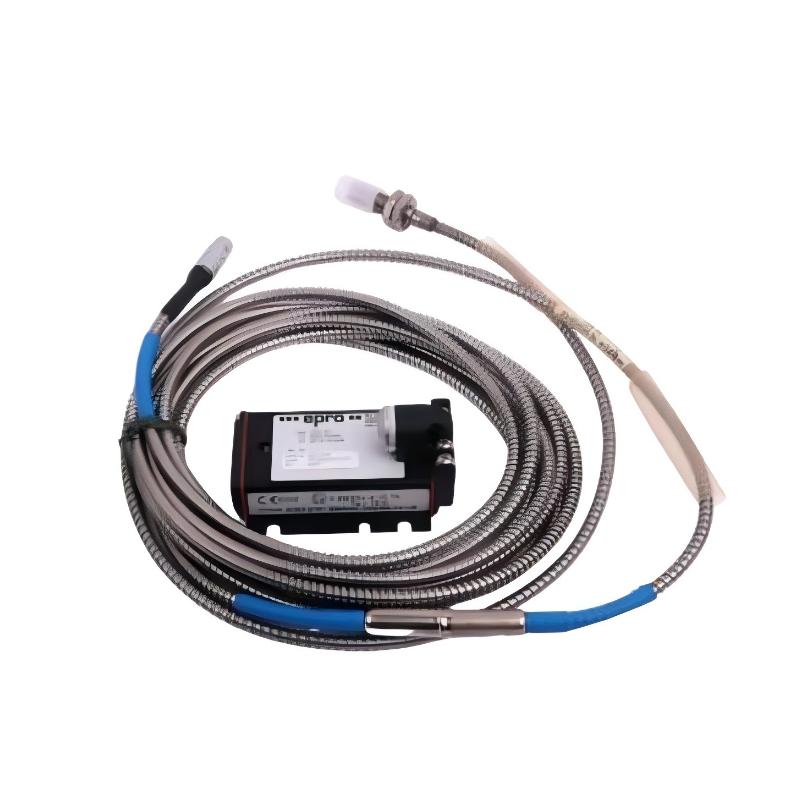
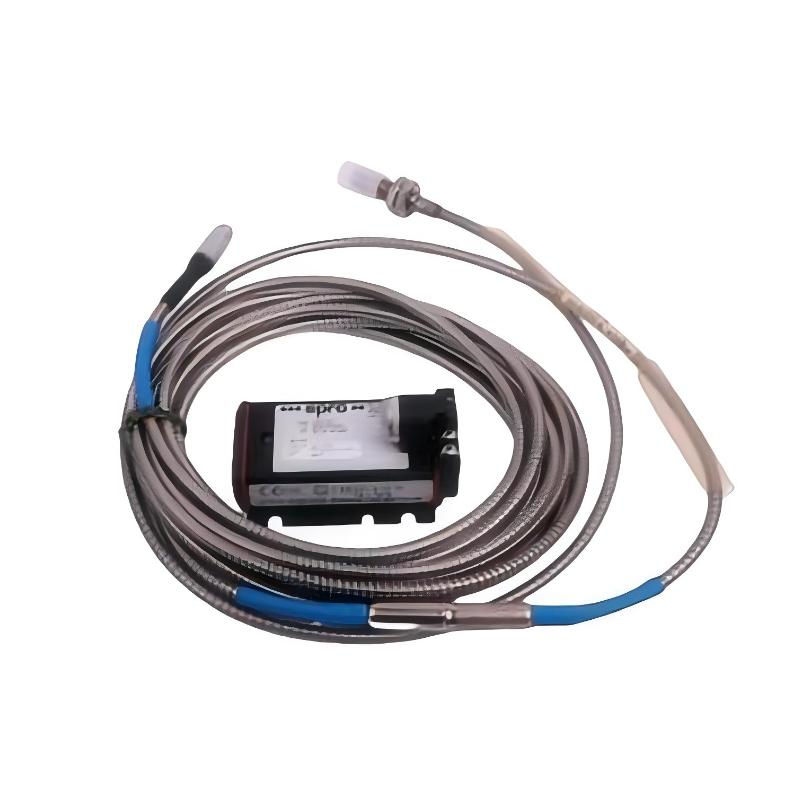
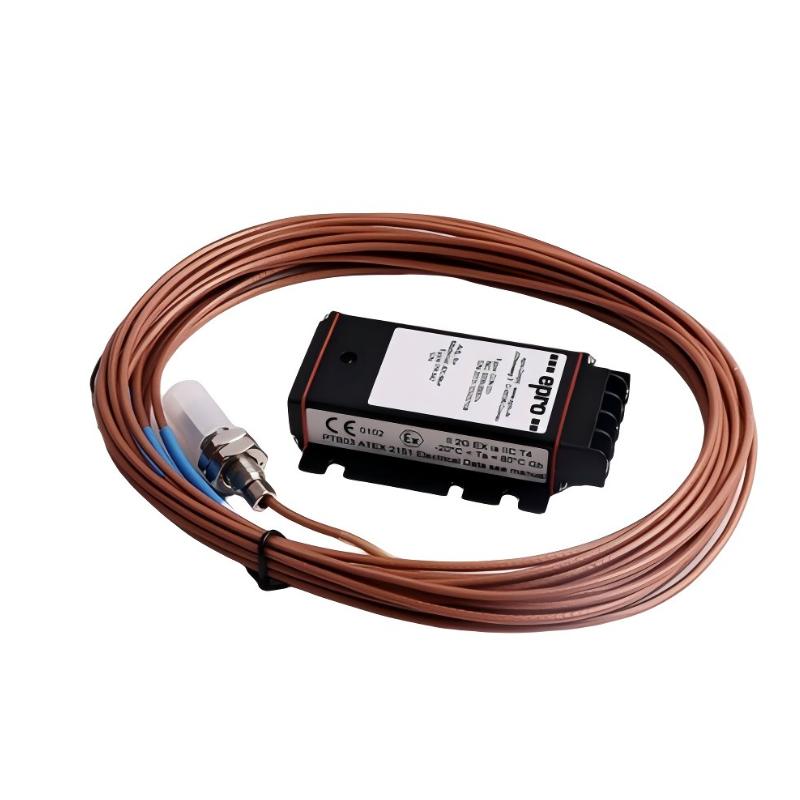
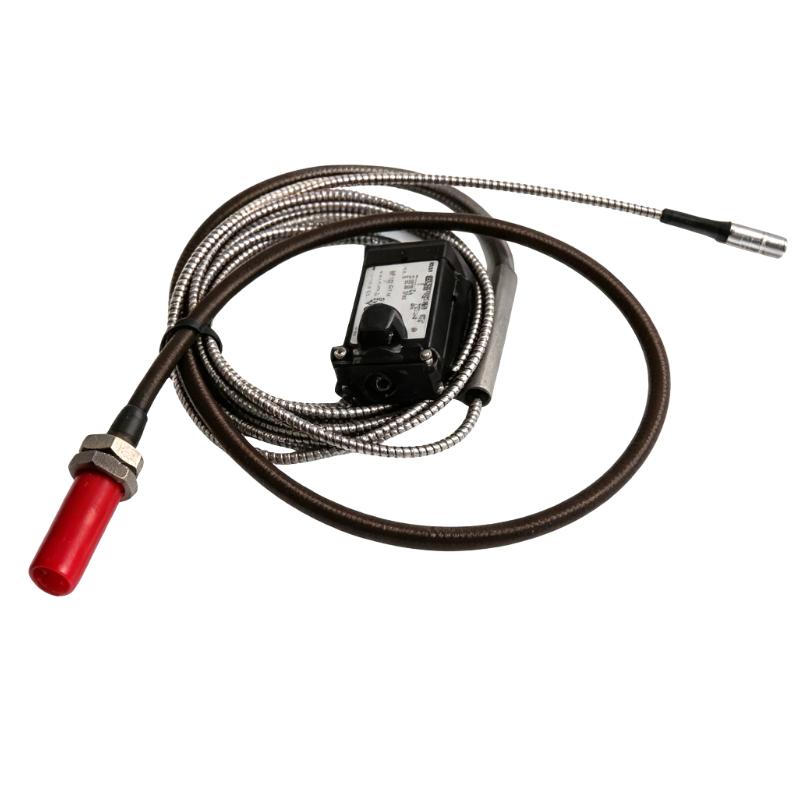
Contact Us
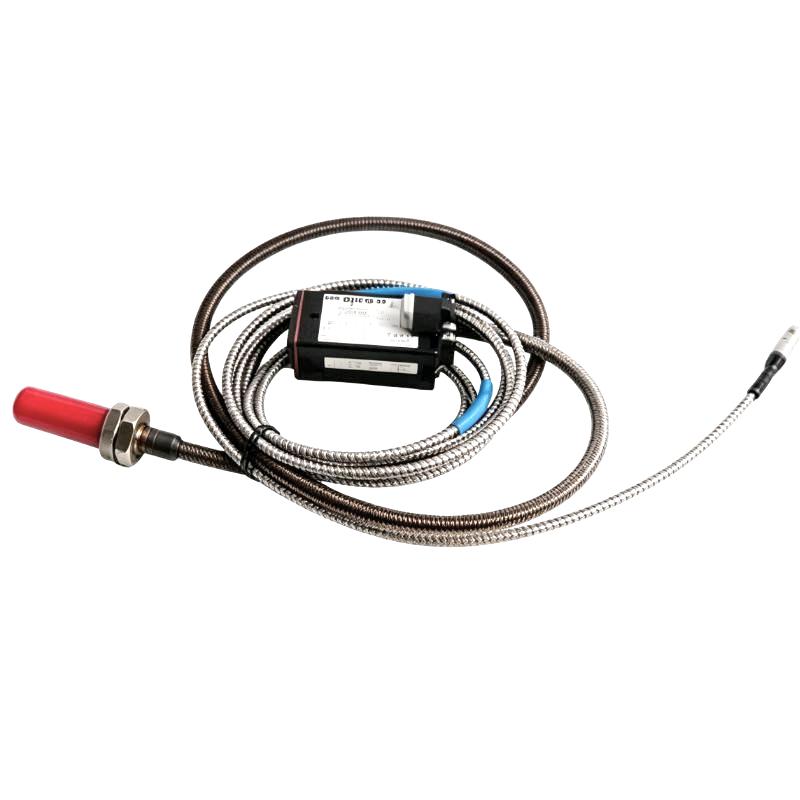
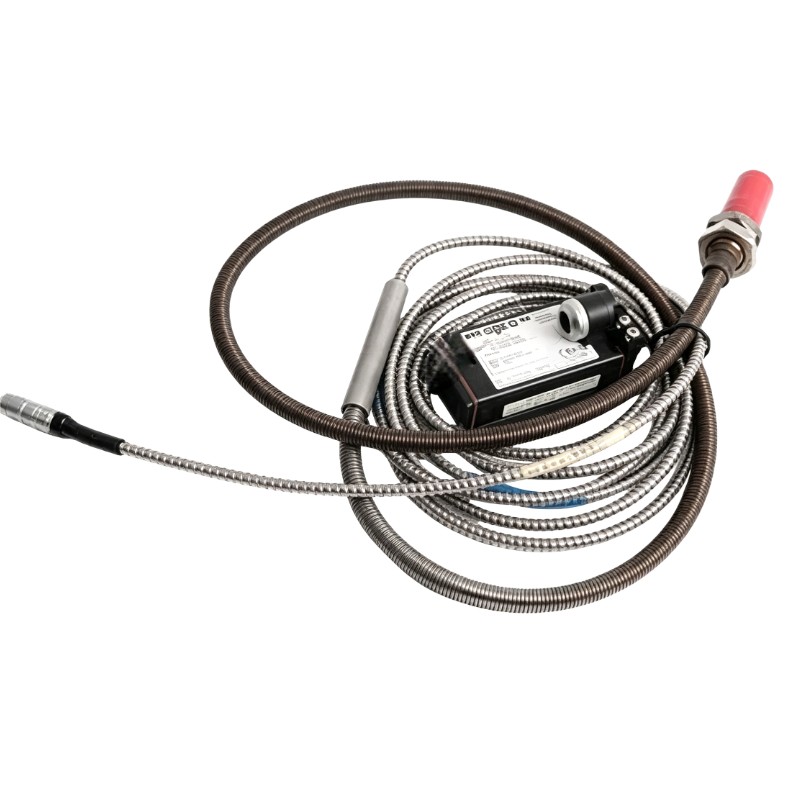
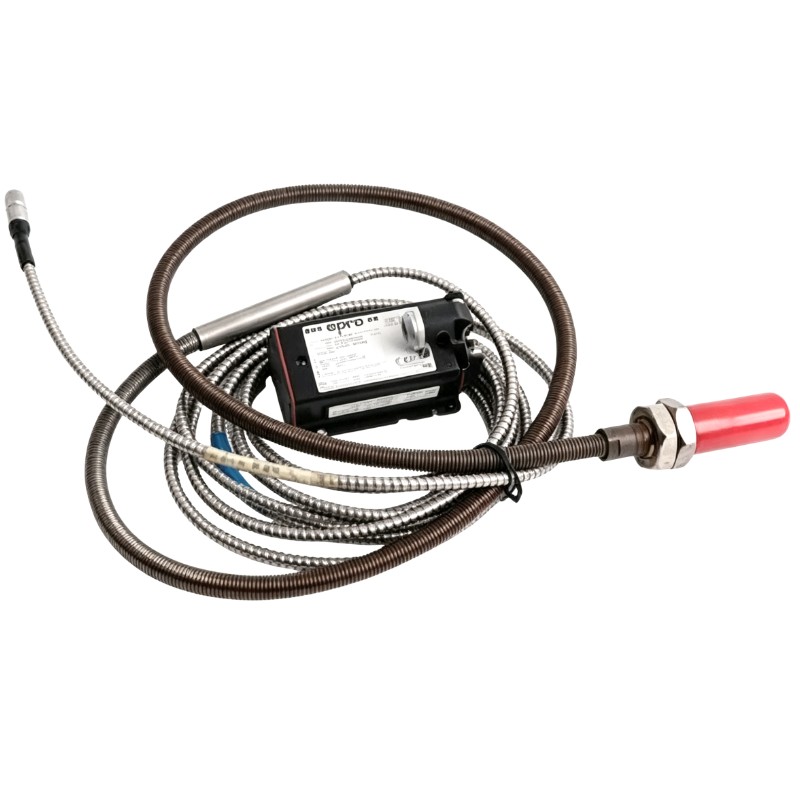
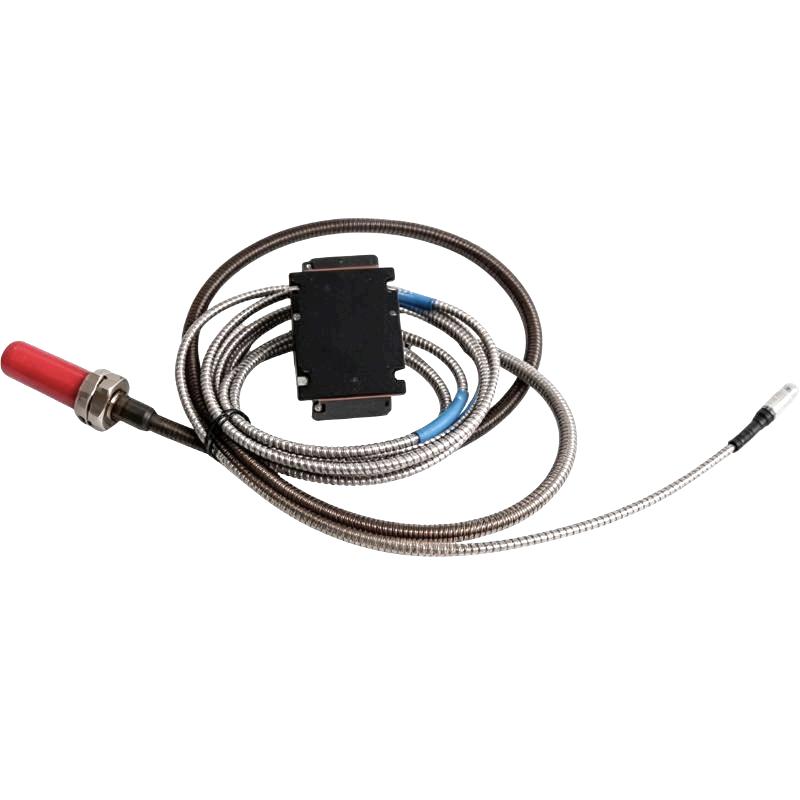
- Epro
- PR6425/010-141
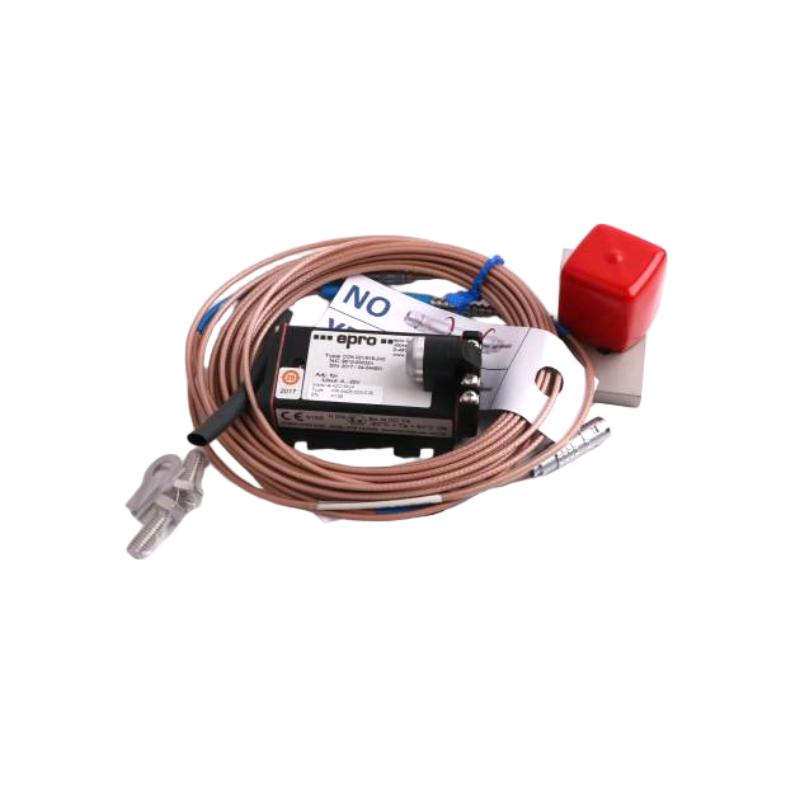
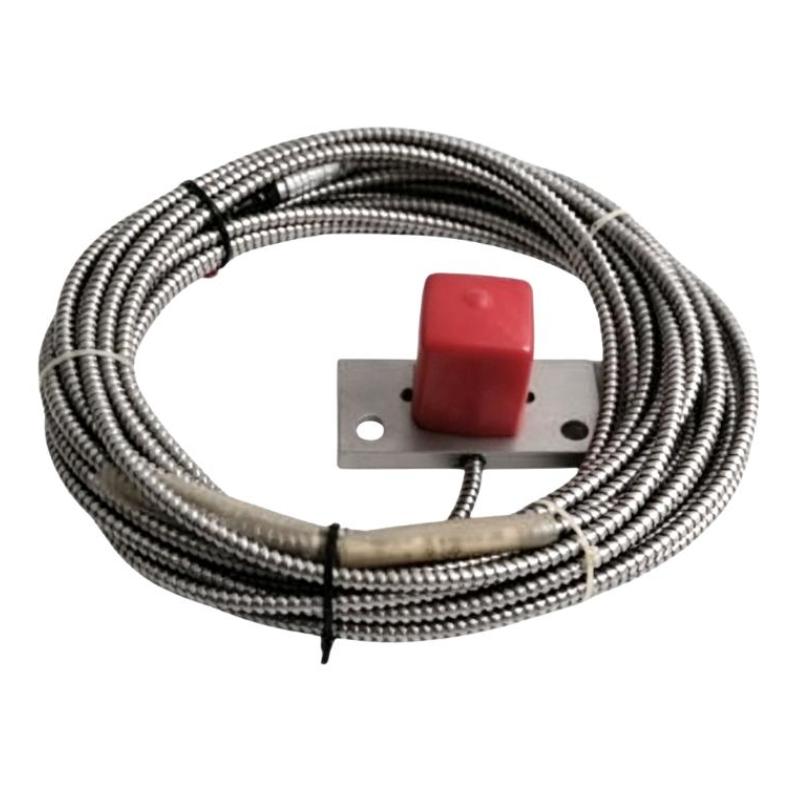
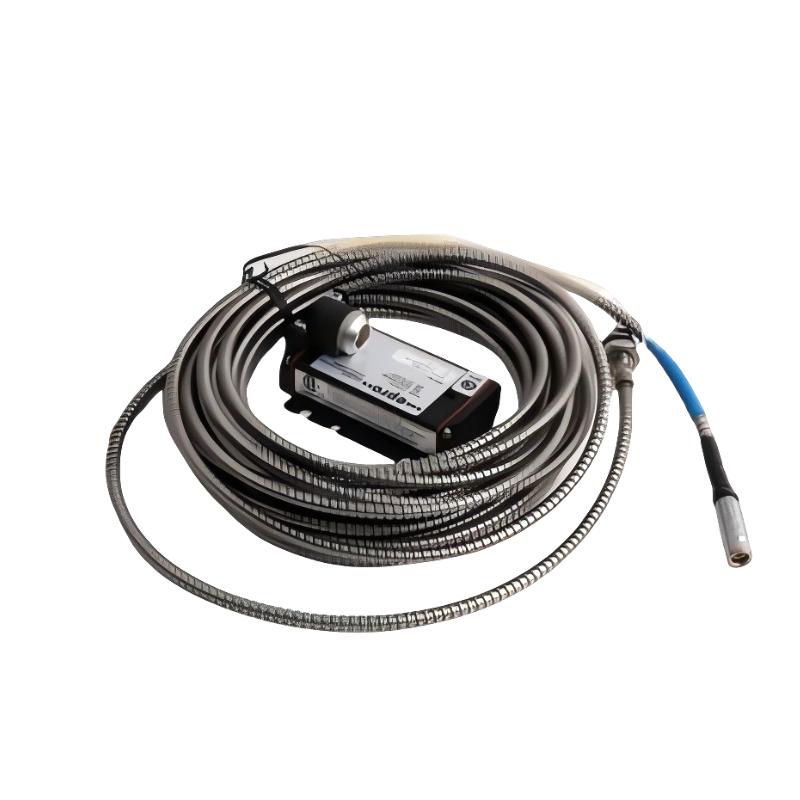
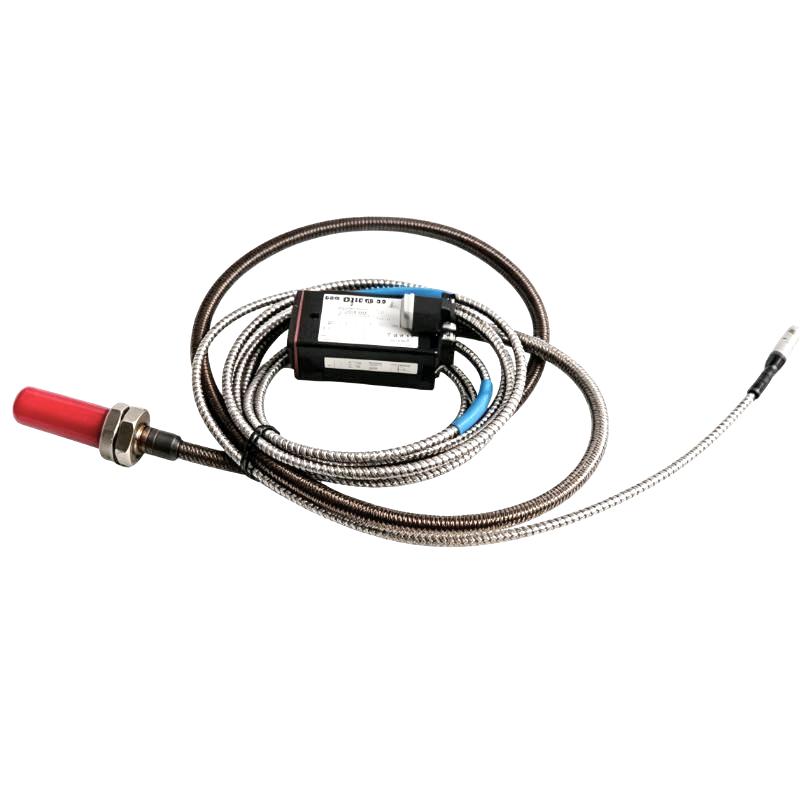
- 16 mm Eddy Current Sensor
- Germany
- 16 mm
- 0.5 kg
- Xiamen, China
- New & In Stock
- T/T, PayPal, Western Union
- 1 Year
- 1-3 Working Days
- DHL, UPS, TNT, FedEx and EMS.
- 24-Hour Service
- COO
- 5
Our advantage

Global Logistics
We have a 10-year logistics and express cooperation agreement, so our products can be shipped to any place in the world.

Brand new and original
Our products are imported in bulk from the place of origin. Because of the cooperative relationship, our products are all original and 100% new.

24-hour service
We provide 7*24 hours service to our customers. We will be there whenever you need us.

Price advantage
All our products are priced very favorably because we have our own warehouse and supply.
| Company Information | |||
| [email protected] | |||
| Mobile | +8615980777398 | ||
| +8615980777398 | |||
| 15980777398 |
Introduction
The Epro PR6425/010-141 16 mm Eddy Current Sensor is an industrial non-contact measurement device designed for monitoring the position and movement of conductive metallic targets. It belongs to the Epro PR6425 series of eddy current sensors, which are associated with machinery condition monitoring and industrial measurement applications.
Eddy current sensors play an important role in modern industrial equipment because they provide a way to measure mechanical displacement without requiring direct contact with moving components. This measurement approach is particularly useful in rotating machinery, where continuous monitoring of shaft movement, vibration, and mechanical clearance contributes to equipment reliability.
The PR6425/010-141 features a 16 mm sensor head diameter and a specified weight of 0.5 kg. It is intended for integration into compatible industrial measurement systems where accurate and stable proximity measurement is required.
In industries such as power generation, petrochemical processing, oil and gas, and heavy manufacturing, non-contact displacement monitoring helps maintenance engineers evaluate machine operating conditions and identify potential mechanical problems.
Product Overview
The Epro PR6425/010-141 uses electromagnetic induction technology to detect changes in the distance between the sensor head and a conductive target.
Unlike conventional contact-based measurement devices, an eddy current sensor operates without physically touching the monitored surface. This characteristic makes it suitable for applications involving high-speed rotating shafts and machinery components that experience continuous movement.
The sensor operates as part of a compatible measurement arrangement. Its sensing element generates an electromagnetic field, and changes in the target distance influence the electrical characteristics of the sensor. Appropriate signal conditioning equipment processes these changes into usable measurement information.
Typical industrial monitoring applications include:
- Shaft radial displacement measurement.
- Rotating machinery vibration monitoring.
- Axial position monitoring.
- Mechanical clearance assessment.
- Continuous condition monitoring.
- Industrial equipment protection systems.
The PR6425/010-141 can support machinery monitoring arrangements where non-contact measurement is required, subject to compatibility with the complete measurement system.
Operating Principle and Functional Characteristics
Eddy Current Measurement Technology
The operating principle of the PR6425/010-141 is based on electromagnetic induction.
An alternating electrical signal is applied to the sensor coil, producing an electromagnetic field around the sensing head. When a conductive metallic target enters this field, circulating electrical currents, known as eddy currents, are generated within the target material.
These currents influence the electromagnetic characteristics of the sensor coil. As the distance between the sensor and target changes, the electrical response also changes.
A compatible signal conditioning unit processes this response and converts it into a measurement signal.
This allows the monitoring system to determine changes in the relative position of the monitored metallic surface.
Non-Contact Displacement Measurement
One of the main characteristics of eddy current technology is its ability to measure displacement without physical contact.
This is particularly valuable when monitoring rotating shafts, where contact-based measurement could introduce mechanical wear or interfere with normal equipment operation.
Continuous Monitoring Capability
When integrated into a suitable monitoring system, the sensor can provide measurement information continuously. This allows operators to observe changes in machine behavior and investigate abnormal operating conditions.
Machinery Condition Assessment
Measurement information from the sensor can contribute to the evaluation of shaft movement, mechanical stability, and equipment operating conditions.
Technical Features and Advantages
1. 16 mm Sensor Head Diameter
The PR6425/010-141 has a specified sensor head diameter of 16 mm. This dimension is an important consideration when evaluating mounting arrangements, available installation space, and compatibility with existing machinery monitoring equipment.
2. Non-Contact Electromagnetic Sensing
The sensor uses eddy current technology to measure conductive targets without physical contact. This helps avoid mechanical contact between the sensing element and moving machinery components.
3. Suitable for Rotating Machinery Applications
Eddy current sensors are widely used in industrial rotating equipment monitoring. Depending on the complete system configuration, they can support shaft displacement and vibration measurement.
4. Integration with Industrial Monitoring Systems
The sensor is designed for use within a compatible measurement arrangement. Correct selection of signal conditioning equipment, cabling, and monitoring inputs is essential for reliable operation.
5. Support for Preventive Maintenance
Continuous displacement measurement can help maintenance personnel identify changes in equipment behavior. This information supports condition-based inspection and maintenance planning.
6. Industrial Measurement Applications
The sensor is relevant to industrial facilities where reliable monitoring of metallic machine components is important for equipment operation and maintenance.
Industrial Applications
Power Generation Equipment
Power plants depend on turbines, generators, pumps, and other rotating machinery for continuous electricity production.
Monitoring shaft displacement and vibration is an important part of evaluating rotating equipment conditions. Compatible eddy current sensor installations can provide measurement information for machinery monitoring and protection systems.
The PR6425/010-141 may be considered for suitable applications where its mechanical and electrical specifications match the installation requirements.
Steam and Gas Turbines
Steam and gas turbines operate at high rotational speeds and require careful monitoring of mechanical movement.
Shaft displacement measurements help engineers evaluate rotor behavior and identify changes that may indicate developing mechanical problems.
Eddy current sensing technology provides a non-contact measurement method suitable for compatible turbine monitoring arrangements.
Industrial Compressors
Centrifugal compressors are essential equipment in petrochemical plants, refineries, and natural gas processing facilities.
Shaft monitoring helps operators evaluate machine stability and investigate changes in vibration or displacement.
The PR6425/010-141 can be considered for compatible compressor monitoring applications.
Oil and Gas Facilities
Oil and gas installations frequently operate large rotating machines under demanding industrial conditions.
Continuous equipment monitoring helps reduce the risk of unexpected mechanical failures and production interruptions.
Non-contact sensors are useful in applications requiring the measurement of shaft position and movement.
Pumps and Industrial Motors
Large pumps and motors are used throughout manufacturing, chemical processing, water treatment, and energy production.
Monitoring the movement of rotating components can help maintenance teams evaluate operating conditions and identify potential mechanical deterioration.
Manufacturing and Process Industries
Industrial production facilities often depend on continuous-operation machinery. Integrating displacement sensors into suitable monitoring systems provides additional information for equipment condition assessment and maintenance management.
Installation and System Integration
Proper installation is essential for achieving reliable measurement results.
Before installing the Epro PR6425/010-141, engineers should confirm that the sensor is compatible with the existing measurement system and that the mounting arrangement meets the application requirements.
The following considerations should be addressed during installation.
Sensor Mounting
The sensor should be installed in a mechanically stable position with an appropriate orientation toward the conductive target. Mounting stability is important because unwanted movement can affect measurement accuracy.
Target Material Compatibility
Eddy current measurement requires a suitable conductive target. The target material and surface characteristics should be considered when configuring the measurement system.
Measurement Clearance
The distance between the sensor head and the target must follow the applicable calibration and installation specifications. An incorrect measurement gap can affect the output characteristics.
Electrical Compatibility
The sensor must be paired with compatible signal conditioning equipment. Electrical connections, excitation requirements, and output characteristics should be verified before commissioning.
Cable Installation
Sensor cables should be routed carefully to avoid mechanical damage, excessive electromagnetic interference, and unnecessary stress on connectors.
Commissioning and Verification
After installation, engineers should verify the measurement response, inspect the electrical connections, and confirm that the monitoring system receives stable signals under the intended operating conditions.
Technical Specifications
| Parameter | Specification |
|---|---|
| Brand | Epro |
| Model | PR6425/010-141 |
| Product Type | Eddy Current Sensor |
| Sensor Technology | Eddy Current |
| Sensor Head Diameter | 16 mm |
| Measurement Method | Non-Contact |
| Measurement Target | Conductive Metallic Materials |
| Typical Measurement Applications | Displacement and Shaft Movement Monitoring |
| Industrial Application | Rotating Machinery Condition Monitoring |
| Weight | 0.5 kg |
Note: Measurement range, sensitivity, frequency response, cable length, connector configuration, and operating temperature should be confirmed using the manufacturer’s specifications for the exact model and complete sensor assembly.
Maintenance and Troubleshooting
Although eddy current sensors do not require physical contact with the monitored target, periodic inspection remains important for maintaining measurement reliability.
Recommended maintenance activities include:
- Inspecting the sensor housing for visible damage.
- Checking mounting stability and mechanical alignment.
- Examining cables and connectors for wear or damage.
- Verifying the measurement gap.
- Checking signal conditioning equipment.
- Comparing measurement values with established operating baselines.
- Investigating unexpected fluctuations or signal interruptions.
If the monitoring system displays unstable readings, engineers should inspect the sensor installation, target surface, electrical connections, cable condition, and compatibility of the associated measurement components.
Replacement sensors should be selected according to the complete part number rather than physical dimensions alone.
Frequently Asked Questions (FAQs)
1. What is the Epro PR6425/010-141?
The Epro PR6425/010-141 is a 16 mm eddy current sensor designed for non-contact measurement applications involving conductive metallic targets.
2. What is the sensor head diameter?
The sensor head diameter is 16 mm.
3. How much does the PR6425/010-141 weigh?
The specified product weight is 0.5 kg.
4. What technology does this sensor use?
It uses electromagnetic induction and eddy current technology to detect changes in the distance between the sensor and a conductive target.
5. Can the sensor be used for shaft vibration monitoring?
It can be incorporated into compatible machinery monitoring arrangements for shaft vibration measurement, depending on the complete system configuration.
6. Does the PR6425/010-141 require physical contact with the target?
No. It uses non-contact measurement technology, so the sensing head does not need to touch the monitored metallic surface.
7. Which industries use this type of sensor?
Typical application areas include power generation, petrochemical processing, oil and gas, manufacturing, and industrial machinery maintenance.
8. Does the sensor need additional electronic equipment?
Yes. An appropriate compatible signal conditioning arrangement is required to operate the eddy current measurement system.
9. Can the PR6425/010-141 replace another PR6425 series sensor?
Replacement compatibility should not be assumed based on series membership alone. Engineers should compare electrical characteristics, calibration, cable configuration, mechanical dimensions, and monitoring system requirements.
10. What should be considered when purchasing this sensor?
Important considerations include the exact model number, sensor head diameter, product condition, cable and connector arrangement, system compatibility, and the intended measurement application.
Conclusion
The Epro PR6425/010-141 16 mm Eddy Current Sensor is an industrial measurement component designed for non-contact monitoring of conductive metallic targets. With a 16 mm sensor head diameter and a specified weight of 0.5 kg, it is suitable for consideration in compatible industrial machinery monitoring installations.
Its eddy current measurement principle supports applications involving shaft displacement, rotating machinery monitoring, and mechanical position assessment.
For industrial operators, maintenance engineers, and equipment procurement specialists, selecting the correct sensor configuration is essential for maintaining reliable measurement performance and ensuring compatibility with existing machinery monitoring systems.