

ProductPRODUCT
Featured products
Contact Us
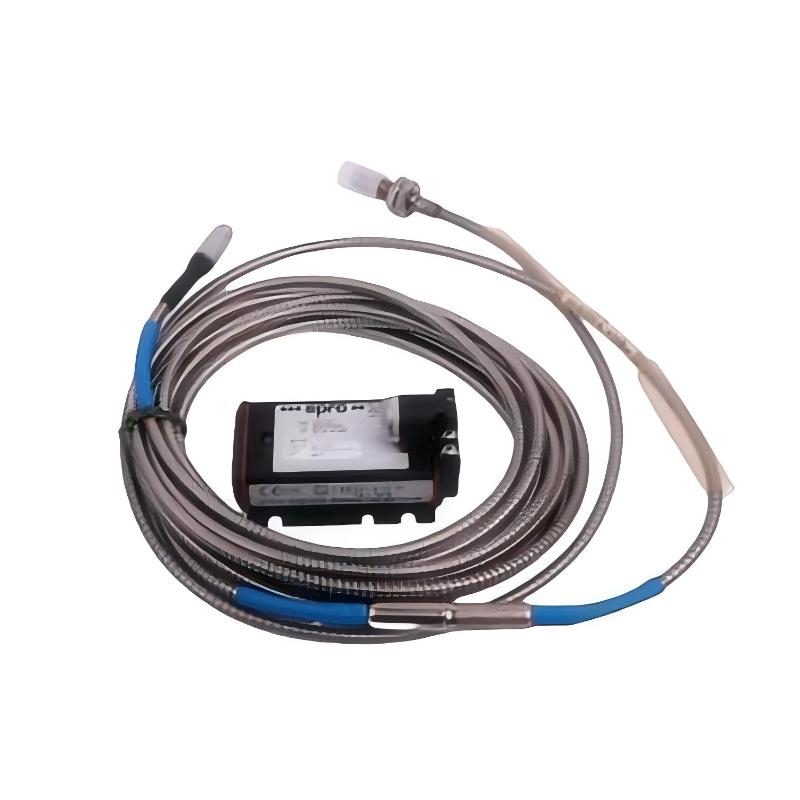
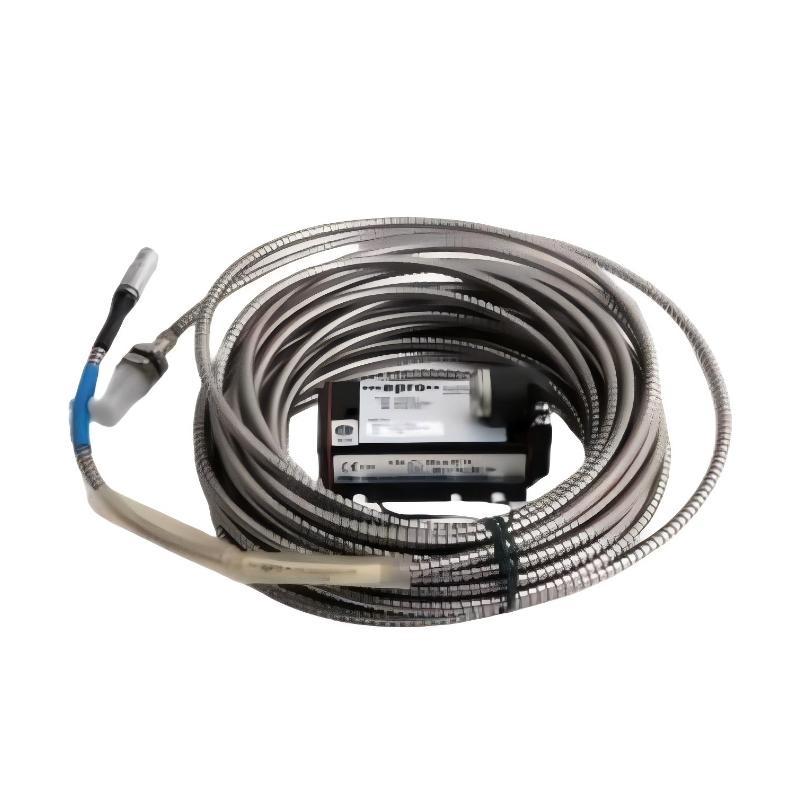
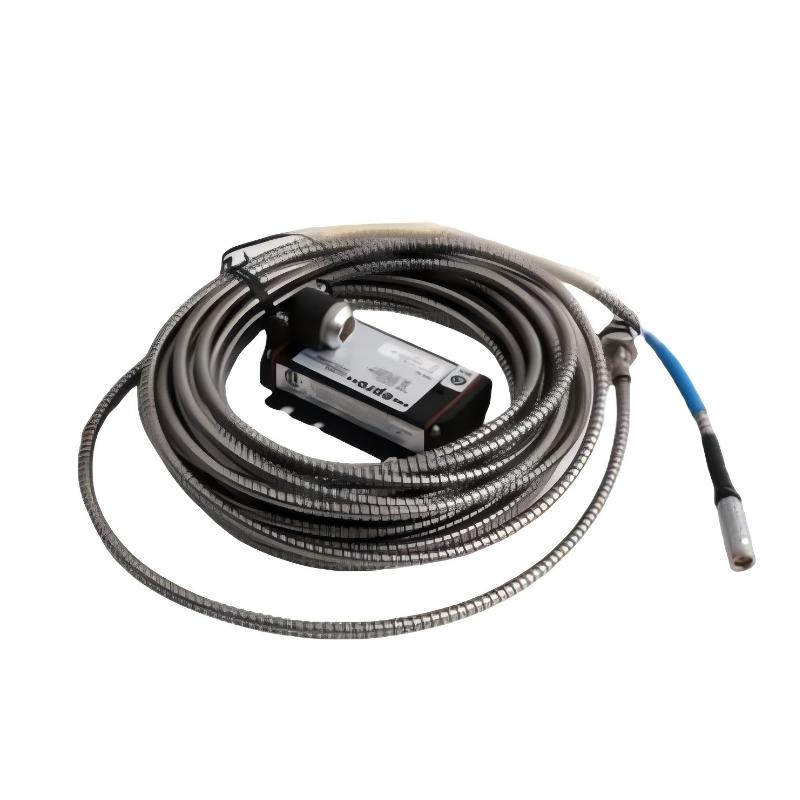
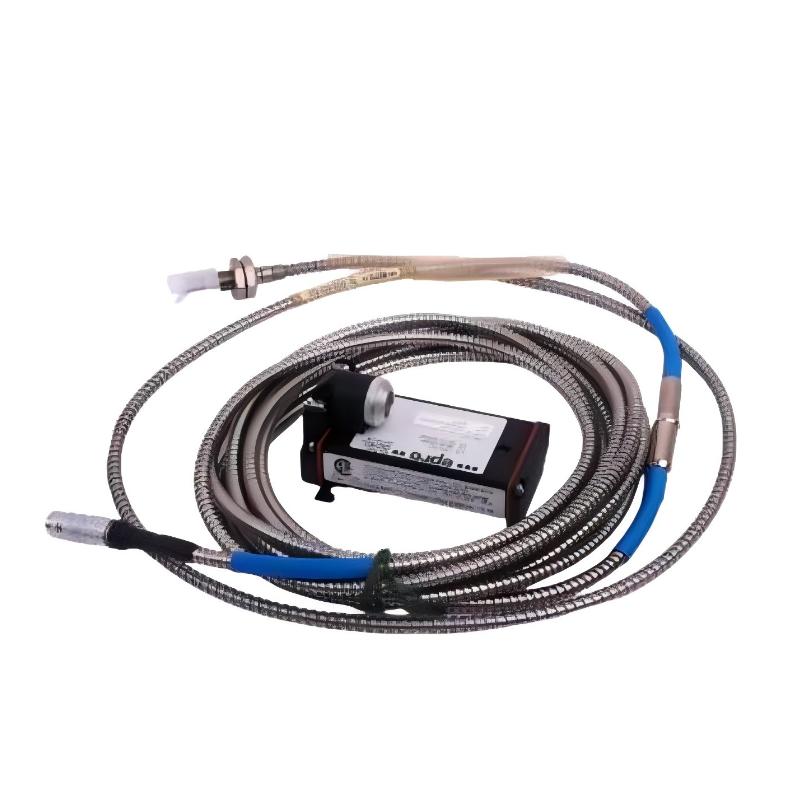
- Epro
- PR6425/010-130
- 16 mm Eddy Current Sensor
- Germany
- 16 mm
- 0.5 kg
- Xiamen, China
- New & In Stock
- T/T, PayPal, Western Union
- 1 Year
- 1-3 Working Days
- DHL, UPS, TNT, FedEx and EMS.
- 24-Hour Service
- COO
- 5
Our advantage

Global Logistics
We have a 10-year logistics and express cooperation agreement, so our products can be shipped to any place in the world.

Brand new and original
Our products are imported in bulk from the place of origin. Because of the cooperative relationship, our products are all original and 100% new.

24-hour service
We provide 7*24 hours service to our customers. We will be there whenever you need us.

Price advantage
All our products are priced very favorably because we have our own warehouse and supply.
| Company Information | |||
| [email protected] | |||
| Mobile | +8615980777398 | ||
| +8615980777398 | |||
| 15980777398 |
Product Overview
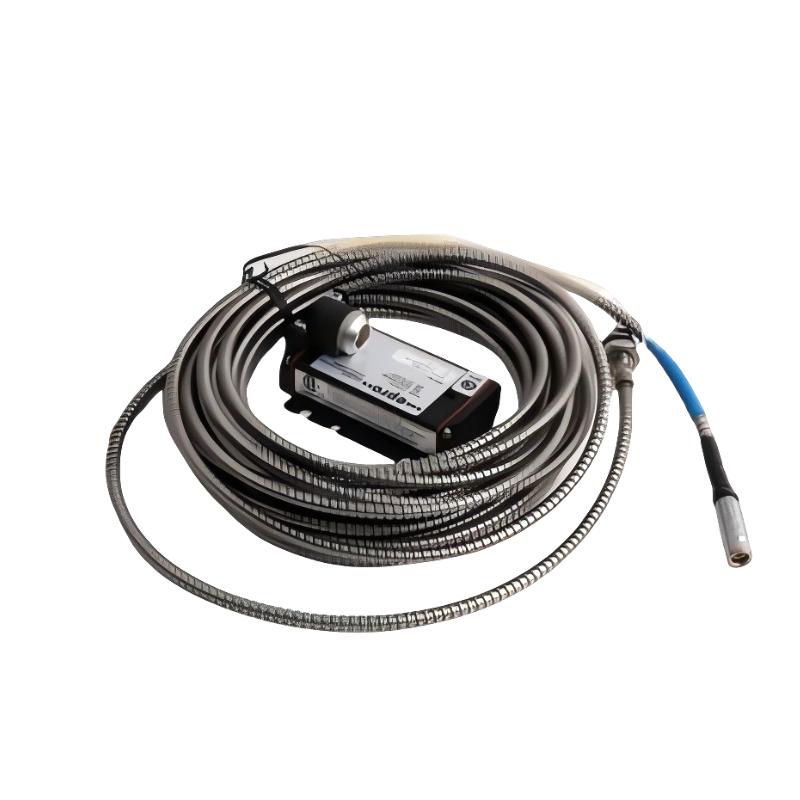
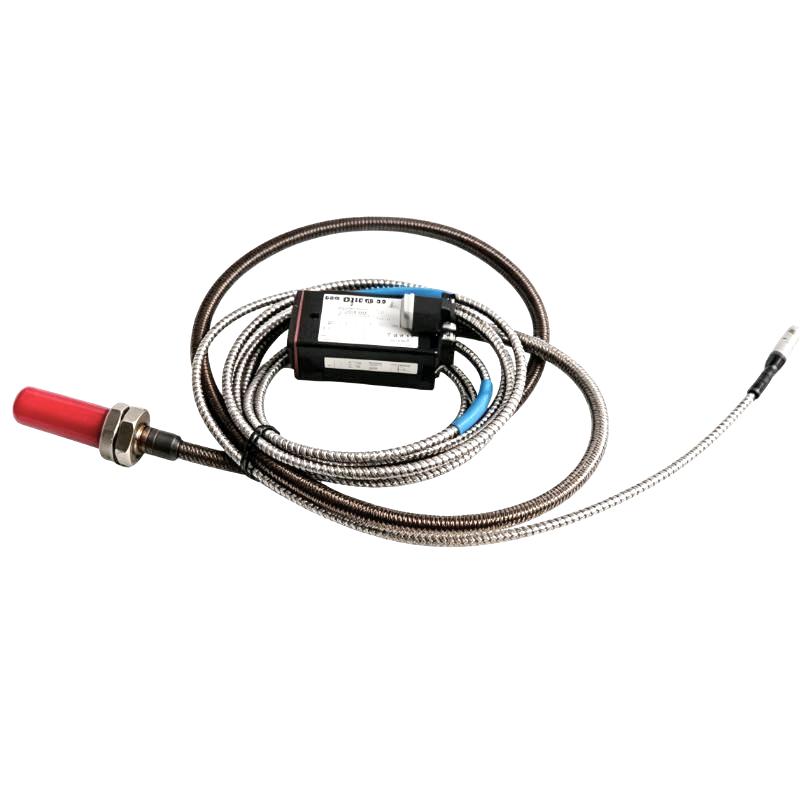
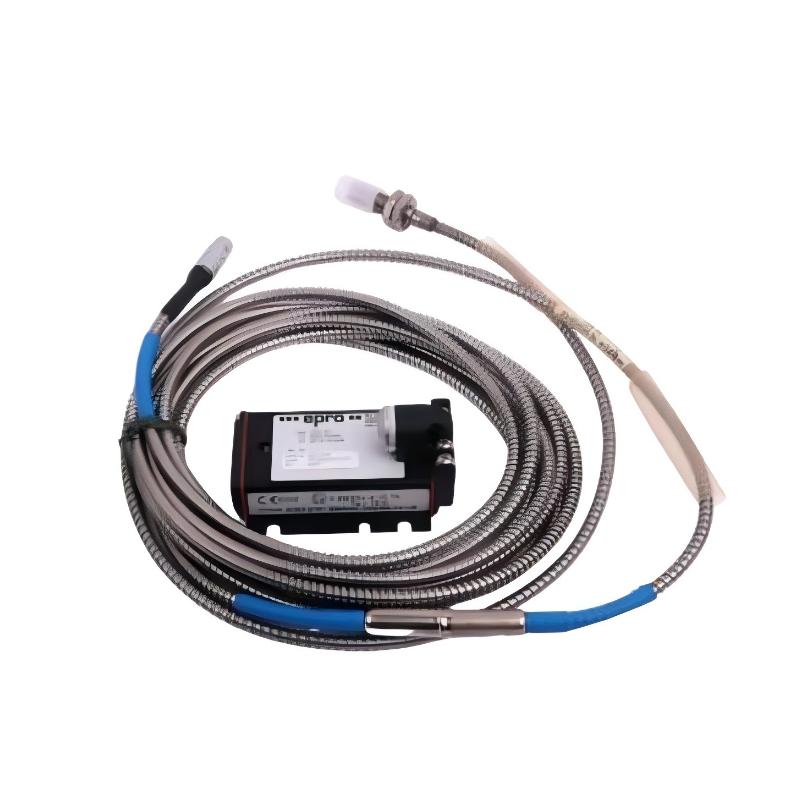
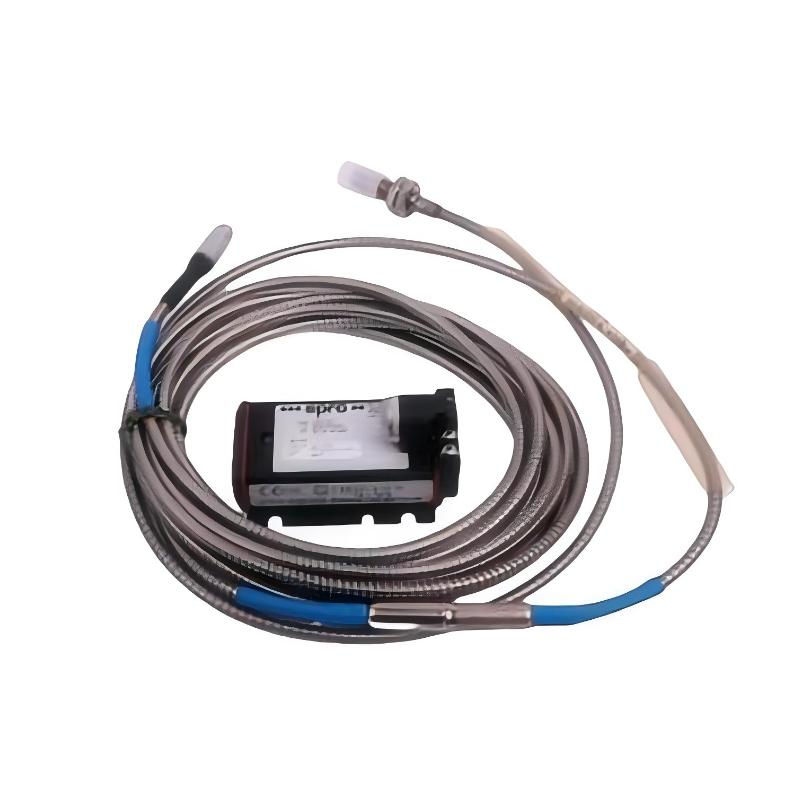
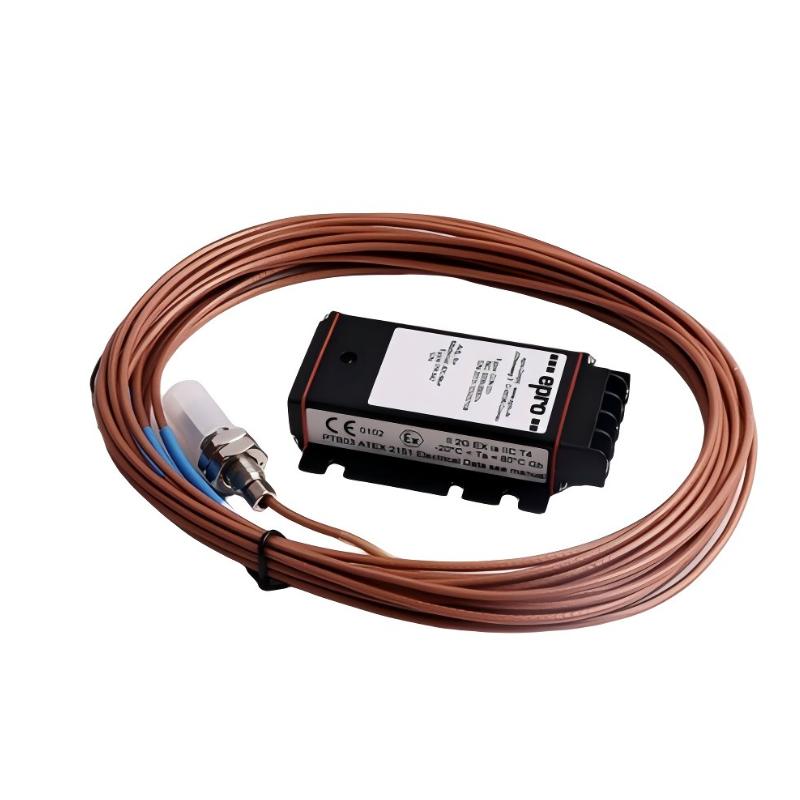
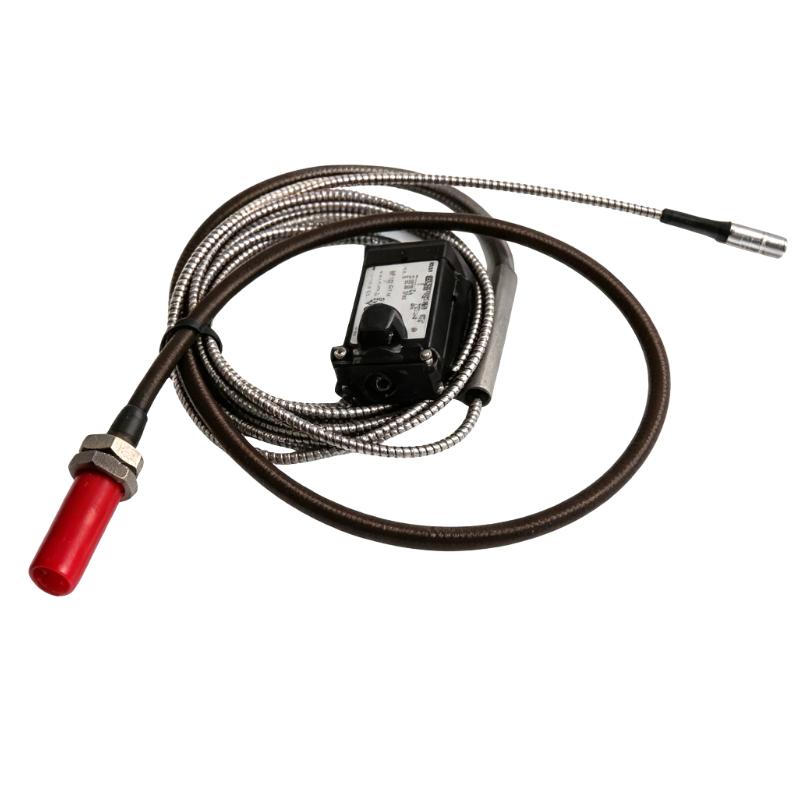
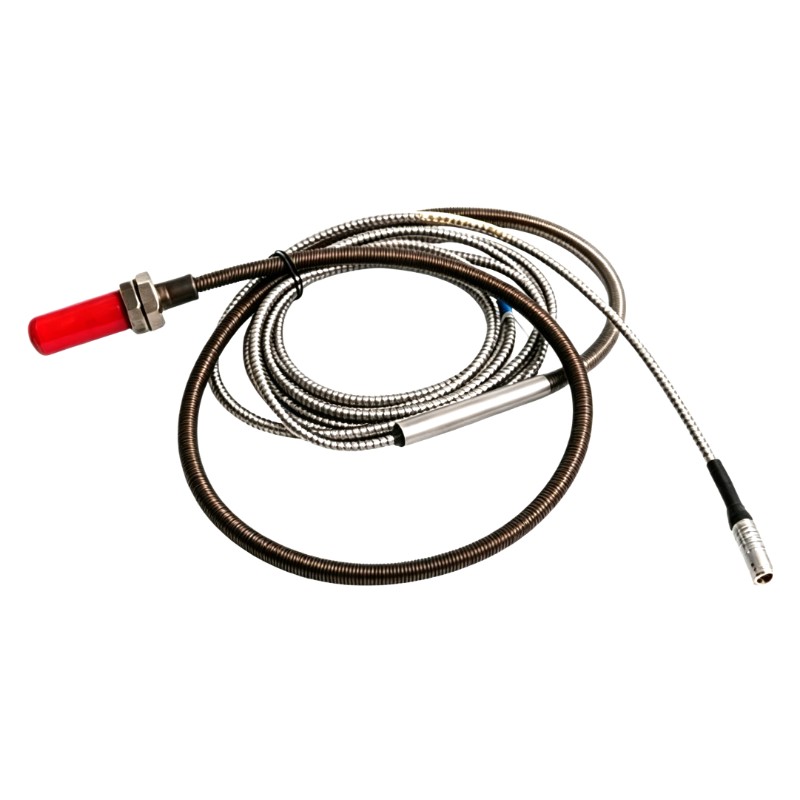
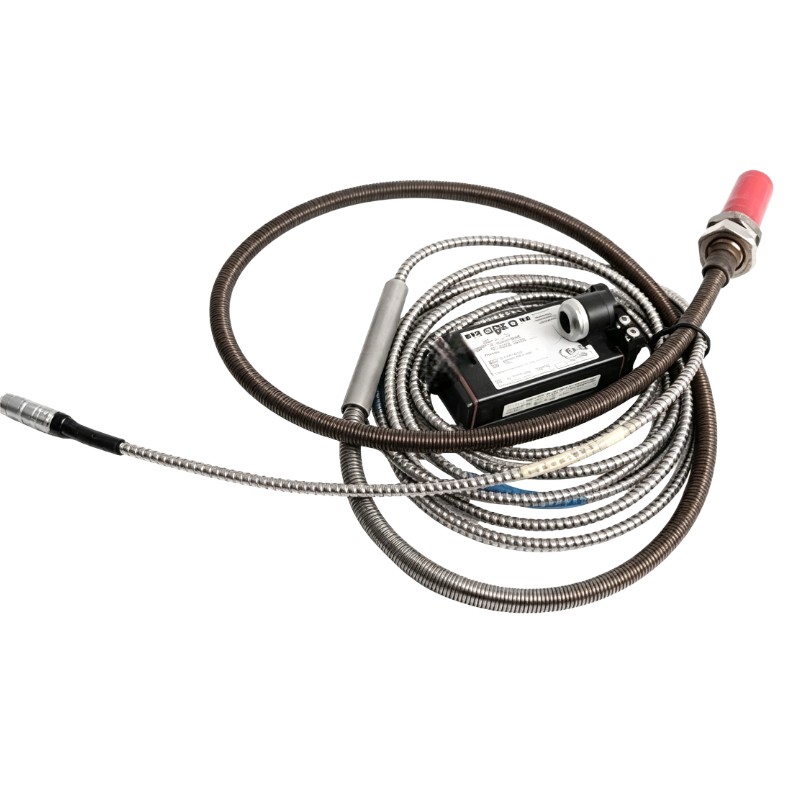
The Epro PR6425/010-130 16 mm Eddy Current Sensor is a non-contact displacement and vibration sensor designed for monitoring the mechanical condition of rotating machinery. It belongs to the PR6425 high-temperature sensor family and is used in applications where accurate shaft-position and movement measurements are important for equipment protection and condition monitoring.
Manufactured for demanding machinery environments, the PR6425 series is designed for applications involving steam turbines, gas turbines, compressors, pumps, blowers, and industrial fans. The sensor measures the distance between its sensing tip and a conductive target without making physical contact. This allows it to monitor shaft movement while avoiding the mechanical wear associated with contact-based measurement devices.
The PR6425/010-130 uses a 16 mm sensor-head design and an M18 × 1.5 mounting thread. Its eddy current sensing principle enables it to detect changes in the position of a conductive metal surface. When installed with a compatible signal converter, the sensor can provide measurement information for shaft vibration, radial displacement, axial position, eccentricity, and other mechanical conditions.
One of the important characteristics of the PR6425 series is its high-temperature capability. The sensor is designed for demanding turbomachinery environments, with a specified operating temperature range extending to 380°C under the applicable installation conditions. This makes it particularly relevant to machinery where conventional proximity probes may not be suitable for the temperature requirements.
The PR6425/010-130 is typically used as part of a complete measurement chain rather than as an independent monitoring instrument. The sensor, extension cable where applicable, signal converter, and monitoring equipment must be correctly matched to obtain reliable measurement results.
Technical Specifications
| Parameter | Specification |
|---|---|
| Brand | Epro |
| Manufacturer | Emerson |
| Model | PR6425/010-130 |
| Product Series | PR6425 |
| Product Type | 16 mm Eddy Current Sensor |
| Sensor Technology | Non-contact eddy current |
| Sensor Head Diameter | 16 mm |
| Mounting Thread | M18 × 1.5 |
| Sensitivity | 4 V/mm (101.6 mV/mil), ±2% maximum |
| Nominal Center Air Gap | Approximately 2.6 mm |
| Static Measurement Range | ±2.0 mm |
| Dynamic Measurement Range | 0 to 1,000 μm peak-to-peak |
| Linearity Error | ≤ ±2.0% |
| Long-Term Drift | Less than 0.3% |
| Operating Temperature | -35 to 380°C |
| Short-Term Temperature Excursion | Up to 400°C for less than 4 hours, subject to specified conditions |
| Target Material | Ferromagnetic steel, 42CrMo4 standard |
| Maximum Target Surface Speed | 2,500 m/s |
| Recommended Shaft Diameter | 80 mm or greater |
| Sensor Sleeve Material | Stainless steel |
| Cable Material | PTFE |
| Maximum Cable Temperature | First meter: -40 to 380°C; remaining length: -40 to 200°C |
| Sensor Head Pressure Resistance | 2,000 hPa |
| Shock and Vibration | 5 g at 60 Hz and 25°C |
| Cable Bend Radius | Minimum 35 mm for armored cable |
| Dimensions | 16 mm sensor-head diameter |
| Weight Provided | 0.5 kg |
Note: The approximately 500 g reference weight in the PR6425 technical documentation applies to the sensor and 1 m cable assembly. Actual supplied weight may vary with cable length and accessories.
Function and Working Principle
The PR6425/010-130 operates using the eddy current principle. It measures the distance between the sensor tip and a conductive target by detecting changes in the electromagnetic field generated at the sensing end.
1. Eddy Current Generation
The sensor contains an electrical coil inside its sensing assembly. When the compatible signal converter supplies the required excitation, the coil generates an alternating electromagnetic field around the sensor tip.
When a conductive metal target, such as a rotating machine shaft, enters this field, electrical currents known as eddy currents are induced in the target surface.
These currents create an opposing electromagnetic field that influences the electrical characteristics of the sensor coil.
2. Distance Measurement
The relationship between the sensor coil and the conductive target changes as the distance between them changes.
When the shaft moves closer to the sensor, the induced eddy currents change. When the shaft moves farther away, the electromagnetic interaction changes in the opposite direction.
The signal converter evaluates these changes and converts them into an electrical output corresponding to the measured displacement.
This arrangement enables non-contact measurement of shaft position and movement without requiring the sensor to touch the rotating component.
3. Displacement and Vibration Monitoring
The sensor can be used to measure both static and dynamic shaft displacement.
Static measurements provide information about the shaft’s position relative to the sensor. Dynamic measurements help identify periodic movement caused by shaft vibration, imbalance, misalignment, or other mechanical conditions.
For vibration monitoring, the measurement system evaluates the changing displacement signal over time. The resulting data can help maintenance personnel identify abnormal machine behavior before it develops into a more serious equipment problem.
4. High-Temperature Operation
The PR6425 series is designed for applications requiring high-temperature displacement measurement.
Its sensing construction and specified cable materials allow it to operate in demanding turbomachinery environments. The sensor head can withstand operating temperatures up to 380°C under the specified conditions.
Cable temperature limits must be considered separately. The first meter of cable has a higher temperature rating than the remaining cable length, so routing and installation should account for the actual temperature distribution around the machine.
5. Signal Conversion
The sensor forms part of a measurement system that normally includes a compatible signal converter.
The converter supplies the sensor excitation and converts the sensor response into a usable output signal. This output can then be connected to a machinery protection monitor, condition-monitoring system, or suitable measurement equipment.
The sensor and converter must be selected as a matched combination. Using an incompatible converter can result in incorrect calibration, measurement errors, or unreliable monitoring.
Role in Industrial Machinery Protection Systems
The PR6425/010-130 is designed for machinery monitoring applications where shaft displacement and vibration provide important information about mechanical condition.
Shaft Position Monitoring
In rotating machinery, shaft position can change because of bearing wear, thermal expansion, mechanical loading, or other operating conditions.
A non-contact displacement sensor can continuously measure the relative position of the shaft and provide information to the monitoring system.
This is particularly useful for machines with sleeve bearings, where direct shaft measurements can provide information that may not be accurately represented by measurements taken only from the bearing housing.
Radial Vibration Monitoring
Radial vibration refers to shaft movement perpendicular to the shaft centerline.
By measuring changes in the distance between the sensor and the shaft surface, the PR6425 measurement system can provide data for evaluating radial shaft vibration.
This information can help maintenance teams investigate imbalance, misalignment, bearing-related problems, and other mechanical abnormalities.
Axial Displacement Monitoring
Axial displacement describes movement along the shaft’s longitudinal direction.
In turbines and compressors, excessive axial movement may indicate thrust-bearing problems or changes in the machine’s internal operating conditions.
When installed in a suitable position and connected to the appropriate monitoring system, the PR6425 can provide measurements used to evaluate axial shaft position.
Machinery Condition Monitoring
Continuous measurement data can be used to establish normal operating baselines and identify changes in machine behavior.
Monitoring systems can compare current measurements with configured alarm and trip limits. Maintenance personnel can then investigate abnormal trends and determine whether inspection or corrective maintenance is necessary.
The sensor itself provides measurement information; alarm processing, protection logic, and shutdown functions are handled by the connected monitoring equipment.
Industrial Applications
1. Steam Turbines
Steam turbines operate under high-temperature and high-speed conditions. Shaft position and vibration measurements are important for monitoring rotor behavior and detecting abnormal mechanical movement.
The PR6425 series is suitable for high-temperature turbomachinery measurement applications where its specified temperature range and installation requirements can be met.
2. Gas Turbines
Gas turbines require reliable monitoring of rotating components because mechanical abnormalities can affect operating stability and equipment availability.
Non-contact eddy current sensors can be used to measure shaft displacement and vibration at appropriate monitoring locations.
The PR6425’s high-temperature design makes it relevant to selected turbine monitoring applications, subject to the actual sensor mounting location and cable temperature limits.
3. Industrial Compressors
Large industrial compressors operate with rotating shafts and precision bearing assemblies. Changes in shaft position or vibration can indicate mechanical conditions requiring investigation.
The PR6425/010-130 can provide non-contact measurements for compatible compressor monitoring systems.
4. Pumps
Industrial pumps used in refineries, chemical plants, power stations, and other process facilities may require continuous shaft monitoring.
Where the machine design and monitoring architecture support proximity measurement, the sensor can provide information about shaft movement and mechanical stability.
5. Blowers and Industrial Fans
Large blowers and fans can experience vibration caused by imbalance, bearing wear, or mechanical misalignment.
A properly installed eddy current sensor can monitor shaft movement and provide data for condition-monitoring applications.
6. Power Generation Equipment
Power generation facilities depend on rotating machinery for continuous operation. Turbine and auxiliary equipment monitoring helps maintenance teams identify changes in mechanical condition.
The PR6425 series can be considered for suitable high-temperature shaft displacement measurement points in power-generation equipment.
Installation and System Integration
Correct installation is essential for measurement accuracy and reliable operation.
1. Mechanical Mounting
The PR6425 sensor uses an M18 × 1.5 mounting thread. The sensor should be installed in a rigid, vibration-free holder designed for the corresponding mounting thread.
A stable mounting arrangement is important because movement of the sensor housing can introduce errors into the measured displacement signal.
Before installation, inspect the mounting threads and make sure they are clean and free from damage.
2. Sensor-to-Shaft Air Gap
The distance between the sensing tip and the target surface must be adjusted according to the measurement system requirements.
The PR6425 series has a nominal center air gap of approximately 2.6 mm. This is a reference value rather than a universal installation setting for every application.
Final adjustment should be performed using the complete sensor and converter measurement chain. The converter output can be monitored during adjustment to establish the required operating position.
Avoid allowing the sensor tip to contact the rotating shaft.
3. Cable Routing
The sensor cable must be routed carefully to avoid excessive bending, twisting, or mechanical damage.
For the armored cable configuration, the minimum bend radius is 35 mm. Cable routing should also keep the wiring away from excessive heat, sharp edges, moving components, and sources of electromagnetic interference.
The first meter of cable has a different temperature rating from the remaining length. This distinction should be considered when installing the sensor near a hot turbine or compressor casing.
4. Signal Converter Compatibility
The PR6425/010-130 must be paired with a compatible signal converter designed for the PR6425 sensor family and the required measurement range.
The converter provides the excitation and signal-conditioning functions needed for measurement. Its calibration and configuration must match the probe and cable arrangement.
Do not assume that all PR6425 converters or accessories are interchangeable. Verify the complete model numbers and calibration requirements before connecting the system.
5. Electrical Connections
Connect the sensor cable to the specified converter input using the correct connector and wiring arrangement.
Keep sensor signal wiring separated from high-power conductors where required. Avoid unnecessary cable extensions or connector substitutions because they may affect measurement performance.
All connections should follow the manufacturer’s installation instructions.
6. Commissioning and Calibration
After mechanical and electrical installation, verify the complete measurement chain.
Commissioning should include:
- Checking the sensor model and converter compatibility.
- Inspecting the sensor mounting and cable routing.
- Setting the required initial air gap.
- Confirming the converter output response.
- Verifying the measurement range and sensitivity.
- Checking the monitoring system’s displayed values.
- Establishing appropriate operating alarm limits.
The final calibration should reflect the actual sensor, cable, converter, and target material combination.
Compatible System Components
The PR6425/010-130 is normally integrated into a complete machinery monitoring system.
| Component | Function | Compatibility Considerations |
|---|---|---|
| PR6425 signal converter | Excites the sensor and conditions its signal | Must match the probe type and measurement calibration |
| Extension cable | Connects the sensor to the converter | Confirm cable type, length, connectors, and temperature rating |
| Machinery protection monitor | Processes displacement and vibration measurements | Verify input compatibility and measurement configuration |
| PLC or DCS | Receives process or monitoring information | Integration depends on the monitoring system’s available outputs |
| Vibration monitoring system | Evaluates shaft movement and vibration trends | Configure suitable measurement channels and alarm limits |
| Sensor mounting bracket | Holds the probe in position | Must provide a rigid and vibration-free installation |
| Conductive shaft target | Provides the surface measured by the sensor | Confirm target material and surface condition |
| Monitoring cabinet | Houses converters and signal-processing equipment | Provide appropriate environmental and electrical protection |
The exact components required depend on the monitoring architecture. The sensor alone does not provide a complete measurement or protection system.
Alternative Models and Replacement Considerations
The PR6425 belongs to the Epro/Emerson PR642x eddy current sensor family. Other models in the family may have different sensing characteristics and are not automatically interchangeable.
| Related Model | General Product Type | Replacement Considerations |
|---|---|---|
| PR6422 | Eddy current sensor | Verify sensor dimensions, measurement range, and converter compatibility |
| PR6423 | Eddy current sensor | Check probe configuration and calibration requirements |
| PR6424 | 16 mm eddy current sensor | Review temperature rating and application requirements |
| PR6425 | 16 mm high-temperature eddy current sensor | Confirm the complete model suffix and measurement configuration |
| PR6426 | Eddy current sensor | Verify the specific installation and measurement requirements |
When selecting a replacement, compare:
- Complete sensor model and suffix.
- Sensor-head diameter and mounting thread.
- Measurement range and sensitivity.
- Operating temperature limits.
- Cable type and cable length.
- Connector configuration.
- Target material requirements.
- Compatible signal converter.
- Calibration and monitoring-system settings.
A probe with the same nominal diameter may still have different electrical or mechanical characteristics. Always confirm compatibility with the installed converter and monitoring equipment.
Key Advantages
Non-Contact Measurement
The eddy current sensing principle measures shaft displacement without physical contact. This avoids direct mechanical wear at the sensing interface.
High-Temperature Capability
The PR6425 series is designed for demanding high-temperature applications, with a specified operating range extending to 380°C under the stated conditions.
Shaft Displacement Measurement
The sensor can provide information about radial and axial shaft movement when installed in an appropriate measurement arrangement.
Dynamic Vibration Monitoring
Its dynamic measurement capability supports monitoring of shaft vibration and movement in rotating machinery.
Industrial Construction
The stainless-steel sensor sleeve and specified cable materials are designed for demanding industrial applications.
Integration with Machinery Monitoring Systems
When paired with a compatible converter, the sensor can provide measurement signals for machinery protection and condition-monitoring equipment.
Suitable for Critical Rotating Machinery
The PR6425 series is designed for use in applications involving turbines, compressors, pumps, blowers, and fans.
Technical FAQs
1. What is the Epro PR6425/010-130?
The Epro PR6425/010-130 is a 16 mm high-temperature eddy current sensor designed for non-contact measurement of shaft displacement and vibration in rotating machinery.
2. What is the sensor-head diameter?
The sensor-head diameter is 16 mm. The mounting body uses an M18 × 1.5 thread.
3. What is the measurement principle?
It uses the eddy current principle. An alternating electromagnetic field interacts with a conductive target, and changes in the interaction are converted into a displacement-related electrical signal by a compatible converter.
4. What is the measurement range?
The PR6425 series documentation specifies a static range of ±2.0 mm and a dynamic range of 0 to 1,000 μm peak-to-peak.
5. What is the sensitivity of the PR6425 sensor?
The specified sensitivity is 4 V/mm, equivalent to approximately 101.6 mV/mil, with a maximum tolerance of ±2%.
6. What is the nominal air gap?
The nominal center air gap is approximately 2.6 mm. The final installation gap must be adjusted using the complete sensor and converter measurement chain.
7. Can the PR6425 operate at high temperatures?
Yes. The PR6425 series is designed for high-temperature measurement applications, with a specified operating range of -35 to 380°C. Short-term excursions up to 400°C are specified for periods under four hours, subject to the manufacturer’s conditions.
8. What materials can the sensor measure?
The specified standard target material is ferromagnetic steel, with 42CrMo4 used as the reference material. Other target materials may require different calibration considerations.
9. Does the sensor work without a signal converter?
The sensor is normally used with a compatible signal converter. The converter supplies excitation and converts the sensor response into a usable measurement signal.
10. What should be checked before replacing an existing PR6425 sensor?
Verify the complete model number, probe diameter, mounting thread, cable arrangement, converter compatibility, measurement range, and temperature requirements. Confirm the initial air gap and calibration after installation.
Procurement and Maintenance Recommendations
When purchasing an Epro PR6425/010-130, verify the complete model number printed on the sensor identification label. The suffix is important because sensor configurations, cable arrangements, and calibration requirements can differ.
For replacement projects, compare the existing sensor with the proposed unit before installation. Check the mounting thread, sensor-head dimensions, cable connector, cable length, and compatible converter. A mechanically similar probe may not provide the same measurement characteristics.
During maintenance, inspect the sensor housing, mounting threads, cable armor, connectors, and cable routing. Look for damaged insulation, excessive bending, loose mounting hardware, and signs of overheating.
The sensor-to-shaft air gap should be checked according to the manufacturer’s procedure. If measurement values become unstable, investigate the sensor, cable, converter, target surface, and mounting arrangement as a complete measurement chain rather than replacing the probe without further diagnosis.
For critical rotating machinery, maintain records of the installed sensor model, converter configuration, calibration data, and baseline measurement values. This information helps maintenance teams identify changes in operating conditions and supports accurate replacement planning.
Conclusion
The Epro PR6425/010-130 16 mm Eddy Current Sensor is designed for non-contact shaft displacement and vibration measurement in demanding rotating machinery applications. Its 16 mm sensing head, M18 × 1.5 mounting thread, 4 V/mm sensitivity, and high-temperature capability make it suitable for selected turbine, compressor, pump, and fan monitoring installations.
For reliable operation, the sensor must be installed with the correct air gap and paired with a compatible signal converter and monitoring system. Verifying the complete model number, cable arrangement, target material, and temperature conditions is essential when purchasing or replacing this sensor.