

ProductPRODUCT
Featured products
Contact Us
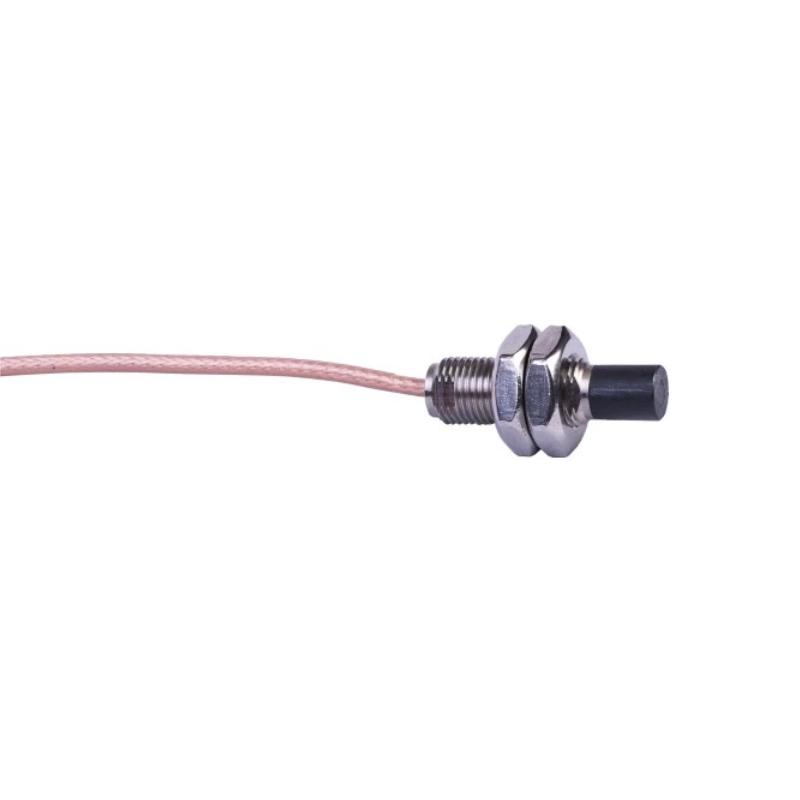
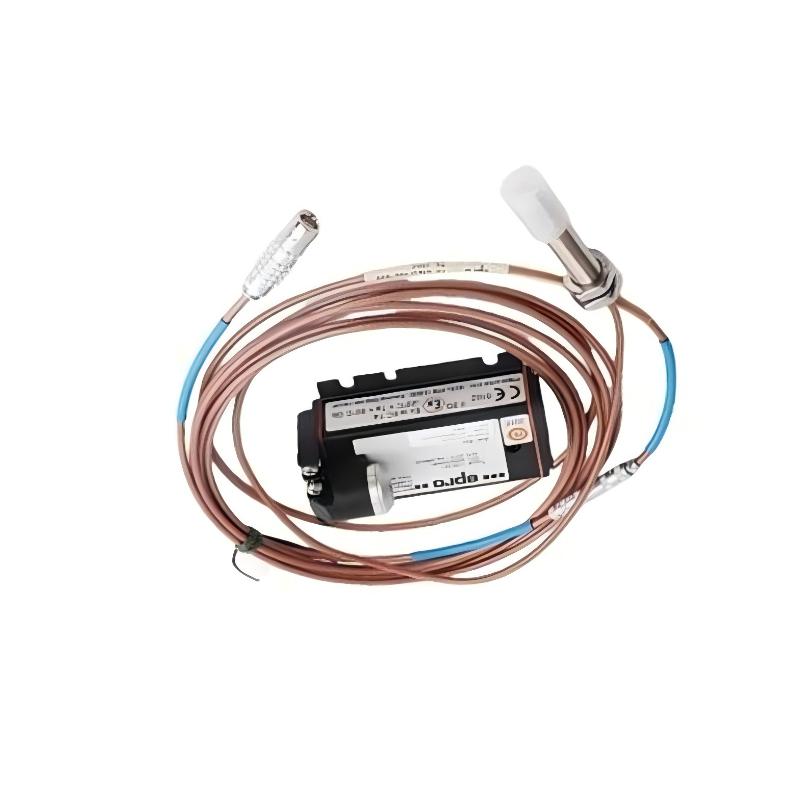
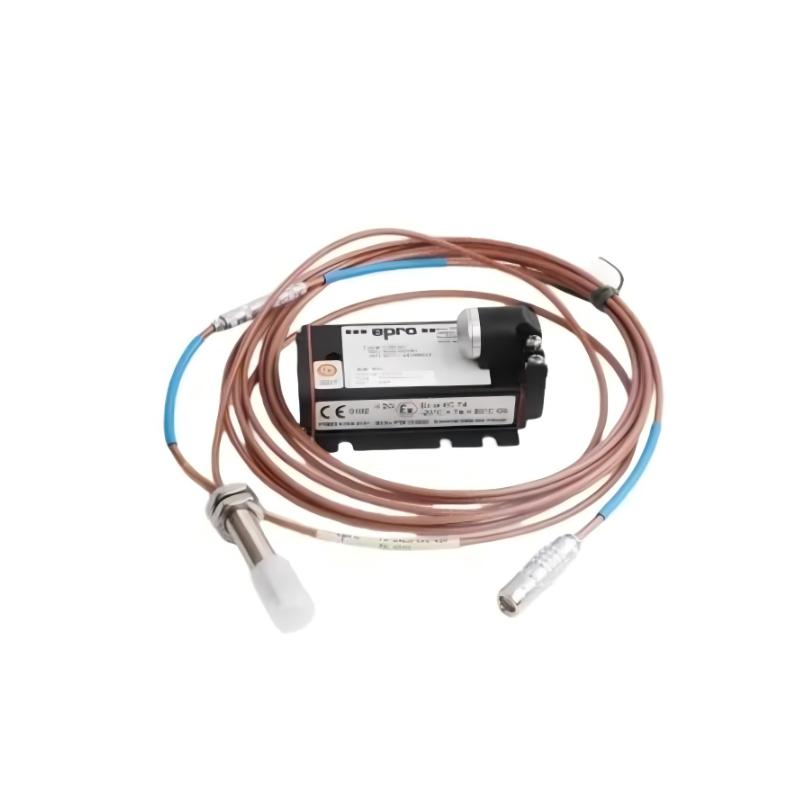
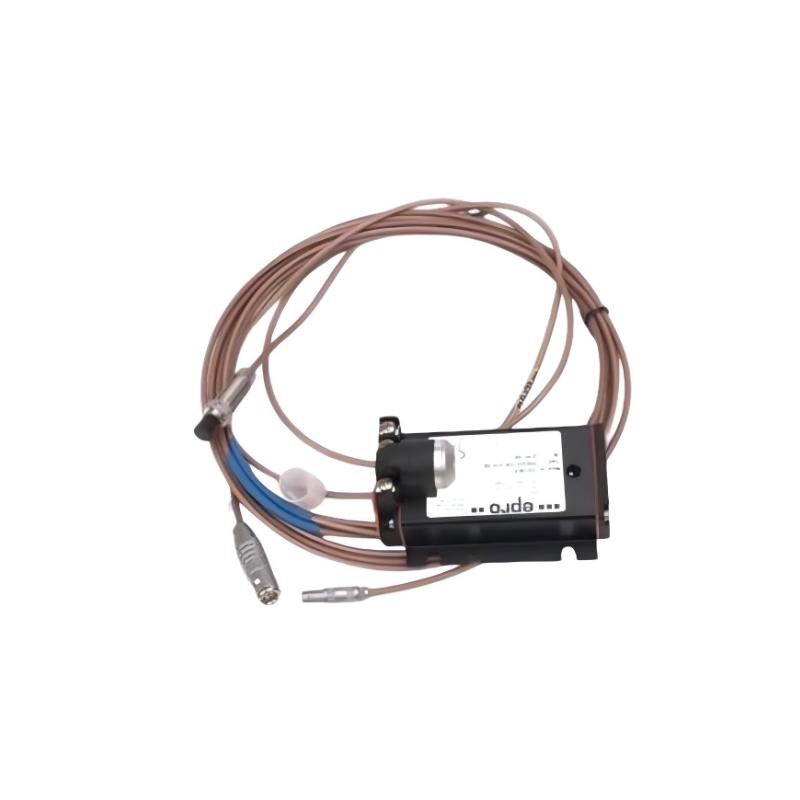
- Epro
- PR6423/000-141
- 8mm Eddy Current Sensor
- Germany
- 8 mm
- 0.1 kg
- Xiamen, China
- New & In Stock
- T/T, PayPal, Western Union
- 1 Year
- 1-3 Working Days
- DHL, UPS, TNT, FedEx and EMS.
- 24-Hour Service
- COO
- 53
Our advantage

Global Logistics
We have a 10-year logistics and express cooperation agreement, so our products can be shipped to any place in the world.

Brand new and original
Our products are imported in bulk from the place of origin. Because of the cooperative relationship, our products are all original and 100% new.

24-hour service
We provide 7*24 hours service to our customers. We will be there whenever you need us.

Price advantage
All our products are priced very favorably because we have our own warehouse and supply.
| Company Information | |||
| [email protected] | |||
| Mobile | +8615980777398 | ||
| +8615980777398 | |||
| 15980777398 |
Product Overview
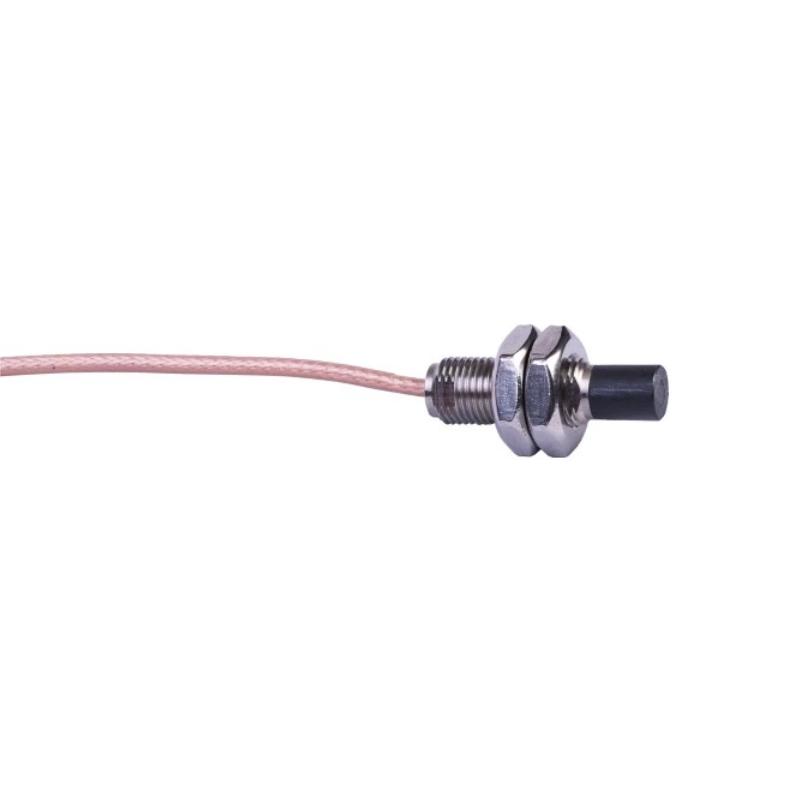
The Epro PR6423/000-141 8mm Eddy Current Sensor is a non-contact proximity and displacement sensor for monitoring the relative position and movement of conductive components in rotating machinery. It belongs to the Epro PR6423 sensor family and is suited to applications where shaft movement needs to be measured without physically contacting the rotating surface.
The probe works by detecting changes in the electromagnetic interaction between its sensing tip and a conductive target. As the distance between the probe and the machine shaft changes, the resulting electrical signal changes accordingly.
This makes the sensor suitable for machinery-monitoring arrangements where continuous observation of shaft position, movement, or mechanical behavior is required.
Technical Specifications
| Parameter | Specification |
|---|---|
| Manufacturer | Epro |
| Model | PR6423/000-141 |
| Product Type | Eddy Current Sensor |
| Sensor Series | PR6423 |
| Sensor Head Diameter | 8 mm |
| Measurement Method | Eddy Current / Non-Contact |
| Typical Application | Rotating Machinery Monitoring |
| Dimensions | Sensor Head Diameter: 8 mm |
| Weight | 0.1 kg |
Main Features
- Epro PR6423 series eddy current sensor
- 8 mm sensor head
- Non-contact sensing principle
- Suitable for conductive metal targets
- Detects changes in probe-to-target distance
- Suitable for rotating machinery
- Can be used for shaft-position and displacement monitoring
- Supports continuous measurement applications
- Suitable for integration with compatible monitoring electronics
- Compact sensing element for machinery-monitoring installations
Working Principle
The PR6423/000-141 uses electromagnetic induction to detect the distance between the probe and a conductive target.
When the probe operates near a conductive shaft, the electromagnetic field generated at the sensing tip induces eddy currents in the target material. The electrical characteristics of this interaction vary as the gap between the probe and target changes.
The measurement process can be simplified as:
Rotating Shaft → Eddy Current Interaction → Probe Signal → Signal Conditioning → Monitoring System
When the shaft moves toward or away from the probe, the resulting signal changes. The associated monitoring electronics can then interpret this signal as a change in shaft position or displacement.
Because the probe does not need to physically contact the shaft, the sensing element can remain fixed while the monitored component rotates.
Shaft Monitoring Applications
The PR6423/000-141 can be used where small changes in the position of a rotating component need to be detected.
Typical measurement applications include:
- Shaft displacement
- Radial shaft movement
- Axial position
- Rotor position
- Shaft vibration-related movement
- Probe-to-target gap monitoring
For critical rotating equipment, the sensor can form part of a larger machinery protection or condition-monitoring channel.
The actual measurement function depends on the installation geometry, associated electronics, target characteristics, and monitoring-system configuration.
Industrial Applications
| Application | Typical Function |
|---|---|
| Steam Turbines | Shaft and rotor movement monitoring |
| Gas Turbines | Non-contact shaft measurement |
| Compressors | Rotor displacement monitoring |
| Pumps | Shaft movement detection |
| Generators | Rotor position monitoring |
| Expanders | Shaft displacement measurement |
| Turbo Machinery | Continuous machinery monitoring |
| Industrial Rotating Equipment | Non-contact proximity measurement |
The sensor is particularly useful in applications where the monitored shaft operates continuously and direct mechanical contact is undesirable.
Installation and Maintenance
The sensor should be mounted securely and positioned correctly relative to the conductive target.
Important installation checks include:
- Probe mounting position
- Probe-to-target gap
- Target material
- Shaft surface condition
- Sensor cable routing
- Connector condition
- Signal-conditioning equipment
- Monitoring-system input
The probe mounting must remain mechanically stable. If the probe itself moves during operation, the monitoring system may interpret that movement as a change in shaft position.
During maintenance, inspect the sensing tip for contamination or physical damage and examine the cable and connections for deterioration.
If the output becomes unstable, check the mechanical installation and probe gap first, followed by the cable, associated electronics, and monitoring-system input.
Related Components
| Component | Function |
|---|---|
| Eddy Current Signal Converter | Processes the probe signal |
| Probe Cable | Connects the sensor to the associated electronics |
| Machinery Monitoring System | Receives and evaluates measurement data |
| Monitoring Rack | Provides signal processing and protection functions |
| Shaft / Rotor | Provides the conductive measurement target |
| Sensor Mounting Hardware | Maintains probe position |
| Alarm / Protection System | Responds to configured machine conditions |
The PR6423/000-141 is normally part of a complete measurement channel rather than an isolated monitoring device.
Recommended Related Models
| Model | Product Type | Main Function | Typical Application |
|---|---|---|---|
| Epro PR6423/000-141 | 8mm Eddy Current Sensor | Non-contact displacement sensing | Rotating machinery |
| Epro PR6423/001-010 | 8mm Eddy Current Sensor | Shaft displacement measurement | Machinery monitoring |
| Epro PR6423/001-000+CON021 | Eddy Current Sensor + Signal Converter | Sensor measurement and signal conversion | Rotating equipment |
| Epro PR6423 Series | Eddy Current Sensor | Non-contact shaft monitoring | Turbomachinery |
| Epro CON021 | Eddy Current Signal Converter | Probe signal conditioning | Eddy current systems |
| Bently Nevada 3300 XL Proximity Probe | Eddy Current Proximity Probe | Shaft displacement measurement | Critical machinery |
When selecting a replacement sensor, the probe, signal converter, cable, mounting arrangement, and monitoring system should be checked as one measurement chain.
Key Advantages
- Non-contact eddy current sensing
- Suitable for conductive rotating targets
- 8 mm sensor head
- Suitable for shaft movement monitoring
- Supports continuous machinery measurement
- No physical contact with the rotating component
- Useful for turbine and compressor applications
- Can be integrated with compatible machinery-monitoring electronics
- Suitable for condition-monitoring and machine-protection applications
Technical FAQs
What is the Epro PR6423/000-141 used for?
The PR6423/000-141 is an eddy current sensor used for non-contact monitoring of the relative position or movement of conductive machine components, particularly rotating shafts.
What does the 8 mm specification indicate?
The 8 mm specification refers to the diameter of the sensor head. It describes the physical size of the sensing head rather than its measurement range.
Can this sensor measure a rotating shaft without contact?
Yes. Eddy current sensing detects the electromagnetic interaction between the probe and a conductive target, allowing the shaft to rotate without physically contacting the sensor.
What factors can affect the sensor measurement?
Probe installation, target material, probe-to-target gap, shaft surface condition, cable integrity, signal-conditioning electronics, and the downstream monitoring system can all influence the measurement. These factors should be checked together when troubleshooting.