

ProductPRODUCT
Featured products
Contact Us
- Emerson
- VE4003S2B5
- Analog Input Card
- USA
- 107 x 41 x 105 mm
- 0.36 kg
- Xiamen, China
- New & In Stock
- T/T, PayPal, Western Union
- 1 Year
- 1-3 Working Days
- DHL, UPS, TNT, FedEx and EMS.
- 24-Hour Service
- COO
- 3
Our advantage

Global Logistics
We have a 10-year logistics and express cooperation agreement, so our products can be shipped to any place in the world.

Brand new and original
Our products are imported in bulk from the place of origin. Because of the cooperative relationship, our products are all original and 100% new.

24-hour service
We provide 7*24 hours service to our customers. We will be there whenever you need us.

Price advantage
All our products are priced very favorably because we have our own warehouse and supply.
| Company Information | |||
| [email protected] | |||
| Mobile | +8615980777398 | ||
| +8615980777398 | |||
| 15980777398 |
Product Overview
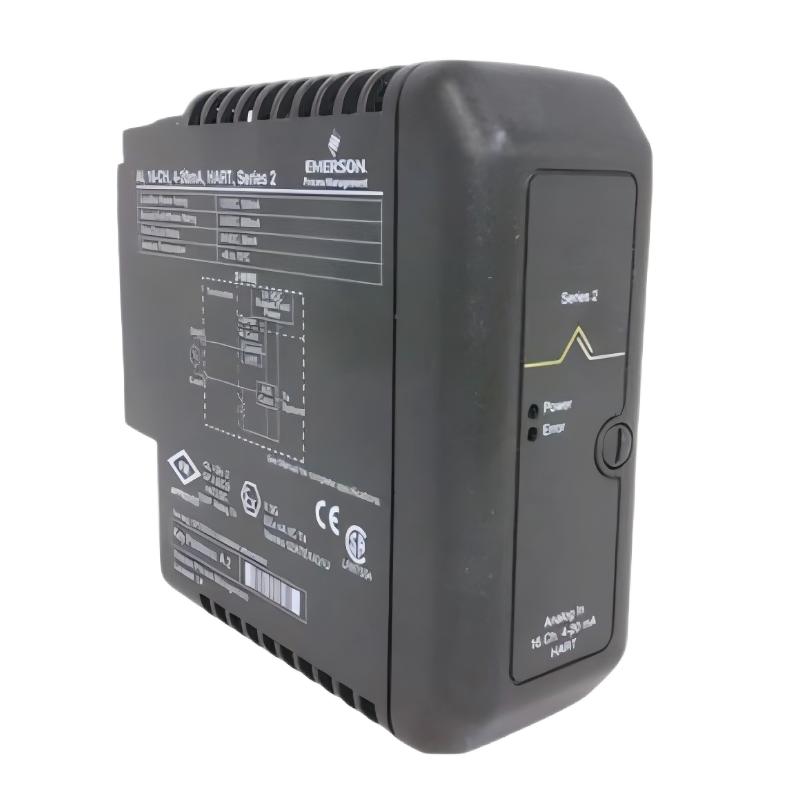
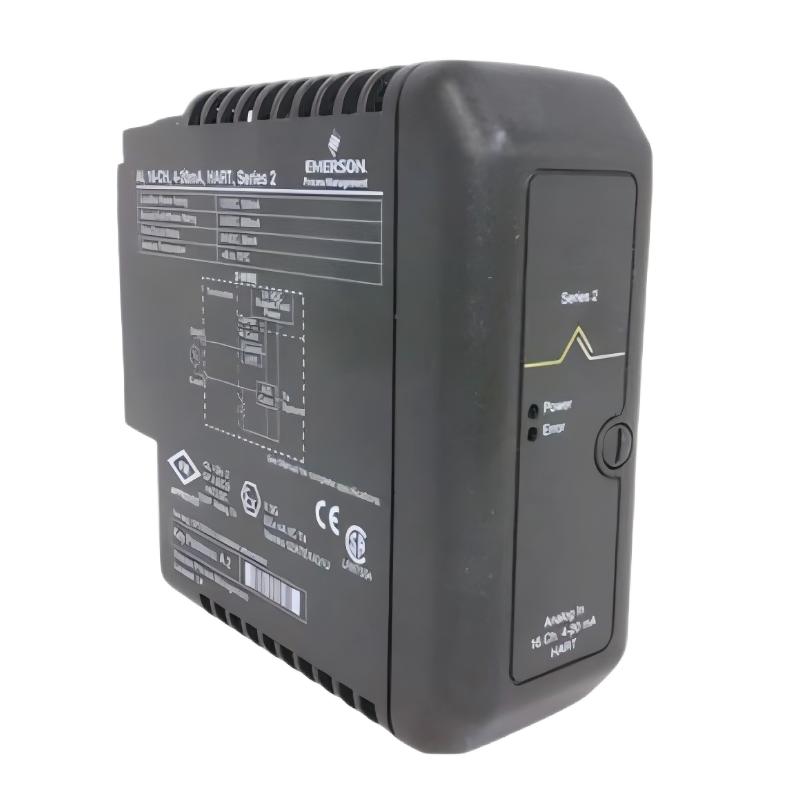
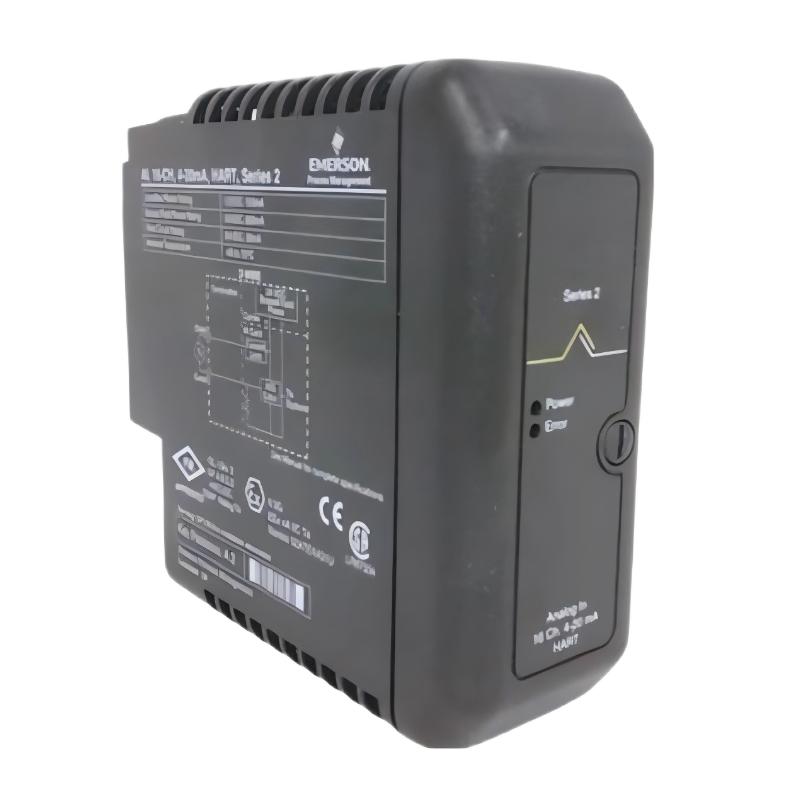
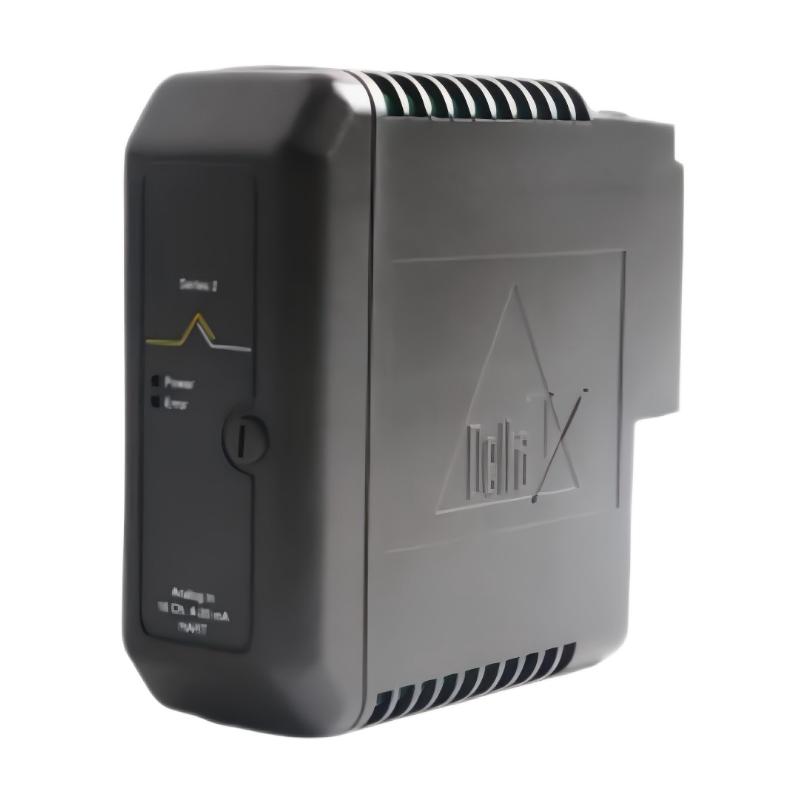
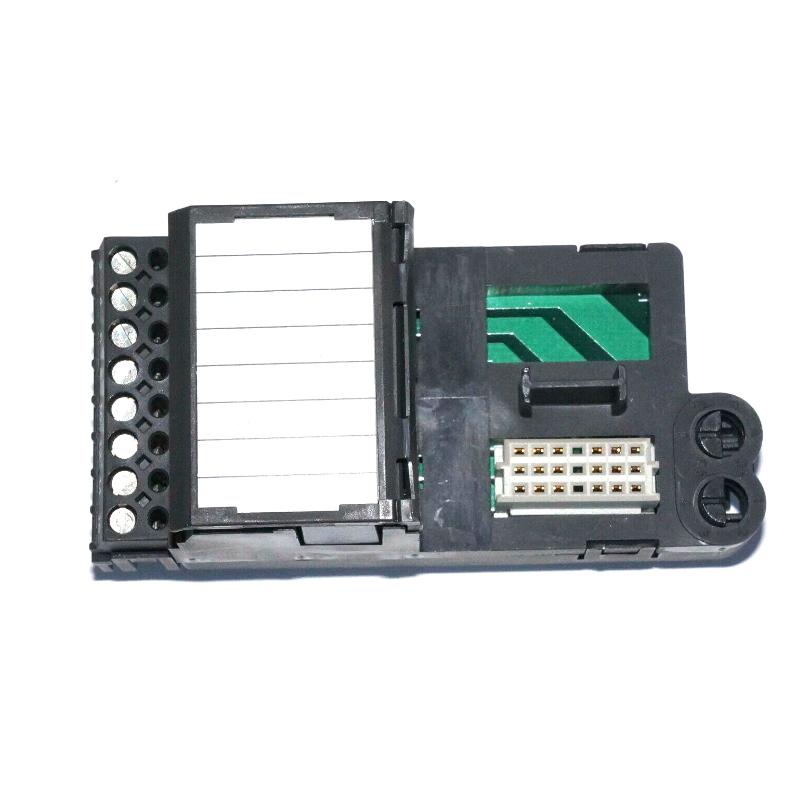
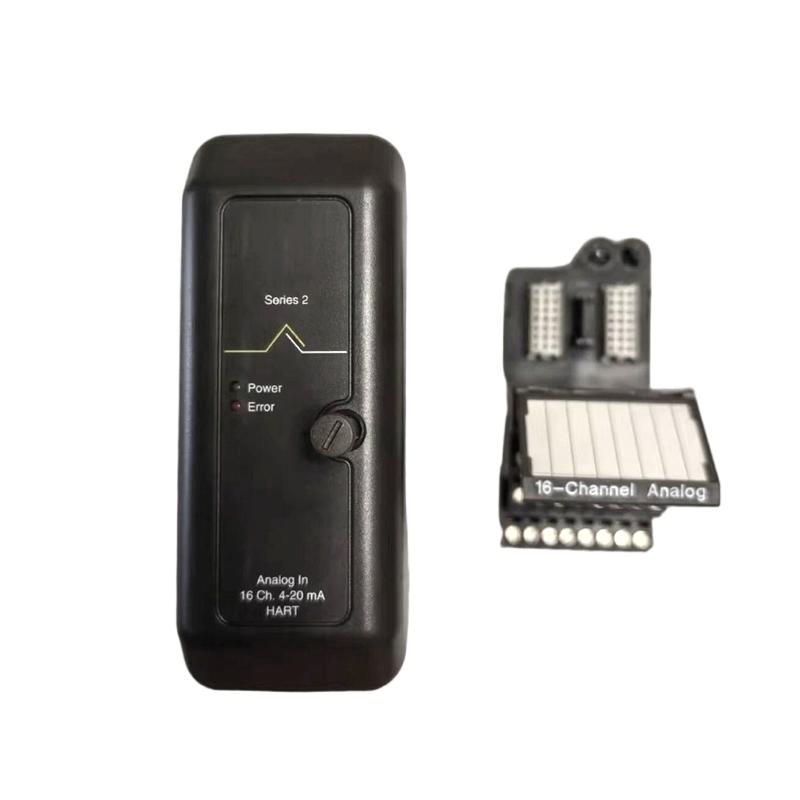
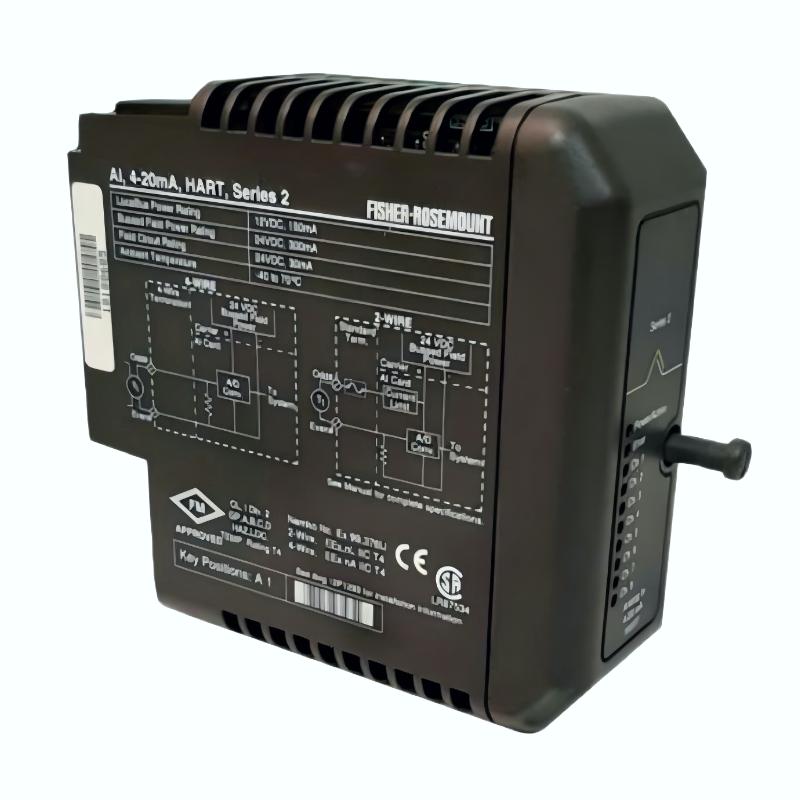
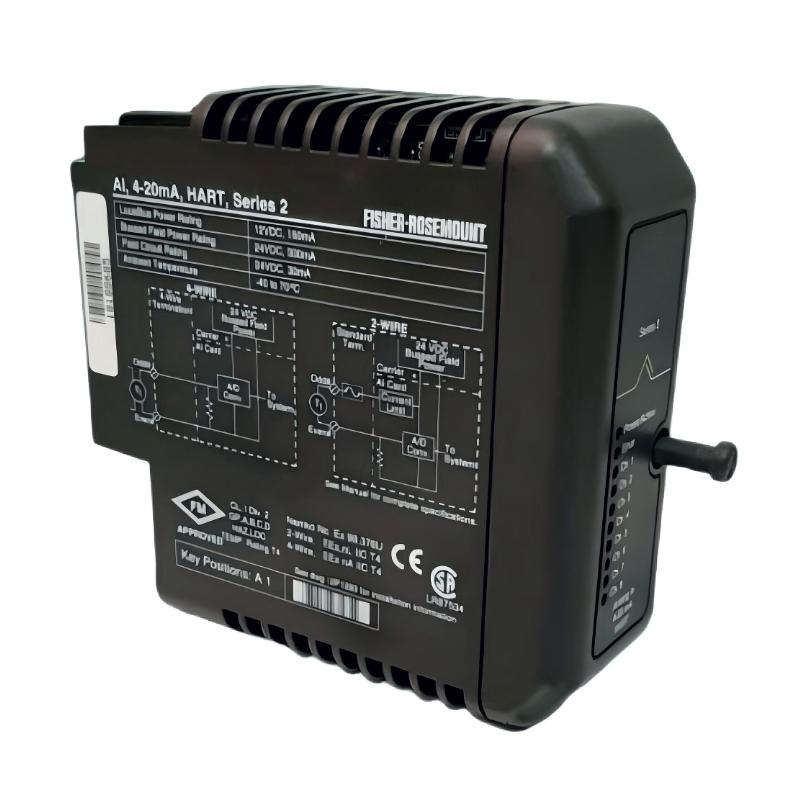
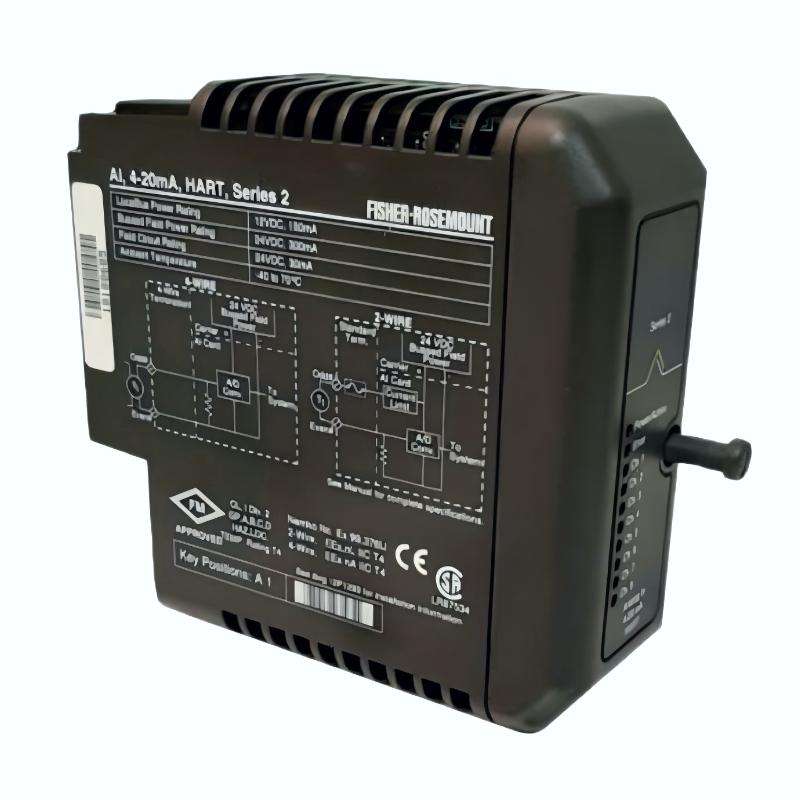
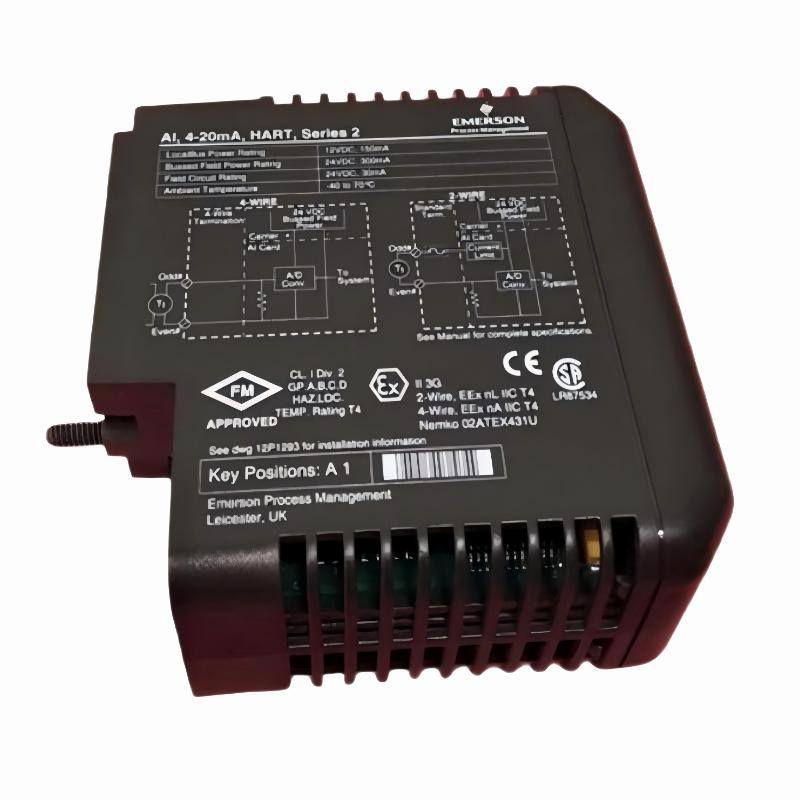
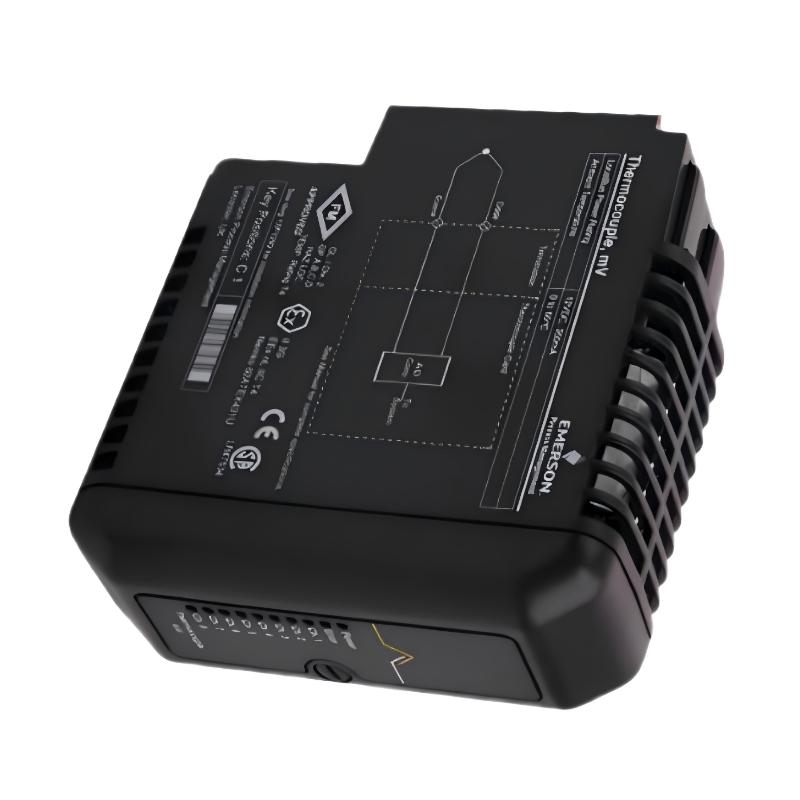
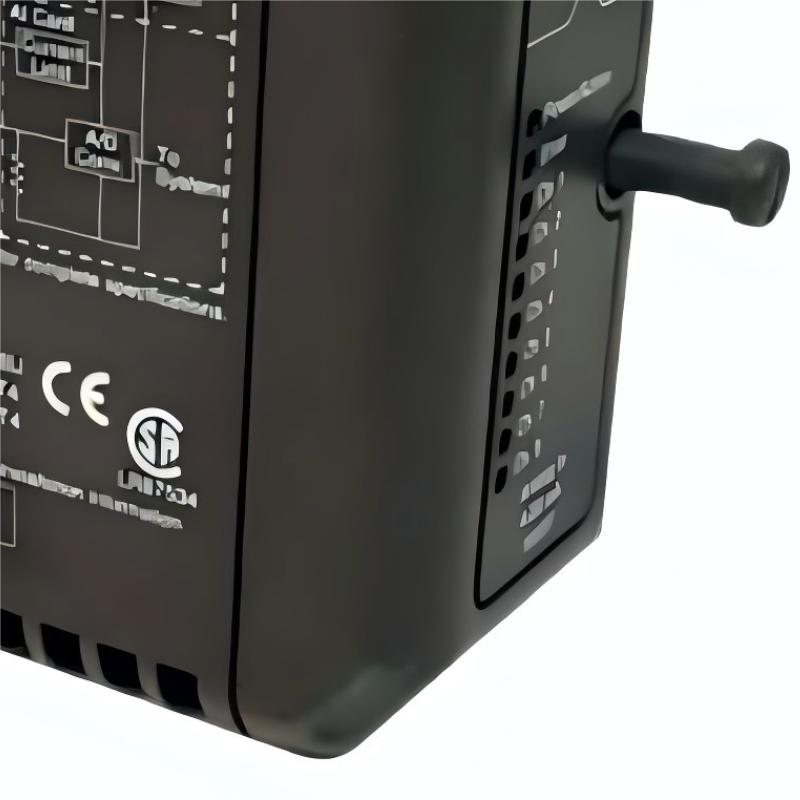
The Emerson VE4003S2B5 Analog Input Card is an industrial process I/O component designed to acquire analog information from field instrumentation and make that process data available to the Emerson control system. As part of a distributed process automation architecture, the card provides an important interface between field measurement devices and higher-level control, monitoring, alarm, and supervisory functions.
Analog input hardware is fundamental to process industries because many important operating parameters are represented as continuously varying electrical signals. Pressure, flow, temperature, level, analytical measurements, and other process variables must be converted into usable control-system data. The VE4003S2B5 provides the input-side interface required for this type of process measurement architecture.
The Emerson VE4003S2B5 is intended to work as part of a larger Emerson I/O and distributed control environment rather than as an independent controller. Field instruments transmit process information through field wiring to the I/O layer, where the analog input card receives the signal and passes the acquired information into the control-system architecture.
With supplied dimensions of 107 × 41 × 105 mm and a weight of 0.36 kg, the VE4003S2B5 provides a compact form factor for industrial control cabinets. Its physical size allows it to be integrated into distributed I/O arrangements where panel space, wiring organization, accessibility, and maintainability are important engineering considerations.
Technical Specifications
| Parameter | Details |
|---|---|
| Manufacturer | Emerson |
| Model | VE4003S2B5 |
| Product Type | Analog Input Card |
| I/O Type | Analog Input |
| Primary Function | Analog field signal acquisition |
| System Type | Process Automation / Distributed Control System |
| Application | Industrial Process Monitoring and Control |
| Signal Role | Field Measurement Input |
| Installation | Industrial Control Cabinet / I/O System |
| Dimensions (H × W × D) | 107 × 41 × 105 mm |
| Weight | 0.36 kg |
| Typical Field Devices | Process Transmitters and Analog Instrumentation |
| Typical Industries | Oil & Gas, Power, Chemical, Water, Manufacturing |
| System Integration | Emerson Process Control and I/O Architecture |
Engineering Specification Note
The exact electrical characteristics of the VE4003S2B5 Analog Input Card should be verified against the specific installed hardware and system configuration. Parameters such as channel count, supported input ranges, excitation requirements, isolation, accuracy, terminal assignments, diagnostic functions, and wiring requirements should not be assumed solely from the model designation.
The physical specifications used in this article are the values supplied for this product: 107 × 41 × 105 mm and 0.36 kg.
What Is the Emerson VE4003S2B5 Analog Input Card?
The Emerson VE4003S2B5 is an analog input card used to bring continuously variable process measurements into an Emerson automation system.
Unlike a digital input, which generally represents a discrete ON/OFF or status condition, an analog input represents a continuously changing process value. For example, a pressure transmitter may generate a signal corresponding to changes in pressure. The control system must acquire this signal and associate it with the correct engineering variable.
The VE4003S2B5 occupies the input side of this signal chain.
A simplified architecture is:
Process Variable → Field Instrument → Field Wiring → VE4003S2B5 Analog Input Card → Controller → HMI / SCADA
The input card therefore acts as an important bridge between the physical process and the digital control environment.
In an industrial plant, the quality and reliability of analog signal acquisition directly affect operator visibility and control performance. If an input is incorrectly wired, incorrectly configured, or affected by excessive electrical noise, the controller may receive inaccurate process information.
For this reason, installation quality, signal identification, grounding, shielding, configuration, and commissioning are all important when integrating the VE4003S2B5.
Analog Input Function
The fundamental purpose of an analog input card is to receive variable electrical signals representing physical process conditions.
Typical field measurements may include:
- Pressure
- Differential pressure
- Flow
- Temperature
- Liquid level
- Position
- Speed feedback
- Analytical measurements
- Valve position
- Equipment condition
- Process concentration
A transmitter or sensor measures a physical variable and produces an electrical output. The signal is routed through field wiring to the automation cabinet.
The VE4003S2B5 forms part of the input interface that receives this field information. The associated control architecture then makes the measurement available to programmed control logic and operator displays.
The exact input signal types and ranges supported by a particular hardware configuration should always be confirmed from the relevant project documentation before connection.
Working Principle
The general analog signal acquisition process can be understood in several stages.
1. Physical Measurement
A field instrument detects a physical process condition.
For example, a pressure transmitter may monitor the pressure within a process pipeline.
2. Electrical Signal Generation
The instrument converts the measured condition into an electrical signal.
The output changes according to the measured process variable.
3. Field Signal Transmission
The electrical signal travels from the field device to the control cabinet through the installed instrumentation cable.
4. Terminal and Input Interface
The field wiring is connected to the appropriate I/O interface and routed to the analog input circuitry.
5. Signal Acquisition
The analog input hardware receives the signal and makes the corresponding measurement available to the control system.
6. Control-System Processing
The controller uses the acquired measurement for functions such as:
- Monitoring
- Alarming
- Interlocking
- Process control
- Trend analysis
- Equipment protection
- Data logging
7. Operator Visualization
The resulting process variable can be displayed through an HMI, operator station, SCADA system, or other supervisory interface.
This complete signal chain demonstrates why the analog input card is an important component even though it does not independently execute the overall process-control strategy.
Role in Distributed Control Systems
The Emerson VE4003S2B5 Analog Input Card operates within the I/O layer of a distributed control system.
A typical DCS architecture can include:
- Field sensors
- Transmitters
- Junction boxes
- Field wiring
- Terminal blocks
- I/O cards
- I/O carriers
- Controllers
- Communication networks
- Operator stations
- Engineering workstations
- Historian systems
- Supervisory applications
The VE4003S2B5 receives process measurements at the field-interface level.
The controller can then use those measurements to make control decisions.
For example, consider a pump discharge-pressure control loop:
Pressure Transmitter → Field Wiring → Analog Input → Controller → Control Logic → Pump Control → Process
If the measured pressure falls below the desired operating range, the controller can respond according to the configured control strategy.
The analog input card is therefore a critical link between the real-world process and software-based control functions.
Industrial Applications
Oil and Gas
Oil and gas plants depend extensively on analog instrumentation.
Common measurements include:
- Pipeline pressure
- Flow rate
- Tank level
- Temperature
- Differential pressure
- Process conditions
The VE4003S2B5 can be incorporated into the I/O architecture used to collect these measurements.
Power Generation
Power stations contain large numbers of sensors and transmitters monitoring turbines, generators, boilers, cooling systems, and auxiliary equipment.
Reliable analog input acquisition allows control engineers to observe operating conditions and implement automatic control strategies.
Chemical Processing
Chemical processes require accurate monitoring of operating variables such as temperature, pressure, flow, and level.
Analog input cards provide the interface between process instrumentation and control logic.
Water and Wastewater
Water treatment systems use continuous measurement throughout pumping, filtration, chemical dosing, storage, and treatment processes.
Typical variables include:
- Tank level
- Pump discharge pressure
- Flow
- Temperature
- Water-quality measurements
Pharmaceutical Manufacturing
Pharmaceutical manufacturing systems require controlled process conditions and reliable instrumentation.
Analog input hardware allows continuously varying measurements to be incorporated into automation and monitoring systems.
Food and Beverage
Food-processing systems use instrumentation for heating, cooling, mixing, filling, storage, cleaning, and other operations.
The VE4003S2B5 can form part of an I/O architecture used to collect these process measurements.
General Industrial Automation
Analog input systems are also widely used in manufacturing, utilities, material processing, and other industrial environments where continuous process information is required.
System Integration
The VE4003S2B5 should be installed as part of a complete Emerson automation architecture.
A representative signal path is:
Field Instrument
↓
Instrumentation Cable
↓
Terminal / Field Interface
↓
VE4003S2B5 Analog Input Card
↓
I/O Infrastructure
↓
Controller
↓
HMI / SCADA
↓
Operator and Supervisory Systems
This architecture allows field measurements to be collected at the I/O level and processed centrally.
Proper integration requires the engineering team to verify the relationship between the field instrument, terminal assignment, input channel, controller variable, and HMI tag.
Installation Guidelines
Correct installation is essential for reliable analog signal acquisition.
Verify the Product
Before installation, confirm:
- VE4003S2B5 model
- Hardware revision
- Intended I/O position
- Associated terminal/interface hardware
- Cabinet location
- Engineering documentation
Do not install a visually similar card unless its compatibility has been confirmed.
Prepare the Cabinet
The supplied dimensions are:
107 × 41 × 105 mm
The cabinet should provide sufficient clearance for the card, associated connectors, wiring, and maintenance access.
Inspect the Hardware
Before mounting, inspect the card for:
- Physical damage
- Damaged connectors
- Contamination
- Bent contacts
- Signs of improper storage
Confirm Wiring
Field wiring should be checked against the approved electrical drawings.
Every conductor should have an appropriate identification.
Check Grounding and Shielding
Instrumentation systems can be sensitive to electrical interference. Grounding and shielding should follow the approved plant design.
Analog Signal Wiring Considerations
Analog signals require careful wiring practices because electrical noise can affect measurement quality.
Cable Selection
Use suitable instrumentation cable according to the plant engineering specification.
Shielding
Where shielded cable is required, maintain the shield arrangement specified by the system design.
Cable Separation
Avoid routing sensitive analog wiring directly alongside high-power cables when this could introduce electromagnetic interference.
Grounding
Incorrect grounding can create unwanted signal offsets or noise.
Polarity
Where the signal is polarity-sensitive, ensure that positive and negative conductors are correctly connected.
Terminal Identification
Every field conductor should be clearly identified to avoid channel-assignment errors.
Commissioning Procedure
A structured commissioning process helps prevent incorrect signal mapping.
Step 1: Visual Inspection
Inspect the installed VE4003S2B5 and associated wiring.
Confirm that the card is securely installed and that connectors are properly seated.
Step 2: Wiring Verification
Compare each field connection with the approved wiring diagram.
Step 3: Instrument Verification
Verify that the connected field transmitter or sensor is correctly powered and operating.
Step 4: Input Verification
Check whether the analog input receives the expected field signal.
Step 5: Configuration Verification
Confirm:
- Correct I/O channel
- Correct signal type
- Correct scaling
- Correct engineering units
- Correct alarm limits
Step 6: Controller Verification
Confirm that the controller receives the expected process value.
Step 7: HMI Verification
Verify that the operator display corresponds to the actual field measurement.
Step 8: Functional Test
Where appropriate, change the process condition or use a suitable test source and confirm that the complete signal chain responds correctly.
Troubleshooting and Fault Diagnosis
When an analog input appears abnormal, technicians should troubleshoot the entire signal path rather than immediately replacing the card.
No Signal
Possible causes include:
- Field instrument not powered
- Broken field cable
- Loose terminal connection
- Incorrect terminal assignment
- Incorrect I/O configuration
- Input-channel issue
- Controller configuration problem
Start by verifying the field instrument and wiring before replacing the input card.
Signal Too High or Too Low
A measurement outside the expected range may be caused by:
- Incorrect transmitter configuration
- Wiring error
- Incorrect scaling
- Grounding problem
- Sensor calibration issue
- Signal-range mismatch
Check the instrument and configuration before assuming hardware failure.
Unstable Signal
An unstable analog value can result from:
- Electrical interference
- Poor shielding
- Loose connections
- Damaged cable
- Ground loops
- Unstable instrumentation
- Process instability
The first step is to determine whether the instability exists in the physical process or is introduced by the signal path.
Multiple Channels Affected
If multiple analog channels exhibit the same problem, investigate common causes.
Possible sources include:
- Shared power supply
- Common grounding issue
- I/O infrastructure
- Cabinet wiring
- Configuration changes
- System-level hardware problems
Replacing individual transmitters is unlikely to solve a common upstream problem.
Preventive Maintenance
Preventive maintenance can improve long-term reliability of analog input systems.
Recommended activities include:
- Inspect I/O connections
- Check field wiring
- Inspect terminal connections
- Review recurring diagnostics
- Check cabinet cleanliness
- Inspect for corrosion
- Verify shielding and grounding
- Review transmitter calibration records
- Confirm signal scaling
- Maintain current wiring documentation
For critical process loops, maintenance should also include periodic verification of the complete signal chain.
Replacement Guidelines
When replacing an Emerson VE4003S2B5 Analog Input Card, technicians should verify the exact model before removing the existing hardware.
Important identification information includes:
- VE4003S2B5
- Hardware revision
- Associated terminal hardware
- I/O position
- Channel configuration
- Controller configuration
- Wiring documentation
A replacement card should not be selected based only on physical dimensions.
Before removal, record:
- Card position
- Terminal assignments
- Field wiring
- Channel configuration
- Controller mapping
- Relevant diagnostic information
After installation, verify all affected channels before returning the process to normal operation.
Physical Dimensions and Weight
The Emerson VE4003S2B5 has the following supplied physical specifications:
Dimensions: 107 × 41 × 105 mm
Weight: 0.36 kg
The compact dimensions make it suitable for distributed I/O cabinet applications where multiple automation components must be installed within a limited panel area.
Cabinet designers should nevertheless allow additional working space around the card for wiring, connector access, inspection, and future maintenance.
Engineering Best Practices
Maintain Signal Traceability
Each field instrument should have a clearly documented path from the instrument through the terminal interface and input channel to the controller and HMI.
Keep Drawings Updated
Actual installed wiring should match the latest approved engineering documentation.
Avoid Uncontrolled Configuration Changes
Changes to I/O assignments, scaling, alarm limits, or controller variables should be documented and tested.
Protect Analog Wiring
Sensitive instrumentation cables should be routed and shielded appropriately.
Use Systematic Troubleshooting
Troubleshoot from the field device toward the control system instead of replacing components randomly.
Maintain Spare Hardware
For critical process applications, appropriate spare I/O hardware should be available according to the plant maintenance strategy.
Recommended Related Emerson Components
| Component Category | Typical Function |
|---|---|
| Emerson Analog Input Modules | Continuous process signal acquisition |
| Emerson Digital Input Modules | Discrete field status acquisition |
| Emerson Digital Output Modules | Discrete equipment control |
| Emerson Analog Output Modules | Continuous control signals |
| Emerson Terminal Blocks | Field signal termination |
| Emerson I/O Carriers | I/O hardware interconnection |
| Emerson Controllers | Process control execution |
| Emerson Power Supplies | System power distribution |
| Emerson Communication Hardware | Industrial system communication |
The exact compatible combination should be determined from the installed Emerson control-system architecture.
Key Advantages
The Emerson VE4003S2B5 Analog Input Card provides several important benefits for industrial process automation:
- Designed for analog process signal acquisition
- Supports integration into Emerson process automation architectures
- Compact 107 × 41 × 105 mm physical format
- Supplied weight of 0.36 kg
- Suitable for industrial control cabinet installation
- Provides an organized interface between field instrumentation and control logic
- Supports process monitoring and automation functions
- Facilitates structured commissioning and troubleshooting
- Suitable for a wide range of process industries
- Supports maintainable distributed I/O system design
Technical FAQs
What is the Emerson VE4003S2B5?
The Emerson VE4003S2B5 is an Analog Input Card used within Emerson process automation and distributed control system architectures to acquire analog information from field instrumentation.
What is the main function of an analog input card?
An analog input card receives continuously varying electrical signals representing physical process conditions and makes the acquired information available to the control system.
What are the dimensions of the VE4003S2B5?
The supplied dimensions are 107 × 41 × 105 mm.
What is the weight of the VE4003S2B5?
The supplied weight is 0.36 kg.
What types of process variables can analog input systems monitor?
Typical applications include pressure, flow, temperature, level, position, analytical measurements, and other continuously varying process parameters. Exact supported signal types depend on the installed hardware configuration.
Is the VE4003S2B5 a PLC controller?
No. The VE4003S2B5 is an I/O component rather than a standalone PLC controller. It operates as part of a larger Emerson process control architecture.
What should be checked if an analog input is missing?
Check the field instrument, instrument power, field cable, terminal connections, input-channel assignment, I/O configuration, controller configuration, and system diagnostics.
What causes unstable analog readings?
Possible causes include electrical interference, poor shielding, grounding problems, loose connections, damaged cables, unstable field instrumentation, or actual process fluctuations.
How should the VE4003S2B5 be replaced?
Verify the exact model and hardware revision, document the existing wiring and configuration, install the replacement according to the approved procedure, and perform complete signal verification before returning the system to service.
Why are grounding and shielding important for analog inputs?
Analog signals can be sensitive to electrical interference. Correct grounding, shielding, and cable routing can help maintain stable and accurate signal acquisition.
Conclusion
The Emerson VE4003S2B5 Analog Input Card is an important component within industrial process automation and distributed control systems. Its primary role is to provide an interface for acquiring analog information from field instrumentation and delivering that process data to the control-system architecture.
By connecting field measurements with controllers, operator interfaces, and supervisory systems, the VE4003S2B5 contributes to continuous process monitoring, alarm management, control-loop operation, equipment protection, and plant-wide operational visibility.
With supplied dimensions of 107 × 41 × 105 mm and a weight of 0.36 kg, the card offers a compact form factor suitable for industrial I/O cabinet installations. Successful deployment depends on correct hardware identification, field wiring, grounding, shielding, channel configuration, commissioning, and preventive maintenance.
For replacement and maintenance projects, engineers should verify the complete hardware identification and actual system configuration before installation. A systematic approach to signal verification and fault diagnosis can significantly reduce unnecessary downtime and help maintain reliable operation of the Emerson automation system.