

ProductPRODUCT
Featured products
Contact Us
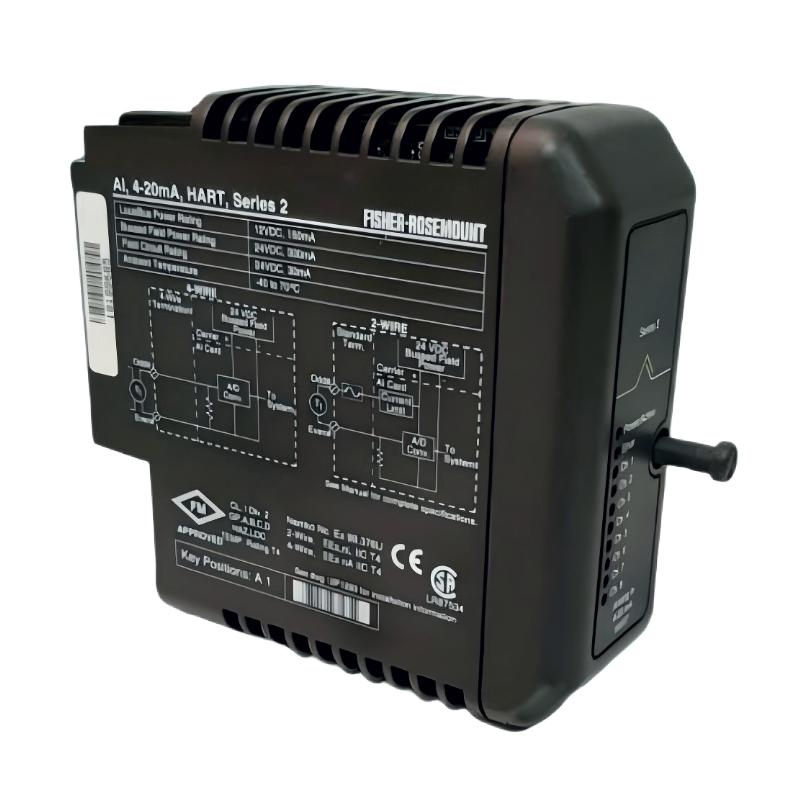
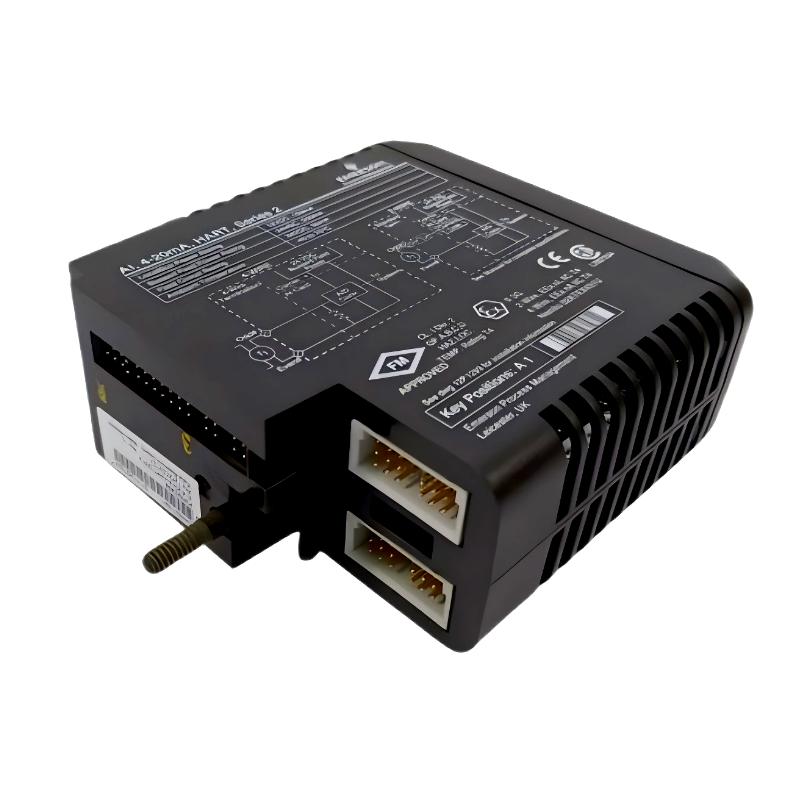
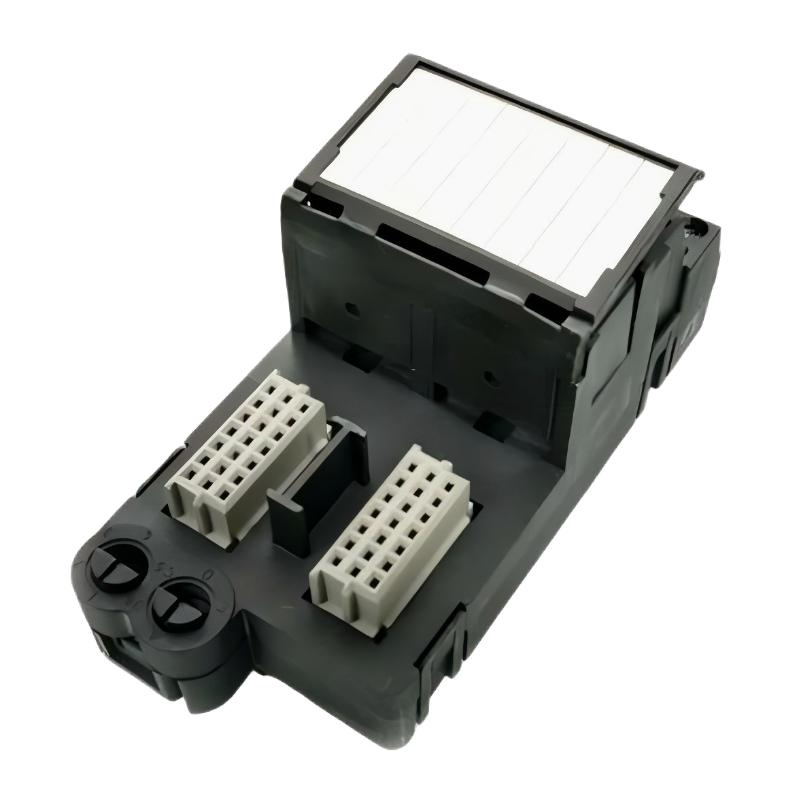
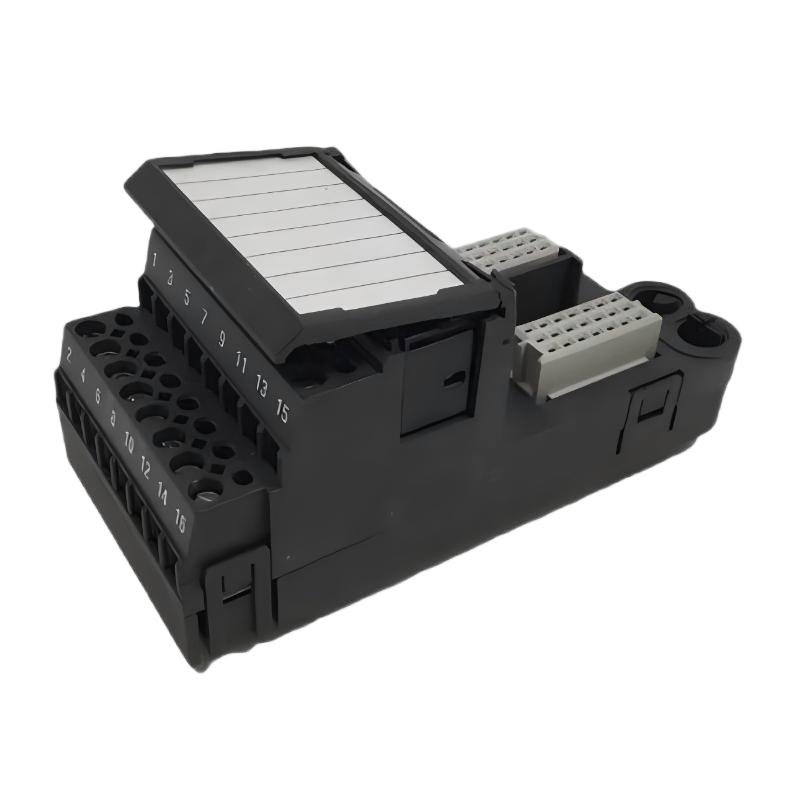
- Emerson
- VE4003S2B4 KJ3222X1-BA1+KJ4001X1-CE1
- Input Module with Terminal Blocks
- USA
- 107 x 41 x 105 mm
- 0.36kg
- Xiamen, China
- New & In Stock
- T/T, PayPal, Western Union
- 1 Year
- 1-3 Working Days
- DHL, UPS, TNT, FedEx and EMS.
- 24-Hour Service
- COO
- 4
Our advantage

Global Logistics
We have a 10-year logistics and express cooperation agreement, so our products can be shipped to any place in the world.

Brand new and original
Our products are imported in bulk from the place of origin. Because of the cooperative relationship, our products are all original and 100% new.

24-hour service
We provide 7*24 hours service to our customers. We will be there whenever you need us.

Price advantage
All our products are priced very favorably because we have our own warehouse and supply.
| Company Information | |||
| [email protected] | |||
| Mobile | +8615980777398 | ||
| +8615980777398 | |||
| 15980777398 |
Product Overview
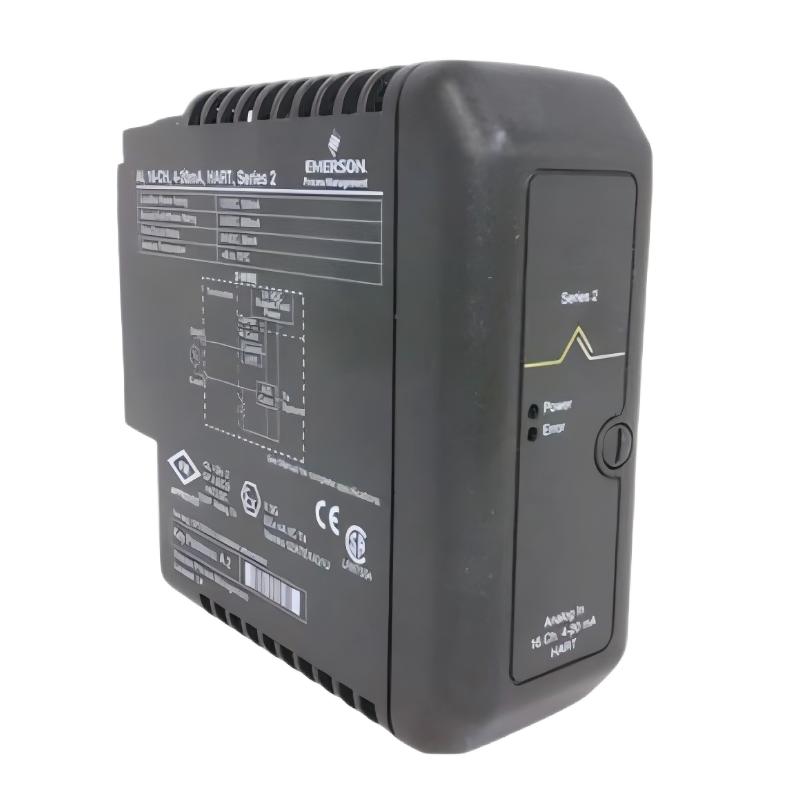
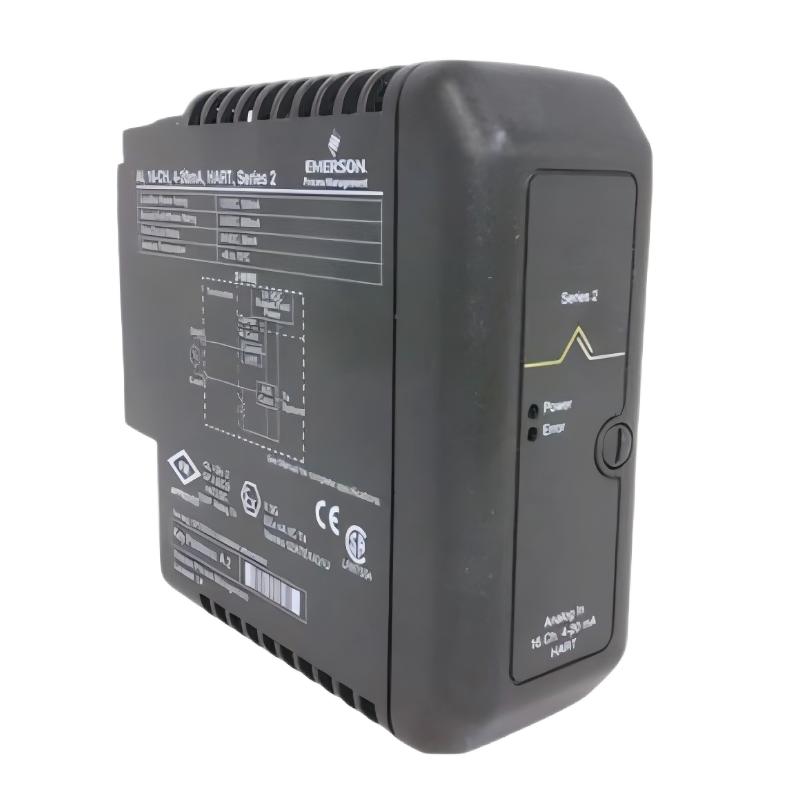
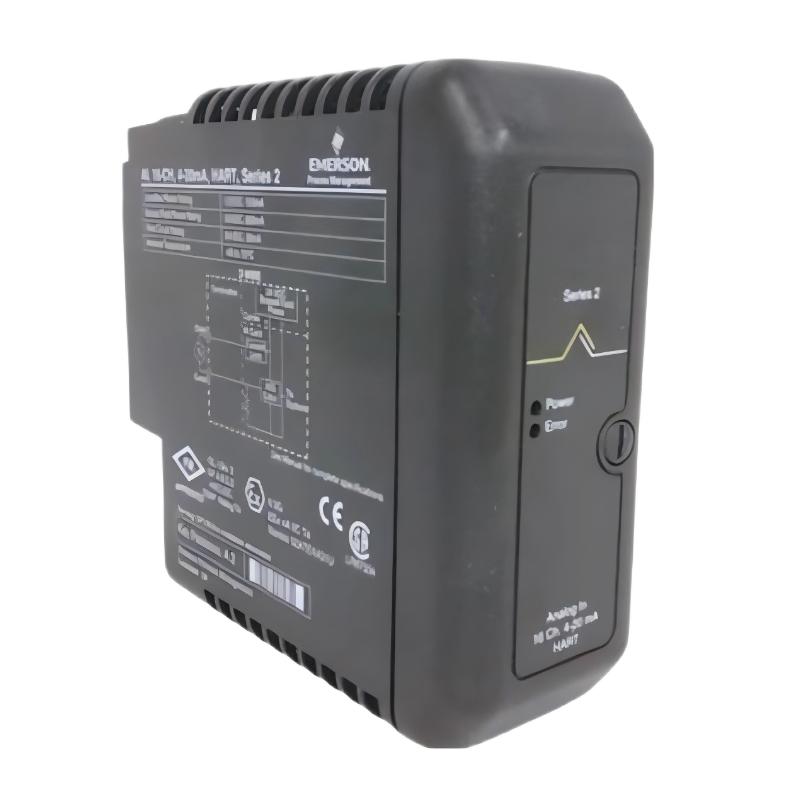
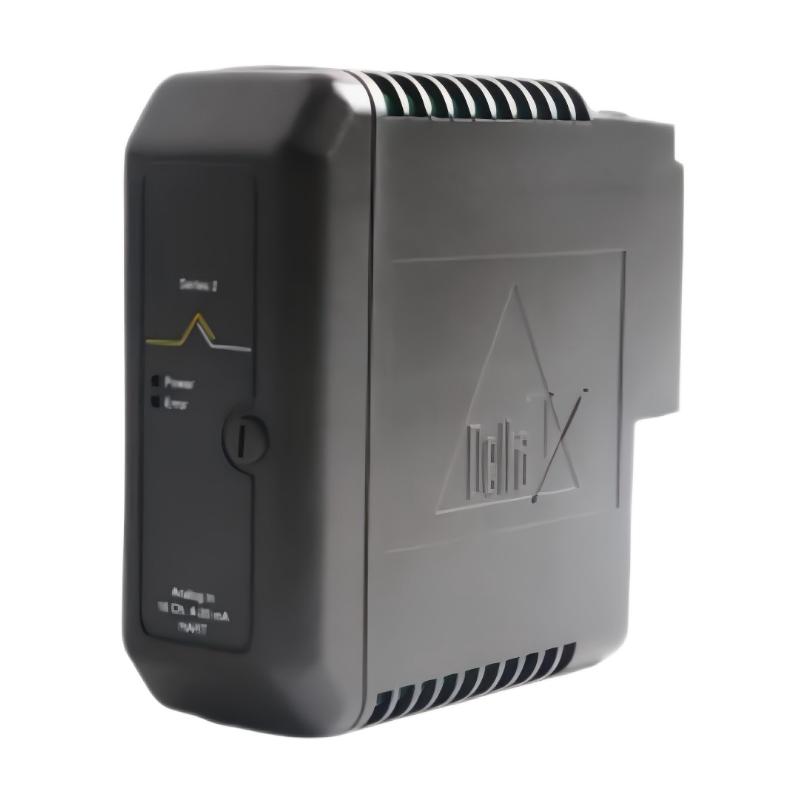
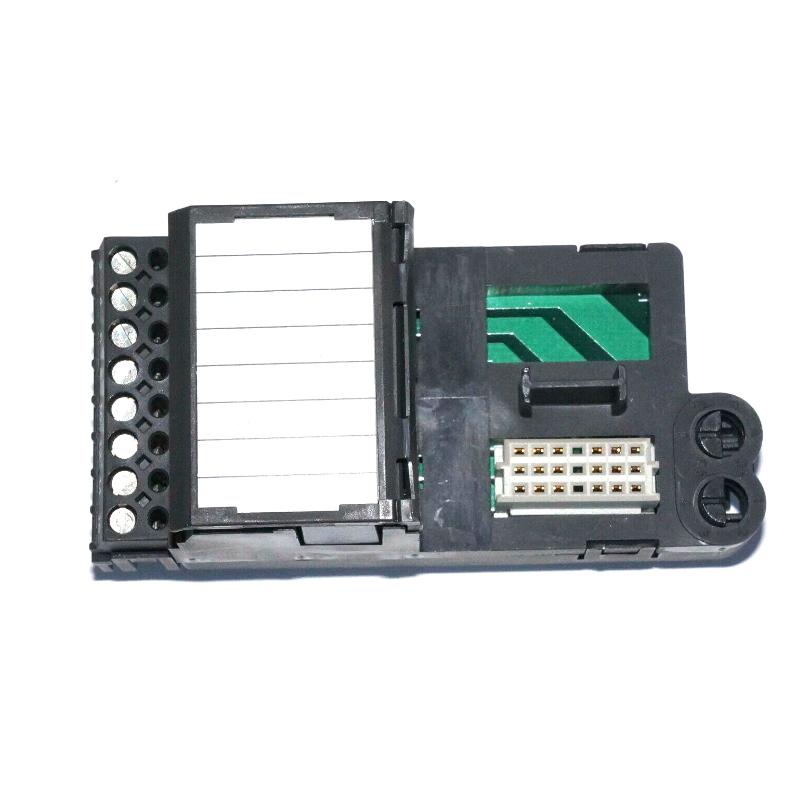
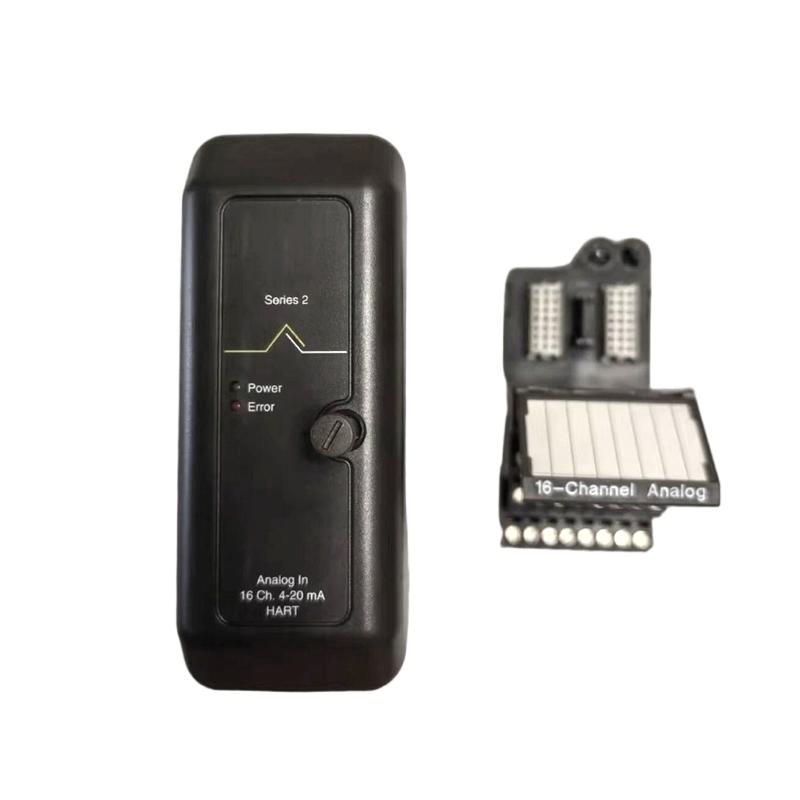
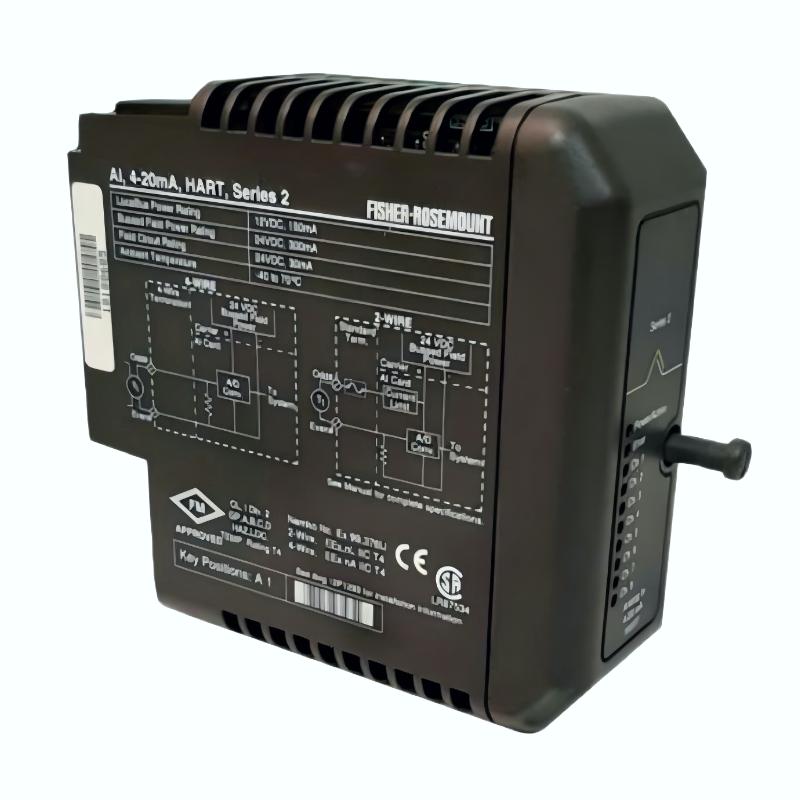
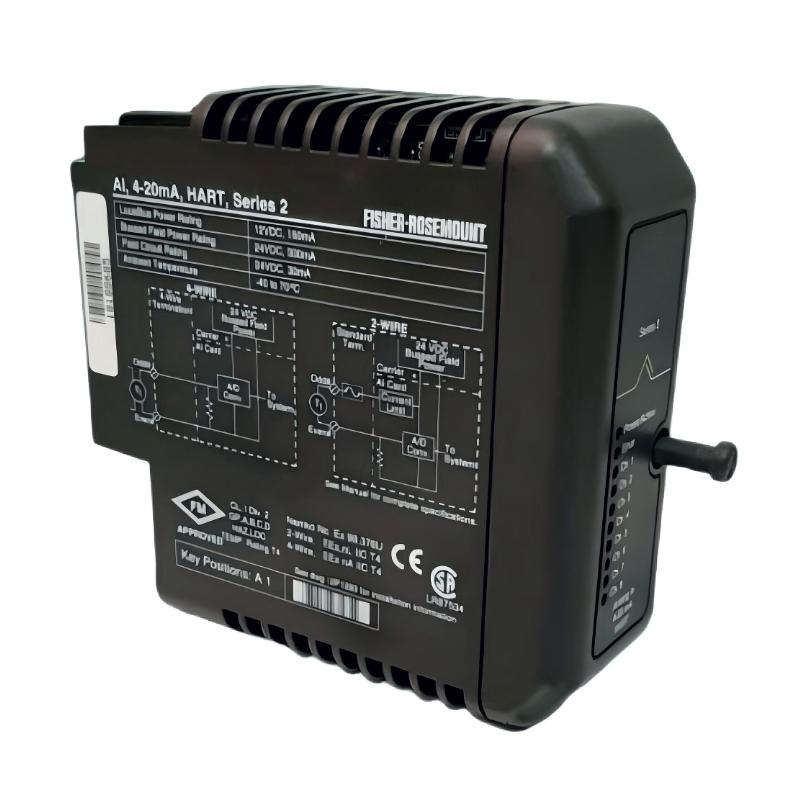
The Emerson VE4003S2B4 KJ3222X1-BA1+KJ4001X1-CE1 Input Module with Terminal Blocks is an industrial process I/O interface assembly designed for Emerson distributed control and process automation environments. The assembly combines an input module with associated terminal-block hardware, providing a practical interface between field instrumentation and the control system.
In a modern process automation cabinet, reliable signal acquisition depends not only on the controller and I/O electronics but also on the physical field termination arrangement. The VE4003S2B4 KJ3222X1-BA1+KJ4001X1-CE1 provides a structured connection point for field signals while helping organize cabinet wiring and simplify installation, commissioning, inspection, and maintenance.
The VE4003S2B4 belongs to the Emerson VE-series process I/O family and is intended to operate as part of a larger automation architecture. The associated KJ3222X1-BA1 and KJ4001X1-CE1 designations identify the input-module and terminal-block combination used in the assembly.
With supplied dimensions of 107 × 41 × 105 mm and a weight of 0.36 kg, this Emerson input interface assembly is suitable for compact industrial control cabinets where efficient use of panel space and organized field wiring are important.
Rather than functioning as a standalone controller, the VE4003S2B4 works as part of the overall I/O signal chain. Field instruments provide process information, the input interface receives and routes the signals, and the associated control system processes the information for monitoring, alarming, sequencing, and closed-loop process control.
Technical Specifications
| Parameter | Details |
|---|---|
| Manufacturer | Emerson |
| Model | VE4003S2B4 |
| Associated Module | KJ3222X1-BA1 |
| Associated Terminal Block | KJ4001X1-CE1 |
| Product Type | Input Module with Terminal Blocks |
| System Type | Process Automation / Distributed Control System |
| Primary Function | Field input signal acquisition and termination |
| Interface Type | Field I/O Interface |
| System Role | Input Signal Interface |
| Typical Application | Industrial Process Automation |
| Installation | Control Cabinet / I/O System |
| Dimensions (H × W × D) | 107 × 41 × 105 mm |
| Weight | 0.36 kg |
| Typical Connected Equipment | Process Instrumentation and Field Devices |
| Application Areas | Oil & Gas, Power, Chemical, Water, Manufacturing |
Engineering Specification Note
The exact electrical characteristics of the VE4003S2B4 KJ3222X1-BA1+KJ4001X1-CE1 should be confirmed against the installed Emerson system configuration and applicable hardware documentation. Channel count, input signal range, excitation requirements, isolation, terminal assignments, protection characteristics, and supported field-device types can depend on the specific module and system revision. The physical dimensions and weight stated above are based on the values supplied for this product.
Understanding the VE4003S2B4 KJ3222X1-BA1+KJ4001X1-CE1
The Emerson VE4003S2B4 KJ3222X1-BA1+KJ4001X1-CE1 is best understood as an integrated input-interface assembly.
The KJ3222X1-BA1 represents the associated input module, while KJ4001X1-CE1 identifies the terminal-block portion of the assembly. Combining these elements creates a practical field interface for connecting process instrumentation to Emerson automation hardware.
This arrangement is particularly useful in distributed control systems because field devices are normally installed throughout a plant rather than directly beside the controller cabinet.
A typical process signal path can be represented as:
Field Instrument → Field Cable → KJ4001X1-CE1 Terminal Interface → KJ3222X1-BA1 Input Module → Control System → HMI / SCADA
The input module receives the relevant electrical signal and makes the process information available to the control-system architecture.
The terminal block provides the physical connection and wiring organization needed to maintain a clear relationship between field devices and I/O channels.
Function and Working Principle
The primary purpose of an input module is to acquire information from field devices and transfer that information into the control system.
Depending on the actual system configuration, industrial input devices may include:
- Pressure transmitters
- Temperature transmitters
- Flow instrumentation
- Level instruments
- Analytical sensors
- Position sensors
- Process monitoring instruments
- Equipment feedback devices
The field device generates a signal representing a physical process condition. That signal travels through the field cable and reaches the terminal interface.
The KJ4001X1-CE1 terminal hardware provides the organized field termination point. From there, the signal is associated with the corresponding input-channel circuitry.
The KJ3222X1-BA1 input module then forms part of the signal acquisition path. The control system can use the acquired information for:
- Process monitoring
- Alarm generation
- Interlocking
- Sequencing
- Control-loop calculations
- Equipment protection
- Historical data collection
- Operator displays
The actual signal-conditioning and electrical characteristics must be verified for the specific hardware configuration rather than assumed solely from the general product designation.
Importance of the Terminal Block
The terminal-block portion of the assembly is more than a simple wiring accessory.
In a large industrial cabinet, hundreds of field conductors may enter the control system. Without an organized termination arrangement, identifying and maintaining individual signals becomes difficult.
The KJ4001X1-CE1 provides a structured interface that can help engineers:
- Organize field conductors
- Identify individual signals
- Simplify cabinet wiring
- Trace signals during troubleshooting
- Perform commissioning tests
- Replace field devices more efficiently
- Maintain accurate wiring documentation
The combined module-and-terminal-block approach can therefore improve the maintainability of the overall automation installation.
Role in a Distributed Control System
The VE4003S2B4 is one part of a larger distributed control architecture.
A typical process control system may contain:
- Field instruments
- Junction boxes
- Field cables
- Terminal blocks
- Input and output modules
- I/O carriers or interface assemblies
- Controllers
- Communication networks
- Operator stations
- Engineering workstations
- Historian and supervisory systems
The VE4003S2B4 sits within the field-I/O layer.
Its job is to make field information available to higher-level control functions. The controller can then evaluate the acquired process information and execute programmed logic.
For example, a pressure transmitter may measure a process condition. The resulting signal enters the field wiring, passes through the terminal interface and input hardware, and becomes available to the controller. The controller may then compare the value with an alarm limit or control-loop setpoint.
This distributed architecture allows process signals to be collected and managed systematically.
Industrial Applications
Oil and Gas
Oil and gas facilities use large numbers of field instruments to monitor production and process equipment.
The VE4003S2B4 can be incorporated into input signal architectures where process information needs to be brought into an Emerson control system.
Typical measurement points may include:
- Pressure
- Flow
- Temperature
- Level
- Equipment status
- Process conditions
Reliable signal termination is essential because a wiring problem can affect the quality of process information available to operators.
Power Generation
Power generation facilities depend on continuous monitoring of turbines, generators, auxiliary equipment, cooling systems, and balance-of-plant processes.
Input modules provide the interface through which field measurements and equipment feedback reach the control system.
Chemical Processing
Chemical plants contain numerous process measurements distributed throughout production units.
The VE4003S2B4 can support organized field-input architectures in which instrumentation signals are routed through terminal hardware before reaching the control system.
Water and Wastewater
Water treatment plants commonly monitor:
- Tank levels
- Pump conditions
- Flow rates
- Pressure
- Temperature
- Water-quality measurements
Centralized signal acquisition allows operators to monitor these conditions from a control room.
Pharmaceutical Manufacturing
Pharmaceutical facilities require consistent process monitoring and well-organized automation infrastructure.
Clear I/O wiring and documented field connections make commissioning and maintenance easier, particularly when multiple process units share a control system.
Food and Beverage
Food and beverage plants use instrumentation throughout production, storage, heating, cooling, cleaning, and utility systems.
The input interface provides a structured route for field measurements to enter the process automation system.
General Manufacturing
The module may also be used in industrial manufacturing environments where Emerson process automation equipment is deployed for machine and process monitoring.
System Integration Architecture
A representative architecture using the VE4003S2B4 can be organized as follows:
Field Device
↓
Field Cable
↓
KJ4001X1-CE1 Terminal Block
↓
KJ3222X1-BA1 Input Module
↓
Emerson I/O Infrastructure
↓
Controller
↓
Operator Station / HMI / SCADA
↓
Plant-Level Monitoring and Management
This layered approach separates physical field wiring from control logic.
If a signal problem occurs, technicians can troubleshoot the system layer by layer instead of immediately replacing the control-system hardware.
Installation Guidelines
Correct installation is essential for reliable operation.
Cabinet Preparation
Before installation, ensure that the control cabinet provides sufficient space for:
- The module assembly
- Adjacent I/O components
- Field wiring
- Cable routing
- Maintenance access
- Ventilation
- Identification labels
The supplied physical dimensions are 107 × 41 × 105 mm.
Additional clearance should be considered for wiring and service access.
Hardware Verification
Before mounting the assembly, verify:
- VE4003S2B4 identification
- KJ3222X1-BA1 module identification
- KJ4001X1-CE1 terminal-block identification
- Hardware revision
- Engineering drawing
- Intended cabinet location
- Associated I/O system
Wiring Preparation
Field conductors should be prepared according to the plant wiring specification.
Each conductor should have an appropriate identification label so technicians can easily associate it with the relevant instrument and I/O channel.
Field Wiring Best Practices
Field wiring is critical to signal quality.
Maintain Clear Cable Identification
Cable numbers should correspond to the electrical drawings and instrument tags.
Avoid Unnecessary Cable Crossings
Organized cable routing makes inspection and troubleshooting easier.
Protect Sensitive Signals
Where applicable, instrumentation wiring should be routed in accordance with plant EMC requirements.
Maintain Shielding
Shielded signal cables should be terminated and grounded according to the approved system design.
Check Mechanical Connections
Loose terminals can create intermittent signal conditions that are difficult to diagnose.
Separate Power and Signal Wiring
Where required, keep low-level instrumentation wiring separated from high-energy power conductors.
Commissioning Procedure
A structured commissioning process reduces startup problems.
Step 1: Visual Inspection
Check the module and terminal block for:
- Mechanical damage
- Loose mounting
- Damaged connectors
- Incorrect installation
- Foreign material
Step 2: Wiring Verification
Compare actual wiring against the approved engineering drawings.
Verify every relevant field conductor.
Step 3: Terminal Verification
Confirm that field conductors are connected to their intended terminals.
Do not rely only on cable color because plant wiring conventions can vary.
Step 4: Input Signal Verification
Apply or observe known field conditions and verify that the expected input is detected.
Step 5: Controller Verification
Check the controller and I/O diagnostics for abnormal conditions.
Step 6: HMI Verification
Confirm that the corresponding process value appears correctly at the operator interface.
Step 7: Documentation
Record completed tests and update documentation if approved engineering changes have been made.
Troubleshooting and Fault Diagnosis
A problem associated with the VE4003S2B4 does not necessarily mean that the input module itself has failed.
Troubleshooting should begin with the complete signal path.
No Input Signal
If an expected signal is completely absent, check:
- Field instrument power
- Field device operation
- Field cable continuity
- Terminal connections
- Terminal assignment
- Input-channel configuration
- Module status
- Controller diagnostics
This approach helps prevent unnecessary replacement of functioning hardware.
Intermittent Input
Intermittent readings may be caused by:
- Loose terminal connections
- Damaged field cable
- Poor shielding
- Grounding problems
- Electromagnetic interference
- Unstable field instrumentation
- Mechanical vibration
The terminal interface should be inspected carefully before replacing the input module.
Incorrect Process Value
If the input is present but the value is incorrect, verify:
- Instrument calibration
- Correct wiring
- Correct channel
- Signal type
- Controller scaling
- Engineering units
- Configuration parameters
A correctly functioning input module cannot compensate for incorrect scaling or incorrectly wired field instrumentation.
Multiple Inputs Affected
If multiple channels fail simultaneously, investigate common causes first.
Possible causes include:
- Common power problem
- Shared wiring issue
- I/O interface problem
- Carrier or system-level issue
- Grounding problem
- Configuration error
Preventive Maintenance
A preventive maintenance program can extend system reliability and reduce unexpected downtime.
Recommended maintenance activities include:
- Inspect terminal connections
- Check wiring labels
- Inspect cables for mechanical damage
- Check cabinet cleanliness
- Inspect for corrosion
- Review recurring I/O alarms
- Verify field signal stability
- Check grounding arrangements
- Maintain current electrical drawings
- Keep spare components in suitable storage conditions
Maintenance intervals should be based on application criticality and plant environmental conditions.
Replacement and Spare-Parts Planning
When replacing a VE4003S2B4 KJ3222X1-BA1+KJ4001X1-CE1, the complete assembly identification should be verified.
Important information includes:
- VE4003S2B4
- KJ3222X1-BA1
- KJ4001X1-CE1
- Hardware revision
- Associated I/O architecture
- Terminal configuration
- Existing wiring arrangement
Physical similarity between two Emerson components does not necessarily mean that they are electrically interchangeable.
Before removing the existing hardware, maintenance personnel should document the wiring and terminal assignments. Where permitted by site procedures, photographs can provide an additional reference during replacement.
After installation, each affected input should be tested before the equipment is returned to normal operation.
Physical Dimensions and Weight
The supplied physical specifications for the Emerson VE4003S2B4 KJ3222X1-BA1+KJ4001X1-CE1 are:
Dimensions: 107 × 41 × 105 mm
Weight: 0.36 kg
The compact form factor allows the assembly to be incorporated into distributed I/O cabinets without requiring excessive panel space.
However, cabinet designers should consider the complete installation envelope rather than using the component dimensions alone. Field wiring, connector access, cable bend radius, ventilation, and maintenance clearance should all be considered during cabinet design.
Engineering Best Practices
Use Approved Wiring Documentation
The installed wiring should match the latest approved engineering drawings.
Keep Channel Assignments Consistent
Instrument tags, terminal numbers, I/O channels, and controller variables should maintain a clear relationship.
Maintain Signal Traceability
A technician should be able to trace a process variable from the field instrument to the operator display using the available documentation.
Avoid Uncontrolled Modifications
Unrecorded wiring changes can create significant troubleshooting difficulties.
Maintain Spare Hardware
Critical process applications should consider keeping appropriate replacement hardware available according to the plant’s maintenance strategy.
Test Before Returning to Service
After replacement or wiring work, affected inputs should be tested under controlled conditions before the process is returned to normal operation.
Related Emerson I/O Hardware
The VE4003S2B4 can be considered within a broader Emerson process automation hardware environment that may include:
| Hardware Category | Typical Function |
|---|---|
| Emerson VE-Series Input Modules | Acquisition of field signals |
| Emerson VE-Series Output Modules | Control of field devices |
| Emerson KJ-Series Terminal Blocks | Field wiring termination |
| Emerson I/O Carriers | I/O hardware interconnection |
| Emerson Controllers | Process control execution |
| Emerson Power Supplies | Electrical power distribution |
| Emerson Communication Hardware | System networking |
| Emerson Operator Interfaces | Process monitoring |
| Emerson Engineering Systems | Configuration and maintenance |
The exact combination depends on the control platform and project architecture.
Key Advantages
The Emerson VE4003S2B4 KJ3222X1-BA1+KJ4001X1-CE1 provides several practical advantages for industrial automation applications:
- Integrated input-module and terminal-block arrangement
- Compact 107 × 41 × 105 mm form factor
- Supplied weight of 0.36 kg
- Structured field signal termination
- Suitable for Emerson process automation environments
- Simplifies cabinet wiring organization
- Supports efficient commissioning
- Facilitates signal tracing
- Improves maintenance accessibility
- Suitable for distributed process instrumentation
Technical FAQs
What is the Emerson VE4003S2B4 KJ3222X1-BA1+KJ4001X1-CE1?
It is an Emerson process automation input interface assembly consisting of the VE4003S2B4 input-module designation with associated KJ3222X1-BA1 and KJ4001X1-CE1 terminal-block hardware.
What is the primary function of this assembly?
Its primary role is to provide an organized interface for bringing field input signals into an Emerson process automation system.
What are the dimensions?
The supplied dimensions are 107 × 41 × 105 mm.
What is the weight?
The supplied weight is 0.36 kg.
Is the VE4003S2B4 a controller?
No. It functions within the I/O layer of a process automation architecture. Control logic is executed by the associated control-system hardware.
What field devices can be connected?
Depending on the exact configuration, process input systems may interface with instruments such as pressure, temperature, flow, level, analytical, and equipment-monitoring devices. The exact supported signal types should be verified for the installed module configuration.
How should the module be troubleshot?
Start at the field device and trace the signal through the field cable, terminal block, input module, controller, and operator interface. This systematic approach helps identify whether the problem is caused by field instrumentation, wiring, termination, I/O hardware, or configuration.
Can the terminal block and input module be replaced separately?
Replacement procedures depend on the system architecture and maintenance requirements. The exact part numbers and hardware configuration should be verified before separating or replacing components.
Why is terminal-block organization important?
It provides a structured field-wiring interface, making signal identification, testing, commissioning, and future maintenance easier.
Conclusion
The Emerson VE4003S2B4 KJ3222X1-BA1+KJ4001X1-CE1 Input Module with Terminal Blocks is a practical field-interface solution for Emerson distributed control and process automation systems. By combining input-module functionality with organized terminal hardware, the assembly provides a structured path between field instrumentation and the control-system I/O architecture.
The supplied dimensions of 107 × 41 × 105 mm and weight of 0.36 kg make the assembly suitable for compact control cabinet installations where space efficiency and accessible field wiring are important.
For commissioning, maintenance, replacement, or system expansion, engineers should verify the complete VE4003S2B4, KJ3222X1-BA1, and KJ4001X1-CE1 identification together with the installed hardware revision and wiring configuration. Correct field termination, clear documentation, proper grounding and shielding, and systematic signal testing are essential for dependable operation.
When properly integrated into an Emerson process automation architecture, the VE4003S2B4 KJ3222X1-BA1+KJ4001X1-CE1 provides an organized and maintainable interface for industrial field signal acquisition.