

ProductPRODUCT
Featured products
Contact Us
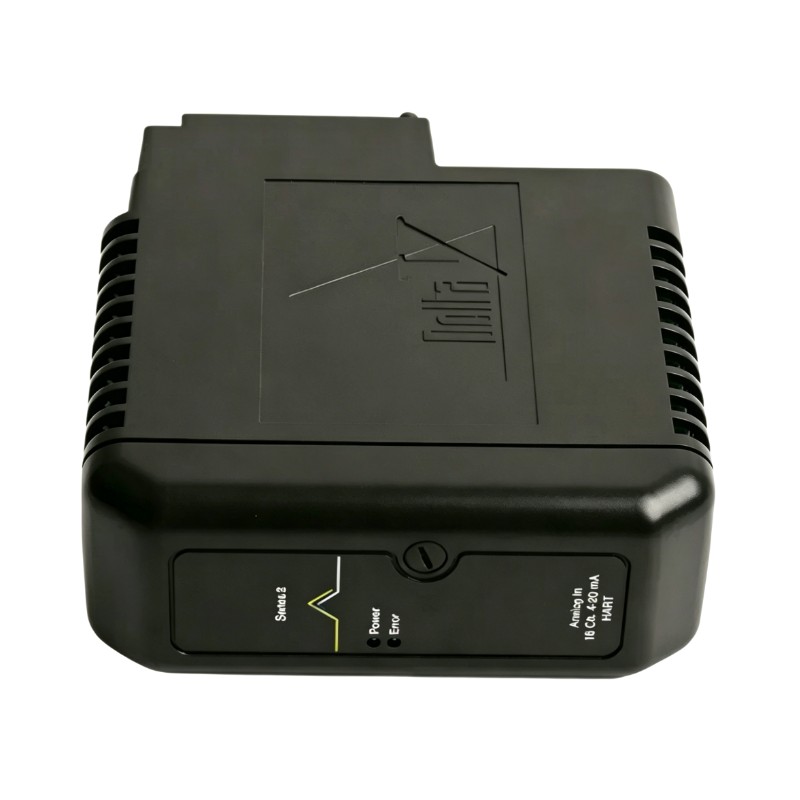
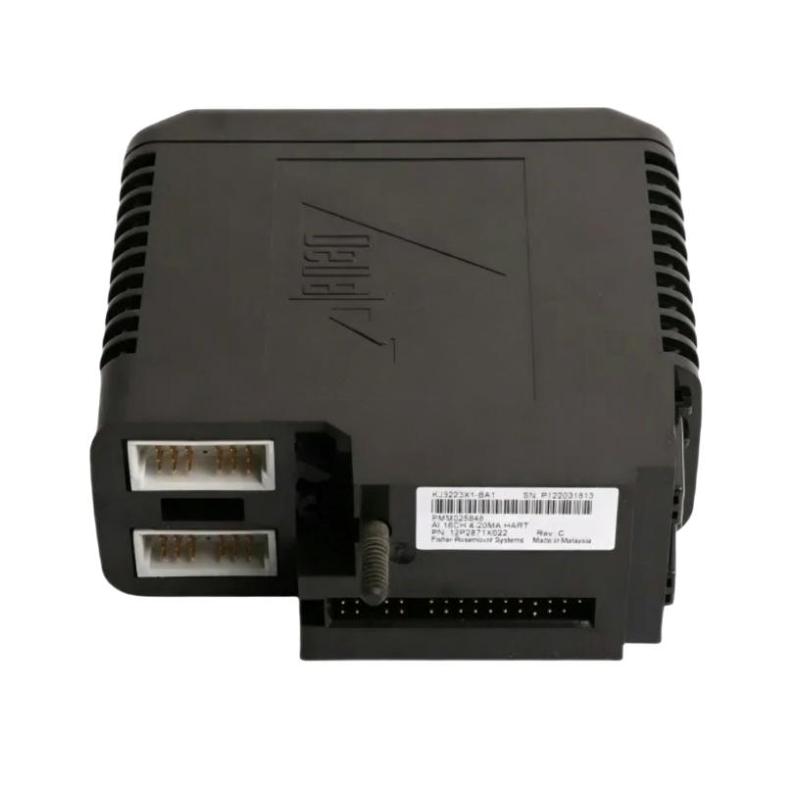
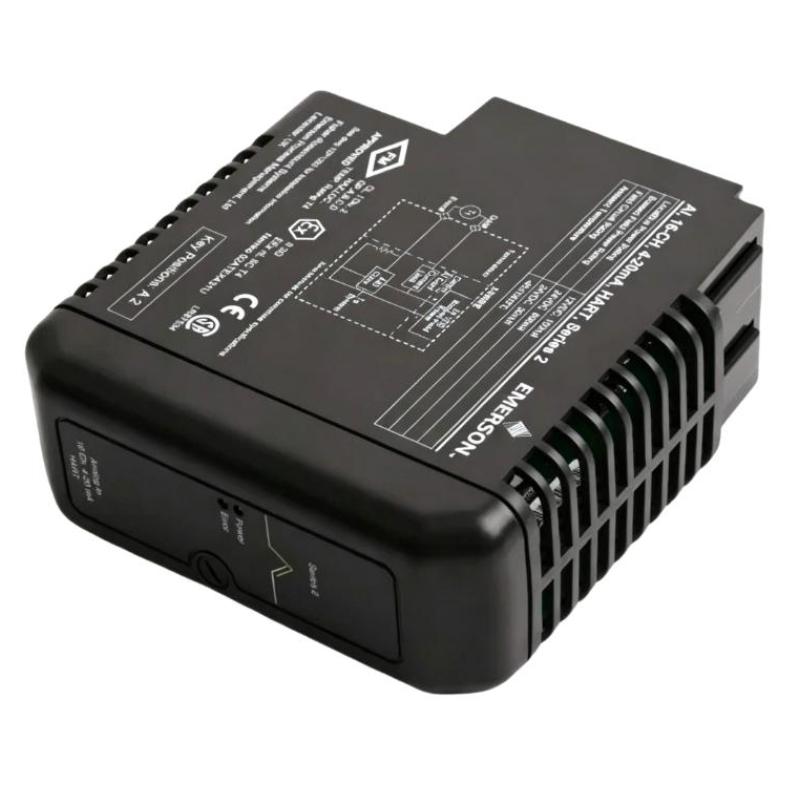
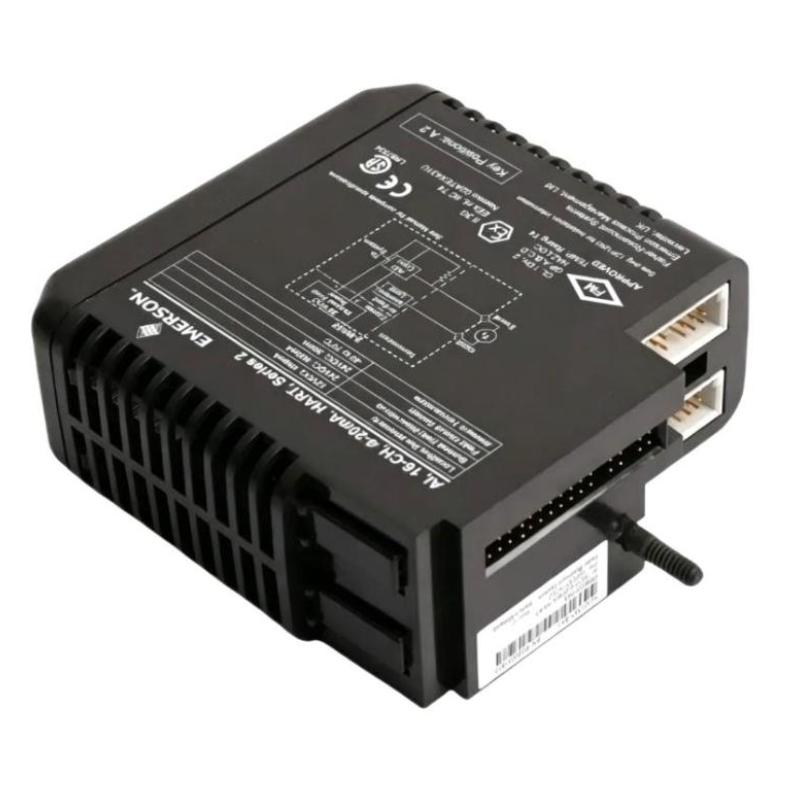
- Emerson
- VE4002S2
- Discrete Output Card
- USA
- 107 x 41 x 105 mm
- 0.25 kg
- Xiamen, China
- New & In Stock
- T/T, PayPal, Western Union
- 1 Year
- 1-3 Working Days
- DHL, UPS, TNT, FedEx and EMS.
- 24-Hour Service
- COO
- 2
Our advantage

Global Logistics
We have a 10-year logistics and express cooperation agreement, so our products can be shipped to any place in the world.

Brand new and original
Our products are imported in bulk from the place of origin. Because of the cooperative relationship, our products are all original and 100% new.

24-hour service
We provide 7*24 hours service to our customers. We will be there whenever you need us.

Price advantage
All our products are priced very favorably because we have our own warehouse and supply.
| Company Information | |||
| [email protected] | |||
| Mobile | +8615980777398 | ||
| +8615980777398 | |||
| 15980777398 |
Product Overview
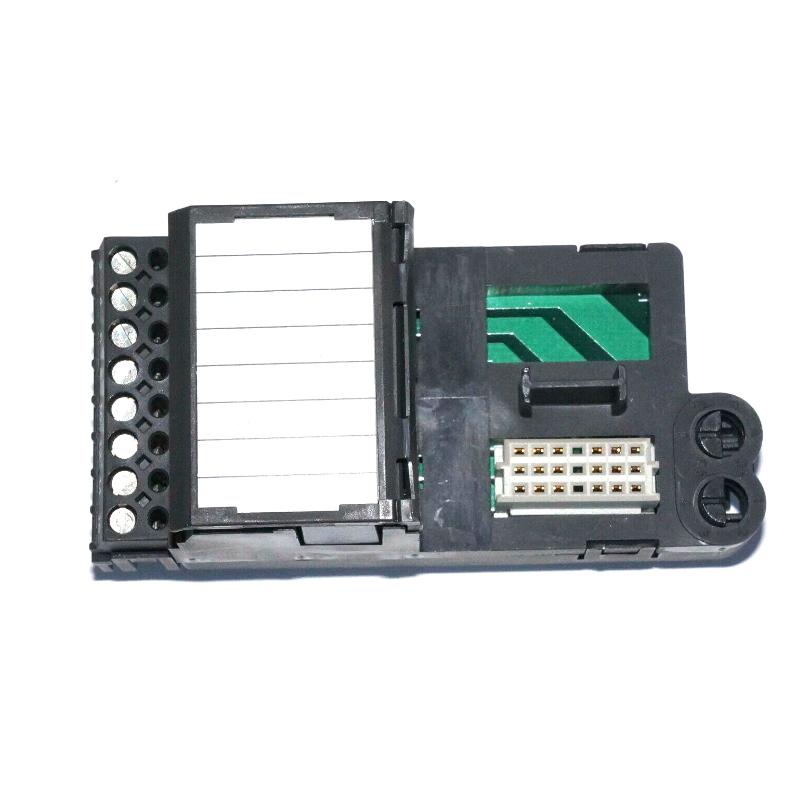
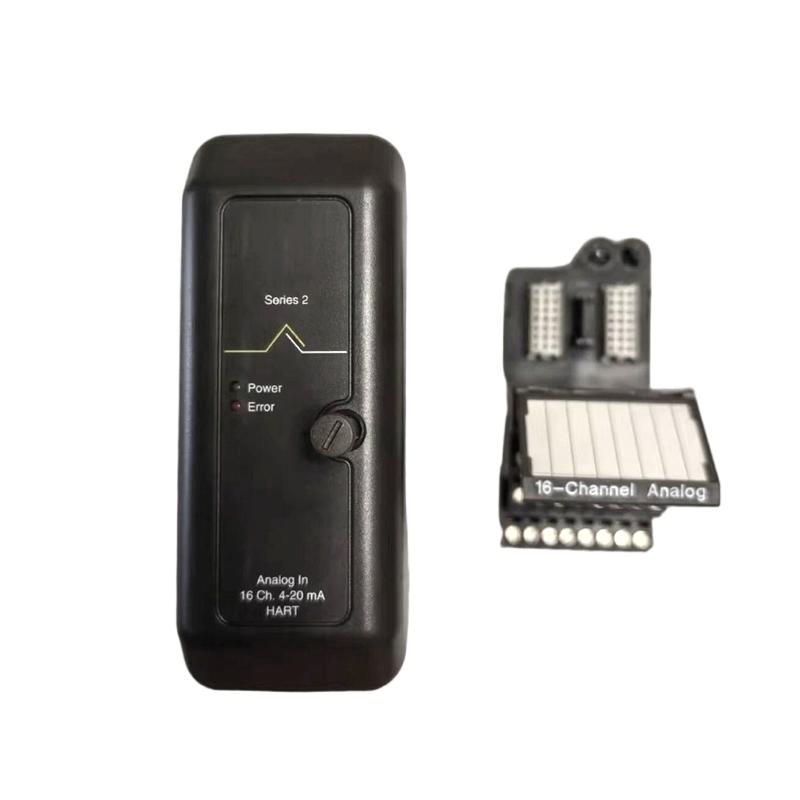
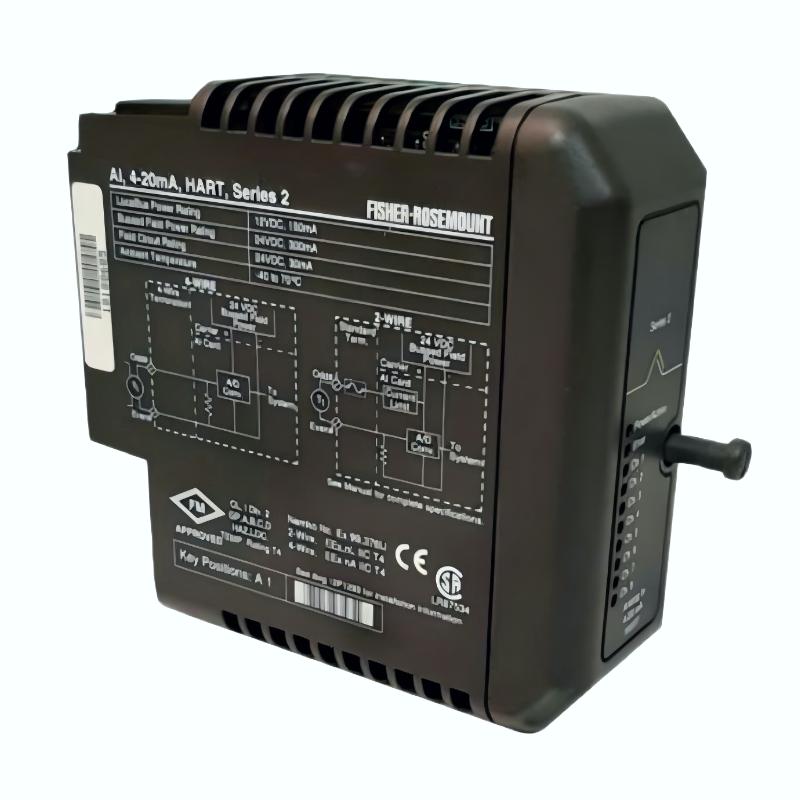
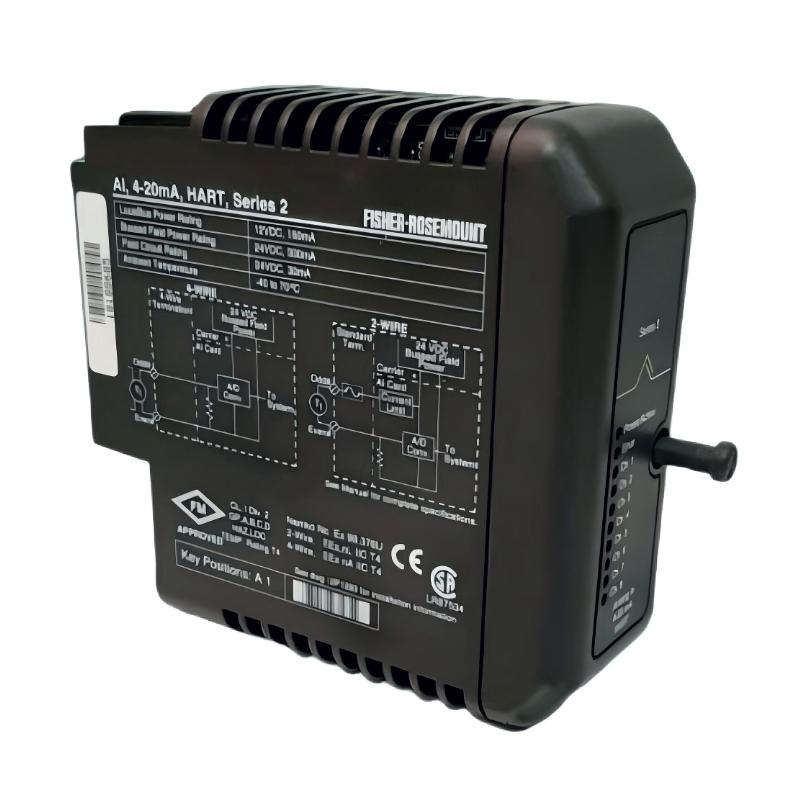
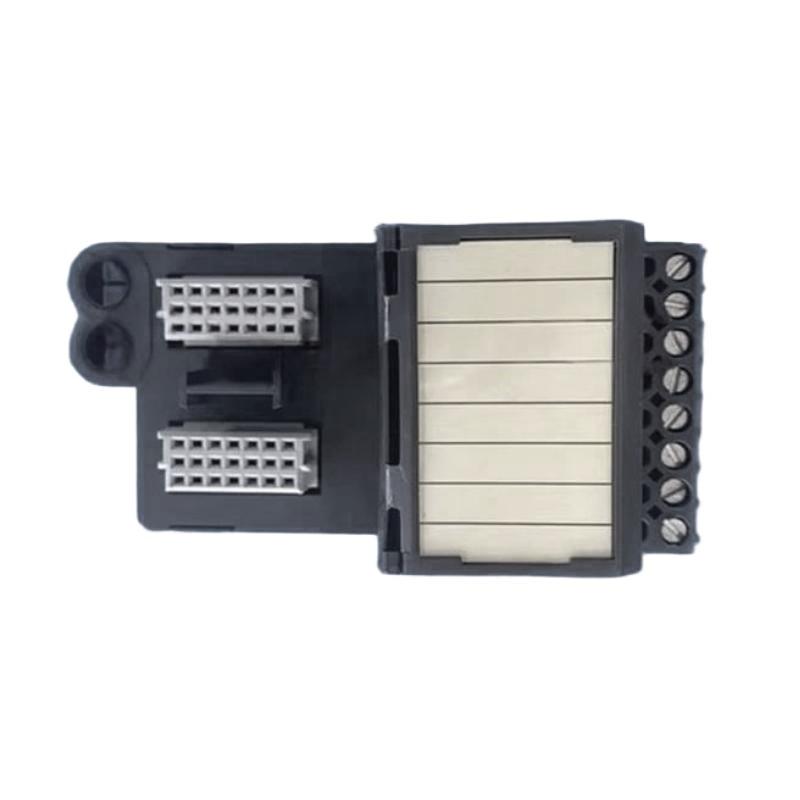
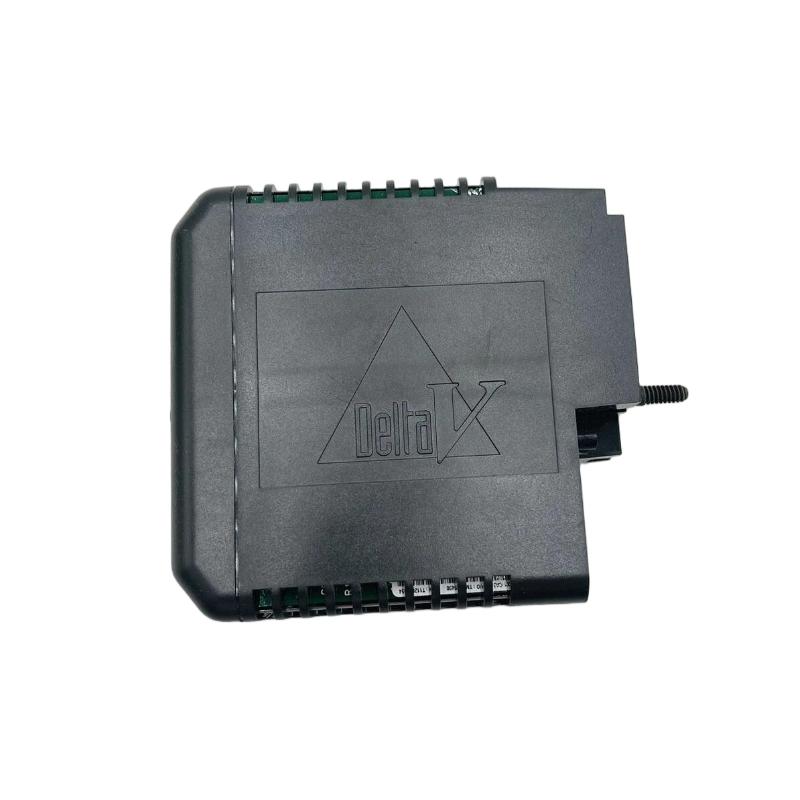
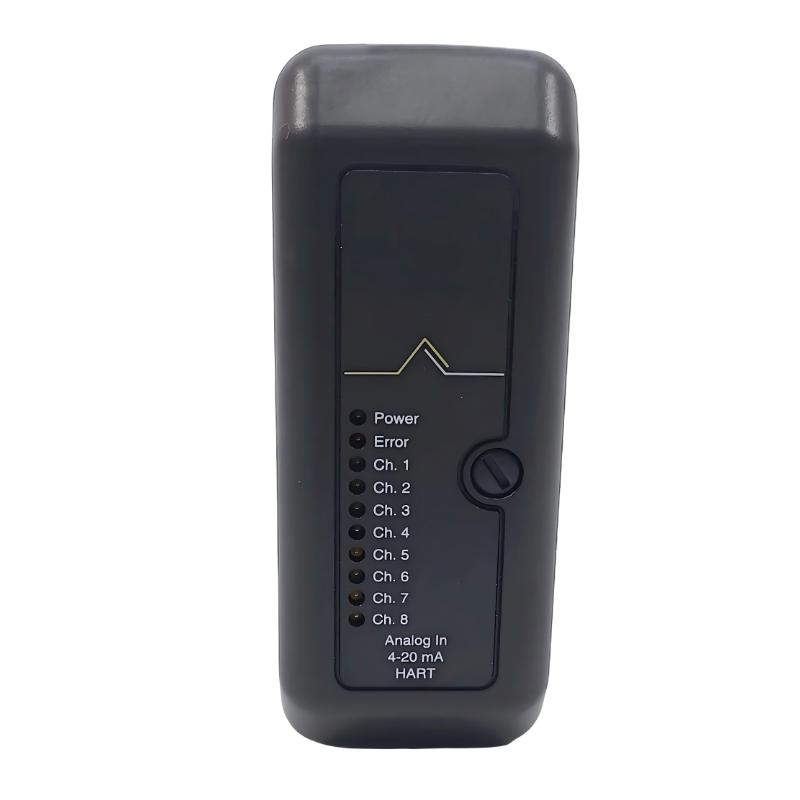
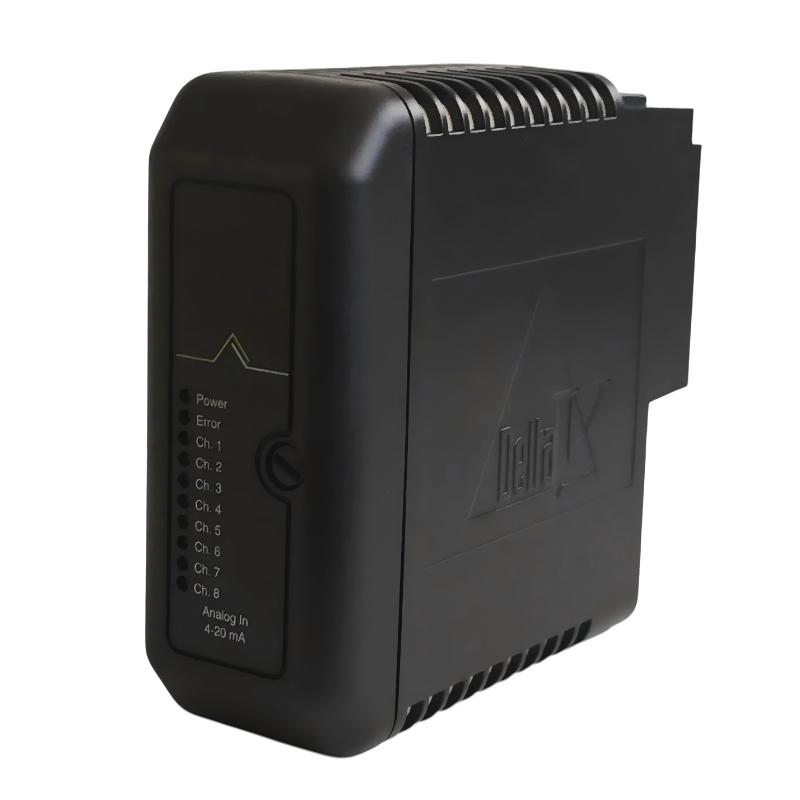
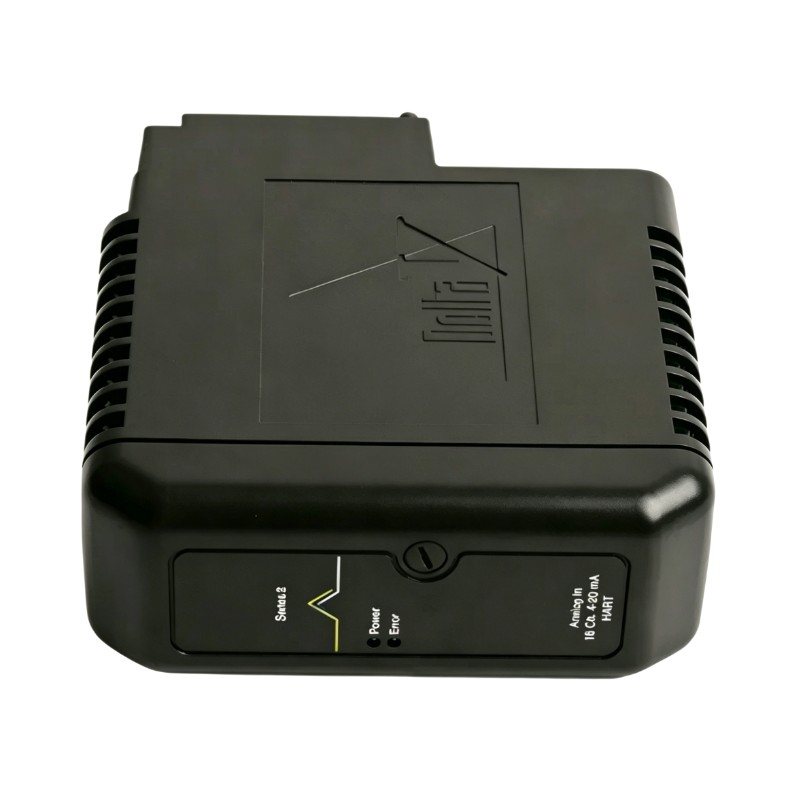
The Emerson VE4002S2 Discrete Output Card is an industrial process-control output interface designed to transfer discrete control commands from an automation system to field devices. As part of an Emerson process automation I/O architecture, the card provides a practical interface for applications where equipment must be switched between defined operating states according to process logic.
Discrete output cards are commonly used between process controllers and devices such as relays, solenoids, contactors, valves, alarms, status indicators, and other discrete actuators. The VE4002S2 allows control commands generated by the automation system to be delivered to the corresponding field circuits through an organized I/O architecture.
With supplied dimensions of 107 × 41 × 105 mm and a weight of 0.25 kg, the Emerson VE4002S2 has a compact form factor suitable for industrial control cabinets containing multiple I/O modules. Its modular construction also supports practical maintenance strategies because individual I/O hardware can be inspected, diagnosed, and replaced without unnecessarily disturbing unrelated parts of the control system.
For process engineers and maintenance technicians, the VE4002S2 should be evaluated as part of the complete I/O system rather than as an isolated component. Correct operation depends on the controller configuration, I/O architecture, field wiring, terminal interfaces, external power arrangements, and electrical characteristics of the connected loads.
Technical Specifications
| Parameter | Details |
|---|---|
| Manufacturer | Emerson |
| Model | VE4002S2 |
| Product Type | Discrete Output Card |
| I/O Type | Discrete Output |
| Primary Function | Digital field-device control |
| System Role | Process-control output interface |
| Typical Application | Industrial Process Automation |
| Typical Field Devices | Relays, Solenoids, Contactors, Valves, Indicators and Discrete Actuators |
| Dimensions | 107 × 41 × 105 mm |
| Weight | 0.25 kg |
| Installation | Modular Control System / Control Cabinet |
| Application Environment | Industrial Automation and Process Control |
Engineering note: Exact output channel count, nominal output voltage, current capacity, isolation arrangement, switching characteristics, protection specifications, and terminal assignments should be confirmed from the applicable hardware documentation and revision before field wiring or replacement.
What Is the Emerson VE4002S2?
The VE4002S2 is a discrete output card used within an Emerson industrial automation environment. Its primary purpose is to provide discrete electrical outputs that correspond to commands generated by the process-control system.
Unlike analog output hardware, which is typically used to generate continuously variable signals, a discrete output card is intended for defined states such as ON/OFF, energized/de-energized, or active/inactive. This makes the VE4002S2 appropriate for many types of equipment-control sequences.
A typical control path can be represented as:
Control Logic → Controller → I/O System → VE4002S2 → Field Wiring → Actuator
For example, a process controller may determine that a valve should be commanded to a particular state. The controller sends the appropriate output command through the I/O architecture, and the VE4002S2 provides the corresponding discrete output interface to the field circuit.
The card therefore forms an important boundary between software-based control logic and physical process equipment.
Function and Working Principle
The operating principle of a discrete output card is based on switching a field circuit according to the command received from the control system.
When the controller logic changes the state of an output point, the I/O system processes the command and directs the corresponding output channel on the VE4002S2. The output circuit then changes state according to its designed electrical characteristics.
The resulting signal can be used to control an external device or interface.
Typical sequence:
- The process controller executes programmed logic.
- A discrete output command is generated.
- The I/O system identifies the corresponding output point.
- The VE4002S2 processes the output command.
- The associated output circuit changes state.
- The signal passes through the field termination system.
- The connected field device responds.
This architecture allows discrete field devices to participate in automated sequences, permissives, interlocks, startup routines, shutdown operations, equipment sequencing, and alarm responses.
The output card itself should not be considered the only component responsible for successful operation. A fault anywhere between the controller and field device can prevent the expected result.
Discrete Output Signal Architecture
A reliable output system depends on several interconnected layers.
Control Layer
The controller executes the application logic and determines whether an output should be active.
I/O Layer
The VE4002S2 provides the physical output interface corresponding to the controller command.
Termination Layer
Terminal blocks, connectors, or associated I/O termination hardware provide the connection between the card and field wiring.
Field Layer
The output signal reaches the final device, which may be a valve actuator, relay, contactor, solenoid, indicator, or another discrete load.
This layered architecture makes troubleshooting more systematic. If a field device does not respond, technicians can test each layer independently rather than immediately assuming that the output card has failed.
Role in Industrial Process Automation
Discrete output cards are fundamental components in many process automation systems. While controllers perform calculations and execute sequences, field output hardware provides the physical interface needed to operate equipment.
The VE4002S2 can therefore contribute to:
- Automated equipment sequencing
- Valve command control
- Relay activation
- Solenoid operation
- Alarm activation
- Motor-control interface operation
- Process interlocking
- Equipment startup and shutdown
- Machine-state control
- Auxiliary equipment control
For large process facilities, numerous discrete outputs may operate simultaneously as part of coordinated control sequences.
The modular nature of the I/O architecture also helps engineers organize field signals according to process areas, equipment groups, or control functions.
Industrial Applications
The Emerson VE4002S2 Discrete Output Card can be applied to a variety of industrial process-control environments.
Oil and Gas
Discrete outputs can be used for valves, auxiliary equipment, alarms, relay interfaces, and equipment sequencing.
Power Generation
Power plants require large numbers of discrete control signals for auxiliary systems, switching functions, annunciation, and equipment control.
Chemical Processing
Chemical production systems frequently use discrete outputs to operate valves, solenoids, pumps, agitators, and other process equipment.
Water and Wastewater
Treatment facilities use digital output signals for pumps, valves, dosing systems, alarms, and equipment interlocks.
Pharmaceutical Manufacturing
Automated production systems can use discrete outputs to coordinate process equipment and utility systems.
Food and Beverage
Discrete output interfaces can control production-line equipment, valves, pumps, conveyors, alarms, and related machinery.
General Manufacturing
The card can also form part of automated production equipment where discrete control commands are required.
Integration with an Emerson Control System
The VE4002S2 should be integrated according to the architecture of the host Emerson control system.
A simplified configuration is:
Operator / Engineering System
↓
Process Controller
↓
I/O Configuration
↓
VE4002S2 Discrete Output Card
↓
Terminal / Field Interface
↓
Field Device
The controller determines the required process action, while the VE4002S2 delivers the corresponding discrete output.
During system engineering, every output point should be documented with its:
- Controller address
- I/O card identification
- Channel designation
- Terminal number
- Field cable number
- Field-device tag
- Process function
Good signal documentation makes future maintenance significantly easier.
Installation Guidelines
Before installing an Emerson VE4002S2, technicians should verify the exact part number and system configuration.
1. Verify the Hardware
Confirm that the replacement or new card is identified as VE4002S2 and corresponds to the intended I/O architecture.
2. Inspect the Card
Check the card for:
- Mechanical damage
- Damaged connectors
- Contamination
- Signs of overheating
- Bent contacts
- Loose components
3. Check the Installation Area
The supplied card dimensions are 107 × 41 × 105 mm. Verify sufficient cabinet space for installation, connectors, field wiring, cooling, and maintenance access.
4. Follow Electrical Isolation Procedures
Before removing an existing card, follow the plant’s approved isolation and lockout/tagout procedures.
5. Install the Card
Seat the VE4002S2 correctly into its designated position and ensure that all mechanical and electrical connections are properly engaged.
6. Verify Field Connections
Check field wiring against the approved electrical drawings.
7. Confirm Output Configuration
Review the controller and I/O configuration to ensure that the installed card corresponds to the intended output points.
Commissioning Procedure
Commissioning should be performed in a controlled sequence.
Step 1: Hardware Verification
Confirm the VE4002S2 model and physical installation.
Step 2: Wiring Inspection
Verify all associated terminal connections and field wiring.
Step 3: Configuration Verification
Confirm that the control system recognizes and is configured for the installed output hardware.
Step 4: Diagnostic Check
Review available system diagnostics for card, I/O, communication, or configuration faults.
Step 5: Output Test
Where permitted by the process and safety procedures, test output points individually.
Step 6: Field Device Verification
Confirm that the intended field device responds correctly to the output command.
Step 7: Sequence Verification
Test the output as part of its normal process sequence.
Step 8: Documentation
Record the commissioning results and any configuration changes.
Critical field equipment should only be operated during testing under an approved commissioning procedure.
Troubleshooting the VE4002S2
When a discrete output does not operate correctly, troubleshooting should begin with the complete signal path.
Problem: Output Does Not Activate
Possible causes include:
- Incorrect controller logic
- Output command not being generated
- Incorrect I/O configuration
- Card not properly seated
- Terminal connection problem
- Field wiring fault
- External supply problem
- Load-side fault
- Output channel fault
Start by determining whether the controller is actually commanding the output.
If the controller output state is incorrect, replacing the VE4002S2 is unlikely to solve the problem.
Problem: Controller Shows Output Active but Field Device Does Not Respond
Check:
- Output-channel state
- Terminal connection
- Field wiring continuity
- External power
- Protective devices
- Field-device condition
- Load compatibility
This type of fault can occur when the electronic output is functioning but the field circuit is open.
Problem: Output Remains Active
Investigate:
- Controller logic
- Forced output states
- Configuration errors
- Field wiring
- Short circuits
- External interfaces
- Output-channel failure
Always distinguish between a command being intentionally generated by the controller and an output that is electrically stuck in an unexpected state.
Problem: Several Outputs Fail Simultaneously
When multiple channels stop operating at the same time, investigate common system factors first.
Potential areas include:
- Module power
- I/O interface
- Controller status
- Common field supply
- Terminal assembly
- Rack or carrier connection
- Configuration
- Grounding
- Communication-related system faults
A simultaneous failure across multiple channels often points toward a common cause rather than several independent output-channel failures.
Preventive Maintenance
Although modern industrial I/O hardware is designed for continuous operation, preventive maintenance remains important.
Maintenance teams should periodically inspect:
- Card seating
- Connectors
- Terminal blocks
- Field wiring
- Cabinet cleanliness
- Signs of excessive temperature
- Grounding connections
- Output-related diagnostics
- Historical alarms
- Field-device condition
Particular attention should be given to repeated failures on the same output channel.
For example, if a particular channel repeatedly fails after controlling the same solenoid or relay, the field load should be investigated rather than repeatedly replacing the output card.
Field Wiring and Load Considerations
The connected load is an important part of output-system reliability.
Before connecting a field device, engineers should verify:
- Required operating voltage
- Expected current
- Load type
- Switching frequency
- Inrush characteristics
- Inductive behavior
- External suppression requirements
- Protective-device configuration
- Grounding requirements
Inductive loads such as solenoids, relays, and contactors can produce electrical transients when switched. Appropriate circuit protection and suppression should be incorporated where required by the system design.
The exact electrical specifications of the VE4002S2 must be matched with the field-device requirements before commissioning.
Replacement Considerations
When replacing a VE4002S2, technicians should not rely solely on the general description “discrete output card.”
The following information should be compared:
- Complete model number
- Hardware revision
- I/O system generation
- Connector arrangement
- Terminal configuration
- Controller configuration
- Field wiring
- Electrical characteristics
- Existing application requirements
The supplied physical characteristics are:
Dimensions: 107 × 41 × 105 mm
Weight: 0.25 kg
A physically similar Emerson I/O card may have different electrical or functional characteristics, so model verification should always be completed before installation.
Cabinet Installation and Space Planning
The compact size of the VE4002S2 provides advantages in applications with high I/O density.
The specified dimensions are:
107 mm × 41 mm × 105 mm
and the supplied weight is:
0.25 kg
When designing a cabinet around the card, engineers should consider more than the basic enclosure dimensions. Additional space may be needed for:
- Wiring
- Connectors
- Terminal access
- Ventilation
- Cable routing
- Maintenance
- Adjacent modules
- Identification labels
A well-organized cabinet makes troubleshooting faster and reduces the risk of accidental wiring damage during maintenance.
Recommended Related Emerson I/O Modules
The VE4002S2 belongs to a broader family of Emerson process-control I/O hardware. Depending on the application, a system may also contain different discrete and analog I/O configurations.
| Module Type | Typical Function |
|---|---|
| VE4002 Series Discrete Output Modules | Digital field-device control |
| VE4001 Series Discrete Input Modules | Monitoring field contact/status signals |
| Analog Input Modules | Measurement of process variables |
| Analog Output Modules | Generation of continuous control signals |
| Terminal Block Assemblies | Field wiring termination |
| I/O Interface Hardware | Connection between controller and field equipment |
Alternative modules should only be selected after verifying electrical characteristics, system compatibility, hardware revision, and terminal configuration.
Engineering Best Practices
For reliable operation of the Emerson VE4002S2, several engineering practices are recommended.
Maintain Accurate I/O Lists
Keep controller addresses, channel assignments, terminal numbers, and field-device tags synchronized.
Use Clear Cable Identification
Every field cable should have a durable and readable identification number.
Record Hardware Revisions
Document the exact hardware revision of installed I/O cards.
Keep Critical Spares
For important process-control applications, maintaining a verified spare output card can reduce equipment downtime.
Investigate Repeated Failures
Repeated output-card failures may indicate problems with the connected load, field wiring, power supply, or environmental conditions.
Test Changes Carefully
Any change to controller logic or output configuration should be tested under an approved maintenance or commissioning procedure.
Key Advantages
The Emerson VE4002S2 Discrete Output Card provides several practical advantages for industrial process automation:
- Dedicated discrete output functionality
- Modular process-control architecture
- Compact physical design
- 107 × 41 × 105 mm dimensions
- 0.25 kg supplied weight
- Suitable for industrial control cabinets
- Practical interface between controller logic and field devices
- Supports automated equipment sequencing
- Suitable for relay and actuator control applications
- Simplifies modular maintenance
- Supports organized I/O system design
- Useful for industrial replacement and spare-parts programs
Technical FAQs
What is the Emerson VE4002S2?
The VE4002S2 is an Emerson Discrete Output Card designed to provide digital output interfaces between a process-control system and discrete field devices.
What is the main function of a discrete output card?
Its main function is to transfer controller commands to external field circuits so that devices such as relays, solenoids, valves, contactors, and indicators can be operated according to the control logic.
What are the dimensions of the VE4002S2?
The supplied dimensions are 107 × 41 × 105 mm.
How much does the VE4002S2 weigh?
The supplied weight is 0.25 kg.
Where is the VE4002S2 typically installed?
It is intended for modular industrial automation and process-control installations, typically within an appropriate control cabinet or I/O system.
Can the VE4002S2 control valves?
Discrete outputs are commonly used for valve-related control circuits, but the exact suitability depends on the electrical characteristics of the valve actuator, interface circuitry, and the specific output configuration.
What should be checked before replacing the card?
Engineers should verify the complete model number, hardware revision, I/O architecture, terminal arrangement, controller configuration, field wiring, and electrical characteristics of the connected loads.
What is the first step when troubleshooting a failed output?
First determine whether the controller is actually commanding the output. Then trace the signal path through the I/O card, terminal interface, field wiring, external supply, and final field device.
Conclusion
The Emerson VE4002S2 Discrete Output Card is an important component for industrial process-control applications requiring reliable transmission of discrete commands from an automation system to field equipment. It provides the interface needed to connect control logic with physical devices such as relays, solenoids, valves, contactors, indicators, and other discrete actuators.
With supplied dimensions of 107 × 41 × 105 mm and a weight of 0.25 kg, the VE4002S2 offers a compact solution for modular control cabinets and distributed I/O installations. Its role extends beyond simple signal switching because reliable output operation depends on coordinated controller configuration, I/O hardware, terminal connections, field wiring, external power, and connected loads.
For installation or replacement, the exact VE4002S2 identification should be verified together with the associated system hardware and configuration. During troubleshooting, technicians should analyze the complete control-to-field signal path before determining whether the output card itself requires replacement.
When correctly integrated and maintained, the Emerson VE4002S2 provides a practical discrete-output interface for process automation systems across power generation, oil and gas, chemical processing, water treatment, manufacturing, and other industrial applications.