

ProductPRODUCT
Featured products
Contact Us
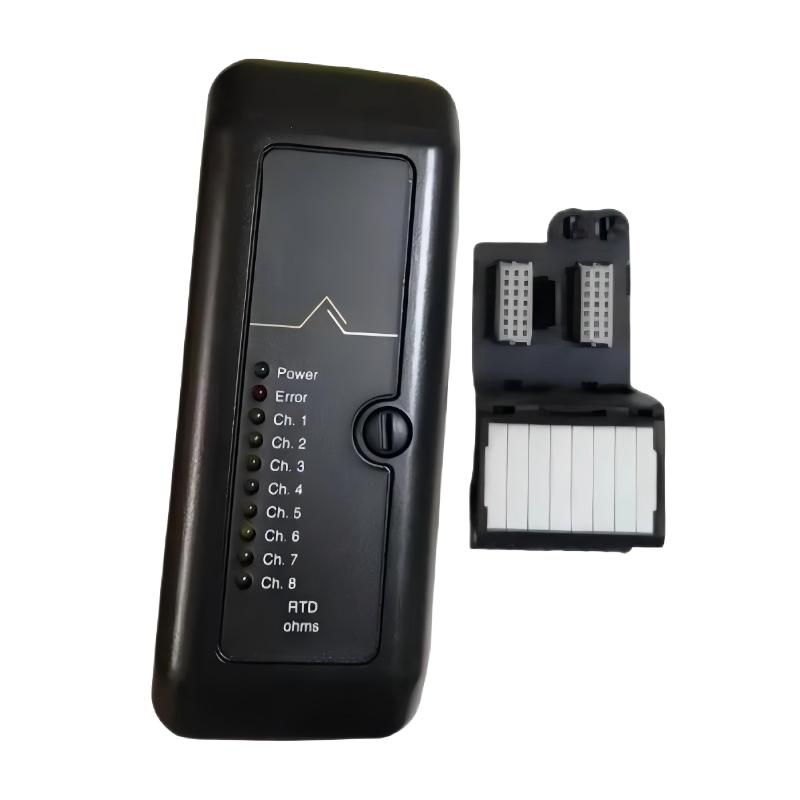
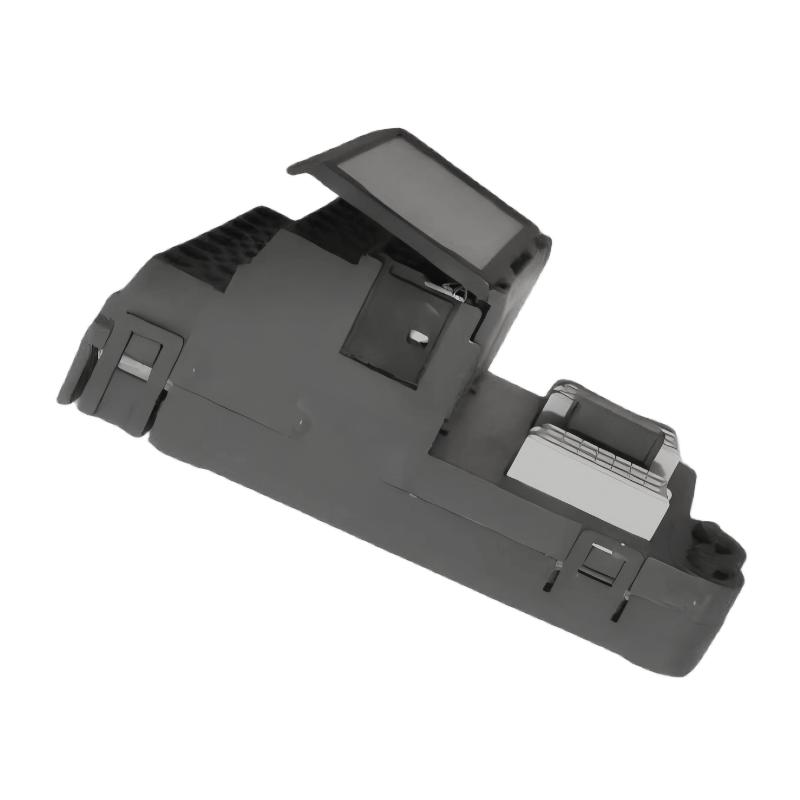
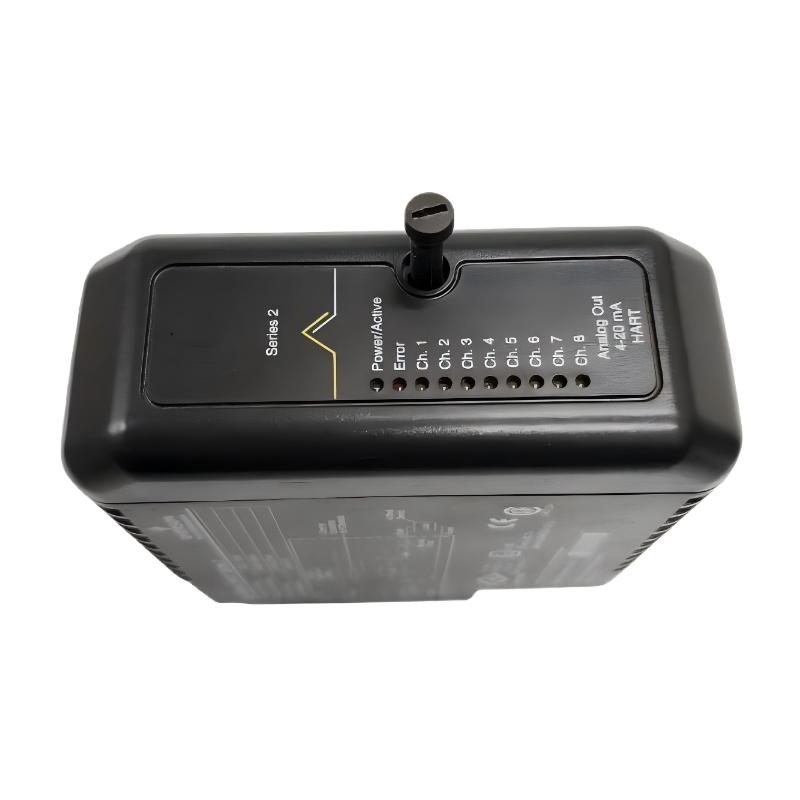
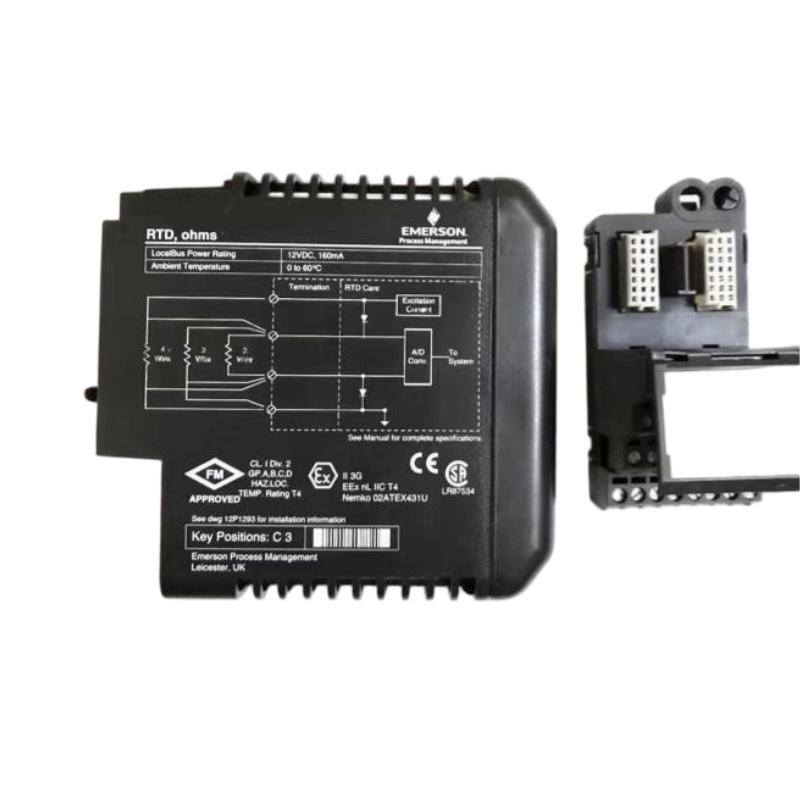
- Emerson
- VE4002S1T2B6 KJ3204X1-BA1+KJ4001X1-CK1
- Output Module with Terminal Blocks
- USA
- 107 x 41 x 105 mm
- 0.45 kg
- Xiamen, China
- New & In Stock
- T/T, PayPal, Western Union
- 1 Year
- 1-3 Working Days
- DHL, UPS, TNT, FedEx and EMS.
- 24-Hour Service
- COO
- 2
Our advantage

Global Logistics
We have a 10-year logistics and express cooperation agreement, so our products can be shipped to any place in the world.

Brand new and original
Our products are imported in bulk from the place of origin. Because of the cooperative relationship, our products are all original and 100% new.

24-hour service
We provide 7*24 hours service to our customers. We will be there whenever you need us.

Price advantage
All our products are priced very favorably because we have our own warehouse and supply.
| Company Information | |||
| [email protected] | |||
| Mobile | +8615980777398 | ||
| +8615980777398 | |||
| 15980777398 |
Product Overview
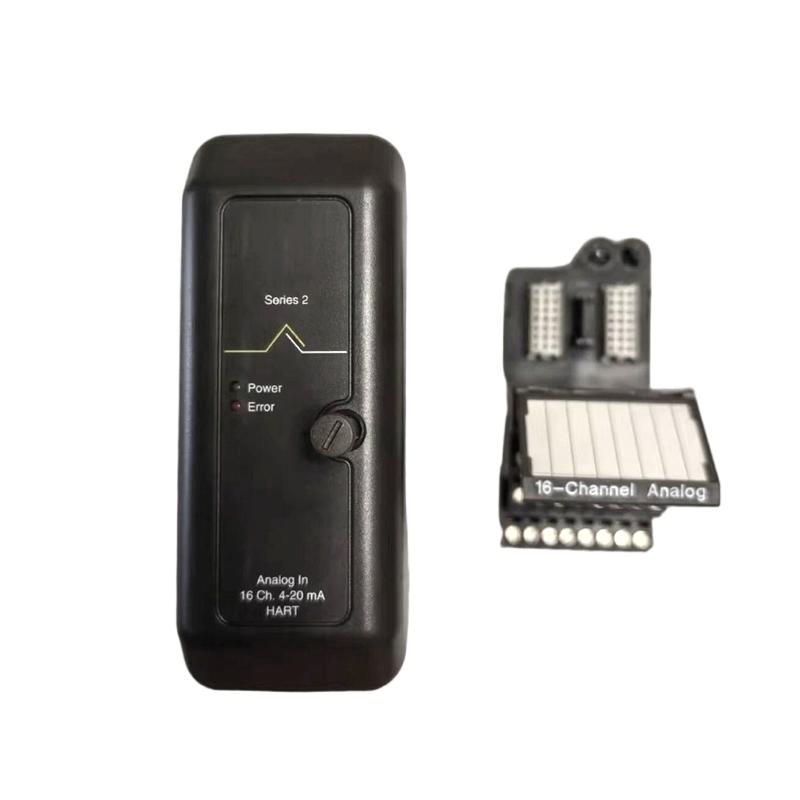
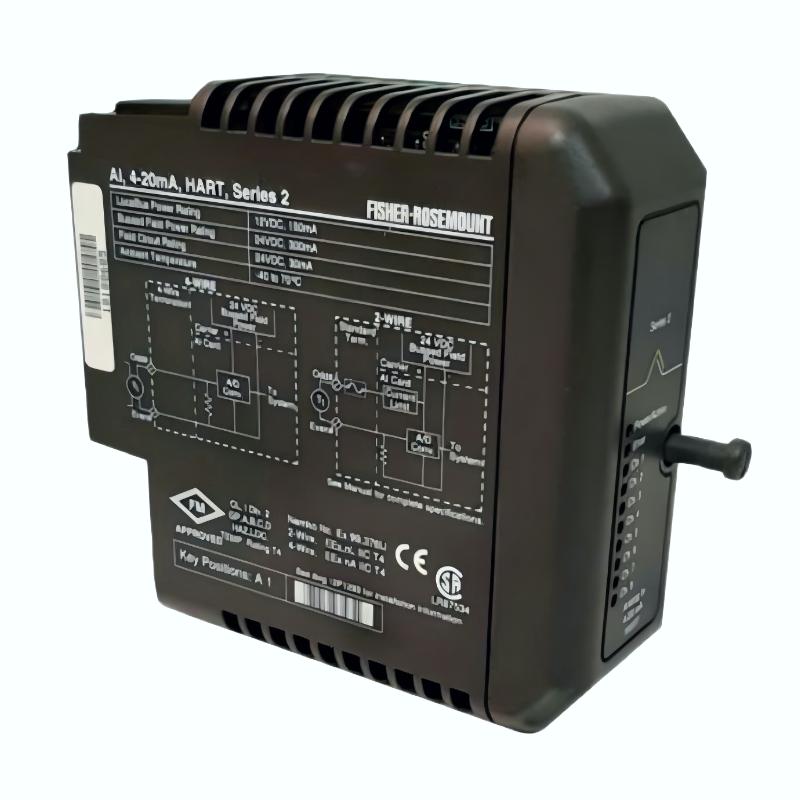
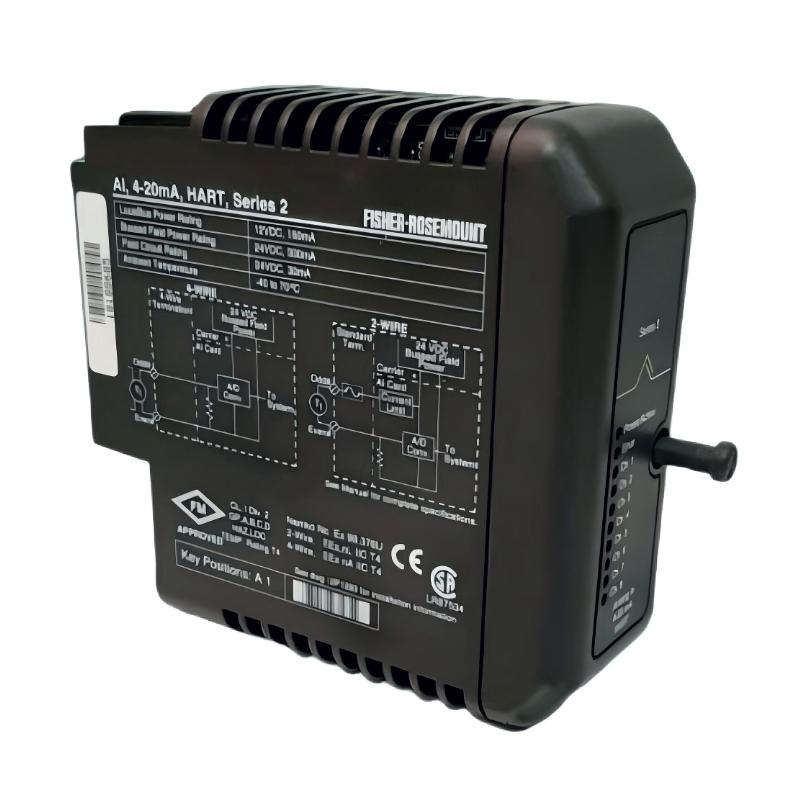
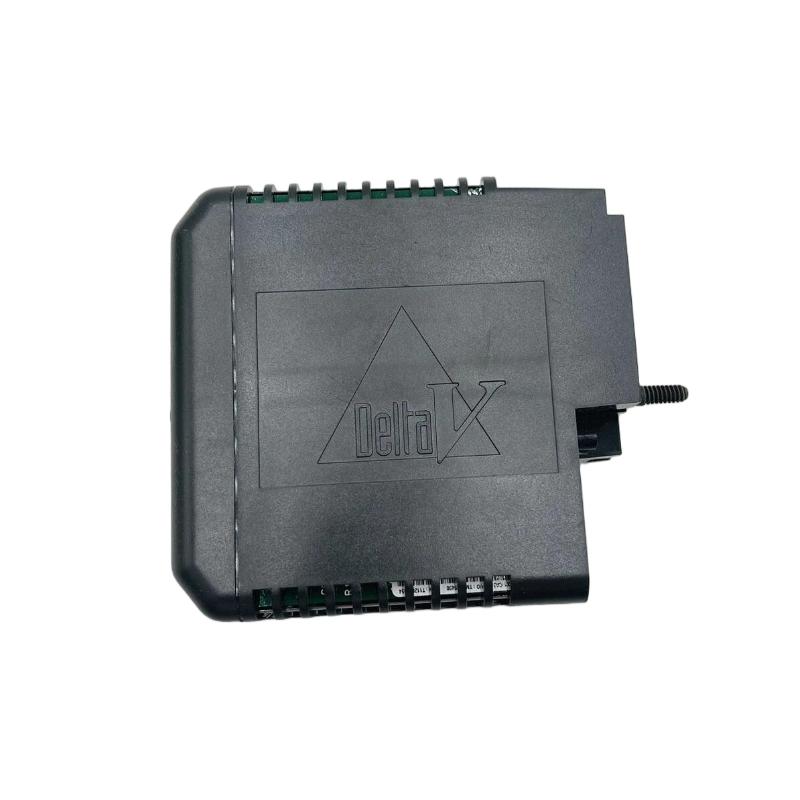
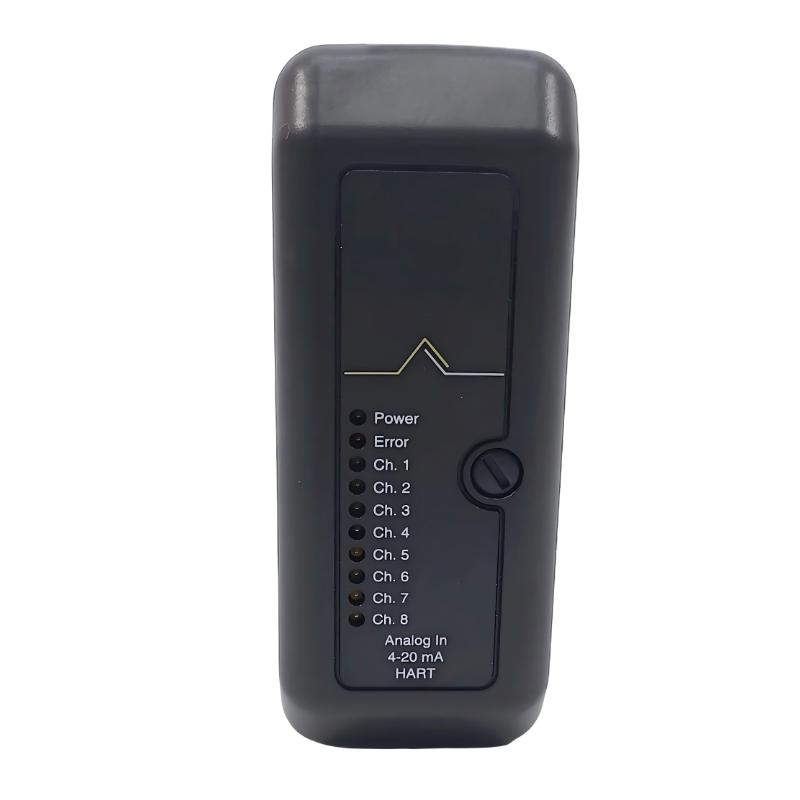
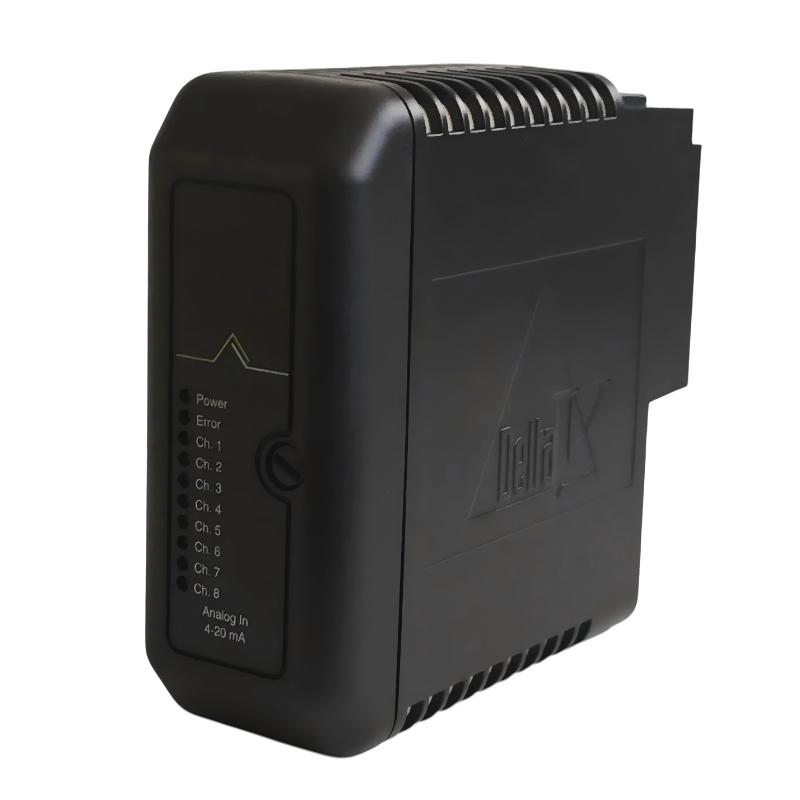
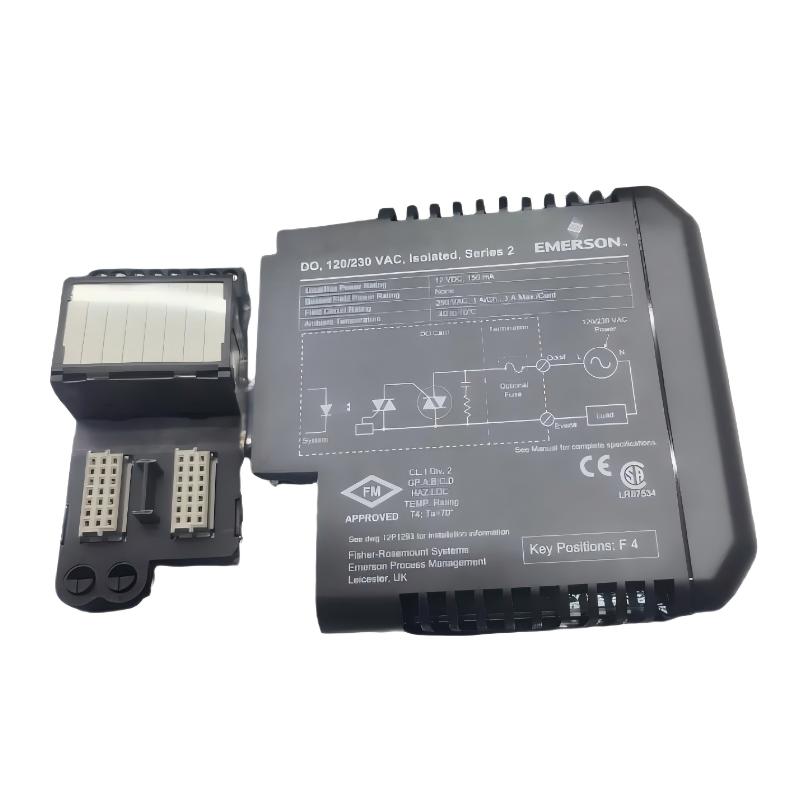
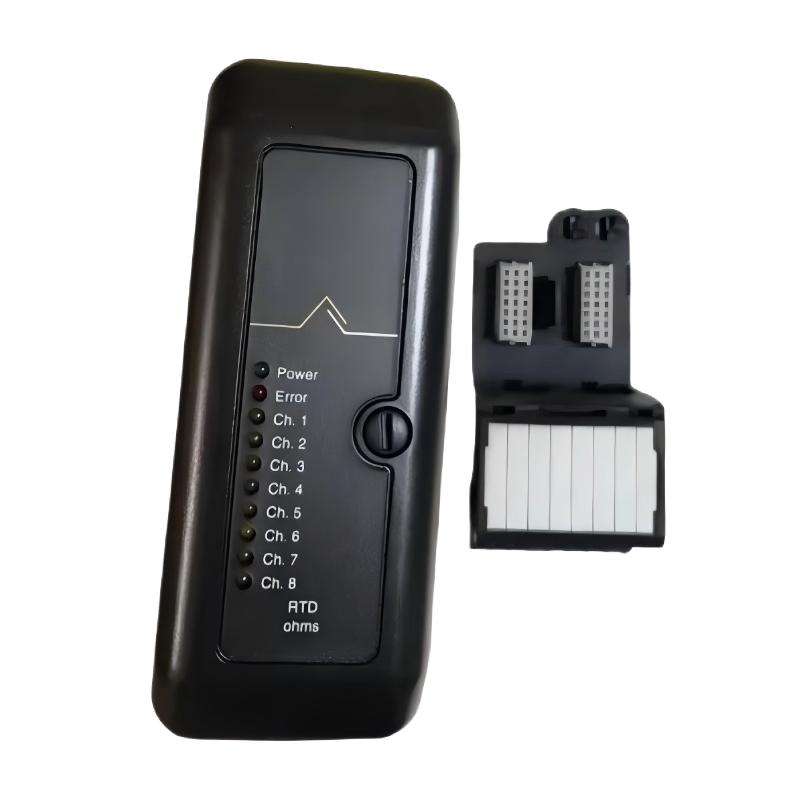
The Emerson VE4002S1T2B6 KJ3204X1-BA1+KJ4001X1-CK1 Output Module with Terminal Blocks is a discrete output interface assembly designed for industrial process control applications where reliable field-device switching and organized termination are required. The assembly combines the VE4002S1T2B6 output module with the KJ3204X1-BA1 module/base component and KJ4001X1-CK1 terminal block configuration, providing a practical interface between a process control system and field output devices.
Within an Emerson process automation architecture, discrete output hardware is responsible for transferring controller commands to field equipment. Depending on the application and configured electrical characteristics, output points can be used to operate relays, contactors, solenoid valves, annunciators, interposing devices, indicators, and other discrete loads. The VE4002S1T2B6 assembly provides a structured approach to field wiring while helping simplify cabinet installation, maintenance, commissioning, and replacement.
The supplied assembly has dimensions of 107 × 41 × 105 mm and a weight of 0.45 kg. Its compact form factor makes it suitable for densely populated industrial control cabinets where space efficiency, accessible field termination, and modular replacement are important design considerations.
For engineers working with Emerson process control systems, understanding the relationship between the output module, terminal block, field wiring, controller configuration, and load devices is essential. The VE4002S1T2B6 assembly is therefore best viewed not simply as an output card, but as part of the complete field-output interface used by the control system.
Technical Specifications
| Parameter | Details |
|---|---|
| Manufacturer | Emerson |
| Model | VE4002S1T2B6 |
| Module / Assembly | KJ3204X1-BA1 + KJ4001X1-CK1 |
| Product Type | Output Module with Terminal Blocks |
| I/O Type | Discrete Output |
| Application | Industrial Process Control |
| Interface Components | KJ3204X1-BA1 and KJ4001X1-CK1 |
| Dimensions | 107 × 41 × 105 mm |
| Weight | 0.45 kg |
| Mounting | Modular Industrial Control System Installation |
| Installation Environment | Industrial Control Cabinet |
| Typical System Role | Field Output Interface |
| Typical Loads | Relays, Solenoids, Contactors, Indicators and Discrete Actuators |
| System Integration | Emerson Process Automation Architecture |
Exact channel count, output voltage, current rating, isolation characteristics, load limitations, and terminal assignments should be confirmed against the specific hardware revision and system configuration before installation.
Understanding the VE4002S1T2B6 Assembly
The model designation VE4002S1T2B6 identifies an Emerson discrete output module configuration, while KJ3204X1-BA1+KJ4001X1-CK1 identifies the associated hardware arrangement used with the output interface.
This distinction is important when ordering replacement parts. Industrial automation systems frequently use combinations of electronic modules, carriers, terminal blocks, and field termination assemblies. Replacing only one part of a configured assembly may not always reproduce the original installation.
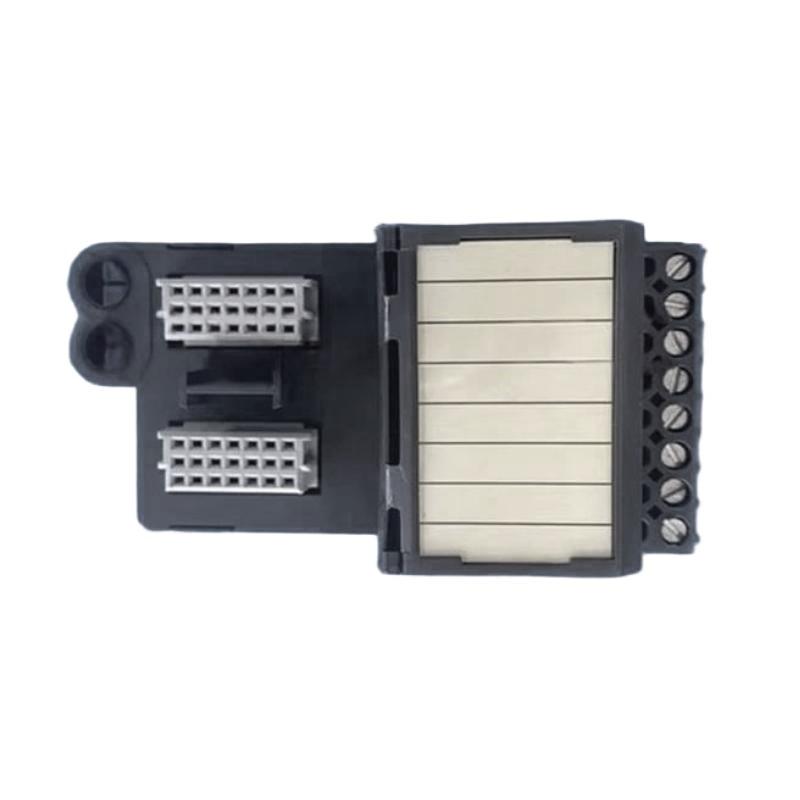
The KJ3204X1-BA1 portion forms part of the module/interface arrangement, while the KJ4001X1-CK1 provides the associated terminal block interface. Together, they create a convenient connection point between the control electronics and external field wiring.
When selecting a replacement, engineers should compare:
- Complete model number
- Hardware revision
- Terminal block configuration
- Connector arrangement
- Existing cabinet wiring
- Controller I/O configuration
- Field-device electrical characteristics
- Application-specific output requirements
This approach reduces the risk of installing a mechanically compatible component that is electrically or functionally unsuitable.
Function and Working Principle
The basic function of a discrete output module is to translate a control command from the automation system into an electrical output signal suitable for a connected field device.
A typical control sequence can be represented as:
Controller → Output Processing → VE4002S1T2B6 → Terminal Block → Field Wiring → Field Device
When the process controller determines that an actuator or other discrete device should change state, the corresponding output command is processed by the output module. The module then switches the appropriate output circuit according to the configured logic and electrical design.
The terminal block provides the physical connection between the output interface and field wiring. This separation between control electronics and field termination is valuable in process automation because maintenance personnel can identify and inspect field connections without disturbing the entire control architecture.
Typical operating functions include:
- Discrete command transmission
- Field actuator switching
- Electrical interface between controller and field devices
- Organized field termination
- Output-state monitoring within the control system
- Simplified cabinet wiring
- Modular maintenance and replacement
The actual behavior of each output depends on the specific hardware configuration and connected load. Engineers should always verify the electrical characteristics before connecting field equipment.
Role in Emerson Process Control Systems
The VE4002S1T2B6 can serve as the output layer between control logic and physical process equipment.
A modern process automation system may contain controllers, I/O modules, terminal blocks, communication networks, operator stations, engineering workstations, and field instruments. Within this architecture, output modules provide the final control interface for many discrete field devices.
For example, a controller may execute logic indicating that a valve should open. The corresponding discrete output is then activated, and the signal is delivered through the output module and terminal block to the associated field circuit.
This architecture provides several important benefits:
Separation of Control and Field Wiring
The module and terminal assembly separates controller electronics from field connections, helping maintain an organized cabinet layout.
Modular Maintenance
A modular output interface allows technicians to identify the affected I/O section without unnecessarily disturbing unrelated control hardware.
Improved Wiring Organization
The terminal block creates a structured termination point for field cables, improving cable identification and maintenance accessibility.
Process Control Integration
Discrete outputs can participate in sequences, interlocks, permissive logic, alarm responses, startup procedures, shutdown sequences, and equipment control routines.
Typical Industrial Applications
The Emerson VE4002S1T2B6 output assembly can be used in a variety of process automation environments where discrete output control is required.
Oil and Gas
Process facilities use discrete outputs to control auxiliary equipment, valves, alarms, motor starters, and other field devices.
Chemical Processing
Chemical plants often require coordinated control of valves, pumps, agitators, dosing equipment, and safety-related auxiliary devices.
Power Generation
Discrete outputs can be integrated into equipment-control sequences involving auxiliary systems, annunciation, switching devices, and plant balance-of-system equipment.
Water and Wastewater
Water treatment installations use discrete outputs for pump commands, valve control, chemical dosing equipment, and local indication.
Pharmaceutical Manufacturing
Process equipment often requires tightly controlled discrete sequences for valves, pumps, material handling systems, and production utilities.
Food and Beverage Processing
Discrete output interfaces can be used for conveyors, valves, pumps, motors, alarms, and other automated production equipment.
General Process Automation
The module can also form part of larger distributed control installations where numerous discrete field devices must be controlled from centralized process logic.
System Integration
Successful integration requires more than simply installing the module into a compatible control cabinet. The hardware, controller configuration, terminal block, field wiring, and connected devices must operate as a coordinated system.
A simplified architecture is:
Process Logic
↓
Emerson Controller
↓
I/O Processing
↓
VE4002S1T2B6 Output Module
↓
KJ3204X1-BA1 Interface
↓
KJ4001X1-CK1 Terminal Block
↓
Field Wiring
↓
Discrete Field Device
The controller determines the required output state while the output module provides the physical electrical interface.
During engineering, technicians should document the relationship between each controller output address and its corresponding terminal connection. This is particularly important for large systems containing hundreds or thousands of field I/O points.
Terminal Block and Field Wiring Considerations
The KJ4001X1-CK1 terminal block is an important part of the VE4002S1T2B6 assembly because it provides the field termination interface.
Good field-wiring practices include:
- Clearly label every field cable.
- Match terminal numbers with the engineering drawings.
- Verify polarity where applicable.
- Confirm the connected load before energization.
- Separate signal wiring from high-energy power conductors where appropriate.
- Use suitable wire sizes and terminal hardware.
- Inspect terminals for loose connections.
- Maintain proper cabinet grounding practices.
- Verify shielding and cable routing according to the application.
- Document any wiring modifications.
A terminal block should never be treated as merely a passive connection point. Poor termination can create intermittent faults that appear to originate from the output module even when the electronic module itself is functioning correctly.
Installation Guidelines
Before installing the Emerson VE4002S1T2B6 assembly, verify that the replacement hardware corresponds to the intended system configuration.
1. Verify the Part Number
Confirm VE4002S1T2B6, KJ3204X1-BA1, and KJ4001X1-CK1 against the equipment documentation.
2. Inspect the Hardware
Check the module, terminal block, connectors, mounting surfaces, and visible components for mechanical damage.
3. Confirm Cabinet Compatibility
The supplied dimensions are 107 × 41 × 105 mm. Confirm that adequate space remains for wiring, ventilation, maintenance access, and neighboring modules.
4. Isolate the System
Follow the plant’s approved electrical isolation and lockout/tagout procedures before removing or installing control-system hardware.
5. Install the Module
Mount the module using the appropriate Emerson system hardware and ensure that it is correctly seated.
6. Connect the Terminal Interface
Install the associated terminal block and verify that connectors are properly engaged.
7. Verify Field Wiring
Compare actual field wiring against the approved wiring diagram before restoring power.
8. Perform Electrical Checks
Check continuity, polarity, grounding, and load compatibility as applicable.
9. Restore Power
After all installation checks have been completed, restore system power according to the plant commissioning procedure.
Commissioning Procedure
A controlled commissioning process helps prevent accidental activation of field equipment.
The recommended sequence is:
- Verify module identity.
- Confirm physical installation.
- Check terminal-block connections.
- Review controller I/O configuration.
- Verify output addressing.
- Confirm field-device wiring.
- Check output-load compatibility.
- Apply power according to the approved procedure.
- Observe module and system diagnostics.
- Test outputs individually where safe to do so.
- Confirm field-device response.
- Verify interlocks and permissive logic.
- Record commissioning results.
For critical process equipment, output testing should be performed under an approved maintenance or commissioning procedure because changing a discrete output may cause a valve, motor, relay, or other actuator to operate.
Troubleshooting the VE4002S1T2B6
A failed discrete output does not necessarily mean that the output module itself is defective. Troubleshooting should begin with the complete signal path.
Output Does Not Activate
Check:
- Controller logic
- Output command status
- I/O configuration
- Module seating
- Terminal block connection
- Field wiring
- External power supply
- Fuse or protective device
- Connected load
- Output channel condition
If the controller is not issuing the expected command, replacing the module will not correct the problem.
Output Remains Active
Possible causes include:
- Incorrect control logic
- Forced output state
- Configuration error
- Wiring fault
- Short circuit
- External interface problem
- Output-channel failure
The troubleshooting process should isolate the controller command from the physical field circuit.
Intermittent Output
Intermittent operation can be caused by:
- Loose terminal connections
- Damaged field cables
- Poor connector engagement
- Electrical noise
- Unstable external power
- Excessive load
- Environmental conditions
- Hardware degradation
Terminal and wiring inspections are especially important because intermittent field connections can closely resemble electronic module failures.
Multiple Outputs Fail Together
When several output points stop operating simultaneously, investigate common causes first:
- Module power
- System configuration
- Controller communication
- Common field supply
- Terminal block connections
- Rack or carrier interface
- Grounding
- System-level diagnostics
A simultaneous multi-channel failure is often more indicative of a common system issue than independent channel failures.
Preventive Maintenance
Preventive maintenance can significantly improve the availability of modular process-control systems.
Recommended checks include:
- Inspect module seating.
- Inspect terminal blocks.
- Check cable labels.
- Inspect connectors.
- Verify cabinet cleanliness.
- Check for abnormal heating.
- Review controller diagnostics.
- Review output-related alarms.
- Inspect field wiring.
- Verify grounding.
- Check environmental conditions.
- Maintain accurate spare-part records.
For installations operating continuously, maintenance teams should record recurring output faults and compare them with process conditions. Repeated failures on the same channel may indicate a field-load problem rather than an I/O module problem.
Replacement and Spare-Part Strategy
For critical process systems, keeping suitable spare hardware available can reduce downtime.
When purchasing a replacement for the VE4002S1T2B6, compare the complete assembly designation rather than relying solely on the general description “output module.”
Important information includes:
- VE4002S1T2B6 model
- KJ3204X1-BA1 designation
- KJ4001X1-CK1 terminal block
- Hardware revision
- Connector arrangement
- Existing cabinet configuration
- Application requirements
A replacement module should be inspected and identified before installation. If the original system contains documented configuration information, retain the existing configuration and verify the replacement against the engineering database.
Physical Dimensions and Weight
The Emerson VE4002S1T2B6 KJ3204X1-BA1+KJ4001X1-CK1 assembly has the following supplied physical characteristics:
- Dimensions: 107 × 41 × 105 mm
- Weight: 0.45 kg
The compact dimensions are advantageous for process-control cabinets where multiple I/O assemblies are installed in a limited area.
Despite its relatively small physical size, the module plays an important role in the overall control architecture because it forms part of the interface between digital control logic and real-world field equipment.
When planning cabinet layouts, engineers should also consider wiring clearance, connector access, heat dissipation, service space, and the requirements of adjacent modules rather than designing around the component dimensions alone.
Engineering Best Practices
Several practices can improve the reliability of a VE4002S1T2B6 installation.
Use Accurate I/O Documentation
Every output point should have a clear relationship between the controller address, module channel, terminal number, field cable, and final field device.
Separate Logic Testing from Field Testing
Test controller logic independently before allowing outputs to operate critical process equipment.
Protect Output Circuits
External protection should be designed according to the characteristics of the connected load and the plant electrical architecture.
Maintain Wiring Quality
High-quality terminations reduce intermittent faults and simplify future maintenance.
Record Hardware Revisions
The exact hardware revision should be recorded in maintenance documentation because industrial control hardware may exist in multiple revisions.
Keep a Suitable Spare
For critical applications, maintaining a verified replacement assembly can shorten recovery time following an unexpected failure.
Compatible Emerson Automation Hardware
Depending on the system architecture, the VE4002S1T2B6 assembly may operate as part of a larger Emerson process automation installation containing:
- Emerson process controllers
- Emerson distributed I/O systems
- Discrete input modules
- Discrete output modules
- Analog input modules
- Analog output modules
- I/O carrier assemblies
- Terminal blocks
- Controller communication interfaces
- Engineering workstations
- Operator stations
- Process-control networks
- Field transmitters
- Control valves
- Motor-control equipment
- Relay and contactor interfaces
Compatibility should always be determined by the actual system architecture and hardware revision rather than by physical dimensions alone.
Recommended Related Output Modules
When expanding or maintaining an Emerson process-control system, engineers may encounter other output-module configurations within the same general family. Selection should be based on the required signal type, electrical characteristics, terminal arrangement, system generation, and application.
| Product | Type | Typical Role |
|---|---|---|
| VE4002S1T2B6 | Discrete Output Module | Field output control |
| VE4002S1T2B5 | Discrete Output Module | Process output interface |
| VE4002S1T2B4 | Discrete Output Module | Discrete field control |
| VE4002S1T2B3 | Discrete Output Module | Output signal interface |
| VE4002S1T2B1 | Discrete Output Module | Process-control output |
| VE4002S1T1B1 | Discrete Output Card | Discrete actuator control |
| VE4002S1T1B2 | Discrete Output Module | Field-device switching |
The exact suitability of an alternative depends on the required I/O characteristics and terminal-block configuration. A similar-looking output card should not automatically be considered a direct replacement.
Key Advantages
The Emerson VE4002S1T2B6 KJ3204X1-BA1+KJ4001X1-CK1 Output Module with Terminal Blocks offers several practical benefits for industrial automation applications:
- Modular discrete output architecture
- Integrated terminal-block interface
- Compact 107 × 41 × 105 mm form factor
- Supplied weight of 0.45 kg
- Suitable for process-control environments
- Organized field wiring
- Simplified maintenance access
- Practical controller-to-field-device interface
- Support for