

ProductPRODUCT
Featured products
Contact Us
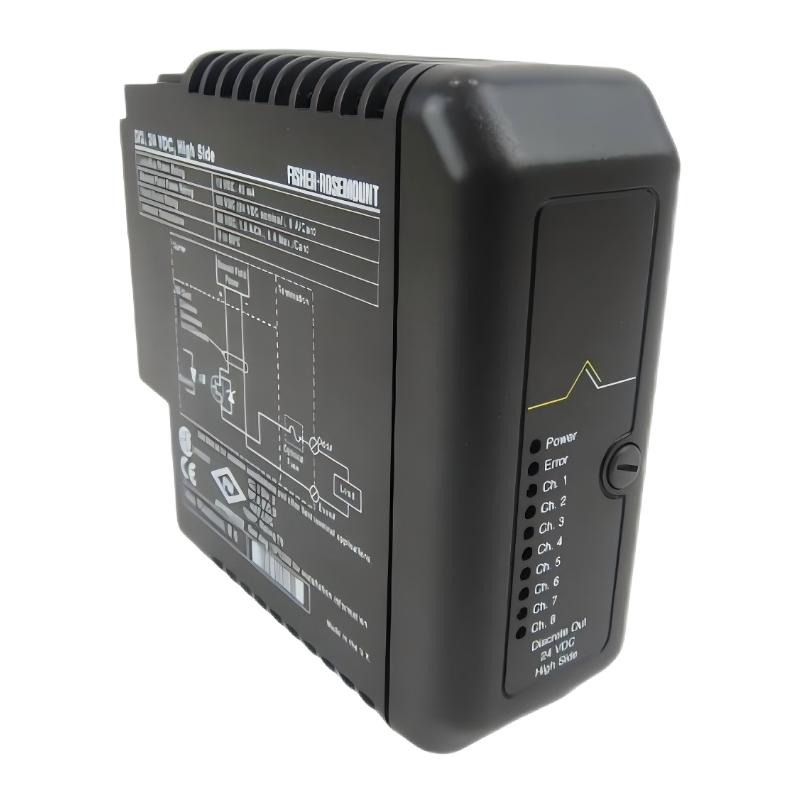
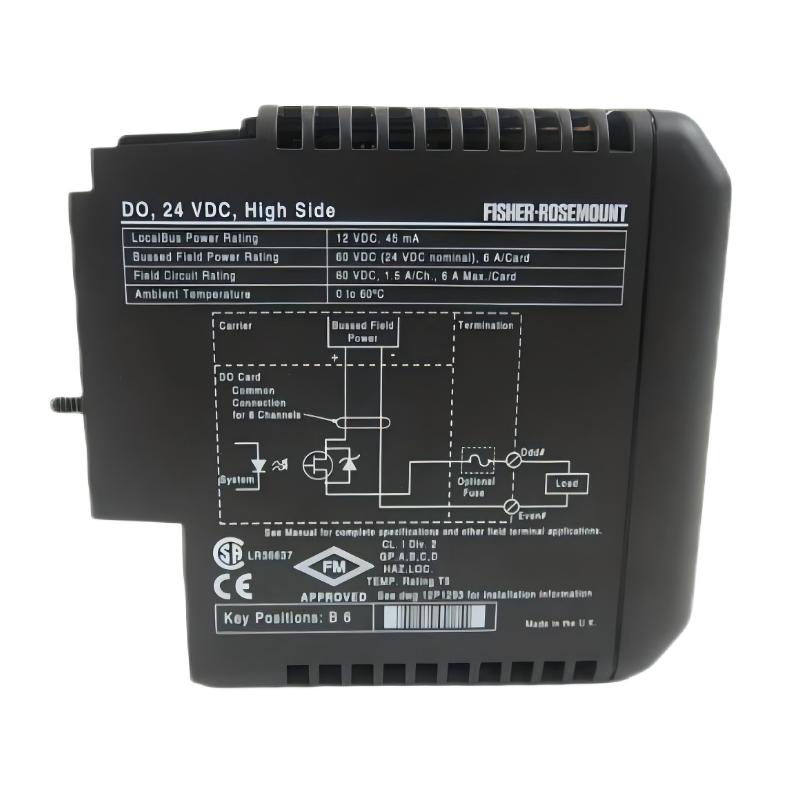
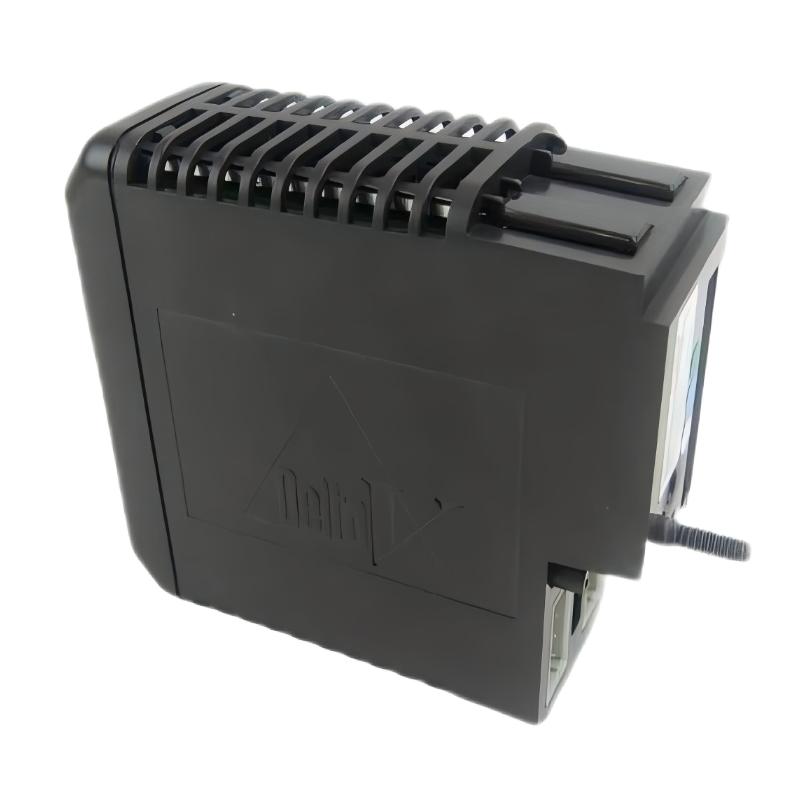
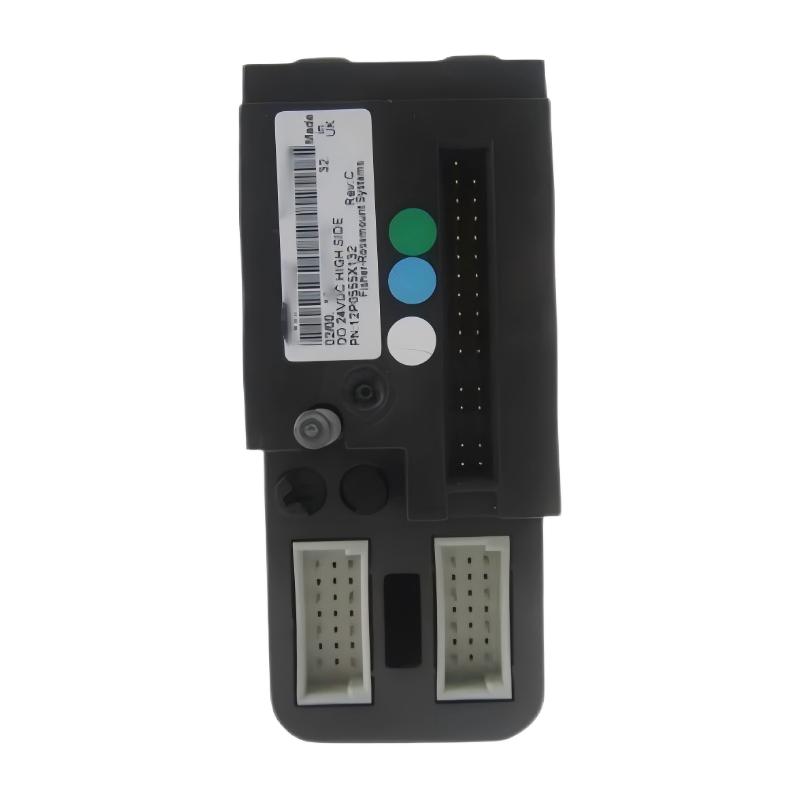
- Emerson
- VE4002S1T2B3
- Discrete Output Card
- USA
- 105 x 32 x 98.3 mm
- 1.36 kg
- Xiamen, China
- New & In Stock
- T/T, PayPal, Western Union
- 1 Year
- 1-3 Working Days
- DHL, UPS, TNT, FedEx and EMS.
- 24-Hour Service
- COO
- 2
Our advantage

Global Logistics
We have a 10-year logistics and express cooperation agreement, so our products can be shipped to any place in the world.

Brand new and original
Our products are imported in bulk from the place of origin. Because of the cooperative relationship, our products are all original and 100% new.

24-hour service
We provide 7*24 hours service to our customers. We will be there whenever you need us.

Price advantage
All our products are priced very favorably because we have our own warehouse and supply.
| Company Information | |||
| [email protected] | |||
| Mobile | +8615980777398 | ||
| +8615980777398 | |||
| 15980777398 |
Product Overview
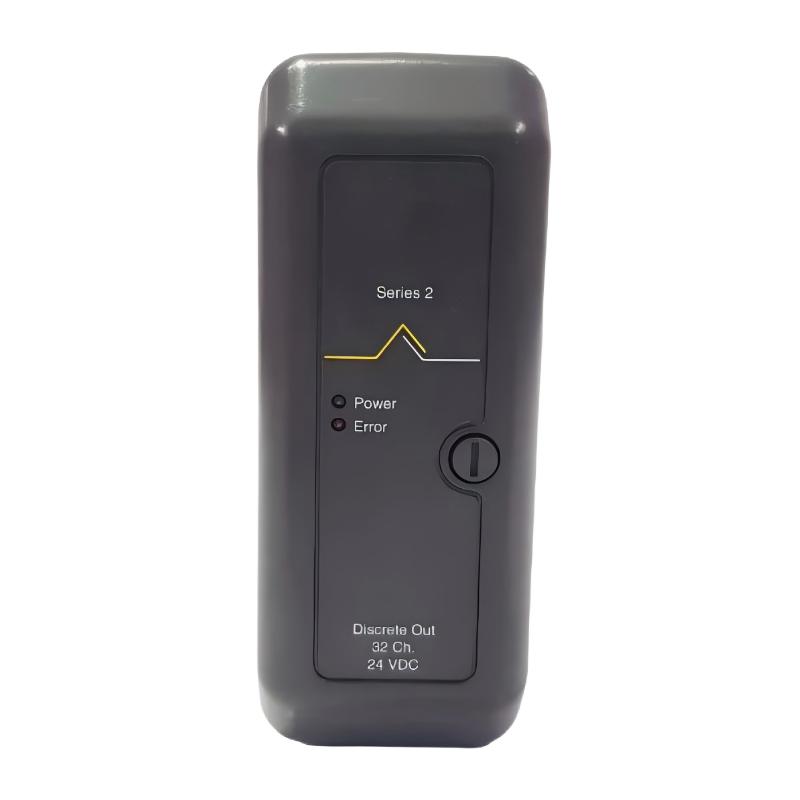
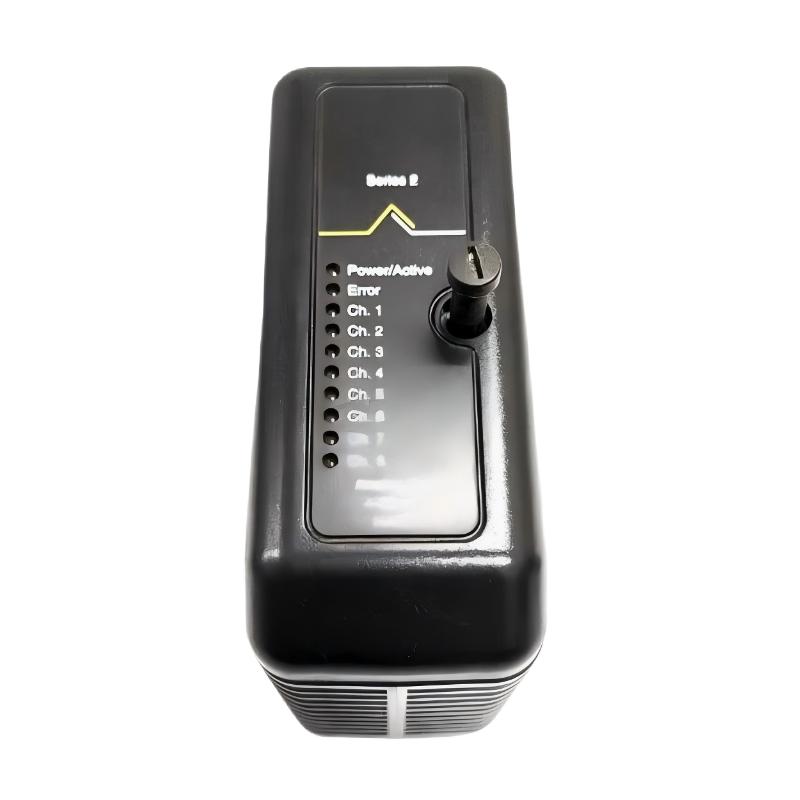
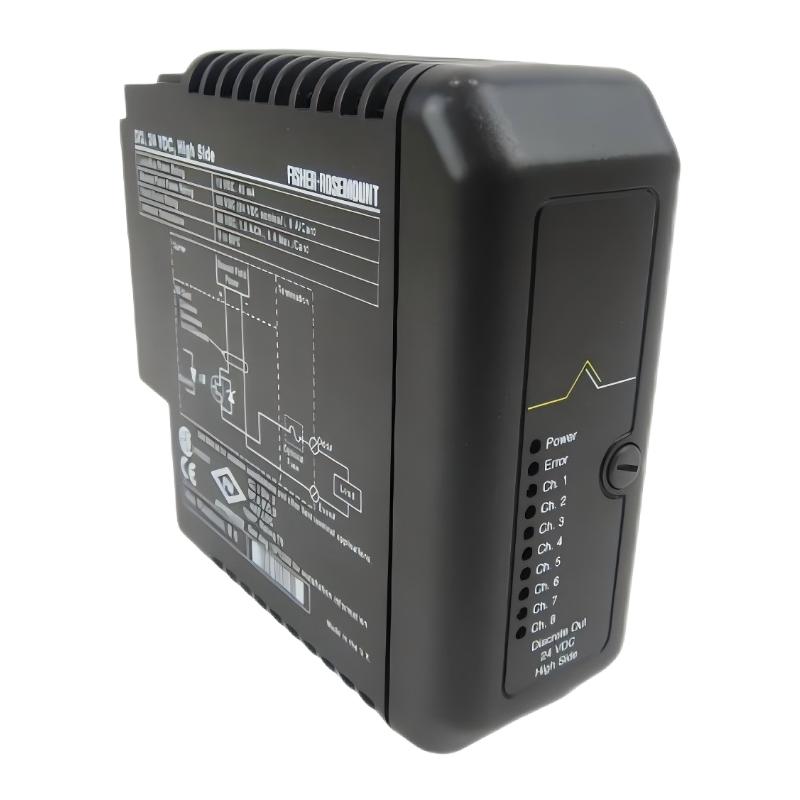
The Emerson VE4002S1T2B3 Discrete Output Card is an industrial automation I/O component designed to provide digital control signals between a process control system and field-level equipment. As part of a process automation I/O architecture, the card receives output commands generated by the control system and transfers the corresponding discrete states toward external circuits.
Discrete outputs are fundamental to industrial automation because many field operations require clearly defined operating states rather than continuously variable signals. Typical commands include Start/Stop, Open/Close, Enable/Disable, and Energized/De-energized. The VE4002S1T2B3 can therefore participate in control functions involving valves, relays, solenoid circuits, equipment interfaces, indicators, and other suitable discrete field devices.
The module is intended for industrial environments where reliable output communication and structured I/O integration are important. It can form part of process-control installations in manufacturing, utilities, water treatment, energy-related applications, chemical processing, HVAC systems, and other automated facilities.
The supplied physical dimensions of the Emerson VE4002S1T2B3 are 105 × 32 × 98.3 mm, and the supplied weight is 1.36 kg. These physical specifications are useful for control cabinet planning, equipment handling, replacement preparation, and spare-parts management.
Because output-card specifications can vary according to hardware revision and system configuration, the exact output voltage, current capacity, channel arrangement, isolation characteristics, terminal assignments, protection functions, and field-load limitations should be confirmed against the applicable engineering documentation before installation.
Technical Specifications
| Parameter | Specification |
|---|---|
| Manufacturer | Emerson |
| Model | VE4002S1T2B3 |
| Product Type | Discrete Output Card |
| I/O Type | Digital / Discrete Output |
| Primary Function | Controller-to-field output signal interface |
| Signal Type | Binary / Discrete |
| Application | Industrial Process Automation |
| System Role | Digital field-device command interface |
| Installation | Industrial I/O System / Control Cabinet |
| Dimensions (H × W × D) | 105 × 32 × 98.3 mm |
| Weight | 1.36 kg |
| Typical Applications | Valve, relay, solenoid and auxiliary equipment control |
| Control Functions | ON/OFF, Start/Stop, Enable/Disable |
| Maintenance Role | Output diagnostics and replacement |
| Environment | Industrial Automation Environment |
Engineering note: The dimensions and weight above are based on the supplied product information. Exact electrical ratings and configuration-specific specifications should be verified before connecting the module to field equipment.
Understanding the VE4002S1T2B3
The VE4002S1T2B3 is a discrete output card used to transmit digital commands from an automation controller toward field circuits.
A discrete output differs from an analog output because it normally represents a defined state. Instead of continuously adjusting a value, the output changes between predetermined conditions.
Examples include:
- ON or OFF
- Active or Inactive
- Start or Stop
- Open or Close
- Enable or Disable
This makes discrete output hardware particularly useful for equipment that operates according to binary commands.
For example, a process controller may determine that a pump needs to start. Once all programmed permissives are satisfied, the controller issues a start command. The output system then changes the appropriate discrete output state, allowing the command to reach the motor-control interface.
The physical motor may ultimately be controlled by a contactor, starter, or variable speed drive. The output card is therefore generally part of the command chain rather than the high-power switching device itself.
Function and Working Principle
The general signal path can be represented as:
Process Sensors / Operator Commands → Controller Logic → I/O System → VE4002S1T2B3 → Field Circuit → Interface Device → Process Equipment
The process controller continuously evaluates system conditions and executes the programmed control strategy.
When a required condition occurs, the controller generates an output command.
The VE4002S1T2B3 receives the command through the automation I/O architecture and changes the relevant output state. That state is transferred through the field wiring to the connected device or interface circuit.
The final field device then performs the requested action.
A typical sequence may involve:
- A process condition is detected.
- The controller evaluates the condition.
- Required permissives are confirmed.
- The control logic generates an output command.
- The VE4002S1T2B3 changes its output state.
- The field circuit receives the command.
- The external interface responds.
- The process equipment changes state.
- A feedback signal confirms the result when available.
This structure allows the output card to participate in complex automated sequences while keeping control logic and field-level actuation clearly separated.
Role in Process Automation Architecture
The VE4002S1T2B3 normally operates as one component within a larger automation system.
A simplified architecture can be represented as:
HMI / SCADA
↓
Control Application
↓
Process Controller
↓
I/O Communication
↓
VE4002S1T2B3 Discrete Output Card
↓
Field Wiring
↓
Relay / Solenoid / Contactor Interface
↓
Process Equipment
The controller makes the control decision, while the output card provides the corresponding digital interface.
This arrangement allows a process automation system to control a large number of devices while maintaining a structured separation between software logic and field wiring.
Typical output functions include:
- Pump start and stop
- Valve opening and closing
- Solenoid activation
- Equipment enable
- Auxiliary relay operation
- Alarm annunciation
- Sequence commands
- Contactor-control signals
- Machine enable functions
Industrial Applications
Process Valve Control
Valves are widely used throughout industrial processing systems. Many valve actuators and solenoid interfaces require discrete commands.
The VE4002S1T2B3 can form part of an output architecture used for:
- Open commands
- Close commands
- Solenoid energization
- Solenoid de-energization
- Actuator enable
- Process sequencing
The exact field interface must be compatible with the electrical characteristics of the output circuit.
Pumping Systems
Pumping applications frequently use discrete signals for start/stop and auxiliary commands.
A typical architecture may be:
VE4002S1T2B3 → Relay / Starter Interface → Motor Starter → Pump Motor
The output card provides the control signal, while the motor starter handles the motor power circuit.
Potential applications include:
- Water pumps
- Cooling-water pumps
- Chemical dosing pumps
- Circulation pumps
- Process pumps
- Utility pumps
Compressor Systems
Compressor packages contain numerous discrete control points. The output card may participate in commands for:
- Compressor enable
- Auxiliary equipment
- Cooling systems
- Lubrication systems
- Package sequencing
- Alarm circuits
The complete system must be evaluated rather than treating the output card as an isolated component.
Water and Wastewater Treatment
Water treatment facilities contain extensive discrete I/O requirements.
The VE4002S1T2B3 can be incorporated into applications involving:
- Pump control
- Valve sequencing
- Chemical dosing
- Blower operation
- Filtration systems
- Backwash sequences
- Alarm devices
HVAC Systems
Industrial HVAC and utility systems also rely heavily on binary control commands.
Examples include:
- Fan enable
- Pump start
- Damper commands
- Valve solenoid operation
- Cooling equipment control
- Heating equipment enable
- Alarm indication
Manufacturing Automation
Discrete outputs are widely used in automated manufacturing equipment.
Typical applications include:
- Conveyor control
- Pneumatic solenoids
- Machine enable circuits
- Relay interfaces
- Material-handling equipment
- Production sequence commands
- Status indicators
Output Module and Field Equipment Relationship
A common troubleshooting mistake is to assume that an active output automatically means the final field equipment must be operating.
Consider a valve-control application.
The controller may issue:
Valve Open Command = ON
The output card may correctly generate the corresponding output state.
However, the valve may remain closed because of:
- A failed relay
- Loss of field power
- Open wiring
- Failed solenoid
- Mechanical actuator problem
- Local/remote control setting
- Process interlock
The actual signal chain may be:
Controller → VE4002S1T2B3 → Field Wiring → Interposing Relay → Solenoid → Valve
Each stage must be considered during troubleshooting.
This system-level approach is especially important in process plants where unnecessary I/O module replacement can increase downtime without resolving the underlying fault.
Installation Guidelines
Verify the Exact Model
Before installation, confirm:
Emerson VE4002S1T2B3
Part-number identification is essential because similar-looking I/O modules can perform different functions.
Inspect the Module
Before installation, inspect the card for:
- Physical damage
- Cracked housing
- Damaged connectors
- Bent contacts
- Corrosion
- Contamination
- Signs of overheating
Do not install visibly damaged hardware without appropriate inspection.
Confirm System Compatibility
Verify the:
- I/O system architecture
- Card position
- Hardware revision
- Controller configuration
- Field interface
- Wiring arrangement
- Output requirements
Install the Card
Install the VE4002S1T2B3 according to the approved procedure for the associated Emerson I/O system.
Make sure the module is fully seated and mechanically secured. Avoid forcing connectors or applying excessive pressure.
Field Wiring Considerations
Correct field wiring is essential for reliable output operation.
Before energizing the circuit, verify:
- Terminal identification
- Wire routing
- Field supply voltage
- Load characteristics
- Cable integrity
- Terminal tightness
- Grounding
- Isolation
- Required suppression
- Interface-device compatibility
Inductive loads such as solenoid coils and relays can generate switching transients. The appropriate suppression method should be selected based on the actual electrical circuit.
If a field cable is damaged or a terminal is loose, the resulting symptom may appear to be an output-card fault.
Commissioning Procedure
A controlled commissioning process helps prevent unintended equipment operation.
1. Hardware Verification
Confirm that the installed module is the correct VE4002S1T2B3.
2. Configuration Verification
Check that the automation system configuration corresponds to the installed output hardware.
3. Wiring Verification
Compare field wiring with approved electrical drawings.
4. Load Verification
Confirm that the connected field device and interface circuit are suitable for the output.
5. Output Testing
Under an approved commissioning or maintenance condition, test the required output channels.
6. Field Response Verification
Confirm that the field device responds to the output command.
7. Feedback Verification
Where a feedback signal exists, confirm that the equipment status is correctly returned to the controller.
8. Interlock Verification
Verify relevant permissives and interlocks before placing the equipment into automatic operation.
9. Final Functional Test
Confirm that the complete control sequence operates as intended.
Troubleshooting and Fault Diagnosis
A structured troubleshooting process should follow the signal path from the controller to the final field device.
Recommended sequence:
Control Logic → Output Command → I/O Status → VE4002S1T2B3 → Wiring → Interface Device → Field Equipment
No Output Command
If an output does not activate, first determine whether the controller is actually issuing the command.
Possible causes include:
- Incorrect logic
- Process permissive not satisfied
- Interlock active
- Manual mode
- Configuration problem
- Controller communication issue
- Sequence condition not reached
Replacing the output card will not correct a logic problem.
Output Command Active but Field Device Does Not Respond
Inspect the downstream circuit.
Check:
- Field power
- Terminal connections
- Cable continuity
- Relay
- Contactor
- Solenoid
- Actuator
- Local control settings
- Equipment protection
This is a common situation in which the output card may actually be functioning normally.
Intermittent Output
Intermittent operation can be caused by:
- Loose wiring
- Poor terminal contact
- Connector problems
- Electrical noise
- Power instability
- Vibration
- Thermal stress
- Aging interface devices
- Damaged field cables
Observe whether the problem occurs continuously or only under certain operating conditions.
Unexpected Output Activation
Unexpected activation requires careful investigation.
Check:
- Control logic
- Manual commands
- Forced outputs
- Sequence conditions
- Interlocks
- Configuration
- Wiring
- External electrical faults
Because an unexpected output may cause physical equipment movement, appropriate plant isolation and safety procedures should be followed before inspection.
Preventive Maintenance
Regular inspection can help identify potential problems before they develop into complete output failures.
Module Inspection
Check the card for:
- Dust
- Moisture
- Corrosion
- Discoloration
- Overheating
- Physical damage
Wiring Inspection
Check for:
- Loose terminals
- Damaged insulation
- Corroded connections
- Cable strain
- Improper routing
Cabinet Environment
Maintain appropriate environmental conditions around the I/O equipment. Excessive temperature, contamination, moisture, and vibration can negatively affect electronic hardware.
Functional Verification
For critical process outputs, periodic functional testing can confirm that controller commands are reaching the intended field equipment.
Testing should be performed under approved maintenance procedures and with appropriate process safeguards.
Replacement Procedure
When replacing the VE4002S1T2B3, exact identification is essential.
Before removal:
- Confirm the module model.
- Record the existing configuration.
- Document field wiring.
- Verify terminal identification.
- Review associated field devices.
- Follow the plant’s isolation procedure.
After installation:
- Confirm the replacement module is securely seated.
- Verify field connections.
- Confirm system configuration.
- Check I/O status.
- Test the required outputs.
- Confirm field-device response.
- Verify feedback and interlocks.
- Return the process to normal operation.
For critical installations, a properly identified spare module can significantly reduce restoration time after a hardware failure.
Spare-Parts Management
The VE4002S1T2B3 can be included in a dedicated spare-parts inventory where this exact output-card type is used.
A useful inventory record should include:
- Model number
- Hardware revision
- Quantity
- Storage location
- Associated control system
- Condition
- Date received
- Installation history
Keeping exact model information is particularly important because physically similar I/O cards may not be electrically interchangeable.
Physical Dimensions and Weight
The supplied physical specifications for the Emerson VE4002S1T2B3 Discrete Output Card are:
Dimensions: 105 × 32 × 98.3 mm
Weight: 1.36 kg
These dimensions and weight are useful for:
- Cabinet planning
- Replacement preparation
- Equipment handling
- Spare inventory
- Shipping
- Maintenance planning
Actual installation space should account for connectors, field wiring, cable bend radius, adjacent equipment, ventilation, and service access in addition to the card’s physical dimensions.
Engineering Best Practices
Several practices can improve the reliability and maintainability of a VE4002S1T2B3 installation.
Use Exact Part Identification
Record the complete model and associated hardware information instead of relying only on a general product-family name.
Maintain Accurate I/O Documentation
I/O lists, wiring drawings, terminal schedules, and controller configuration should remain synchronized.
Separate Control and Power
Use appropriate relays, contactors, starters, drives, or other interfaces when controlling higher-power equipment.
Investigate Repeated Failures
If multiple output faults occur on the same field circuit, investigate the external load and wiring rather than repeatedly replacing the module.
Test the Complete Signal Chain
After replacement, verify not only that the controller recognizes the output card but also that the intended field device responds correctly.
Monitor Recurring Faults
Repeated output alarms can indicate a developing field-side problem, electrical interference, thermal issue, or configuration problem.
Recommended Related Emerson I/O Hardware
| Component Type | Function | Relationship to VE4002S1T2B3 |
|---|---|---|
| Discrete Input Module | Receives binary feedback | Confirms field status |
| Discrete Output Module | Sends binary commands | Same general I/O category |
| Analog Input Module | Receives continuous process signals | Supplies process measurements |
| Analog Output Module | Sends variable control signals | Used for proportional control |
| Terminal Block | Provides field termination | Connects I/O to field wiring |
| Interposing Relay | Provides electrical interface | Can adapt or isolate field circuits |
| Process Controller | Executes control logic | Generates output commands |
| HMI / SCADA | Operator monitoring and control | Displays and manages process states |
Exact compatibility should be confirmed before selecting replacement or associated hardware.
Key Advantages
The Emerson VE4002S1T2B3 Discrete Output Card offers several practical benefits for industrial automation systems:
- Dedicated digital output functionality
- Suitable for process-control applications
- Provides a controller-to-field interface
- Supports binary equipment commands
- Suitable for valve and solenoid applications
- Useful for relay and auxiliary equipment control
- Supports automated process sequencing
- Compact physical dimensions of 105 × 32 × 98.3 mm
- Supplied weight of 1.36 kg
- Suitable for industrial control cabinet applications
- Practical for maintenance and replacement
- Supports systematic output fault diagnosis
- Can form part of a larger distributed I/O architecture
Technical FAQs
What is the Emerson VE4002S1T2B3?
The Emerson VE4002S1T2B3 is a Discrete Output Card designed to transfer binary control commands from an industrial automation system to suitable field circuits.
What does a discrete output do?
A discrete output provides a defined switching state, such as ON/OFF, Start/Stop, or Enable/Disable, allowing the control system to operate suitable field devices.
What devices can be connected to a discrete output?
Depending on the specific electrical characteristics of the installation, discrete outputs can be used with relays, solenoids, indicators, valve interfaces, contactor-control circuits, and other binary field devices.
Can the VE4002S1T2B3 directly control a motor?
The output card should not automatically be treated as a high-power motor-switching device. Motors normally require appropriate starters, contactors, drives, or other power-control equipment. The output module can provide the control signal to the appropriate interface when electrically compatible.
What are the dimensions of the VE4002S1T2B3?
The supplied dimensions are 105 × 32 × 98.3 mm.
What is the weight of the VE4002S1T2B3?
The supplied weight is 1.36 kg.
What should be checked before installation?
Verify the exact model, hardware configuration, mounting arrangement, output requirements, field wiring, terminal assignments, and connected load characteristics.
Why can a field device fail when the output appears active?
The fault may be located downstream of the output card. Field power, wiring, relays, contactors, solenoids, actuators, local switches, or equipment interlocks can all prevent the final device from responding.
How should a suspected output-card failure be diagnosed?
Start with the controller command, verify the I/O state, inspect the output circuit, check terminal connections and field wiring, and then examine the external interface and final field device.
Conclusion
The Emerson VE4002S1T2B3 Discrete Output Card is an industrial automation I/O component designed to connect process-control logic with physical field equipment through discrete digital commands. It can support a wide range of industrial functions, including valve control, solenoid activation, relay operation, pump commands, auxiliary equipment control, alarm indication, and automated process sequences.
With supplied dimensions of 105 × 32 × 98.3 mm and a weight of 1.36 kg, the VE4002S1T2B3 provides a compact form factor for industrial I/O installations while remaining practical for cabinet planning, replacement, handling, and spare-parts management.
The module’s effectiveness depends on correct integration with the controller, I/O architecture, field wiring, interface devices, and final equipment. For this reason, engineers should verify the exact electrical characteristics and system configuration before commissioning or replacement.
For troubleshooting, a complete signal-path approach is recommended. Checking the controller command, I/O status, output card, field wiring, interface equipment, and final actuator in sequence can help identify the real source of an output problem and avoid unnecessary hardware replacement.
When properly installed and maintained within a compatible Emerson process automation system, the VE4002S1T2B3 provides a practical interface for reliable discrete control of industrial field equipment.