

ProductPRODUCT
Featured products
Contact Us
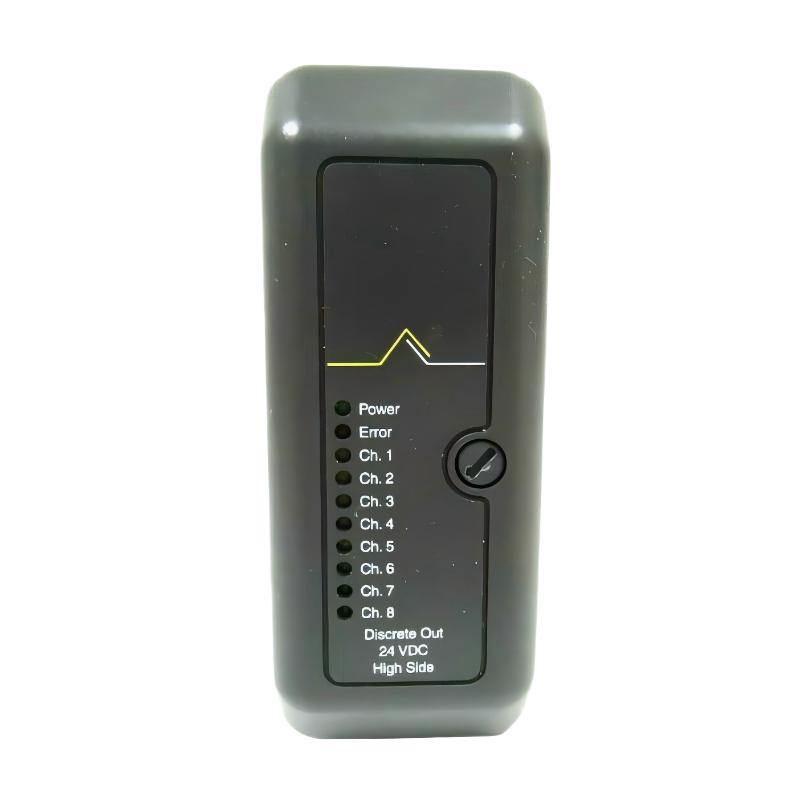
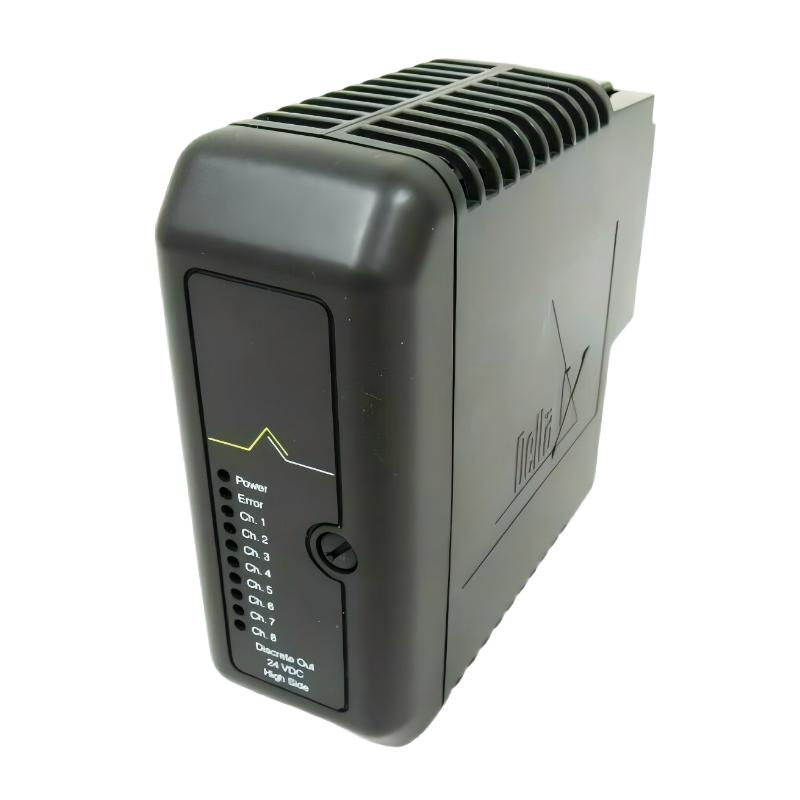
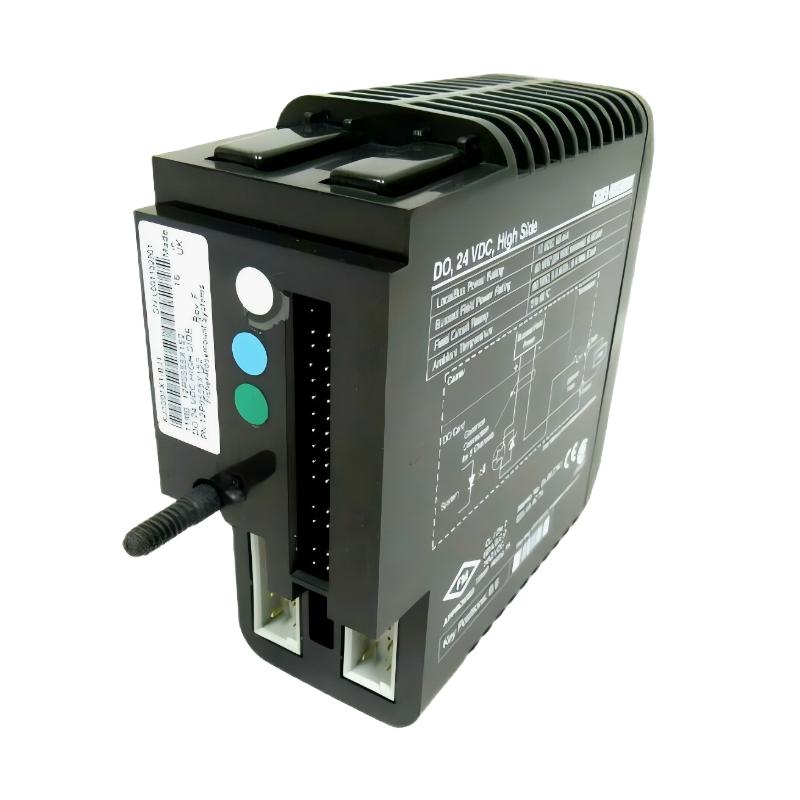
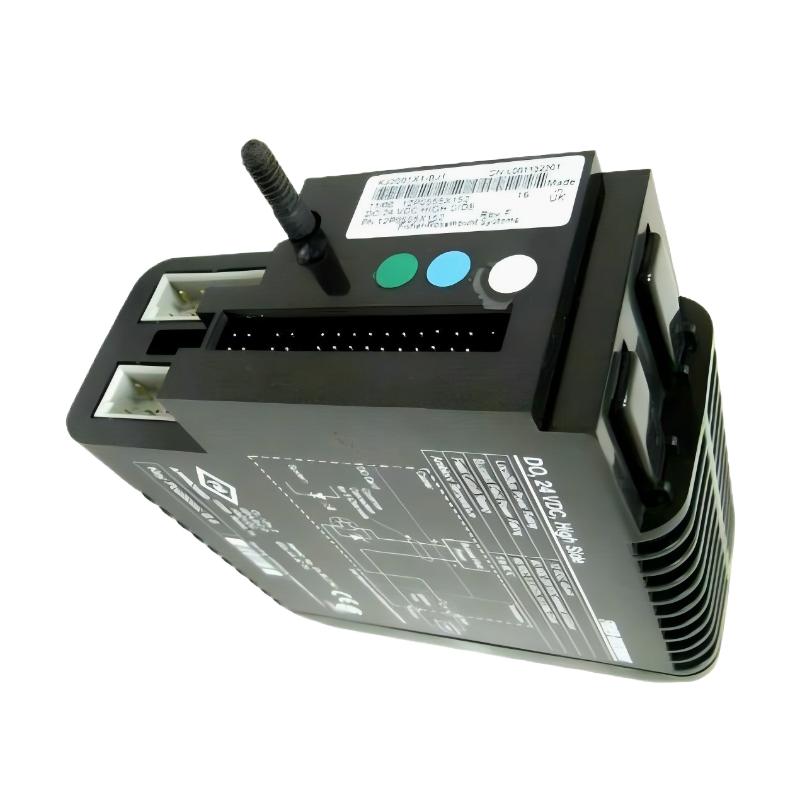
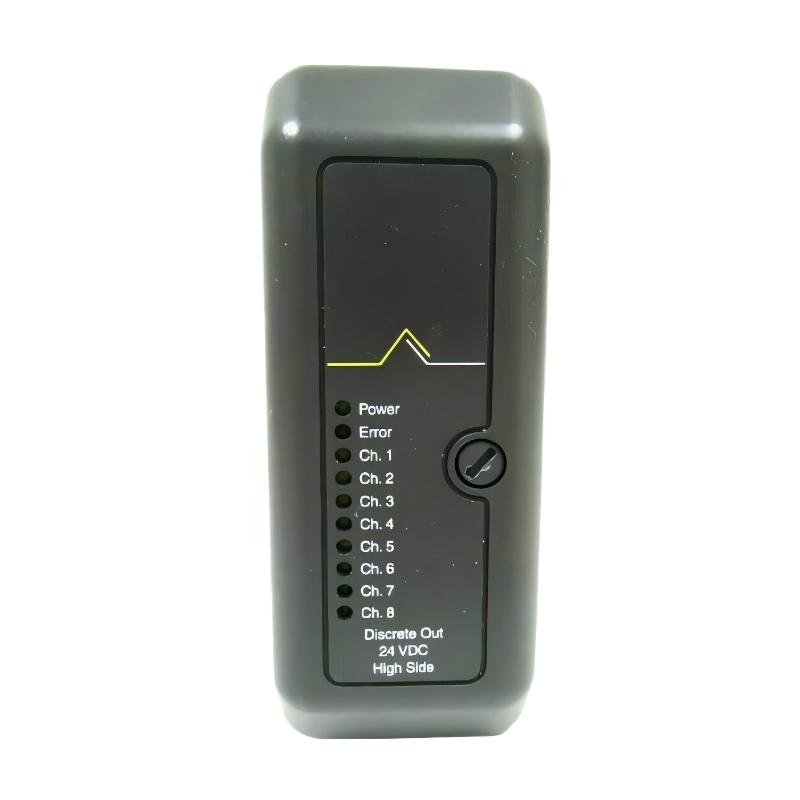
- Emerson
- VE4001S5T2B5
- Discrete Input Card
- USA
- 107 x 41 x 105 mm
- 0.25 kg
- Xiamen, China
- New & In Stock
- T/T, PayPal, Western Union
- 1 Year
- 1-3 Working Days
- DHL, UPS, TNT, FedEx and EMS.
- 24-Hour Service
- COO
- 4
Our advantage

Global Logistics
We have a 10-year logistics and express cooperation agreement, so our products can be shipped to any place in the world.

Brand new and original
Our products are imported in bulk from the place of origin. Because of the cooperative relationship, our products are all original and 100% new.

24-hour service
We provide 7*24 hours service to our customers. We will be there whenever you need us.

Price advantage
All our products are priced very favorably because we have our own warehouse and supply.
| Company Information | |||
| [email protected] | |||
| Mobile | +8615980777398 | ||
| +8615980777398 | |||
| 15980777398 |
Product Overview
The Emerson VE4001S5T2B5 Discrete Input Card is an industrial automation I/O component designed to acquire binary field signals and transfer equipment status information into an Emerson process control environment. Discrete input signals are widely used throughout industrial plants because many physical conditions can be represented by simple states such as ON/OFF, open/closed, running/stopped, normal/fault, or active/inactive.
The VE4001S5T2B5 provides an interface between field-level switching devices and the control-system architecture. By receiving signals from switches, relay contacts, equipment feedback circuits, position devices, and other discrete sources, the card allows the control system to monitor real-world operating conditions and incorporate those conditions into control logic, alarms, permissives, sequences, and interlocks.
With specified dimensions of 107 × 41 × 105 mm and a weight of 0.25 kg, the Emerson VE4001S5T2B5 has a compact physical profile suitable for industrial automation installations where efficient use of cabinet space is important. The lightweight construction also simplifies handling during maintenance, inspection, and module replacement.
Reliable digital input acquisition is essential in process automation. A controller can only make correct decisions when the status information received from field equipment accurately represents the actual process. For this reason, the VE4001S5T2B5 should be considered as part of the complete field-to-control signal chain rather than simply as an isolated I/O component.
Technical Specifications
| Parameter | Specification |
|---|---|
| Manufacturer | Emerson |
| Model | VE4001S5T2B5 |
| Product Type | Discrete Input Card |
| Product Family | VE4001S Series |
| Primary Function | Discrete field signal acquisition |
| Signal Type | Digital / Binary |
| Application | Industrial Process Automation |
| System Role | Field signal interface |
| Dimensions | 107 × 41 × 105 mm |
| Weight | 0.25 kg |
| Typical Signal Sources | Switches, relay contacts, equipment status and position contacts |
| Typical Functions | Status monitoring, alarm inputs, permissives, interlocks and sequencing |
| Installation | Emerson control-system I/O architecture |
| Typical Environment | Industrial control cabinet / process automation system |
Exact electrical specifications, input thresholds, channel characteristics, isolation, terminal assignments, and compatible system hardware should be confirmed against the applicable Emerson documentation and installed hardware revision before commissioning.
What Is the Emerson VE4001S5T2B5?
The VE4001S5T2B5 is a discrete input card used to bring binary field information into an industrial control system.
Unlike an analog input card, which measures continuously changing values such as temperature, pressure, flow, or level, a discrete input card is primarily concerned with changes between defined states.
Examples include:
- Motor running / stopped
- Valve open / closed
- Breaker open / closed
- Switch activated / inactive
- Equipment healthy / faulted
- Pump available / unavailable
- Process permissive satisfied / not satisfied
These simple signals form a significant portion of the information required by an industrial control system.
The VE4001S5T2B5 receives these field conditions and provides the control architecture with information that can be used for automatic control and operator monitoring.
Position in an Industrial Automation System
A typical signal path can be represented as:
Field Device → Field Wiring → Terminal Interface → VE4001S5T2B5 → Controller → Control Logic → HMI / Alarm System
Each part of the chain has a different responsibility.
The field device detects a physical condition. The wiring transfers the electrical signal. The VE4001S5T2B5 detects the discrete condition, while the controller processes the corresponding input according to the configured application logic.
The resulting information may then be presented on an HMI or used to initiate an alarm, permissive, interlock, or process sequence.
This architecture means that troubleshooting should consider the complete signal path.
Operating Principle
A discrete field device changes the electrical state of its associated circuit when a physical condition changes.
For example, consider a valve with position feedback.
When the valve reaches its closed position, the associated position contact may change state. The electrical signal is transferred through the field wiring to the input interface and then detected by the VE4001S5T2B5.
The control system can then interpret the signal as:
Valve Closed = TRUE
The logic may use this condition to permit a pump to start, continue a sequence, or display the valve status to an operator.
The general process is:
- Physical process condition changes.
- Field device changes electrical state.
- Signal travels through field wiring.
- VE4001S5T2B5 detects the input condition.
- Controller processes the input.
- Application logic evaluates the condition.
- HMI or alarm system displays the resulting status.
Common Discrete Signal Sources
The VE4001S5T2B5 can be associated with various field devices depending on the application.
Limit Switches
Limit switches are commonly used to determine whether a mechanical component has reached a particular position.
Applications include:
- Valve position
- Actuator position
- Mechanical travel limits
- Machine-position monitoring
Auxiliary Contacts
Motors, contactors, breakers, and protection devices often provide auxiliary contacts.
These contacts can communicate conditions such as:
- Running
- Stopped
- Tripped
- Available
- Selected
Pressure Switches
Pressure switches provide discrete information when process pressure reaches a predetermined condition.
Level Switches
Level switches can provide high-level or low-level status information for process tanks and vessels.
Relay Contacts
External control or protection relays can provide discrete status information to the control system.
Application in Motor Control
Motor control is one of the most common areas where discrete feedback is important.
A typical motor-control sequence may be:
Start Command → Starter Energized → Motor Running Feedback → Sequence Confirmed
The controller may expect a running feedback signal after sending a start command.
If the feedback is missing, the system may determine that:
- The motor failed to start.
- The starter did not operate.
- The protection system has intervened.
- The feedback circuit is defective.
However, the absence of feedback does not automatically mean that the VE4001S5T2B5 has failed.
The field device, auxiliary contact, wiring, terminal interface, input configuration, and control logic should all be considered during diagnosis.
Application in Valve Monitoring
Process valves frequently use discrete position signals.
A control system may issue an open or close command and then wait for confirmation.
For example:
Close Command → Valve Moves → Closed Feedback → Position Confirmed
If the closed feedback does not appear, the possible causes can include:
- Valve actuator problem
- Position switch failure
- Mechanical obstruction
- Wiring fault
- Loose terminal
- Incorrect input assignment
- Input-channel problem
A reliable discrete input system helps distinguish actual mechanical problems from signal-interface problems.
Use in Alarm and Interlock Logic
Discrete inputs often form the foundation of process alarms and interlocks.
Examples include:
- Pump trip
- Motor overload
- Valve position mismatch
- High-level switch
- Low-level switch
- Equipment fault
- Breaker status
- Emergency process condition
A simplified logic example could be:
Equipment Fault = ON → Generate Alarm
Another application may be:
Valve Closed + Pump Available → Pump Start Permitted
The exact logic depends on the process design, but reliable input acquisition is essential.
Industrial Applications
The Emerson VE4001S5T2B5 can be used in a broad range of process and industrial automation environments.
Oil and Gas
Discrete inputs can monitor:
- Pump status
- Compressor status
- Valve position
- Protection contacts
- Equipment alarms
Chemical Processing
Applications may include:
- Process interlocks
- Valve feedback
- Equipment status
- Protective relay contacts
- Sequence control
Water and Wastewater
Typical applications include:
- Pump running status
- Valve position
- Level switches
- Motor protection
- Equipment fault indication
Manufacturing
Discrete inputs are useful for:
- Machine status
- Position detection
- Production sequences
- Equipment interlocks
- Protective devices
Utilities and Infrastructure
The card can support monitoring of:
- Motor-driven equipment
- Switchgear status
- Pumping systems
- Valve systems
- Auxiliary contacts
Installation Guidelines
The VE4001S5T2B5 should be installed by qualified personnel familiar with industrial automation equipment and the specific Emerson control-system architecture.
Before installation, confirm:
Model: Emerson VE4001S5T2B5
Do not select a replacement solely because another module has a similar physical appearance.
Mechanical Inspection
Before mounting the card:
- Inspect the module for physical damage.
- Check connectors.
- Verify the installation position.
- Inspect the associated interface or carrier.
- Ensure that the installation area is clean.
- Follow suitable electrostatic discharge precautions.
The module should be installed correctly and seated securely.
Field Wiring Verification
Correct field wiring is critical to reliable discrete signal acquisition.
Before commissioning, verify:
- Correct terminal identification
- Correct signal assignment
- Secure wiring
- Cable condition
- Common connections
- Field-device operation
- Correct input-channel mapping
A loose terminal can cause intermittent status changes, while an open circuit can cause a continuous OFF indication.
Documentation should always be used when checking field connections.
Commissioning Procedure
After installation, commissioning should verify the hardware, field signals, and application logic.
Hardware Check
Confirm:
- Correct model
- Correct installation
- Secure connections
- Proper system recognition
- No unexpected hardware diagnostics
Field Signal Check
Operate selected field devices according to the approved test procedure.
Observe whether the expected input state is detected.
Software Check
Confirm that the physical input is mapped to the correct software tag.
HMI Check
Verify that the operator interface shows the correct status.
Alarm Check
Where applicable, activate a controlled alarm condition and verify the configured response.
Interlock Check
For critical process functions, verify the relevant interlock or permissive under an approved commissioning procedure.
Troubleshooting the Emerson VE4001S5T2B5
Troubleshooting should begin with the field device and proceed toward the control system.
A practical diagnostic sequence is:
Field Device → Wiring → Terminal Interface → VE4001S5T2B5 → Controller → Logic → HMI
This method helps identify the actual fault location without unnecessarily replacing functioning hardware.
Fault 1: Input Remains OFF
If the field device should be active but the control system shows OFF, investigate:
- Field switch
- Relay contact
- Cable
- Terminal connection
- Input configuration
- Common connection
- Input channel
- Controller mapping
Start by verifying whether the field device is physically in the expected state.
Then determine whether the expected electrical signal reaches the input interface.
Fault 2: Input Remains ON
A permanently active input may be caused by:
- Stuck field contact
- Shorted wiring
- Incorrect wiring
- Incorrect common connection
- Configuration error
- Input-channel problem
The key diagnostic question is:
Does the unexpected signal physically exist at the input interface?
If the signal exists physically, investigate the field circuit.
If the field condition is correct but the control system continues to show an incorrect status, investigate the input channel and software configuration.
Fault 3: Intermittent Input
Intermittent problems are frequently caused by physical connections.
Potential causes include:
- Loose terminals
- Cable movement
- Vibration
- Aging contacts
- Corrosion
- Connector problems
- Electromagnetic interference
The timing of the fault can provide useful clues.
If the signal changes unexpectedly when a motor starts, a valve moves, or a large electrical load switches, the associated equipment should be investigated.
Fault 4: Several Inputs Become Abnormal
If multiple inputs change state at approximately the same time, investigate common causes.
Possible causes include:
- Shared wiring
- Common power problems
- Terminal-interface issues
- Carrier or system connection problems
- Electrical disturbances
- Grounding problems
Several simultaneous input failures are less likely to be caused by independent failures of individual field devices.
Systematic Fault Diagnosis
A structured approach can be divided into several levels.
Level 1: Process Condition
Confirm the actual physical state of the equipment.
Level 2: Field Device
Verify that the switch, contact, relay, or position device is operating correctly.
Level 3: Wiring
Confirm that the expected signal reaches the input interface.
Level 4: Input Card
Verify that the VE4001S5T2B5 detects the expected state.
Level 5: Controller
Confirm that the controller receives the correct input information.
Level 6: Application Logic
Check whether the input is assigned to the correct function.
Level 7: Operator Interface
Verify that the HMI or supervisory system displays the correct status.
This layered approach makes troubleshooting more efficient and reduces unnecessary card replacement.
Preventive Maintenance
Preventive maintenance should focus on both the electronic module and the surrounding signal infrastructure.
Recommended activities include:
- Inspect card connections.
- Check terminal tightness.
- Inspect field cables.
- Monitor recurring input faults.
- Investigate unexpected input transitions.
- Inspect mechanical switches.
- Maintain control cabinet cleanliness.
- Review system diagnostics.
- Maintain accurate I/O documentation.
- Periodically test critical signals.
For critical process inputs, functional testing should be performed according to the plant’s maintenance procedures.
Replacement Guidelines
Before replacing an Emerson VE4001S5T2B5, confirm that the module is actually responsible for the fault.
Recommended checks include:
- Verify the field condition.
- Check the field device.
- Check wiring.
- Check terminals.
- Check input status.
- Review diagnostics.
- Verify configuration.
- Compare with known-good signals where appropriate.
- Confirm replacement compatibility.
The replacement unit should be identified precisely as:
Emerson VE4001S5T2B5 Discrete Input Card
Similar VE4001-series models should not be assumed to be electrically interchangeable without confirming compatibility.
Spare-Part Management
Maintaining suitable spare inventory can reduce downtime in process plants.
Spare requirements should be determined by:
- Process criticality
- Number of installed modules
- Historical failure frequency
- Replacement lead time
- Production impact
- Availability of alternative equipment
The spare card should be stored in a clean, dry location and protected from mechanical damage and electrostatic discharge.
Clear labeling is important so maintenance personnel can quickly identify the correct replacement.
Signal Integrity Considerations
Discrete inputs are generally simple signals, but signal integrity can still affect system reliability.
Potential problems include:
- Contact bounce
- Electrical noise
- Cable degradation
- Poor grounding
- Loose terminals
- Long cable runs
- Incorrect wiring practices
Unexpected input transitions should therefore be investigated rather than simply ignored.
A repeated false status can eventually affect alarms, equipment sequences, or operator decisions.
Importance of Accurate I/O Documentation
Good documentation is essential for maintaining industrial control systems.
For each VE4001S5T2B5-associated signal, maintenance and engineering personnel should be able to identify:
- Field-device name
- Equipment tag
- Terminal location
- Input channel
- Software tag
- Signal description
- Alarm function
- Interlock function
- Normal operating state
When documentation is inaccurate, troubleshooting becomes slower and replacement work becomes more difficult.
Engineering Best Practices
1. Diagnose Before Replacing
Do not automatically replace the input card when an input appears abnormal.
2. Check the Entire Signal Chain
A discrete-input problem may originate anywhere between the field device and the HMI.
3. Preserve Configuration Information
Record relevant configuration information before performing replacement work.
4. Verify Critical Signals
Inputs associated with shutdowns, interlocks, and important equipment protection should receive additional attention during commissioning.
5. Investigate Repeated Failures
Repeated problems on the same input may indicate a field-device or wiring issue.
Physical Dimensions and Weight
The specified physical characteristics of the Emerson VE4001S5T2B5 are:
Dimensions: 107 × 41 × 105 mm
Weight: 0.25 kg
The compact dimensions make the module suitable for industrial automation assemblies where control-system hardware must be arranged efficiently.
For cabinet planning and maintenance, the 107 × 41 × 105 mm dimensions should be considered together with the required clearance for wiring, connectors, neighboring modules, and associated hardware.
Key Advantages
The Emerson VE4001S5T2B5 provides several practical benefits for industrial process automation:
- Discrete field signal acquisition
- Reliable equipment-status monitoring
- Support for alarm and interlock applications
- Useful for process sequencing
- Interface between field devices and control logic
- Compact industrial form factor
- Suitable for maintenance and replacement applications
- 107 × 41 × 105 mm physical dimensions
- 0.25 kg weight
- Suitable for integration into Emerson process-control architectures
Its primary role is to provide dependable binary information from the physical process to the control system.
Frequently Asked Questions
What is the Emerson VE4001S5T2B5?
The Emerson VE4001S5T2B5 is a Discrete Input Card used to acquire binary field signals within industrial process-control systems.
What does a discrete input card monitor?
It monitors two-state conditions such as ON/OFF, open/closed, running/stopped, available/faulted, and other binary equipment or process conditions.
What are the dimensions of the VE4001S5T2B5?
The specified dimensions are 107 × 41 × 105 mm.
How much does the VE4001S5T2B5 weigh?
The specified weight is 0.25 kg.
Where can the VE4001S5T2B5 be used?
It can be used in industrial process-control applications involving equipment-status monitoring, alarms, interlocks, permissives, and sequence control.
What field devices can provide signals?
Typical sources include switches, relay contacts, limit switches, valve-position contacts, motor auxiliary contacts, pressure switches, level switches, and equipment protection contacts.
What should I check if an input does not change state?
Check the physical field condition, field device, wiring, terminal connections, input channel, controller configuration, and software logic.
Why should field wiring be checked before replacing the card?
Because an open cable, loose terminal, damaged switch, incorrect wiring, or common-connection problem can create symptoms identical to an input-card failure.
Can the VE4001S5T2B5 support interlock functions?
The discrete input can provide field conditions that are used by control-system interlocks and permissives when configured appropriately within the overall application.
Is a permanently OFF input necessarily a card failure?
No. The problem may be located in the field device, wiring, terminal interface, configuration, or controller mapping.
Conclusion
The Emerson VE4001S5T2B5 Discrete Input Card is an important industrial automation component for acquiring binary field conditions and making equipment-status information available to process-control systems. It provides the connection between physical devices such as switches, relay contacts, position indicators, and protective contacts and the software logic used to operate and monitor industrial processes.
Its specified 107 × 41 × 105 mm dimensions and 0.25 kg weight provide a compact solution for control-system installations and maintenance applications. The card can support a wide range of functions, including equipment monitoring, alarm processing, permissive logic, interlocks, and process sequencing.
For dependable operation, engineers should evaluate the entire signal path rather than treating the input card as an isolated component. Correct installation, secure field wiring, accurate I/O configuration, careful commissioning, preventive maintenance, and systematic fault diagnosis all contribute to reliable performance.
When properly integrated into an Emerson process automation architecture, the VE4001S5T2B5 Discrete Input Card can provide dependable field-status information and help improve process visibility, equipment monitoring, and overall control-system reliability.