

ProductPRODUCT
Featured products
Contact Us
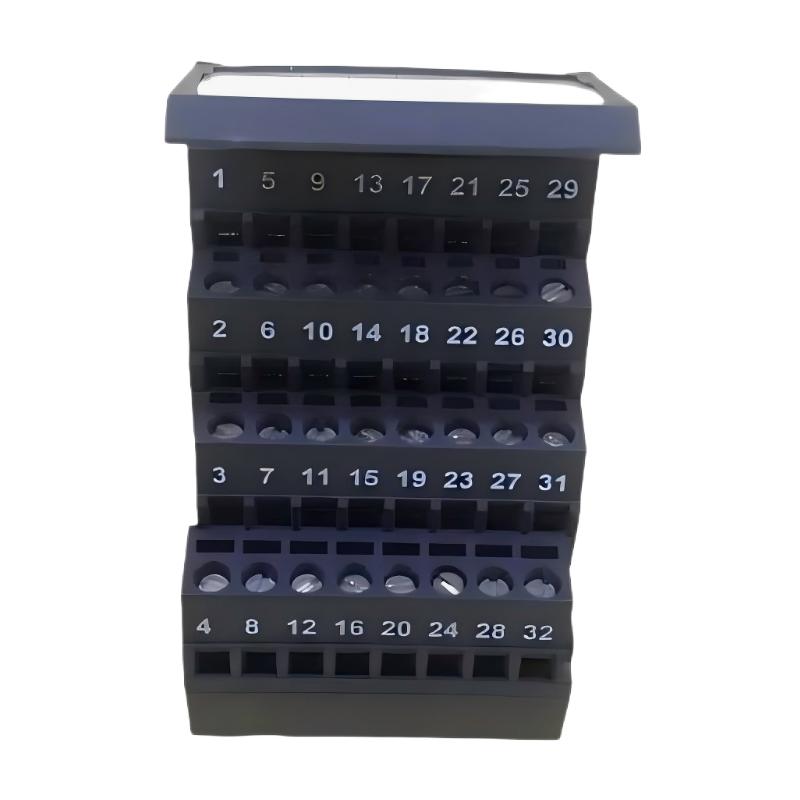
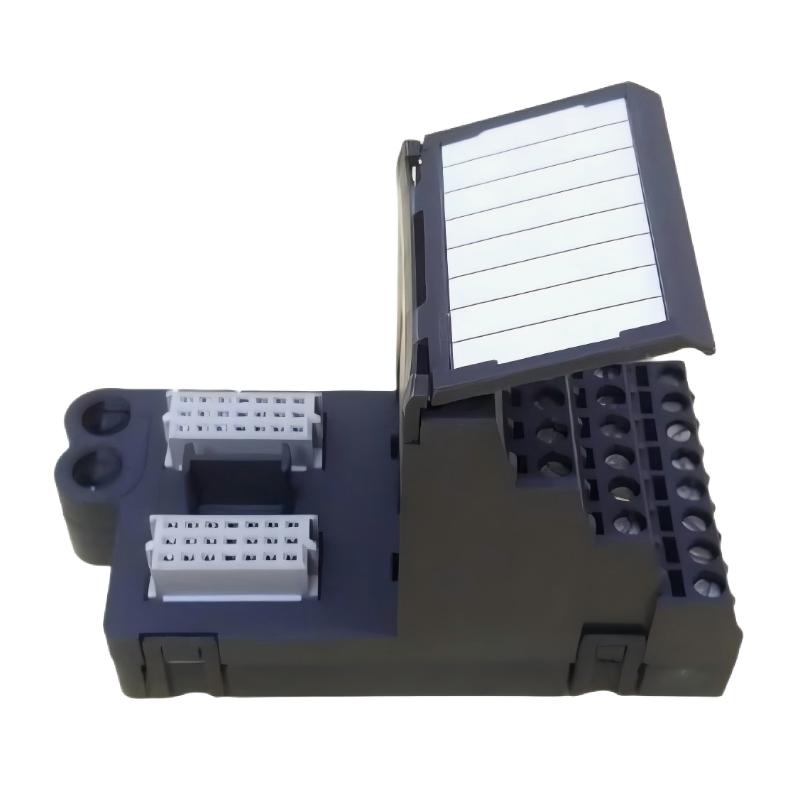
- Emerson
- VE4001S2T2B4 KJ3203X1-BA1+KJ4001X1-CJ1
- Input Module with Terminal Blocks
- USA
- 107 x 41 x 105 mm
- 0.45 kg
- Xiamen, China
- New & In Stock
- T/T, PayPal, Western Union
- 1 Year
- 1-3 Working Days
- DHL, UPS, TNT, FedEx and EMS.
- 24-Hour Service
- COO
- 2
Our advantage

Global Logistics
We have a 10-year logistics and express cooperation agreement, so our products can be shipped to any place in the world.

Brand new and original
Our products are imported in bulk from the place of origin. Because of the cooperative relationship, our products are all original and 100% new.

24-hour service
We provide 7*24 hours service to our customers. We will be there whenever you need us.

Price advantage
All our products are priced very favorably because we have our own warehouse and supply.
| Company Information | |||
| [email protected] | |||
| Mobile | +8615980777398 | ||
| +8615980777398 | |||
| 15980777398 |
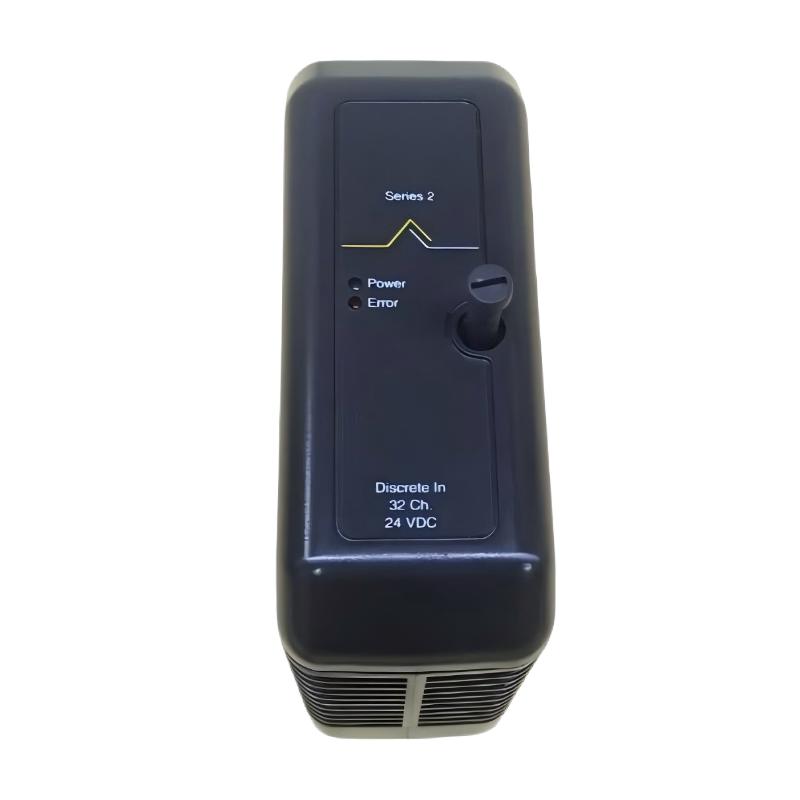
Product Overview
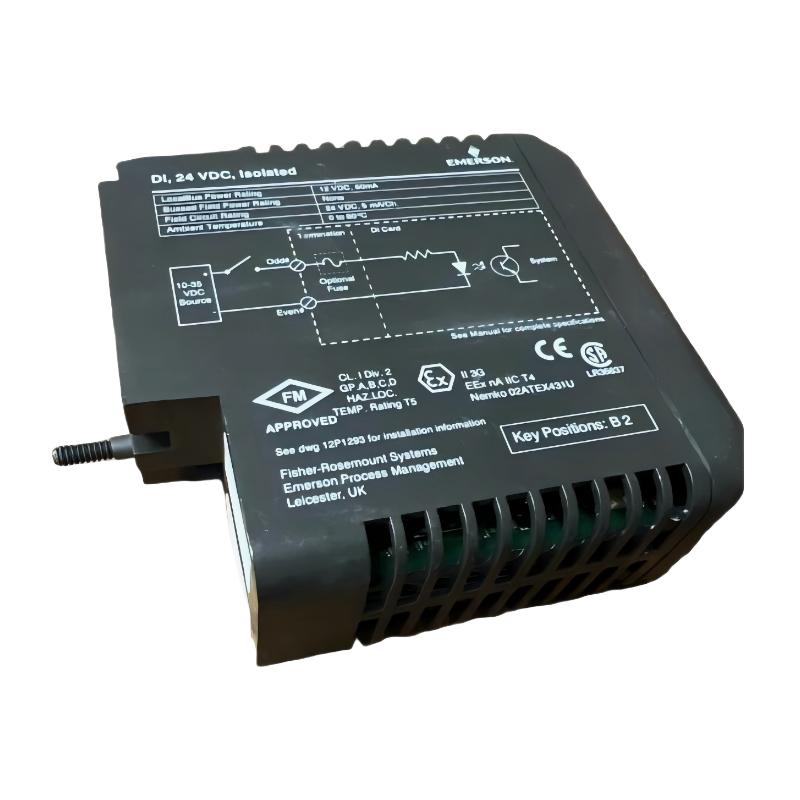
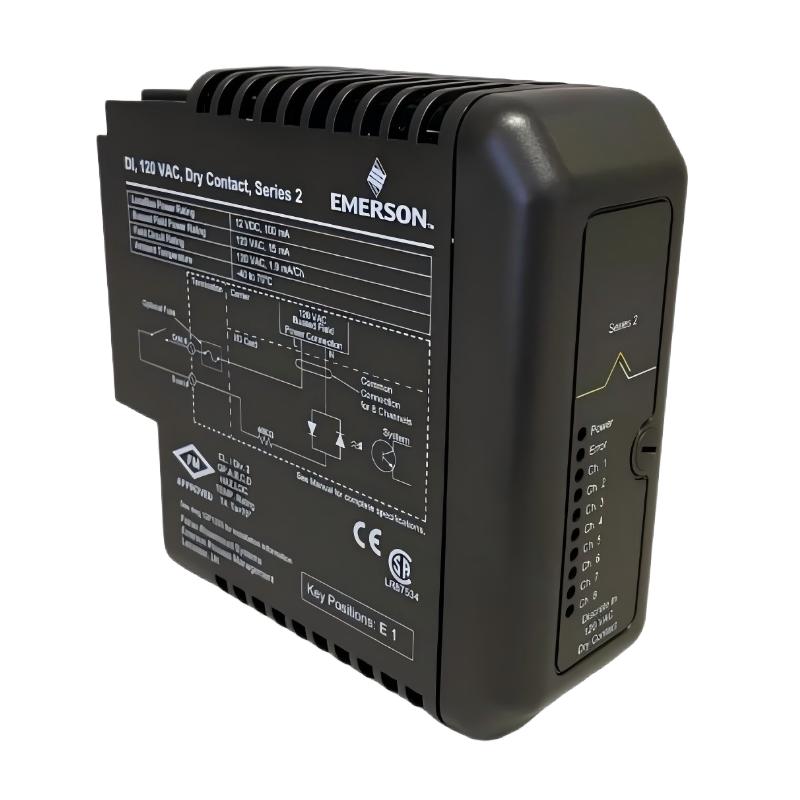
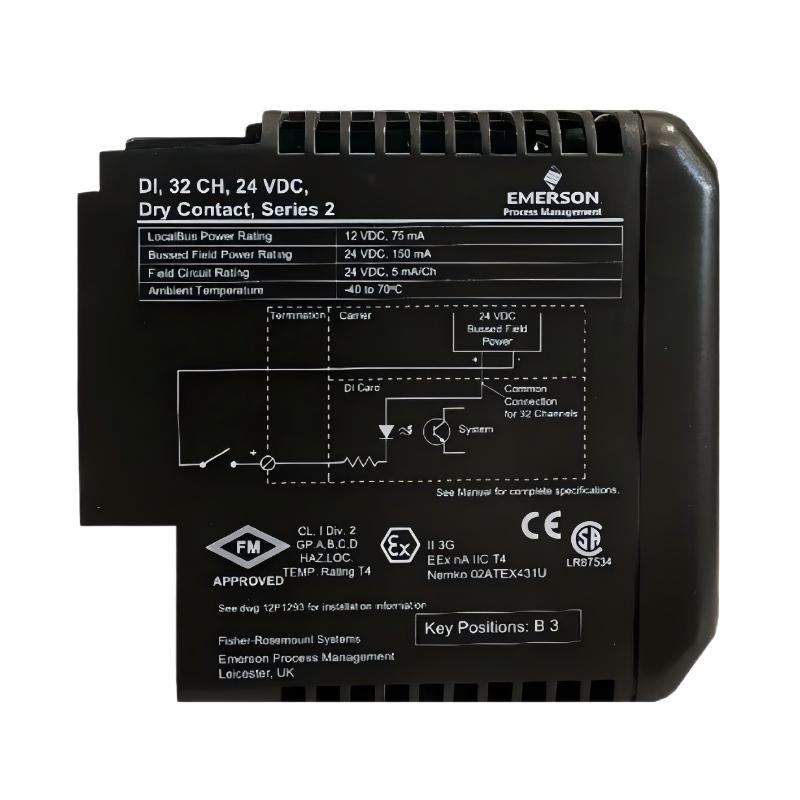
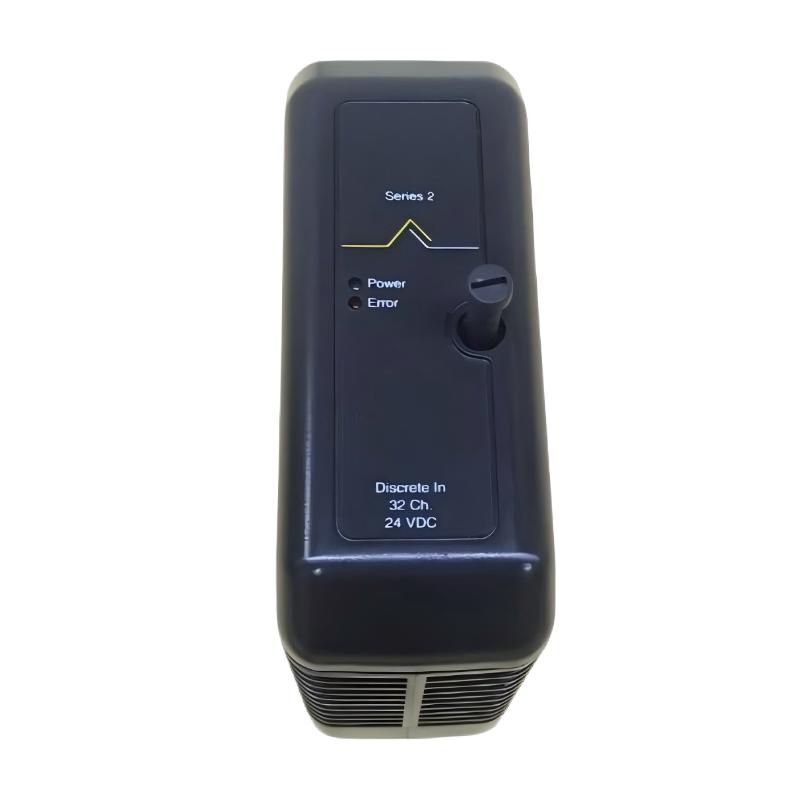
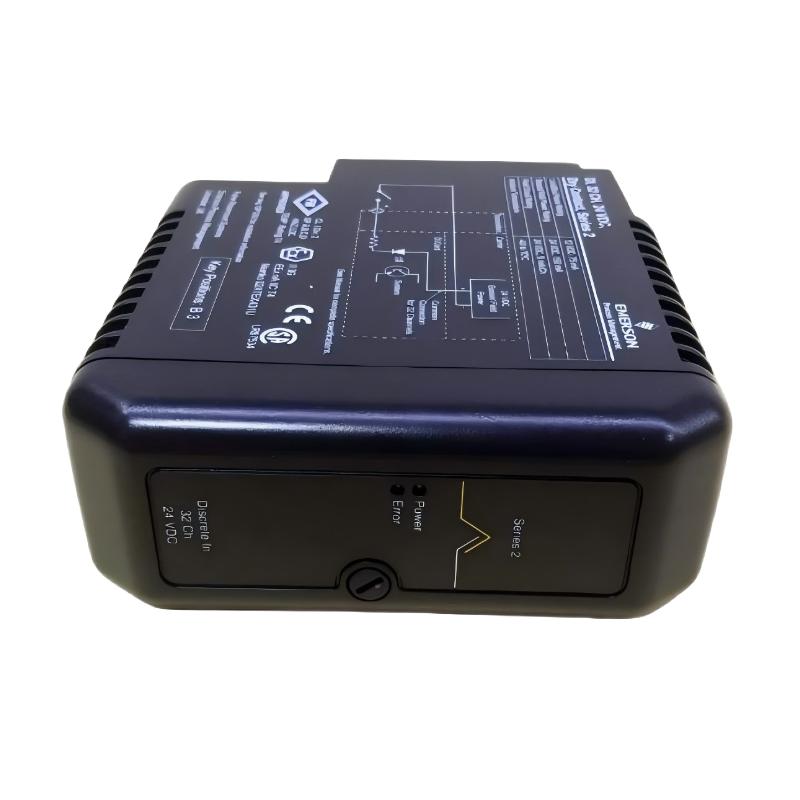
The Emerson VE4001S2T2B4 KJ3203X1-BA1+KJ4001X1-CJ1 Input Module with Terminal Blocks is an industrial automation input solution designed for reliable acquisition of field signals within Emerson process control systems. The assembly combines the KJ3203X1-BA1 input module with the KJ4001X1-CJ1 terminal block, providing a practical interface between field devices and the control system.
In a process automation architecture, input modules perform a critical function by receiving electrical signals from field instruments, switches, transmitters, sensors, alarms, and other discrete devices. The VE4001S2T2B4 assembly provides an organized connection between field wiring and the controller or I/O subsystem, helping engineers simplify installation, maintenance, troubleshooting, and replacement.
The combination of the module and terminal block is particularly useful where clean field termination and dependable signal acquisition are required. Rather than treating the I/O card and field termination as completely separate maintenance items, the complete assembly provides a coordinated interface that can be installed and serviced as part of the same signal path.
With dimensions of 107 × 41 × 105 mm and a weight of 0.45 kg, the Emerson VE4001S2T2B4 is suitable for control cabinets and distributed I/O installations where compact equipment arrangement and structured field wiring are important.
Technical Specifications
| Parameter | Details |
|---|---|
| Manufacturer | Emerson |
| Model | VE4001S2T2B4 |
| Module Part Number | KJ3203X1-BA1 |
| Terminal Block Part Number | KJ4001X1-CJ1 |
| Product Type | Input Module with Terminal Blocks |
| System Family | Emerson Process Automation / DeltaV |
| Input Function | Field Signal Acquisition |
| Configuration | Input Module + Terminal Block |
| Dimensions | 107 × 41 × 105 mm |
| Weight | 0.45 kg |
| Installation | Control Cabinet / I/O System |
| Application | Process Control and Industrial Automation |
| Typical Signals | Discrete Field Signals |
| System Integration | Emerson Distributed Control Architecture |
| Primary Purpose | Interface between field devices and control system |
What Is the Emerson VE4001S2T2B4?
The Emerson VE4001S2T2B4 KJ3203X1-BA1+KJ4001X1-CJ1 is a combined input-module assembly used to connect field-level devices with an Emerson control system.
The designation identifies a configuration consisting of two important elements:
- KJ3203X1-BA1 — the input module responsible for receiving and processing field input signals.
- KJ4001X1-CJ1 — the associated terminal block used for organized field wiring and signal termination.
Together, these components form a practical I/O interface. Field wiring is terminated at the terminal block, while the input module handles the electrical acquisition of the connected signals and transfers the resulting information into the control architecture.
This arrangement is important in industrial environments because field wiring can be extensive and difficult to manage. A properly designed terminal interface reduces unnecessary wiring complexity and makes individual signal circuits easier to identify and test.
The VE4001S2T2B4 can therefore be viewed not simply as an input card, but as part of a complete field-to-controller signal interface.
Role of an Input Module in Process Automation
Input modules are fundamental components of a distributed control system. Industrial processes contain hundreds or thousands of physical conditions that must be monitored by the control system.
Examples include:
- Motor running status
- Pump running feedback
- Valve open indication
- Valve closed indication
- Emergency-stop status
- High-level alarms
- Low-level alarms
- Pressure switch status
- Flow switch status
- Equipment interlock signals
- Circuit breaker status
- Local/remote selector status
- Equipment fault signals
A field device changes its electrical state according to the physical process condition. The input module receives this electrical information and makes it available to the control system.
The controller can then use the input status to execute:
- Logic sequences
- Interlocks
- Alarms
- Equipment permissives
- Start/stop commands
- Shutdown sequences
- Process monitoring
- Operator notifications
The Emerson VE4001S2T2B4 therefore participates directly in the information path between physical equipment and software-based control logic.
KJ3203X1-BA1 Input Module
The KJ3203X1-BA1 is the primary electronic component in this assembly.
Its main responsibility is to acquire field input signals and provide their status to the control system. The module forms the electronic boundary between field-level electrical circuits and the controller-side I/O architecture.
During normal operation, the input module continuously monitors connected channels. When a field device changes state, the corresponding input channel detects the electrical change and reports the new status through the control system.
For example, a motor starter may provide a running-status contact to the input system. When the motor starts, the contact changes state. The input module detects the change, and the control application can then recognize that the motor has reached the expected operating state.
This type of feedback is essential for control sequences and equipment interlocking.
KJ4001X1-CJ1 Terminal Block
The KJ4001X1-CJ1 terminal block provides the field connection interface associated with the input module.
Terminal blocks are especially important in large industrial installations because field wiring must remain organized and accessible throughout the life of the plant.
The terminal interface provides a structured point for:
- Field cable termination
- Signal identification
- Wiring inspection
- Maintenance testing
- Circuit isolation
- Module replacement
- Troubleshooting
A well-organized terminal arrangement also makes it easier for technicians to trace an input signal from the field device toward the control system.
For maintenance teams, this can significantly reduce diagnostic time when dealing with a failed switch, damaged cable, loose connection, or unexpected input state.
Field-to-Control-System Signal Path
A typical signal path involving the Emerson VE4001S2T2B4 can be understood as a sequence of stages:
Field Device → Field Wiring → KJ4001X1-CJ1 Terminal Block → KJ3203X1-BA1 Input Module → I/O Architecture → Controller → Control Application
Each stage has a specific responsibility.
1. Field Device
The field device detects or generates the process condition. It may be a switch, contact, relay, equipment status output, or another discrete signal source.
2. Field Wiring
The electrical signal travels through the plant wiring system to the control cabinet.
3. Terminal Block
The KJ4001X1-CJ1 provides an organized termination point for the field circuit.
4. Input Module
The KJ3203X1-BA1 detects the input condition and processes the signal for the control system.
5. Control Architecture
The resulting input status becomes available to the controller and associated automation software.
6. Control Logic
The control application interprets the signal and performs the appropriate operation, such as generating an alarm, permitting a motor start, or initiating an interlock.
This complete signal path should be considered when diagnosing an input problem.
Typical Industrial Applications
The Emerson VE4001S2T2B4 is suitable for industrial process environments where reliable field input acquisition is required.
Typical applications include:
Oil and Gas
Input signals may represent:
- Pump status
- Valve position
- Compressor status
- Pressure switch conditions
- Emergency shutdown states
- Equipment permissives
Reliable input acquisition is important because many process operations depend on accurate equipment feedback.
Chemical Processing
Chemical plants use large numbers of discrete signals for:
- Equipment interlocks
- Valve position feedback
- Tank level switches
- Motor status
- Safety-related indications
- Process alarms
The input module provides the control system with real-time field status information.
Power Generation
Power plants require continuous monitoring of equipment states, including:
- Breaker positions
- Motor status
- Valve positions
- Auxiliary equipment status
- Alarm contacts
- Protection system indications
Water and Wastewater
Water treatment facilities commonly monitor:
- Pump running signals
- High-level switches
- Low-level switches
- Valve feedback
- Flow switch status
- Equipment fault contacts
Pharmaceutical Manufacturing
Process equipment often relies on discrete feedback signals for:
- Equipment sequencing
- Door status
- Valve confirmation
- Pump status
- Alarm monitoring
- Production interlocks
Installation Guidelines
Correct installation is essential for dependable operation of the VE4001S2T2B4 assembly.
Before installation, engineers should verify the module identification, terminal block configuration, system compatibility, wiring requirements, and cabinet arrangement.
Mounting
Install the assembly in the appropriate control cabinet or I/O installation location. Maintain sufficient space for wiring, inspection, ventilation, and maintenance access.
The stated physical dimensions are:
107 × 41 × 105 mm
The relatively compact form factor allows the assembly to be incorporated into structured industrial control cabinets.
Wiring
Field wiring should be routed and terminated according to the control-system design.
Technicians should verify:
- Correct terminal assignment
- Correct wire identification
- Proper conductor termination
- Secure connections
- Appropriate cable routing
- Separation from high-energy power circuits
- Proper grounding and shielding where applicable
Incorrect termination can result in false input states or complete loss of signal.
Electrical Inspection
Before energizing the system, inspect all field connections and verify that no conductors are shorted, reversed, or connected to an incorrect terminal.
Commissioning Procedure
A structured commissioning process helps prevent signal-related problems after installation.
Step 1: Verify Part Numbers
Confirm that the installed assembly corresponds to:
VE4001S2T2B4
with:
KJ3203X1-BA1 + KJ4001X1-CJ1
Part-number verification is particularly important when replacing an existing module.
Step 2: Inspect Physical Installation
Check that the module and terminal assembly are properly seated and mechanically secure.
Inspect connectors, terminal points, and wiring for visible damage.
Step 3: Verify Field Wiring
Compare actual field wiring with the approved control-system drawings.
Each input should correspond to the correct field device and control-system channel.
Step 4: Test Individual Signals
Operate field devices individually where possible.
For example, a technician may activate a field switch and confirm that the corresponding input changes state in the control system.
Step 5: Verify Control Logic
Once the physical input has been confirmed, verify that the control application interprets the signal correctly.
Step 6: Test Alarms and Interlocks
Where the input is used for an alarm or interlock, perform an appropriate functional test before placing the equipment into normal operation.
Troubleshooting the VE4001S2T2B4
Input-related faults do not always indicate a defective input module. A complete troubleshooting process should examine the entire signal path.
Input Remains OFF
If a field device is active but the control system continues to display an inactive input, inspect the following:
- Field device operation
- Field wiring
- Terminal block connection
- Input channel assignment
- Module seating
- Signal voltage or contact condition
- Control-system configuration
Testing should begin at the field device and progress toward the controller.
Input Remains ON
If an input remains active when the field device should be inactive, investigate:
- Stuck contacts
- Incorrect wiring
- Short circuits
- Incorrect terminal connections
- External voltage
- Configuration problems
- Input-channel faults
A multimeter can be useful for determining whether the unexpected state originates in the field circuit or inside the I/O system.
Intermittent Input
Intermittent signals are often associated with physical connection problems.
Potential causes include:
- Loose terminal connections
- Damaged cables
- Poor field contacts
- Vibration
- Corrosion
- Environmental contamination
- Unstable external equipment
Because intermittent faults can disappear during testing, maintenance teams should inspect the complete field circuit rather than immediately replacing the module.
Multiple Channels Fail
When multiple inputs fail simultaneously, the problem may be system-level rather than channel-specific.
Investigate:
- Module power
- I/O communication
- Module seating
- Terminal assembly
- Common wiring
- System configuration
- Controller status
If several channels fail at exactly the same time, a shared cause should be considered before assuming that multiple independent input channels have failed.
Preventive Maintenance
Preventive maintenance can significantly improve the reliability of industrial I/O systems.
Recommended practices include:
- Inspect terminal connections periodically.
- Check for loose or damaged wiring.
- Keep the control cabinet clean and dry.
- Inspect for signs of overheating.
- Verify module seating.
- Review recurring input-related alarms.
- Check field devices during scheduled maintenance.
- Maintain accurate wiring documentation.
- Keep suitable spare modules available.
- Record replacement history.
The terminal block should receive particular attention because mechanical connections can deteriorate over time due to vibration, thermal cycling, contamination, or improper installation.
Replacement Considerations
When replacing an Emerson VE4001S2T2B4 assembly, technicians should verify the complete part-number configuration rather than matching only the general product description.
The relevant identification includes:
VE4001S2T2B4
KJ3203X1-BA1
KJ4001X1-CJ1
This distinction is important because visually similar I/O components may have different electrical characteristics, terminal configurations, or system compatibility.
Before replacement, record:
- Existing module part number
- Terminal block part number
- Cabinet position
- I/O channel assignments
- Field wiring arrangement
- Controller configuration
- Application-specific parameters
The replacement should be installed only after confirming compatibility with the existing control architecture.
Spare-Part Management
Industrial plants often maintain spare I/O modules because an input-module failure can affect equipment availability.
A suitable spare strategy should consider:
- Criticality of the process
- Number of installed modules
- Historical failure rate
- Equipment availability requirements
- Lead time
- Environmental conditions
- Commonality across the plant
For critical process areas, keeping a properly identified replacement assembly can reduce recovery time.
The 0.45 kg weight of the VE4001S2T2B4 assembly also makes physical handling and spare inventory management relatively straightforward.
System Integration
The VE4001S2T2B4 should be considered as one part of a larger automation architecture.
A typical process control system may include:
- Field sensors
- Switches
- Transmitters
- Terminal blocks
- Input modules
- Output modules
- Controllers
- Communication interfaces
- Engineering workstations
- Operator stations
- Historian systems
- Alarm management systems
- SCADA or DCS applications
The input module provides the bridge between physical process conditions and digital control logic.
For example, a pump may provide a running feedback contact. The input module acquires the feedback, the controller evaluates whether the pump has started correctly, and the control application can then update the operator display or generate an alarm if the expected status is not received.
This illustrates why input reliability is important even when the input module itself performs a relatively simple signal-acquisition function.
Engineering Considerations
When designing or maintaining an input system using the Emerson VE4001S2T2B4, several engineering factors should be considered.
Signal Identification
Every field signal should have a clear tag and documented relationship to the corresponding I/O channel.
Wiring Documentation
Accurate wiring drawings make commissioning and troubleshooting considerably easier.
Electrical Environment
Industrial control cabinets may contain motors, contactors, variable frequency drives, relays, and other sources of electrical noise. Appropriate wiring practices help maintain signal integrity.
Maintenance Accessibility
Terminal blocks and modules should remain accessible for inspection and testing without requiring unnecessary disassembly of unrelated equipment.
Environmental Conditions
Temperature, humidity, dust, vibration, and chemical contamination can affect the long-term reliability of control equipment. Cabinet design should therefore match the operating environment.
Why Reliable Input Acquisition Matters
A control system can only make correct decisions when it receives accurate information from the field.
If a pump-running input incorrectly indicates that a stopped pump is operating, the controller may continue a process sequence under false conditions.
Likewise, if a valve-position input fails to report that a valve has opened, the control system may prevent the next process step from starting even though the mechanical equipment is ready.
Therefore, input modules contribute to:
- Process visibility
- Equipment sequencing
- Interlock operation
- Alarm generation
- Production continuity
- Operator awareness
- Maintenance diagnostics
The Emerson VE4001S2T2B4 provides an important interface within this information chain.
Key Advantages
The Emerson VE4001S2T2B4 KJ3203X1-BA1+KJ4001X1-CJ1 assembly offers several practical advantages for industrial automation systems:
- Integrated input module and terminal-block configuration
- Organized field signal termination
- Reliable interface between field devices and control architecture
- Compact 107 × 41 × 105 mm form factor
- 0.45 kg assembly weight
- Suitable for process automation environments
- Simplifies field wiring management
- Supports systematic troubleshooting
- Facilitates maintenance and replacement
- Helps maintain reliable process signal acquisition
- Suitable for applications requiring continuous field-status monitoring
Technical FAQs
What is the Emerson VE4001S2T2B4?
The Emerson VE4001S2T2B4 is an input-module assembly consisting of the KJ3203X1-BA1 input module and KJ4001X1-CJ1 terminal block.
What is the function of the KJ3203X1-BA1?
The KJ3203X1-BA1 serves as the electronic input module responsible for acquiring field input signals and making their status available to the control system.
What is the purpose of the KJ4001X1-CJ1?
The KJ4001X1-CJ1 provides the terminal interface used to organize and terminate field wiring associated with the input module.
What are the dimensions of the VE4001S2T2B4?
The stated dimensions are 107 × 41 × 105 mm.
How much does the assembly weigh?
The specified weight is 0.45 kg.
Where is the VE4001S2T2B4 used?
It is intended for industrial process-control and automation applications where field input signals must be connected to an Emerson control-system architecture.
What should be checked if an input does not change state?
Start with the field device and work through the complete signal path: field wiring, terminal block, input module, I/O configuration, communication, and controller logic.
Should the terminal block be checked when troubleshooting the module?
Yes. A loose or incorrectly terminated field connection can produce the same symptoms as an electronic input-module problem.
Why is part-number verification important during replacement?
Because similar-looking industrial I/O components can have different electrical functions, terminal arrangements, or system compatibility. The complete identification should be verified before installation.
Conclusion
The Emerson VE4001S2T2B4 KJ3203X1-BA1+KJ4001X1-CJ1 Input Module with Terminal Blocks is a practical field-signal interface for industrial process automation systems. By combining the KJ3203X1-BA1 input module with the KJ4001X1-CJ1 terminal block, the assembly provides an organized path between field devices and the control-system architecture.
Its role extends beyond simple signal acquisition. Reliable input information supports equipment sequencing, process interlocks, alarms, operator monitoring, and maintenance diagnostics. Proper installation, accurate wiring, structured commissioning, and systematic troubleshooting are therefore essential to maintaining dependable operation.
With specified dimensions of 107 × 41 × 105 mm and a weight of 0.45 kg, the VE4001S2T2B4 offers a compact solution for control cabinets and distributed process-control installations. For maintenance and replacement planning, verifying the complete VE4001S2T2B4 / KJ3203X1-BA1 / KJ4001X1-CJ1 configuration is important to ensure that the replacement matches the existing system design.