

ProductPRODUCT
Featured products
Contact Us
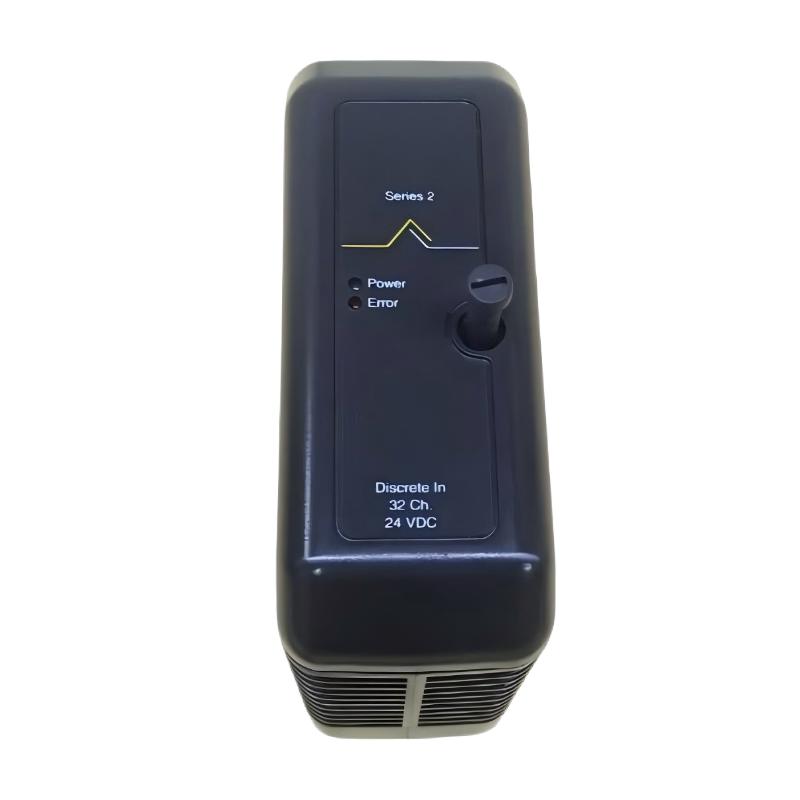
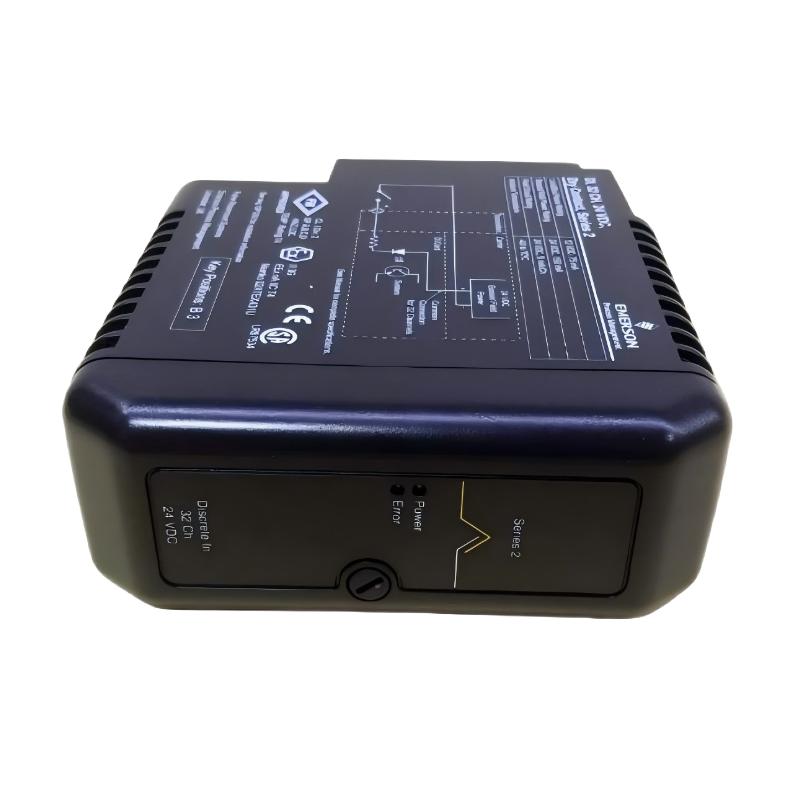
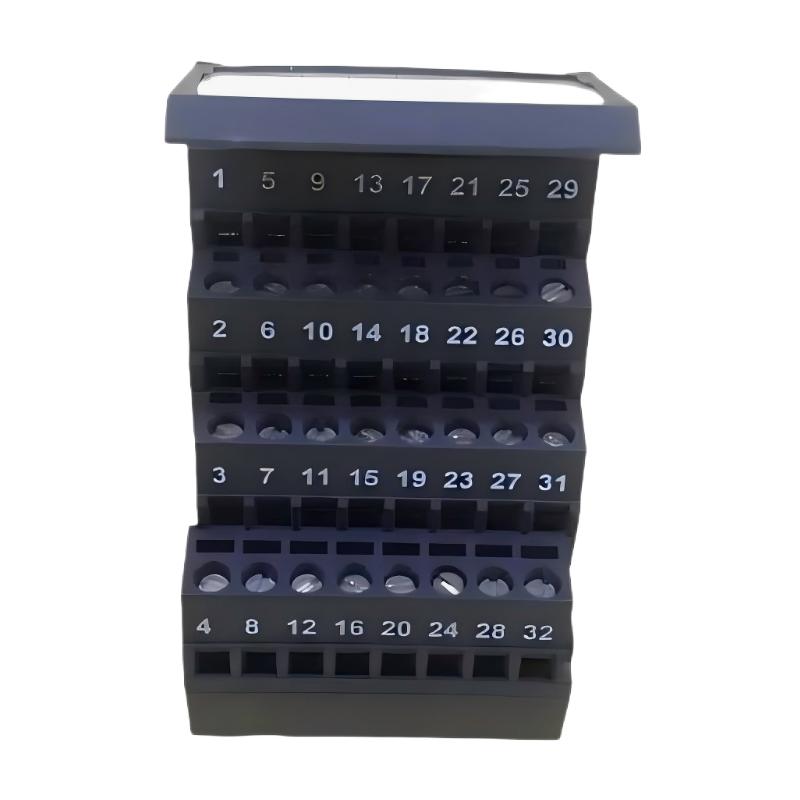
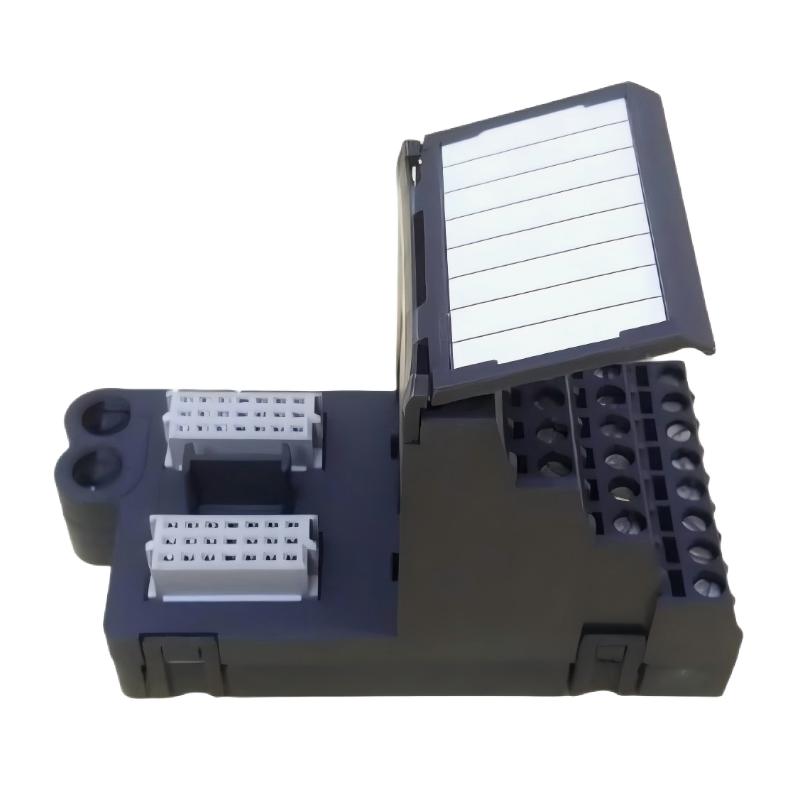
- Emerson
- VE4001S2T2B4 KJ3203X1-BA1
- Discrete Input Card
- USA
- 107 x 41 x 105 mm
- 0.132 kg
- Xiamen, China
- New & In Stock
- T/T, PayPal, Western Union
- 1 Year
- 1-3 Working Days
- DHL, UPS, TNT, FedEx and EMS.
- 24-Hour Service
- COO
- 4
Our advantage

Global Logistics
We have a 10-year logistics and express cooperation agreement, so our products can be shipped to any place in the world.

Brand new and original
Our products are imported in bulk from the place of origin. Because of the cooperative relationship, our products are all original and 100% new.

24-hour service
We provide 7*24 hours service to our customers. We will be there whenever you need us.

Price advantage
All our products are priced very favorably because we have our own warehouse and supply.
| Company Information | |||
| [email protected] | |||
| Mobile | +8615980777398 | ||
| +8615980777398 | |||
| 15980777398 |
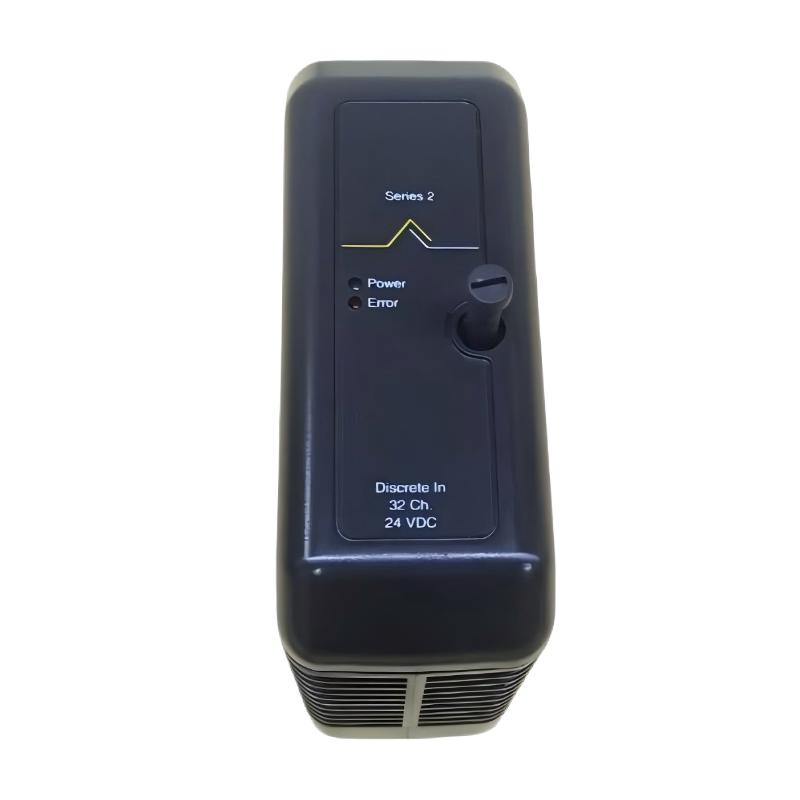
Product Overview
The Emerson VE4001S2T2B4 KJ3203X1-BA1 Discrete Input Card is an industrial automation I/O component designed to acquire discrete field signals and transfer equipment status information into an Emerson distributed control system. As an input-side component, it provides the connection between field devices and control logic, allowing controllers and operator interfaces to recognize binary process conditions in real time.
Discrete signals are widely used throughout industrial plants. A motor can be running or stopped, a valve can be open or closed, and an external alarm can be active or normal. These conditions may appear simple, but they are often critical to automatic sequences, permissives, alarms, and equipment interlocks. A dependable discrete input card provides the control system with the field information required to make these decisions.
The VE4001S2T2B4 is associated with the KJ3203X1-BA1 Discrete Input Card and has specified dimensions of 107 × 41 × 105 mm, with a weight of 0.132 kg. Its compact construction makes it appropriate for distributed I/O installations and industrial control cabinets where space efficiency and serviceability are important.
The card can form part of a larger Emerson control architecture containing field devices, I/O interfaces, controllers, engineering workstations, operator interfaces, and supervisory systems. Properly integrated, it helps provide a structured path for field-status information to reach the control application.
Technical Specifications
| Parameter | Details |
|---|---|
| Manufacturer | Emerson |
| Model | VE4001S2T2B4 |
| Associated Part Number | KJ3203X1-BA1 |
| Product Type | Discrete Input Card |
| Signal Type | Discrete / Digital Input |
| Main Function | Acquisition of binary field signals |
| System Role | Field signal interface |
| Application | Distributed control and process automation |
| Typical Signals | Equipment status, switches, alarms, permissives and interlocks |
| Installation | Industrial I/O system / control cabinet |
| Dimensions (H × W × D) | 107 × 41 × 105 mm |
| Weight | 0.132 kg |
| Typical Industrial Use | Equipment monitoring, process sequencing, alarm and interlock applications |
Exact channel ratings, electrical signal requirements, terminal assignments, isolation characteristics, and system compatibility should be verified against the applicable Emerson system documentation and project configuration.
What Is the Emerson VE4001S2T2B4 KJ3203X1-BA1?
The Emerson VE4001S2T2B4 KJ3203X1-BA1 is a Discrete Input Card intended for industrial control-system applications in which binary field information needs to be collected and processed.
The KJ3203X1-BA1 represents the associated hardware identification, while VE4001S2T2B4 identifies the corresponding configuration.
The card is positioned between field-level equipment and higher-level control functions. A simplified signal path is:
Field Device → Field Wiring → Input Interface → KJ3203X1-BA1 → I/O System → Controller → Control Logic → HMI / SCADA
This arrangement enables physical equipment conditions to become digital information that can be processed by the control application.
Understanding Discrete Inputs
A discrete input represents a defined state rather than a continuously changing measurement.
For example:
- A valve may be OPEN or CLOSED.
- A motor may be RUNNING or STOPPED.
- A switch may be ACTIVATED or NORMAL.
- A breaker may be OPEN or CLOSED.
- An alarm contact may be ACTIVE or INACTIVE.
These signals are different from analog measurements such as pressure, temperature, flow, or level.
However, discrete information can be just as important as analog information. Automated process sequences frequently depend on knowing whether equipment has reached a particular state before the next operation is allowed to occur.
Function and Working Principle
The VE4001S2T2B4 receives appropriate discrete field conditions through its input interface and makes those states available to the control system.
A typical operating sequence can be summarized as follows:
- A field device changes physical state.
- The corresponding electrical signal changes.
- The field wiring transfers the signal to the I/O interface.
- The input card detects the appropriate input condition.
- The I/O system communicates the input state to the controller.
- Control logic evaluates the state.
- The system generates the appropriate equipment response, alarm, sequence action, or operator indication.
For example, a pump may be commanded to start. A running-status contact from the starter then changes state. The input card acquires this feedback, allowing the controller to verify that the pump has actually started.
This type of command-and-feedback relationship is fundamental to industrial automation.
Role in Industrial Control Systems
The VE4001S2T2B4 operates at the field I/O layer of an industrial control architecture.
A typical architecture contains:
Field Level
Field devices interact directly with the physical process.
Examples include:
- Switches
- Motors
- Valves
- Pumps
- Relays
- Contactors
- Protective devices
I/O Level
The input card acquires field information and transfers it to the control system.
Controller Level
The controller executes programmed logic based on the acquired input states.
Supervisory Level
HMI, SCADA, and operator workstations display equipment status, alarms, and process information.
The reliability of the I/O layer is therefore important because incorrect input information can affect the behavior of higher-level control logic.
Common Discrete Input Applications
The VE4001S2T2B4 can be applied to many types of industrial status-monitoring functions.
Motor Status
Motor starters frequently provide auxiliary contacts that indicate whether a motor has started or stopped.
The control system can compare the motor command with the actual feedback signal.
Valve Position
Open and closed limit switches can provide feedback to confirm that an actuator has reached its intended position.
Pump Monitoring
Pump running and fault contacts can be acquired by discrete inputs to support automatic pump sequencing and equipment monitoring.
Alarm Acquisition
External equipment alarms can be brought into the control system through discrete inputs.
Interlocks
Discrete input conditions can be evaluated as permissives or interlocks that determine whether an automated operation is allowed.
Switchgear Monitoring
Breaker and disconnect auxiliary contacts can provide status information to the control system.
Equipment Feedback and Sequence Control
Discrete input cards are particularly valuable for automatic sequencing.
Consider a process involving two valves and a pump.
The control system may require:
- Valve A confirmed open.
- Valve B confirmed open.
- Pump available.
- No active fault.
- Pump start command issued.
- Pump running feedback confirmed.
The controller can use discrete input information to verify each condition.
If the pump does not provide the expected running feedback within the required sequence, the control program may generate a startup alarm or prevent subsequent process steps.
The accuracy of each input therefore contributes directly to the reliability of the overall sequence.
Alarm and Interlock Functions
A discrete input may also be associated with a protective or diagnostic condition.
Examples include:
- Motor overload
- High-pressure switch
- Low-level switch
- Equipment fault
- Valve-position mismatch
- Cooling-system failure
- External trip contact
- Protective relay status
The controller can evaluate these signals and generate alarms or modify the operating sequence.
Interlocks can be especially important in process applications because they prevent certain operations from occurring unless required conditions are satisfied.
Integration With Field Devices
Before connecting the VE4001S2T2B4, the electrical characteristics of the field device should be checked carefully.
Potential signal sources include:
- Auxiliary relay contacts
- Mechanical switches
- Limit switches
- Motor starter contacts
- Proximity devices
- Pressure switches
- Level switches
- Equipment alarm contacts
- Control relays
The exact input signal requirements must match the installed I/O configuration.
Important considerations include:
- Signal voltage
- Signal polarity
- Common arrangement
- Contact configuration
- Isolation
- Wiring length
- Grounding
- Electrical noise
A field device that provides a simple ON/OFF condition can still require careful engineering to ensure reliable signal detection.
Installation Guidelines
Correct installation is essential for dependable I/O operation.
Inspect the Card Before Installation
Check the VE4001S2T2B4 for:
- Mechanical damage
- Damaged connectors
- Bent connection points
- Cracks
- Corrosion
- Contamination
- Signs of overheating
Any damaged hardware should be evaluated before installation.
Verify the Model
Confirm the complete identification:
Emerson VE4001S2T2B4
KJ3203X1-BA1
This is especially important when replacing existing I/O hardware because visually similar components may have different functions.
Verify the I/O Location
Install the card in the appropriate I/O position according to the system design and approved engineering configuration.
Check Field Wiring
Before applying power, verify:
- Terminal assignment
- Cable identification
- Signal polarity
- Common connections
- Shielding
- Grounding
- Cable routing
Correct wiring is essential for reliable digital signal acquisition.
Commissioning Procedure
A structured commissioning procedure helps verify the complete signal path.
Hardware Verification
Confirm that the VE4001S2T2B4 is securely installed and correctly associated with the required I/O assembly.
Wiring Verification
Compare the actual field wiring against the approved drawings.
Configuration Verification
Confirm that the control-system configuration identifies the installed input hardware correctly.
Field Device Testing
Operate each connected switch, contact, or equipment device and observe the corresponding input state.
Controller Verification
Confirm that the controller receives the expected signal and that the appropriate control logic responds.
HMI Verification
Check that equipment status displayed to the operator matches the actual field condition.
Alarm and Interlock Testing
Where applicable, test alarm and interlock conditions under approved commissioning procedures.
Troubleshooting the Emerson VE4001S2T2B4
Troubleshooting should begin with the complete signal path.
A useful sequence is:
Field Device → Wiring → Terminal Connection → Input Card → I/O System → Controller → HMI
This approach makes it easier to determine where the signal is being lost.
Input Remains OFF
If an input remains OFF when the field device should be active, investigate:
- Field switch failure
- Open circuit
- Broken cable
- Loose terminal
- Incorrect common connection
- Incorrect wiring
- Incorrect configuration
- Input-channel fault
The field circuit should be tested before replacing the input card.
Input Remains ON
If an input remains active when the field device should be inactive, possible causes include:
- Shorted field wiring
- Incorrect termination
- Incorrect device state
- External voltage
- Wiring error
- Input-channel failure
Testing the field-side circuit can help determine whether the problem is external to the I/O card.
Intermittent Input
An intermittent signal can be caused by:
- Loose terminals
- Cable vibration
- Aging switch contacts
- Damaged wiring
- Electrical interference
- Grounding problems
- Environmental contamination
Intermittent faults should be investigated under representative operating conditions whenever possible.
Multiple Channels Fail
When multiple input channels become abnormal at the same time, investigate common system-level causes.
Potential causes include:
- I/O power problems
- Common wiring problems
- I/O interface faults
- Configuration problems
- Communication issues
- Carrier or system-level failures
Replacing individual cards without checking common causes can result in unnecessary maintenance.
Preventive Maintenance
Regular inspection can improve the long-term reliability of the VE4001S2T2B4 installation.
Recommended activities include:
- Inspect terminal connections.
- Check field cables.
- Inspect connectors.
- Review system diagnostics.
- Check cabinet environmental conditions.
- Verify grounding.
- Inspect for contamination or corrosion.
- Review recurring input alarms.
- Test important field devices.
- Confirm actual equipment status against the control-system indication.
A maintenance history can also help identify recurring faults associated with particular field devices or circuits.
Replacement Considerations
When replacing the Emerson VE4001S2T2B4, verify the complete identification before removing or installing hardware.
Key identification information includes:
VE4001S2T2B4
KJ3203X1-BA1
The replacement should be checked for:
- Correct input function
- System compatibility
- I/O position
- Field wiring compatibility
- Configuration requirements
- Hardware revision requirements where applicable
After installation, the associated field circuits should be tested before the equipment is returned to normal automatic operation.
Spare-Part Management
Critical process facilities benefit from maintaining correctly identified spare I/O components.
A spare VE4001S2T2B4 should be:
- Clearly labeled
- Stored in suitable protective packaging
- Protected from moisture
- Protected from contamination
- Protected from impact
- Properly recorded in inventory
The exact model number should always be verified before installation.
Maintaining correct spare identification helps reduce downtime when an I/O component needs to be replaced unexpectedly.
Storage and Handling
The specified weight of the VE4001S2T2B4 is only 0.132 kg, making it easy to handle during maintenance. Nevertheless, electronic I/O components should be handled carefully.
During storage and transportation:
- Avoid mechanical impact.
- Protect connectors.
- Keep the card dry.
- Avoid excessive humidity.
- Prevent contamination.
- Use suitable protective packaging.
- Maintain clear part-number identification.
Proper handling reduces the risk of damage before the component is installed.
Signal Integrity Considerations
Reliable digital input operation depends on the entire signal path.
The following elements should be considered together:
Field Device + Cable + Terminal Connection + Input Card + I/O Configuration + Controller Logic
A problem in any one of these areas can result in an incorrect status.
For example, a damaged field cable can prevent a perfectly functioning input card from receiving the signal. Similarly, a correctly wired signal can still appear incorrect if the engineering configuration or control logic does not correspond to the actual hardware.
This is why I/O commissioning should include both physical testing and software verification.
Importance in Process Automation
Discrete field information is often used as a decision-making input for automated processes.
Accurate digital status information allows the control system to:
- Verify equipment operation
- Detect abnormal conditions
- Generate alarms
- Control process sequences
- Enforce permissives
- Implement interlocks
- Monitor equipment
- Support maintenance diagnostics
Although discrete signals typically represent only a small number of possible states, they can have a major impact on plant operation.
A single valve-position signal may determine whether a process sequence is allowed to continue. A single motor-fault signal may initiate an alarm or protective action.
Reliable input acquisition is therefore an essential part of dependable industrial automation.
Key Advantages
The Emerson VE4001S2T2B4 KJ3203X1-BA1 Discrete Input Card provides several practical advantages:
- Dedicated discrete field-signal acquisition
- Compact 107 × 41 × 105 mm form factor
- Lightweight 0.132 kg design
- Suitable for distributed I/O architectures
- Supports equipment status monitoring
- Suitable for alarm and interlock applications
- Useful for automated sequence control
- Supports structured field-to-controller signal paths
- Facilitates systematic troubleshooting
- Suitable for industrial process-control environments
Technical FAQs
What is the Emerson VE4001S2T2B4?
The Emerson VE4001S2T2B4 is a Discrete Input Card associated with the KJ3203X1-BA1 hardware designation and designed for industrial field-signal acquisition.
What is the KJ3203X1-BA1?
The KJ3203X1-BA1 is the associated discrete input card identification for the VE4001S2T2B4 configuration.
What is the main purpose of a discrete input card?
Its primary purpose is to acquire binary field conditions and make them available to the control system for monitoring, sequencing, alarms, permissives, and interlocks.
What are the dimensions of the VE4001S2T2B4?
The specified dimensions are 107 × 41 × 105 mm.
What is the weight?
The specified weight is 0.132 kg.
What equipment can provide signals to this type of input card?
Typical sources include switches, auxiliary contacts, motor starters, valve-position contacts, alarms, equipment status signals, and other suitable discrete field devices.
What should be checked if an input does not respond?
Check the field device first, followed by field wiring, terminal connections, input hardware, I/O configuration, controller logic, and HMI indication.
Why are discrete inputs important?
Discrete inputs provide the controller with real-time information about equipment states. These signals are frequently used for sequence control, alarms, permissives, interlocks, and equipment monitoring.
Conclusion
The Emerson VE4001S2T2B4 KJ3203X1-BA1 Discrete Input Card is a compact industrial automation component designed to acquire discrete field information and provide that information to an Emerson control system. It serves as an important interface between physical field equipment and digital control logic.
With specified dimensions of 107 × 41 × 105 mm and a weight of 0.132 kg, the card is well suited to distributed I/O installations and space-conscious industrial control cabinets. Its applications can include motor-status monitoring, valve-position feedback, alarms, equipment fault indication, process permissives, and interlock logic.
For successful implementation, the VE4001S2T2B4 should be treated as part of the complete field-to-controller signal chain. Correct installation, compatible field wiring, accurate system configuration, controlled commissioning, and systematic troubleshooting all contribute to reliable operation. When properly integrated, the Emerson VE4001S2T2B4 can provide a dependable foundation for discrete signal acquisition in demanding industrial automation environments.