

ProductPRODUCT
Featured products
Contact Us
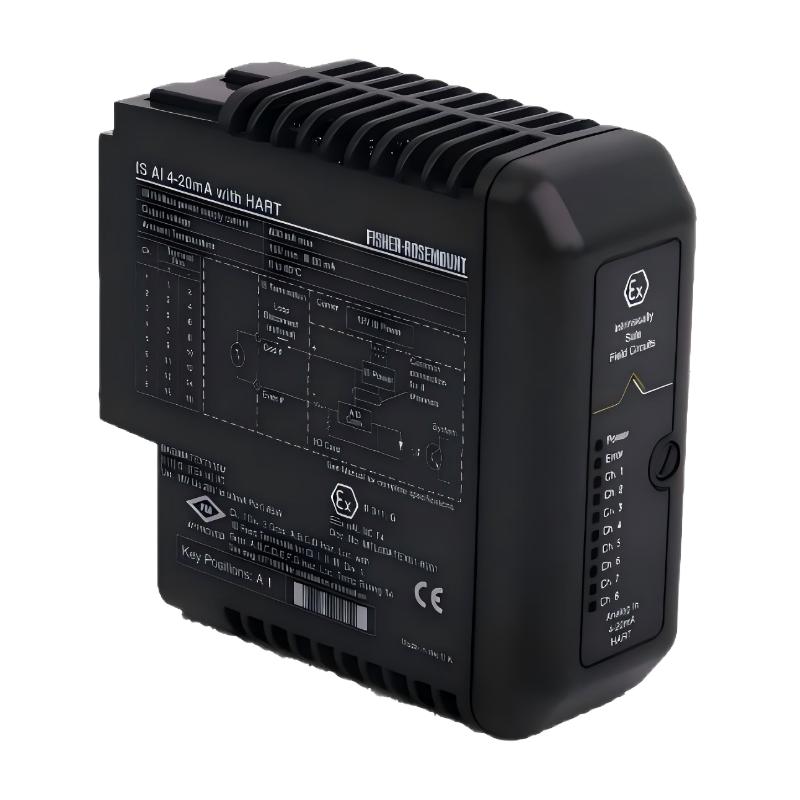
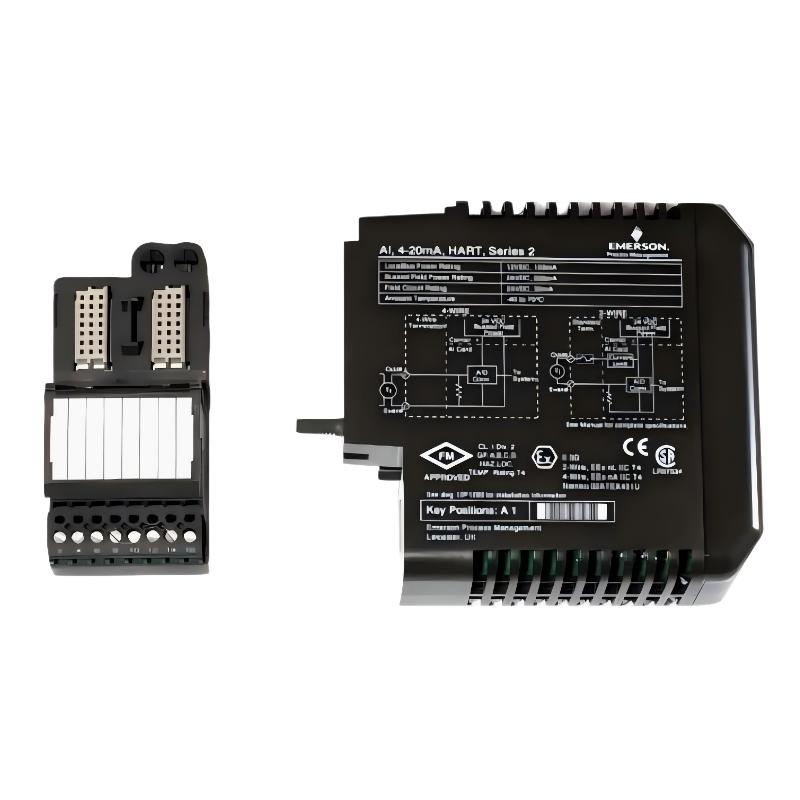
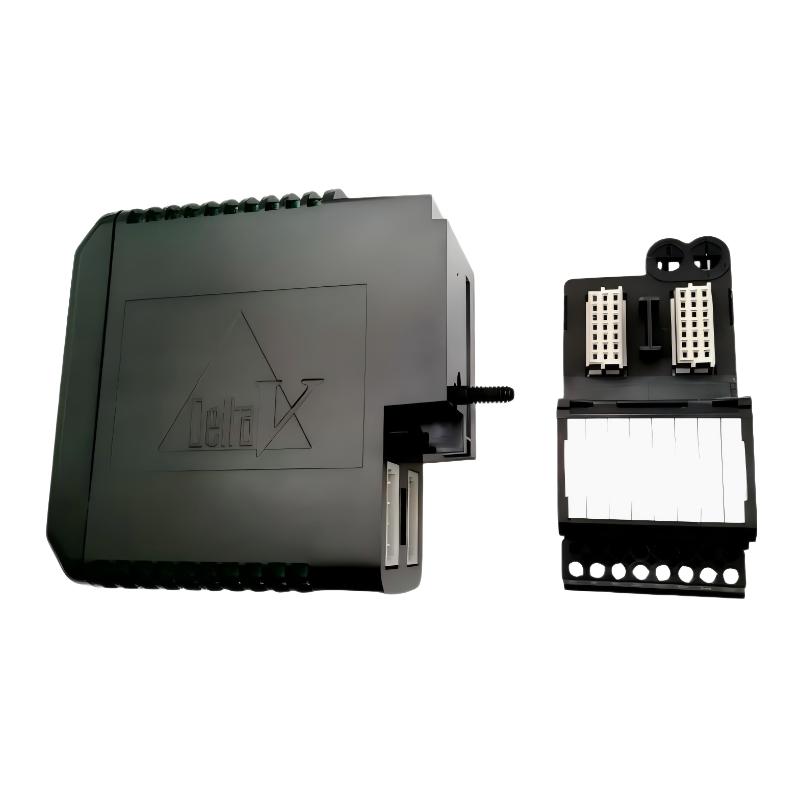
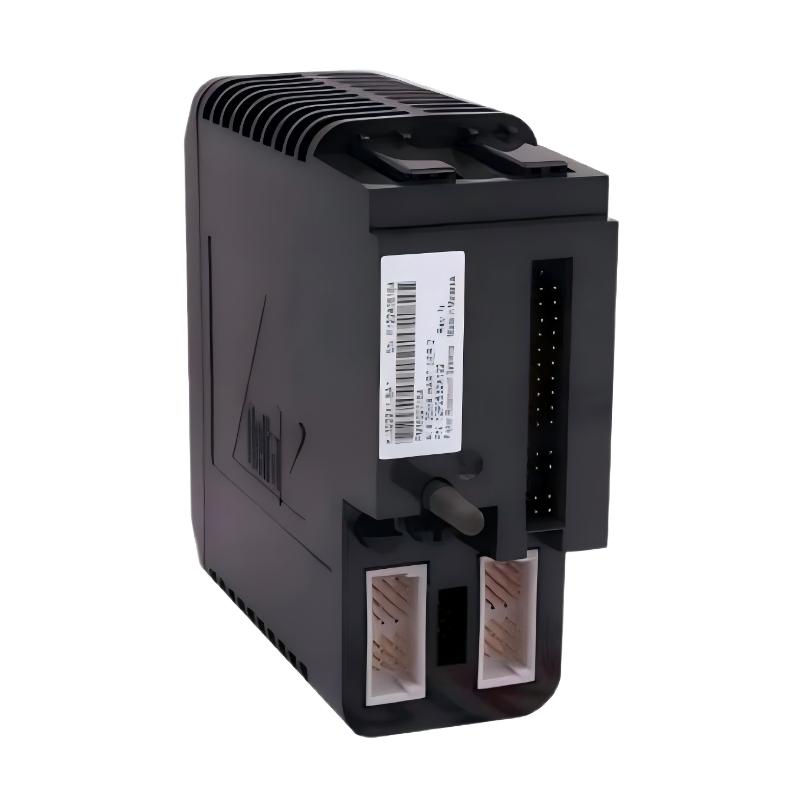
- Emerson
- VE4001S2T2B1
- Discrete Input Card
- USA
- 107 x 41 x 105 mm
- 0.13 kg
- Xiamen, China
- New & In Stock
- T/T, PayPal, Western Union
- 1 Year
- 1-3 Working Days
- DHL, UPS, TNT, FedEx and EMS.
- 24-Hour Service
- COO
- 5
Our advantage

Global Logistics
We have a 10-year logistics and express cooperation agreement, so our products can be shipped to any place in the world.

Brand new and original
Our products are imported in bulk from the place of origin. Because of the cooperative relationship, our products are all original and 100% new.

24-hour service
We provide 7*24 hours service to our customers. We will be there whenever you need us.

Price advantage
All our products are priced very favorably because we have our own warehouse and supply.
| Company Information | |||
| [email protected] | |||
| Mobile | +8615980777398 | ||
| +8615980777398 | |||
| 15980777398 |
Product Overview
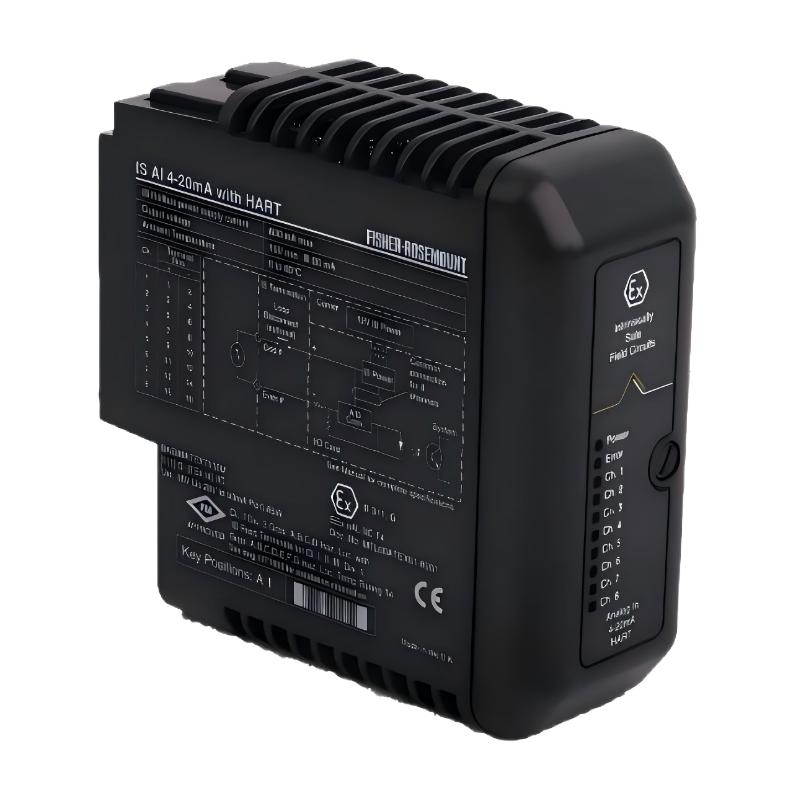
The Emerson VE4001S2T2B1 Discrete Input Card is an industrial automation I/O component designed for reliable acquisition of discrete field signals within Emerson distributed control system architectures. It provides the interface between field-level switching devices and the control system, allowing binary operating conditions such as ON/OFF states, equipment status, limit-switch positions, alarms, and interlock signals to be transferred into the control environment.
As part of an industrial I/O architecture, the VE4001S2T2B1 is used where dependable digital signal acquisition is required. Discrete inputs are fundamental to process automation because many field devices operate with two-state information. A motor may be running or stopped, a valve may be open or closed, and a pressure switch may be normal or tripped. The input card converts these field conditions into signals that can be interpreted by the control system and used for monitoring, sequencing, alarming, and interlocking.
The compact design of the Emerson VE4001S2T2B1, measuring 107 × 41 × 105 mm and weighing 0.13 kg, makes it suitable for dense control cabinets and distributed I/O installations where cabinet space and component accessibility are important considerations.
Technical Specifications
| Parameter | Details |
|---|---|
| Manufacturer | Emerson |
| Model | VE4001S2T2B1 |
| Product Family | Emerson Industrial Automation / Distributed I/O |
| Product Type | Discrete Input Card |
| Signal Type | Digital / Discrete Input |
| Main Function | Acquisition of binary field signals |
| Typical Signals | Switches, contacts, alarms, equipment status, interlocks |
| Dimensions (H × W × D) | 107 × 41 × 105 mm |
| Weight | 0.13 kg |
| Installation | Industrial control cabinet / I/O system |
| Application | Process automation and distributed control |
| System Role | Field signal acquisition |
| Typical Use | Equipment monitoring, sequencing, alarms and interlocks |
Field wiring, electrical ratings, channel configuration, and termination requirements should be matched to the specific I/O subsystem and application before installation.
What Is the Emerson VE4001S2T2B1?
The VE4001S2T2B1 is a Discrete Input Card used to bring binary information from field equipment into an Emerson control system.
Unlike analog input modules that continuously measure values such as temperature, pressure, flow, or level, a discrete input card handles signals representing distinct states. These signals are essential for determining whether equipment is operating correctly and whether a process condition has changed.
Typical examples include:
- Motor running feedback
- Motor fault contacts
- Valve open feedback
- Valve closed feedback
- Pump running status
- Circuit breaker status
- Limit-switch signals
- Pressure-switch contacts
- Level-switch signals
- Emergency or protective contacts
- Process alarm contacts
- Equipment permissive signals
- Interlock status
The VE4001S2T2B1 therefore acts as an important connection point between physical process equipment and the digital logic implemented in the control system.
Function and Working Principle
A discrete input card operates by detecting the electrical state of an incoming field signal and presenting that state to the control system as a digital condition.
A simplified signal path can be described as:
Field Device → Input Wiring → Discrete Input Card → I/O Interface → Controller → Control Logic → HMI/SCADA
When a field device changes state, the corresponding input circuit detects the change. The input electronics provide the necessary signal conditioning and isolation appropriate to the I/O architecture, after which the control system can use the resulting digital state.
For example, consider a pump controlled by an industrial process system. The control logic may command the pump to start and then wait for a running-status contact. When the contact changes state, the discrete input card acquires that information. The controller can then determine whether the pump successfully started.
This simple operation becomes extremely important when hundreds or thousands of discrete conditions are monitored throughout a plant.
Role in a Distributed Control System
The VE4001S2T2B1 performs an important role within the I/O layer of an industrial control architecture.
A typical process automation architecture contains several functional levels:
- Field Devices
- I/O Modules
- Controllers
- Engineering and Operator Stations
- HMI / SCADA Systems
- Plant-Level Information Systems
The discrete input card operates primarily at the second level. It provides the controller with real-time information about physical equipment.
This separation between field devices and control processors is valuable because it allows the control system to collect a large quantity of distributed equipment-status information without requiring individual direct connections to every controller processor.
Discrete Input Applications
Discrete inputs are used throughout process and factory automation because many operational decisions depend on binary conditions.
Motor Monitoring
Motor starter auxiliary contacts can provide running, stopped, or fault feedback. The control system can compare the feedback with the commanded state and identify abnormal operating conditions.
Valve Position Monitoring
Open and closed limit switches can be connected to digital inputs. This allows the control system to verify whether an actuator has reached the requested position.
Pump Status
Pump running contacts, overload indications, and permissive signals can be monitored to support automatic pump sequencing and protection.
Alarm Monitoring
External alarm contacts can be acquired by discrete inputs and processed by control logic to generate operator notifications.
Interlock Systems
Discrete signals are frequently used in permissive and interlock logic. A process sequence may only be allowed to proceed when several equipment conditions are simultaneously satisfied.
Circuit Breaker and Switchgear Monitoring
Industrial electrical systems often provide auxiliary contacts indicating breaker position or protective-device status. These signals can be monitored by the control system.
Integration With Field Devices
When integrating the VE4001S2T2B1 into a control system, the electrical characteristics of the connected field devices must be considered carefully.
Common field sources include:
- Mechanical switches
- Auxiliary relay contacts
- Proximity switches
- Limit switches
- Motor contactors
- Solenoid feedback contacts
- Pressure switches
- Level switches
- Flow switches
- Safety-related status contacts
- Equipment fault contacts
The actual signal voltage, current, common arrangement, polarity, isolation requirements, and field termination method must be confirmed against the applicable system documentation before connecting equipment.
Correct signal compatibility is essential. A field device that appears to provide a simple ON/OFF signal may still require specific electrical conditions for reliable detection.
Installation Guidelines
Correct installation helps ensure stable operation and simplifies future maintenance.
1. Inspect the Card
Before installation, inspect the VE4001S2T2B1 for:
- Mechanical damage
- Bent connectors
- Contamination
- Corrosion
- Damaged terminals
- Signs of overheating
- Packaging damage
Do not install a visibly damaged card without determining whether the damage affects electrical or mechanical integrity.
2. Verify the Installation Position
The card should be installed in the appropriate Emerson I/O assembly or carrier according to the system architecture.
The compact 107 × 41 × 105 mm form factor allows the card to be used in space-conscious cabinet arrangements, but adequate clearance should still be maintained for wiring, ventilation, inspection, and replacement.
3. Check the I/O Configuration
Confirm that the selected slot and configuration correspond to the required discrete-input function.
The control-system configuration should match the physical hardware so that the controller interprets the input signals correctly.
4. Verify Field Wiring
Before applying power, check every field connection against the approved wiring documentation.
Pay particular attention to:
- Signal polarity
- Common connections
- Terminal assignments
- Cable identification
- Shielding
- Grounding
- Separation of signal and power cables
5. Check Cabinet Conditions
The installation environment should be clean and suitable for industrial electronics.
Avoid unnecessary exposure to:
- Excessive dust
- Condensation
- Chemical contamination
- Excessive vibration
- High ambient temperatures
- Strong electromagnetic interference
Commissioning Procedure
After mechanical installation and wiring, commissioning should be performed systematically.
Step 1: Verify Hardware
Confirm that the VE4001S2T2B1 is correctly installed and securely seated.
Step 2: Check Power
Verify that the associated I/O system is receiving the correct supply and that there are no abnormal power indications.
Step 3: Verify Configuration
Confirm that the engineering configuration corresponds to the installed discrete input card.
Step 4: Test Field Signals
Operate field devices individually and observe the corresponding input state.
For example:
- Activate a limit switch.
- Verify the expected input transition.
- Release the switch.
- Confirm that the input returns to its normal state.
Step 5: Verify Controller Logic
Check that the controller recognizes the input correctly and that programmed sequences, alarms, and interlocks respond as intended.
Step 6: Verify Operator Displays
The corresponding status should be displayed correctly on the HMI or operator workstation where applicable.
Troubleshooting the Emerson VE4001S2T2B1
A systematic diagnostic process is preferable to immediately replacing the card.
Input Does Not Change State
If a field device changes but the corresponding input remains unchanged, inspect the system in sequence:
Field Device → Wiring → Terminal → Input Channel → I/O Configuration → Controller
Possible causes include:
- Defective field switch
- Broken conductor
- Loose terminal
- Incorrect wiring
- Missing common connection
- Incorrect signal polarity
- Incorrect configuration
- Damaged input channel
Testing the field circuit before replacing the card can prevent unnecessary component replacement.
Input Remains Permanently ON
A continuously active input may be caused by:
- Shorted field wiring
- Incorrect termination
- Incorrect field-device operation
- Wiring routed incorrectly
- External voltage remaining on the circuit
- Faulty input circuitry
The first step should be to determine whether the unwanted ON state originates in the field circuit or inside the I/O subsystem.
Input Remains Permanently OFF
A permanently OFF signal may indicate:
- Open field circuit
- Failed switch
- Missing supply
- Loose terminal
- Broken cable
- Incorrect common wiring
- Incorrect channel assignment
- Faulty input circuitry
Comparing the suspect channel with a known-good channel can help isolate the problem.
Intermittent Digital Input
Intermittent signals can be more difficult to diagnose than completely failed inputs.
Potential causes include:
- Loose terminals
- Cable vibration
- Poor contact resistance
- Electrical interference
- Damaged field switches
- Improper grounding
- Environmental contamination
- Aging wiring
Observe the signal while operating the associated field device and inspect the physical wiring for movement or mechanical stress.
Communication or I/O System Faults
If multiple discrete inputs fail simultaneously, do not assume that several individual input channels have failed.
A common problem affecting multiple channels may originate from:
- I/O carrier problems
- Power supply issues
- Communication problems
- Controller configuration
- Network or interface faults
- System-level hardware problems
When many channels change to an abnormal state simultaneously, system-level diagnostics should be performed before replacing individual cards.
Preventive Maintenance
Although discrete input cards generally require limited routine maintenance, the surrounding installation should be inspected periodically.
Recommended maintenance activities include:
- Inspect card seating
- Check cabinet temperature
- Inspect terminal connections
- Check cable condition
- Review diagnostic messages
- Inspect for dust or contamination
- Verify grounding
- Check field-device operation
- Review recurring input alarms
- Compare actual equipment status with displayed status
Preventive maintenance is particularly important in process plants where control equipment may operate continuously for long periods.
Importance of Accurate Discrete Signal Acquisition
A discrete signal may appear simple because it contains only two states, but its reliability can have significant process consequences.
Consider a valve-position feedback signal. If the control system believes a valve is open when it is actually closed, a sequence may continue under incorrect assumptions. Similarly, if a pump-running signal is lost while the pump continues operating, the operator may receive inaccurate process information.
Reliable digital input acquisition therefore supports:
- Correct sequence execution
- Equipment protection
- Alarm generation
- Process permissives
- Interlock logic
- Operator awareness
- Maintenance diagnostics
- Production continuity
The VE4001S2T2B1 should consequently be treated as part of the overall control-system signal chain rather than as an isolated electronic component.
Replacement Considerations
When replacing an Emerson VE4001S2T2B1, the replacement part should be evaluated against the existing control-system configuration rather than selected only according to physical appearance.
Before replacement, verify:
- Exact model number
- Hardware revision where applicable
- I/O function
- System compatibility
- Carrier or base compatibility
- Field wiring arrangement
- Configuration requirements
- Environmental requirements
The replacement procedure should follow the plant’s approved maintenance and electrical safety procedures.
After installation, the new card should be tested using representative field signals before the equipment is returned to normal automatic operation.
Spare-Part Management
For industrial facilities that depend on continuous process operation, maintaining suitable spare I/O hardware can reduce recovery time following an unexpected failure.
A spare VE4001S2T2B1 should be:
- Clearly identified
- Properly packaged
- Protected from moisture
- Stored in a clean environment
- Protected against mechanical damage
- Tracked according to the plant’s spare-parts system
The model number should be checked carefully before issuing a replacement because visually similar I/O components may perform different functions.
System-Level Diagnostic Strategy
Troubleshooting should normally proceed from the field toward the controller.
A practical diagnostic sequence is:
1. Confirm the process condition
Determine whether the physical equipment is actually in the expected state.
2. Check the field device
Verify that the switch, relay, sensor, or auxiliary contact changes state correctly.
3. Check field wiring
Inspect continuity, terminals, common connections, and cable condition.
4. Check the input channel
Determine whether the VE4001S2T2B1 recognizes the electrical state.
5. Check configuration
Confirm that the control system has the correct channel definition.
6. Check controller logic
Verify that the acquired state is being processed correctly.
7. Check HMI/SCADA indication
Confirm that the operator display represents the actual field condition.
This approach avoids replacing expensive automation components when the real problem is a field switch or wiring connection.
Advantages of the Emerson VE4001S2T2B1
The VE4001S2T2B1 provides several practical advantages for industrial control applications:
- Reliable discrete field-signal acquisition
- Suitable for process automation architectures
- Supports equipment status monitoring
- Useful for alarms and interlocks
- Supports sequence-control applications
- Compact physical design
- Low component weight of 0.13 kg
- Suitable for dense I/O installations
- Straightforward integration into digital signal chains
- Supports centralized equipment monitoring
Its primary value comes from providing dependable communication of binary field conditions into the control system.
Technical FAQs
What is the Emerson VE4001S2T2B1?
The Emerson VE4001S2T2B1 is a Discrete Input Card designed to acquire binary field signals for use within an industrial automation or distributed control system.
What types of signals can a discrete input card monitor?
Typical applications include equipment status contacts, switches, valve-position feedback, motor status, alarms, permissives, and interlock signals.
What are the dimensions of the VE4001S2T2B1?
The supplied dimensions are 107 × 41 × 105 mm.
How much does the VE4001S2T2B1 weigh?
The specified weight is 0.13 kg.
Where is the VE4001S2T2B1 typically used?
It can be used in industrial process-control and distributed I/O applications where binary field information must be collected and made available to control logic.
What should be checked before replacing the card?
The exact model, I/O function, hardware compatibility, carrier arrangement, field wiring, and system configuration should be verified before replacement.
Why are discrete inputs important in process automation?
Discrete inputs provide the control system with real-time information about binary equipment conditions. These signals are fundamental to alarms, interlocks, permissives, equipment monitoring, and automated sequences.
Conclusion
The Emerson VE4001S2T2B1 Discrete Input Card is an important component for acquiring binary field information within industrial automation and distributed control applications. It provides the interface through which switches, equipment contacts, alarms, valve feedback, motor status, and other two-state signals can be incorporated into control logic.
With dimensions of 107 × 41 × 105 mm and a weight of 0.13 kg, the VE4001S2T2B1 offers a compact form factor suitable for organized industrial I/O installations. Its role extends beyond simple signal detection: reliable discrete input acquisition supports equipment monitoring, process sequencing, alarm handling, permissive logic, and interlock functions.
For maintenance and engineering teams, successful application of the Emerson VE4001S2T2B1 depends on correct field wiring, compatible system configuration, proper commissioning, and systematic troubleshooting. When these practices are followed, the card can contribute to dependable digital signal acquisition and stable operation of Emerson-based industrial control systems.