
NewsNEWCENTER
Featured products

Contact Us
Emerson Strengthens Process Automation Development Through Intelligent DCS and Digital Technologies
2026-07-16The global process industry is undergoing a significant transformation as companies continue upgrading their automation systems with digital technologies, intelligent control solutions, and advanced data analytics.
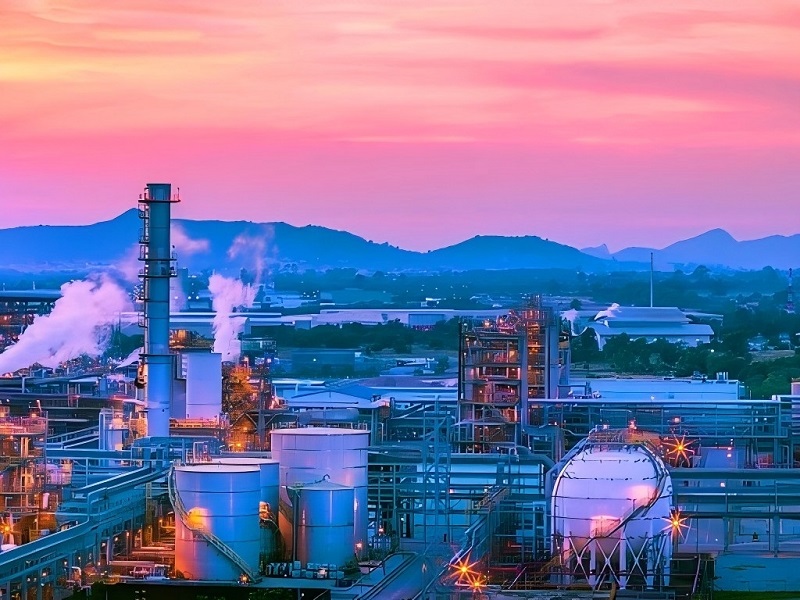
Industries such as oil and gas, chemical manufacturing, power generation, pharmaceutical production, water treatment, and food processing are facing increasing demands for higher efficiency, improved safety, reduced energy consumption, and more reliable operations.
To meet these challenges, industrial companies are moving beyond traditional process control methods and adopting intelligent automation platforms that combine distributed control systems, industrial software, artificial intelligence, and connected operational data.
Emerson continues to support this industrial transformation through advanced automation technologies centered around process control, digital solutions, and intelligent operational management.
The evolution of the Emerson DeltaV distributed control system represents the broader development direction of modern process automation. Traditional DCS platforms were mainly designed for monitoring and controlling industrial processes. Today, intelligent DCS solutions are expanding their capabilities by supporting predictive maintenance, advanced analytics, remote monitoring, and process optimization.
For process industries operating complex production facilities, intelligent automation has become a critical technology for improving reliability, productivity, and long-term operational performance.
The Changing Role of DCS Systems in Process Industries
Distributed Control Systems have been a fundamental technology in process automation for decades.
Large industrial facilities depend on DCS platforms because their operations require:
- Continuous production
- Accurate process control
- High system availability
- Fast response to abnormal conditions
- Reliable monitoring
Traditional DCS systems provide essential functions including:
- Process measurement
- Control loop management
- Alarm handling
- Operator monitoring
- Equipment supervision
These capabilities remain essential for industrial operations.
However, modern process industries require more advanced solutions.
Companies now need automation systems that can provide:
- Real-time operational insights
- Equipment health information
- Production optimization
- Energy efficiency improvement
- Digital integration
This has changed the role of DCS technology.
Modern DCS platforms are becoming intelligent operational systems rather than simple control environments.
Emerson DeltaV Supports Modern Process Automation Requirements
The Emerson DeltaV automation platform is widely used in industries where process reliability and operational safety are critical.
Process plants often involve thousands of control points and complex production relationships.
A modern DCS system helps operators manage:
- Temperature control
- Pressure regulation
- Flow management
- Chemical processes
- Equipment operation
- Production stability
In industries such as chemical manufacturing and energy production, even small process variations can affect efficiency and product quality.
Advanced DCS technologies provide operators with better visibility into plant conditions.
This allows engineering teams to:
- Identify operational issues faster
- Improve process stability
- Optimize production parameters
- Reduce unnecessary downtime
The development of intelligent DCS technology is helping industries achieve higher levels of automation performance.
Digital Transformation Drives the Next Generation of Process Automation
Industrial digitalization has become one of the most important trends in modern automation.
Traditional industrial systems generated large amounts of operational information, but companies often had limited ability to analyze and utilize this data.
Digital transformation changes this situation.
Modern automation environments can collect information from:
- DCS controllers
- PLC systems
- Sensors
- Industrial instruments
- Equipment monitoring devices
This information can then support:
- Process optimization
- Maintenance planning
- Energy management
- Operational decision-making
Digital technologies allow industrial companies to move from reactive management toward proactive operation.
Instead of waiting for problems to occur, companies can identify potential issues earlier and take preventive action.
Artificial Intelligence Improves Industrial Process Optimization
Artificial intelligence is becoming an important technology in the future development of industrial automation.
Traditional process control relies mainly on engineering logic and predefined control strategies.
Industrial AI introduces new capabilities by analyzing large amounts of operational data and identifying patterns that support better decisions.
In process industries, AI can support:
Predictive Maintenance
Industrial equipment such as:
- Pumps
- Compressors
- Motors
- Valves
- Turbines
must operate reliably.
AI-based analysis can evaluate equipment conditions and identify early signs of potential problems.
This allows maintenance teams to:
- Plan repairs more effectively
- Reduce unexpected failures
- Improve equipment lifecycle management
Process Performance Optimization
Industrial processes involve many variables that influence production results.
AI technologies can analyze relationships between:
- Operating parameters
- Equipment performance
- Energy consumption
- Production output
This helps engineers optimize production conditions.
Benefits include:
- Improved efficiency
- Reduced resource consumption
- Better product consistency
Integration Between PLC and DCS Systems Creates More Flexible Automation
Although DCS technology is widely used in process industries, PLC systems remain an important part of industrial automation.
Many modern plants use both PLC and DCS systems together.
PLC systems are commonly used for:
- Machine control
- Equipment sequencing
- Packaging systems
- Local automation tasks
DCS systems are commonly used for:
- Continuous process control
- Plant-wide monitoring
- Process optimization
The integration between PLC and DCS systems creates a complete automation environment.
For example:
A PLC may control auxiliary equipment.
The DCS system monitors overall process performance.
Industrial networks connect different automation systems.
Operational data becomes available for analysis.
This combination improves production flexibility and system efficiency.
Predictive Maintenance Reduces Industrial Downtime
Unexpected shutdowns are one of the biggest challenges for process industries.
Production interruptions can lead to:
- Financial losses
- Reduced output
- Increased maintenance costs
- Safety risks
Modern automation technologies help companies develop predictive maintenance strategies.
By analyzing information from automation systems and field devices, companies can identify abnormal operating conditions.
Important data sources include:
- Equipment vibration
- Temperature changes
- Pressure variations
- Operating cycles
- Historical maintenance information
Predictive maintenance allows companies to schedule service activities before equipment failure occurs.
This improves:
- Production reliability
- Asset performance
- Maintenance efficiency
Energy Efficiency Becomes a Priority in Industrial Automation
Energy consumption is a major concern for many process industries.
Facilities such as chemical plants, refineries, and power generation sites require significant energy resources.
Automation technologies help companies improve energy management by providing better operational visibility.
Digital automation systems can help identify:
- Inefficient equipment operation
- Excessive energy usage
- Process improvement opportunities
Improving energy efficiency helps companies:
- Reduce operating costs
- Improve sustainability
- Optimize production performance
Energy management is becoming an increasingly important part of modern automation strategies.
Challenges of Industrial Automation Modernization
Although intelligent automation provides many advantages, companies must address several challenges during modernization projects.
Legacy System Integration
Many industrial facilities operate automation systems that have been installed for many years.
Integrating older equipment with modern digital technologies requires careful engineering.
Cybersecurity Requirements
Connected industrial systems require stronger cybersecurity protection.
Companies must secure:
- Control networks
- Automation systems
- Industrial communication channels
Skilled Engineering Resources
Modern automation projects require professionals with knowledge of:
- DCS engineering
- PLC programming
- Industrial networking
- Digital technologies
- Data analysis
The future automation workforce will require broader technical capabilities.
Future Outlook: Intelligent DCS Systems Will Shape Process Industry Development
The future of process automation will depend on the combination of reliable control systems and intelligent digital technologies.
Industrial companies are moving toward automation environments where:
- Data supports operational decisions
- AI improves process performance
- Systems predict equipment problems
- Production becomes more efficient
Emerson DeltaV technology represents the evolution of DCS platforms toward intelligent process automation.
As global industries continue modernizing their facilities, advanced DCS solutions will remain essential for improving operational reliability and competitiveness.
The combination of DCS, PLC integration, industrial AI, and digital transformation will continue shaping the future of process industries.
Conclusion
Industrial automation is entering a new era where traditional control systems are becoming intelligent digital platforms.
Emerson DeltaV DCS technology demonstrates how modern process automation can combine reliable control with advanced analytics, digital connectivity, and intelligent optimization.
For industries worldwide, investing in intelligent automation solutions provides opportunities to improve efficiency, reduce downtime, and achieve more sustainable operations.
As process industries continue their digital transformation journey, advanced DCS systems will remain a critical foundation for the future of industrial automation.